
|PIC1|The first U.S. military aid flight left Thailand on Monday for Burma, an "outpost of tyranny" according to Washington, as relief supplies continued to dribble into the reclusive state nine days after a devastating cyclone.
The C-130 transport plane that left the Vietnam War-era U-Tapao airbase was carrying water, mosquito nets and blankets. U.S. aid officials hope it will pave the way for much larger U.S. operations in the army-ruled Burma.
"This is Burma's hour of need and the need is urgent," U.S. Agency for International Development administrator Henrietta Fore said before boarding the plane with a Thai-U.S. delegation for the short flight to the cyclone-hit city of Yangon.
Admiral Timothy Keating, head of the U.S. Pacific Command, is also on the plane, which is landing in the midst of a massive humanitarian disaster that could get much worse unless the military government approves a large-scale international aid effort within days.
Agencies report that deliveries to more than a million increasingly desperate cyclone victims has been minimal.
Medecins Sans Frontieres said on Sunday three cargo planes from Europe carrying medical material and other supplies were scheduled to arrive in Burma on Monday.
"More than one week after the disaster, despite the sending of three cargo planes and some positive signals, it has been very difficult to provide highly needed supplies for the heavily affected population in Burma," MSF said in a statement.
"In the areas where we have been, we haven't seen any aid being delivered so far, so the amount that has reached people in the areas where we are had been minimal," MSF said
MSF had a large presence in Burma before the cyclone. Aid agencies that did not are having even greater difficulties.
220,000 REPORTED MISSING
While Burma's reclusive military government is accepting aid from the outside world, including the United Nations, it will not let in foreign logistics teams, who were queuing up in Bangkok hoping to get visas from the Burma embassy.
The U.N. humanitarian agency said in a new assessment on Sunday that between 1.2 million and 1.9 million were struggling to survive in the aftermath of the storm.
"Given the gravity of the situation including the lack of food and water, some partners have reported fears for security, and violent behaviour in the most severely afflicted areas," the U.N. Office for Coordination of Humanitarian Affairs said.
It said "the number of deaths could range from 63,290 to 101,682, and 220,000 people are reported to be missing". It said "acute environmental issues" posed a threat to life and health.
"Unless there is a massive and fast infusion of aid, experts and supplies into the hardest-hit areas, there's going to be a tragedy on an unimaginable scale," said Greg Beck of the International Rescue Committee.
In the delta town of Labutta, where 80 percent of homes were destroyed, authorities were providing one cup of rice per family per day, a European Commission aid official told Reuters.
In a blow to the stumbling relief effort, a boat carrying some of the first aid to survivors sank, the International Federation of Red Cross and Red Crescent Societies said.
The boat was believed to have hit a submerged tree in the Irrawaddy delta. The accident highlighted the enormous logistical difficulties of delivering aid, with roads washed away and much of the delta turned to swamp.
Burma raised the death toll on Sunday to 28,458 dead and 33,416 missing from the storm on the night of May 2 and early on May 3. Most of the victims were killed by the 12-foot (3.5 metre) wall of sea-water that hit the delta along with the Category 4 cyclone's 190 kph (120 mph) winds.
U.N. LEADS AID EFFORT
Australia responded to a U.N. appeal for $187 million in aid by dramatically increasing its contribution to $23.4 million.
The U.N. World Food Programme said on Sunday it has begun moving aid to its field headquarters in Labutta using trucks provided by the Myanmar Red Cross and other local partners.
"I think you can say it continues to trickle in," WFP spokesman Marcus Prior said on Monday.
The more than one million worst affected lack food, water, and sanitation, face outbreaks of disease such as cholera, and heavy rains are predicted this week over the delta.
Three U.S. Navy ships are steaming toward Burma, and a French warship was expected near Burma's waters later this week, carrying 1,500 tonnes of rice that France said it wants to distribute directly to survivors.
Despite the alarm bells from the international community about the feeble cyclone relief effort, the junta kept its focus on a weekend referendum on a new constitution, part of a "roadmap to democracy" culminating in multi-party elections in 2010.
There is little doubt about the final result on an army-drafted constitution after an intensive propaganda campaign by the junta urging people to vote "Yes".
49% OFF

MANSPOT Electric Pubic Hair Trimmer - Waterproof Body and Groin Shaver for Men and Women (Black)
$20.39 $40
25% OFF

Lick-Safe Dog Paw and Nose Balm Stick - All-Natural Moisturizer with Coconut Oil for Dry, Cracked Pads and Snout
$11.69 $15.59
77% OFF
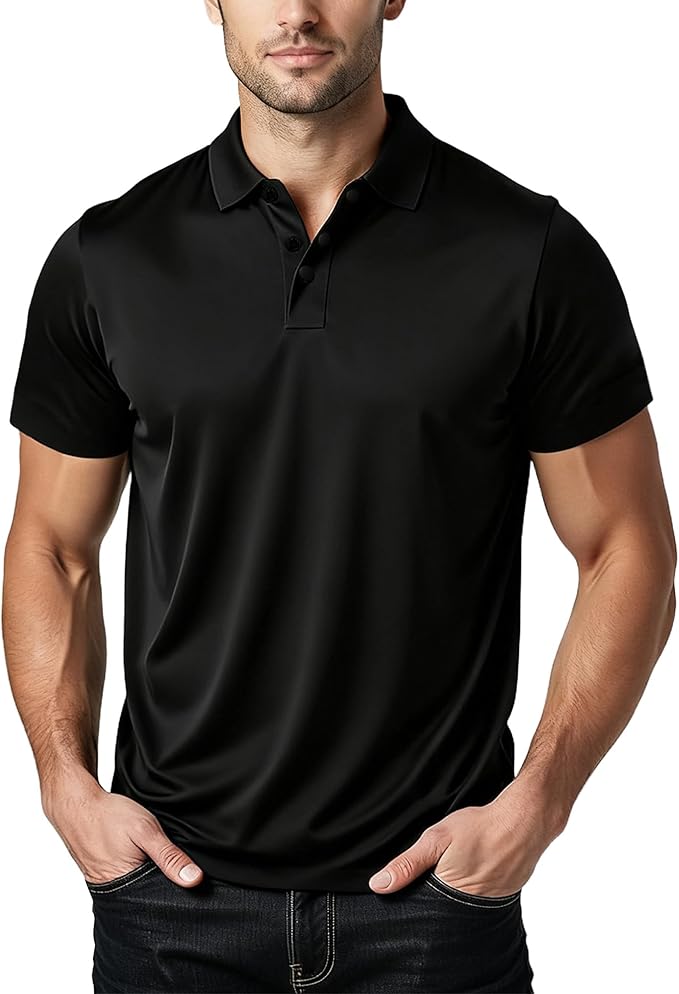
Men's Quick Dry Moisture Wicking Polo Shirt - High Elasticity Slim Fit Athletic Top (Runs Small)
$6.99 $29.99
46% OFF
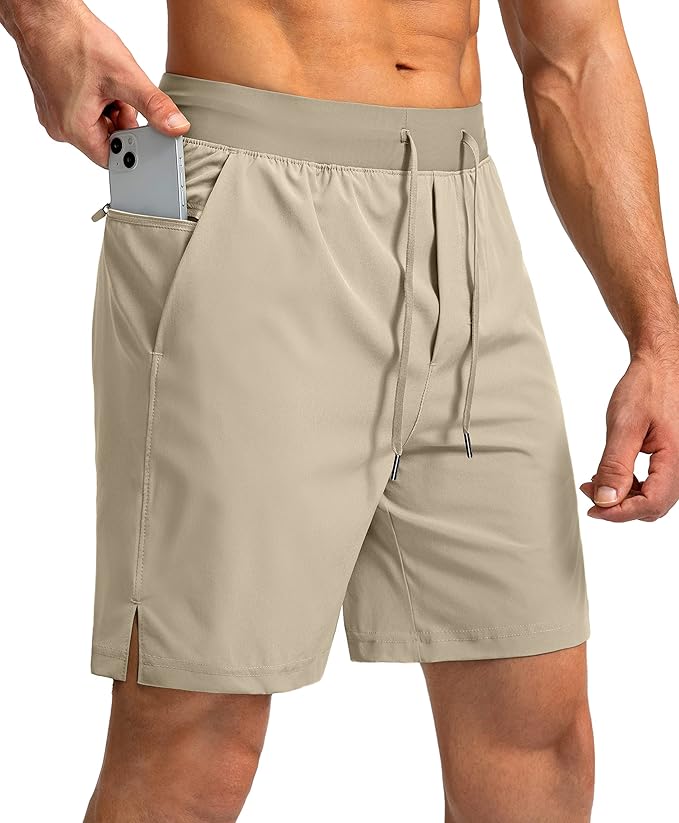
Men's Running Shorts with Zipper Pockets - Lightweight, Quick-Dry, Multi-Sport
$12.95 $23.99
50% OFF

NEWFAST NF-RE523 AC1200 WiFi Extender - 1200Mbps Dual Band Signal Booster & Internet Repeater
$18.5 $36.99
48% OFF
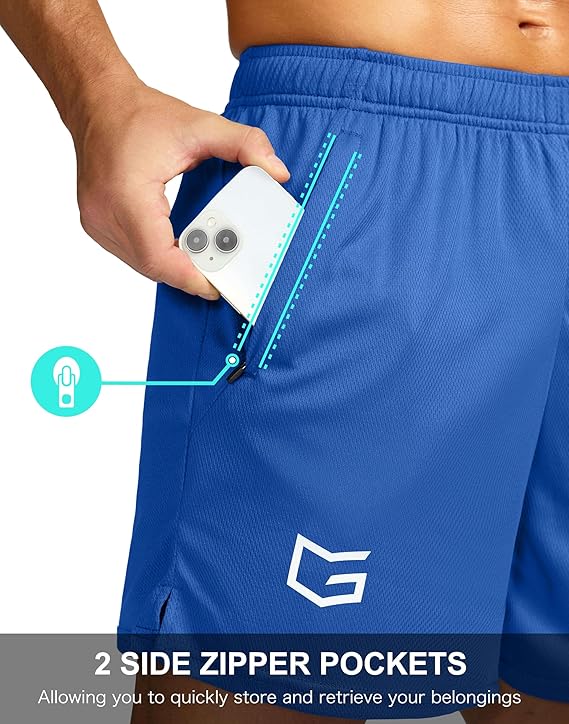
G Gradual Men's 7-inch Workout Running Shorts - Lightweight, Quick-Dry, Comfort
$12.91 $24.99
30% OFF
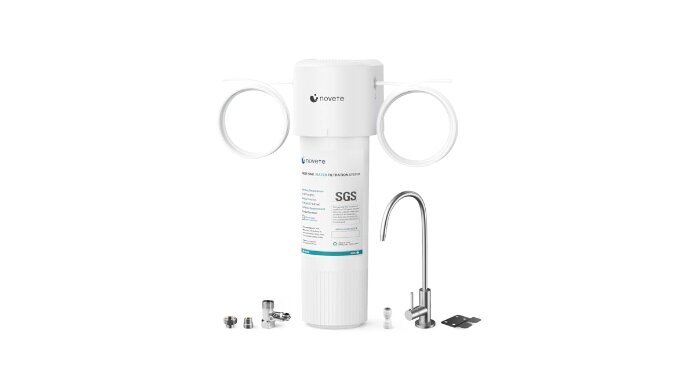
NOVETE Under Sink Water Filter - 3 Years, 30,000 Gallons, High-Efficiency Filtration
$41.99 $59.99
50% OFF

HDPE All-Weather Adirondack Chair with Built-In Cup Holder - Tool-Free Assembly (Grey)
$69.99 $139.99
60% OFF

HOMETUK Clear Plastic Storage Bins with Dividers - 3-Pack Stackable Acrylic Organizer Containers for Fridge and Pantry
$19.99 $49.99
58% OFF

G Gradual Men's Fishing Shirt - UPF 50+ Lightweight Short Sleeve Button Down with Zipper Pockets
$14.99 $35.99
55% OFF

Everyfun 60" Rectangular Platform Tree Swing - 700lbs Heavy Duty Adjustable Outdoor Swing (Colorful)
$49.99 $110.99
61% OFF

Ekouaer Women's Casual Loose Jumpsuit - One-Piece Printed Sleeveless Wide Leg Romper with Pockets
$14.99 $37.99
36% OFF

Men's Athletic Running Shorts with Zipper Pockets - Lightweight & Quick Dry
$12.74 $19.99
61% OFF

Modern Ceiling Fan with Light and Remote - Reversible Quiet DC Motor
$69.3 $179.99
50% OFF

MOOKA H13 True HEPA Air Purifier for Home Large Room - 1076 sq ft Odor Eliminator
$39.97 $79.95
40% OFF
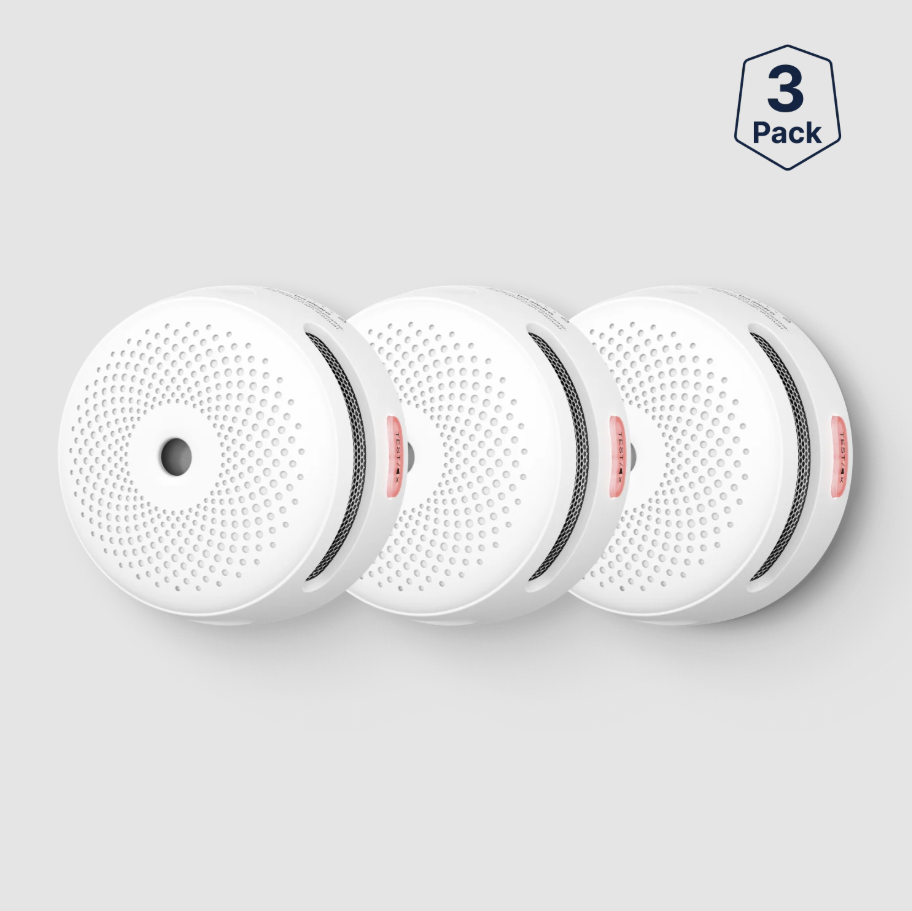
X-Sense XS01-WX Smart Smoke Alarm - 2.4 GHz Wi-Fi Photoelectric Fire Detector with Mobile App Alerts
$65.99 $109.99
11% OFF

VitaUp Beet Root Gummies with CoQ10 & Grape Seed - Nitric Oxide Circulation Support (60 Count)
$24.91 $27.91

Sealy 2-Pack Tritech 16" Twin Inflatable Air Mattress with Built-in AC Pump
$0 $113.99
20% OFF

INTEX Prism Frame 20ft x 52in Above Ground Pool Set - Round Steel Frame Swimming Pool
$695.99 $869.99

Gardner Pet 43" Heavy Duty Dog Crate with Wheels - Indestructible Folding Metal Cage (Black)
$0 $149.99




-

Diary of a CEO’s Steven Bartlett and John Lennox discuss AI, faith and the search for meaning
-

Belfast churches 'heartbroken' over unrest
-

Is there a two-tier Britain?
-

Churches must disciple well and listen well in response to rise of Christian nationalism
-

Welsh reverend speaks of culture of fear over LGBT issues
-

South Wales Police back down on imposing Islamic 'blasphemy law'
Most Popular
News

Anti-Christian hate crimes across Europe surge in May as arson attacks reach 2026 high
Anti-Christian incidents across Europe rose sharply in May, with new figures showing the highest monthly number of arson-related attacks recorded so far this year.

Gloucester churches come together to bless River Avon amid pollution concerns
It is part of a broader campaign against river pollution as concerns remain about the amount of untreated sewage in the Avon.

Life beyond burnout: how Christians can grow in the desert seasons
Christian Today speaks to author and Anglican priest Tish Harrison Warren about growth in desert seasons and why the Church shouldn’t treat all spiritual weariness as a problem to fix.

Iranian-born bishop stands in solidarity with Britain's Jews
2025 had the second highest number of antisemitic incidents on record.
MANSPOT Electric Pubic Hair Trimmer - Waterproof Body and Groin Shaver for Men and Women (Black)
$20.39
Lick-Safe Dog Paw and Nose Balm Stick - All-Natural Moisturizer with Coconut Oil for Dry, Cracked Pads and Snout
$11.69
Men's Quick Dry Moisture Wicking Polo Shirt - High Elasticity Slim Fit Athletic Top (Runs Small)
$6.99
Men's Running Shorts with Zipper Pockets - Lightweight, Quick-Dry, Multi-Sport
$12.95
NEWFAST NF-RE523 AC1200 WiFi Extender - 1200Mbps Dual Band Signal Booster & Internet Repeater
$18.5
G Gradual Men's 7-inch Workout Running Shorts - Lightweight, Quick-Dry, Comfort
$12.91
NOVETE Under Sink Water Filter - 3 Years, 30,000 Gallons, High-Efficiency Filtration
$41.99
HDPE All-Weather Adirondack Chair with Built-In Cup Holder - Tool-Free Assembly (Grey)
$69.99
HOMETUK Clear Plastic Storage Bins with Dividers - 3-Pack Stackable Acrylic Organizer Containers for Fridge and Pantry
$19.99
G Gradual Men's Fishing Shirt - UPF 50+ Lightweight Short Sleeve Button Down with Zipper Pockets
$14.99
Everyfun 60" Rectangular Platform Tree Swing - 700lbs Heavy Duty Adjustable Outdoor Swing (Colorful)
$49.99
Ekouaer Women's Casual Loose Jumpsuit - One-Piece Printed Sleeveless Wide Leg Romper with Pockets
$14.99
Men's Athletic Running Shorts with Zipper Pockets - Lightweight & Quick Dry
$12.74
Modern Ceiling Fan with Light and Remote - Reversible Quiet DC Motor
$69.3
MOOKA H13 True HEPA Air Purifier for Home Large Room - 1076 sq ft Odor Eliminator
$39.97
X-Sense XS01-WX Smart Smoke Alarm - 2.4 GHz Wi-Fi Photoelectric Fire Detector with Mobile App Alerts
$65.99
VitaUp Beet Root Gummies with CoQ10 & Grape Seed - Nitric Oxide Circulation Support (60 Count)
$24.91
Sealy 2-Pack Tritech 16" Twin Inflatable Air Mattress with Built-in AC Pump
$0
INTEX Prism Frame 20ft x 52in Above Ground Pool Set - Round Steel Frame Swimming Pool
$695.99
Gardner Pet 43" Heavy Duty Dog Crate with Wheels - Indestructible Folding Metal Cage (Black)
$0