
WASHINGTON - Less than a month remains before US Episcopalians are expected to respond to Anglican leaders worldwide on whether they will remain in step with the Anglican Communion or walk apart.
Their response may determine a possible split in the 77-million member global body that has struggled over the years to avoid schism. Currently, many conservative Anglicans are not hopeful that the Episcopal Church - the US branch of Anglicanism - will "give up its liberal agenda" and remain aligned.
The Episcopal Church faces a September 30 deadline to respond to the requests made earlier this year by Anglican primates, who lead the Communion's 38 provinces, to make an unequivocal pledge not to consecrate another openly gay bishop or authorise official prayers for same-sex couples.
Controversy had heightened when the Episcopal Church consecrated an openly gay bishop in 2003. New Hampshire Bishop V Gene Robinson recently announced plans to enter into acivil partnership with his gay partner next summer.
"With the clock rapidly running out on the Episcopal Church, the pressure is on for the denomination to place the good of the worldwide Anglican Communion above its own interests," stated Ralph Webb, director of Anglican Action for the Institute on Religion and Democracy. "Unfortunately, the denomination still gives little hope that it will rise to meet the needs of not only the Communion to which it belongs, but the entire body of Christ."
Last week, the Episcopal Diocese of Chicago announced that an openly lesbian priest was included among five nominees for bishop. If elected in November, the Rev Tracey Lind, dean of Trinity Cathedral in Cleveland, would become the second bishop in the US branch who lives with a same-sex partner.
"The nomination clearly goes against the spirit of the primates' requests and illustrates the hardness of heart toward the primates demonstrated by many in the Episcopal Church today," said Webb. "[T]hat goal (of the 'full inclusion' of gays and lesbians) and many other examples of jettisoning biblical, traditional Anglican faith have led thousands of orthodox Anglicans to leave the Episcopal Church."
Last week the Archbishop of Kenya, the Most Rev Benjamin Nzimbi, consecrated two conservative American bishops to oversee pastoral care for US Anglicans discontent in the Episcopal Church over homosexuality and what conservatives argue is a departure from scriptural authority.
The new bishops are to lead US congregations who have split from the Episcopal Church. Archbishop Nzimbi joins three other African leaders who have set up offshoots in the US to take conservative Anglicans under their wings. The offshoots have been rejected by Episcopal leaders who say alternative oversight from overseas bishops would be "injurious" to the polity of the Episcopal Church.
Days ahead of the September 30 deadline, the Episcopal Church's House of Bishops will meet in New Orleans to discuss the primates' requests. Anglican spiritual leader Dr Rowan Williams, the Archbishop of Canterbury, has been invited to give an address and answer questions.
Dr Williams has expressed hope but not optimism in the unity of the Anglican Communion.
Meanwhile, Anglican Bishop Trevor Mwamba of Botswana, also dean of the Province of Central Africa, says Anglican churches will soon return to other priorities and abandon a "fixation" with homosexuality.
"Very few of us take the homosexual debate as a top priority issue because there are more pressing issues facing the African church," Mwamba told Ecumenical News International. "Most African Anglicans want to get back to basics and concentrate on poverty, disease, injustice and the need for transparency in governments."
Mwamba said he believes there is still a lot of time for Anglican bishops to agree to attend next year's Lambeth Conference - the decennial gathering of the world's top Anglican leaders. African bishops have threatened not to attend the meeting in protest of the invitation of Episcopal leaders who have not repented over their controversial actions.
"I believe that quite number of African bishops who have threatened not to attend next year's Lambeth Conference in Canterbury may change their minds," he said. "Yes, there are problems, but a week is a long time in politics and we still have almost a year to go before the next Lambeth Conference."
49% OFF
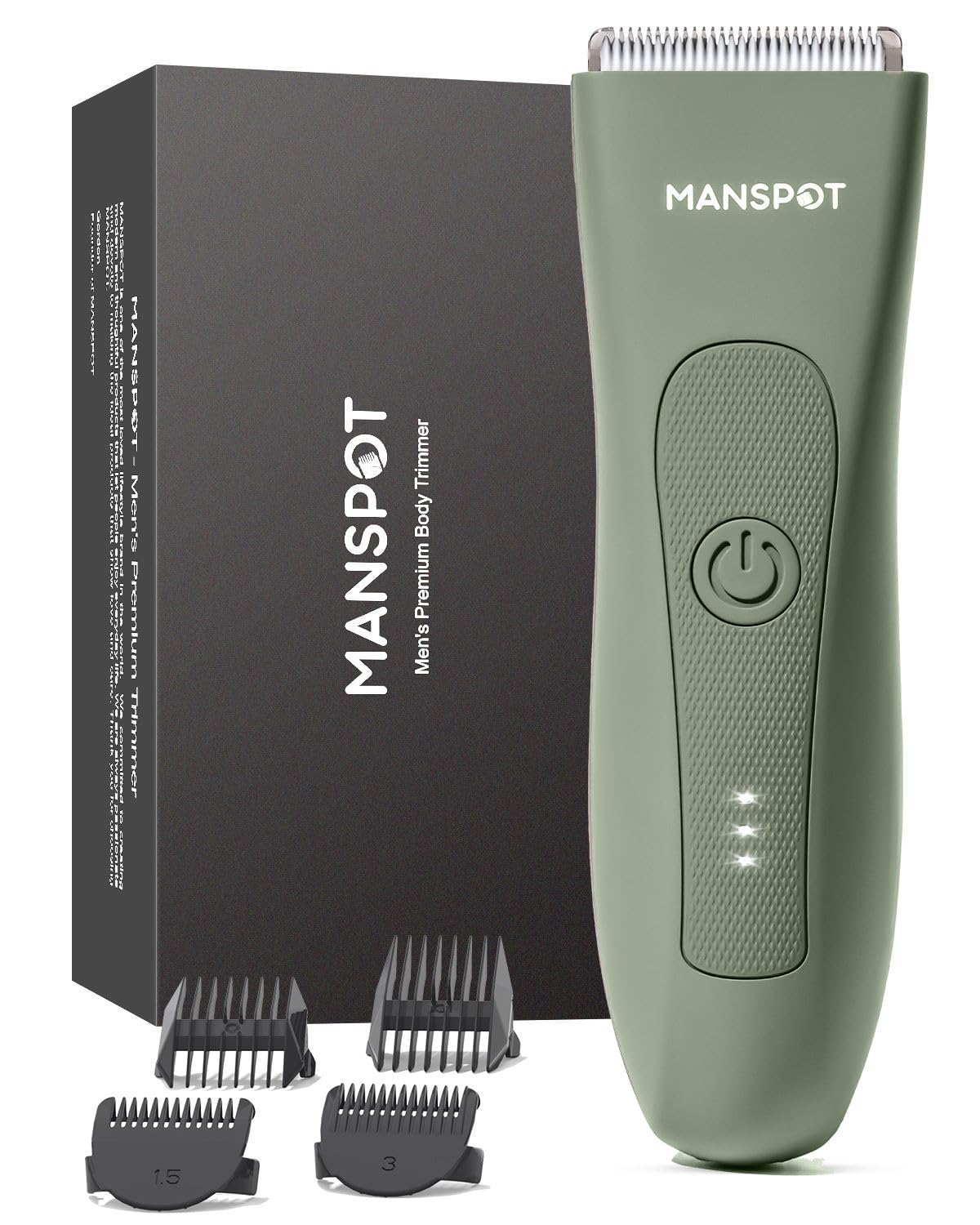
MANSPOT Electric Pubic Hair Trimmer - Waterproof Body and Groin Shaver for Men and Women (Black)
$20.39 $40
25% OFF

Lick-Safe Dog Paw and Nose Balm Stick - All-Natural Moisturizer with Coconut Oil for Dry, Cracked Pads and Snout
$11.69 $15.59
77% OFF
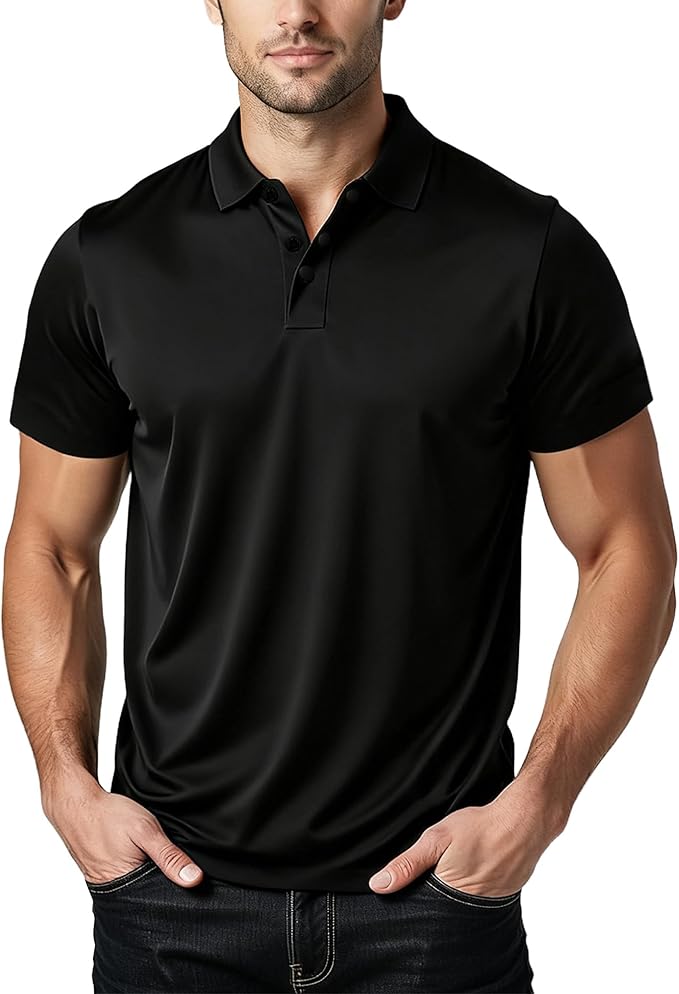
Men's Quick Dry Moisture Wicking Polo Shirt - High Elasticity Slim Fit Athletic Top (Runs Small)
$6.99 $29.99
46% OFF
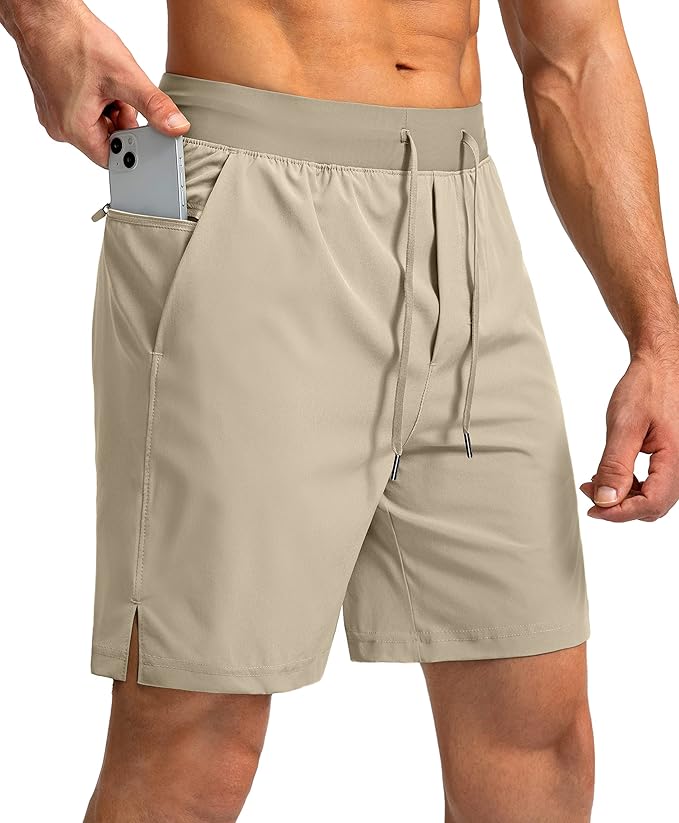
Men's Running Shorts with Zipper Pockets - Lightweight, Quick-Dry, Multi-Sport
$12.95 $23.99
50% OFF

NEWFAST NF-RE523 AC1200 WiFi Extender - 1200Mbps Dual Band Signal Booster & Internet Repeater
$18.5 $36.99
48% OFF

G Gradual Men's 7-inch Workout Running Shorts - Lightweight, Quick-Dry, Comfort
$12.91 $24.99
30% OFF
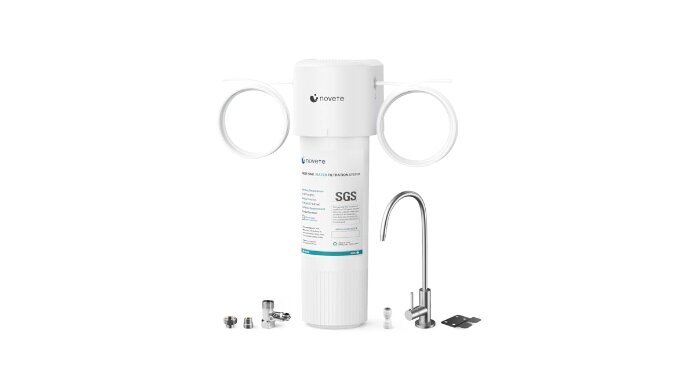
NOVETE Under Sink Water Filter - 3 Years, 30,000 Gallons, High-Efficiency Filtration
$41.99 $59.99
50% OFF

HDPE All-Weather Adirondack Chair with Built-In Cup Holder - Tool-Free Assembly (Grey)
$69.99 $139.99
60% OFF

HOMETUK Clear Plastic Storage Bins with Dividers - 3-Pack Stackable Acrylic Organizer Containers for Fridge and Pantry
$19.99 $49.99
58% OFF

G Gradual Men's Fishing Shirt - UPF 50+ Lightweight Short Sleeve Button Down with Zipper Pockets
$14.99 $35.99
55% OFF

Everyfun 60" Rectangular Platform Tree Swing - 700lbs Heavy Duty Adjustable Outdoor Swing (Colorful)
$49.99 $110.99
61% OFF

Ekouaer Women's Casual Loose Jumpsuit - One-Piece Printed Sleeveless Wide Leg Romper with Pockets
$14.99 $37.99
36% OFF

Men's Athletic Running Shorts with Zipper Pockets - Lightweight & Quick Dry
$12.74 $19.99
61% OFF

Modern Ceiling Fan with Light and Remote - Reversible Quiet DC Motor
$69.3 $179.99
50% OFF

MOOKA H13 True HEPA Air Purifier for Home Large Room - 1076 sq ft Odor Eliminator
$39.97 $79.95
40% OFF
X-Sense XS01-WX Smart Smoke Alarm - 2.4 GHz Wi-Fi Photoelectric Fire Detector with Mobile App Alerts
$65.99 $109.99
11% OFF

VitaUp Beet Root Gummies with CoQ10 & Grape Seed - Nitric Oxide Circulation Support (60 Count)
$24.91 $27.91

Sealy 2-Pack Tritech 16" Twin Inflatable Air Mattress with Built-in AC Pump
$0 $113.99
20% OFF

INTEX Prism Frame 20ft x 52in Above Ground Pool Set - Round Steel Frame Swimming Pool
$695.99 $869.99

Gardner Pet 43" Heavy Duty Dog Crate with Wheels - Indestructible Folding Metal Cage (Black)
$0 $149.99




-

Diary of a CEO’s Steven Bartlett and John Lennox discuss AI, faith and the search for meaning
-

Belfast churches 'heartbroken' over unrest
-

Is there a two-tier Britain?
-

Churches must disciple well and listen well in response to rise of Christian nationalism
-

Biblical models and the creation of King Arthur
-

Welsh reverend speaks of culture of fear over LGBT issues
Most Popular
related articles
Outrage as US Episcopal Church Nominates Lesbian for Bishop
Outrage as US Episcopal Church Nominates Lesbian for Bishop
Archbishop's US Trip to Ease Anglican Gay Tensions
Archbishop's US Trip to Ease Anglican Gay Tensions
News

Gloucester churches come together to bless River Avon amid pollution concerns
It is part of a broader campaign against river pollution as concerns remain about the amount of untreated sewage in the Avon.

Life beyond burnout: how Christians can grow in the desert seasons
Christian Today speaks to author and Anglican priest Tish Harrison Warren about growth in desert seasons and why the Church shouldn’t treat all spiritual weariness as a problem to fix.

Iranian-born bishop stands in solidarity with Britain's Jews
2025 had the second highest number of antisemitic incidents on record.

Bishops protest Israeli arrest of another Palestinian Christian
An Evangelical Lutheran has been accused of "promoting terrorist activities".
MANSPOT Electric Pubic Hair Trimmer - Waterproof Body and Groin Shaver for Men and Women (Black)
$20.39
Lick-Safe Dog Paw and Nose Balm Stick - All-Natural Moisturizer with Coconut Oil for Dry, Cracked Pads and Snout
$11.69
Men's Quick Dry Moisture Wicking Polo Shirt - High Elasticity Slim Fit Athletic Top (Runs Small)
$6.99
Men's Running Shorts with Zipper Pockets - Lightweight, Quick-Dry, Multi-Sport
$12.95
NEWFAST NF-RE523 AC1200 WiFi Extender - 1200Mbps Dual Band Signal Booster & Internet Repeater
$18.5
G Gradual Men's 7-inch Workout Running Shorts - Lightweight, Quick-Dry, Comfort
$12.91
NOVETE Under Sink Water Filter - 3 Years, 30,000 Gallons, High-Efficiency Filtration
$41.99
HDPE All-Weather Adirondack Chair with Built-In Cup Holder - Tool-Free Assembly (Grey)
$69.99
HOMETUK Clear Plastic Storage Bins with Dividers - 3-Pack Stackable Acrylic Organizer Containers for Fridge and Pantry
$19.99
G Gradual Men's Fishing Shirt - UPF 50+ Lightweight Short Sleeve Button Down with Zipper Pockets
$14.99
Everyfun 60" Rectangular Platform Tree Swing - 700lbs Heavy Duty Adjustable Outdoor Swing (Colorful)
$49.99
Ekouaer Women's Casual Loose Jumpsuit - One-Piece Printed Sleeveless Wide Leg Romper with Pockets
$14.99
Men's Athletic Running Shorts with Zipper Pockets - Lightweight & Quick Dry
$12.74
Modern Ceiling Fan with Light and Remote - Reversible Quiet DC Motor
$69.3
MOOKA H13 True HEPA Air Purifier for Home Large Room - 1076 sq ft Odor Eliminator
$39.97
X-Sense XS01-WX Smart Smoke Alarm - 2.4 GHz Wi-Fi Photoelectric Fire Detector with Mobile App Alerts
$65.99
VitaUp Beet Root Gummies with CoQ10 & Grape Seed - Nitric Oxide Circulation Support (60 Count)
$24.91
Sealy 2-Pack Tritech 16" Twin Inflatable Air Mattress with Built-in AC Pump
$0
INTEX Prism Frame 20ft x 52in Above Ground Pool Set - Round Steel Frame Swimming Pool
$695.99
Gardner Pet 43" Heavy Duty Dog Crate with Wheels - Indestructible Folding Metal Cage (Black)
$0