
Cardiovascular disease is currently the number one killer in Canada and this is putting enormous strain on the healthcare system. Men are more commonly diagnosed than women, but the number of women affected is rising at an alarming rate. There are a number of factors that can increase your risk for developing heart disease including:
smoking;
diets rich in saturated fat;
physical inactivity;
stress;
a family history of heart disease; and
being overweight.
The good news is that a majority of these risk factors are modifiable. In other words, by making smart healthcare choices, you can dramatically reduce your risk of developing heart disease and can even help to reverse the disease once it has begun.
In order to keep your heart healthy, try implementing the following heart health tips:
Tip #1 -Eat Healthy Fats
Unfortunately, fats have received some undeserved bad press and there is still major confusion about what constitutes a "good fat" and what constitutes a "bad fat".
In fact, the "good fats" such as monounsaturated fats and omega-3 fats are cardio - protective. In other words, they keep inflammation down, they do not clog arteries and help to maintain heart health. Examples of monounsaturated fats include olive oil and avocadoes. Examples of omega-3 fats (fats that the body cannot make and must come from the diet) include walnuts, almonds, sesame seeds, wild Atlantic salmon, tuna, omega-3 eggs, flaxseeds and fish oils.
Tip #2 - Avoid the "Bad Fats"
There are two types of fats to avoid in order to protect the heart:1) saturated fats and 2) trans-fatty acids. Saturated fats are found in full-fat dairy products and red meats. These fats tend to be inflammatory when eaten in excess, are high in calories and can contribute to the clogging of arteries. It is best to make these fats less than 5% of your entire dietary caloric intake.
If saturated fats are the "bad" fats, then trans-fatty acids can be classified as the "very bad fats". Trans-fatty acids are initially vegetable oils that are flooded with hydrogen molecules to make them into a hardened form suitable for spreads. Food manufacturers love them because they are very shelf stable and easy to make. Unfortunately, the body does not love them at all! These fats play a major role in driving cholesterol up and increasing the risk for heart disease. In order to avoid trans-fatty acids, check your food labels. The indication of trans fats is now found on your Nutrition Facts Panel. Also, check the ingredient listing. If you see the words "partially hydrogenated", you have a trans-fat product in your hands. Luckily, trans-fat free products are now readily available in most grocery stores (e.g. trans-fats-free margarine).
Tip #3 - Go for Color
I can't say this enough - eat your fruits and vegetables! Colorful fruits and vegetables such as blueberries, raspberries, broccoli, squash, sweet potato, kale and spinach are all loaded with phytochemicals - plant chemicals that prevent disease. Even with this knowledge, recent research shows that Canadians are still not meeting their fruit and vegetable intake of 5 to 9 servings per day. A recent survey conducted by Statistics Canada showed that a majority of Canadians ate fewer than five servings of fruits and vegetables a day. In fact, 7 out of 10 children did not meet the minimum requirements for fruits and vegetables. Remember, you need to eat live food to feel alive! What does a serving look like? A serving is equivalent to:
1 medium-size fruit
3/4 cup (6 oz) of 100% fruit or vegetable juice
1/2 cup fresh, frozen, or canned fruit (in 100% juice) or vegetables
1 cup of raw leafy greens
1/2 cup peas or beans - cooked dry, frozen, or canned
1/4 cup dried fruit
Tip #4 - Stress Less
We often underestimate the toll that stress plays on our body. From driving up blood pressure to causing inflammation, stress is a major factor in health. In order to reduce stress, it is vital to incorporate some de-stressing techniques such as meditating, working out, journaling, laughing, spending time alone and spending time with friends. Keep in mind that small stuff is exactly that, small stuff.
Tip #5 - Maintain a Healthy Body Weight
Being overweight or obese is a major risk factor for heart disease or a heart attack. From refined flours and sugars to inactivity and super sizing, more than half of North Americans are overweight or obese. In order to win the battle of the scale, it is important to understand how to eat in hormonal balance. In other words, the diet has to encompass all three macronutrients which include carbohydrates, fats and proteins.
In addition to the above recommendation, other tips for a healthy heart include smoking cessation and exercising on a regular basis. It is never too early to practice heart health techniques - start today!
By Dr. Joey Shulman
This article was brought to you by Truestar Health: The World's Most Comprehensive Nutrition, Fitness & Healthy Lifestyle Resource
49% OFF
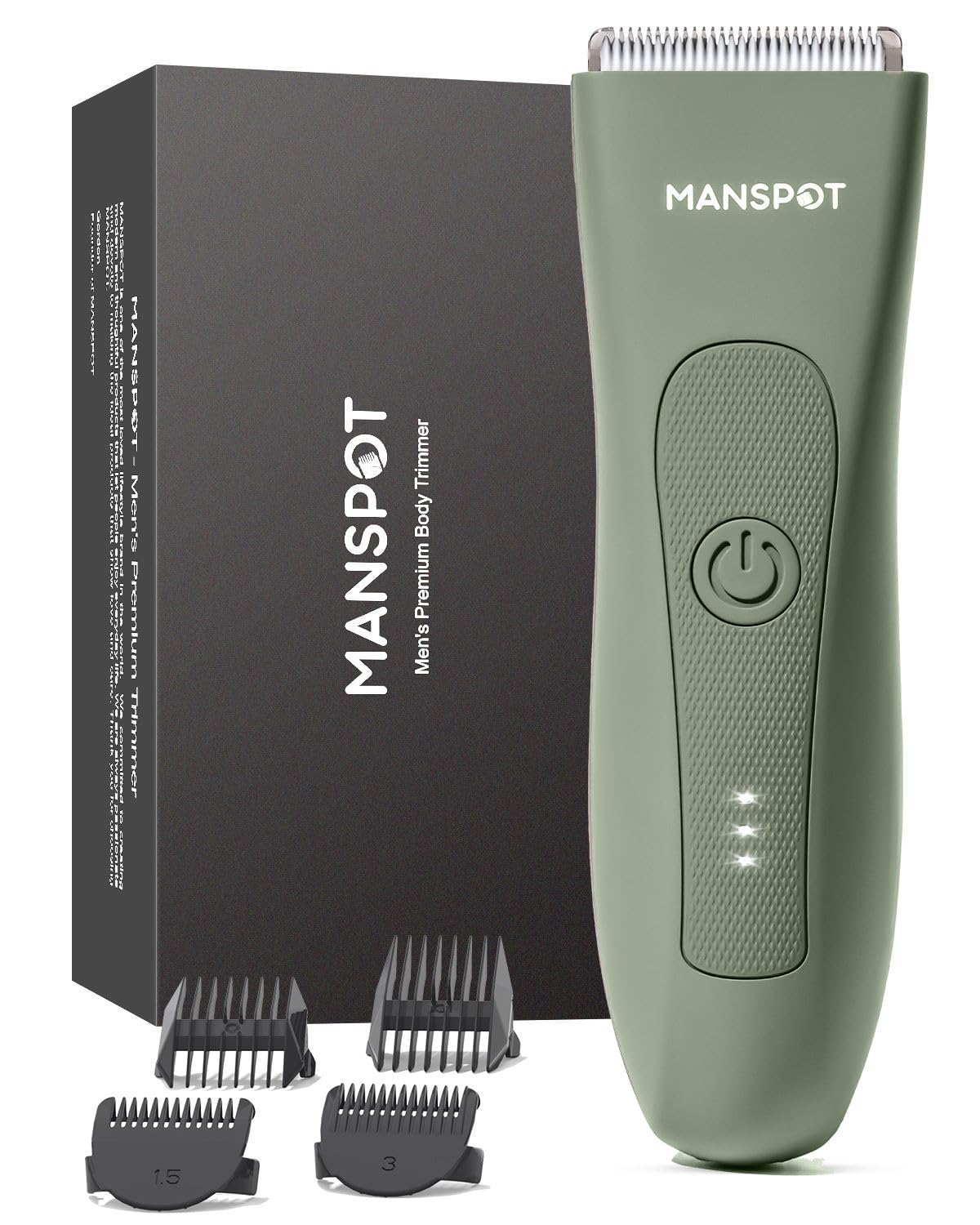
MANSPOT Electric Pubic Hair Trimmer - Waterproof Body and Groin Shaver for Men and Women (Black)
$20.39 $40
25% OFF
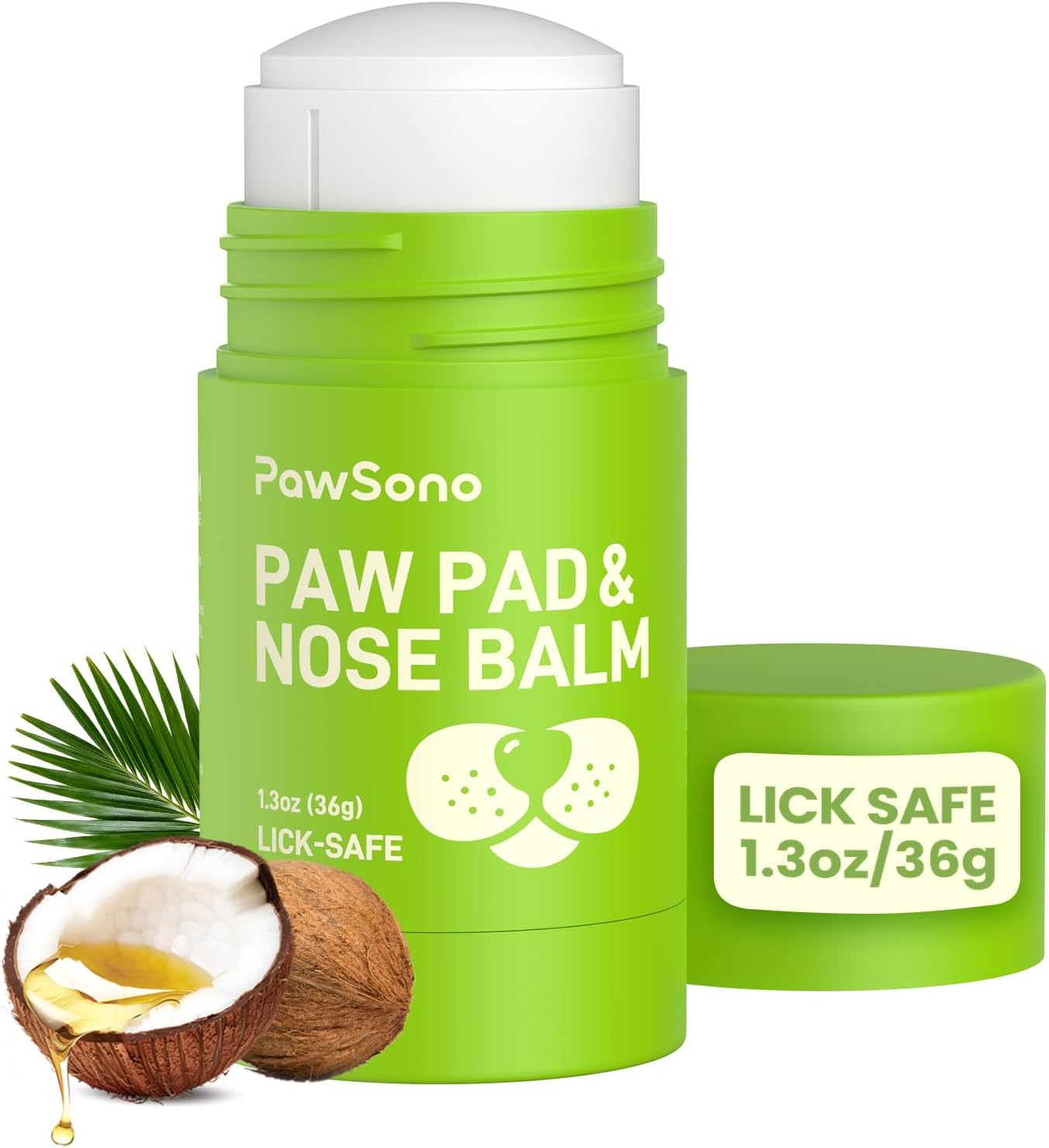
Lick-Safe Dog Paw and Nose Balm Stick - All-Natural Moisturizer with Coconut Oil for Dry, Cracked Pads and Snout
$11.69 $15.59
77% OFF
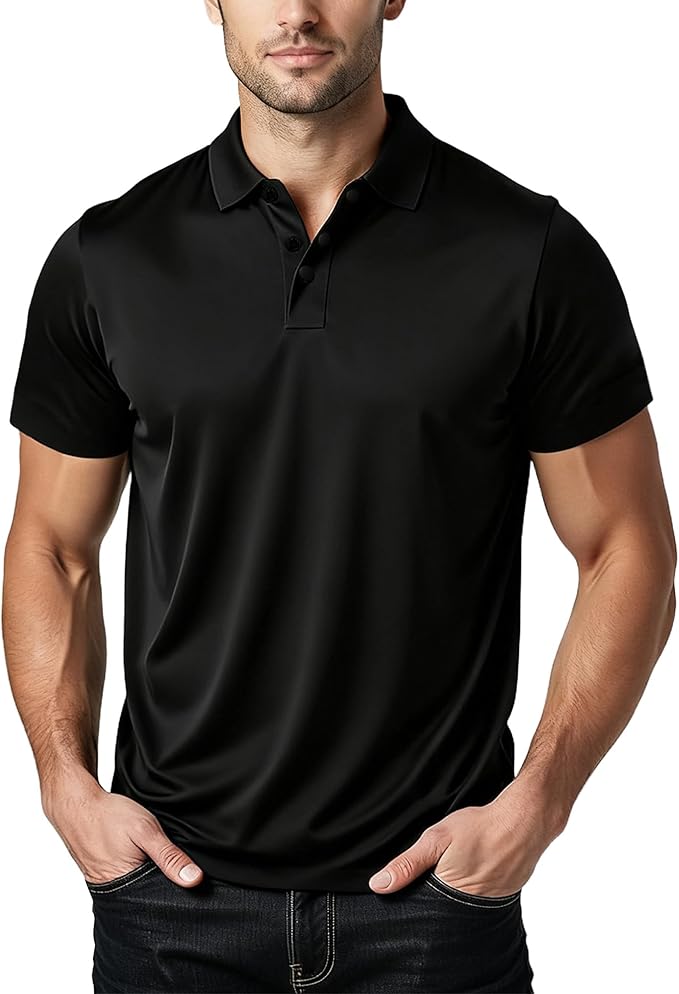
Men's Quick Dry Moisture Wicking Polo Shirt - High Elasticity Slim Fit Athletic Top (Runs Small)
$6.99 $29.99
46% OFF
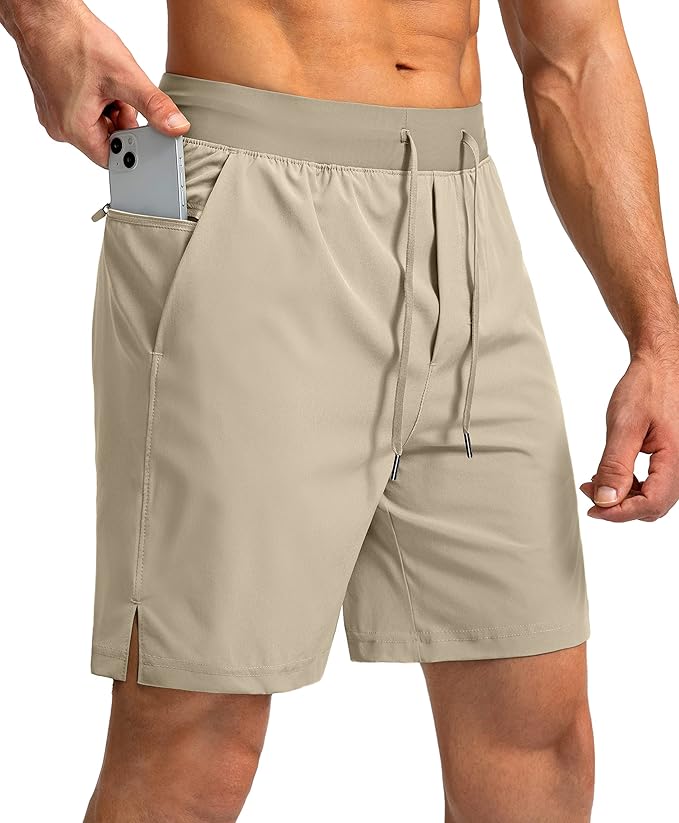
Men's Running Shorts with Zipper Pockets - Lightweight, Quick-Dry, Multi-Sport
$12.95 $23.99
50% OFF

NEWFAST NF-RE523 AC1200 WiFi Extender - 1200Mbps Dual Band Signal Booster & Internet Repeater
$18.5 $36.99
48% OFF
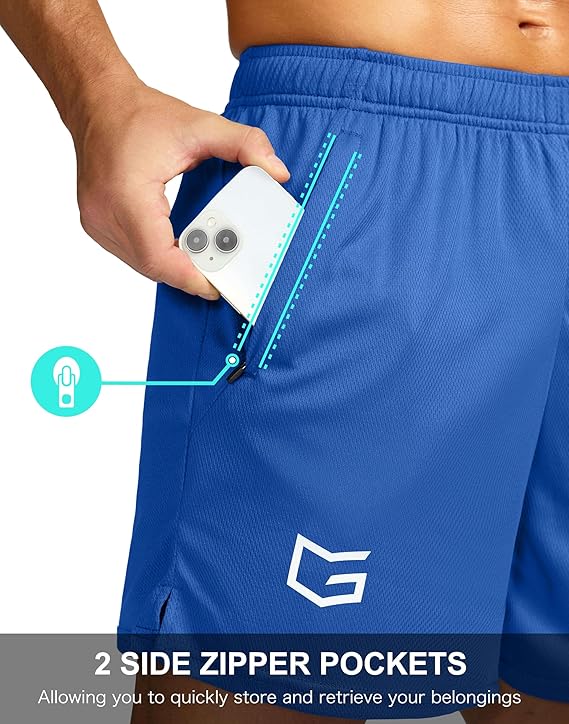
G Gradual Men's 7-inch Workout Running Shorts - Lightweight, Quick-Dry, Comfort
$12.91 $24.99
30% OFF
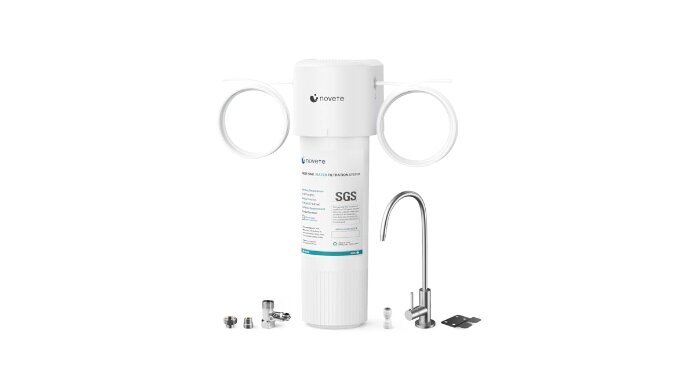
NOVETE Under Sink Water Filter - 3 Years, 30,000 Gallons, High-Efficiency Filtration
$41.99 $59.99
50% OFF

HDPE All-Weather Adirondack Chair with Built-In Cup Holder - Tool-Free Assembly (Grey)
$69.99 $139.99
60% OFF

HOMETUK Clear Plastic Storage Bins with Dividers - 3-Pack Stackable Acrylic Organizer Containers for Fridge and Pantry
$19.99 $49.99
58% OFF

G Gradual Men's Fishing Shirt - UPF 50+ Lightweight Short Sleeve Button Down with Zipper Pockets
$14.99 $35.99
55% OFF

Everyfun 60" Rectangular Platform Tree Swing - 700lbs Heavy Duty Adjustable Outdoor Swing (Colorful)
$49.99 $110.99
61% OFF

Ekouaer Women's Casual Loose Jumpsuit - One-Piece Printed Sleeveless Wide Leg Romper with Pockets
$14.99 $37.99
36% OFF

Men's Athletic Running Shorts with Zipper Pockets - Lightweight & Quick Dry
$12.74 $19.99
61% OFF

Modern Ceiling Fan with Light and Remote - Reversible Quiet DC Motor
$69.3 $179.99
50% OFF

MOOKA H13 True HEPA Air Purifier for Home Large Room - 1076 sq ft Odor Eliminator
$39.97 $79.95
40% OFF
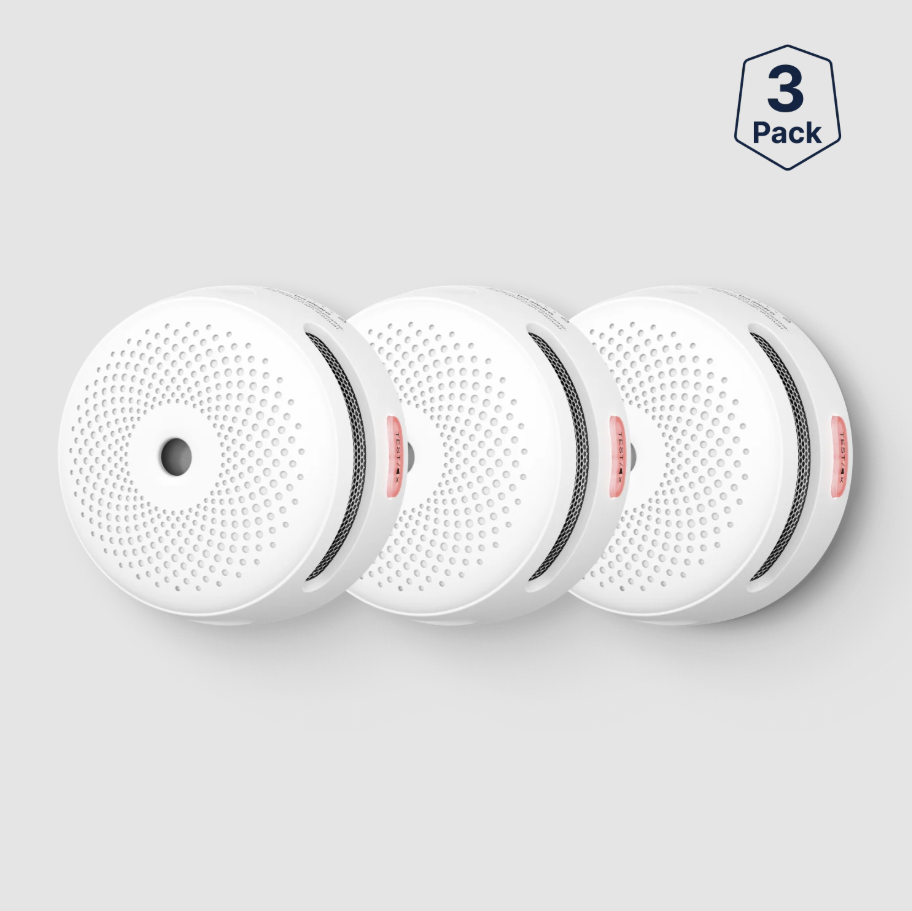
X-Sense XS01-WX Smart Smoke Alarm - 2.4 GHz Wi-Fi Photoelectric Fire Detector with Mobile App Alerts
$65.99 $109.99
11% OFF

VitaUp Beet Root Gummies with CoQ10 & Grape Seed - Nitric Oxide Circulation Support (60 Count)
$24.91 $27.91

Sealy 2-Pack Tritech 16" Twin Inflatable Air Mattress with Built-in AC Pump
$0 $113.99
20% OFF

INTEX Prism Frame 20ft x 52in Above Ground Pool Set - Round Steel Frame Swimming Pool
$695.99 $869.99

Gardner Pet 43" Heavy Duty Dog Crate with Wheels - Indestructible Folding Metal Cage (Black)
$0 $149.99




-

Diary of a CEO’s Steven Bartlett and John Lennox discuss AI, faith and the search for meaning
-

Belfast churches 'heartbroken' over unrest
-

Is there a two-tier Britain?
-

Churches must disciple well and listen well in response to rise of Christian nationalism
-

Biblical models and the creation of King Arthur
-

Welsh reverend speaks of culture of fear over LGBT issues
Most Popular
News

Gloucester churches come together to bless River Avon amid pollution concerns
It is part of a broader campaign against river pollution as concerns remain about the amount of untreated sewage in the Avon.

Life beyond burnout: how Christians can grow in the desert seasons
Christian Today speaks to author and Anglican priest Tish Harrison Warren about growth in desert seasons and why the Church shouldn’t treat all spiritual weariness as a problem to fix.

Iranian-born bishop stands in solidarity with Britain's Jews
2025 had the second highest number of antisemitic incidents on record.

Bishops protest Israeli arrest of another Palestinian Christian
An Evangelical Lutheran has been accused of "promoting terrorist activities".
MANSPOT Electric Pubic Hair Trimmer - Waterproof Body and Groin Shaver for Men and Women (Black)
$20.39
Lick-Safe Dog Paw and Nose Balm Stick - All-Natural Moisturizer with Coconut Oil for Dry, Cracked Pads and Snout
$11.69
Men's Quick Dry Moisture Wicking Polo Shirt - High Elasticity Slim Fit Athletic Top (Runs Small)
$6.99
Men's Running Shorts with Zipper Pockets - Lightweight, Quick-Dry, Multi-Sport
$12.95
NEWFAST NF-RE523 AC1200 WiFi Extender - 1200Mbps Dual Band Signal Booster & Internet Repeater
$18.5
G Gradual Men's 7-inch Workout Running Shorts - Lightweight, Quick-Dry, Comfort
$12.91
NOVETE Under Sink Water Filter - 3 Years, 30,000 Gallons, High-Efficiency Filtration
$41.99
HDPE All-Weather Adirondack Chair with Built-In Cup Holder - Tool-Free Assembly (Grey)
$69.99
HOMETUK Clear Plastic Storage Bins with Dividers - 3-Pack Stackable Acrylic Organizer Containers for Fridge and Pantry
$19.99
G Gradual Men's Fishing Shirt - UPF 50+ Lightweight Short Sleeve Button Down with Zipper Pockets
$14.99
Everyfun 60" Rectangular Platform Tree Swing - 700lbs Heavy Duty Adjustable Outdoor Swing (Colorful)
$49.99
Ekouaer Women's Casual Loose Jumpsuit - One-Piece Printed Sleeveless Wide Leg Romper with Pockets
$14.99
Men's Athletic Running Shorts with Zipper Pockets - Lightweight & Quick Dry
$12.74
Modern Ceiling Fan with Light and Remote - Reversible Quiet DC Motor
$69.3
MOOKA H13 True HEPA Air Purifier for Home Large Room - 1076 sq ft Odor Eliminator
$39.97
X-Sense XS01-WX Smart Smoke Alarm - 2.4 GHz Wi-Fi Photoelectric Fire Detector with Mobile App Alerts
$65.99
VitaUp Beet Root Gummies with CoQ10 & Grape Seed - Nitric Oxide Circulation Support (60 Count)
$24.91
Sealy 2-Pack Tritech 16" Twin Inflatable Air Mattress with Built-in AC Pump
$0
INTEX Prism Frame 20ft x 52in Above Ground Pool Set - Round Steel Frame Swimming Pool
$695.99
Gardner Pet 43" Heavy Duty Dog Crate with Wheels - Indestructible Folding Metal Cage (Black)
$0