
|PIC1|The opening or fall of the Berlin Wall was an unexpected event for the people most directly affected, but even more so for the world at large. The ecumenical movement was no exception. However, the events in 1989 East Germany were to have a wide and long lasting impact on it that can still be felt today.
To be sure, large numbers of people from the former German Democratic Republic had left the country since the opening of the border between Hungary and Austria in the summer of 1989. Also, a growing network of civic groups, struggling for fundamental social and political change in the country, had emerged. They had benefited from the protection by the churches and were inspired by the ecumenical assemblies earlier in the year at Magdeburg and Dresden as part of the conciliar process on Justice, Peace and the Integrity of Creation.
Similar groups and movements had been operating in neighbouring countries already for some time. All of this had created a dynamic pushing for change, especially after the large, explicitly non-violent demonstration in Leipzig on Monday, 9 October 1989. But even then, few people expected that the wall would come down so soon, preparing the way for the end of communist rule not only in East Germany but in the entire region of central and eastern Europe and eventually overcoming the division of Germany and of Europe.
The series of events taking place in Europe from the summer of 1989 continuing well into the year 1990 and complemented by radical changes in South Africa and in other parts of the world had profound implications for the ecumenical movement. During the four decades following the First Assembly of the World Council of Churches (WCC) in Amsterdam 1948, ecumenical efforts for justice and peace had been conditioned by the antagonism of the two major power-blocks and its consequences for countries in the southern hemisphere.
Ecumenical organisations, especially the WCC and the Conference of European Churches had tried to maintain links with the churches in the countries under Communist rule. Their witness for peace under the threat of nuclear confrontation had finally borne fruit. The 1990 Paris Charter for a "new Europe" appeared to herald in a new world order of peace and justice and a process of genuine disarmament began to take shape.
But the transformations in Europe and in other parts of the world had come so suddenly that neither governments nor the churches were sufficiently prepared for the new situation. The countries and churches, liberated from oppressive ideological and political constraints, had to find a new identity. In many instances this led to sharp internal struggles, especially between those involved in or complicit with the former system and those who had struggled for liberty, justice and human rights.
Ecumenical organisations came under scrutiny as well in view of their relationships with representatives of the former system and their lack of effective support for the struggles of dissident movements. In some cases, "ecumenism" even became a term to be avoided. Internal tensions developed particularly in many of the Orthodox churches leading to the withdrawal of the Orthodox churches in Georgia and Bulgaria from membership in the WCC.
Soon after the fall of the Berlin Wall the second Gulf war in 1991, the conflicts in the former Yugoslavia as well the rapid progression of the process of globalisation presented the ecumenical witness for justice and peace with unprecedented new challenges. The fragile order of the "cold war" years had been replaced by a new "world disorder".
In recognition of the important, and in some cases decisive ways in which the churches had contributed to the peaceful revolution in central and eastern Europe as well as to the ending of the apartheid regime in southern Africa, the ecumenical movement accepted the challenge to overcome violence as its special vocation. That the Decade to Overcome Violence should have been officially inaugurated in February 2001 in front of the Brandenburg Gate in Berlin was therefore a symbolic tribute to the peaceful revolution that brought down the Berlin Wall.
The Rev Dr Konrad Raiser, a Lutheran theologian from Germany, is a former WCC general secretary (1993-2003).
49% OFF
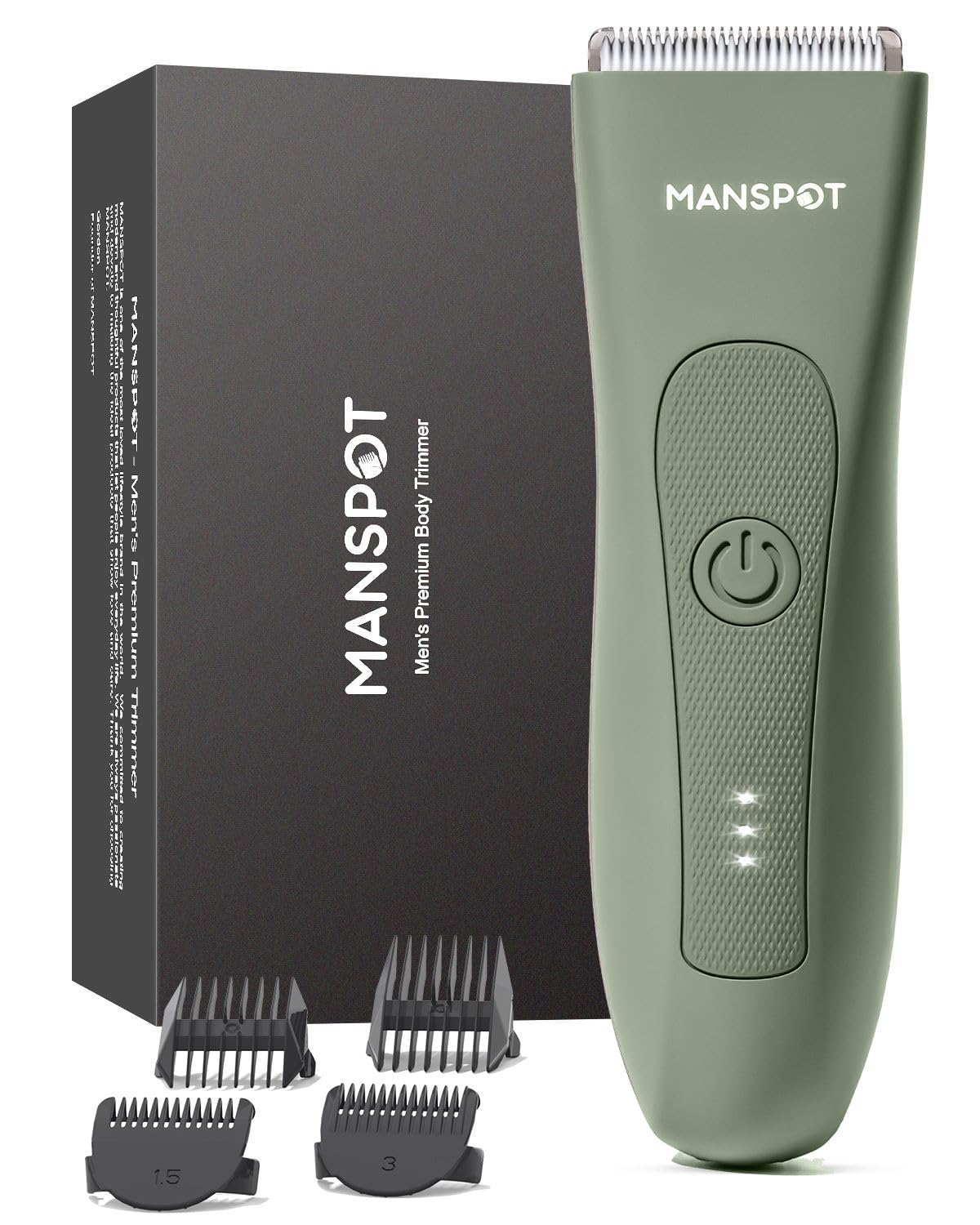
MANSPOT Electric Pubic Hair Trimmer - Waterproof Body and Groin Shaver for Men and Women (Black)
$20.39 $40
25% OFF
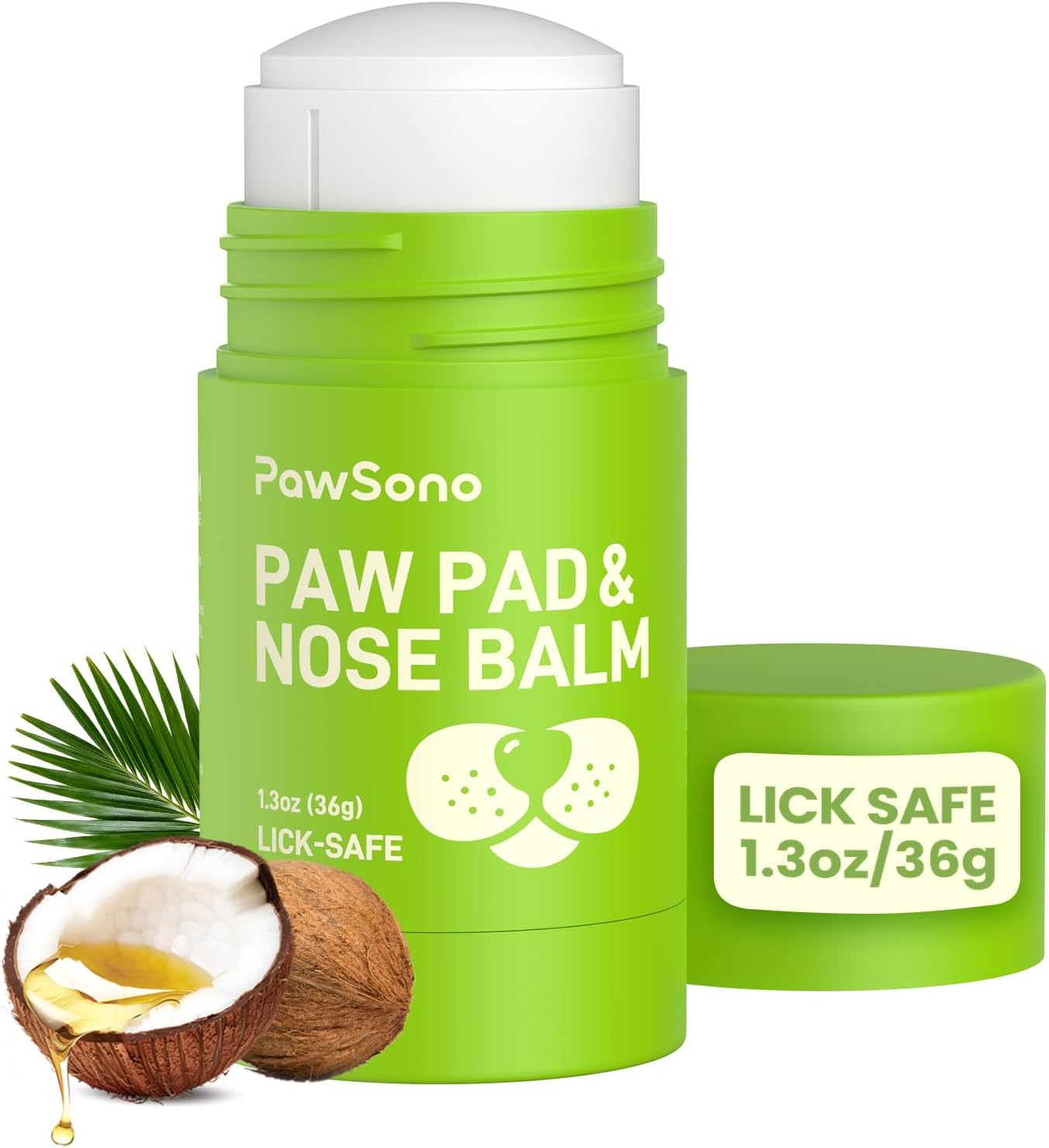
Lick-Safe Dog Paw and Nose Balm Stick - All-Natural Moisturizer with Coconut Oil for Dry, Cracked Pads and Snout
$11.69 $15.59
77% OFF
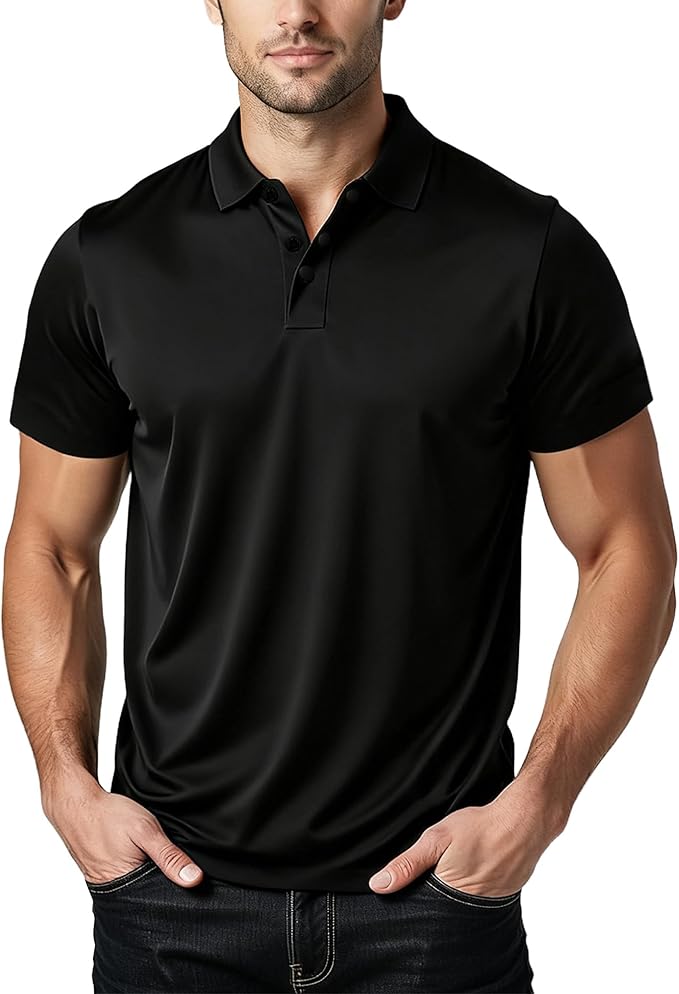
Men's Quick Dry Moisture Wicking Polo Shirt - High Elasticity Slim Fit Athletic Top (Runs Small)
$6.99 $29.99
46% OFF
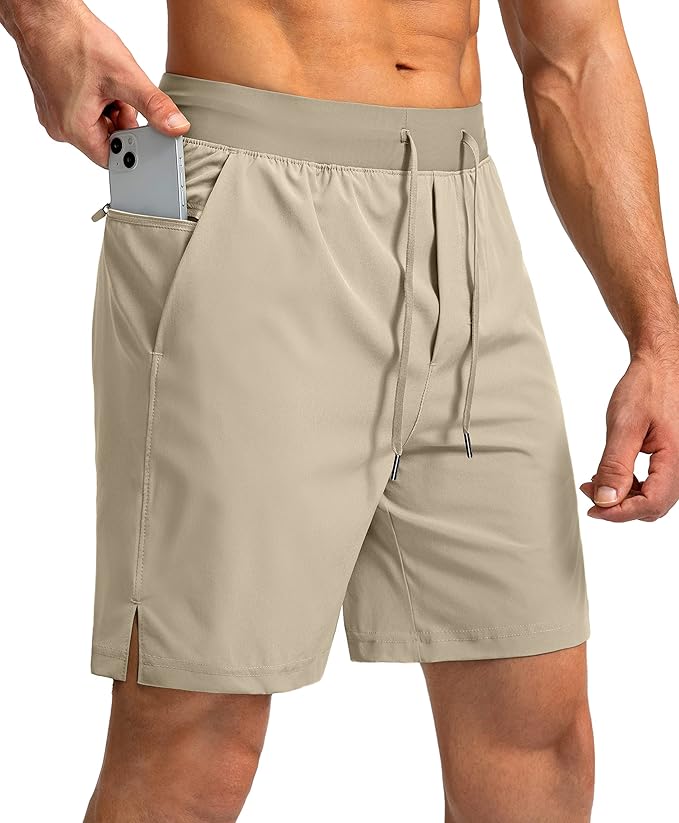
Men's Running Shorts with Zipper Pockets - Lightweight, Quick-Dry, Multi-Sport
$12.95 $23.99
50% OFF
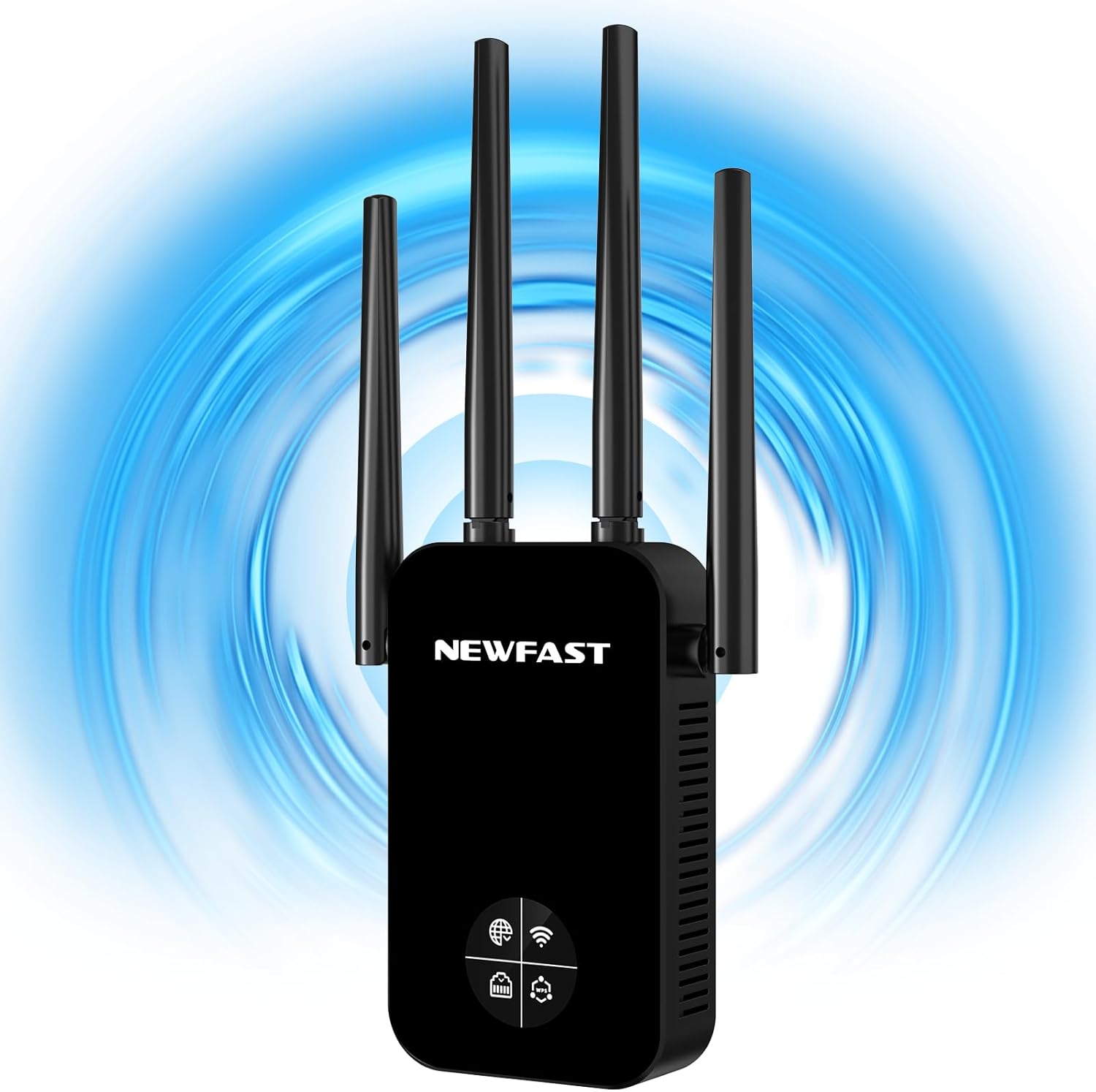
NEWFAST NF-RE523 AC1200 WiFi Extender - 1200Mbps Dual Band Signal Booster & Internet Repeater
$18.5 $36.99
48% OFF
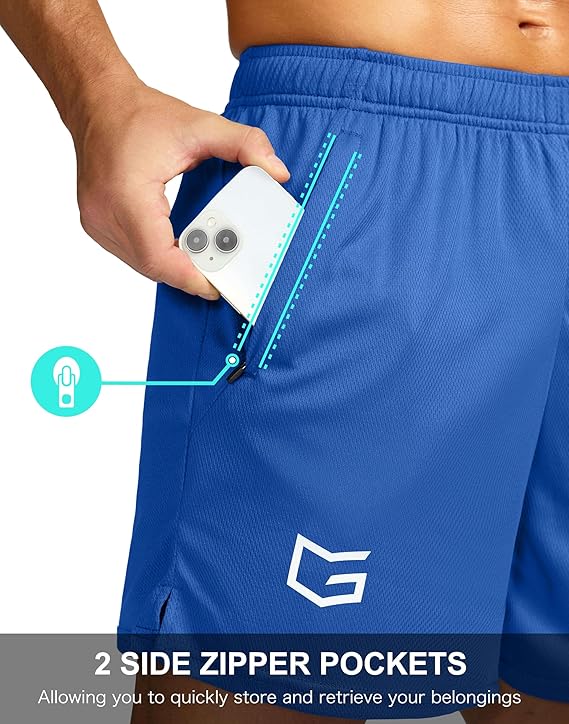
G Gradual Men's 7-inch Workout Running Shorts - Lightweight, Quick-Dry, Comfort
$12.91 $24.99
30% OFF
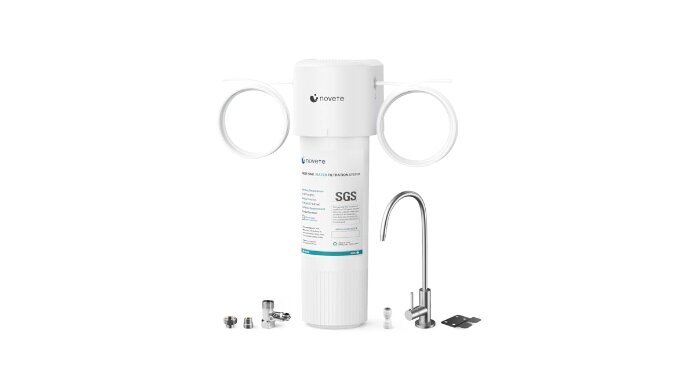
NOVETE Under Sink Water Filter - 3 Years, 30,000 Gallons, High-Efficiency Filtration
$41.99 $59.99
50% OFF
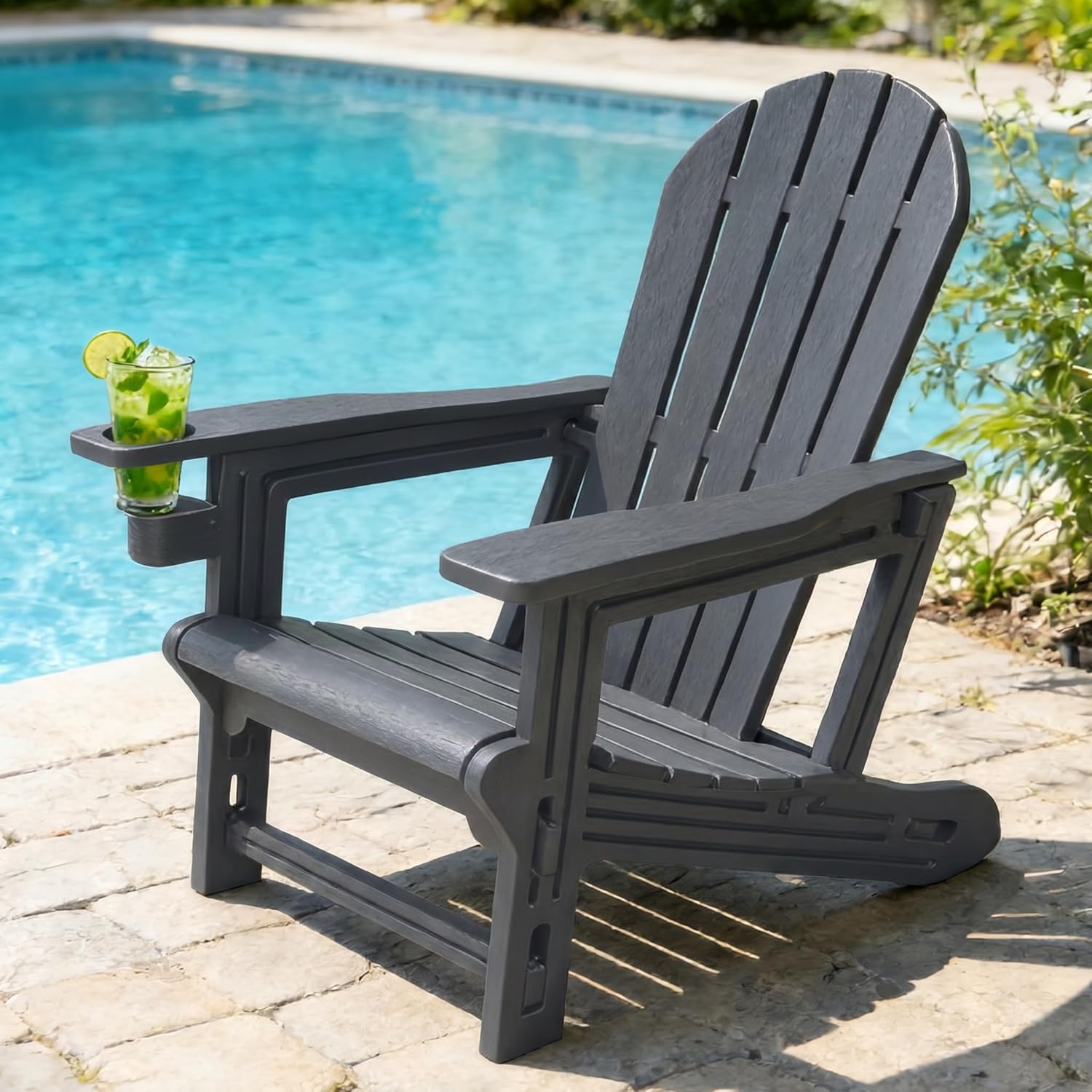
HDPE All-Weather Adirondack Chair with Built-In Cup Holder - Tool-Free Assembly (Grey)
$69.99 $139.99
60% OFF
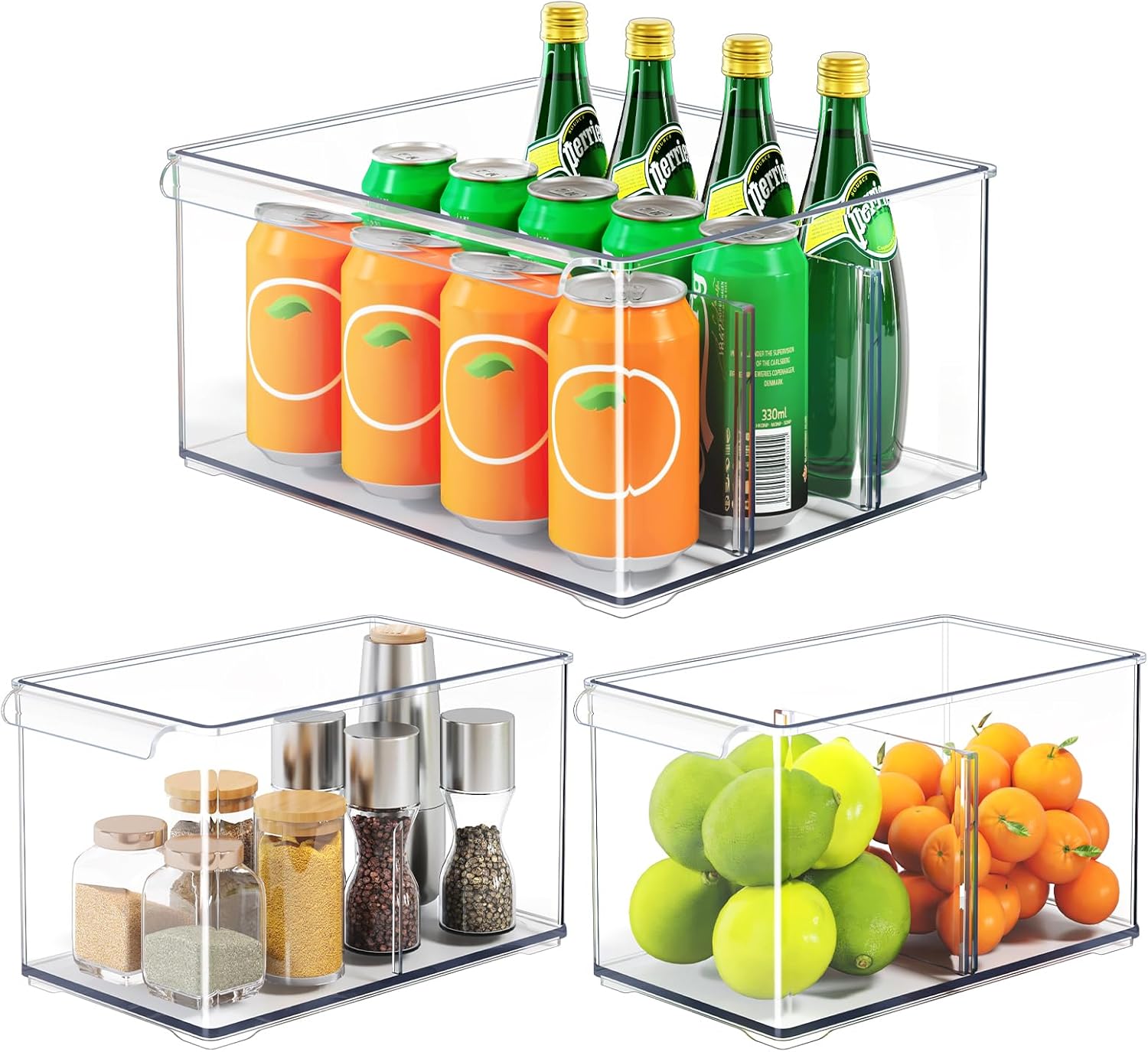
HOMETUK Clear Plastic Storage Bins with Dividers - 3-Pack Stackable Acrylic Organizer Containers for Fridge and Pantry
$19.99 $49.99
58% OFF
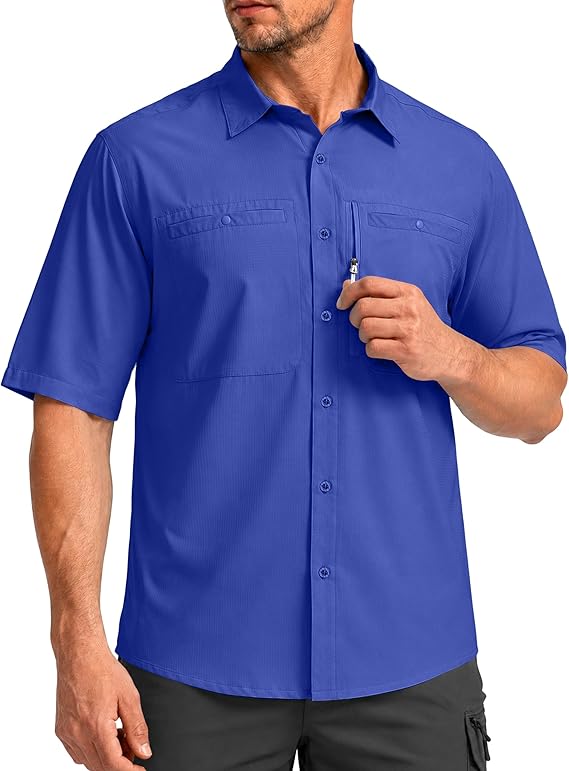
G Gradual Men's Fishing Shirt - UPF 50+ Lightweight Short Sleeve Button Down with Zipper Pockets
$14.99 $35.99
55% OFF
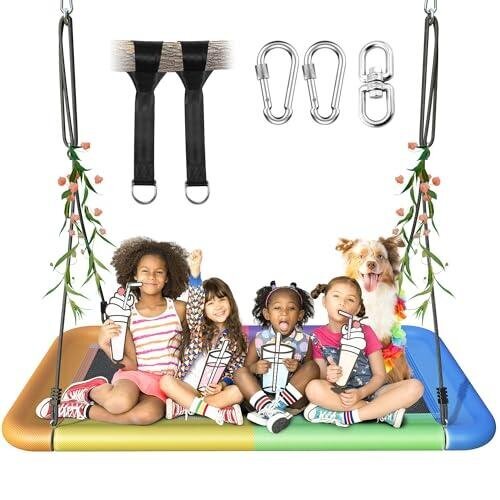
Everyfun 60" Rectangular Platform Tree Swing - 700lbs Heavy Duty Adjustable Outdoor Swing (Colorful)
$49.99 $110.99
61% OFF
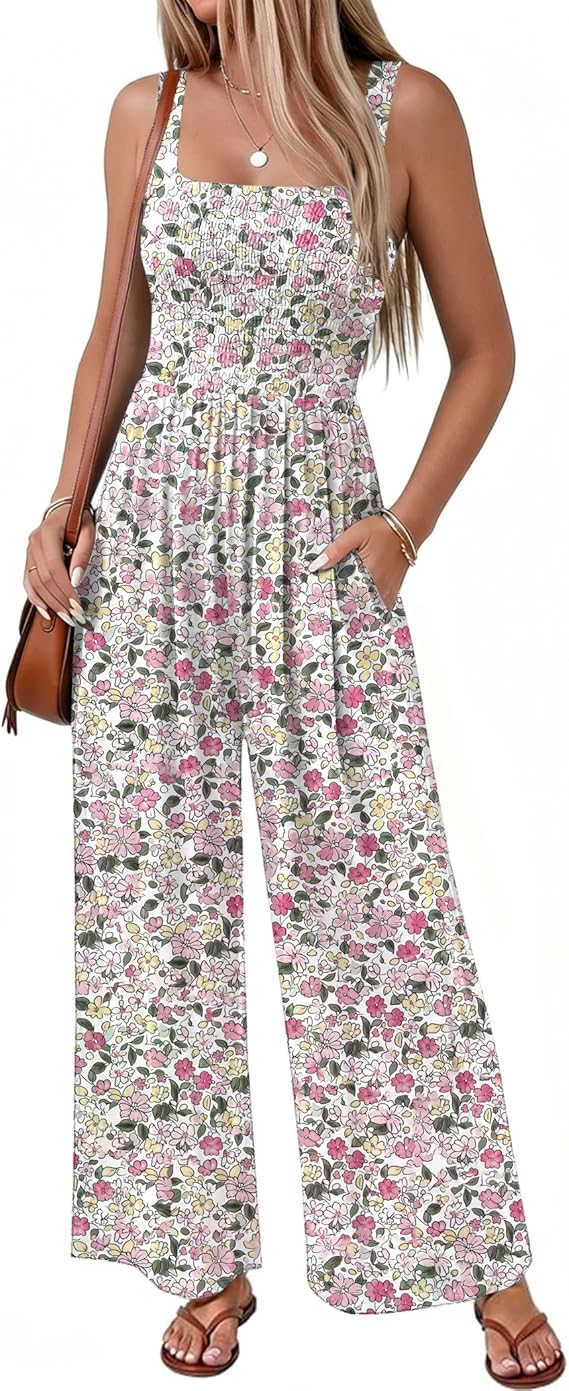
Ekouaer Women's Casual Loose Jumpsuit - One-Piece Printed Sleeveless Wide Leg Romper with Pockets
$14.99 $37.99
36% OFF
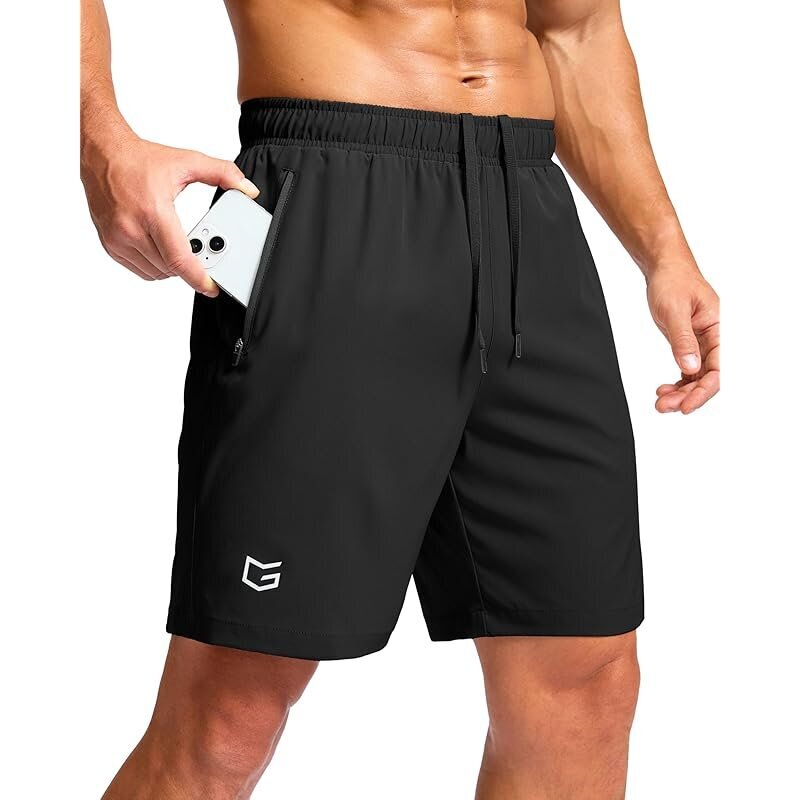
Men's Athletic Running Shorts with Zipper Pockets - Lightweight & Quick Dry
$12.74 $19.99
61% OFF
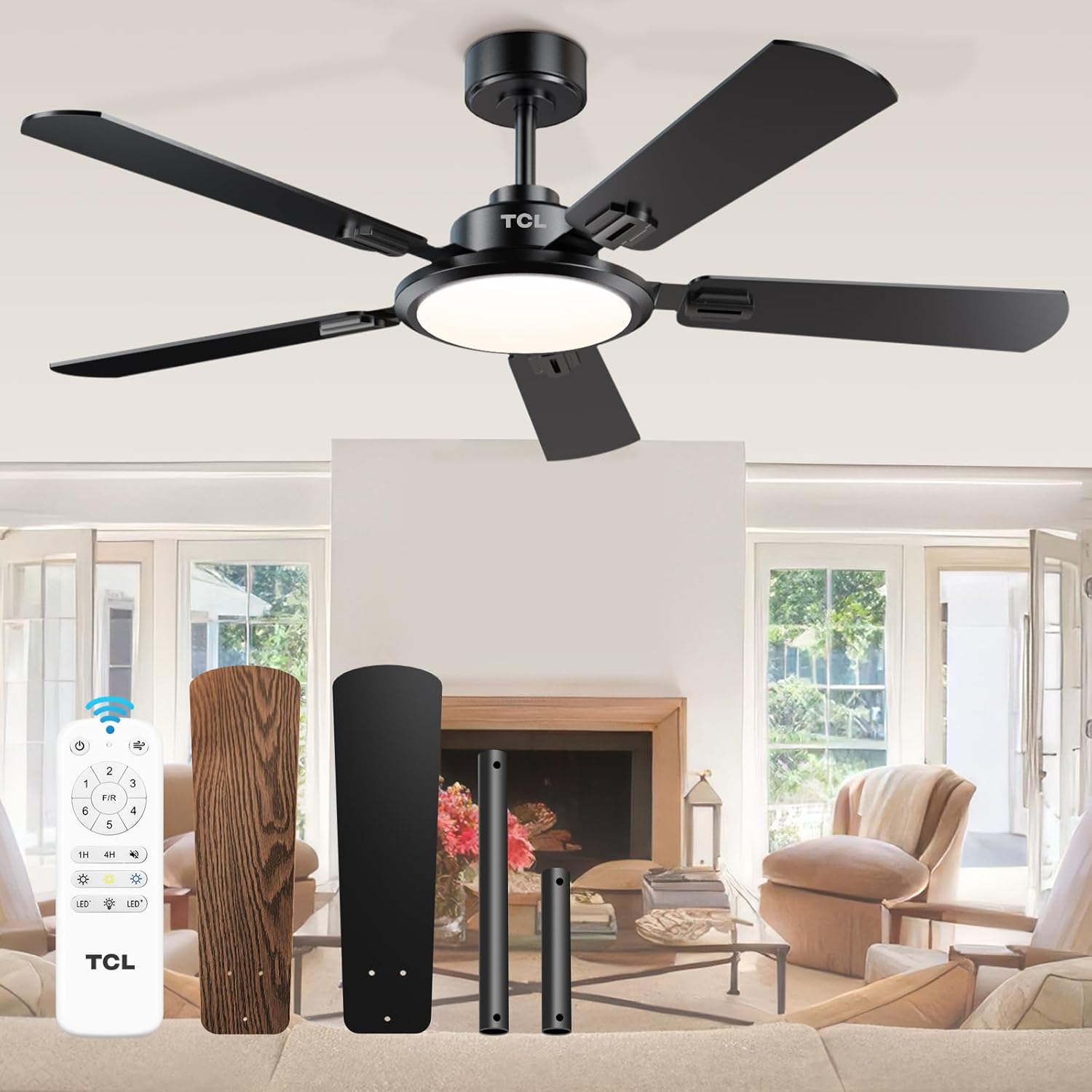
Modern Ceiling Fan with Light and Remote - Reversible Quiet DC Motor
$69.3 $179.99
50% OFF
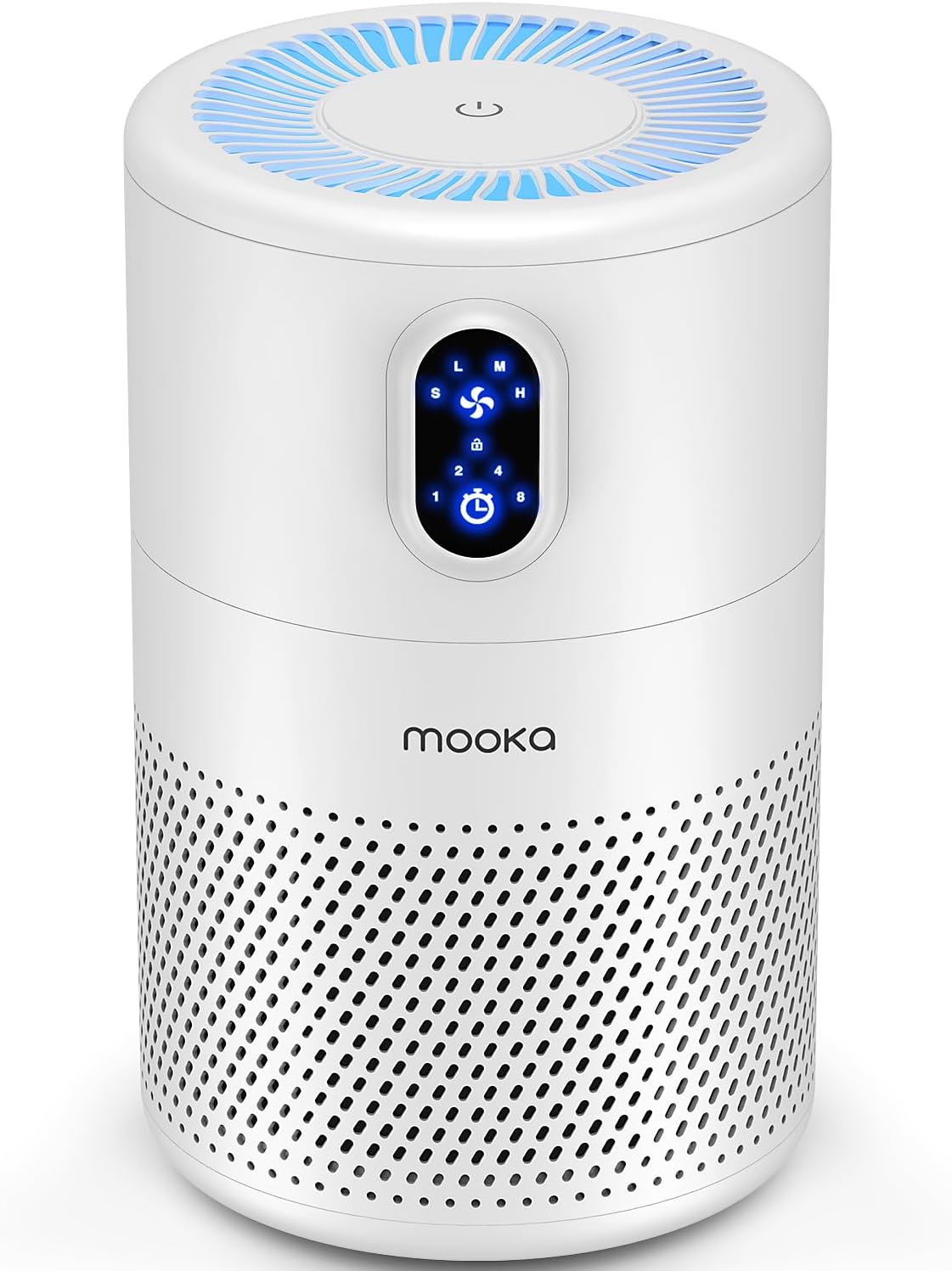
MOOKA H13 True HEPA Air Purifier for Home Large Room - 1076 sq ft Odor Eliminator
$39.97 $79.95
40% OFF
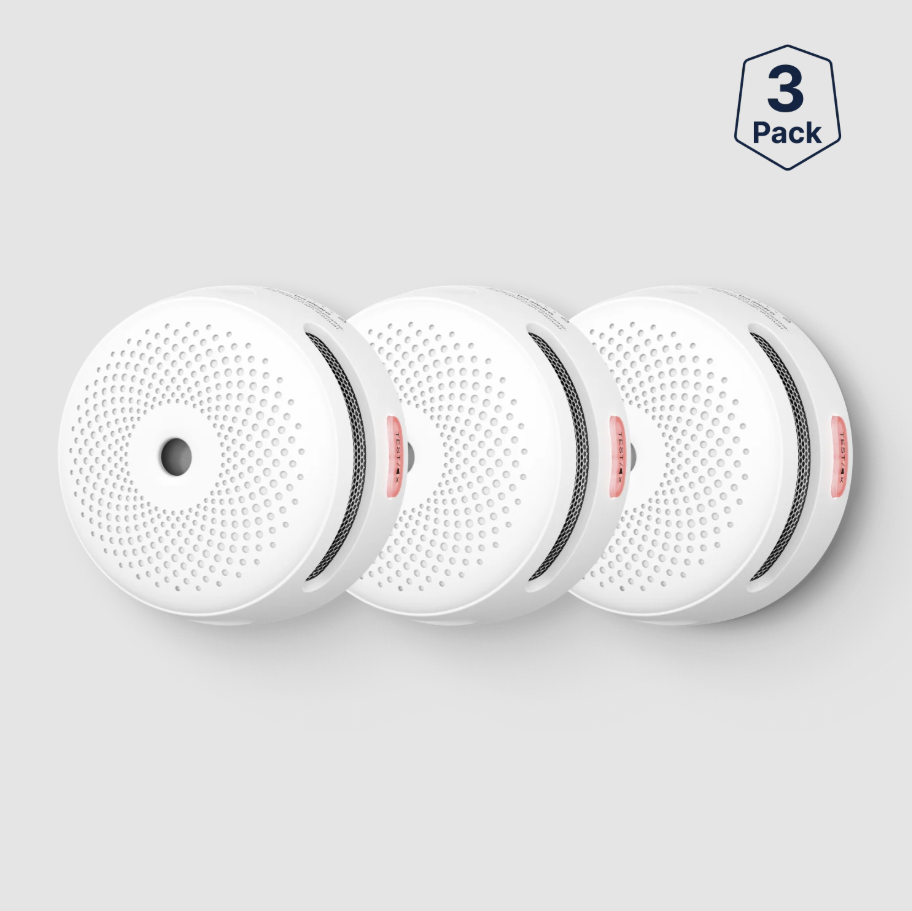
X-Sense XS01-WX Smart Smoke Alarm - 2.4 GHz Wi-Fi Photoelectric Fire Detector with Mobile App Alerts
$65.99 $109.99
11% OFF
VitaUp Beet Root Gummies with CoQ10 & Grape Seed - Nitric Oxide Circulation Support (60 Count)
$24.91 $27.91
Sealy 2-Pack Tritech 16" Twin Inflatable Air Mattress with Built-in AC Pump
$0 $113.99
20% OFF
INTEX Prism Frame 20ft x 52in Above Ground Pool Set - Round Steel Frame Swimming Pool
$695.99 $869.99

Gardner Pet 43" Heavy Duty Dog Crate with Wheels - Indestructible Folding Metal Cage (Black)
$0 $149.99




-

Diary of a CEO’s Steven Bartlett and John Lennox discuss AI, faith and the search for meaning
-

Belfast churches 'heartbroken' over unrest
-

Is there a two-tier Britain?
-

Churches must disciple well and listen well in response to rise of Christian nationalism
-

Biblical models and the creation of King Arthur
-

Welsh reverend speaks of culture of fear over LGBT issues
Most Popular
News
Gloucester churches come together to bless River Avon amid pollution concerns
It is part of a broader campaign against river pollution as concerns remain about the amount of untreated sewage in the Avon.

Life beyond burnout: how Christians can grow in the desert seasons
Christian Today speaks to author and Anglican priest Tish Harrison Warren about growth in desert seasons and why the Church shouldn’t treat all spiritual weariness as a problem to fix.
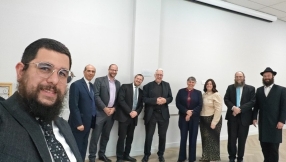
Iranian-born bishop stands in solidarity with Britain's Jews
2025 had the second highest number of antisemitic incidents on record.

Bishops protest Israeli arrest of another Palestinian Christian
An Evangelical Lutheran has been accused of "promoting terrorist activities".
MANSPOT Electric Pubic Hair Trimmer - Waterproof Body and Groin Shaver for Men and Women (Black)
$20.39
Lick-Safe Dog Paw and Nose Balm Stick - All-Natural Moisturizer with Coconut Oil for Dry, Cracked Pads and Snout
$11.69
Men's Quick Dry Moisture Wicking Polo Shirt - High Elasticity Slim Fit Athletic Top (Runs Small)
$6.99
Men's Running Shorts with Zipper Pockets - Lightweight, Quick-Dry, Multi-Sport
$12.95
NEWFAST NF-RE523 AC1200 WiFi Extender - 1200Mbps Dual Band Signal Booster & Internet Repeater
$18.5
G Gradual Men's 7-inch Workout Running Shorts - Lightweight, Quick-Dry, Comfort
$12.91
NOVETE Under Sink Water Filter - 3 Years, 30,000 Gallons, High-Efficiency Filtration
$41.99
HDPE All-Weather Adirondack Chair with Built-In Cup Holder - Tool-Free Assembly (Grey)
$69.99
HOMETUK Clear Plastic Storage Bins with Dividers - 3-Pack Stackable Acrylic Organizer Containers for Fridge and Pantry
$19.99
G Gradual Men's Fishing Shirt - UPF 50+ Lightweight Short Sleeve Button Down with Zipper Pockets
$14.99
Everyfun 60" Rectangular Platform Tree Swing - 700lbs Heavy Duty Adjustable Outdoor Swing (Colorful)
$49.99
Ekouaer Women's Casual Loose Jumpsuit - One-Piece Printed Sleeveless Wide Leg Romper with Pockets
$14.99
Men's Athletic Running Shorts with Zipper Pockets - Lightweight & Quick Dry
$12.74
Modern Ceiling Fan with Light and Remote - Reversible Quiet DC Motor
$69.3
MOOKA H13 True HEPA Air Purifier for Home Large Room - 1076 sq ft Odor Eliminator
$39.97
X-Sense XS01-WX Smart Smoke Alarm - 2.4 GHz Wi-Fi Photoelectric Fire Detector with Mobile App Alerts
$65.99
VitaUp Beet Root Gummies with CoQ10 & Grape Seed - Nitric Oxide Circulation Support (60 Count)
$24.91
Sealy 2-Pack Tritech 16" Twin Inflatable Air Mattress with Built-in AC Pump
$0
INTEX Prism Frame 20ft x 52in Above Ground Pool Set - Round Steel Frame Swimming Pool
$695.99
Gardner Pet 43" Heavy Duty Dog Crate with Wheels - Indestructible Folding Metal Cage (Black)
$0