
|PIC1|Andy Atkins is Advocacy Director of Christian development agency Tearfund. Christian Today caught up with him to find out what he thinks about Gordon Brown's latest pledge to end child poverty, what still needs to be done to end extreme poverty worldwide and how Christians can get engaged.
CT: In 2005, Gordon Brown pledged free education for every child in Africa and free healthcare for children and families. He has just re-committed himself to ending child poverty. How optimistic are you that he will match words with actions?
AA: I'm fairly optimistic that Gordon Brown himself will do his level best to push for a fast delivery of the promises that were made in Gleneagles in 2005. But he needs to persuade many others in the international community in order to achieve that end. So I think he's going to need not only all of his commitment but also his influencing skills, particularly with other G8 countries to speed up the delivery of healthcare, education, and particularly funds for anti-retroviral drugs for HIV and Aids sufferers.
And I think on that area we had quite a setback in some senses at the recent G8. The leaders had previously agreed to almost universal access by 2010, and that was good, but at the recent G8 the US tried to define that as five million people, whereas all the statistics and data that the UN and others are producing suggest that it is more like 10 to 15 million people.
So there is a real inconsistency between the promises of Gleneagles and the target that is now being set for it. So we would really be looking to Gordon Brown to shift that target back up to a much more realistic target of ten to 16 million people, not five.
CT: You said yesterday that the Government "remains in a strong position to continue influencing global policies affecting poor people". Do you think Brown's replacing Blair is going to result in greater efforts to end extreme poverty on a global level?
AA: The truth is that time will tell. I think Gordon Brown is probably even more committed than Tony Blair to bringing about greater international justice on poverty issues. And I don't mean by that that Tony Blair doesn't care, but a lot of the work behind the scenes to cancel debt and to get greater aid flows going was actually worked by Gordon Brown - even under the Blair premiership.
Where I think the jury is still very much out on Gordon Brown is, what is his commitment to climate change, to really doing something serious around climate change? And I think in that area there is no doubt that Tony Blair was in fact the leader. Gordon Brown has only more recently seriously engaged in the climate change issue.
And a very important indication of that was him commissioning the Stern Review by the economist Sir Nicholas Stern, which he commissioned in order to show that the economics of responding to climate change would be much better than the economics of not responding to climate change. That was a seminal piece of work which Gordon Brown commissioned.
But until that point he had not actually shown that much engagement with the climate change debate and Tony Blair was actually the leader on that one.
So we are very much looking for Gordon Brown to step into Tony Blair's shoes on that one and really push for radical action to cut greenhouse gases in order for us not to start going backwards with Tony Blair stepping out of the premiership.
CT: What shape do you think that radical action should take?
AA: Well, there are two things he needs to do most urgently. One is actually to ensure that the Climate Bill in Britain really forces us to put our own house in order in Britain to cut our own greenhouse gas emissions year on year so that we achieve the kind of cuts that are needed.
That is really important because although Britain may not be a major greenhouse gas emitter now compared with other countries, historically we have been one of the biggest. The industrial revolution began here. We have to take some responsibility for historical emissions. And unless we do so it's going to be very difficult for Gordon Brown to persuade much bigger countries internationally to do their bit in the future. So, the first thing he has got to do is go for really big cuts in Britain under the Climate Bill.
CT: And you think that will then have a ripple effect across other countries?
AA: I think that is the right thing to do morally. And politically it's vital if he's going to persuade other countries, particularly the United States, to seriously cut their own greenhouse gas emissions.
CT: Going back to the global poverty issue, according to Tearfund, there are still 1.1 billion people without sanitation, 2.6 billion without water. What still needs to be done in these areas?
AA: There are two things really. One is to increase the amount of development assistance, of aid that is going to water, health and so on. And the second thing is to make sure that aid works much more effectively. We've still go the very big problem that much of international aid - not Britain I have to say - is tied to the purchase of products from the country from which it comes.
For example, one country gives $100m, but you've got to spend it on vehicles from that country when in fact the cheapest or best vehicle may not come from there. The Japanese, Italians and Americans are particularly bad at this. We need to increase the amount of aid for those purposes but we've got to make that aid work much more effectively and we would really be looking to Gordon Brown to lead that challenge, particularly within the European Union, to make European aid work much more effectively.
CT: But it's not only governments worldwide that have to work on these issues. Christians also have a responsibility.
AA: Absolutely.
CT: What do you want to see from them? How is Tearfund engaging the church?
AA: I think one of the things we want Christians to do, particularly in Western countries where we have the luxury of democracy and a voice in our political affairs, is to use that voice to the benefit of poor and disadvantaged people. The first thing we are calling on Christians to do is to campaign, to sign up to campaigning with Tearfund or similar organisations, to keep pressure on the governments to do these kinds of things.
But the second thing Christians can do is engage in their own communities. Whether you are a Christian living in a rich country like Britain - where there are still impoverished people around - or whether you are living in a developing country in the midst of poverty, we are calling on Christians to fulfil their God-given role to reach out to the poor and disadvantaged where they are, as well as calling on politicians to play their role in government.
49% OFF
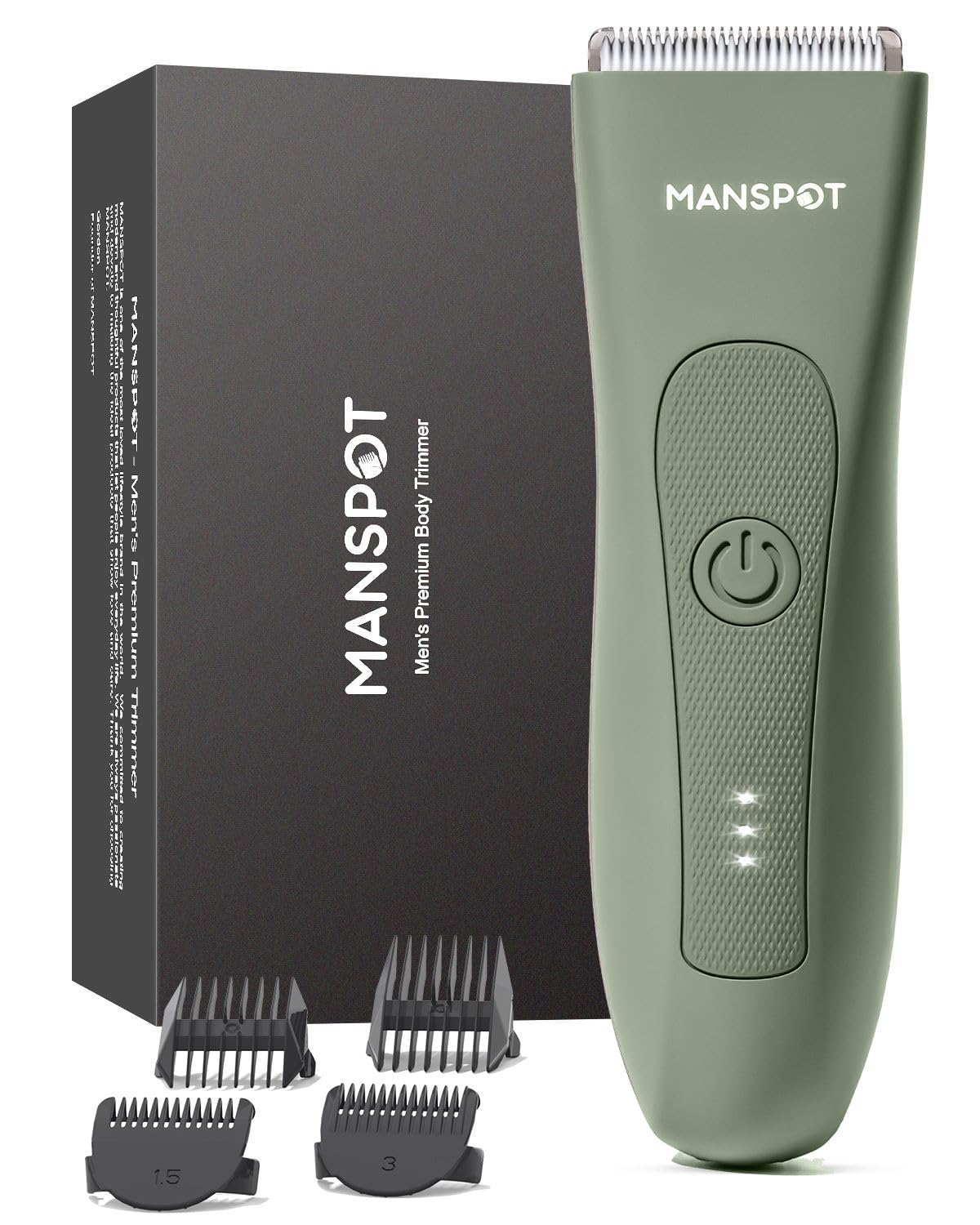
MANSPOT Electric Pubic Hair Trimmer - Waterproof Body and Groin Shaver for Men and Women (Black)
$20.39 $40
25% OFF

Lick-Safe Dog Paw and Nose Balm Stick - All-Natural Moisturizer with Coconut Oil for Dry, Cracked Pads and Snout
$11.69 $15.59
77% OFF
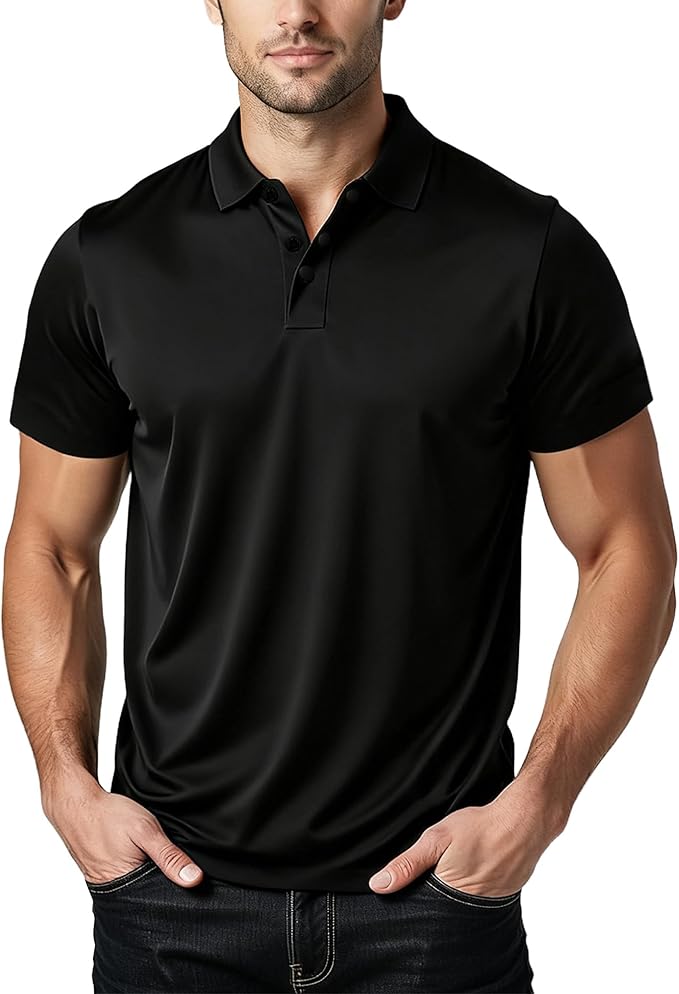
Men's Quick Dry Moisture Wicking Polo Shirt - High Elasticity Slim Fit Athletic Top (Runs Small)
$6.99 $29.99
46% OFF
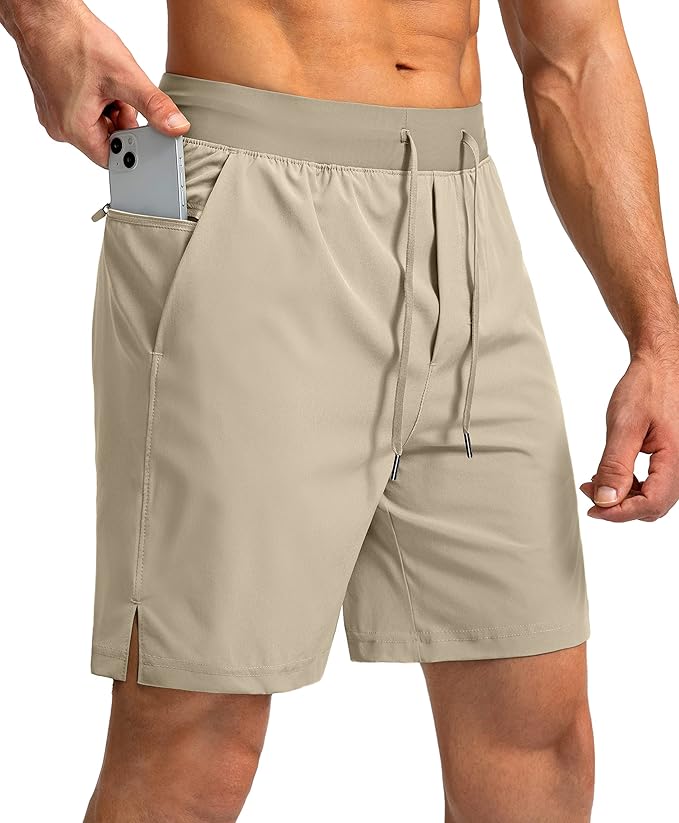
Men's Running Shorts with Zipper Pockets - Lightweight, Quick-Dry, Multi-Sport
$12.95 $23.99
50% OFF
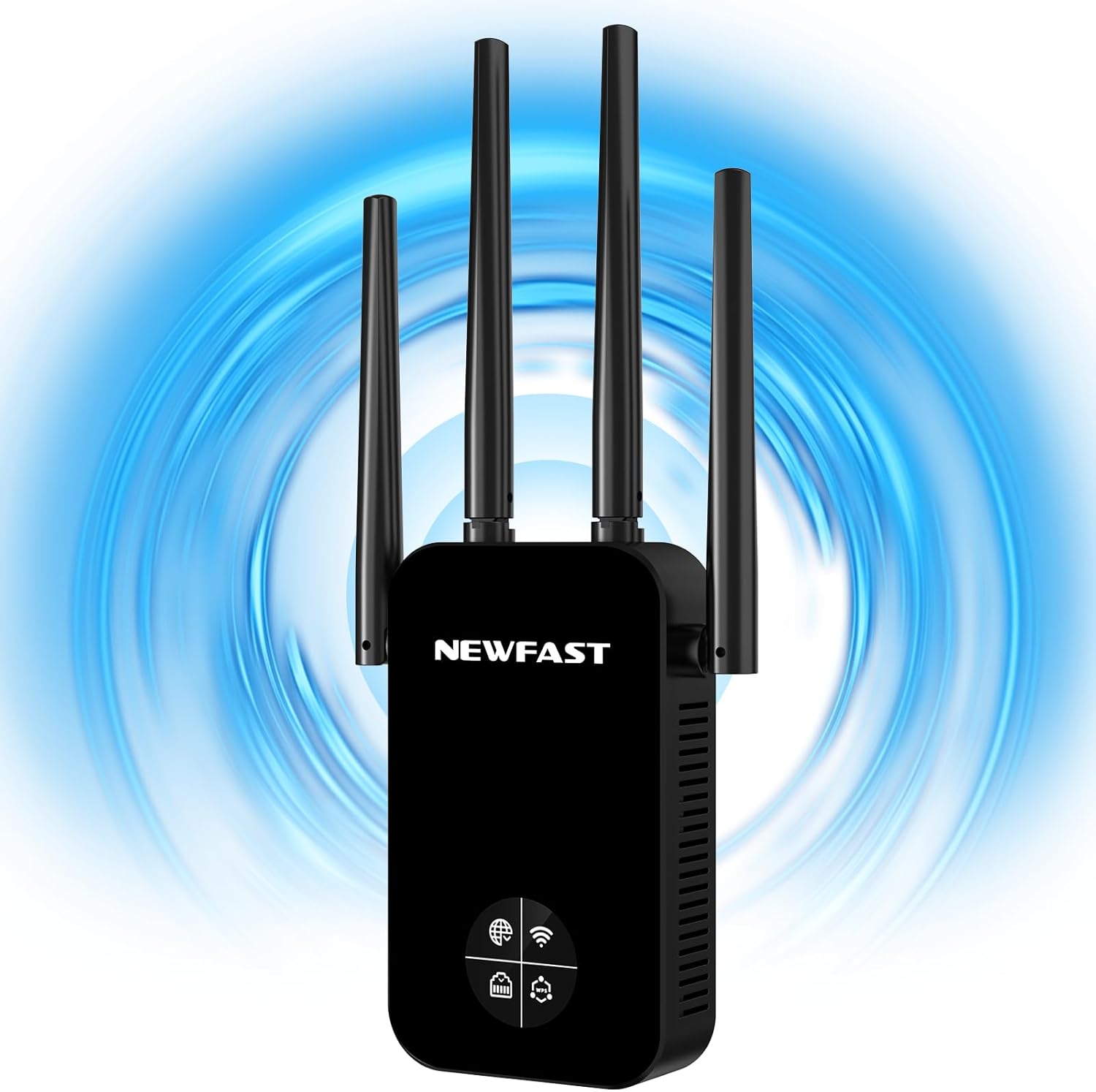
NEWFAST NF-RE523 AC1200 WiFi Extender - 1200Mbps Dual Band Signal Booster & Internet Repeater
$18.5 $36.99
48% OFF
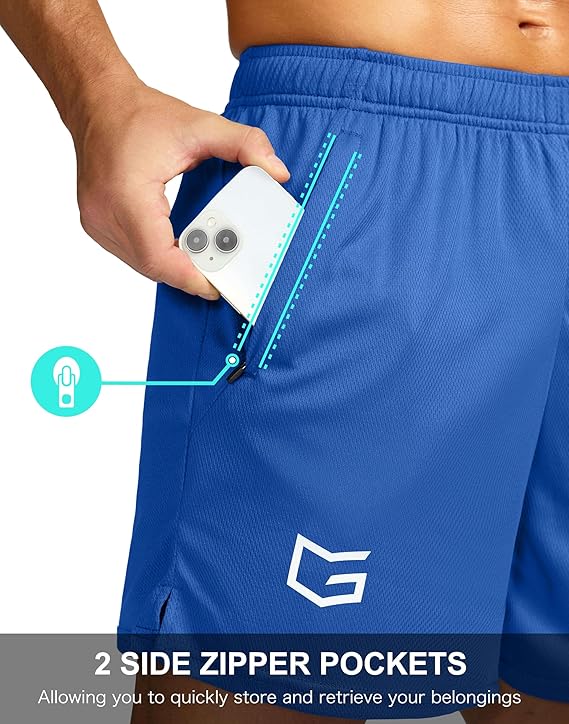
G Gradual Men's 7-inch Workout Running Shorts - Lightweight, Quick-Dry, Comfort
$12.91 $24.99
30% OFF
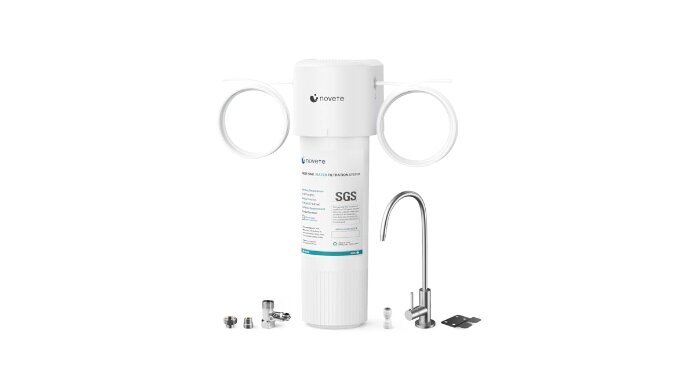
NOVETE Under Sink Water Filter - 3 Years, 30,000 Gallons, High-Efficiency Filtration
$41.99 $59.99
50% OFF

HDPE All-Weather Adirondack Chair with Built-In Cup Holder - Tool-Free Assembly (Grey)
$69.99 $139.99
60% OFF

HOMETUK Clear Plastic Storage Bins with Dividers - 3-Pack Stackable Acrylic Organizer Containers for Fridge and Pantry
$19.99 $49.99
58% OFF

G Gradual Men's Fishing Shirt - UPF 50+ Lightweight Short Sleeve Button Down with Zipper Pockets
$14.99 $35.99
55% OFF

Everyfun 60" Rectangular Platform Tree Swing - 700lbs Heavy Duty Adjustable Outdoor Swing (Colorful)
$49.99 $110.99
61% OFF

Ekouaer Women's Casual Loose Jumpsuit - One-Piece Printed Sleeveless Wide Leg Romper with Pockets
$14.99 $37.99
36% OFF

Men's Athletic Running Shorts with Zipper Pockets - Lightweight & Quick Dry
$12.74 $19.99
61% OFF

Modern Ceiling Fan with Light and Remote - Reversible Quiet DC Motor
$69.3 $179.99
50% OFF

MOOKA H13 True HEPA Air Purifier for Home Large Room - 1076 sq ft Odor Eliminator
$39.97 $79.95
40% OFF
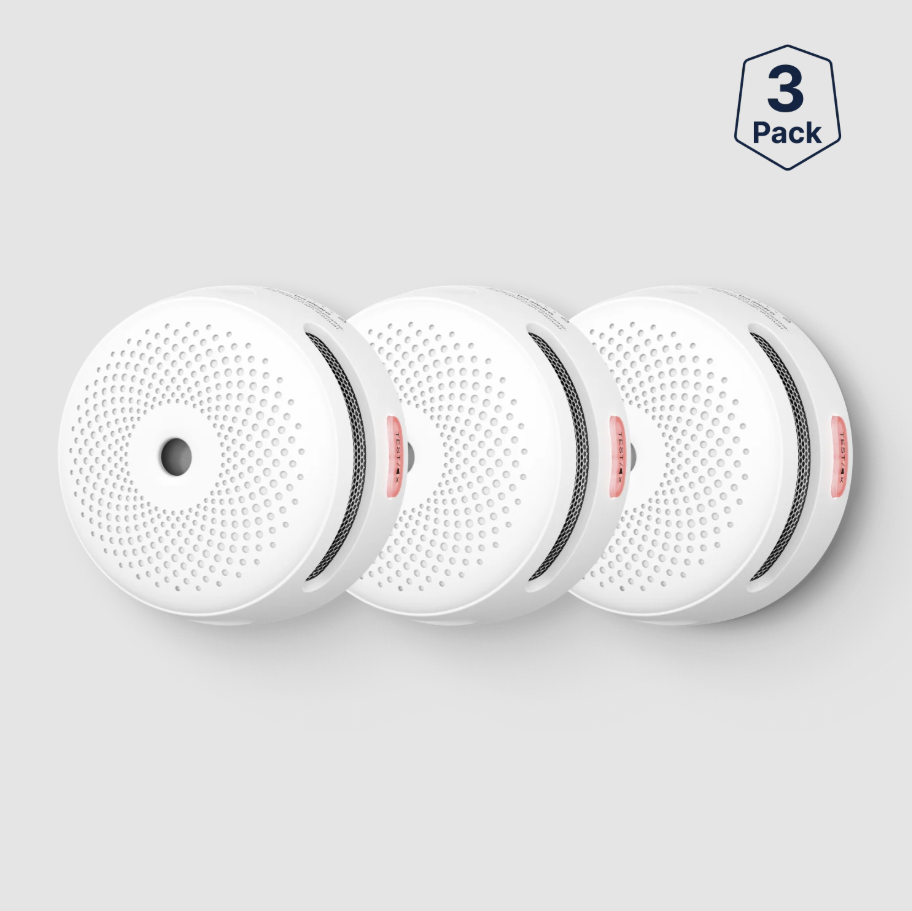
X-Sense XS01-WX Smart Smoke Alarm - 2.4 GHz Wi-Fi Photoelectric Fire Detector with Mobile App Alerts
$65.99 $109.99
11% OFF

VitaUp Beet Root Gummies with CoQ10 & Grape Seed - Nitric Oxide Circulation Support (60 Count)
$24.91 $27.91

Sealy 2-Pack Tritech 16" Twin Inflatable Air Mattress with Built-in AC Pump
$0 $113.99
20% OFF

INTEX Prism Frame 20ft x 52in Above Ground Pool Set - Round Steel Frame Swimming Pool
$695.99 $869.99

Gardner Pet 43" Heavy Duty Dog Crate with Wheels - Indestructible Folding Metal Cage (Black)
$0 $149.99




-

Diary of a CEO’s Steven Bartlett and John Lennox discuss AI, faith and the search for meaning
-

Belfast churches 'heartbroken' over unrest
-

Is there a two-tier Britain?
-
Churches must disciple well and listen well in response to rise of Christian nationalism
-
Biblical models and the creation of King Arthur
-

Welsh reverend speaks of culture of fear over LGBT issues
Most Popular
News
Gloucester churches come together to bless River Avon amid pollution concerns
It is part of a broader campaign against river pollution as concerns remain about the amount of untreated sewage in the Avon.

Life beyond burnout: how Christians can grow in the desert seasons
Christian Today speaks to author and Anglican priest Tish Harrison Warren about growth in desert seasons and why the Church shouldn’t treat all spiritual weariness as a problem to fix.
Iranian-born bishop stands in solidarity with Britain's Jews
2025 had the second highest number of antisemitic incidents on record.

Bishops protest Israeli arrest of another Palestinian Christian
An Evangelical Lutheran has been accused of "promoting terrorist activities".
MANSPOT Electric Pubic Hair Trimmer - Waterproof Body and Groin Shaver for Men and Women (Black)
$20.39
Lick-Safe Dog Paw and Nose Balm Stick - All-Natural Moisturizer with Coconut Oil for Dry, Cracked Pads and Snout
$11.69
Men's Quick Dry Moisture Wicking Polo Shirt - High Elasticity Slim Fit Athletic Top (Runs Small)
$6.99
Men's Running Shorts with Zipper Pockets - Lightweight, Quick-Dry, Multi-Sport
$12.95
NEWFAST NF-RE523 AC1200 WiFi Extender - 1200Mbps Dual Band Signal Booster & Internet Repeater
$18.5
G Gradual Men's 7-inch Workout Running Shorts - Lightweight, Quick-Dry, Comfort
$12.91
NOVETE Under Sink Water Filter - 3 Years, 30,000 Gallons, High-Efficiency Filtration
$41.99
HDPE All-Weather Adirondack Chair with Built-In Cup Holder - Tool-Free Assembly (Grey)
$69.99
HOMETUK Clear Plastic Storage Bins with Dividers - 3-Pack Stackable Acrylic Organizer Containers for Fridge and Pantry
$19.99
G Gradual Men's Fishing Shirt - UPF 50+ Lightweight Short Sleeve Button Down with Zipper Pockets
$14.99
Everyfun 60" Rectangular Platform Tree Swing - 700lbs Heavy Duty Adjustable Outdoor Swing (Colorful)
$49.99
Ekouaer Women's Casual Loose Jumpsuit - One-Piece Printed Sleeveless Wide Leg Romper with Pockets
$14.99
Men's Athletic Running Shorts with Zipper Pockets - Lightweight & Quick Dry
$12.74
Modern Ceiling Fan with Light and Remote - Reversible Quiet DC Motor
$69.3
MOOKA H13 True HEPA Air Purifier for Home Large Room - 1076 sq ft Odor Eliminator
$39.97
X-Sense XS01-WX Smart Smoke Alarm - 2.4 GHz Wi-Fi Photoelectric Fire Detector with Mobile App Alerts
$65.99
VitaUp Beet Root Gummies with CoQ10 & Grape Seed - Nitric Oxide Circulation Support (60 Count)
$24.91
Sealy 2-Pack Tritech 16" Twin Inflatable Air Mattress with Built-in AC Pump
$0
INTEX Prism Frame 20ft x 52in Above Ground Pool Set - Round Steel Frame Swimming Pool
$695.99
Gardner Pet 43" Heavy Duty Dog Crate with Wheels - Indestructible Folding Metal Cage (Black)
$0