
Lebanon's parliament elected army chief Michel Suleiman as head of state on Sunday, reviving paralysed state institutions after an 18-month standoff between a U.S.-backed government and the Hezbollah-led opposition.
Celebratory gunfire erupted in Beirut after Parliament Speaker Nabih Berri declared that Suleiman, the sole candidate, had won by securing 118 votes in the 128-member assembly.
The election was part of an agreement brokered by Qatar last week to defuse a crisis that had pushed Lebanon to the brink of civil war, with Hezbollah briefly seizing parts of Beirut and routing government partisans. At least 81 people were killed.
The Doha deal was widely seen as a setback for Washington and its allies, which had pressed for Hezbollah to be disarmed.
However, U.S. President George W. Bush, congratulating Suleiman on his election, said in a statement: "I am hopeful that the Doha Agreement ... will usher in an era of political reconciliation to the benefit of all Lebanese."
Bush said he was confident that Lebanon had chosen a leader who would uphold the country's international obligations under U.N. resolutions that call for Hezbollah to be disarmed.
Foreign ministers attending included those of Iran and Syria, which support Hezbollah, and their regional rival Saudi Arabia, which backs the anti-Syrian majority bloc. The Iranian and Saudi ministers met for half an hour after the election.
"It is clear that the Doha settlement could only occur in an atmosphere of regional truces," Lebanese political commentator Suleiman Taqieddin told Reuters.
Syrian President Bashar al-Assad and Iranian President Mahmoud Ahmadinejad later phoned Suleiman to congratulate him on his election, the Lebanese president's office said in a statement.
HEZBOLLAH'S WEAPONS
After the vote, Suleiman, 59, took his oath of office in the chamber before making a speech designed to set the tone for his six-year term. Lebanon has had no president since November.
Suleiman urged a "calm dialogue" on a national defence strategy that would draw on the "capacities of the resistance" - apparently suggesting the eventual integration of Hezbollah's guerrillas into Lebanese security forces.
Hezbollah has rejected any move to force it to lay down its weapons, which it says are needed to deter Israeli attack. But its Lebanese opponents revived calls for the Shi'ite group to disarm after its military offensive in Beirut this month.
Tackling another of the challenges his presidency will face, Suleiman called for formal diplomatic links with Damascus.
Syria, Lebanon's main powerbroker for 29 years until 2005, has never agreed to exchange embassies with Beirut.
In New York, U.N. Secretary-General Ban Ki-moon said he hoped Suleiman's election presaged the revitalisation of all Lebanon's constitutional institutions and a return to dialogue.
Suleiman also urged dialogue, criticising a political discourse based on "accusations of treachery" which had "paved the way to divergence and discord, especially among youth".
Qatar's Emir Sheikh Hamad bin Khalifa al-Thani was the most prominent of many dignitaries in Beirut for the vote.
The majority and the opposition agreed long ago Suleiman should be president, but deadlock over the shape of a national unity government had forced the vote to be postponed 19 times.
The deal struck in Doha met the opposition's main demand for veto power in a unity government and secured the choice of a president on good terms with Syria and Hezbollah.
The agreement, which also stipulates a new law for 2009 parliamentary polls, has calmed a conflict that had stoked sectarian tensions, paralysed government and hurt the economy.
Parliament had not met for over 18 months, crippling Prime Minister Fouad Siniora's government. Bouts of violence killed scores and revived memories of the 1975-90 civil war.
Under Lebanon's complex power-sharing system, the president is always a Maronite Christian, the prime minister a Sunni Muslim and the speaker of parliament a Shi'ite Muslim.
Suleiman succeeds Emile Lahoud, an ally of Syria. Appointed army chief in 1998 when Damascus controlled Lebanon, Suleiman is inescapably linked to that era. He coordinated with Syrian troops before they withdrew from Lebanon in 2005 after an outcry sparked by the killing of former Prime Minister Rafik al-Hariri.
His first task as president is to appoint a new prime minister and consult with him on forming a cabinet, Siniora remaining as caretaker prime minister in the meantime.
Parliamentary majority leader Saad al-Hariri is frontrunner for the job, but his ally Siniora could stay on, officials said. Suleiman must nominate whoever is backed by a majority of MPs.
49% OFF
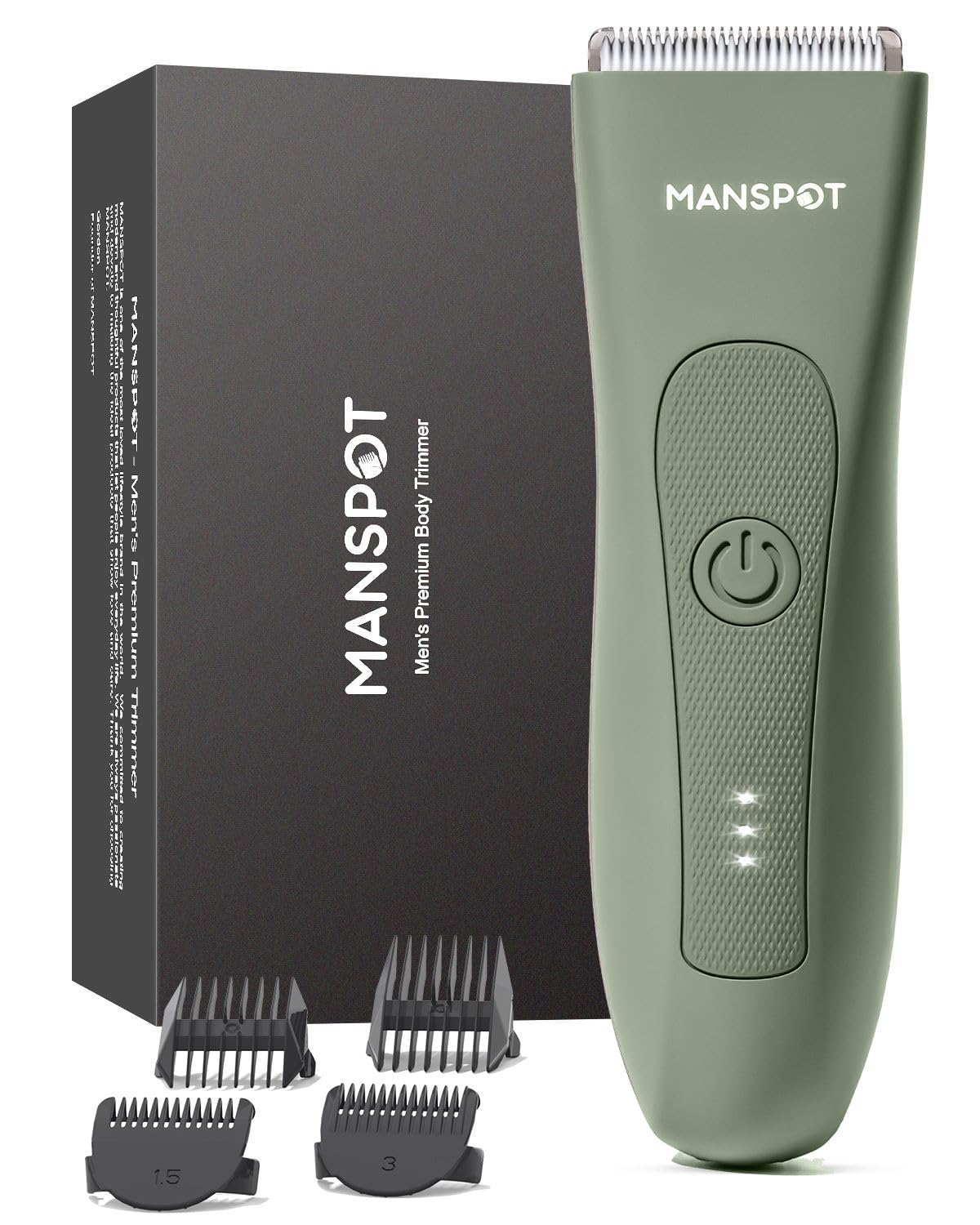
MANSPOT Electric Pubic Hair Trimmer - Waterproof Body and Groin Shaver for Men and Women (Black)
$20.39 $40
25% OFF
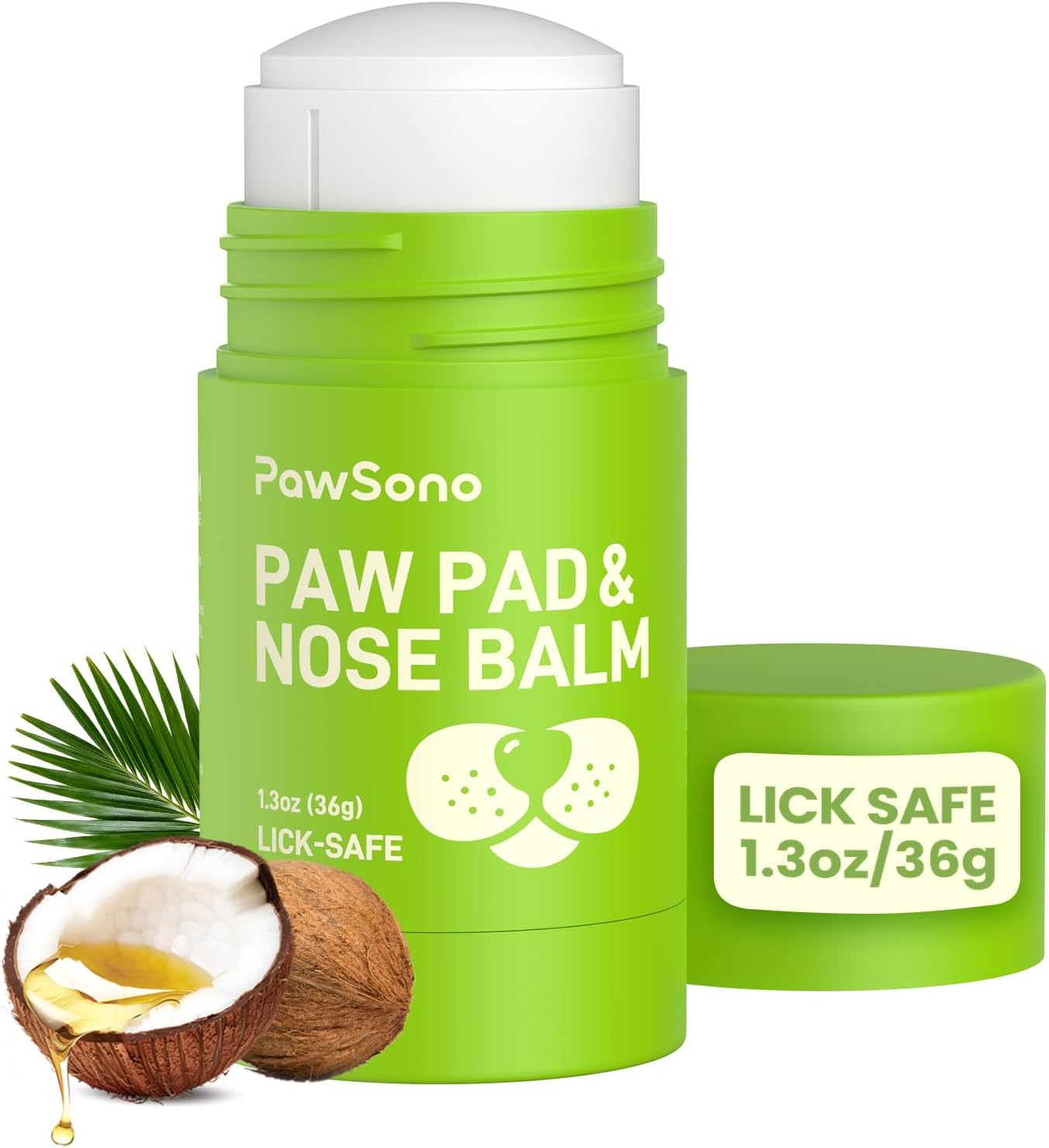
Lick-Safe Dog Paw and Nose Balm Stick - All-Natural Moisturizer with Coconut Oil for Dry, Cracked Pads and Snout
$11.69 $15.59
77% OFF
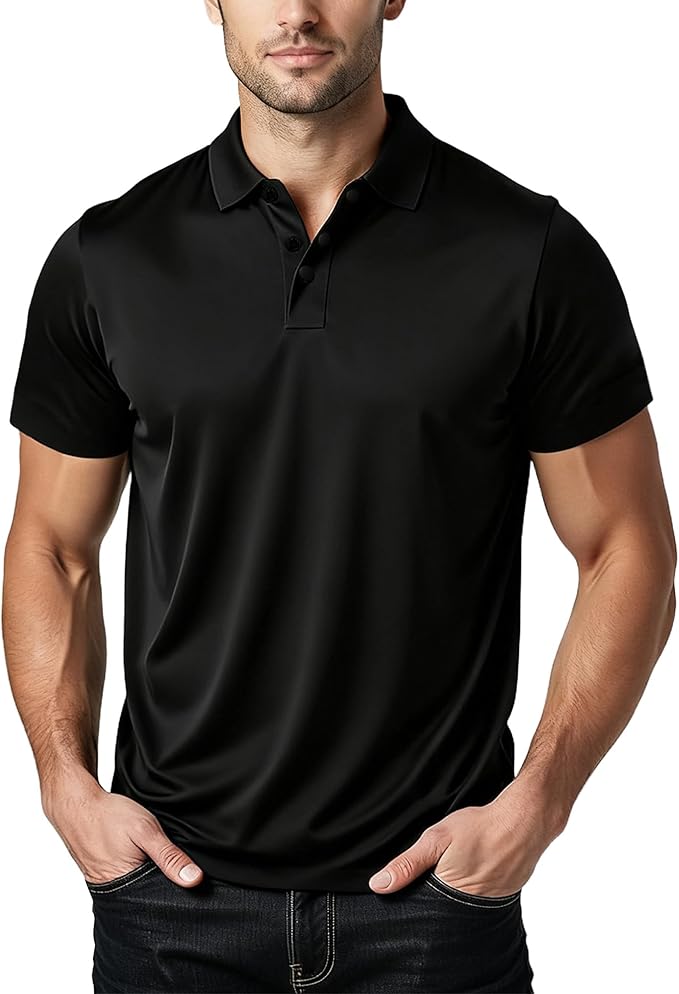
Men's Quick Dry Moisture Wicking Polo Shirt - High Elasticity Slim Fit Athletic Top (Runs Small)
$6.99 $29.99
46% OFF
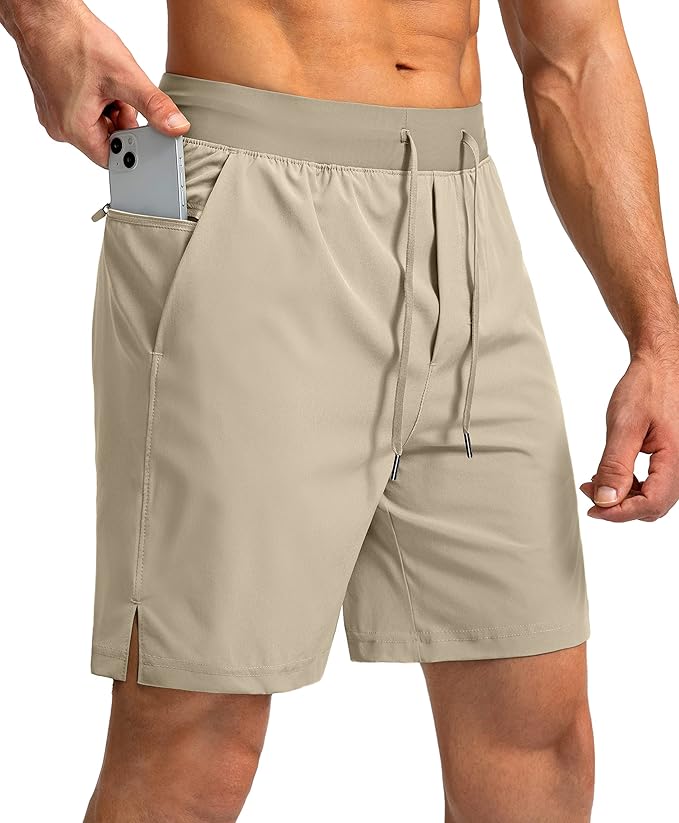
Men's Running Shorts with Zipper Pockets - Lightweight, Quick-Dry, Multi-Sport
$12.95 $23.99
50% OFF
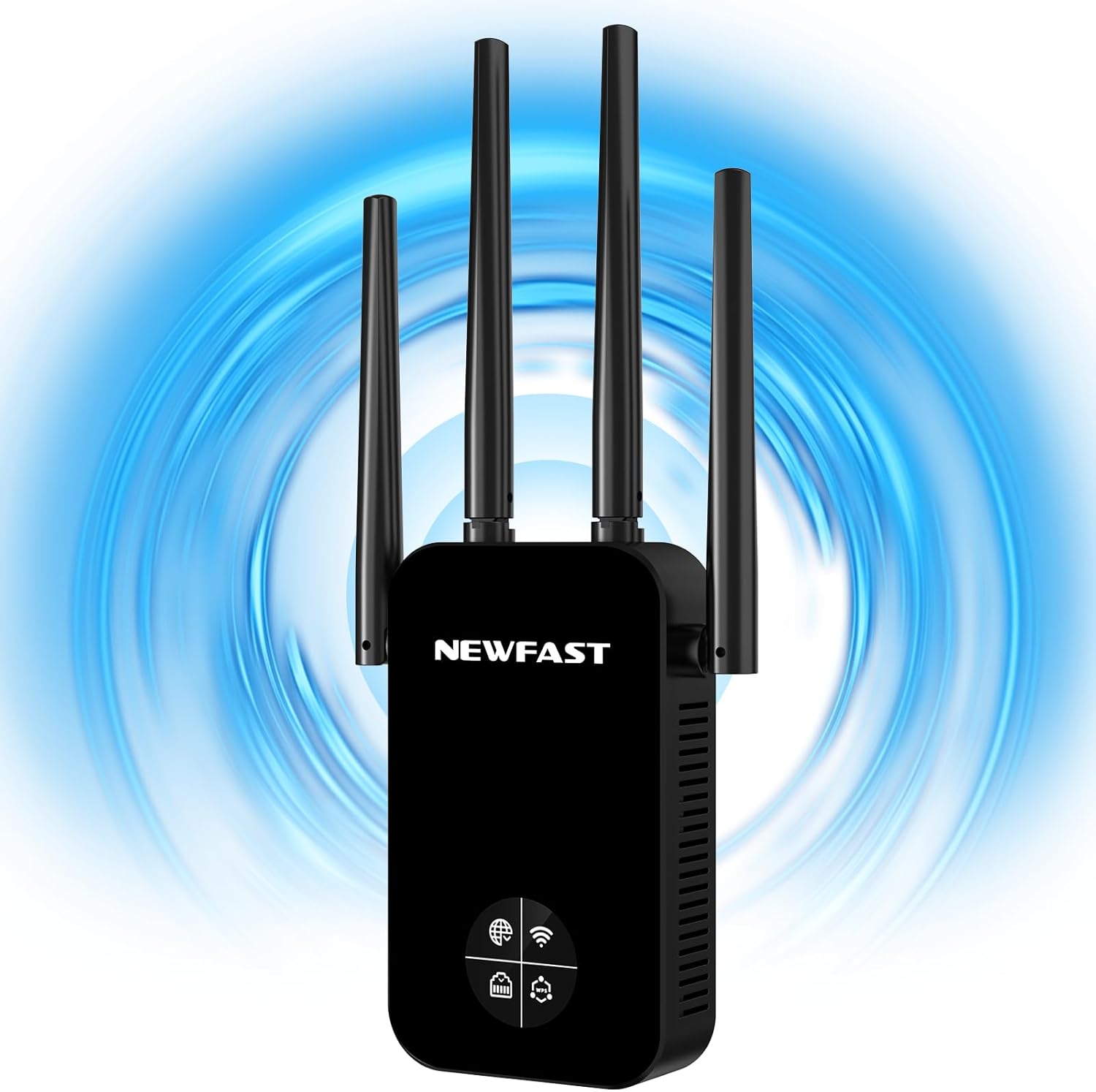
NEWFAST NF-RE523 AC1200 WiFi Extender - 1200Mbps Dual Band Signal Booster & Internet Repeater
$18.5 $36.99
48% OFF
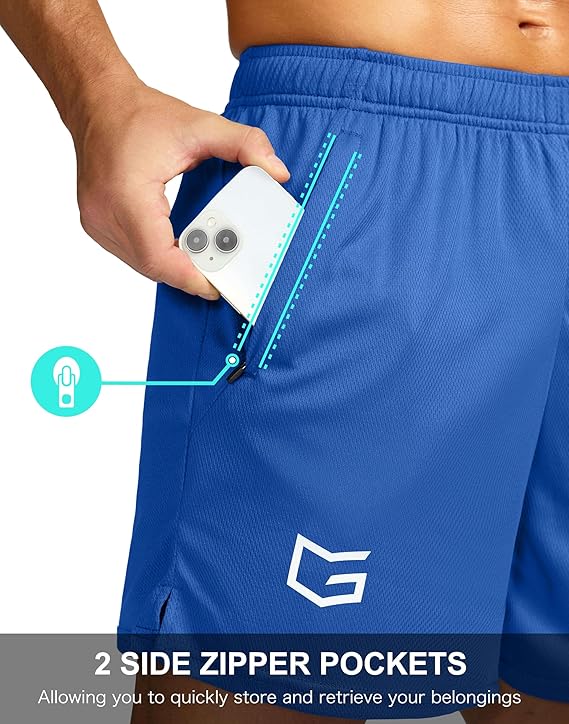
G Gradual Men's 7-inch Workout Running Shorts - Lightweight, Quick-Dry, Comfort
$12.91 $24.99
30% OFF
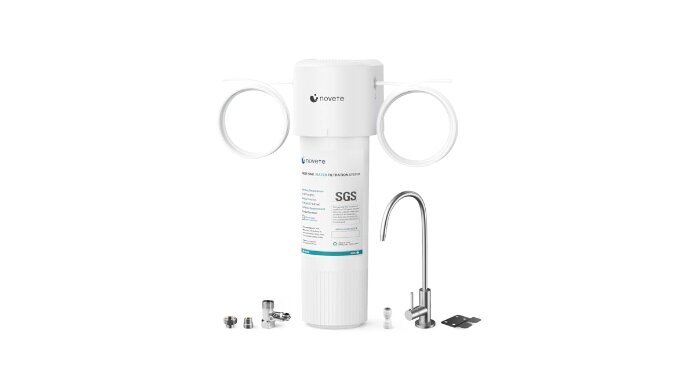
NOVETE Under Sink Water Filter - 3 Years, 30,000 Gallons, High-Efficiency Filtration
$41.99 $59.99
50% OFF

HDPE All-Weather Adirondack Chair with Built-In Cup Holder - Tool-Free Assembly (Grey)
$69.99 $139.99
60% OFF

HOMETUK Clear Plastic Storage Bins with Dividers - 3-Pack Stackable Acrylic Organizer Containers for Fridge and Pantry
$19.99 $49.99
58% OFF

G Gradual Men's Fishing Shirt - UPF 50+ Lightweight Short Sleeve Button Down with Zipper Pockets
$14.99 $35.99
55% OFF

Everyfun 60" Rectangular Platform Tree Swing - 700lbs Heavy Duty Adjustable Outdoor Swing (Colorful)
$49.99 $110.99
61% OFF

Ekouaer Women's Casual Loose Jumpsuit - One-Piece Printed Sleeveless Wide Leg Romper with Pockets
$14.99 $37.99
36% OFF

Men's Athletic Running Shorts with Zipper Pockets - Lightweight & Quick Dry
$12.74 $19.99
61% OFF

Modern Ceiling Fan with Light and Remote - Reversible Quiet DC Motor
$69.3 $179.99
50% OFF

MOOKA H13 True HEPA Air Purifier for Home Large Room - 1076 sq ft Odor Eliminator
$39.97 $79.95
40% OFF
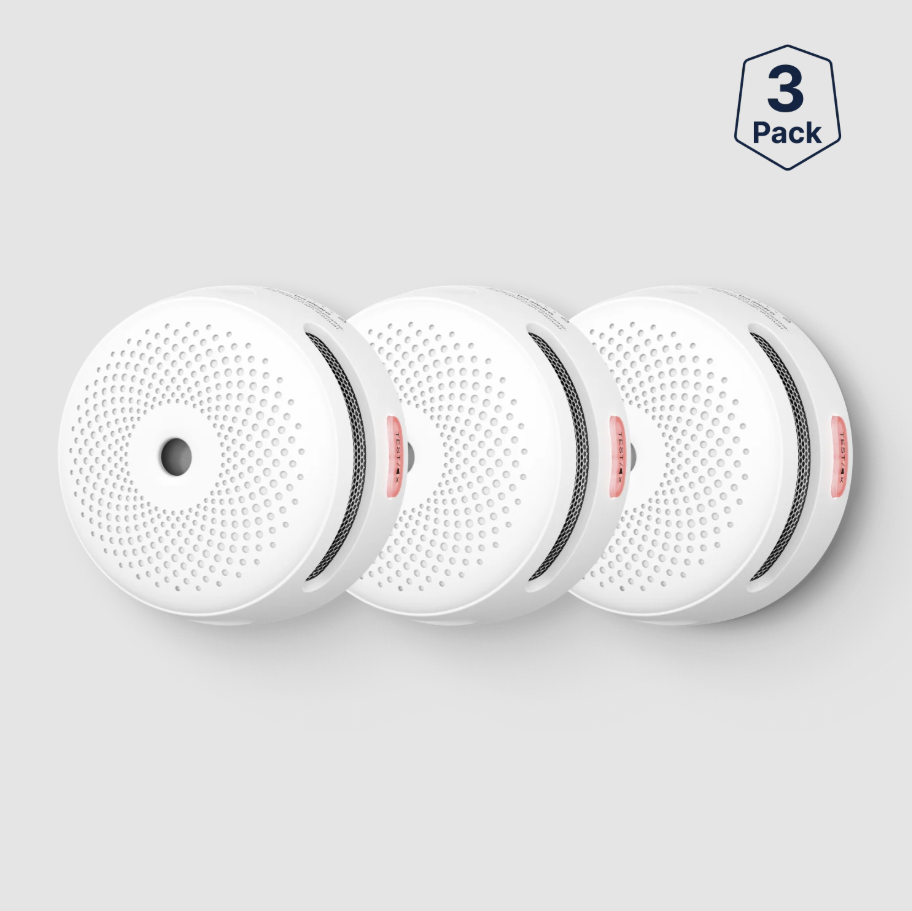
X-Sense XS01-WX Smart Smoke Alarm - 2.4 GHz Wi-Fi Photoelectric Fire Detector with Mobile App Alerts
$65.99 $109.99
11% OFF

VitaUp Beet Root Gummies with CoQ10 & Grape Seed - Nitric Oxide Circulation Support (60 Count)
$24.91 $27.91

Sealy 2-Pack Tritech 16" Twin Inflatable Air Mattress with Built-in AC Pump
$0 $113.99
20% OFF

INTEX Prism Frame 20ft x 52in Above Ground Pool Set - Round Steel Frame Swimming Pool
$695.99 $869.99

Gardner Pet 43" Heavy Duty Dog Crate with Wheels - Indestructible Folding Metal Cage (Black)
$0 $149.99




-

Diary of a CEO’s Steven Bartlett and John Lennox discuss AI, faith and the search for meaning
-

Belfast churches 'heartbroken' over unrest
-

Anti-Christian hate crimes across Europe surge in May as arson attacks reach 2026 high
-

Is there a two-tier Britain?
-

Churches must disciple well and listen well in response to rise of Christian nationalism
-

Welsh reverend speaks of culture of fear over LGBT issues
Most Popular
News

Anti-Christian hate crimes across Europe surge in May as arson attacks reach 2026 high
Anti-Christian incidents across Europe rose sharply in May, with new figures showing the highest monthly number of arson-related attacks recorded so far this year.

Gloucester churches come together to bless River Avon amid pollution concerns
It is part of a broader campaign against river pollution as concerns remain about the amount of untreated sewage in the Avon.

Life beyond burnout: how Christians can grow in the desert seasons
Christian Today speaks to author and Anglican priest Tish Harrison Warren about growth in desert seasons and why the Church shouldn’t treat all spiritual weariness as a problem to fix.
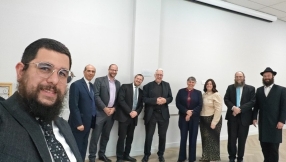
Iranian-born bishop stands in solidarity with Britain's Jews
2025 had the second highest number of antisemitic incidents on record.
MANSPOT Electric Pubic Hair Trimmer - Waterproof Body and Groin Shaver for Men and Women (Black)
$20.39
Lick-Safe Dog Paw and Nose Balm Stick - All-Natural Moisturizer with Coconut Oil for Dry, Cracked Pads and Snout
$11.69
Men's Quick Dry Moisture Wicking Polo Shirt - High Elasticity Slim Fit Athletic Top (Runs Small)
$6.99
Men's Running Shorts with Zipper Pockets - Lightweight, Quick-Dry, Multi-Sport
$12.95
NEWFAST NF-RE523 AC1200 WiFi Extender - 1200Mbps Dual Band Signal Booster & Internet Repeater
$18.5
G Gradual Men's 7-inch Workout Running Shorts - Lightweight, Quick-Dry, Comfort
$12.91
NOVETE Under Sink Water Filter - 3 Years, 30,000 Gallons, High-Efficiency Filtration
$41.99
HDPE All-Weather Adirondack Chair with Built-In Cup Holder - Tool-Free Assembly (Grey)
$69.99
HOMETUK Clear Plastic Storage Bins with Dividers - 3-Pack Stackable Acrylic Organizer Containers for Fridge and Pantry
$19.99
G Gradual Men's Fishing Shirt - UPF 50+ Lightweight Short Sleeve Button Down with Zipper Pockets
$14.99
Everyfun 60" Rectangular Platform Tree Swing - 700lbs Heavy Duty Adjustable Outdoor Swing (Colorful)
$49.99
Ekouaer Women's Casual Loose Jumpsuit - One-Piece Printed Sleeveless Wide Leg Romper with Pockets
$14.99
Men's Athletic Running Shorts with Zipper Pockets - Lightweight & Quick Dry
$12.74
Modern Ceiling Fan with Light and Remote - Reversible Quiet DC Motor
$69.3
MOOKA H13 True HEPA Air Purifier for Home Large Room - 1076 sq ft Odor Eliminator
$39.97
X-Sense XS01-WX Smart Smoke Alarm - 2.4 GHz Wi-Fi Photoelectric Fire Detector with Mobile App Alerts
$65.99
VitaUp Beet Root Gummies with CoQ10 & Grape Seed - Nitric Oxide Circulation Support (60 Count)
$24.91
Sealy 2-Pack Tritech 16" Twin Inflatable Air Mattress with Built-in AC Pump
$0
INTEX Prism Frame 20ft x 52in Above Ground Pool Set - Round Steel Frame Swimming Pool
$695.99
Gardner Pet 43" Heavy Duty Dog Crate with Wheels - Indestructible Folding Metal Cage (Black)
$0