
Religious congregations in the United States have a "mortality rate" of 1 per cent, the lowest among other organisations, according to a newly published study.
About 10 out of every 1,000 religious congregations disband each year, sociologists at the University of Arizona and Duke University found. The low rate of demise revealed that the religious organisations are some of the strongest in the nation, the report stated.
Among volunteer-based social service groups, peace movement organisations and other groups studied over the last two decades, at least 5 per cent shut their doors each year. Only child care centres in Toronto came close to the low 1 per cent mortality rate that religious congregations have, the study noted.
Despite the low rate of closures, Duke Univesity professor Mark Chaves cautioned that it could mean that "weak congregations limp along rather than die, whereas in other organisational populations weak units die rather than live on in a weakened state".
Chaves received grants in 2005 to begin the second wave of research into the 1998 National Congregations Study, which was the first in-depth study of religious organisations. He worked with University of Arizona graduate students to find how many congregations from the original survey were still active - holding regular services, maintaining bulletins and calendars, and holding passion plays and rallies, among other events - in 2005.
"Congregations are one of the most important types of voluntary organisations in our society and because we know so much about other kind of organisations we wanted to take a look at congregations," said Shawna L Anderson, who managed the University of Arizona research team, according to a UANews release.
Knowing the mortality rate of religious congregations is critical to understanding their social influence and relevance, said Anderson, whilst noting that little information has been available about the life and death of religious organisations.
"Not only do people go to Sunday morning service, but they go to their congregations throughout the week and network though these organisations," she noted. "So, understanding the demography of the organisations is important to understanding other things related to congregations, such as how social networks are built and how they launch social movements."
The research team studied information from 1,230 churches, synagogues, and mosques of varying denominations, including Jehovah's Witnesses, Lutheran, Protestant, Episcopal, nondenominational Christian, Roman Catholic and others, with sizes that ranged from seven regularly participating members to 20,000.
They found that 27 congregations closed since the first wave of research, with congregations that owned a building more likely to remain open and active. About two-thirds of churchgoers attend congregations that have a website and 44 per cent of congregations have sites. There was a 123 per cent increase in the number of congregations with websites and smaller congregations with a few dozen members were more likely to close than those with hundreds of members.
"The main difference between congregations doomed to disband and congregations destined for revival is a willingness to adapt, to alter their congregational identity in response to change in the communities in which they are located. And whether a congregation is willing to adapt depends largely on the outcome of conflict between advocates of the status quo and advocates of change," the researchers stated.
Researchers suggested that congregations are able to live because they are minimalists and require little funding to launch and survive. They are also flexible and adaptive and can easily reduce congregational activities and goals to a bare minimum, the team noted.
"Congregations can continue in this way for a long time, perhaps until a precipitating event like a major conflict pushes them over the edge."
Anderson believes a congregation's survival may be linked to the commitment of the members.
"If you've got a group of even only 10 people who are deeply committed to the organisation whether it's because they've gone all their lives or got married there or had their kids baptised there, it's amazing what a congregation can pull from its membership," she said.
More research is required to determine exactly why congregations are able to "limp along and survive", as Anderson noted, while other organisations die.
The findings were published in the June issue of the Journal for the Scientific Study of Religion in an article entitled "Dearly Departed: How Often Do Congregations Close?". Another comprehensive article is expected to be published in December.
49% OFF
MANSPOT Electric Pubic Hair Trimmer - Waterproof Body and Groin Shaver for Men and Women (Black)
$20.39 $40
25% OFF
Lick-Safe Dog Paw and Nose Balm Stick - All-Natural Moisturizer with Coconut Oil for Dry, Cracked Pads and Snout
$11.69 $15.59
77% OFF
Men's Quick Dry Moisture Wicking Polo Shirt - High Elasticity Slim Fit Athletic Top (Runs Small)
$6.99 $29.99
46% OFF
Men's Running Shorts with Zipper Pockets - Lightweight, Quick-Dry, Multi-Sport
$12.95 $23.99
50% OFF

NEWFAST NF-RE523 AC1200 WiFi Extender - 1200Mbps Dual Band Signal Booster & Internet Repeater
$18.5 $36.99
48% OFF

G Gradual Men's 7-inch Workout Running Shorts - Lightweight, Quick-Dry, Comfort
$12.91 $24.99
30% OFF
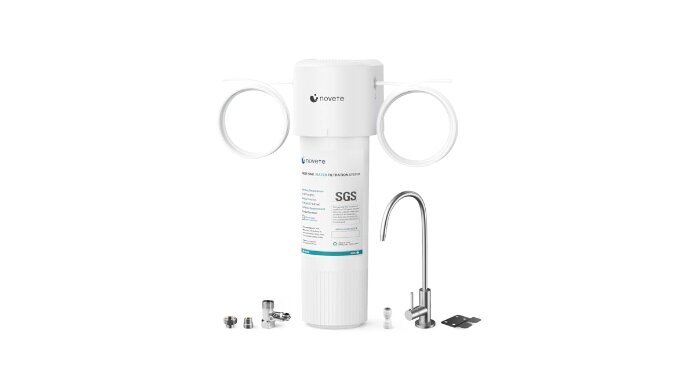
NOVETE Under Sink Water Filter - 3 Years, 30,000 Gallons, High-Efficiency Filtration
$41.99 $59.99
50% OFF
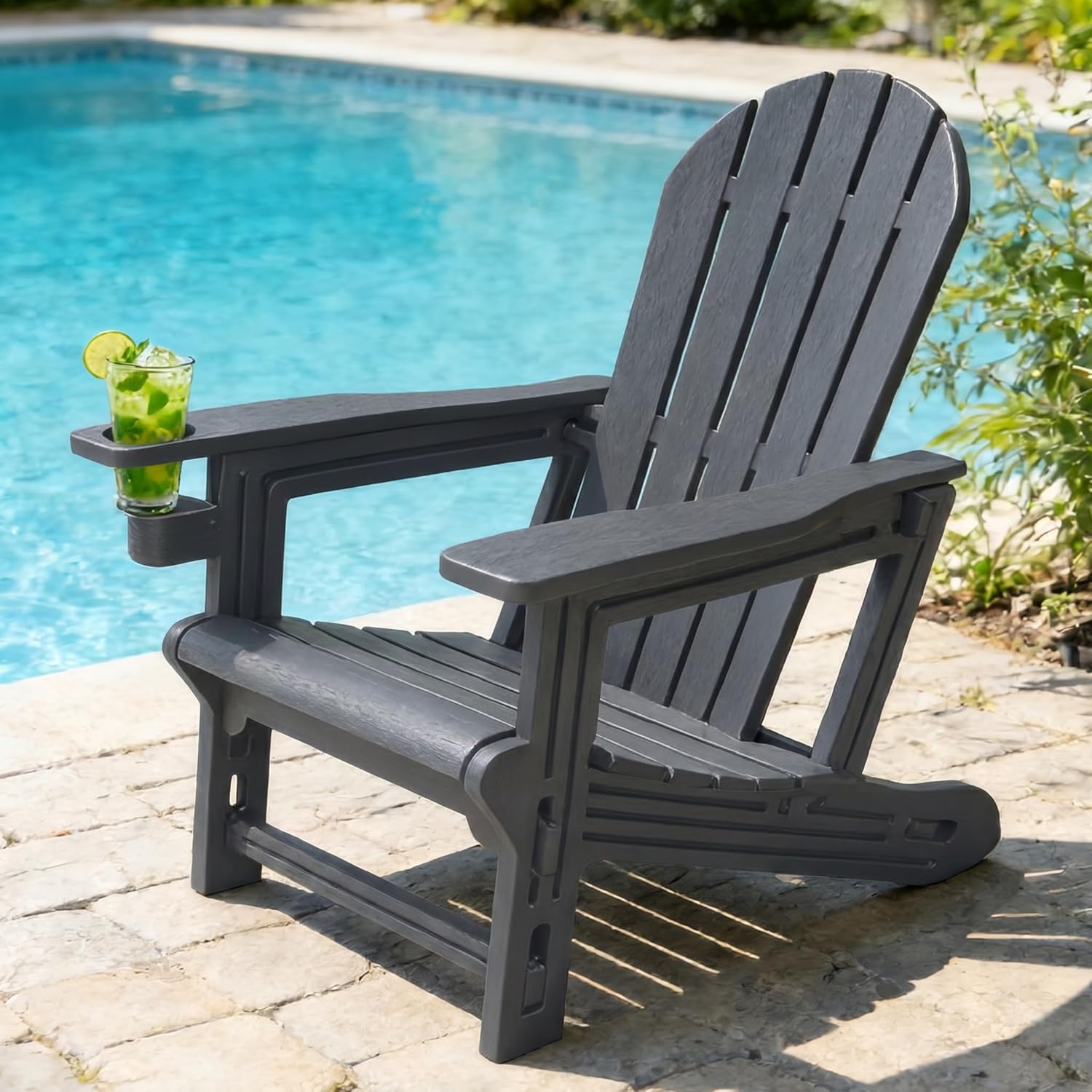
HDPE All-Weather Adirondack Chair with Built-In Cup Holder - Tool-Free Assembly (Grey)
$69.99 $139.99
60% OFF

HOMETUK Clear Plastic Storage Bins with Dividers - 3-Pack Stackable Acrylic Organizer Containers for Fridge and Pantry
$19.99 $49.99
58% OFF
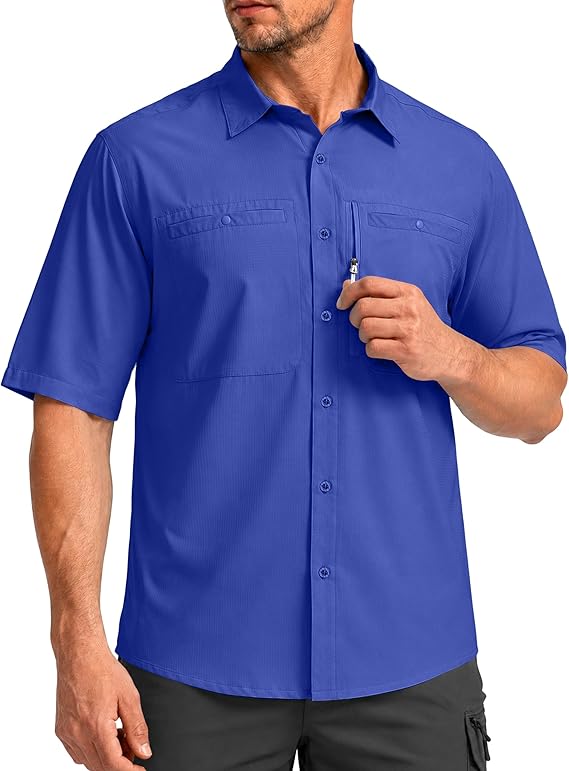
G Gradual Men's Fishing Shirt - UPF 50+ Lightweight Short Sleeve Button Down with Zipper Pockets
$14.99 $35.99
55% OFF

Everyfun 60" Rectangular Platform Tree Swing - 700lbs Heavy Duty Adjustable Outdoor Swing (Colorful)
$49.99 $110.99
61% OFF
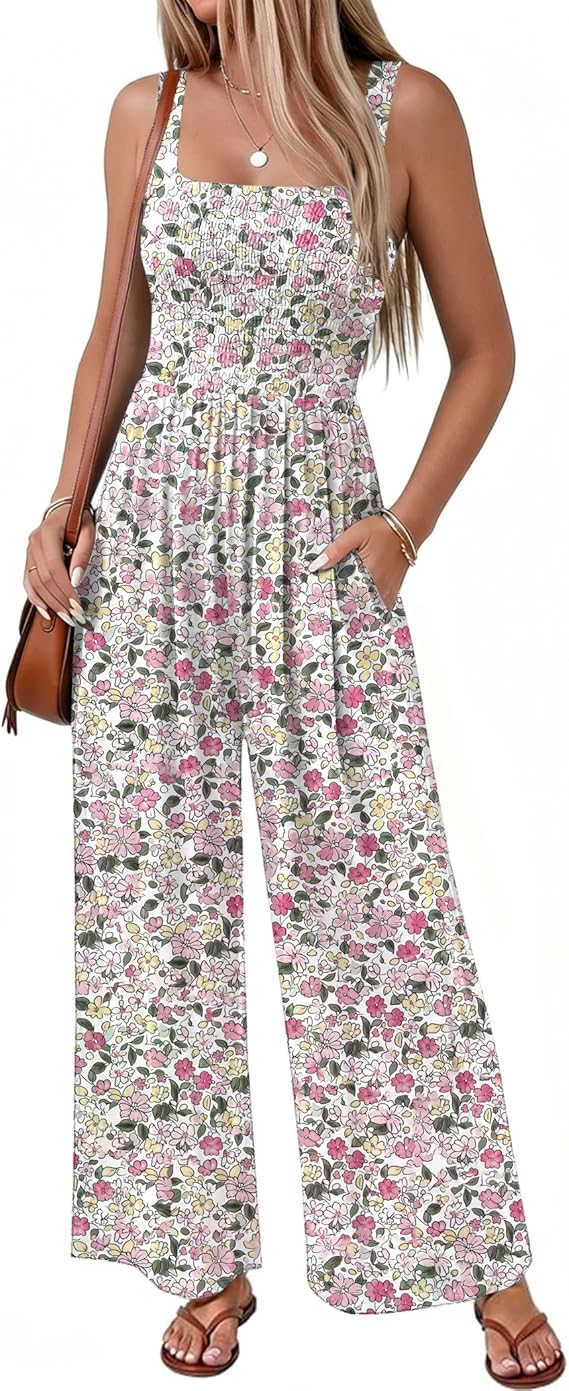
Ekouaer Women's Casual Loose Jumpsuit - One-Piece Printed Sleeveless Wide Leg Romper with Pockets
$14.99 $37.99
36% OFF
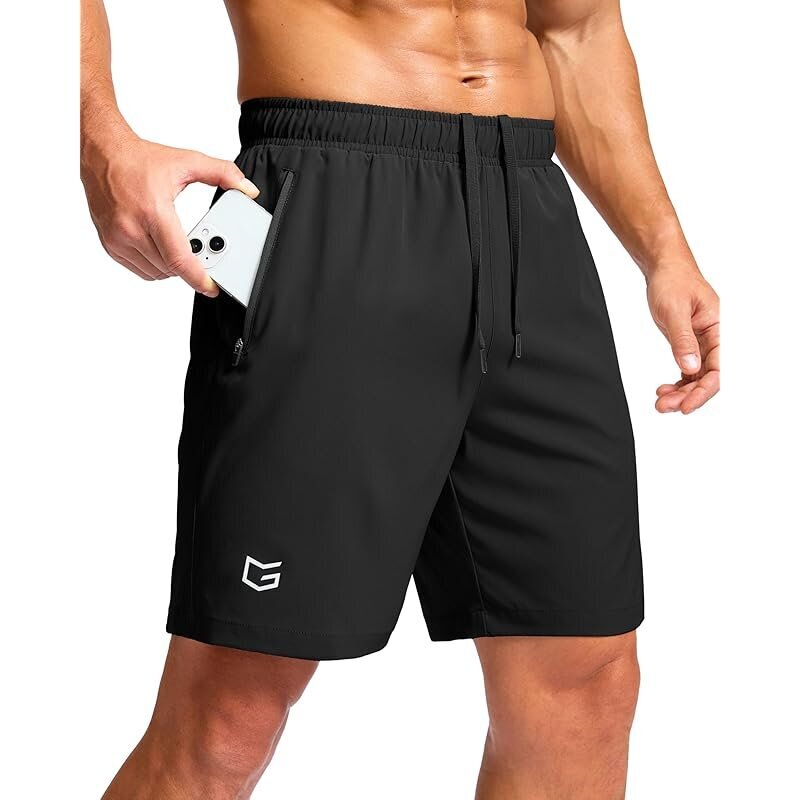
Men's Athletic Running Shorts with Zipper Pockets - Lightweight & Quick Dry
$12.74 $19.99
61% OFF
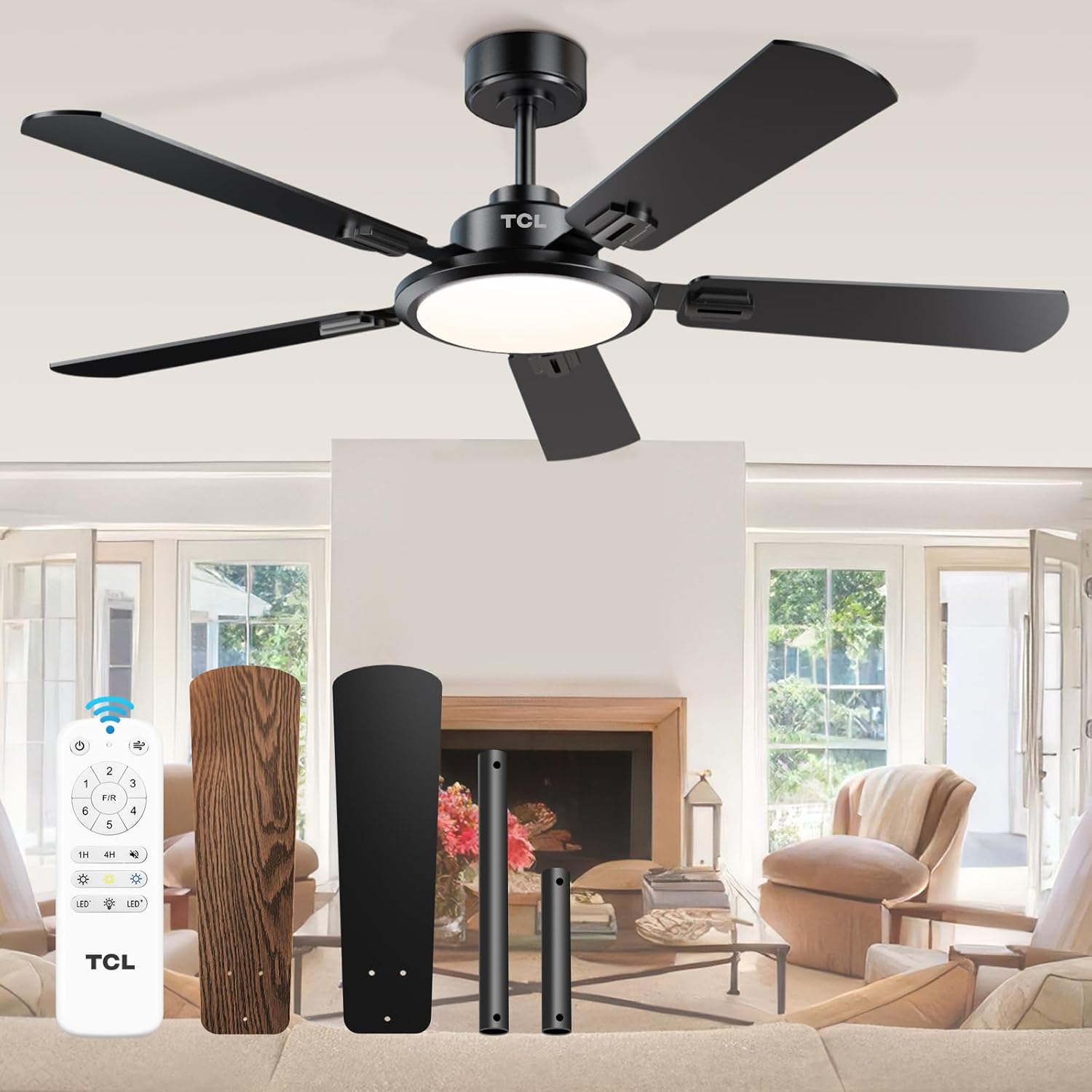
Modern Ceiling Fan with Light and Remote - Reversible Quiet DC Motor
$69.3 $179.99
50% OFF
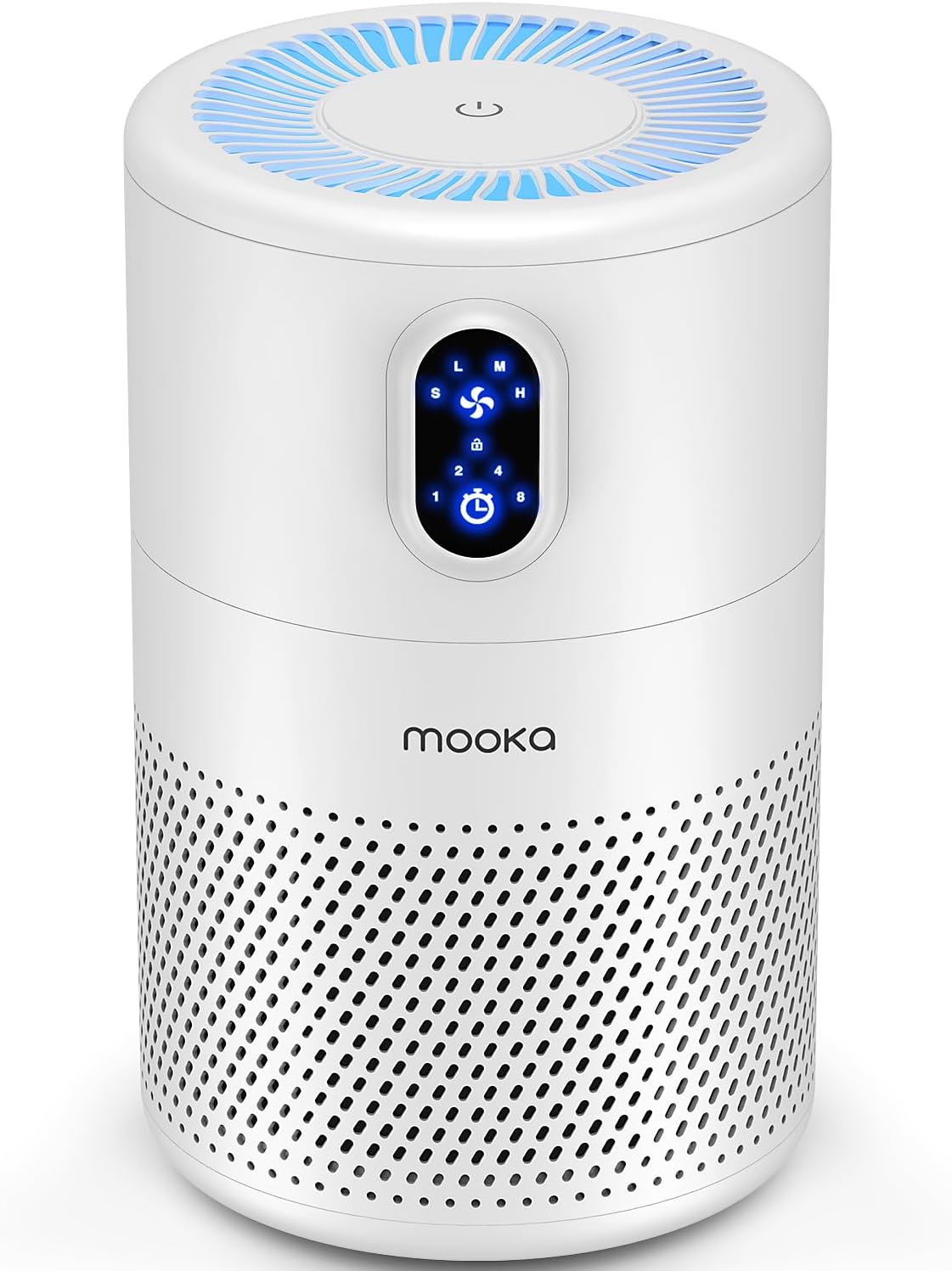
MOOKA H13 True HEPA Air Purifier for Home Large Room - 1076 sq ft Odor Eliminator
$39.97 $79.95
40% OFF
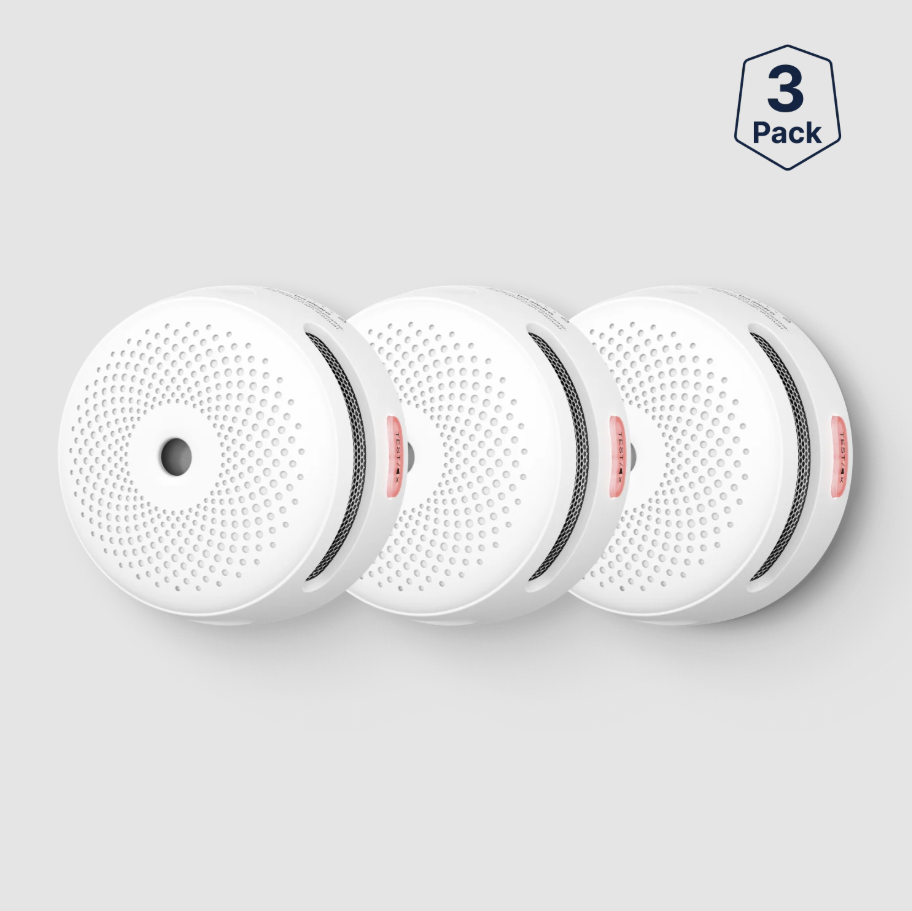
X-Sense XS01-WX Smart Smoke Alarm - 2.4 GHz Wi-Fi Photoelectric Fire Detector with Mobile App Alerts
$65.99 $109.99
11% OFF

VitaUp Beet Root Gummies with CoQ10 & Grape Seed - Nitric Oxide Circulation Support (60 Count)
$24.91 $27.91
Sealy 2-Pack Tritech 16" Twin Inflatable Air Mattress with Built-in AC Pump
$0 $113.99
20% OFF
INTEX Prism Frame 20ft x 52in Above Ground Pool Set - Round Steel Frame Swimming Pool
$695.99 $869.99

Gardner Pet 43" Heavy Duty Dog Crate with Wheels - Indestructible Folding Metal Cage (Black)
$0 $149.99




-

Diary of a CEO’s Steven Bartlett and John Lennox discuss AI, faith and the search for meaning
-

Belfast churches 'heartbroken' over unrest
-

Is there a two-tier Britain?
-

Churches must disciple well and listen well in response to rise of Christian nationalism
-

Welsh reverend speaks of culture of fear over LGBT issues
-

South Wales Police back down on imposing Islamic 'blasphemy law'
Most Popular
News

Anti-Christian hate crimes across Europe surge in May as arson attacks reach 2026 high
Anti-Christian incidents across Europe rose sharply in May, with new figures showing the highest monthly number of arson-related attacks recorded so far this year.
Gloucester churches come together to bless River Avon amid pollution concerns
It is part of a broader campaign against river pollution as concerns remain about the amount of untreated sewage in the Avon.

Life beyond burnout: how Christians can grow in the desert seasons
Christian Today speaks to author and Anglican priest Tish Harrison Warren about growth in desert seasons and why the Church shouldn’t treat all spiritual weariness as a problem to fix.

Iranian-born bishop stands in solidarity with Britain's Jews
2025 had the second highest number of antisemitic incidents on record.
MANSPOT Electric Pubic Hair Trimmer - Waterproof Body and Groin Shaver for Men and Women (Black)
$20.39
Lick-Safe Dog Paw and Nose Balm Stick - All-Natural Moisturizer with Coconut Oil for Dry, Cracked Pads and Snout
$11.69
Men's Quick Dry Moisture Wicking Polo Shirt - High Elasticity Slim Fit Athletic Top (Runs Small)
$6.99
Men's Running Shorts with Zipper Pockets - Lightweight, Quick-Dry, Multi-Sport
$12.95
NEWFAST NF-RE523 AC1200 WiFi Extender - 1200Mbps Dual Band Signal Booster & Internet Repeater
$18.5
G Gradual Men's 7-inch Workout Running Shorts - Lightweight, Quick-Dry, Comfort
$12.91
NOVETE Under Sink Water Filter - 3 Years, 30,000 Gallons, High-Efficiency Filtration
$41.99
HDPE All-Weather Adirondack Chair with Built-In Cup Holder - Tool-Free Assembly (Grey)
$69.99
HOMETUK Clear Plastic Storage Bins with Dividers - 3-Pack Stackable Acrylic Organizer Containers for Fridge and Pantry
$19.99
G Gradual Men's Fishing Shirt - UPF 50+ Lightweight Short Sleeve Button Down with Zipper Pockets
$14.99
Everyfun 60" Rectangular Platform Tree Swing - 700lbs Heavy Duty Adjustable Outdoor Swing (Colorful)
$49.99
Ekouaer Women's Casual Loose Jumpsuit - One-Piece Printed Sleeveless Wide Leg Romper with Pockets
$14.99
Men's Athletic Running Shorts with Zipper Pockets - Lightweight & Quick Dry
$12.74
Modern Ceiling Fan with Light and Remote - Reversible Quiet DC Motor
$69.3
MOOKA H13 True HEPA Air Purifier for Home Large Room - 1076 sq ft Odor Eliminator
$39.97
X-Sense XS01-WX Smart Smoke Alarm - 2.4 GHz Wi-Fi Photoelectric Fire Detector with Mobile App Alerts
$65.99
VitaUp Beet Root Gummies with CoQ10 & Grape Seed - Nitric Oxide Circulation Support (60 Count)
$24.91
Sealy 2-Pack Tritech 16" Twin Inflatable Air Mattress with Built-in AC Pump
$0
INTEX Prism Frame 20ft x 52in Above Ground Pool Set - Round Steel Frame Swimming Pool
$695.99
Gardner Pet 43" Heavy Duty Dog Crate with Wheels - Indestructible Folding Metal Cage (Black)
$0