
With oil prices at record highs, government coffers in the world's eighth biggest oil exporter are swollen to unprecedented levels.
Yet the vast majority of Nigeria's 140 million people live in no better conditions than their neighbours in West Africa, the least developed region of the world's poorest continent.
The same is true of many of Africa's major oil producers - including Angola, Sudan, Equatorial Guinea and Chad - but Nigeria's sheer size and 2-million-barrel-per-day output make the poverty-wealth contrasts more striking.
Nigeria has earned the equivalent in today's terms of nearly $1.2 trillion from oil production over the past four decades, the sort of money that enabled oil-producing Gulf states like Qatar to develop some of the strongest economies in the Arab world.
But its four state-owned refineries are not fully operational, largely due to mismanagement and vandalism, its distribution network is chaotic, and it relies heavily on fuel imports, which cost around $4 billion each year.
In Lagos, a mega-city of more than 10 million people, the elite sip champagne on exclusive islands - albeit to the incessant drone of diesel generators - while the masses live in mainland slums without water or electricity.
Ask an average Nigerian on the streets of Lagos how he is and he will likely tell you "things dey hard, but we dey manage" - it's tough but we're getting by.
Healthcare is virtually non-existent, the roads are potholed, unemployment and crime are on the rise, and Nigeria is suffering from spiralling food prices.
"Nigeria is making more money from oil now, but look at the street we are living on," said Efe Oyingbo, pointing to a dirt road where passers-by waddle through muddy waters and motorists try to navigate cavernous, submerged potholes.
A mother of two, her frozen food business in the suburb of Okota has virtually collapsed because she cannot afford the high cost of gasoline.
The government has frozen the price of fuel but retailers have taken advantage of short supplies to more than double the price of diesel in some parts of Nigeria in the last few months.
The number one complaint is a stop-start power supply. Exasperated residents of Lagos call the National Electric Power Authority (NEPA) "Never Expect Power Always".
Nigeria's generation capacity has plunged to less than 1,000 megawatts from 3,000 MW a year ago, largely due to lack of maintenance at power stations. South Africa, with a third of Nigeria's population, has over 10 times that capacity.
Much of Nigeria goes without power for weeks at a time. The crisis has closed hundreds of factories and slashed millions of jobs.
Since taking office a year ago, President Umaru Yar'Adua has been promising to declare a national emergency on power - during which billions of dollars would be invested in the sector - most recently saying he will do so this month.
A committee he set up to review the sector said last month Nigeria needs $85 billion to meet its domestic power demand, estimated at roughly 20,000 MW.
That dwarfs the $10 billion former President Olusegun Obasanjo spent on the sector during his eight-year tenure, an amount which failed to deliver on his pledge to raise capacity to 10,000 MW by the end of 2007.
A parliamentary probe showed more than $50 million of that money had been paid to non-existent companies.
Yar'Adua has said his country was also looking for ways of bringing private money into infrastructure investment.
Nigeria's public health system, education and roads are all in a shambles, largely due to corruption and mismanagement during decades of military rule which ended in 1999.
But close to a decade of civilian administration has given Nigerians little to cheer about.
"We've seen over the last few years that the military has no monopoly on ineptitude in government," said Antony Goldman, an independent expert on Nigeria.
"By normal measures, Lagos does not function. It is not organized chaos, there often seems barely the pretence of organization ... People survive in spite of what government does not because of it," he said.
Lagos state governor Babatunde Fashola has acknowledged the problems and said the state must spend more than $700 million over the next five years to improve the road network alone.
Nine out of 10 Nigerians live on less than $2 a day, their lives blighted by poor infrastructure and a lack of public services resulting from decades of endemic corruption.
The cost of rice has climbed dramatically in the past few months, doubling for some varieties. Consumer inflation rose to 9.7 percent in May, fuelled by a sharp rise in food prices.
"We don't sell anymore, you can see the freezer is open," Oyingbo said, sitting with two other women in front of her shop, pointing to an empty freezer in the unlit room.
"This is what we do now, sit and talk about Nigeria and also pray and hope that God will do a new thing."
49% OFF
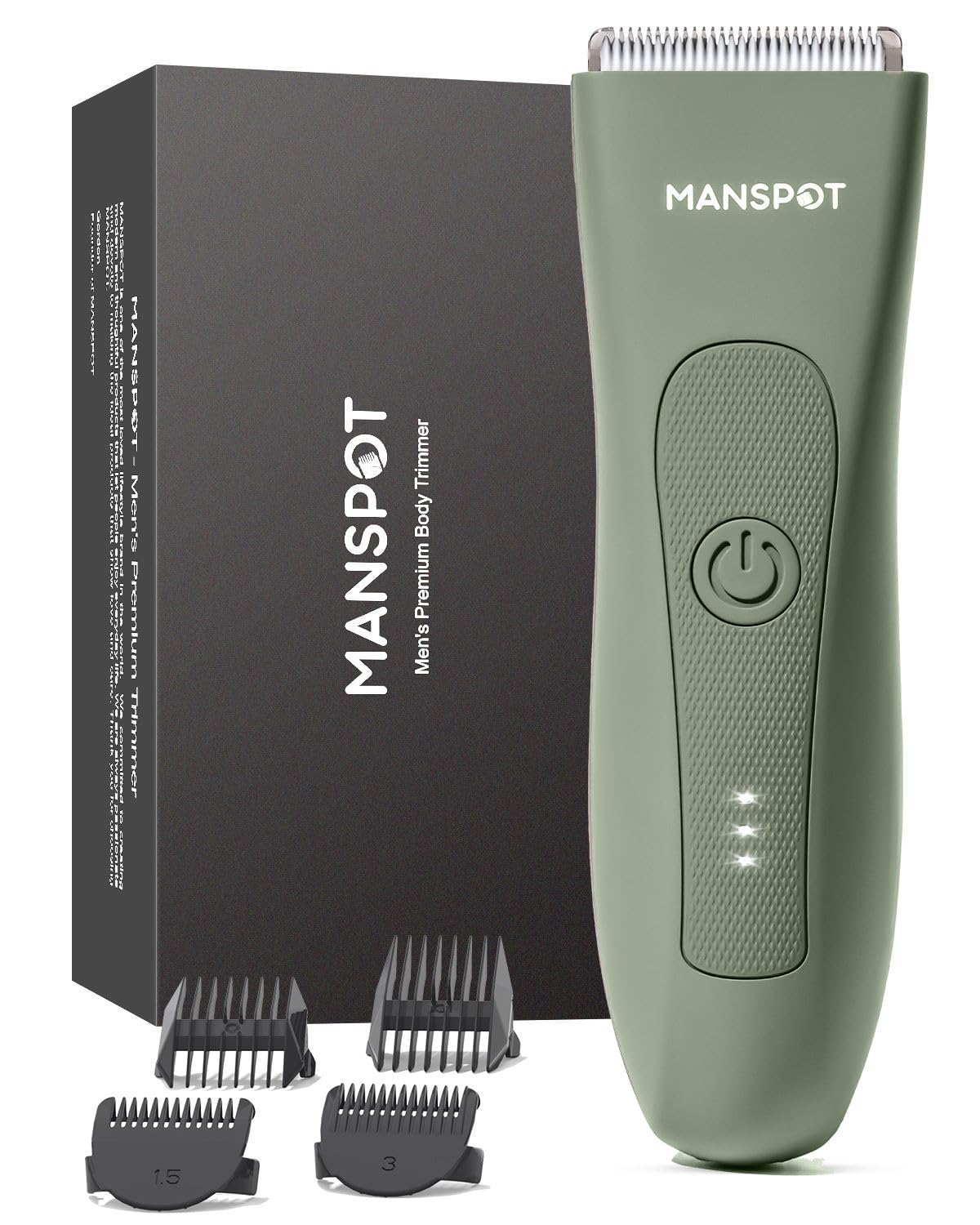
MANSPOT Electric Pubic Hair Trimmer - Waterproof Body and Groin Shaver for Men and Women (Black)
$20.39 $40
25% OFF
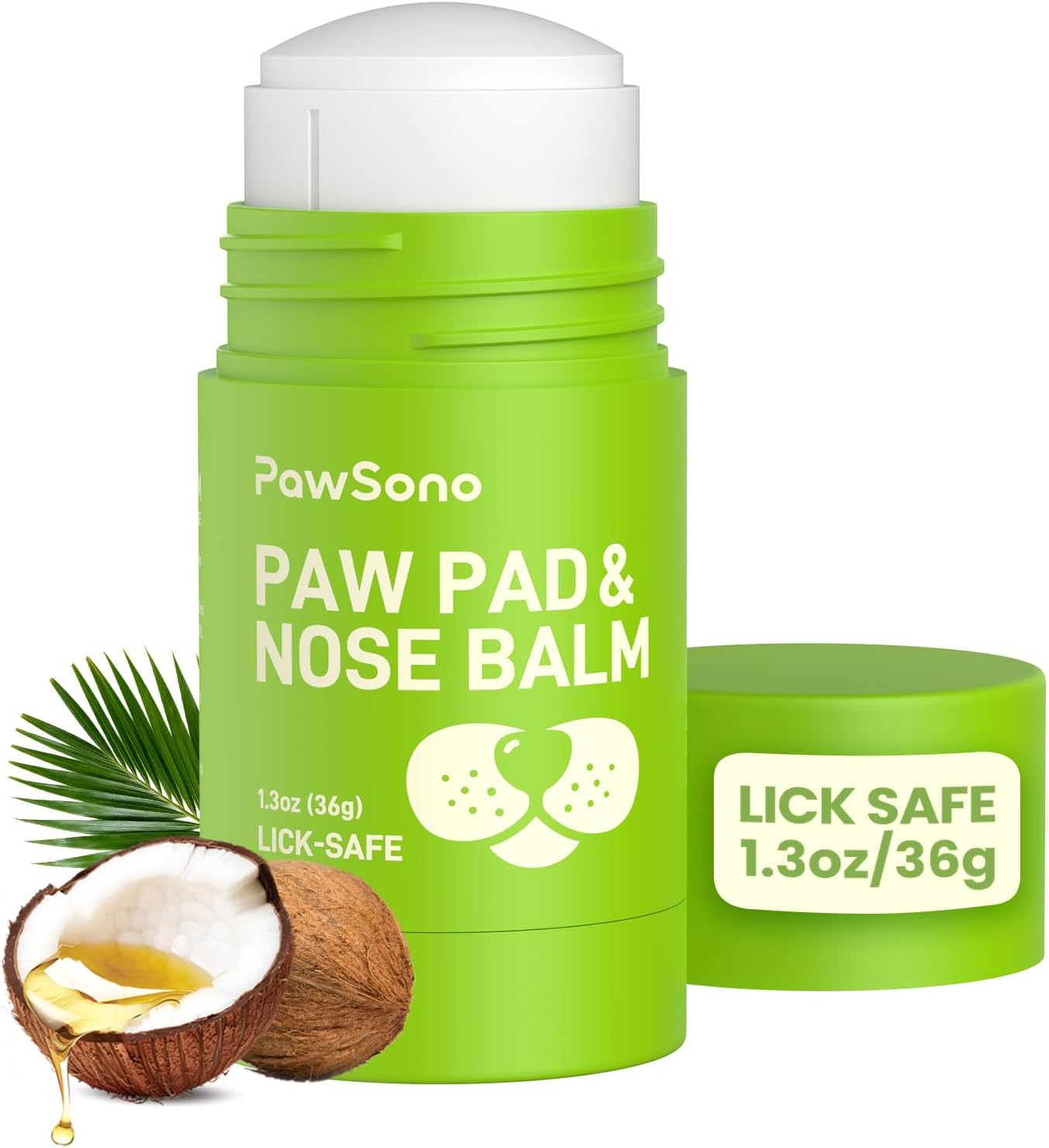
Lick-Safe Dog Paw and Nose Balm Stick - All-Natural Moisturizer with Coconut Oil for Dry, Cracked Pads and Snout
$11.69 $15.59
77% OFF
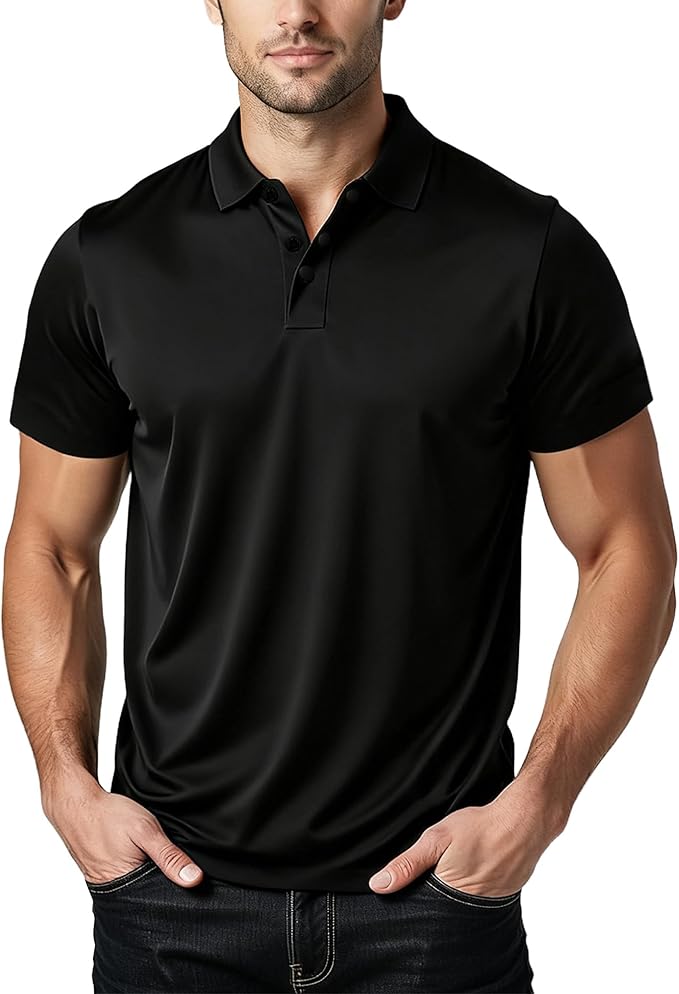
Men's Quick Dry Moisture Wicking Polo Shirt - High Elasticity Slim Fit Athletic Top (Runs Small)
$6.99 $29.99
46% OFF
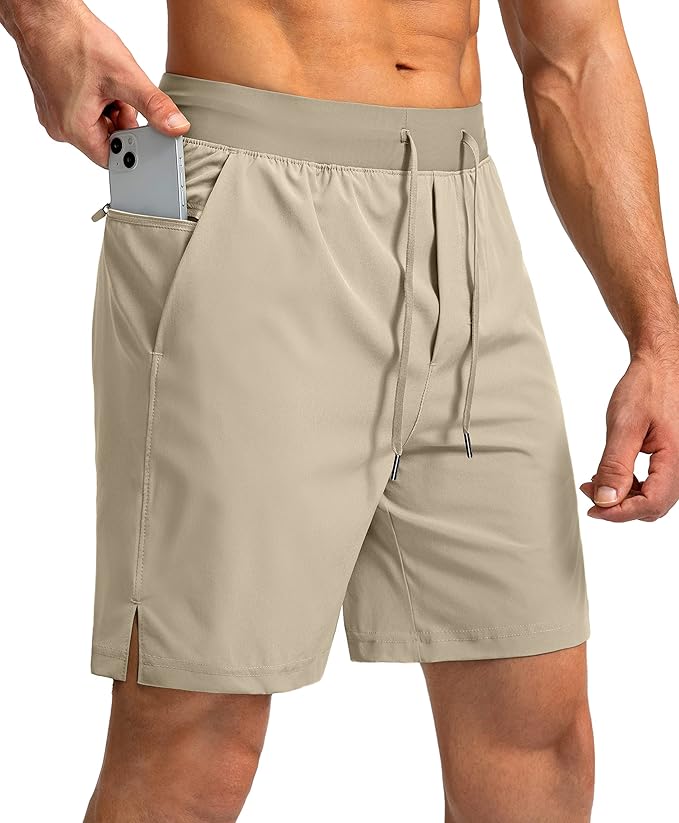
Men's Running Shorts with Zipper Pockets - Lightweight, Quick-Dry, Multi-Sport
$12.95 $23.99
50% OFF

NEWFAST NF-RE523 AC1200 WiFi Extender - 1200Mbps Dual Band Signal Booster & Internet Repeater
$18.5 $36.99
48% OFF
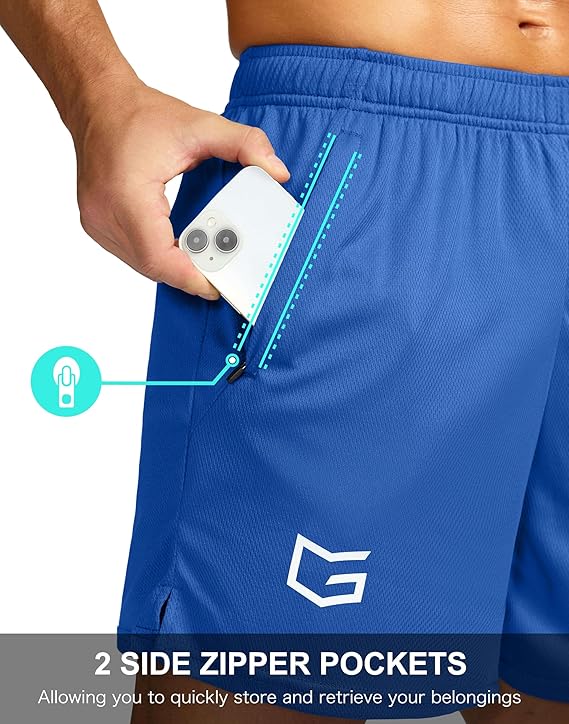
G Gradual Men's 7-inch Workout Running Shorts - Lightweight, Quick-Dry, Comfort
$12.91 $24.99
30% OFF
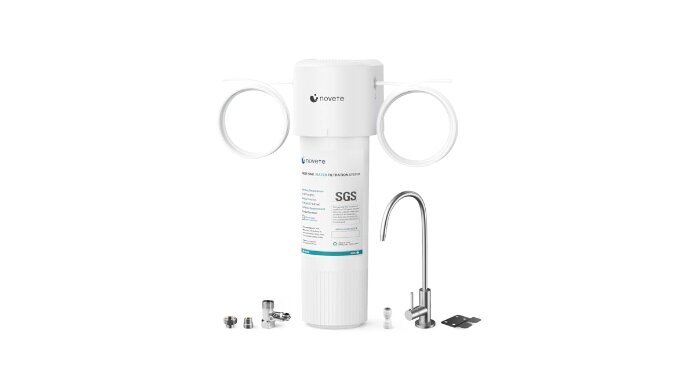
NOVETE Under Sink Water Filter - 3 Years, 30,000 Gallons, High-Efficiency Filtration
$41.99 $59.99
50% OFF

HDPE All-Weather Adirondack Chair with Built-In Cup Holder - Tool-Free Assembly (Grey)
$69.99 $139.99
60% OFF

HOMETUK Clear Plastic Storage Bins with Dividers - 3-Pack Stackable Acrylic Organizer Containers for Fridge and Pantry
$19.99 $49.99
58% OFF

G Gradual Men's Fishing Shirt - UPF 50+ Lightweight Short Sleeve Button Down with Zipper Pockets
$14.99 $35.99
55% OFF

Everyfun 60" Rectangular Platform Tree Swing - 700lbs Heavy Duty Adjustable Outdoor Swing (Colorful)
$49.99 $110.99
61% OFF

Ekouaer Women's Casual Loose Jumpsuit - One-Piece Printed Sleeveless Wide Leg Romper with Pockets
$14.99 $37.99
36% OFF

Men's Athletic Running Shorts with Zipper Pockets - Lightweight & Quick Dry
$12.74 $19.99
61% OFF

Modern Ceiling Fan with Light and Remote - Reversible Quiet DC Motor
$69.3 $179.99
50% OFF

MOOKA H13 True HEPA Air Purifier for Home Large Room - 1076 sq ft Odor Eliminator
$39.97 $79.95
40% OFF
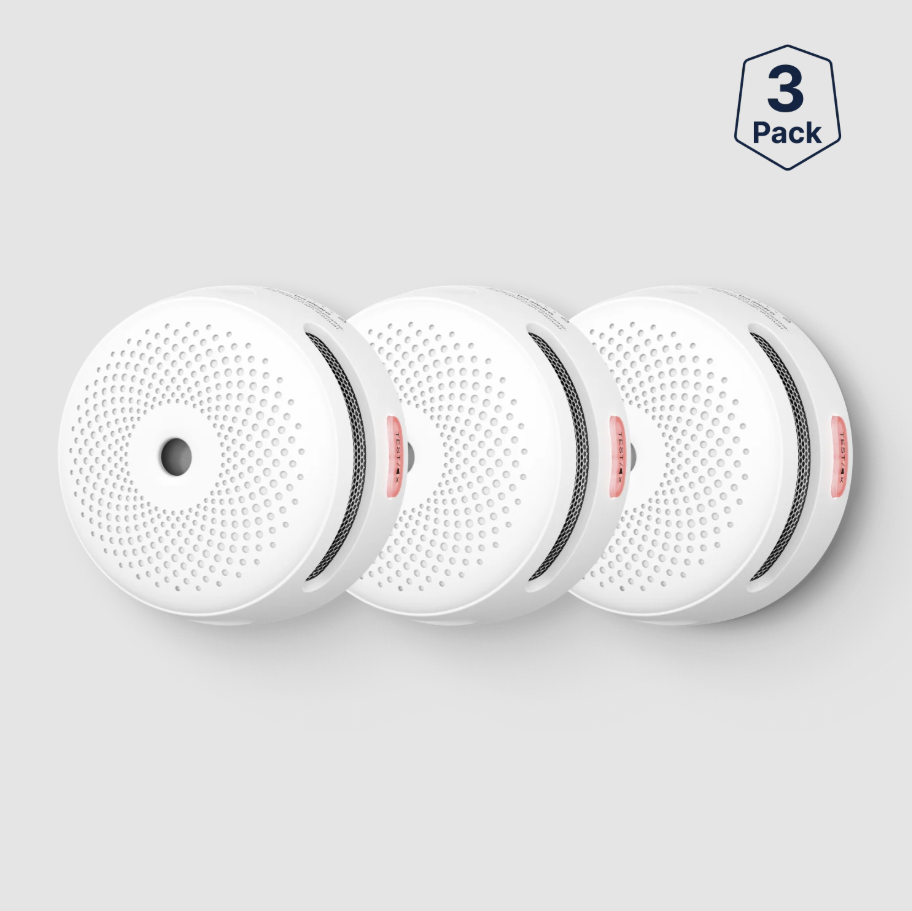
X-Sense XS01-WX Smart Smoke Alarm - 2.4 GHz Wi-Fi Photoelectric Fire Detector with Mobile App Alerts
$65.99 $109.99
11% OFF

VitaUp Beet Root Gummies with CoQ10 & Grape Seed - Nitric Oxide Circulation Support (60 Count)
$24.91 $27.91

Sealy 2-Pack Tritech 16" Twin Inflatable Air Mattress with Built-in AC Pump
$0 $113.99
20% OFF

INTEX Prism Frame 20ft x 52in Above Ground Pool Set - Round Steel Frame Swimming Pool
$695.99 $869.99

Gardner Pet 43" Heavy Duty Dog Crate with Wheels - Indestructible Folding Metal Cage (Black)
$0 $149.99




-

Diary of a CEO’s Steven Bartlett and John Lennox discuss AI, faith and the search for meaning
-

Anti-Christian hate crimes across Europe surge in May as arson attacks reach 2026 high
-

Belfast churches 'heartbroken' over unrest
-

Is there a two-tier Britain?
-
Churches must disciple well and listen well in response to rise of Christian nationalism
-

Welsh reverend speaks of culture of fear over LGBT issues
Most Popular
News

Anti-Christian hate crimes across Europe surge in May as arson attacks reach 2026 high
Anti-Christian incidents across Europe rose sharply in May, with new figures showing the highest monthly number of arson-related attacks recorded so far this year.
Gloucester churches come together to bless River Avon amid pollution concerns
It is part of a broader campaign against river pollution as concerns remain about the amount of untreated sewage in the Avon.

Life beyond burnout: how Christians can grow in the desert seasons
Christian Today speaks to author and Anglican priest Tish Harrison Warren about growth in desert seasons and why the Church shouldn’t treat all spiritual weariness as a problem to fix.

Iranian-born bishop stands in solidarity with Britain's Jews
2025 had the second highest number of antisemitic incidents on record.
MANSPOT Electric Pubic Hair Trimmer - Waterproof Body and Groin Shaver for Men and Women (Black)
$20.39
Lick-Safe Dog Paw and Nose Balm Stick - All-Natural Moisturizer with Coconut Oil for Dry, Cracked Pads and Snout
$11.69
Men's Quick Dry Moisture Wicking Polo Shirt - High Elasticity Slim Fit Athletic Top (Runs Small)
$6.99
Men's Running Shorts with Zipper Pockets - Lightweight, Quick-Dry, Multi-Sport
$12.95
NEWFAST NF-RE523 AC1200 WiFi Extender - 1200Mbps Dual Band Signal Booster & Internet Repeater
$18.5
G Gradual Men's 7-inch Workout Running Shorts - Lightweight, Quick-Dry, Comfort
$12.91
NOVETE Under Sink Water Filter - 3 Years, 30,000 Gallons, High-Efficiency Filtration
$41.99
HDPE All-Weather Adirondack Chair with Built-In Cup Holder - Tool-Free Assembly (Grey)
$69.99
HOMETUK Clear Plastic Storage Bins with Dividers - 3-Pack Stackable Acrylic Organizer Containers for Fridge and Pantry
$19.99
G Gradual Men's Fishing Shirt - UPF 50+ Lightweight Short Sleeve Button Down with Zipper Pockets
$14.99
Everyfun 60" Rectangular Platform Tree Swing - 700lbs Heavy Duty Adjustable Outdoor Swing (Colorful)
$49.99
Ekouaer Women's Casual Loose Jumpsuit - One-Piece Printed Sleeveless Wide Leg Romper with Pockets
$14.99
Men's Athletic Running Shorts with Zipper Pockets - Lightweight & Quick Dry
$12.74
Modern Ceiling Fan with Light and Remote - Reversible Quiet DC Motor
$69.3
MOOKA H13 True HEPA Air Purifier for Home Large Room - 1076 sq ft Odor Eliminator
$39.97
X-Sense XS01-WX Smart Smoke Alarm - 2.4 GHz Wi-Fi Photoelectric Fire Detector with Mobile App Alerts
$65.99
VitaUp Beet Root Gummies with CoQ10 & Grape Seed - Nitric Oxide Circulation Support (60 Count)
$24.91
Sealy 2-Pack Tritech 16" Twin Inflatable Air Mattress with Built-in AC Pump
$0
INTEX Prism Frame 20ft x 52in Above Ground Pool Set - Round Steel Frame Swimming Pool
$695.99
Gardner Pet 43" Heavy Duty Dog Crate with Wheels - Indestructible Folding Metal Cage (Black)
$0