
Dragging on a cigarette between his wrinkled lips, Hou Fengqi fingered a dusty bamboo bow and rusty iron-tipped arrows, before recounting his days as a "tiger hunting hero" in the rugged hills of southern China.
"The first tiger was the largest, around 150kg, and when we carried it back to the village, everyone ran out and cheered," said Hou with a gap-toothed grin, casting his mind back to 1959.
Hou, now 69, is one of China's last living tiger hunters - as rare a breed as the striped beasts he used to track in the misty, bamboo clad forests of Yihuang county in Jiangxi province.
"In the old days life was hard, so killing a tiger made me happy as it helped improve my family's livelihood," he said, sitting outside his wooden home beside verdant rice paddies.
While Hou bagged six South China tigers in his youth; hunting and deforestation have driven this keystone Chinese species close to extinction - with none seen or captured in the past 20 years.
Historically revered as an archetypal Chinese cultural symbol, the tiger's decline was accelerated by poaching for traditional Chinese medicine and "anti-pest" campaigns instigated by Chairman Mao Zedong from the 1950's, to rid the countryside of the cattle-raiding "vermin."
Thousands of tigers were killed off with hunters praised by the Communist Party and paid a 30 yuan bounty per tiger pelt.
Now one of the world's rarest and most elusive of mammals, the South China tiger is fully protected by the Chinese government, with no more than 10-20 wild individuals estimated to remain along the remote border areas of China's rapidly developing provinces of Guangdong, Jiangxi, Fujian and Hunan.
CAPTIVE TIGERS
While the wild status of Chinese tigers remains uncertain, there remain around 70 captive individuals, derived from just six wild-caught founders in the 1950's.
The last of their kind - these tigers have nevertheless suffered inbreeding, dismal caged conditions, low birth rates and a tainted lineage from hybridization with other tiger subspecies.
In 2003, the sluggish, ill-funded and fragmented tiger conservation scene took an unexpected twist, with a scheme to "rewild" South China tigers in a South African game reserve.
The radical concept of transplanting Chinese tigers to the African bush drew fire at first from experts, but its aim of rehabilitating tigers to hunt wild prey in a secure, fenced off wilderness - has led to the birth of five cubs, three of which have survived - giving the species vital new impetus.
The tigers will eventually be reintroduced back to the wild in China, with a site already earmarked in Zixi county in Jiangxi province.
"We want to release the tigers back into areas where they've been roaring for millions of years," said Quan Li, the head of Save China's Tigers, the conservation body behind the project.
Tiger conservation initiatives in China however, have never enjoyed much state support, a far cry from the abundance of funding and nature reserves devoted to China's other flagship indigenous mammalian species - the Giant Panda.
The tiger's fearsome reputation and its need for extensive territory in which to roam has made reintroduction of the species a major challenge in China's highly populated south.
"The panda and man can exist peacefully together, but an element of danger separates the relationship between tiger and man," said Xu Guoyi, the mayor of Zixi who is seeking financing of around $24 million to build a 20 square kilometer fenced eco-tourism reserve for "rewilded" South China tigers.
"This project is of course more difficult than the panda project, because pandas are a national conservation priority," Xu added, saying he was now lobbying the government for funding, without which the project might not get off the ground.
"If the (South China) tiger can help preserve wild habitat as opposed to being simply a source of conflict right now . that's going to be positive for tigers and biodiversity," said Philip Nyhus, a tiger expert from Colby college in the U.S. who advises the Chinese government on tiger conservation.
PAPER TIGERS?
Unlike the cuddly Giant Panda, an icon for the upcoming Olympics, the Chinese tiger's plight had been far less prominent in the public eye, garnering few headlines or attention.
Last October however, public sentiment flared when a poor farmer took what he claimed were the first photos of a wild tiger in decades, his story backed by local forestry officials.
The photos sparked an Internet and public frenzy, as euphoria at the rediscovery turned to anger, with bloggers and citizens dissecting the images to expose them as digitally altered fakes.
Public outrage at the "Tigergate" scandal led to the eventual sacking of 13 provincial officials in a rare show of people power in communist China.
Another recent video of a purported wild tiger in Hunan was exposed as a scam of a domesticated tiger plucked from a circus.
"It's so gratifying to see so many people paid attention and wanted to contribute money to our fund," said Quan, who has battled public indifference and bureaucratic redtape for years.
"China needs a tiger, a national symbol to resurrect its cultural value and its biological values," she added.
Despite the hoaxes, villagers in some of the remoter areas of south China, still believe tigers still exist against the odds.
Hou Fengwen, a teacher in a Jiangxi village, says he heard a growl on a mountain trek with his family two years ago.
"We heard a tiger calling, the sound wasn't loud, but the three of us felt the ground trembling slightly," he said, adding a subsequent search of the surrounding hills showed up nothing.
"There are tigers here, we just can't find them."
49% OFF

MANSPOT Electric Pubic Hair Trimmer - Waterproof Body and Groin Shaver for Men and Women (Black)
$20.39 $40
25% OFF

Lick-Safe Dog Paw and Nose Balm Stick - All-Natural Moisturizer with Coconut Oil for Dry, Cracked Pads and Snout
$11.69 $15.59
77% OFF
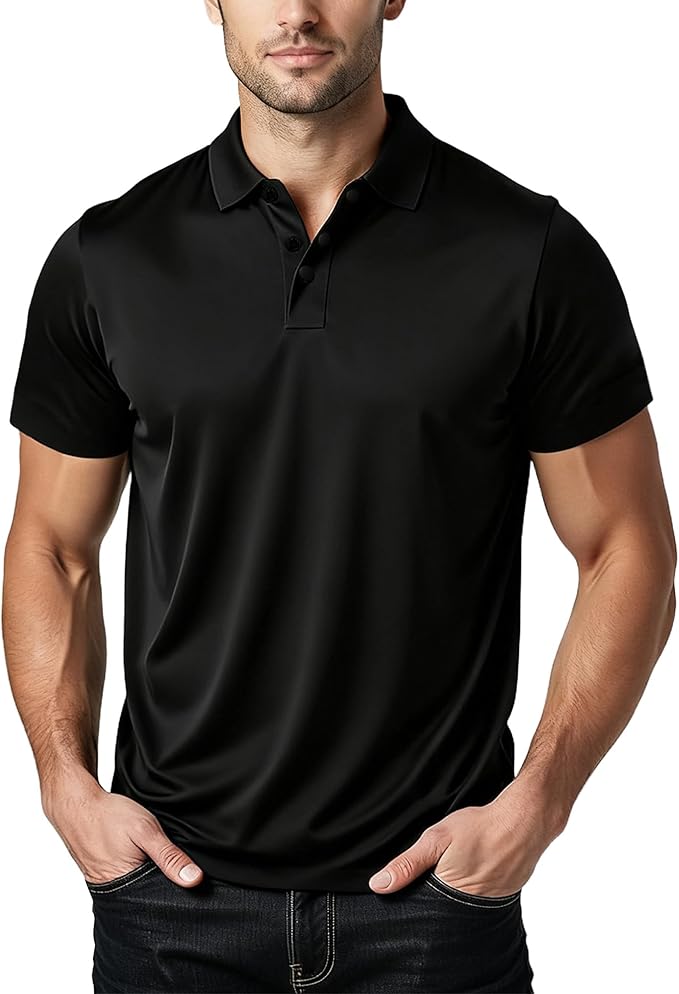
Men's Quick Dry Moisture Wicking Polo Shirt - High Elasticity Slim Fit Athletic Top (Runs Small)
$6.99 $29.99
46% OFF
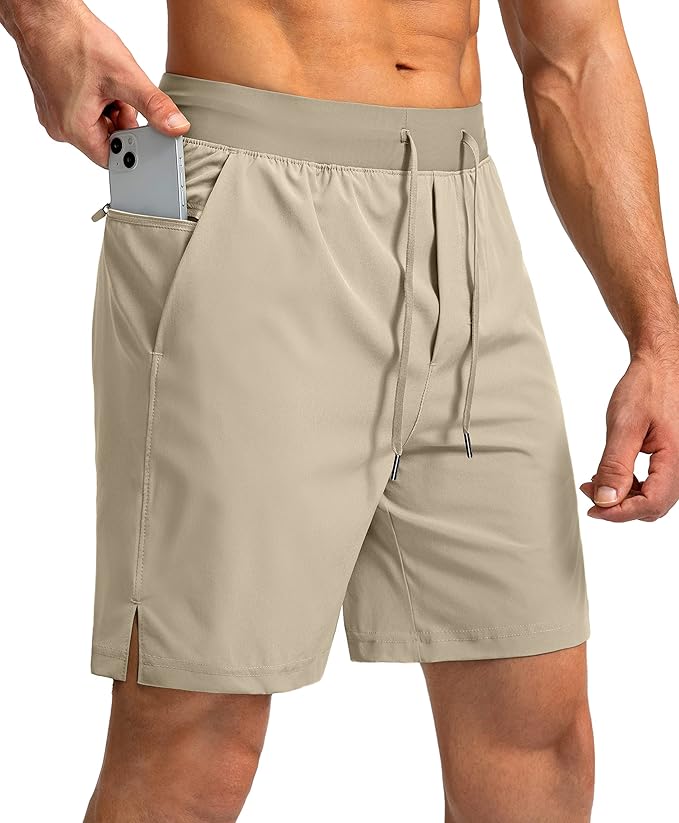
Men's Running Shorts with Zipper Pockets - Lightweight, Quick-Dry, Multi-Sport
$12.95 $23.99
50% OFF

NEWFAST NF-RE523 AC1200 WiFi Extender - 1200Mbps Dual Band Signal Booster & Internet Repeater
$18.5 $36.99
48% OFF

G Gradual Men's 7-inch Workout Running Shorts - Lightweight, Quick-Dry, Comfort
$12.91 $24.99
30% OFF
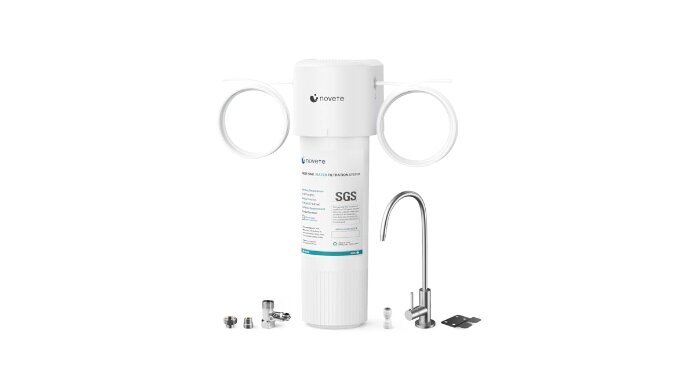
NOVETE Under Sink Water Filter - 3 Years, 30,000 Gallons, High-Efficiency Filtration
$41.99 $59.99
50% OFF

HDPE All-Weather Adirondack Chair with Built-In Cup Holder - Tool-Free Assembly (Grey)
$69.99 $139.99
60% OFF

HOMETUK Clear Plastic Storage Bins with Dividers - 3-Pack Stackable Acrylic Organizer Containers for Fridge and Pantry
$19.99 $49.99
58% OFF

G Gradual Men's Fishing Shirt - UPF 50+ Lightweight Short Sleeve Button Down with Zipper Pockets
$14.99 $35.99
55% OFF

Everyfun 60" Rectangular Platform Tree Swing - 700lbs Heavy Duty Adjustable Outdoor Swing (Colorful)
$49.99 $110.99
61% OFF

Ekouaer Women's Casual Loose Jumpsuit - One-Piece Printed Sleeveless Wide Leg Romper with Pockets
$14.99 $37.99
36% OFF

Men's Athletic Running Shorts with Zipper Pockets - Lightweight & Quick Dry
$12.74 $19.99
61% OFF

Modern Ceiling Fan with Light and Remote - Reversible Quiet DC Motor
$69.3 $179.99
50% OFF

MOOKA H13 True HEPA Air Purifier for Home Large Room - 1076 sq ft Odor Eliminator
$39.97 $79.95
40% OFF

X-Sense XS01-WX Smart Smoke Alarm - 2.4 GHz Wi-Fi Photoelectric Fire Detector with Mobile App Alerts
$65.99 $109.99
11% OFF

VitaUp Beet Root Gummies with CoQ10 & Grape Seed - Nitric Oxide Circulation Support (60 Count)
$24.91 $27.91

Sealy 2-Pack Tritech 16" Twin Inflatable Air Mattress with Built-in AC Pump
$0 $113.99
20% OFF

INTEX Prism Frame 20ft x 52in Above Ground Pool Set - Round Steel Frame Swimming Pool
$695.99 $869.99

Gardner Pet 43" Heavy Duty Dog Crate with Wheels - Indestructible Folding Metal Cage (Black)
$0 $149.99




-

Diary of a CEO’s Steven Bartlett and John Lennox discuss AI, faith and the search for meaning
-

Belfast churches 'heartbroken' over unrest
-

Is there a two-tier Britain?
-

Churches must disciple well and listen well in response to rise of Christian nationalism
-

Biblical models and the creation of King Arthur
-

Welsh reverend speaks of culture of fear over LGBT issues
Most Popular
News

Gloucester churches come together to bless River Avon amid pollution concerns
It is part of a broader campaign against river pollution as concerns remain about the amount of untreated sewage in the Avon.

Life beyond burnout: how Christians can grow in the desert seasons
Christian Today speaks to author and Anglican priest Tish Harrison Warren about growth in desert seasons and why the Church shouldn’t treat all spiritual weariness as a problem to fix.

Iranian-born bishop stands in solidarity with Britain's Jews
2025 had the second highest number of antisemitic incidents on record.

Bishops protest Israeli arrest of another Palestinian Christian
An Evangelical Lutheran has been accused of "promoting terrorist activities".
MANSPOT Electric Pubic Hair Trimmer - Waterproof Body and Groin Shaver for Men and Women (Black)
$20.39
Lick-Safe Dog Paw and Nose Balm Stick - All-Natural Moisturizer with Coconut Oil for Dry, Cracked Pads and Snout
$11.69
Men's Quick Dry Moisture Wicking Polo Shirt - High Elasticity Slim Fit Athletic Top (Runs Small)
$6.99
Men's Running Shorts with Zipper Pockets - Lightweight, Quick-Dry, Multi-Sport
$12.95
NEWFAST NF-RE523 AC1200 WiFi Extender - 1200Mbps Dual Band Signal Booster & Internet Repeater
$18.5
G Gradual Men's 7-inch Workout Running Shorts - Lightweight, Quick-Dry, Comfort
$12.91
NOVETE Under Sink Water Filter - 3 Years, 30,000 Gallons, High-Efficiency Filtration
$41.99
HDPE All-Weather Adirondack Chair with Built-In Cup Holder - Tool-Free Assembly (Grey)
$69.99
HOMETUK Clear Plastic Storage Bins with Dividers - 3-Pack Stackable Acrylic Organizer Containers for Fridge and Pantry
$19.99
G Gradual Men's Fishing Shirt - UPF 50+ Lightweight Short Sleeve Button Down with Zipper Pockets
$14.99
Everyfun 60" Rectangular Platform Tree Swing - 700lbs Heavy Duty Adjustable Outdoor Swing (Colorful)
$49.99
Ekouaer Women's Casual Loose Jumpsuit - One-Piece Printed Sleeveless Wide Leg Romper with Pockets
$14.99
Men's Athletic Running Shorts with Zipper Pockets - Lightweight & Quick Dry
$12.74
Modern Ceiling Fan with Light and Remote - Reversible Quiet DC Motor
$69.3
MOOKA H13 True HEPA Air Purifier for Home Large Room - 1076 sq ft Odor Eliminator
$39.97
X-Sense XS01-WX Smart Smoke Alarm - 2.4 GHz Wi-Fi Photoelectric Fire Detector with Mobile App Alerts
$65.99
VitaUp Beet Root Gummies with CoQ10 & Grape Seed - Nitric Oxide Circulation Support (60 Count)
$24.91
Sealy 2-Pack Tritech 16" Twin Inflatable Air Mattress with Built-in AC Pump
$0
INTEX Prism Frame 20ft x 52in Above Ground Pool Set - Round Steel Frame Swimming Pool
$695.99
Gardner Pet 43" Heavy Duty Dog Crate with Wheels - Indestructible Folding Metal Cage (Black)
$0