
Although the Dead Sea Scrolls were discovered around the 1950s, the authors are only now being discovered.
Scholars believe that the religious texts containing 972 texts from the Hebrew Bible were written by a sectarian group known as the Essenes.
The authors have been unknown since the discovery of the texts between 1947 and 1956 in the caves of Khirbet Qumran, which is presently located in Judea.
Robert Cargill, professor from the University of Iowa, has been studying the scrolls and developed a virtual model of his findings. In MSNBC reports, he spoke about the Essenes having wealth, with the discovery of their coins and glassware.
"Far from being poor monastics, I think there was wealth at Qumran, at least some form of wealth," Cargill said. "I think they made their own pottery and sold some of it, I think they bred animals and sold them, I think they made honey and sold it."
While the Essenes are thought to have written the text, scholars are still attempting to determine how exactly the text made their way to the caves in Qumran.
While some believe that they were written at the location in which they were found, MSNBC reports that others think they were originated in Jerusalem or another area of Israel.
Orit Shamir, curator of organic materials at the Israel Antiquities Authority, described how the Essenes’ clothing found in the cave left clues about the people who may have created the extra-biblical texts.
"They wanted to be different than the Roman world," Shamir told LiveScience in a telephone interview. "They were very humble, they didn't want to wear colorful textiles, they wanted to use very simple textiles."
Cargill explained that the group may have not written all of the scrolls found.
"Obviously they didn't write all of the scrolls," he said. “If not all of the Dead Sea Scrolls are the responsibility of sectarians at Qumran then it would follow that not all of the textiles that are discovered in the caves are the product of a sect at Qumran."
-
Church of England faces ‘financial disaster’ without radical cuts, academics warn
-

‘The UK is a mission field’ - churches encouraged to embrace cross-cultural mission on their doorstep
-

Hillsong’s Joel Houston opens up about season of 'soul-searching' after difficult few years
-

The Conversion Practices Bill is weaponised vagueness
News
-

Priest dies after cross falls on him during livestreamed Mass
-

The Conversion Practices Bill is weaponised vagueness
-

Hillsong’s Joel Houston opens up about season of 'soul-searching' after difficult few years
-

Christians remember Aberfan disaster 60 years on
-

Afghanistan's first dedicated Christian TV channel launches despite Taliban restrictions
-

The Christian candidate who lost the election but won my respect
Most Popular
News

Major UK supermarket clothing brands fall behind Primark in ethical fashion rankings
BMS said that even the highest-rated companies have considerable room for improvement.
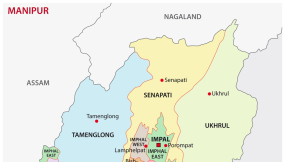
Fresh violence in Manipur leaves four dead as security is tightened
Security forces have stepped up operations in affected areas amid fears of further unrest.
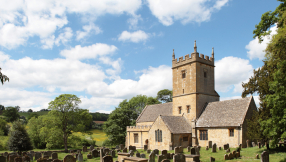
Church of England faces ‘financial disaster’ without radical cuts, academics warn
A new report argues that dioceses have been strengthened at the expense of ordinary parishes.
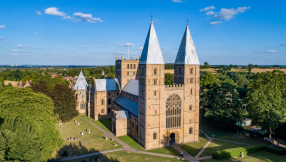
Southwell Minster faces closure amid £20m funding crisis
Southwell Minster is seeking urgent financial support to keep its doors open after decades of underinvestment that has left it needing around £20m to safeguard its historic building and grounds.








