
|PIC1|You can't have opportunity without opposition. One of the great tests of leadership is how you handle opposition. Do you panic under pressure? Do you get uptight, lose your temper, blow up, become discouraged, or give up? Part of the job description of leadership is dealing with people who oppose you and your vision for the church.
To find out how to handle opposition, we're going to look at Nehemiah 4. You probably remember the story. Nehemiah had returned to Jerusalem to rebuild the wall around the city - a very big project for his team of Jewish exiles! And it didn't take long for Nehemiah to start getting opposition. People were ridiculing him and his vision.
Here's what we can learn from Nehemiah:
1. Rely on God.
"Then I prayed, 'Hear us, O our God, for we are being mocked. May their scoffing fall back on their own heads, and may they themselves become captives in a foreign land! Do not ignore their guilt. Do not blot out their sins, for they have provoked you to anger here in the presence of the builders'" (Neh. 4:4-5 NLT).
Nehemiah is upset. He's letting off steam. When you're being ridiculed, you don't suppress it, you confess it. Nehemiah doesn't get caught up in a name-calling game. Instead of calling names, he prays.
The greater the opposition, the more you need to pray. Don't take it out on other people; talk it out with God. That's what Nehemiah does.
2. Respect the opposition.
"But we prayed to our God and guarded the city day and night to protect ourselves" (Neh. 4:9 NLT).
How do we know that Nehemiah respected the opposition? His people guarded the city and protected themselves. He was prayerful and practical. It's fine to lay in bed at night and pray, "Protect me from the burglars." But you also need to get up and lock your door! Petition without precaution is presumption.
3. Reinforce your weak points.
"So I placed armed guards behind the lowest parts of the wall in the exposed areas. I stationed the people to stand guard by families, armed with swords, spears, and bows" (Neh. 4:13 NLT).
Nehemiah reinforces the weak points, the lower points. These low points left people vulnerable to attack from the enemy. You don't have to worry about fences that are 10 feet high. An enemy couldn't get through a wall like that. But the shorter walls were a different story, so Nehemiah placed guards there.
Do you know where your church is most vulnerable to attack? Good leaders know where they are vulnerable, and they reinforce that area.
4. Reallocate resources, but don't stop what you're doing.
"But from then on, only half my men worked while the other half stood guard with spears, shields, bows, and coats of mail. The officers stationed themselves behind the people of Judah" (Neh. 4:16 NLT).
When his people were attacked, Nehemiah had three alternatives: give up, leave the wall and go fight, or build the wall and arm everyone. Nehemiah knew he couldn't give up building the wall and couldn't leave the wall to fight. He really had only one option.
Leaders must build and battle at the same time. You never leave the wall to fight the enemy. You could spend all your time putting out fires and never complete what God has called you to do.
5. Reassure the people.
"Then as I looked over the situation, I called together the leaders and the people and said to them, 'Don't be afraid of the enemy! Remember the Lord, who is great and glorious, and fight for your friends, your families, and your homes!'" (Neh. 4:14 NLT)
Nehemiah rallied the troops. He relieved their fears and reinforced their confidence. That's the task of leadership. When your church is under attack, your job is to raise people's morale.
Nehemiah pointed people to the Lord. That's where true confidence comes from. In American history, many wars have been fought with slogans that started with "Remember..." The Spanish-American War had a slogan of "Remember the Maine." In World War I soldiers were asked to "Remember the Lusitania." In the Mexican-American War, the slogan was "Remember the Alamo." Troops in World War II were told to "Remember Pearl Harbor." All of these battle cries were based on defeats.
Nehemiah does the exact opposite. He points people to God and the future he has planned for them. When you're under attack, if the devil can get you to focus on the opposition, he's won a major victory. You either focus on the opposition or you focus on the Lord. When you're facing opposition, it's your job as the leader to help your people "remember the Lord."
6. Refuse to quit.
"When our enemies heard that we knew of their plans and that God had frustrated them, we all returned to our work on the wall" (Neh. 4:15 NLT).
Leaders like Nehemiah model persistence. They are the last to give up. They are the last to jump ship. They refuse to quit.
Persistence is the ultimate test of leadership. How do you handle ministry when the going gets tough? The secret of success is to simply outlast your critics. There is nothing the devil would rather do more than make you stall on what God is calling you to do. Don't let him do that. You've got to be persistent.
You'll face opposition some time in your ministry. How you handle that opposition will go a long way in deciding whether or not you complete the task to which you've been called. Nehemiah completed his. Will you?
_______________________________________________
Rick Warren is the founding pastor of Saddleback Church in Lake Forest, Calif., one of America's largest and best-known churches. In addition, Rick is author of the New York Times bestseller The Purpose-Driven Life and The Purpose-Driven Church, which was named one of the 100 Christian books that changed the 20th Century. He is also founder of Pastors.com, a global Internet community for ministers. Copyright 2005 Pastors.com, Inc. Used with permission. All rights reserved.
49% OFF
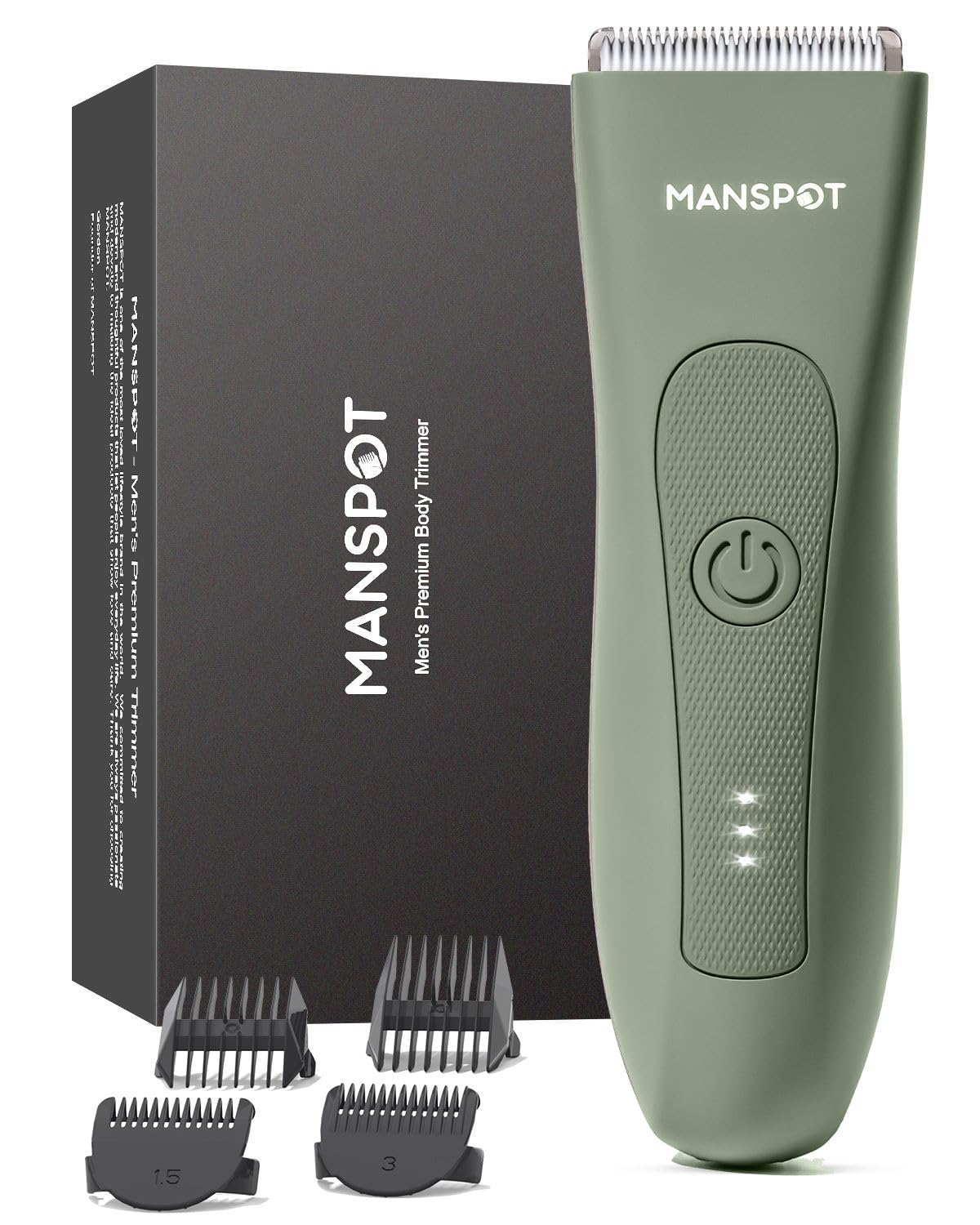
MANSPOT Electric Pubic Hair Trimmer - Waterproof Body and Groin Shaver for Men and Women (Black)
$20.39 $40
25% OFF
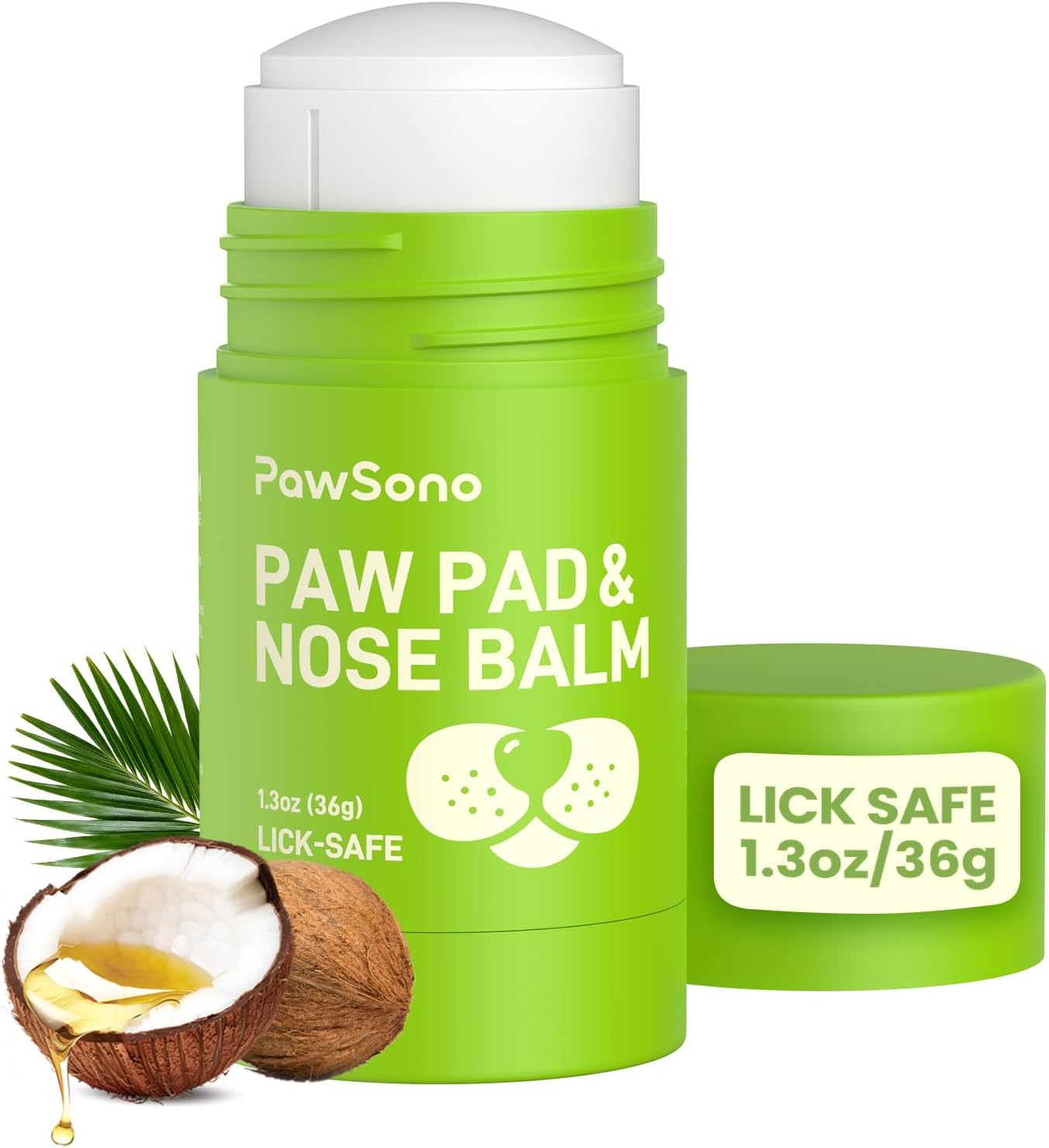
Lick-Safe Dog Paw and Nose Balm Stick - All-Natural Moisturizer with Coconut Oil for Dry, Cracked Pads and Snout
$11.69 $15.59
77% OFF
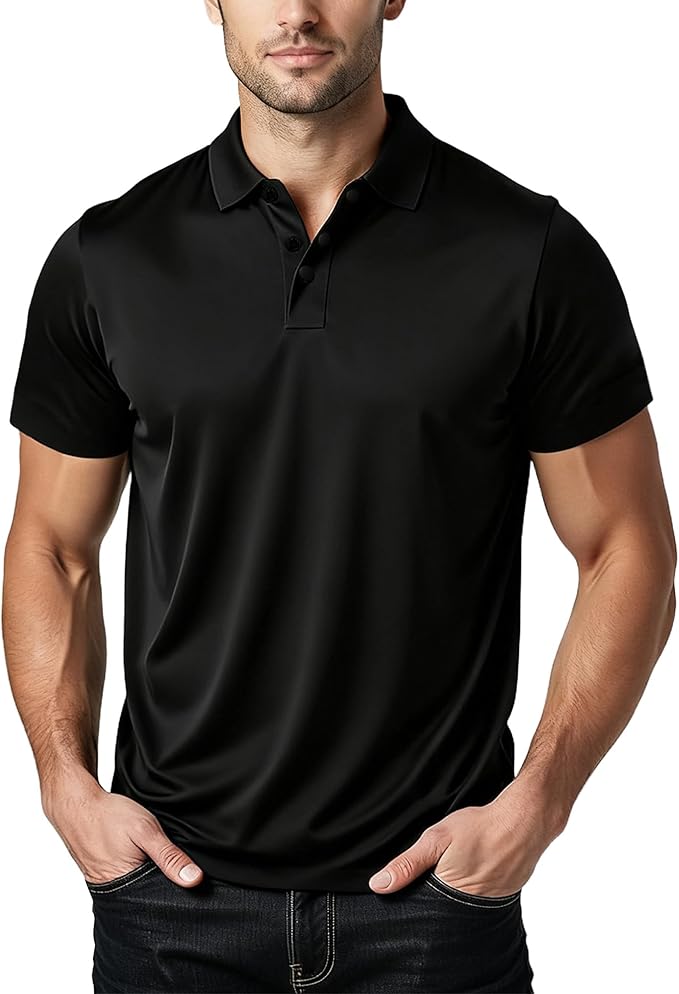
Men's Quick Dry Moisture Wicking Polo Shirt - High Elasticity Slim Fit Athletic Top (Runs Small)
$6.99 $29.99
46% OFF
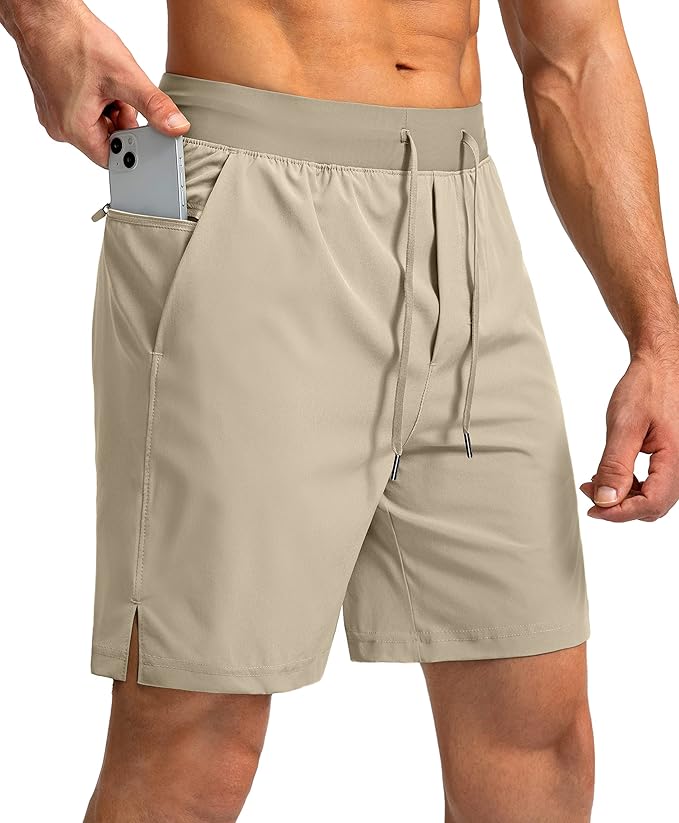
Men's Running Shorts with Zipper Pockets - Lightweight, Quick-Dry, Multi-Sport
$12.95 $23.99
50% OFF
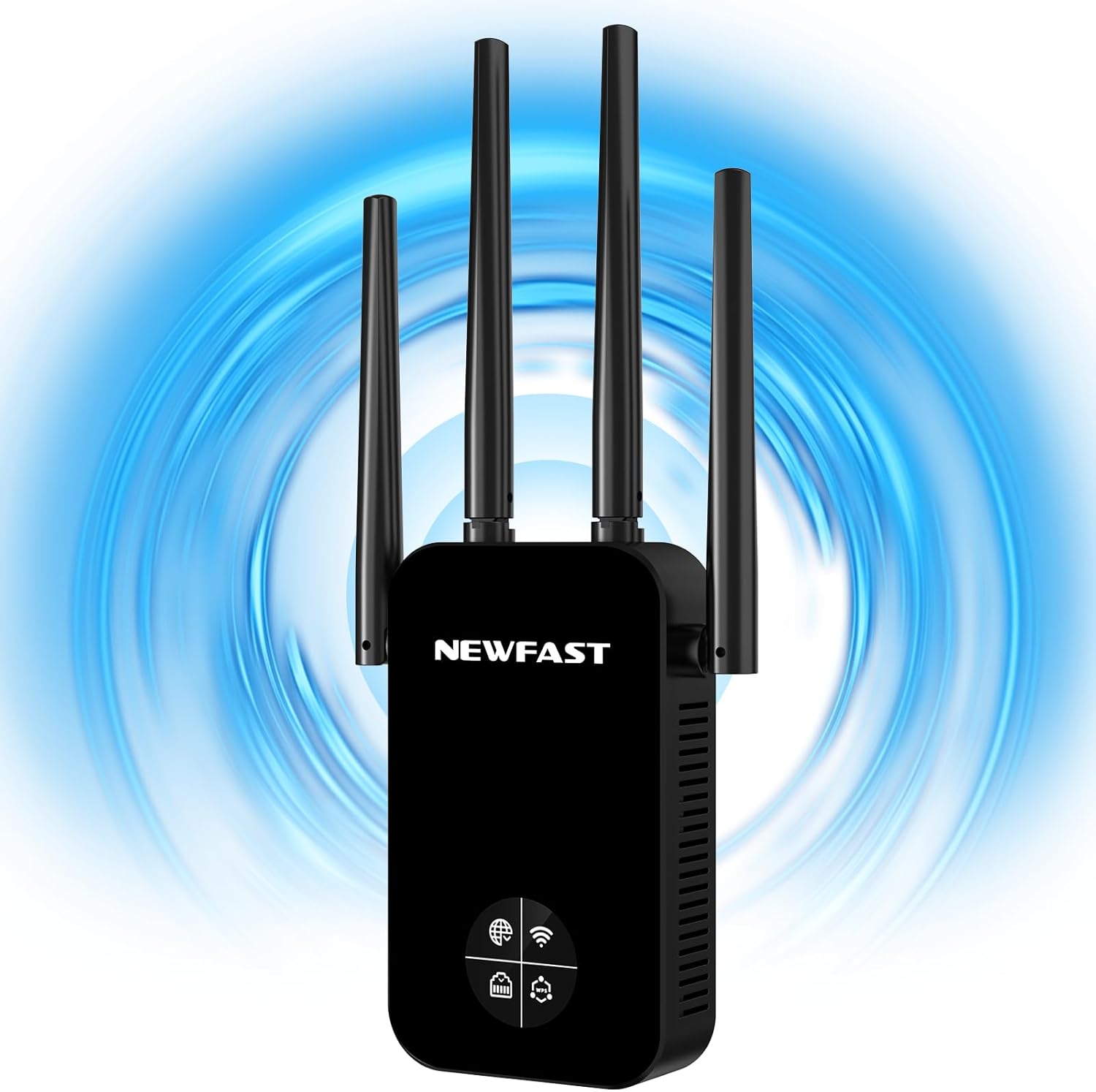
NEWFAST NF-RE523 AC1200 WiFi Extender - 1200Mbps Dual Band Signal Booster & Internet Repeater
$18.5 $36.99
48% OFF
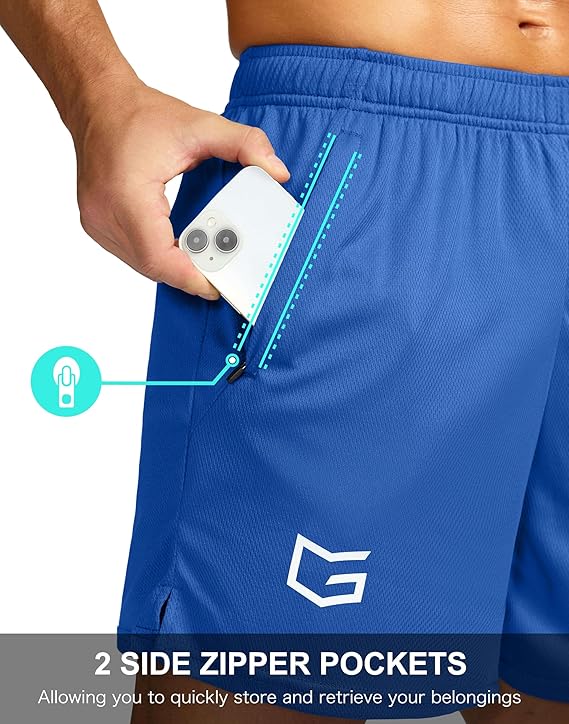
G Gradual Men's 7-inch Workout Running Shorts - Lightweight, Quick-Dry, Comfort
$12.91 $24.99
30% OFF
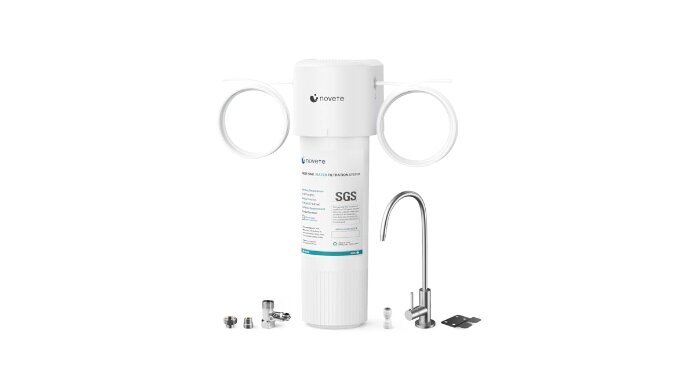
NOVETE Under Sink Water Filter - 3 Years, 30,000 Gallons, High-Efficiency Filtration
$41.99 $59.99
50% OFF

HDPE All-Weather Adirondack Chair with Built-In Cup Holder - Tool-Free Assembly (Grey)
$69.99 $139.99
60% OFF

HOMETUK Clear Plastic Storage Bins with Dividers - 3-Pack Stackable Acrylic Organizer Containers for Fridge and Pantry
$19.99 $49.99
58% OFF

G Gradual Men's Fishing Shirt - UPF 50+ Lightweight Short Sleeve Button Down with Zipper Pockets
$14.99 $35.99
55% OFF

Everyfun 60" Rectangular Platform Tree Swing - 700lbs Heavy Duty Adjustable Outdoor Swing (Colorful)
$49.99 $110.99
61% OFF

Ekouaer Women's Casual Loose Jumpsuit - One-Piece Printed Sleeveless Wide Leg Romper with Pockets
$14.99 $37.99
36% OFF

Men's Athletic Running Shorts with Zipper Pockets - Lightweight & Quick Dry
$12.74 $19.99
61% OFF

Modern Ceiling Fan with Light and Remote - Reversible Quiet DC Motor
$69.3 $179.99
50% OFF

MOOKA H13 True HEPA Air Purifier for Home Large Room - 1076 sq ft Odor Eliminator
$39.97 $79.95
40% OFF
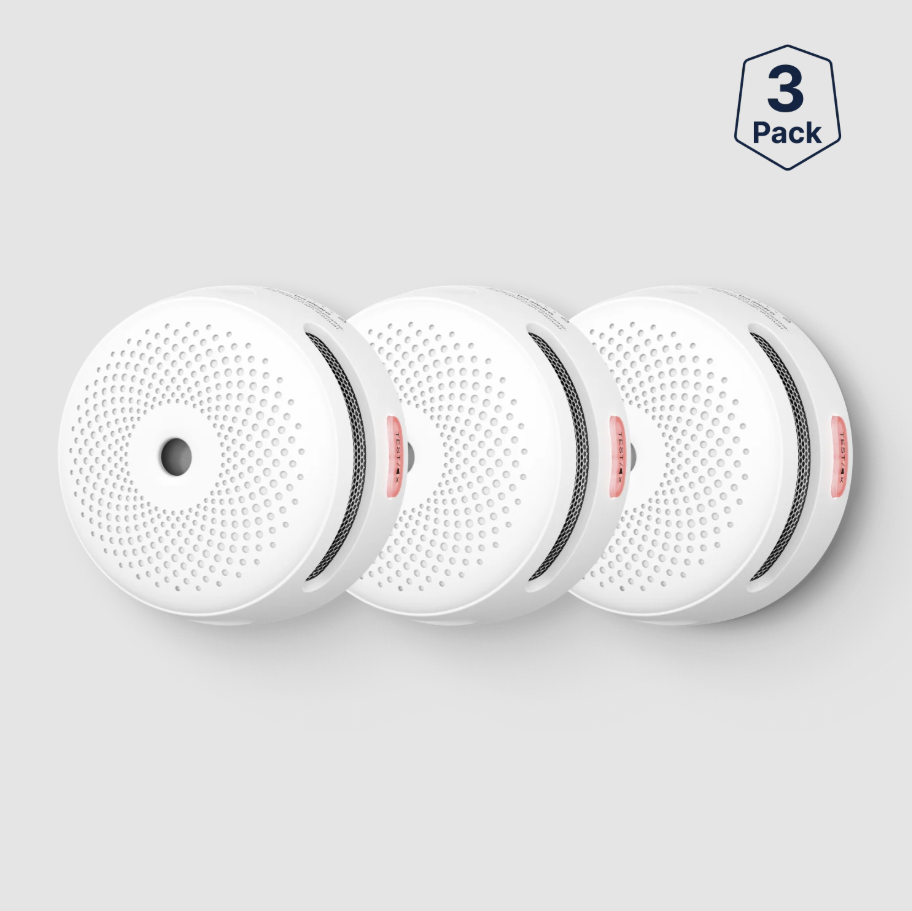
X-Sense XS01-WX Smart Smoke Alarm - 2.4 GHz Wi-Fi Photoelectric Fire Detector with Mobile App Alerts
$65.99 $109.99
11% OFF

VitaUp Beet Root Gummies with CoQ10 & Grape Seed - Nitric Oxide Circulation Support (60 Count)
$24.91 $27.91

Sealy 2-Pack Tritech 16" Twin Inflatable Air Mattress with Built-in AC Pump
$0 $113.99
20% OFF

INTEX Prism Frame 20ft x 52in Above Ground Pool Set - Round Steel Frame Swimming Pool
$695.99 $869.99

Gardner Pet 43" Heavy Duty Dog Crate with Wheels - Indestructible Folding Metal Cage (Black)
$0 $149.99



-

Diary of a CEO’s Steven Bartlett and John Lennox discuss AI, faith and the search for meaning
-

Belfast churches 'heartbroken' over unrest
-

Is there a two-tier Britain?
-
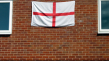
Churches must disciple well and listen well in response to rise of Christian nationalism
-

Biblical models and the creation of King Arthur
-

Welsh reverend speaks of culture of fear over LGBT issues
Most Popular
News
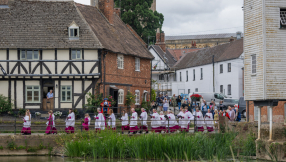
Gloucester churches come together to bless River Avon amid pollution concerns
It is part of a broader campaign against river pollution as concerns remain about the amount of untreated sewage in the Avon.

Life beyond burnout: how Christians can grow in the desert seasons
Christian Today speaks to author and Anglican priest Tish Harrison Warren about growth in desert seasons and why the Church shouldn’t treat all spiritual weariness as a problem to fix.
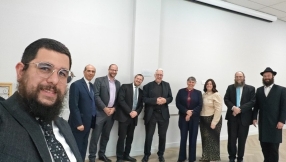
Iranian-born bishop stands in solidarity with Britain's Jews
2025 had the second highest number of antisemitic incidents on record.

Bishops protest Israeli arrest of another Palestinian Christian
An Evangelical Lutheran has been accused of "promoting terrorist activities".
MANSPOT Electric Pubic Hair Trimmer - Waterproof Body and Groin Shaver for Men and Women (Black)
$20.39
Lick-Safe Dog Paw and Nose Balm Stick - All-Natural Moisturizer with Coconut Oil for Dry, Cracked Pads and Snout
$11.69
Men's Quick Dry Moisture Wicking Polo Shirt - High Elasticity Slim Fit Athletic Top (Runs Small)
$6.99
Men's Running Shorts with Zipper Pockets - Lightweight, Quick-Dry, Multi-Sport
$12.95
NEWFAST NF-RE523 AC1200 WiFi Extender - 1200Mbps Dual Band Signal Booster & Internet Repeater
$18.5
G Gradual Men's 7-inch Workout Running Shorts - Lightweight, Quick-Dry, Comfort
$12.91
NOVETE Under Sink Water Filter - 3 Years, 30,000 Gallons, High-Efficiency Filtration
$41.99
HDPE All-Weather Adirondack Chair with Built-In Cup Holder - Tool-Free Assembly (Grey)
$69.99
HOMETUK Clear Plastic Storage Bins with Dividers - 3-Pack Stackable Acrylic Organizer Containers for Fridge and Pantry
$19.99
G Gradual Men's Fishing Shirt - UPF 50+ Lightweight Short Sleeve Button Down with Zipper Pockets
$14.99
Everyfun 60" Rectangular Platform Tree Swing - 700lbs Heavy Duty Adjustable Outdoor Swing (Colorful)
$49.99
Ekouaer Women's Casual Loose Jumpsuit - One-Piece Printed Sleeveless Wide Leg Romper with Pockets
$14.99
Men's Athletic Running Shorts with Zipper Pockets - Lightweight & Quick Dry
$12.74
Modern Ceiling Fan with Light and Remote - Reversible Quiet DC Motor
$69.3
MOOKA H13 True HEPA Air Purifier for Home Large Room - 1076 sq ft Odor Eliminator
$39.97
X-Sense XS01-WX Smart Smoke Alarm - 2.4 GHz Wi-Fi Photoelectric Fire Detector with Mobile App Alerts
$65.99
VitaUp Beet Root Gummies with CoQ10 & Grape Seed - Nitric Oxide Circulation Support (60 Count)
$24.91
Sealy 2-Pack Tritech 16" Twin Inflatable Air Mattress with Built-in AC Pump
$0
INTEX Prism Frame 20ft x 52in Above Ground Pool Set - Round Steel Frame Swimming Pool
$695.99
Gardner Pet 43" Heavy Duty Dog Crate with Wheels - Indestructible Folding Metal Cage (Black)
$0