
A rabbi, an imam and a priest sat down to discuss the most sensitive parts of their sacred scriptures, the verses that offend or anger other faiths.
But instead of the Catholic criticising Koran quotes or the Jew complaining about a Gospel, each took objectionable passages from his own holy book and tried to explain them to the others.
"Les Versets douloureux" (The Painful Verses), the result of their work, is an unusual book that aims to move interfaith dialogue beyond polite meetings to discuss issues that create tensions among Christians, Muslims and Jews.
Rabbi David Meyer, the driving force behind the project, said his frustration with routine interfaith meetings that avoided tough issues prompted him to seek a different kind of dialogue with Sohaib Bencheikh and Rev Yves Simoens SJ.
"For a real dialogue, we have to have the courage to confront difficult things," the rabbi of the International Jewish Center in Brussels said at a presentation of the French-language book in Paris on Thursday.
The book marked a new approach in interfaith dialogue. While religious leaders have been meeting for decades, an upswing in contacts in recent years reflects a feeling they need to work even more closely to foster better understanding.
Bensheikh, head of the Higher Institute of Islamic Sciences in Marseille, stressed the book was "not a dialogue between institutions. It's the work of three believers, that's all."
DON'T STOP AT BANALITIES
Meyer said he got the idea when members of his congregation asked how he could dialogue with Muslims when they had passages hostile to Jews in the Koran. "I knew I could find passages in Jewish texts that would make them shudder," he said.
Simoens, professor of scripture at the Centre Sevres faculty of philosophy and Catholic theology in Paris, said there was a growing realisation among religions "that the dialogue should be true and not stop just at banalities".
One of Islam's "painful verses", Bencheikh said, was the hadith "Kill him who changes his religion". This saying of the Prophet Mohammed is used to outlaw apostasy in some Muslim states and, in a very few, to threaten ex-Muslims with death.
"This is an aberration," he said. Apostasy was seen as treason during the turbulent early years when Islam was expanding and faith was equivalent to citizenship in the new empire. This no longer applied in the modern era, he said.
Among Meyer's examples was the command in the Torah to the Israelites to wipe out the rival Amalekite tribe, which amounted to asking Jews to commit genocide.
Two other "painful verses" were God's command to Abraham to sacrifice his son Isaac, which seemed to justify killing in the name of religion, and a Talmudic text allowing Jews to steal from non-Jews, he said.
"There is no text without interpretation," said Meyer, who in the book cited several other Jewish writings to provide a wider context that weakened their impact.
ISLAM'S TUNNEL PERIOD
Simoens argued the Gospel of John, the Evangelist accused of being a source of Christian anti-Semitism, was not anti-Jewish and closely examined many of his verses to illustrate his point.
"There are the effects of a vulgarisation of exegesis," he said. He called the view of John as anti-Semitic "an ideology".
Asked how widely his liberal views were shared in the Islamic world, Bencheikh said many Muslim states kept tight control over religion and blocked reforms.
But he said rigid readings of Islamic texts would give way to deeper interpretations. Islam was in a "tunnel period", he said: "Our generation has lost the erudition of old without replacing it with modern thought."
Meyer said the trio hoped the book would be translated into other languages to help dialogue elsewhere in Europe. "It's important to get beyond the French-speaking world," he said.
Asked if they planned another book, Meyer was wary of tackling a new project or hitting the usual conference trail.
"If we're invited for conferences with dialogue groups, we'll just be preaching to the converted," he said.
"The problem is to transmit this message in one's own community," he explained. "We need to communicate this to people who need to hear it. We're thinking how to do this now."
49% OFF
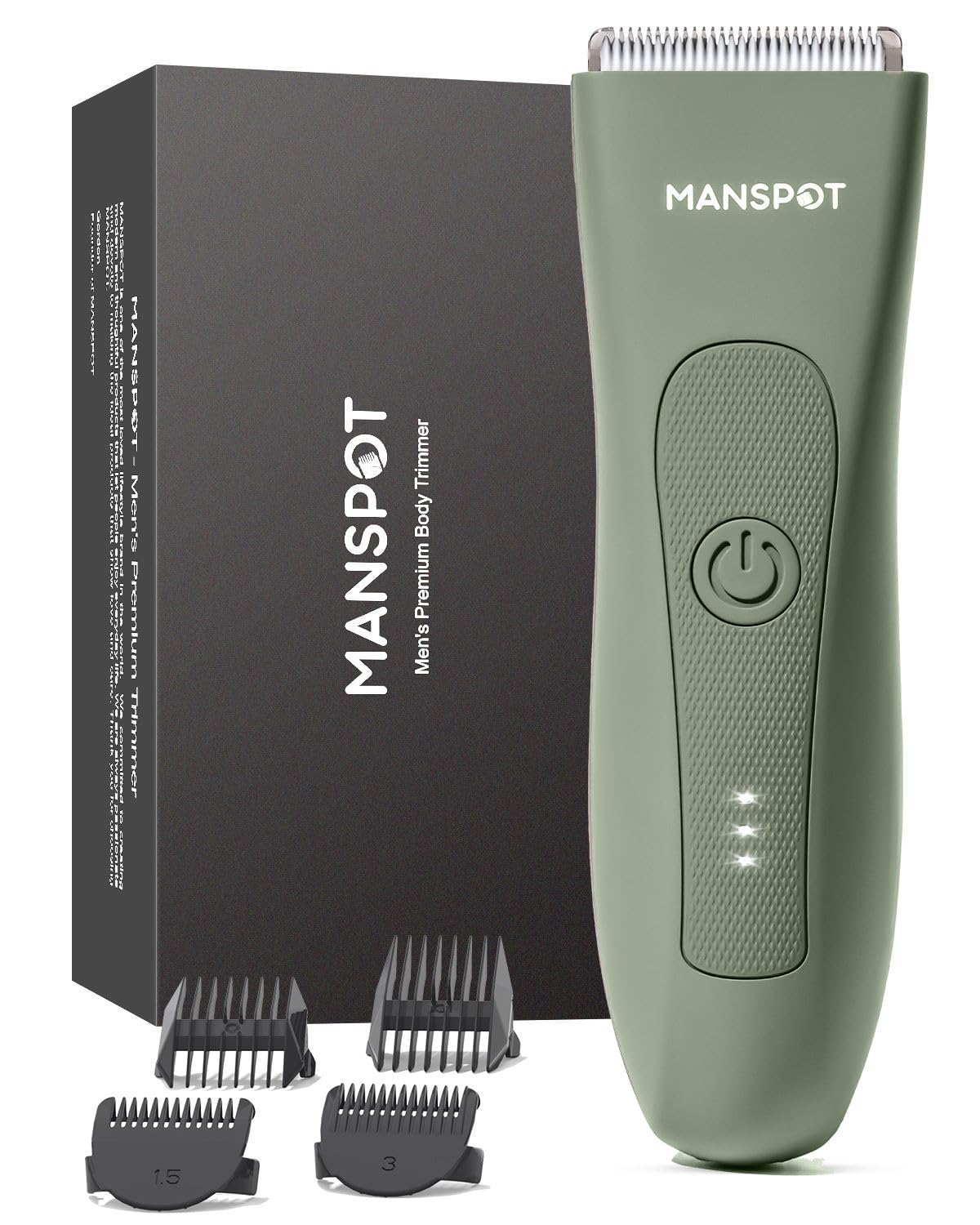
MANSPOT Electric Pubic Hair Trimmer - Waterproof Body and Groin Shaver for Men and Women (Black)
$20.39 $40
25% OFF

Lick-Safe Dog Paw and Nose Balm Stick - All-Natural Moisturizer with Coconut Oil for Dry, Cracked Pads and Snout
$11.69 $15.59
77% OFF
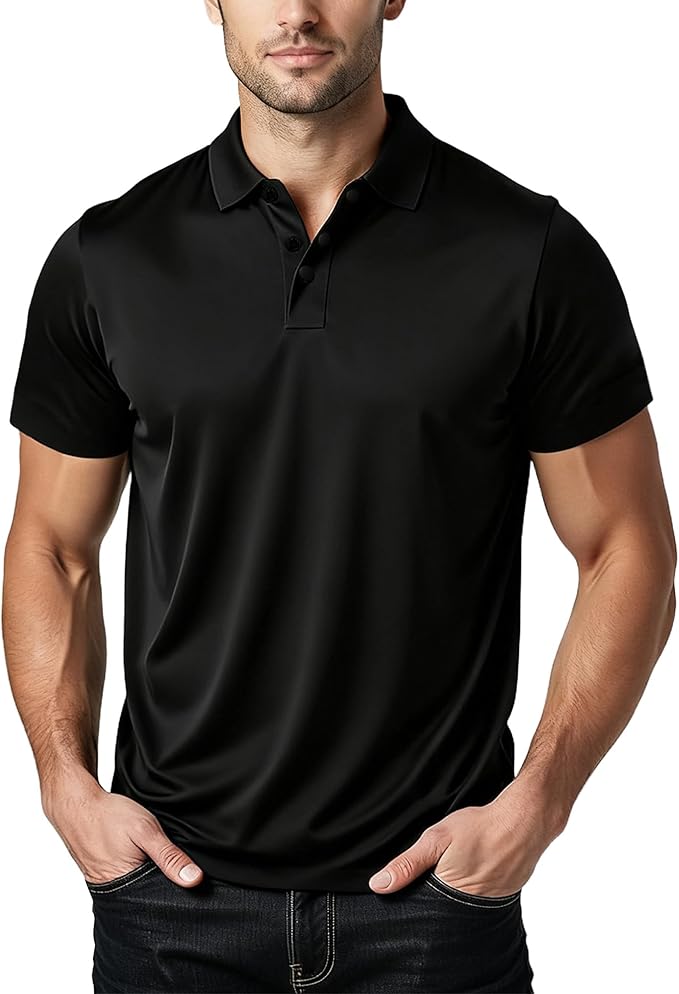
Men's Quick Dry Moisture Wicking Polo Shirt - High Elasticity Slim Fit Athletic Top (Runs Small)
$6.99 $29.99
46% OFF
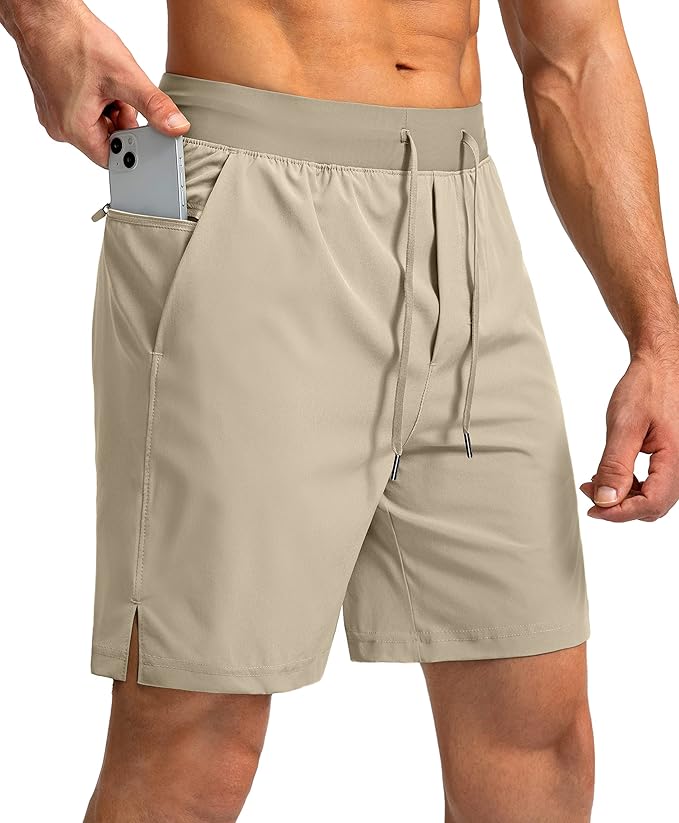
Men's Running Shorts with Zipper Pockets - Lightweight, Quick-Dry, Multi-Sport
$12.95 $23.99
50% OFF

NEWFAST NF-RE523 AC1200 WiFi Extender - 1200Mbps Dual Band Signal Booster & Internet Repeater
$18.5 $36.99
48% OFF
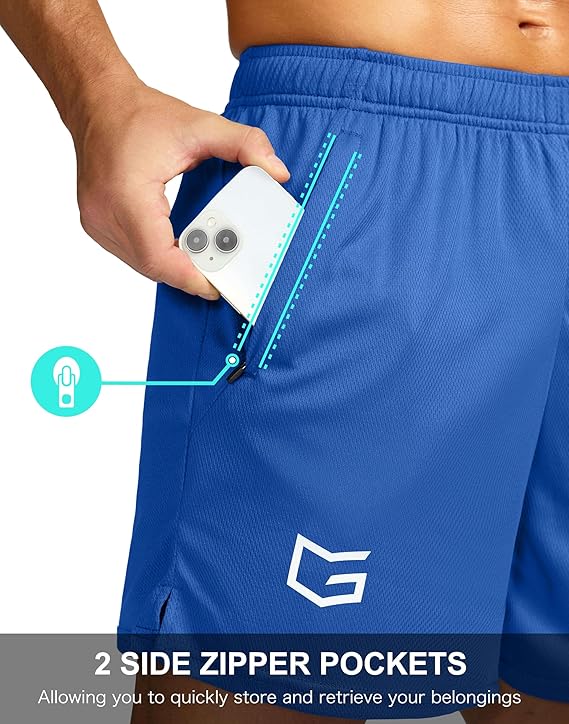
G Gradual Men's 7-inch Workout Running Shorts - Lightweight, Quick-Dry, Comfort
$12.91 $24.99
30% OFF
NOVETE Under Sink Water Filter - 3 Years, 30,000 Gallons, High-Efficiency Filtration
$41.99 $59.99
50% OFF

HDPE All-Weather Adirondack Chair with Built-In Cup Holder - Tool-Free Assembly (Grey)
$69.99 $139.99
60% OFF

HOMETUK Clear Plastic Storage Bins with Dividers - 3-Pack Stackable Acrylic Organizer Containers for Fridge and Pantry
$19.99 $49.99
58% OFF

G Gradual Men's Fishing Shirt - UPF 50+ Lightweight Short Sleeve Button Down with Zipper Pockets
$14.99 $35.99
55% OFF

Everyfun 60" Rectangular Platform Tree Swing - 700lbs Heavy Duty Adjustable Outdoor Swing (Colorful)
$49.99 $110.99
61% OFF

Ekouaer Women's Casual Loose Jumpsuit - One-Piece Printed Sleeveless Wide Leg Romper with Pockets
$14.99 $37.99
36% OFF

Men's Athletic Running Shorts with Zipper Pockets - Lightweight & Quick Dry
$12.74 $19.99
61% OFF

Modern Ceiling Fan with Light and Remote - Reversible Quiet DC Motor
$69.3 $179.99
50% OFF

MOOKA H13 True HEPA Air Purifier for Home Large Room - 1076 sq ft Odor Eliminator
$39.97 $79.95
40% OFF
X-Sense XS01-WX Smart Smoke Alarm - 2.4 GHz Wi-Fi Photoelectric Fire Detector with Mobile App Alerts
$65.99 $109.99
11% OFF

VitaUp Beet Root Gummies with CoQ10 & Grape Seed - Nitric Oxide Circulation Support (60 Count)
$24.91 $27.91

Sealy 2-Pack Tritech 16" Twin Inflatable Air Mattress with Built-in AC Pump
$0 $113.99
20% OFF

INTEX Prism Frame 20ft x 52in Above Ground Pool Set - Round Steel Frame Swimming Pool
$695.99 $869.99

Gardner Pet 43" Heavy Duty Dog Crate with Wheels - Indestructible Folding Metal Cage (Black)
$0 $149.99




-

Diary of a CEO’s Steven Bartlett and John Lennox discuss AI, faith and the search for meaning
-

Belfast churches 'heartbroken' over unrest
-

Is there a two-tier Britain?
-

Churches must disciple well and listen well in response to rise of Christian nationalism
-

Biblical models and the creation of King Arthur
-

Welsh reverend speaks of culture of fear over LGBT issues
Most Popular
News

Gloucester churches come together to bless River Avon amid pollution concerns
It is part of a broader campaign against river pollution as concerns remain about the amount of untreated sewage in the Avon.

Life beyond burnout: how Christians can grow in the desert seasons
Christian Today speaks to author and Anglican priest Tish Harrison Warren about growth in desert seasons and why the Church shouldn’t treat all spiritual weariness as a problem to fix.
Iranian-born bishop stands in solidarity with Britain's Jews
2025 had the second highest number of antisemitic incidents on record.

Bishops protest Israeli arrest of another Palestinian Christian
An Evangelical Lutheran has been accused of "promoting terrorist activities".
MANSPOT Electric Pubic Hair Trimmer - Waterproof Body and Groin Shaver for Men and Women (Black)
$20.39
Lick-Safe Dog Paw and Nose Balm Stick - All-Natural Moisturizer with Coconut Oil for Dry, Cracked Pads and Snout
$11.69
Men's Quick Dry Moisture Wicking Polo Shirt - High Elasticity Slim Fit Athletic Top (Runs Small)
$6.99
Men's Running Shorts with Zipper Pockets - Lightweight, Quick-Dry, Multi-Sport
$12.95
NEWFAST NF-RE523 AC1200 WiFi Extender - 1200Mbps Dual Band Signal Booster & Internet Repeater
$18.5
G Gradual Men's 7-inch Workout Running Shorts - Lightweight, Quick-Dry, Comfort
$12.91
NOVETE Under Sink Water Filter - 3 Years, 30,000 Gallons, High-Efficiency Filtration
$41.99
HDPE All-Weather Adirondack Chair with Built-In Cup Holder - Tool-Free Assembly (Grey)
$69.99
HOMETUK Clear Plastic Storage Bins with Dividers - 3-Pack Stackable Acrylic Organizer Containers for Fridge and Pantry
$19.99
G Gradual Men's Fishing Shirt - UPF 50+ Lightweight Short Sleeve Button Down with Zipper Pockets
$14.99
Everyfun 60" Rectangular Platform Tree Swing - 700lbs Heavy Duty Adjustable Outdoor Swing (Colorful)
$49.99
Ekouaer Women's Casual Loose Jumpsuit - One-Piece Printed Sleeveless Wide Leg Romper with Pockets
$14.99
Men's Athletic Running Shorts with Zipper Pockets - Lightweight & Quick Dry
$12.74
Modern Ceiling Fan with Light and Remote - Reversible Quiet DC Motor
$69.3
MOOKA H13 True HEPA Air Purifier for Home Large Room - 1076 sq ft Odor Eliminator
$39.97
X-Sense XS01-WX Smart Smoke Alarm - 2.4 GHz Wi-Fi Photoelectric Fire Detector with Mobile App Alerts
$65.99
VitaUp Beet Root Gummies with CoQ10 & Grape Seed - Nitric Oxide Circulation Support (60 Count)
$24.91
Sealy 2-Pack Tritech 16" Twin Inflatable Air Mattress with Built-in AC Pump
$0
INTEX Prism Frame 20ft x 52in Above Ground Pool Set - Round Steel Frame Swimming Pool
$695.99
Gardner Pet 43" Heavy Duty Dog Crate with Wheels - Indestructible Folding Metal Cage (Black)
$0