
The Pentagon plans to shoot down a disabled U.S. spy satellite before it enters the atmosphere to prevent a potentially deadly leak of toxic gas from the vehicle's fuel tank, officials said on Thursday.
President George W. Bush decided to have the Navy shoot the 5,000-pound (2,270 kg) minivan-sized satellite with a modified tactical missile, after security advisers suggested its re-entry could lead to a loss of life.
U.S. officials said they were not trying to protect classified information on the satellite or to demonstrate their capabilities to China, which downed one of its own satellites with a missile last year, drawing criticism from Washington.
Some experts disagreed and questioned the risks associated with shooting down the satellite.
Two defence officials also cited disagreement within the administration over the action and said the decision appeared to have been strongly influenced by the White House.
The Pentagon hopes to strike the satellite just before it reaches the atmosphere and drive it into ocean waters. Officials would not estimate the likelihood of success, only calling it high.
Thousands of space objects fall to Earth each year, but they generally scatter over a huge area and there have never been any reported injuries.
What makes this different is the likelihood the satellite could release much of the more than 1,000 pounds (454 kg) of hydrazine fuel as a toxic gas, according to James Jeffrey, deputy national security adviser.
He said the satellite was unlikely to hit a populated area and described the danger from toxic gas as limited. But Jeffrey added, "There was enough of a risk for the president to be quite concerned about human life."
There is also no downside to trying, NASA Administrator Michael Griffin said. If the missile misses, there is no change. If it just grazes the satellite, the satellite will start to re-enter the atmosphere, as it will soon anyway.
"There is almost nothing we can do here that makes it worse," Griffin said.
SIGNAL TO CHINA?
U.S. officials rejected suggestions that Bush opted to shoot down the satellite out of concern that classified material on board could survive re-entry into Earth's atmosphere, and potentially land in the wrong hands.
They also said Washington was not shooting the satellite down in response to China's anti-satellite test last year, noting the United States had already demonstrated its capability to hit a space object with a missile in the 1980s.
China did not notify other countries before its test, marking a significant departure from U.S. efforts this week.
But some experts questioned Bush's decision and the calculation of the risks associated with shooting the missile down compared with allowing it to burn up upon re-entry.
Jonathan McDowell, astronomer with the Harvard-Smithsonian Center For Astrophysics, called the decision "regrettable."
"Clearly someone in the administration who has the instincts of a cowboy has decided this is the perfect excuse to rattle our sabres and show the Chinese that we have the same capabilities," he said.
SATELLITE NEVER WORKED
The satellite is a classified National Reconnaissance Office spacecraft launched from Vandenberg Air Force Base in California in 2006, according to four senior U.S. officials, who asked not to be named.
Defence officials said the satellite, known as L-21, was built by Lockheed Martin Corp. It cost hundreds of millions of dollars but the U.S. government will not say precisely how much, calling the figure classified.
Boeing Co played a role early in the project, but was relieved by Lockheed.
The satellite has been out of touch since shortly after reaching its low-Earth orbit. Since the satellite never became operational, it has toxic rocket fuel on board that would have been used to manoeuvre the satellite in space.
Officials said that without the shootdown, about half the satellite, including the fuel tank, would survive re-entry into Earth's atmosphere and estimated a crash could spread toxic material across an area equal to two football fields.
The Pentagon has a window of about seven to eight days to fire the missile. That window opens in about three to four days, the officials said.
49% OFF
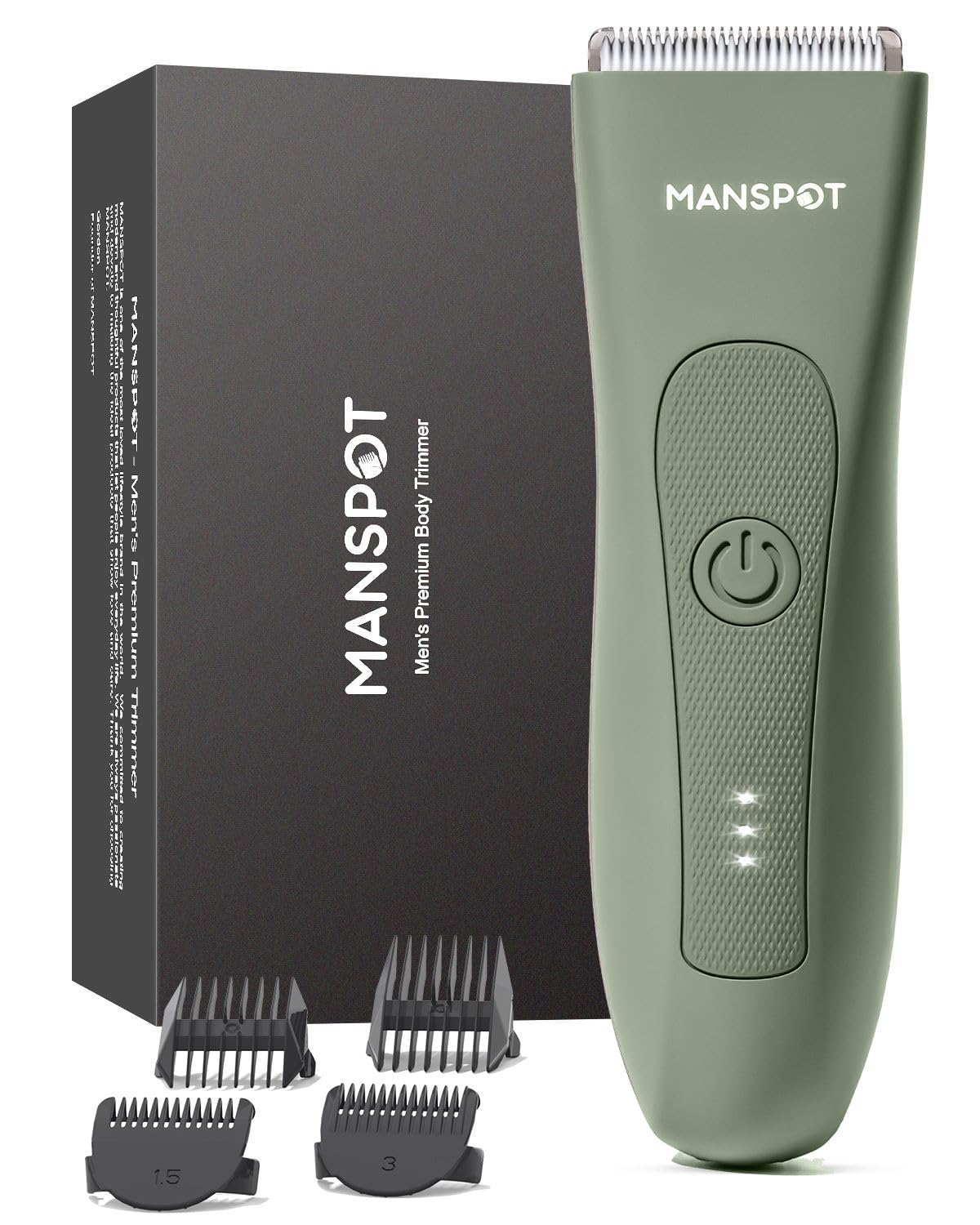
MANSPOT Electric Pubic Hair Trimmer - Waterproof Body and Groin Shaver for Men and Women (Black)
$20.39 $40
25% OFF
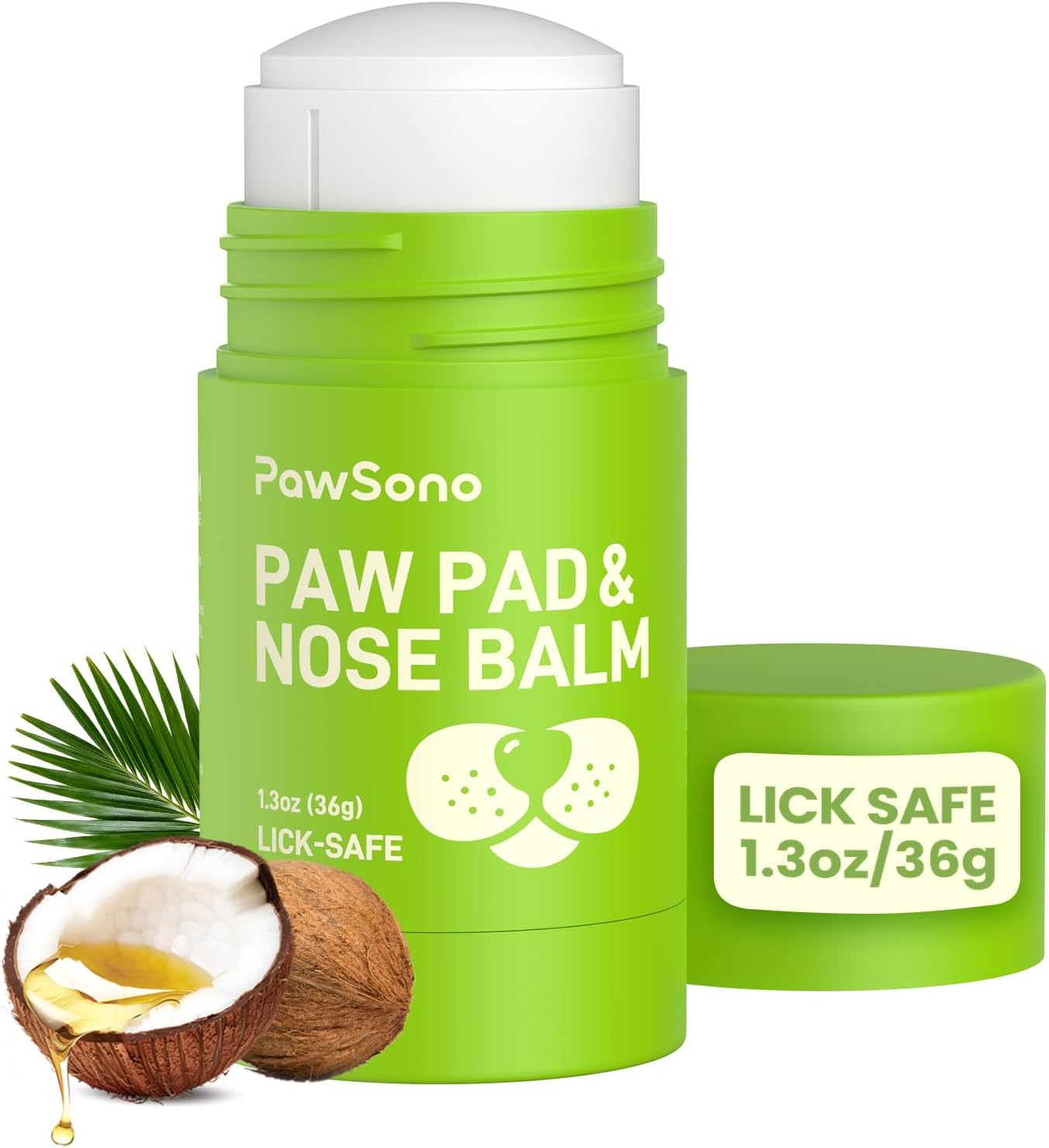
Lick-Safe Dog Paw and Nose Balm Stick - All-Natural Moisturizer with Coconut Oil for Dry, Cracked Pads and Snout
$11.69 $15.59
77% OFF
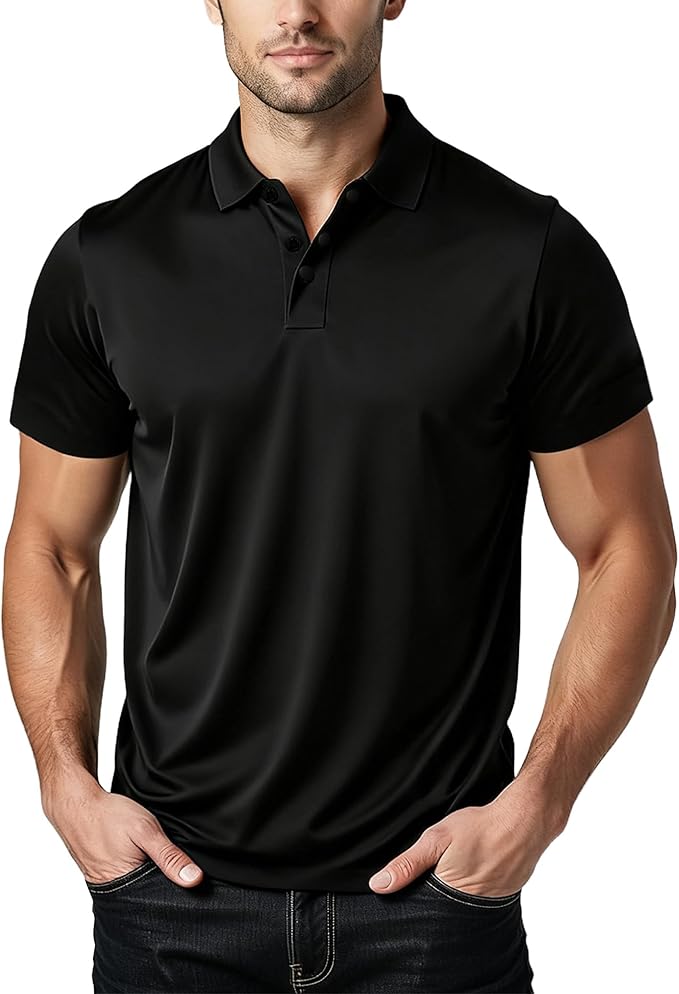
Men's Quick Dry Moisture Wicking Polo Shirt - High Elasticity Slim Fit Athletic Top (Runs Small)
$6.99 $29.99
46% OFF
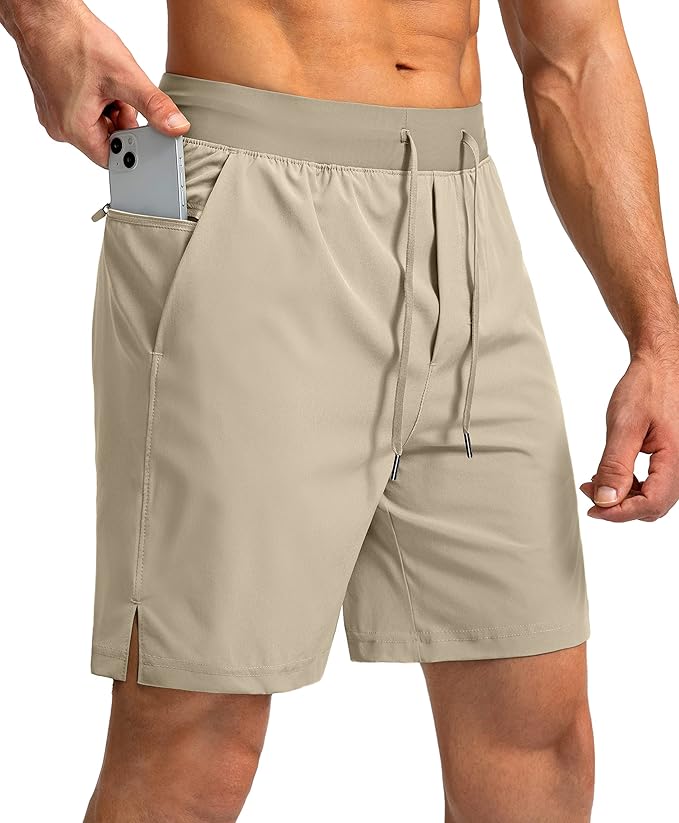
Men's Running Shorts with Zipper Pockets - Lightweight, Quick-Dry, Multi-Sport
$12.95 $23.99
50% OFF
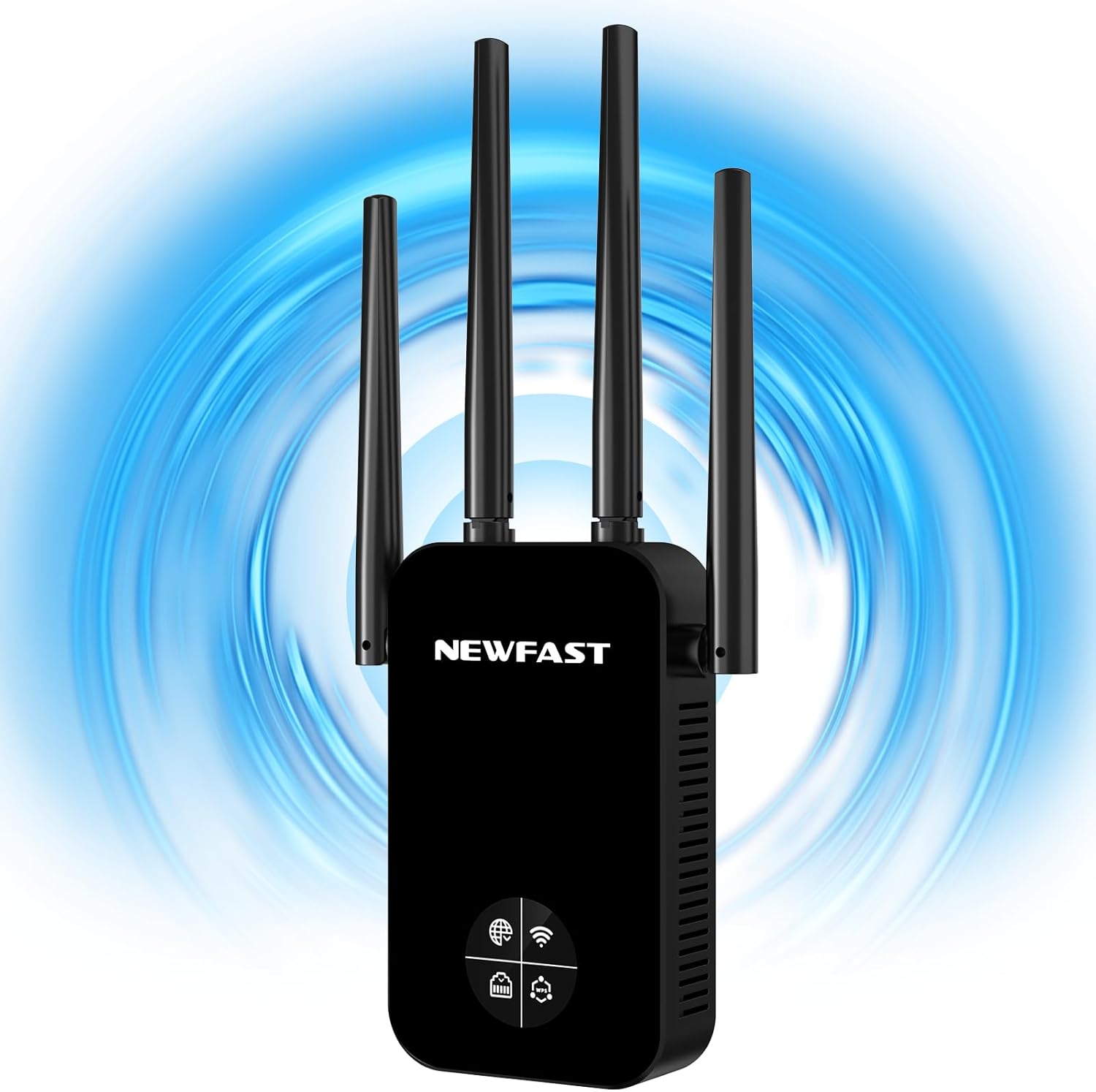
NEWFAST NF-RE523 AC1200 WiFi Extender - 1200Mbps Dual Band Signal Booster & Internet Repeater
$18.5 $36.99
48% OFF
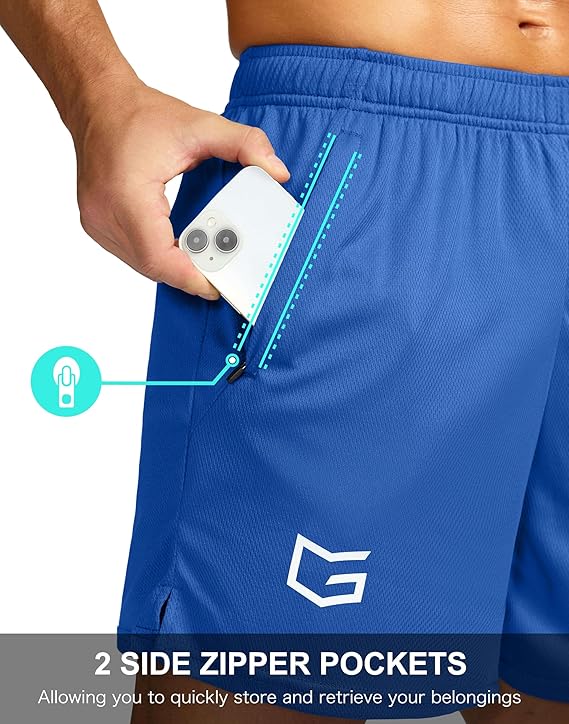
G Gradual Men's 7-inch Workout Running Shorts - Lightweight, Quick-Dry, Comfort
$12.91 $24.99
30% OFF
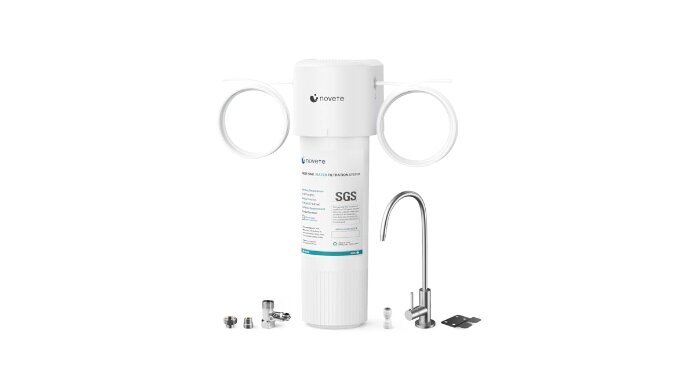
NOVETE Under Sink Water Filter - 3 Years, 30,000 Gallons, High-Efficiency Filtration
$41.99 $59.99
50% OFF

HDPE All-Weather Adirondack Chair with Built-In Cup Holder - Tool-Free Assembly (Grey)
$69.99 $139.99
60% OFF

HOMETUK Clear Plastic Storage Bins with Dividers - 3-Pack Stackable Acrylic Organizer Containers for Fridge and Pantry
$19.99 $49.99
58% OFF

G Gradual Men's Fishing Shirt - UPF 50+ Lightweight Short Sleeve Button Down with Zipper Pockets
$14.99 $35.99
55% OFF

Everyfun 60" Rectangular Platform Tree Swing - 700lbs Heavy Duty Adjustable Outdoor Swing (Colorful)
$49.99 $110.99
61% OFF

Ekouaer Women's Casual Loose Jumpsuit - One-Piece Printed Sleeveless Wide Leg Romper with Pockets
$14.99 $37.99
36% OFF

Men's Athletic Running Shorts with Zipper Pockets - Lightweight & Quick Dry
$12.74 $19.99
61% OFF

Modern Ceiling Fan with Light and Remote - Reversible Quiet DC Motor
$69.3 $179.99
50% OFF

MOOKA H13 True HEPA Air Purifier for Home Large Room - 1076 sq ft Odor Eliminator
$39.97 $79.95
40% OFF
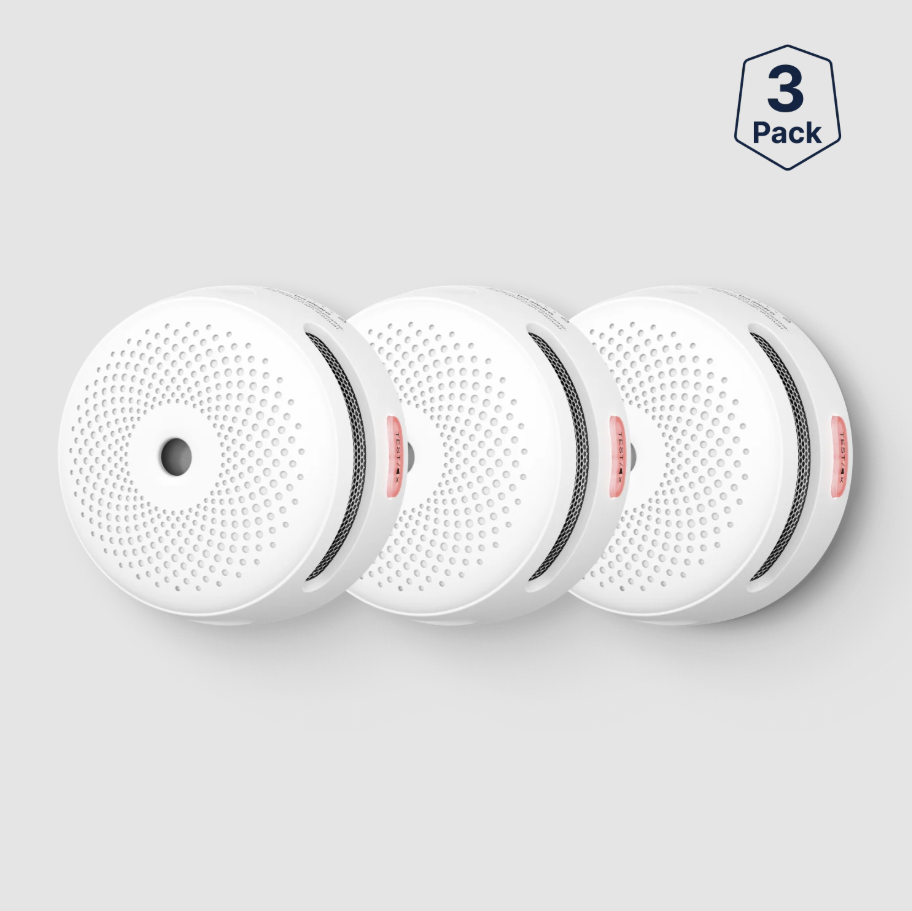
X-Sense XS01-WX Smart Smoke Alarm - 2.4 GHz Wi-Fi Photoelectric Fire Detector with Mobile App Alerts
$65.99 $109.99
11% OFF

VitaUp Beet Root Gummies with CoQ10 & Grape Seed - Nitric Oxide Circulation Support (60 Count)
$24.91 $27.91

Sealy 2-Pack Tritech 16" Twin Inflatable Air Mattress with Built-in AC Pump
$0 $113.99
20% OFF

INTEX Prism Frame 20ft x 52in Above Ground Pool Set - Round Steel Frame Swimming Pool
$695.99 $869.99

Gardner Pet 43" Heavy Duty Dog Crate with Wheels - Indestructible Folding Metal Cage (Black)
$0 $149.99




-

Diary of a CEO’s Steven Bartlett and John Lennox discuss AI, faith and the search for meaning
-

Belfast churches 'heartbroken' over unrest
-

Is there a two-tier Britain?
-

Churches must disciple well and listen well in response to rise of Christian nationalism
-

Biblical models and the creation of King Arthur
-

Welsh reverend speaks of culture of fear over LGBT issues
Most Popular
News

Gloucester churches come together to bless River Avon amid pollution concerns
It is part of a broader campaign against river pollution as concerns remain about the amount of untreated sewage in the Avon.

Life beyond burnout: how Christians can grow in the desert seasons
Christian Today speaks to author and Anglican priest Tish Harrison Warren about growth in desert seasons and why the Church shouldn’t treat all spiritual weariness as a problem to fix.

Iranian-born bishop stands in solidarity with Britain's Jews
2025 had the second highest number of antisemitic incidents on record.

Bishops protest Israeli arrest of another Palestinian Christian
An Evangelical Lutheran has been accused of "promoting terrorist activities".
MANSPOT Electric Pubic Hair Trimmer - Waterproof Body and Groin Shaver for Men and Women (Black)
$20.39
Lick-Safe Dog Paw and Nose Balm Stick - All-Natural Moisturizer with Coconut Oil for Dry, Cracked Pads and Snout
$11.69
Men's Quick Dry Moisture Wicking Polo Shirt - High Elasticity Slim Fit Athletic Top (Runs Small)
$6.99
Men's Running Shorts with Zipper Pockets - Lightweight, Quick-Dry, Multi-Sport
$12.95
NEWFAST NF-RE523 AC1200 WiFi Extender - 1200Mbps Dual Band Signal Booster & Internet Repeater
$18.5
G Gradual Men's 7-inch Workout Running Shorts - Lightweight, Quick-Dry, Comfort
$12.91
NOVETE Under Sink Water Filter - 3 Years, 30,000 Gallons, High-Efficiency Filtration
$41.99
HDPE All-Weather Adirondack Chair with Built-In Cup Holder - Tool-Free Assembly (Grey)
$69.99
HOMETUK Clear Plastic Storage Bins with Dividers - 3-Pack Stackable Acrylic Organizer Containers for Fridge and Pantry
$19.99
G Gradual Men's Fishing Shirt - UPF 50+ Lightweight Short Sleeve Button Down with Zipper Pockets
$14.99
Everyfun 60" Rectangular Platform Tree Swing - 700lbs Heavy Duty Adjustable Outdoor Swing (Colorful)
$49.99
Ekouaer Women's Casual Loose Jumpsuit - One-Piece Printed Sleeveless Wide Leg Romper with Pockets
$14.99
Men's Athletic Running Shorts with Zipper Pockets - Lightweight & Quick Dry
$12.74
Modern Ceiling Fan with Light and Remote - Reversible Quiet DC Motor
$69.3
MOOKA H13 True HEPA Air Purifier for Home Large Room - 1076 sq ft Odor Eliminator
$39.97
X-Sense XS01-WX Smart Smoke Alarm - 2.4 GHz Wi-Fi Photoelectric Fire Detector with Mobile App Alerts
$65.99
VitaUp Beet Root Gummies with CoQ10 & Grape Seed - Nitric Oxide Circulation Support (60 Count)
$24.91
Sealy 2-Pack Tritech 16" Twin Inflatable Air Mattress with Built-in AC Pump
$0
INTEX Prism Frame 20ft x 52in Above Ground Pool Set - Round Steel Frame Swimming Pool
$695.99
Gardner Pet 43" Heavy Duty Dog Crate with Wheels - Indestructible Folding Metal Cage (Black)
$0