
STOCKHOLM - If accepted, the 400 Norwegian and Swedish army engineers offered for peacekeeping in Darfur will be far the largest Western contingent -- a bold step from Nordic countries unused to fighting overseas.
The attack on the African Union force in Sudan's west at the end of September that killed 10 peacekeepers was the worst on outside forces in Darfur, and was a reminder of the risks a new 26,000-troop hybrid AU and United Nations force will face.
Officials say the mainly Nigerian outpost was attacked by fighters the United Nations said were reported to be from a splinter group of one of Darfur's already fractured rebel movements. Some rebels blamed Sudan's government.
"I think the Swedish people have an overly romantic view of peacekeeping," said Jan Winter, an experienced correspondent and former foreign desk head for Swedish national newswire TT. "They don't realise that peacekeepers can be hated and attacked."
An al Qaeda leader has called for an Iraq-style insurgency against the peacekeepers, stretched across an area the size of France.
They will try to stem violence, protect aid workers and allow the return of 2.5 million displaced Darfuris.
International experts say more than 200,000 people have died since mainly non-Arab rebels took up arms against the government.
The United States accuses Sudan of genocide conducted by government backed militia. Sudan says the Western world has exaggerated the crisis and only 9,000 are dead.
Western governments including the United States, Britain and France have pushed hard for a more powerful Darfur force. But only Sweden and Norway have made significant troop offers, although others have offered staff officers.
It is still not entirely clear if the 150 Swedish and 250 Norwegian soldiers will actually go. The African Union and Sudan have yet to accept their offer.
STANDING OUT
The engineer battalion is meant to specialise in construction tasks such as new bases and roads. But the more than dozen Finnish-built armoured vehicles will be among the most sophisticated in Darfur.
A unit of Norwegian engineers has been rejected by Khartoum, U.N. sources said. This shows that it will be a difficult process getting a competent force on the ground for this joint mission, analysts said. Khartoum does not have a veto over troops but it can refuse visas, or hold up their equipment.
Battalion commander Norwegian Lieutenant Colonel Anstein Aasen told Reuters last week he would order his troops into position to protect civilians in danger if necessary, although most fighting, if it occurs, will be down to African infantry mainly travelling in land cruisers.
As Norwegians and Swedes in Africa he said he knew they would stand out.
"We hear some reports that people say we are crusaders and should be attacked," he said. "It could be a realistic threat. It depends on how strong al Qaeda is in the area. We hear they are not so strong."
Asked if his troops, who could be on the ground as soon as November if accepted, were ready to face the kind of attack the AU suffered last weekend, he said: "I hope so".
Both Norway and Sweden have sent troops on peacekeeping missions to the Balkans and have forces in Afghanistan -- although in a more stable north rather than the battlefields of Helmand.
Sweden in particular has aimed to remain neutral.
"We have been lucky so far but the politicians are aware of the risks," Norway's Aasen said.
Norway's defence minister said the attack on the African Union troops was a reminder of the risks but also of the importance of swiftly deploying the hybrid force.
"One cannot calculate when it comes to body bags," Anne-Grete Strom-Erichsen told Reuters. "But it will be risky and we have to be prepared for that. We cannot guarantee that this will not happen to us."
Norway still wants assurances that the hybrid force has enough helicopters to offer 24-hour medical evacuation if necessary. Currently, it does not.
Even if that issue is resolved, the small contingent -- which will carry supplies to be self-sufficient for six months -- will have little support from other developed world troops.
A much better resourced European Union force, also including Swedes, will be peacekeeping in neighbouring Chad and Central African Republic, but will not be authorised to enter Darfur.
"If something goes wrong, I don't think we're going to be able to get them out," said a Swedish security analyst. "I think we could take some bodies coming back but if they come back week after week support will fall away very fast."
49% OFF
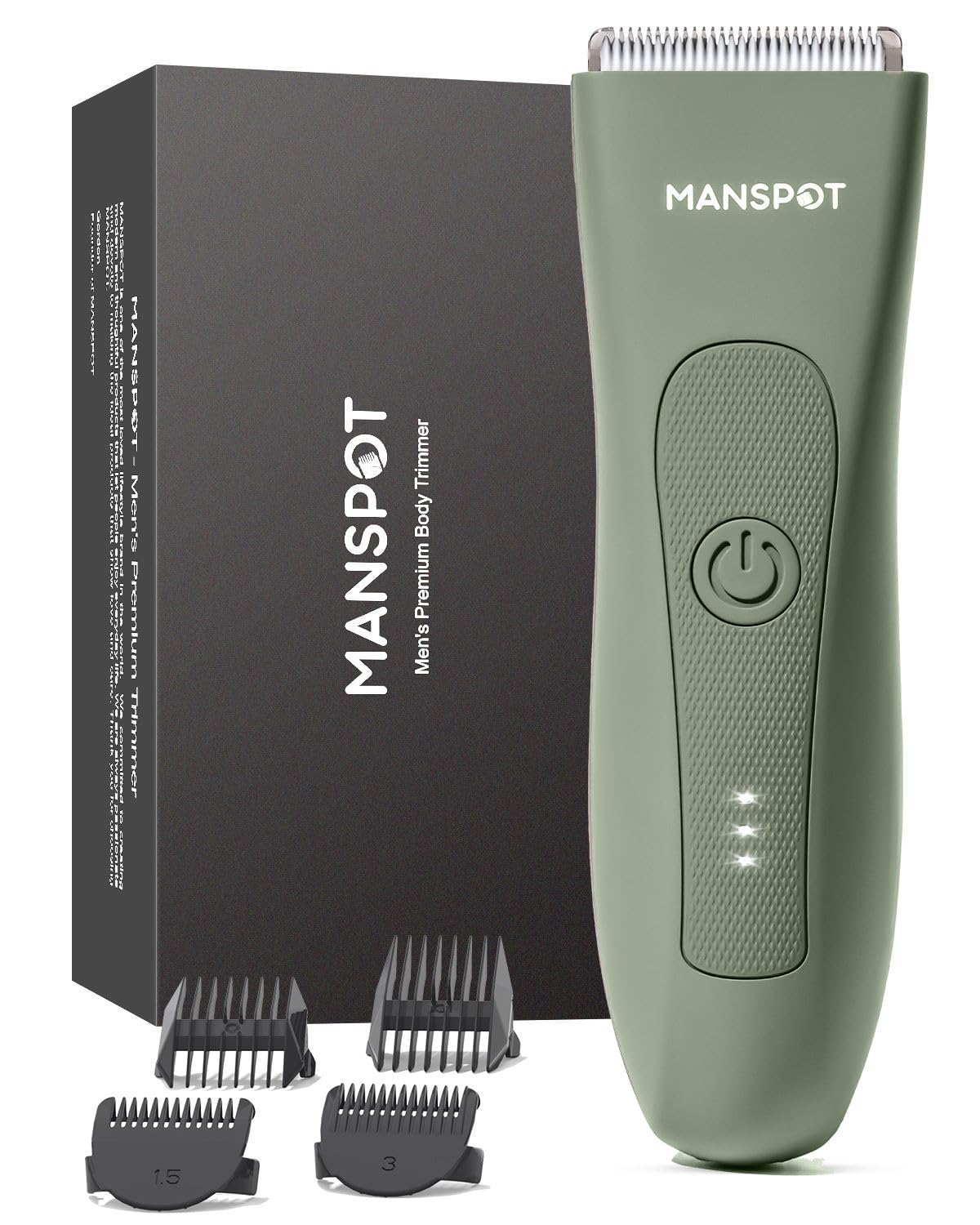
MANSPOT Electric Pubic Hair Trimmer - Waterproof Body and Groin Shaver for Men and Women (Black)
$20.39 $40
25% OFF

Lick-Safe Dog Paw and Nose Balm Stick - All-Natural Moisturizer with Coconut Oil for Dry, Cracked Pads and Snout
$11.69 $15.59
77% OFF
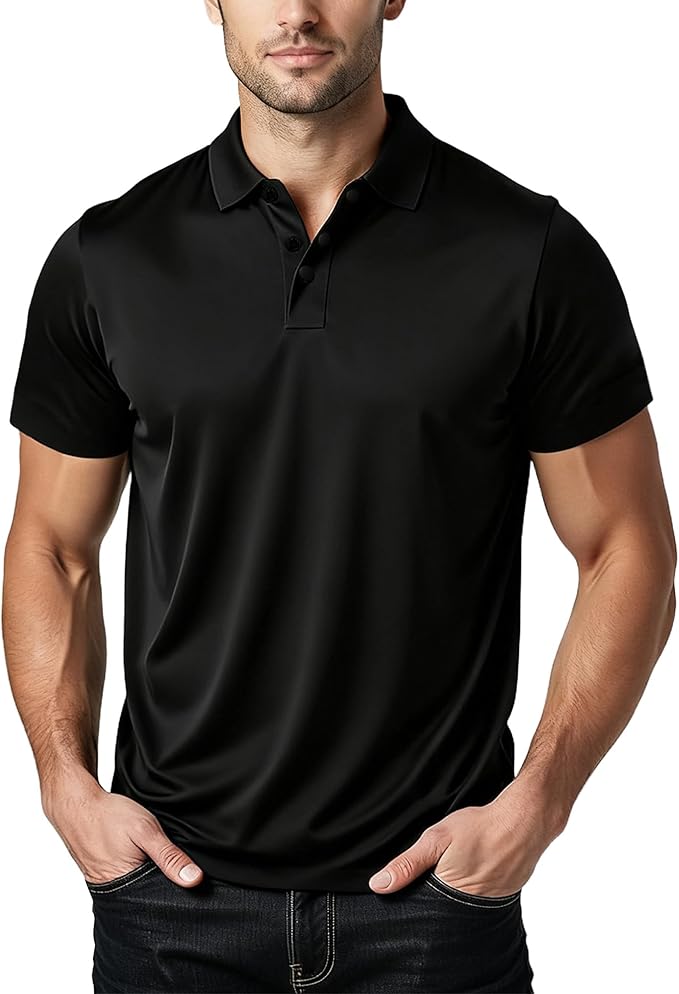
Men's Quick Dry Moisture Wicking Polo Shirt - High Elasticity Slim Fit Athletic Top (Runs Small)
$6.99 $29.99
46% OFF
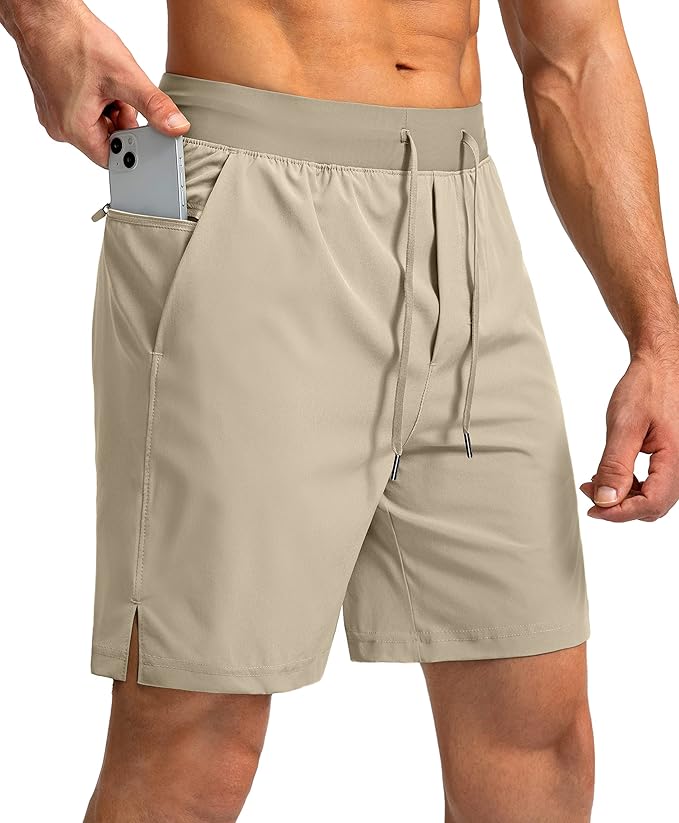
Men's Running Shorts with Zipper Pockets - Lightweight, Quick-Dry, Multi-Sport
$12.95 $23.99
50% OFF

NEWFAST NF-RE523 AC1200 WiFi Extender - 1200Mbps Dual Band Signal Booster & Internet Repeater
$18.5 $36.99
48% OFF
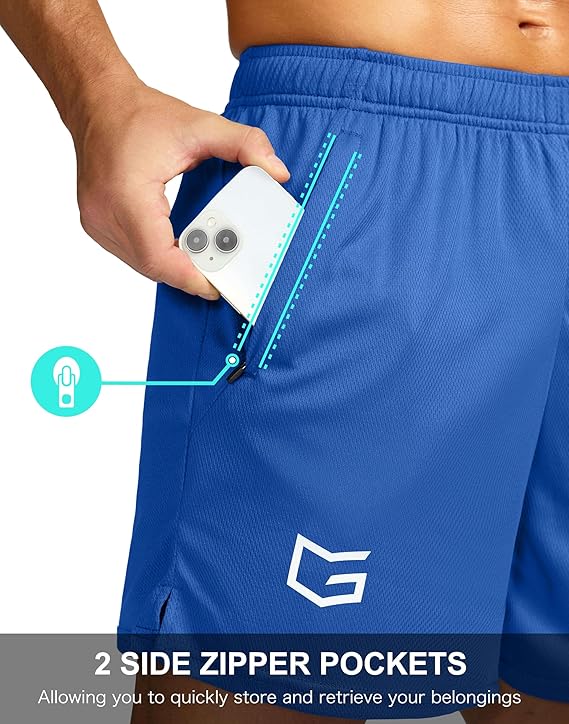
G Gradual Men's 7-inch Workout Running Shorts - Lightweight, Quick-Dry, Comfort
$12.91 $24.99
30% OFF
NOVETE Under Sink Water Filter - 3 Years, 30,000 Gallons, High-Efficiency Filtration
$41.99 $59.99
50% OFF

HDPE All-Weather Adirondack Chair with Built-In Cup Holder - Tool-Free Assembly (Grey)
$69.99 $139.99
60% OFF

HOMETUK Clear Plastic Storage Bins with Dividers - 3-Pack Stackable Acrylic Organizer Containers for Fridge and Pantry
$19.99 $49.99
58% OFF

G Gradual Men's Fishing Shirt - UPF 50+ Lightweight Short Sleeve Button Down with Zipper Pockets
$14.99 $35.99
55% OFF

Everyfun 60" Rectangular Platform Tree Swing - 700lbs Heavy Duty Adjustable Outdoor Swing (Colorful)
$49.99 $110.99
61% OFF

Ekouaer Women's Casual Loose Jumpsuit - One-Piece Printed Sleeveless Wide Leg Romper with Pockets
$14.99 $37.99
36% OFF

Men's Athletic Running Shorts with Zipper Pockets - Lightweight & Quick Dry
$12.74 $19.99
61% OFF

Modern Ceiling Fan with Light and Remote - Reversible Quiet DC Motor
$69.3 $179.99
50% OFF

MOOKA H13 True HEPA Air Purifier for Home Large Room - 1076 sq ft Odor Eliminator
$39.97 $79.95
40% OFF
X-Sense XS01-WX Smart Smoke Alarm - 2.4 GHz Wi-Fi Photoelectric Fire Detector with Mobile App Alerts
$65.99 $109.99
11% OFF

VitaUp Beet Root Gummies with CoQ10 & Grape Seed - Nitric Oxide Circulation Support (60 Count)
$24.91 $27.91

Sealy 2-Pack Tritech 16" Twin Inflatable Air Mattress with Built-in AC Pump
$0 $113.99
20% OFF

INTEX Prism Frame 20ft x 52in Above Ground Pool Set - Round Steel Frame Swimming Pool
$695.99 $869.99

Gardner Pet 43" Heavy Duty Dog Crate with Wheels - Indestructible Folding Metal Cage (Black)
$0 $149.99




-

Diary of a CEO’s Steven Bartlett and John Lennox discuss AI, faith and the search for meaning
-

Belfast churches 'heartbroken' over unrest
-

Is there a two-tier Britain?
-

Churches must disciple well and listen well in response to rise of Christian nationalism
-

Biblical models and the creation of King Arthur
-

Welsh reverend speaks of culture of fear over LGBT issues
Most Popular
News

Gloucester churches come together to bless River Avon amid pollution concerns
It is part of a broader campaign against river pollution as concerns remain about the amount of untreated sewage in the Avon.

Life beyond burnout: how Christians can grow in the desert seasons
Christian Today speaks to author and Anglican priest Tish Harrison Warren about growth in desert seasons and why the Church shouldn’t treat all spiritual weariness as a problem to fix.

Iranian-born bishop stands in solidarity with Britain's Jews
2025 had the second highest number of antisemitic incidents on record.

Bishops protest Israeli arrest of another Palestinian Christian
An Evangelical Lutheran has been accused of "promoting terrorist activities".
MANSPOT Electric Pubic Hair Trimmer - Waterproof Body and Groin Shaver for Men and Women (Black)
$20.39
Lick-Safe Dog Paw and Nose Balm Stick - All-Natural Moisturizer with Coconut Oil for Dry, Cracked Pads and Snout
$11.69
Men's Quick Dry Moisture Wicking Polo Shirt - High Elasticity Slim Fit Athletic Top (Runs Small)
$6.99
Men's Running Shorts with Zipper Pockets - Lightweight, Quick-Dry, Multi-Sport
$12.95
NEWFAST NF-RE523 AC1200 WiFi Extender - 1200Mbps Dual Band Signal Booster & Internet Repeater
$18.5
G Gradual Men's 7-inch Workout Running Shorts - Lightweight, Quick-Dry, Comfort
$12.91
NOVETE Under Sink Water Filter - 3 Years, 30,000 Gallons, High-Efficiency Filtration
$41.99
HDPE All-Weather Adirondack Chair with Built-In Cup Holder - Tool-Free Assembly (Grey)
$69.99
HOMETUK Clear Plastic Storage Bins with Dividers - 3-Pack Stackable Acrylic Organizer Containers for Fridge and Pantry
$19.99
G Gradual Men's Fishing Shirt - UPF 50+ Lightweight Short Sleeve Button Down with Zipper Pockets
$14.99
Everyfun 60" Rectangular Platform Tree Swing - 700lbs Heavy Duty Adjustable Outdoor Swing (Colorful)
$49.99
Ekouaer Women's Casual Loose Jumpsuit - One-Piece Printed Sleeveless Wide Leg Romper with Pockets
$14.99
Men's Athletic Running Shorts with Zipper Pockets - Lightweight & Quick Dry
$12.74
Modern Ceiling Fan with Light and Remote - Reversible Quiet DC Motor
$69.3
MOOKA H13 True HEPA Air Purifier for Home Large Room - 1076 sq ft Odor Eliminator
$39.97
X-Sense XS01-WX Smart Smoke Alarm - 2.4 GHz Wi-Fi Photoelectric Fire Detector with Mobile App Alerts
$65.99
VitaUp Beet Root Gummies with CoQ10 & Grape Seed - Nitric Oxide Circulation Support (60 Count)
$24.91
Sealy 2-Pack Tritech 16" Twin Inflatable Air Mattress with Built-in AC Pump
$0
INTEX Prism Frame 20ft x 52in Above Ground Pool Set - Round Steel Frame Swimming Pool
$695.99
Gardner Pet 43" Heavy Duty Dog Crate with Wheels - Indestructible Folding Metal Cage (Black)
$0