
Protests erupted in western Kenya and machete-wielding mobs faced off in the Rift Valley on Monday after scores died in ethnic violence, complicating mediation efforts by former U.N. boss Kofi Annan.
In the normally peaceful Rift Valley town of Nakuru, a mortuary worker said on Monday that 64 corpses were lying in the morgue, all victims of the past four days of ethnic fighting.
Gangs from rival communities have been fighting each other with machetes, clubs, and bows and arrows in Nakuru and nearby Naivasha, both famous for their lakes teeming with wildlife.
In the worst incident of the latest flare-up, eight people were burned to death locked inside one house in Naivasha.
The violence since Kenya's Dec. 27 election has now gathered a momentum of its own - linked to decades-old land disputes, wealth inequalities and past British colonial rule - and pushed the total death toll beyond 800 people.
"It's very dangerous now. There seems to be much more of an organising hand behind it on all sides," Britain's Africa minister Mark Malloch Brown told the BBC on a visit to Kenya.
"This country is hurting. Its economy is way down."
The number of 250,000 refugees, from one of Kenya's darkest episodes since independence in 1963, looked sure to swell as thousands more fled the chaos in Naivasha and Nakuru.
In the pro-opposition western town of Kisumu on Monday, police fired teargas and bullets in the air as several thousand people took to the streets to complain about the deaths of members of their Luo ethnic community in the Rift Valley.
"Almost the whole of Kisumu is up in smoke," said Eric Odhiambo, a motorcycle taxi-driver. "People are mad at killings of Luo in Naivasha yesterday ... But there are so many rioters."
Residents said two protesters were shot dead.
The dispute over President Mwai Kibaki's re-election - which the opposition says was rigged - has plunged Kenya into a spiral of violence, battering its image as an east African trade and tourism hub and one of the continent's more stable nations.
OLD RIVALRIES
While the initial focus of protests was the tallying of the presidential vote, which local and foreign observers said was flawed, rivalries over land, business and power dating back to the beginning of independence have now come to the fore.
Analysts say colonial Britain's divide-and-rule policies among different communities created wounds that have festered since, and have been routinely exploited by politicians to muster support at election time.
Attacks in the immediate aftermath of Kibaki's win were mainly against his Kikuyu tribe - the largest and richest in Kenya - but members of that group, including the outlawed Mungiki gang, have begun fighting back, Kenyans say.
In Naivasha, a 1,000-strong group of mainly Kikuyus brandishing axes, sticks, machetes and hammers faced off with several hundred Luos - some of whom were also armed - asking to be allowed to leave the town, a Reuters witness said.
Dozens of riot police kept the two groups apart as they faced off right outside the Lake Naivasha Country Club, near the town's famous lake, usually a popular tourist attraction.
"We want these Luos to go back home. They chased and killed our people. Now we want the same thing to happen to them," said Kikuyu protester Joseph Maina, holding a plank of wood.
Reuters verified 19 deaths in Naivasha on Sunday.
A correspondent in the town heard screams into the night. Some locals were burning piles of furniture on the street.
Echoing earlier scenes in the Rift Valley when Kikuyus were targeted, mobs stopped cars on the main highway and demanded passengers' identity cards. One man was beaten before being kicked under the wheels of a minibus as it sped to safety.
Negotiators led by Annan have told the rival camps of Kibaki, and opposition leader Raila Odinga, to select four representatives each and study a blueprint for further talks in the next 24 hours, an official involved in the mediation said.
Government officials and watchdog Human Rights Watch accuse opposition leaders of organising attacks against Kikuyus in the Rift. The opposition has retorted that criminal gangs have been dispatched against their supporters.
Police said 254 arrests had been made overnight.
Annan visited trouble-spots over the weekend and said the crisis in Kenya had gone well beyond an electoral dispute.
49% OFF
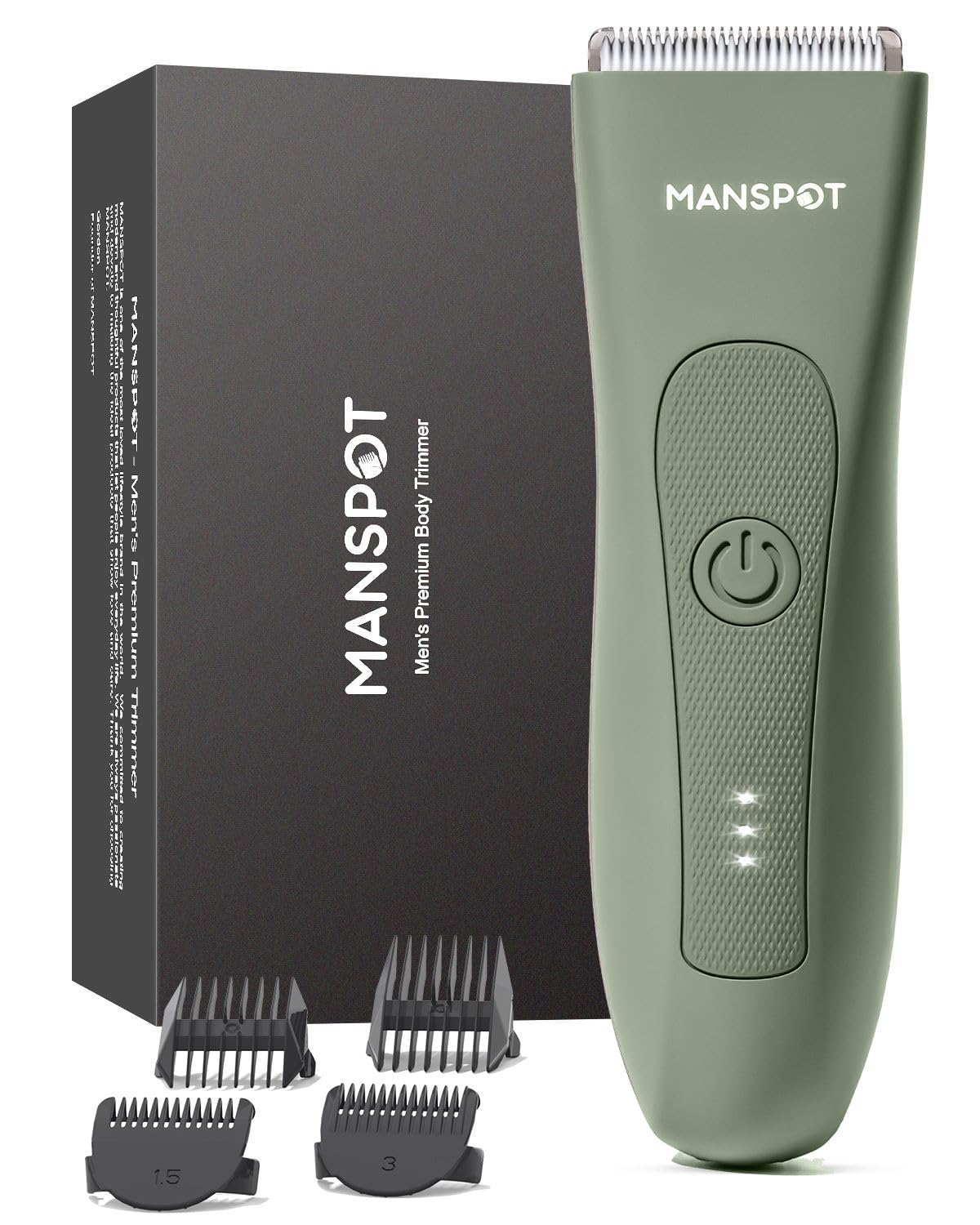
MANSPOT Electric Pubic Hair Trimmer - Waterproof Body and Groin Shaver for Men and Women (Black)
$20.39 $40
25% OFF

Lick-Safe Dog Paw and Nose Balm Stick - All-Natural Moisturizer with Coconut Oil for Dry, Cracked Pads and Snout
$11.69 $15.59
77% OFF
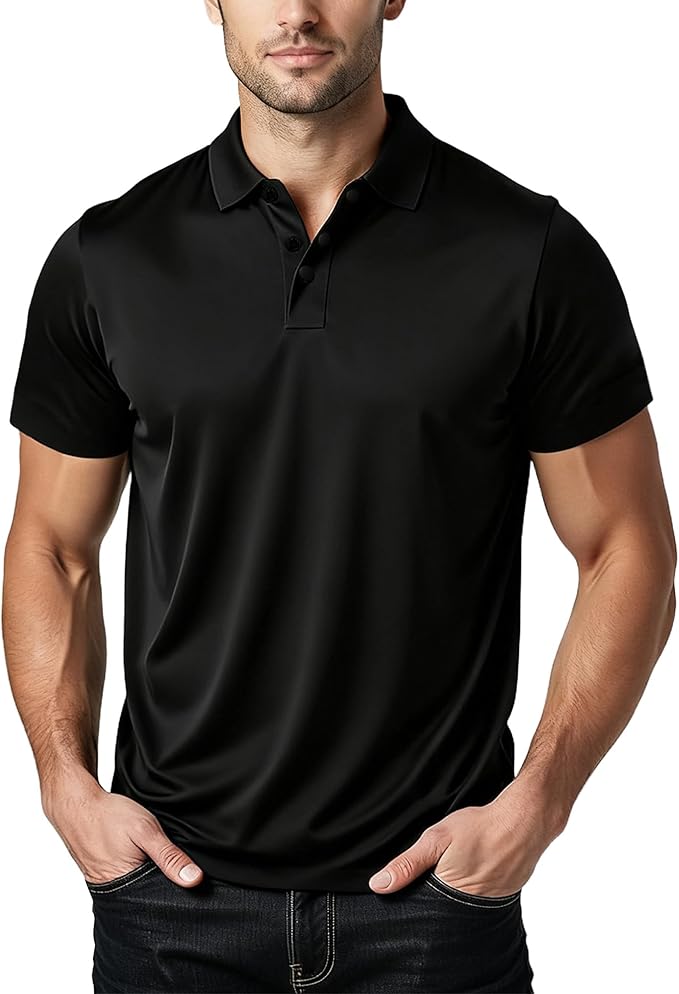
Men's Quick Dry Moisture Wicking Polo Shirt - High Elasticity Slim Fit Athletic Top (Runs Small)
$6.99 $29.99
46% OFF
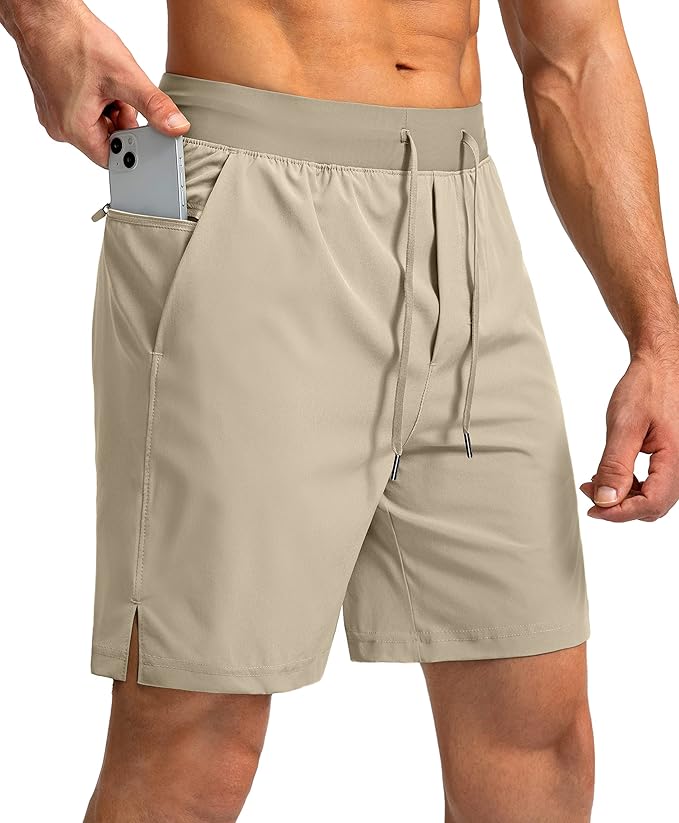
Men's Running Shorts with Zipper Pockets - Lightweight, Quick-Dry, Multi-Sport
$12.95 $23.99
50% OFF

NEWFAST NF-RE523 AC1200 WiFi Extender - 1200Mbps Dual Band Signal Booster & Internet Repeater
$18.5 $36.99
48% OFF

G Gradual Men's 7-inch Workout Running Shorts - Lightweight, Quick-Dry, Comfort
$12.91 $24.99
30% OFF
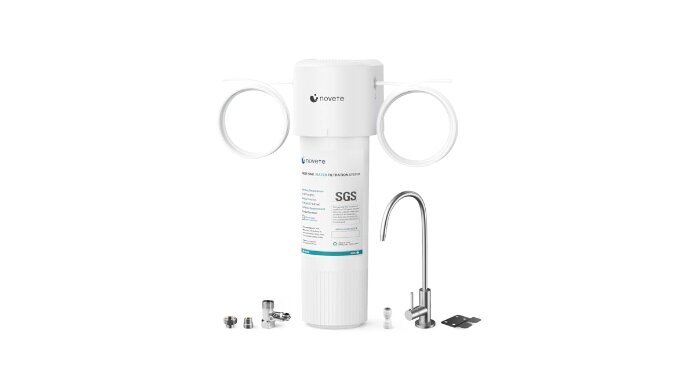
NOVETE Under Sink Water Filter - 3 Years, 30,000 Gallons, High-Efficiency Filtration
$41.99 $59.99
50% OFF

HDPE All-Weather Adirondack Chair with Built-In Cup Holder - Tool-Free Assembly (Grey)
$69.99 $139.99
60% OFF

HOMETUK Clear Plastic Storage Bins with Dividers - 3-Pack Stackable Acrylic Organizer Containers for Fridge and Pantry
$19.99 $49.99
58% OFF

G Gradual Men's Fishing Shirt - UPF 50+ Lightweight Short Sleeve Button Down with Zipper Pockets
$14.99 $35.99
55% OFF

Everyfun 60" Rectangular Platform Tree Swing - 700lbs Heavy Duty Adjustable Outdoor Swing (Colorful)
$49.99 $110.99
61% OFF

Ekouaer Women's Casual Loose Jumpsuit - One-Piece Printed Sleeveless Wide Leg Romper with Pockets
$14.99 $37.99
36% OFF

Men's Athletic Running Shorts with Zipper Pockets - Lightweight & Quick Dry
$12.74 $19.99
61% OFF

Modern Ceiling Fan with Light and Remote - Reversible Quiet DC Motor
$69.3 $179.99
50% OFF

MOOKA H13 True HEPA Air Purifier for Home Large Room - 1076 sq ft Odor Eliminator
$39.97 $79.95
40% OFF
X-Sense XS01-WX Smart Smoke Alarm - 2.4 GHz Wi-Fi Photoelectric Fire Detector with Mobile App Alerts
$65.99 $109.99
11% OFF

VitaUp Beet Root Gummies with CoQ10 & Grape Seed - Nitric Oxide Circulation Support (60 Count)
$24.91 $27.91

Sealy 2-Pack Tritech 16" Twin Inflatable Air Mattress with Built-in AC Pump
$0 $113.99
20% OFF

INTEX Prism Frame 20ft x 52in Above Ground Pool Set - Round Steel Frame Swimming Pool
$695.99 $869.99

Gardner Pet 43" Heavy Duty Dog Crate with Wheels - Indestructible Folding Metal Cage (Black)
$0 $149.99




-

Diary of a CEO’s Steven Bartlett and John Lennox discuss AI, faith and the search for meaning
-

Anti-Christian hate crimes across Europe surge in May as arson attacks reach 2026 high
-

Belfast churches 'heartbroken' over unrest
-

Is there a two-tier Britain?
-

Churches must disciple well and listen well in response to rise of Christian nationalism
-

Welsh reverend speaks of culture of fear over LGBT issues
Most Popular
News

Anti-Christian hate crimes across Europe surge in May as arson attacks reach 2026 high
Anti-Christian incidents across Europe rose sharply in May, with new figures showing the highest monthly number of arson-related attacks recorded so far this year.

Gloucester churches come together to bless River Avon amid pollution concerns
It is part of a broader campaign against river pollution as concerns remain about the amount of untreated sewage in the Avon.

Life beyond burnout: how Christians can grow in the desert seasons
Christian Today speaks to author and Anglican priest Tish Harrison Warren about growth in desert seasons and why the Church shouldn’t treat all spiritual weariness as a problem to fix.

Iranian-born bishop stands in solidarity with Britain's Jews
2025 had the second highest number of antisemitic incidents on record.
MANSPOT Electric Pubic Hair Trimmer - Waterproof Body and Groin Shaver for Men and Women (Black)
$20.39
Lick-Safe Dog Paw and Nose Balm Stick - All-Natural Moisturizer with Coconut Oil for Dry, Cracked Pads and Snout
$11.69
Men's Quick Dry Moisture Wicking Polo Shirt - High Elasticity Slim Fit Athletic Top (Runs Small)
$6.99
Men's Running Shorts with Zipper Pockets - Lightweight, Quick-Dry, Multi-Sport
$12.95
NEWFAST NF-RE523 AC1200 WiFi Extender - 1200Mbps Dual Band Signal Booster & Internet Repeater
$18.5
G Gradual Men's 7-inch Workout Running Shorts - Lightweight, Quick-Dry, Comfort
$12.91
NOVETE Under Sink Water Filter - 3 Years, 30,000 Gallons, High-Efficiency Filtration
$41.99
HDPE All-Weather Adirondack Chair with Built-In Cup Holder - Tool-Free Assembly (Grey)
$69.99
HOMETUK Clear Plastic Storage Bins with Dividers - 3-Pack Stackable Acrylic Organizer Containers for Fridge and Pantry
$19.99
G Gradual Men's Fishing Shirt - UPF 50+ Lightweight Short Sleeve Button Down with Zipper Pockets
$14.99
Everyfun 60" Rectangular Platform Tree Swing - 700lbs Heavy Duty Adjustable Outdoor Swing (Colorful)
$49.99
Ekouaer Women's Casual Loose Jumpsuit - One-Piece Printed Sleeveless Wide Leg Romper with Pockets
$14.99
Men's Athletic Running Shorts with Zipper Pockets - Lightweight & Quick Dry
$12.74
Modern Ceiling Fan with Light and Remote - Reversible Quiet DC Motor
$69.3
MOOKA H13 True HEPA Air Purifier for Home Large Room - 1076 sq ft Odor Eliminator
$39.97
X-Sense XS01-WX Smart Smoke Alarm - 2.4 GHz Wi-Fi Photoelectric Fire Detector with Mobile App Alerts
$65.99
VitaUp Beet Root Gummies with CoQ10 & Grape Seed - Nitric Oxide Circulation Support (60 Count)
$24.91
Sealy 2-Pack Tritech 16" Twin Inflatable Air Mattress with Built-in AC Pump
$0
INTEX Prism Frame 20ft x 52in Above Ground Pool Set - Round Steel Frame Swimming Pool
$695.99
Gardner Pet 43" Heavy Duty Dog Crate with Wheels - Indestructible Folding Metal Cage (Black)
$0