
|PIC1|President Mwai Kibaki's government accused rival Raila Odinga's backers on Wednesday of responsibility for an explosion of tribal violence over a disputed presidential poll that has plunged Kenya into turmoil.
"Supporters of Raila Odinga are involved in ethnic cleansing," said spokesman Alfred Mutua as the death toll from four days of clashes rose to about 250. "We don't want this to tarnish Odinga, to be seen to be conducting ethnic cleansing."
Odinga's supporters, drawn mainly from his Luo tribe, have made similar charges against Kibaki, whose Kikuyu have dominated political and business life in East Africa's biggest economy.
Western powers have called for calm and Britain has urged the African Union and Commonwealth to try to reconcile Kibaki and Odinga whose parties accuse the other of vote-rigging during the December 27 election.
|PIC2|"There are independent reports of serious irregularities in the counting process," said Foreign Minister David Miliband and U.S. Secretary of State Condoleezza Rice in a joint statement. They called for an end to violence and "an intensive political and legal process" to end the crisis.
As young men armed with machetes manned roadblocks in rural areas, a trickle of office workers in the capital Nairobi made it through police cordons to begin the new working year.
"They call this democracy," said a central bank worker, delayed by police as he tried to get to work.
"They should stop instilling fear in us and let us go back to our work," he said, asking not to be named.
The turmoil caused delays and confusion in local markets.
Currency trading was postponed for several hours, stocks opened a few minutes late, and both tea and coffee auctions were being postponed. "If some normality comes back, we will resuscitate the business," a tea broker told Reuters.
On Tuesday, about 30 Kikuyus died when a mob set fire to a church where they had taken sanctuary in the western town of Eldoret -- reviving memories of the slaughter in churches of hundreds of thousands in Rwanda's 1994 genocide.
The Eldoret attack was one the worst episodes of violence that has uprooted nearly 100,000 Kenyans, many of them fleeing across the border to Uganda. It sparked reprisal attacks.
Adding to the chaos, Kenya's electoral commission head Samuel Kivuitu was quoted as saying: "I do not know whether Kibaki won the election." The comment by Kivuitu, who pronounced Kibaki the victor on Sunday, could not be immediately verified.
Western powers have warned their citizens against visiting a popular tourist destination that was regarded as one of the most stable democracies on a volatile continent.
African Union chairman John Kufuor was due in Kenya on Wednesday to try and start mediation, while British Prime Minister Gordon Brown was on the phone to both sides.
"MADNESS"
Pictures of the Eldoret area from air showed plumes of white smoke billowing blazing homesteads. Youths with machetes, rocks and bows and arrows could be seen manning crude checkpoints.
There was early calm in Nairobi slums on Wednesday but residents said Mungiki, a gang with roots in traditional Kikuyu rites, dropped leaflets warning of reprisals against Luos.
In Naivasha town in Kenya's Rift Valley, scores of people were injured in revenge attacks for the church killings, and about 300 terrified locals spent the night camped at a police station and prison for safety.
"We had to seek refuge in the only safe place we know," said Agnes Alouch, in the prison hall.
Kibaki was sworn in on Sunday after official election results showed he had narrowly beaten Odinga. The EU's observer mission said the poll had "fallen short of key international and regional standards for democratic elections".
The United States first congratulated Kibaki, then switched to expressing "concerns about irregularities".
In remarks in the Standard newspaper, Kivuitu said he was pressured by Odinga and Kibaki's party colleagues to announce the poll results immediately. Four members of Kivuitu's team have said they would call for a judicial review.
"I will continue to demand that the fraudulently announced presidential results be rescinded," Raila repeated on Tuesday.
"Until they are, Kenyans will continue to exercise their constitutionally-protected right to stage peaceful protests to rectify this crime."
49% OFF
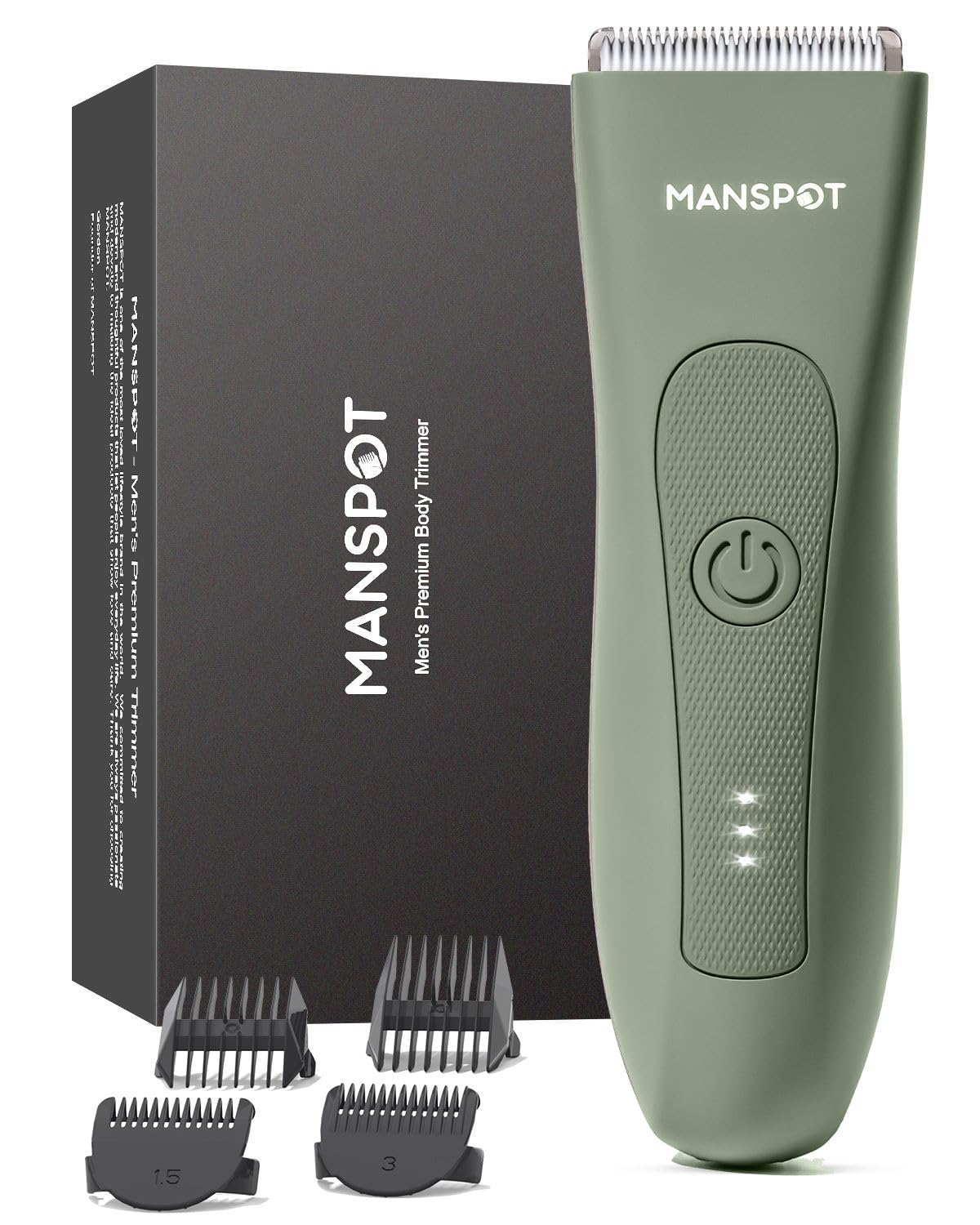
MANSPOT Electric Pubic Hair Trimmer - Waterproof Body and Groin Shaver for Men and Women (Black)
$20.39 $40
25% OFF

Lick-Safe Dog Paw and Nose Balm Stick - All-Natural Moisturizer with Coconut Oil for Dry, Cracked Pads and Snout
$11.69 $15.59
77% OFF
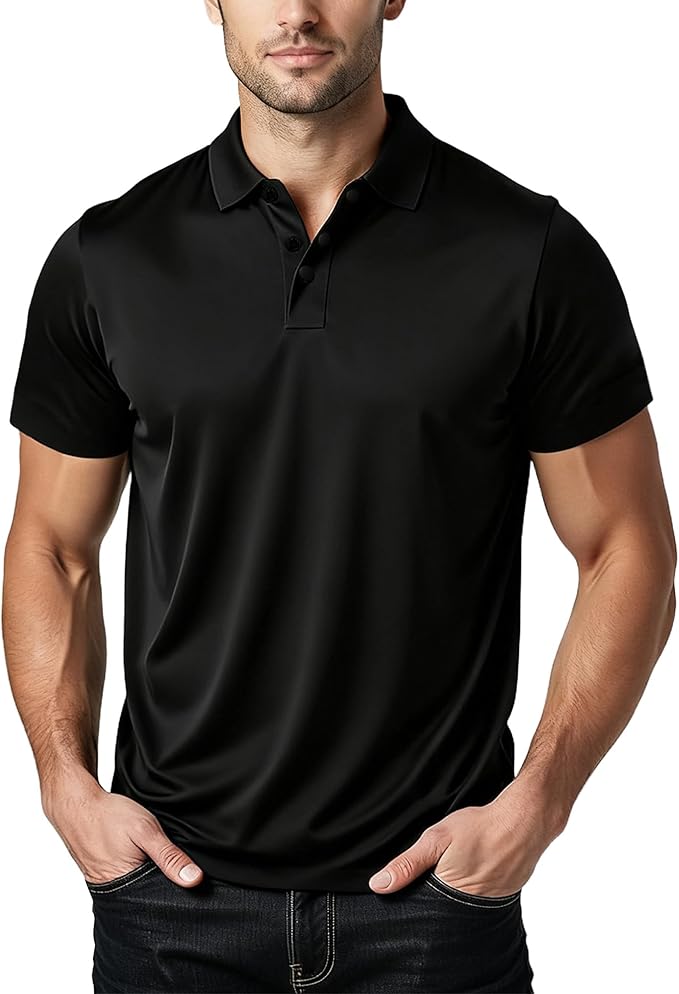
Men's Quick Dry Moisture Wicking Polo Shirt - High Elasticity Slim Fit Athletic Top (Runs Small)
$6.99 $29.99
46% OFF
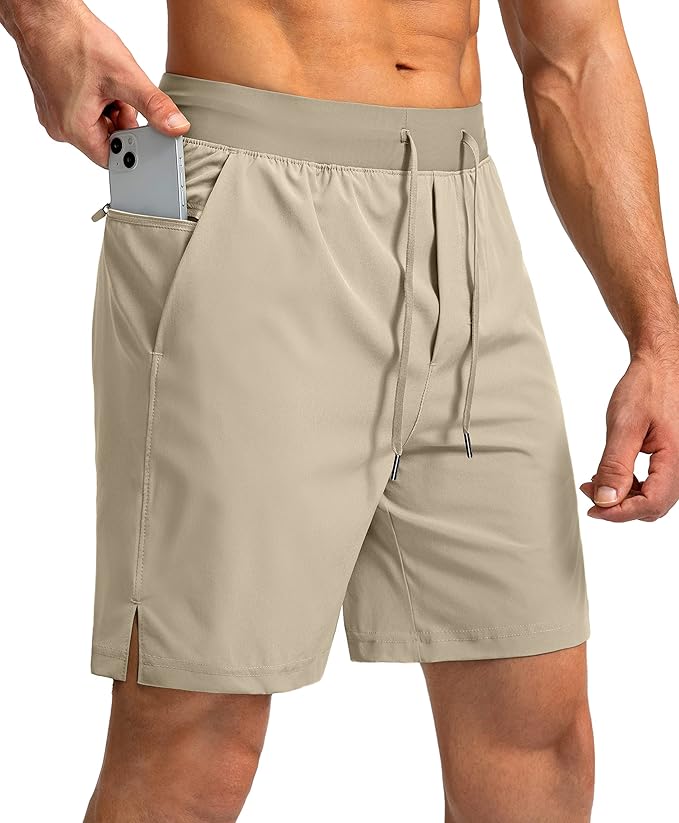
Men's Running Shorts with Zipper Pockets - Lightweight, Quick-Dry, Multi-Sport
$12.95 $23.99
50% OFF

NEWFAST NF-RE523 AC1200 WiFi Extender - 1200Mbps Dual Band Signal Booster & Internet Repeater
$18.5 $36.99
48% OFF
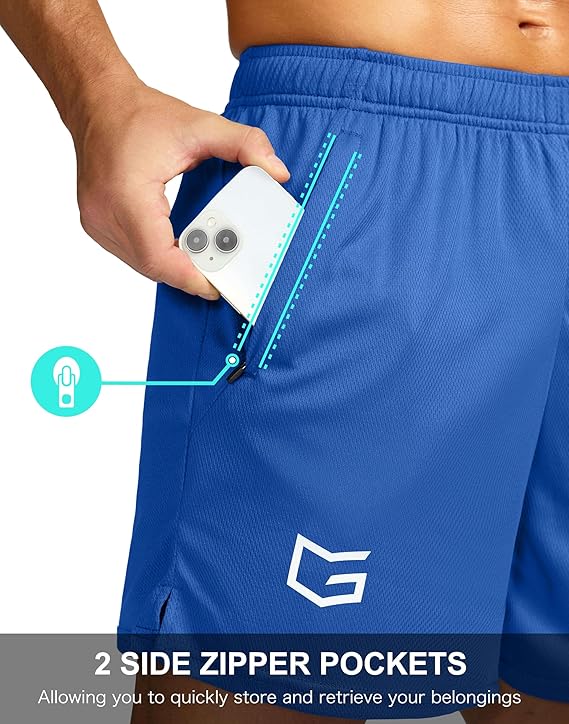
G Gradual Men's 7-inch Workout Running Shorts - Lightweight, Quick-Dry, Comfort
$12.91 $24.99
30% OFF
NOVETE Under Sink Water Filter - 3 Years, 30,000 Gallons, High-Efficiency Filtration
$41.99 $59.99
50% OFF

HDPE All-Weather Adirondack Chair with Built-In Cup Holder - Tool-Free Assembly (Grey)
$69.99 $139.99
60% OFF

HOMETUK Clear Plastic Storage Bins with Dividers - 3-Pack Stackable Acrylic Organizer Containers for Fridge and Pantry
$19.99 $49.99
58% OFF

G Gradual Men's Fishing Shirt - UPF 50+ Lightweight Short Sleeve Button Down with Zipper Pockets
$14.99 $35.99
55% OFF

Everyfun 60" Rectangular Platform Tree Swing - 700lbs Heavy Duty Adjustable Outdoor Swing (Colorful)
$49.99 $110.99
61% OFF

Ekouaer Women's Casual Loose Jumpsuit - One-Piece Printed Sleeveless Wide Leg Romper with Pockets
$14.99 $37.99
36% OFF

Men's Athletic Running Shorts with Zipper Pockets - Lightweight & Quick Dry
$12.74 $19.99
61% OFF

Modern Ceiling Fan with Light and Remote - Reversible Quiet DC Motor
$69.3 $179.99
50% OFF

MOOKA H13 True HEPA Air Purifier for Home Large Room - 1076 sq ft Odor Eliminator
$39.97 $79.95
40% OFF
X-Sense XS01-WX Smart Smoke Alarm - 2.4 GHz Wi-Fi Photoelectric Fire Detector with Mobile App Alerts
$65.99 $109.99
11% OFF

VitaUp Beet Root Gummies with CoQ10 & Grape Seed - Nitric Oxide Circulation Support (60 Count)
$24.91 $27.91

Sealy 2-Pack Tritech 16" Twin Inflatable Air Mattress with Built-in AC Pump
$0 $113.99
20% OFF

INTEX Prism Frame 20ft x 52in Above Ground Pool Set - Round Steel Frame Swimming Pool
$695.99 $869.99

Gardner Pet 43" Heavy Duty Dog Crate with Wheels - Indestructible Folding Metal Cage (Black)
$0 $149.99




-

Diary of a CEO’s Steven Bartlett and John Lennox discuss AI, faith and the search for meaning
-

Anti-Christian hate crimes across Europe surge in May as arson attacks reach 2026 high
-

Belfast churches 'heartbroken' over unrest
-

Is there a two-tier Britain?
-

Churches must disciple well and listen well in response to rise of Christian nationalism
-

Welsh reverend speaks of culture of fear over LGBT issues
Most Popular
News

Anti-Christian hate crimes across Europe surge in May as arson attacks reach 2026 high
Anti-Christian incidents across Europe rose sharply in May, with new figures showing the highest monthly number of arson-related attacks recorded so far this year.

Gloucester churches come together to bless River Avon amid pollution concerns
It is part of a broader campaign against river pollution as concerns remain about the amount of untreated sewage in the Avon.

Life beyond burnout: how Christians can grow in the desert seasons
Christian Today speaks to author and Anglican priest Tish Harrison Warren about growth in desert seasons and why the Church shouldn’t treat all spiritual weariness as a problem to fix.

Iranian-born bishop stands in solidarity with Britain's Jews
2025 had the second highest number of antisemitic incidents on record.
MANSPOT Electric Pubic Hair Trimmer - Waterproof Body and Groin Shaver for Men and Women (Black)
$20.39
Lick-Safe Dog Paw and Nose Balm Stick - All-Natural Moisturizer with Coconut Oil for Dry, Cracked Pads and Snout
$11.69
Men's Quick Dry Moisture Wicking Polo Shirt - High Elasticity Slim Fit Athletic Top (Runs Small)
$6.99
Men's Running Shorts with Zipper Pockets - Lightweight, Quick-Dry, Multi-Sport
$12.95
NEWFAST NF-RE523 AC1200 WiFi Extender - 1200Mbps Dual Band Signal Booster & Internet Repeater
$18.5
G Gradual Men's 7-inch Workout Running Shorts - Lightweight, Quick-Dry, Comfort
$12.91
NOVETE Under Sink Water Filter - 3 Years, 30,000 Gallons, High-Efficiency Filtration
$41.99
HDPE All-Weather Adirondack Chair with Built-In Cup Holder - Tool-Free Assembly (Grey)
$69.99
HOMETUK Clear Plastic Storage Bins with Dividers - 3-Pack Stackable Acrylic Organizer Containers for Fridge and Pantry
$19.99
G Gradual Men's Fishing Shirt - UPF 50+ Lightweight Short Sleeve Button Down with Zipper Pockets
$14.99
Everyfun 60" Rectangular Platform Tree Swing - 700lbs Heavy Duty Adjustable Outdoor Swing (Colorful)
$49.99
Ekouaer Women's Casual Loose Jumpsuit - One-Piece Printed Sleeveless Wide Leg Romper with Pockets
$14.99
Men's Athletic Running Shorts with Zipper Pockets - Lightweight & Quick Dry
$12.74
Modern Ceiling Fan with Light and Remote - Reversible Quiet DC Motor
$69.3
MOOKA H13 True HEPA Air Purifier for Home Large Room - 1076 sq ft Odor Eliminator
$39.97
X-Sense XS01-WX Smart Smoke Alarm - 2.4 GHz Wi-Fi Photoelectric Fire Detector with Mobile App Alerts
$65.99
VitaUp Beet Root Gummies with CoQ10 & Grape Seed - Nitric Oxide Circulation Support (60 Count)
$24.91
Sealy 2-Pack Tritech 16" Twin Inflatable Air Mattress with Built-in AC Pump
$0
INTEX Prism Frame 20ft x 52in Above Ground Pool Set - Round Steel Frame Swimming Pool
$695.99
Gardner Pet 43" Heavy Duty Dog Crate with Wheels - Indestructible Folding Metal Cage (Black)
$0