
Ten years after a disastrous visit to Japan by China's top leader dominated by their bitter wartime past, Beijing and Tokyo are keen to avoid a rerun that would risk damage to the deep economic ties between the Asian rivals.
Chinese President Hu Jintao will retrace some of predecessor Jiang Zemin's steps while in Japan, dining at the Imperial Palace and speaking to students at Tokyo's Waseda University a day after his Wednesday summit with Japanese Prime Minister Yasuo Fukuda.
But few expect the sort of pointed lectures on Japan's 1931-1945 invasion and occupation of China that Jiang delivered at a state banquet hosted by Emperor Akihito, in his own speech at Waseda and during his only news conference in Tokyo.
The two countries "have gone through a very difficult 10 years and have realised that abusing history for short-term diplomatic and political gains has its costs," said Andrew Horvat, a professor at Tokyo Keizai University. "I think they have learned that."
Arriving in Japan not long after Tokyo had apologised to South Korea for its often-brutal 1910-1945 colonisation of the peninsula, Jiang had sought a written apology for China.
When it became clear none was in store, whether because Jiang refused to promise to let bygones be bygones or because hardline Japanese politicians dug in their heels, or both, the Chinese leader delivered a series of harsh rebukes over Japan's past.
By one account, Japanese present "visibly paled" when Jiang lectured on the wartime past in front of the emperor, a scene one Japanese official recalled left him with a "sense of bitterness".
Many Chinese, for their part, were angry and offended by Tokyo's refusal to offer more than a verbal apology.
INTERTWINED ECONOMIES
Despite efforts by both sides to repair the damage, relations chilled again between 2001-2006, when Japanese Prime Minister Junichiro Koizumi made yearly visits to Yasukuni Shrine for war dead, seen in Beijing as a symbol of Japan's past militarism.
In a sign that episode still rankles, Japanese media reported that Koizumi would not attend either a state dinner for Hu or his breakfast meeting with former Japanese prime ministers.
Some 18 months after Koizumi's successor, Shinzo Abe, initiated a thaw with an "ice-breaking" visit to Beijing, both sides now have many reasons to try to ensure Hu's visit goes smoothly.
"If you see the current situation of relations between the two countries, I don't think that the history issue is one we have to tackle now," a Japanese foreign ministry official said.
China overtook the United States as Japan's biggest export market in 2007 and Japanese foreign direct investment to China stood at $6.2 billion last year after hitting a peak of $6.6 billion in 2005.
Under fire internationally over its human rights record in Tibet and elsewhere ahead of the August Olympics, Beijing is keen for Fukuda's support for the Games.
Fukuda, dogged by doubts about his ability to cope with a divided parliament and a combative opposition, needs a diplomatic success to try to halt a slide in his support rates, which the Mainichi newspaper said on Saturday had slumped to 18 percent.
FLASHPOINTS
Still, potential flash points remain for Hu's visit, his first abroad since anti-Chinese unrest erupted in Tibet in March.
Japanese nationalists have seized on the issue of human rights in Tibet to criticise China and rightwing activists could well take part in protests by pro-Tibet groups during Hu's visit.
"China is very keen to keep Tibet off the agenda and Japan is under pressure (to bring it up)," said Phil Deans, a professor of international affairs at Temple University's Japan campus. "It's a question of how anodyne they can make their statements."
Patriotic sentiment in China has been inflamed by Tibetan unrest and Western criticism, while Japanese anxiety about rival China's rise has been stirred by a row over pesticide-tainted dumplings and Chinese fervour during the Olympic torch relay, one reason Hu will try to show a friendlier face during his stay.
Failure to resolve a feud over energy resources in the East China Sea could incline Japanese media to dismiss the summit as a performance lacking substance, one Japanese diplomatic expert said, but prospects of a breakthrough appear dim.
"Is the visit going to be hunky-dory?" said Horvat.
"You can't put money on it, but you can assume they have learned from past mistakes."
49% OFF
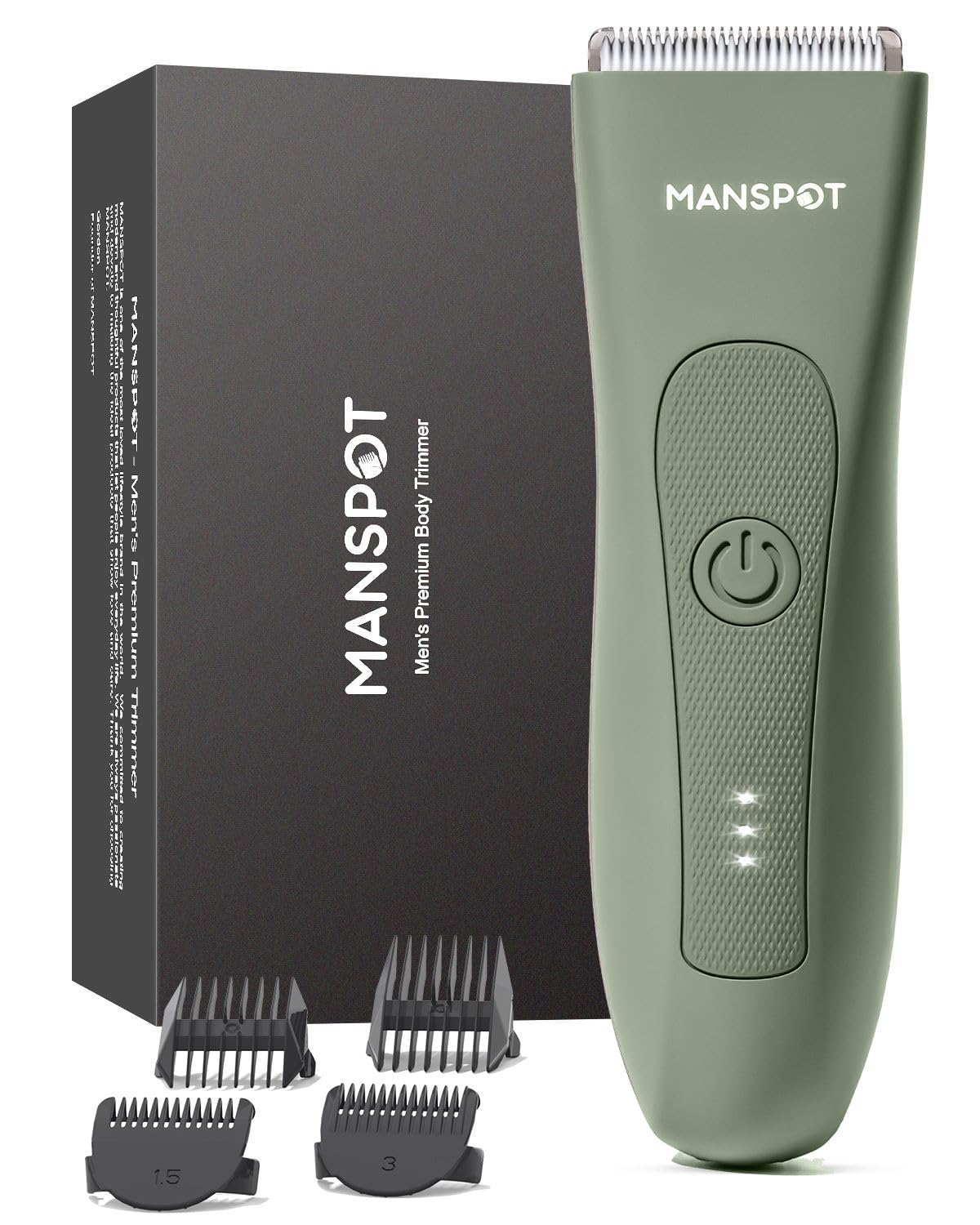
MANSPOT Electric Pubic Hair Trimmer - Waterproof Body and Groin Shaver for Men and Women (Black)
$20.39 $40
25% OFF
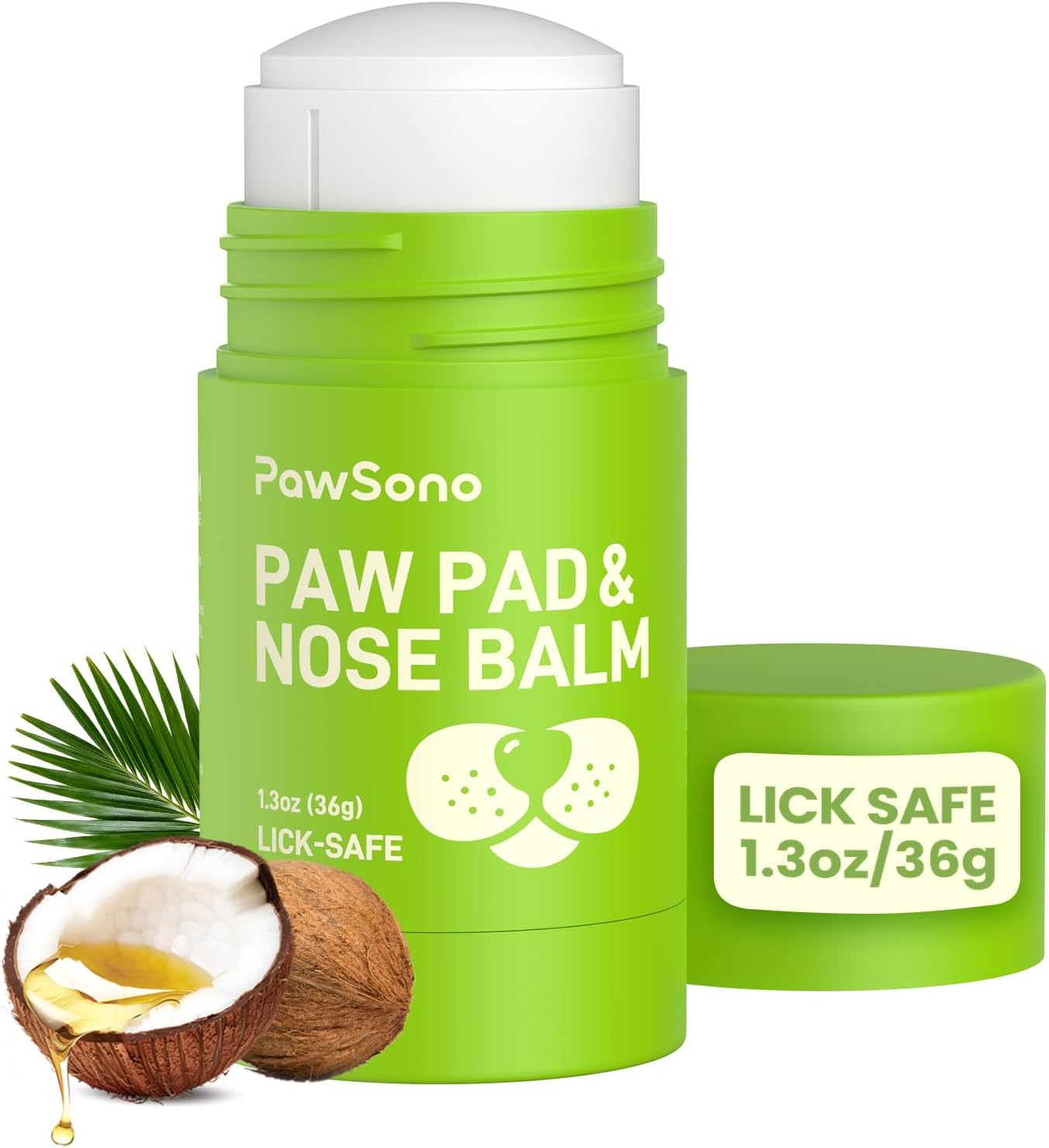
Lick-Safe Dog Paw and Nose Balm Stick - All-Natural Moisturizer with Coconut Oil for Dry, Cracked Pads and Snout
$11.69 $15.59
77% OFF
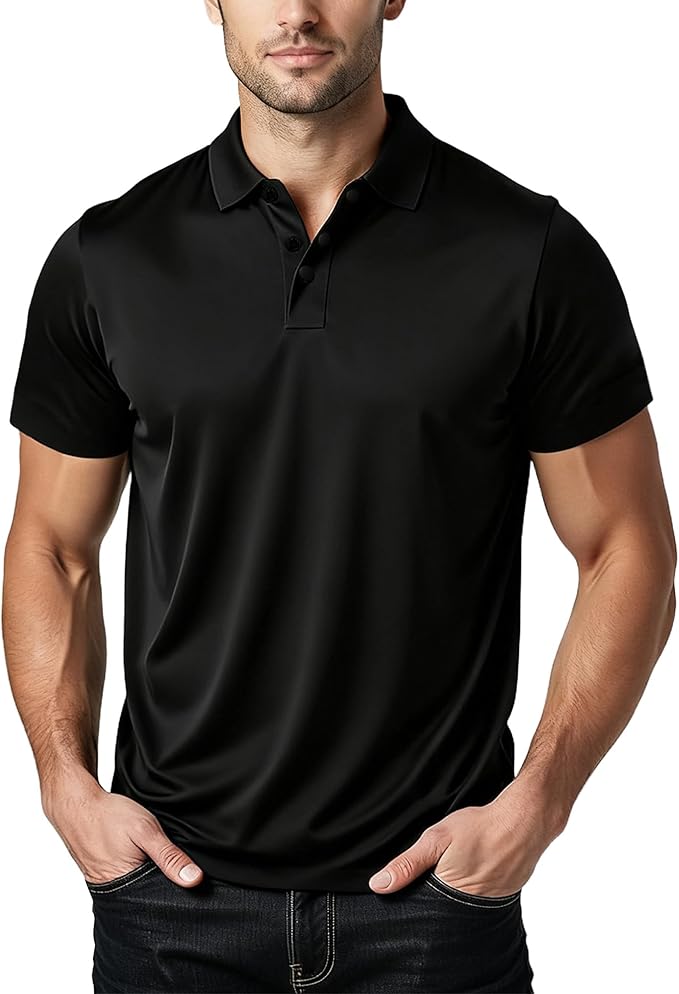
Men's Quick Dry Moisture Wicking Polo Shirt - High Elasticity Slim Fit Athletic Top (Runs Small)
$6.99 $29.99
46% OFF
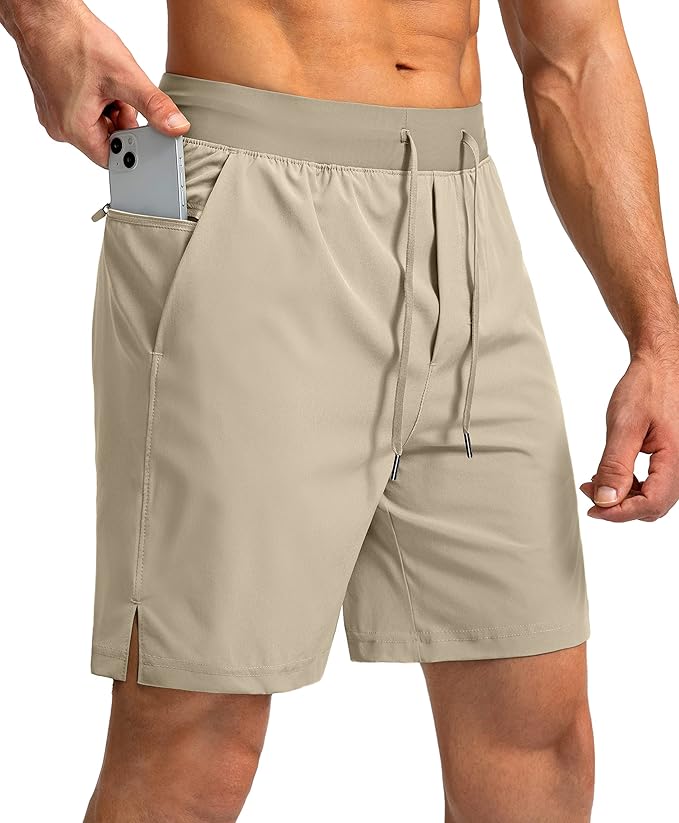
Men's Running Shorts with Zipper Pockets - Lightweight, Quick-Dry, Multi-Sport
$12.95 $23.99
50% OFF
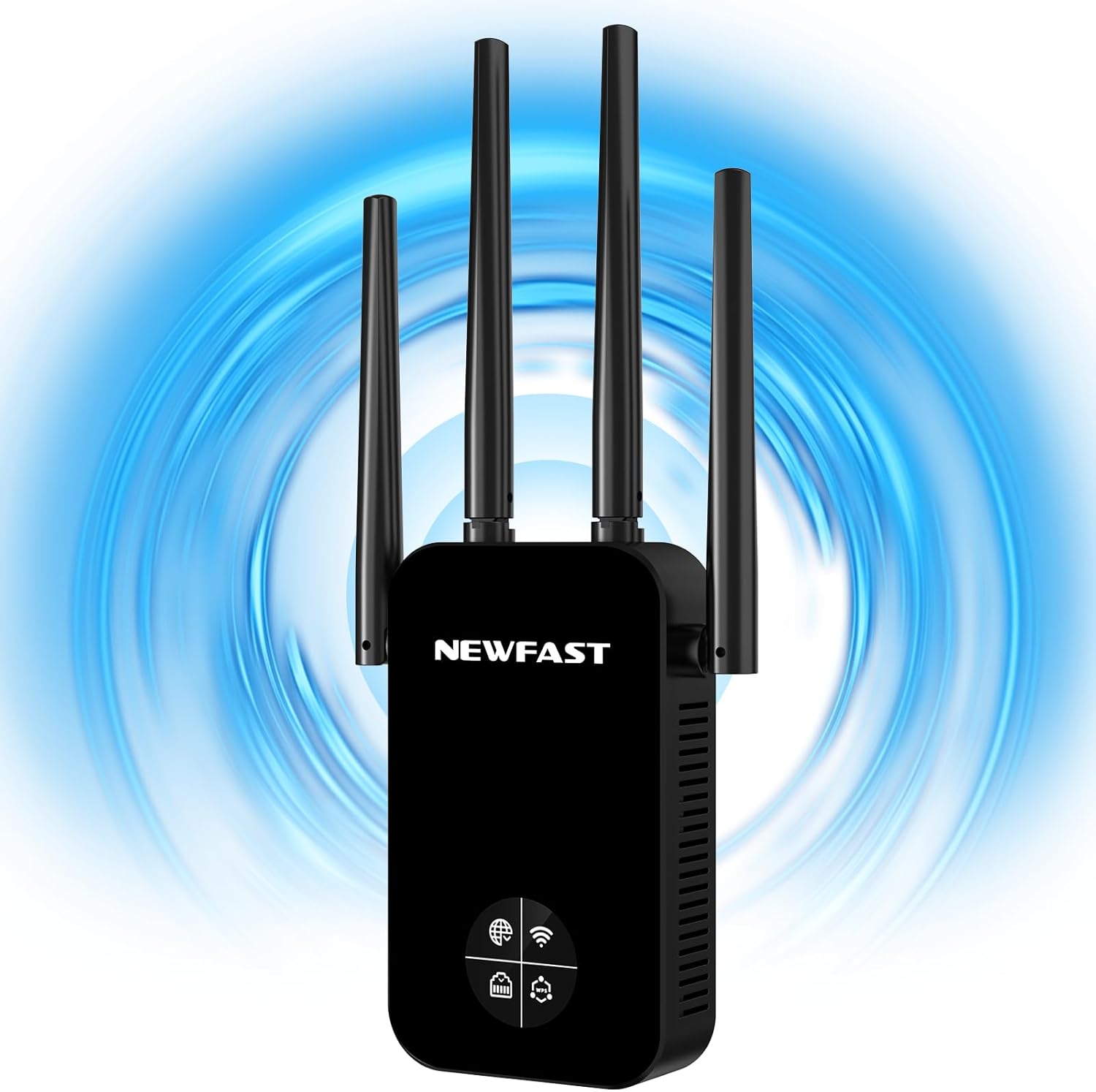
NEWFAST NF-RE523 AC1200 WiFi Extender - 1200Mbps Dual Band Signal Booster & Internet Repeater
$18.5 $36.99
48% OFF
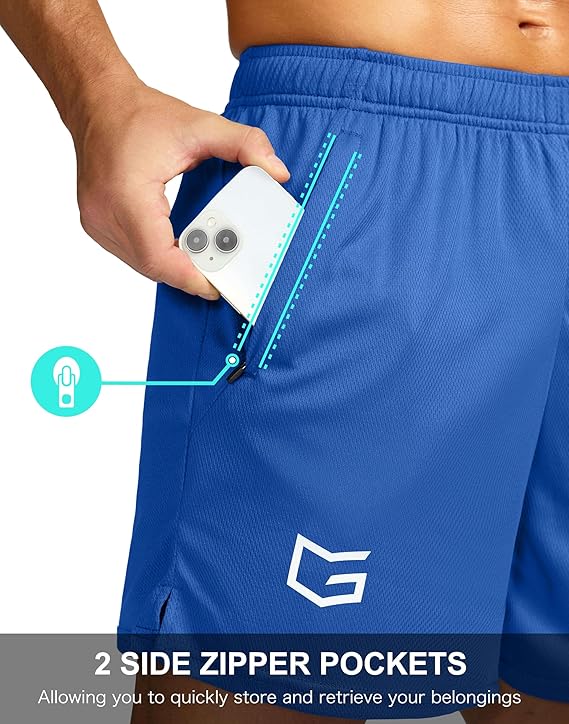
G Gradual Men's 7-inch Workout Running Shorts - Lightweight, Quick-Dry, Comfort
$12.91 $24.99
30% OFF
NOVETE Under Sink Water Filter - 3 Years, 30,000 Gallons, High-Efficiency Filtration
$41.99 $59.99
50% OFF

HDPE All-Weather Adirondack Chair with Built-In Cup Holder - Tool-Free Assembly (Grey)
$69.99 $139.99
60% OFF

HOMETUK Clear Plastic Storage Bins with Dividers - 3-Pack Stackable Acrylic Organizer Containers for Fridge and Pantry
$19.99 $49.99
58% OFF

G Gradual Men's Fishing Shirt - UPF 50+ Lightweight Short Sleeve Button Down with Zipper Pockets
$14.99 $35.99
55% OFF

Everyfun 60" Rectangular Platform Tree Swing - 700lbs Heavy Duty Adjustable Outdoor Swing (Colorful)
$49.99 $110.99
61% OFF

Ekouaer Women's Casual Loose Jumpsuit - One-Piece Printed Sleeveless Wide Leg Romper with Pockets
$14.99 $37.99
36% OFF

Men's Athletic Running Shorts with Zipper Pockets - Lightweight & Quick Dry
$12.74 $19.99
61% OFF

Modern Ceiling Fan with Light and Remote - Reversible Quiet DC Motor
$69.3 $179.99
50% OFF

MOOKA H13 True HEPA Air Purifier for Home Large Room - 1076 sq ft Odor Eliminator
$39.97 $79.95
40% OFF
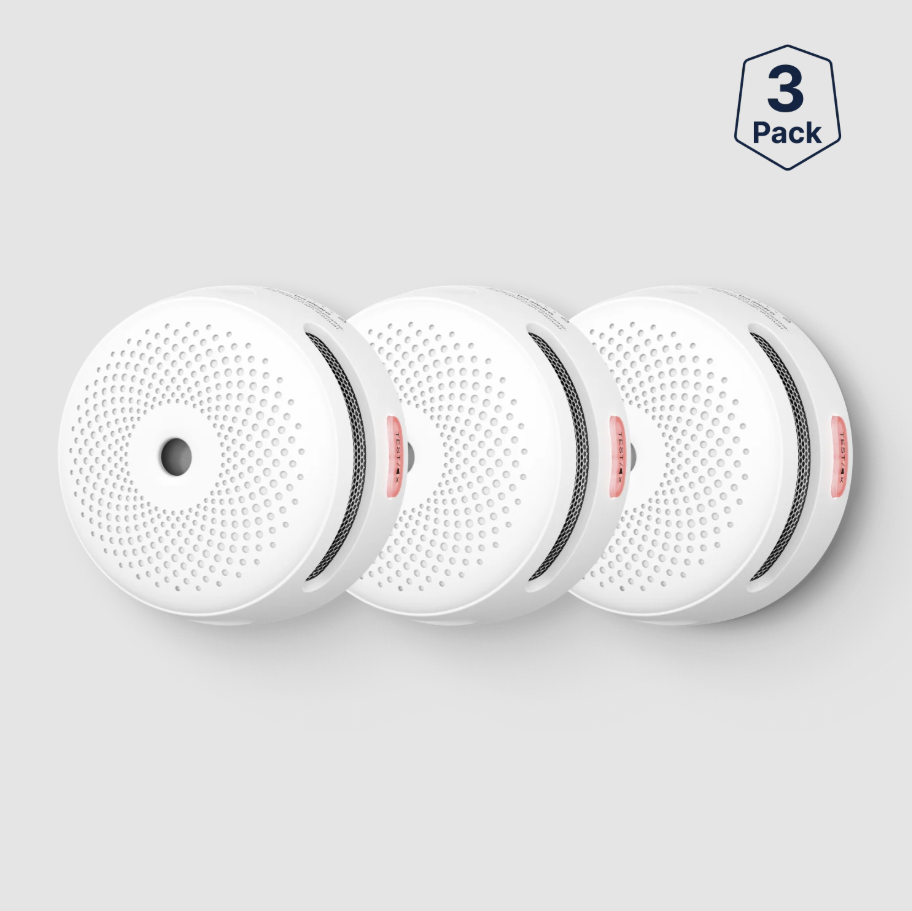
X-Sense XS01-WX Smart Smoke Alarm - 2.4 GHz Wi-Fi Photoelectric Fire Detector with Mobile App Alerts
$65.99 $109.99
11% OFF

VitaUp Beet Root Gummies with CoQ10 & Grape Seed - Nitric Oxide Circulation Support (60 Count)
$24.91 $27.91
Sealy 2-Pack Tritech 16" Twin Inflatable Air Mattress with Built-in AC Pump
$0 $113.99
20% OFF

INTEX Prism Frame 20ft x 52in Above Ground Pool Set - Round Steel Frame Swimming Pool
$695.99 $869.99

Gardner Pet 43" Heavy Duty Dog Crate with Wheels - Indestructible Folding Metal Cage (Black)
$0 $149.99




-

Diary of a CEO’s Steven Bartlett and John Lennox discuss AI, faith and the search for meaning
-

Belfast churches 'heartbroken' over unrest
-

Is there a two-tier Britain?
-

Churches must disciple well and listen well in response to rise of Christian nationalism
-

Biblical models and the creation of King Arthur
-

Welsh reverend speaks of culture of fear over LGBT issues
Most Popular
News

Gloucester churches come together to bless River Avon amid pollution concerns
It is part of a broader campaign against river pollution as concerns remain about the amount of untreated sewage in the Avon.

Life beyond burnout: how Christians can grow in the desert seasons
Christian Today speaks to author and Anglican priest Tish Harrison Warren about growth in desert seasons and why the Church shouldn’t treat all spiritual weariness as a problem to fix.

Iranian-born bishop stands in solidarity with Britain's Jews
2025 had the second highest number of antisemitic incidents on record.

Bishops protest Israeli arrest of another Palestinian Christian
An Evangelical Lutheran has been accused of "promoting terrorist activities".
MANSPOT Electric Pubic Hair Trimmer - Waterproof Body and Groin Shaver for Men and Women (Black)
$20.39
Lick-Safe Dog Paw and Nose Balm Stick - All-Natural Moisturizer with Coconut Oil for Dry, Cracked Pads and Snout
$11.69
Men's Quick Dry Moisture Wicking Polo Shirt - High Elasticity Slim Fit Athletic Top (Runs Small)
$6.99
Men's Running Shorts with Zipper Pockets - Lightweight, Quick-Dry, Multi-Sport
$12.95
NEWFAST NF-RE523 AC1200 WiFi Extender - 1200Mbps Dual Band Signal Booster & Internet Repeater
$18.5
G Gradual Men's 7-inch Workout Running Shorts - Lightweight, Quick-Dry, Comfort
$12.91
NOVETE Under Sink Water Filter - 3 Years, 30,000 Gallons, High-Efficiency Filtration
$41.99
HDPE All-Weather Adirondack Chair with Built-In Cup Holder - Tool-Free Assembly (Grey)
$69.99
HOMETUK Clear Plastic Storage Bins with Dividers - 3-Pack Stackable Acrylic Organizer Containers for Fridge and Pantry
$19.99
G Gradual Men's Fishing Shirt - UPF 50+ Lightweight Short Sleeve Button Down with Zipper Pockets
$14.99
Everyfun 60" Rectangular Platform Tree Swing - 700lbs Heavy Duty Adjustable Outdoor Swing (Colorful)
$49.99
Ekouaer Women's Casual Loose Jumpsuit - One-Piece Printed Sleeveless Wide Leg Romper with Pockets
$14.99
Men's Athletic Running Shorts with Zipper Pockets - Lightweight & Quick Dry
$12.74
Modern Ceiling Fan with Light and Remote - Reversible Quiet DC Motor
$69.3
MOOKA H13 True HEPA Air Purifier for Home Large Room - 1076 sq ft Odor Eliminator
$39.97
X-Sense XS01-WX Smart Smoke Alarm - 2.4 GHz Wi-Fi Photoelectric Fire Detector with Mobile App Alerts
$65.99
VitaUp Beet Root Gummies with CoQ10 & Grape Seed - Nitric Oxide Circulation Support (60 Count)
$24.91
Sealy 2-Pack Tritech 16" Twin Inflatable Air Mattress with Built-in AC Pump
$0
INTEX Prism Frame 20ft x 52in Above Ground Pool Set - Round Steel Frame Swimming Pool
$695.99
Gardner Pet 43" Heavy Duty Dog Crate with Wheels - Indestructible Folding Metal Cage (Black)
$0