
It is a compelling measure of the personal and political impact made by the long reign of John Paul II - to say nothing of the changed nature of British public life during his 27 years as Bishop of Rome - that the death of the pontiff this weekend should have triggered such turmoil for the establishment of this notably un-Catholic country.
The funeral of a pope, let us be clear, has never until now been the sort of event deemed to require the attendance of the British prime minister - or even of the Archbishop of Canterbury. The late Lord Callaghan, who was premier when the previous two Popes died in quick succession in 1978, attended neither of their funerals. Nor did anyone at the time think it remarkable that he chose not to go. The more so when not even Dr Donald Coggan, Cantuar of that time, saw it as an essential duty to attend the funeral of John Paul I either.
This time, as yesterday's extraordinary flurry of hasty rearrangements showed, the assumptions could not be more different. No British prime minister, as far as I know, has ever attended a papal funeral, but Tony Blair will have been absolutely determined to be in St Peter's on Friday. Even more striking was the similar instinct in Lambeth Palace, where Dr Rowan Williams was yesterday reported to believe that, offered a choice between officiating at the royal wedding in Windsor or attending the papal requiem in Rome, Rome would win every time.
The immediate dilemma was caused by the unexpected coincidence of the papal funeral being arranged for the day of the remarriage of the Prince of Wales. But this upmarket diary clash conceals something deeper and even less easily resolved, a dilemma about how seriously to take our major national institutions at a time when they are losing public credibility and confidence.
As the first celebrity Pope, John Paul did for the papacy what Lady Di did for the royal family, giving it a superficial familiarity to millions that was quite unlike anything that previous generations had experienced. Friday's will be a celebrity funeral, as well as a religious event, and the world leaders now heading for Rome want nothing more complicated than to be associated with it. That is why George Bush is heading across the Atlantic for this week's event, while in 1978 the no less religious Jimmy Carter preferred to send his mother to John Paul I's requiem.
Even so, it is hard not to catch one's breath at the rupture with national history that all this represents. Ours is still, after all, legally established as a Protestant nation. Until very recently the mere idea that a prime minister or the head of the Anglican church might have any kind of dialogue with Rome - never mind rearrange the next Protestant king's wedding to suit the cardinals in Rome - would have been regarded as close to treason. Catholicism, in its time, was as anathema to the British state as communism was in a later era. Five centuries ago we broke with Rome so that a king could remarry. Today our re-embrace of Rome means that a future king's remarriage has to be postponed.
Yet this does not mean that 21st-century Britain is trying to find its way back into the Roman Catholic fold. There is no evidence of that - in spite of the striking number of prominent Catholics on the list of those attending the Vespers in Westminster Cathedral last night. The Roman church's teachings - and particularly those of the late Pope - on subjects such as birth control, homosexuality and women priests are too widely resisted for such a possibility.
The real dynamic behind this new pragmatic ecumenism towards Catholicism comes from the severe modern erosion of commitment and confidence in the national institutions handed down to us by history, notably by the Reformation and the Glorious Revolution. Legislation, such as the Acts of Supremacy in 1534 and of Settlement in 1701, has bequeathed us an established church, a limited monarchy and a system of parliamentary government. But the whole edifice is now in need of some serious repair work.
Yesterday the competing demands of a prince, a pope and a prime minister seemed to be turning into a constitutional version of the scissors-paper-stone game. Why does a papal funeral require a premier to postpone a dissolution of parliament? Or the heir to the throne to defer his marriage? Is it more important for the Archbishop of Canterbury to conduct a royal wedding or to attend the obsequies in Rome? Could the princely nuptials be postponed to the middle of a general election campaign? It is impossible to answer such questions without priorities.
There are three ways of dealing with delicate and uncertain constitutional relationships of this kind. The first is to do things by the rules. Yet if Britain had been going by the rules, there would have been no question where the duty of the prime minister and the archbishop lay. They would have put the remarriage of the Prince of Wales first and ignored the coincidence of the funeral in Rome. Because the rules are an anachronism, they did the opposite.
The second is to make it up as you go along. This is essentially what the advisers to the prince, the premier and the primate are all doing. They may be responsible for ensuring that the rules are maintained, but in the final analysis they too are in awe of John Paul's celebrity and are keen to be popular. So they juggle the pieces in order to have the best of both worlds - joining the big event at the Vatican, then tidying up the business at Windsor, leaving the stage free for the launch of the general election.
There is, though, a third way. As this week shows, our constitutional relationships are currently in a rare muddle. We are reduced to picking and mixing among the elements of the inherited constitutional settlement, rather than honouring and celebrating it as a whole with indiscriminate confidence, as we should. We improvise inconsistently. This week our established leaders will do honour to Catholicism on Friday, then perpetuate Catholicism's subordination on Saturday.
As a result we have an Act of Settlement which simultaneously contains provisions which are inspiring - such as the independence of the judiciary - and others which are absurd - like the bans on Catholic monarchs or consorts. If there is one over-arching lesson for Britain from the swirling political, religious and constitutional issues of the moment it is surely that we need a new Act of Settlement, one which defines the proper spheres and relationships of the crown, the government, the parliament, the judiciary, the component peoples and their faiths in 21st- rather than 18th-century terms. And if we want to decide whether Charles should be king or Camilla should be queen, we can do that at the same time too, much as they did when they specified the succession to Queen Anne in 1701.
BY Martin Kettle
[Source: The Guardian UK]
**Opinions represented in this article may not reflect the opinions of ChristianToday
49% OFF

MANSPOT Electric Pubic Hair Trimmer - Waterproof Body and Groin Shaver for Men and Women (Black)
$20.39 $40
25% OFF
Lick-Safe Dog Paw and Nose Balm Stick - All-Natural Moisturizer with Coconut Oil for Dry, Cracked Pads and Snout
$11.69 $15.59
77% OFF
Men's Quick Dry Moisture Wicking Polo Shirt - High Elasticity Slim Fit Athletic Top (Runs Small)
$6.99 $29.99
46% OFF
Men's Running Shorts with Zipper Pockets - Lightweight, Quick-Dry, Multi-Sport
$12.95 $23.99
50% OFF

NEWFAST NF-RE523 AC1200 WiFi Extender - 1200Mbps Dual Band Signal Booster & Internet Repeater
$18.5 $36.99
48% OFF

G Gradual Men's 7-inch Workout Running Shorts - Lightweight, Quick-Dry, Comfort
$12.91 $24.99
30% OFF
NOVETE Under Sink Water Filter - 3 Years, 30,000 Gallons, High-Efficiency Filtration
$41.99 $59.99
50% OFF

HDPE All-Weather Adirondack Chair with Built-In Cup Holder - Tool-Free Assembly (Grey)
$69.99 $139.99
60% OFF

HOMETUK Clear Plastic Storage Bins with Dividers - 3-Pack Stackable Acrylic Organizer Containers for Fridge and Pantry
$19.99 $49.99
58% OFF

G Gradual Men's Fishing Shirt - UPF 50+ Lightweight Short Sleeve Button Down with Zipper Pockets
$14.99 $35.99
55% OFF

Everyfun 60" Rectangular Platform Tree Swing - 700lbs Heavy Duty Adjustable Outdoor Swing (Colorful)
$49.99 $110.99
61% OFF

Ekouaer Women's Casual Loose Jumpsuit - One-Piece Printed Sleeveless Wide Leg Romper with Pockets
$14.99 $37.99
36% OFF

Men's Athletic Running Shorts with Zipper Pockets - Lightweight & Quick Dry
$12.74 $19.99
61% OFF

Modern Ceiling Fan with Light and Remote - Reversible Quiet DC Motor
$69.3 $179.99
50% OFF

MOOKA H13 True HEPA Air Purifier for Home Large Room - 1076 sq ft Odor Eliminator
$39.97 $79.95
40% OFF
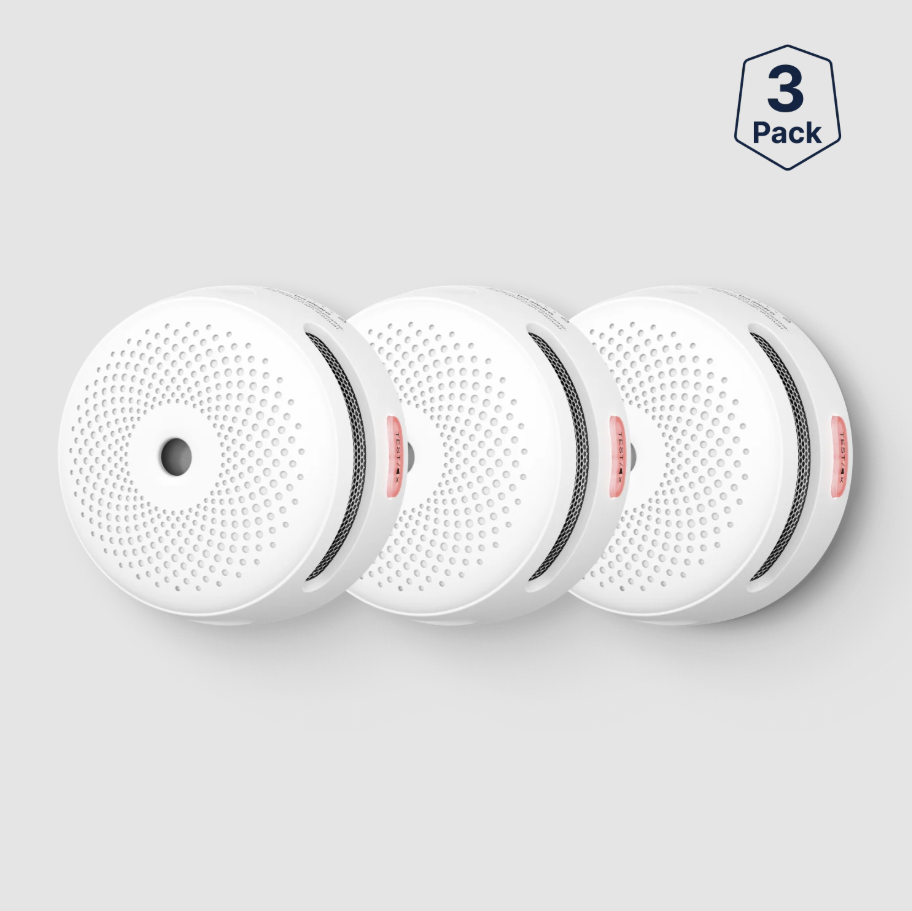
X-Sense XS01-WX Smart Smoke Alarm - 2.4 GHz Wi-Fi Photoelectric Fire Detector with Mobile App Alerts
$65.99 $109.99
11% OFF
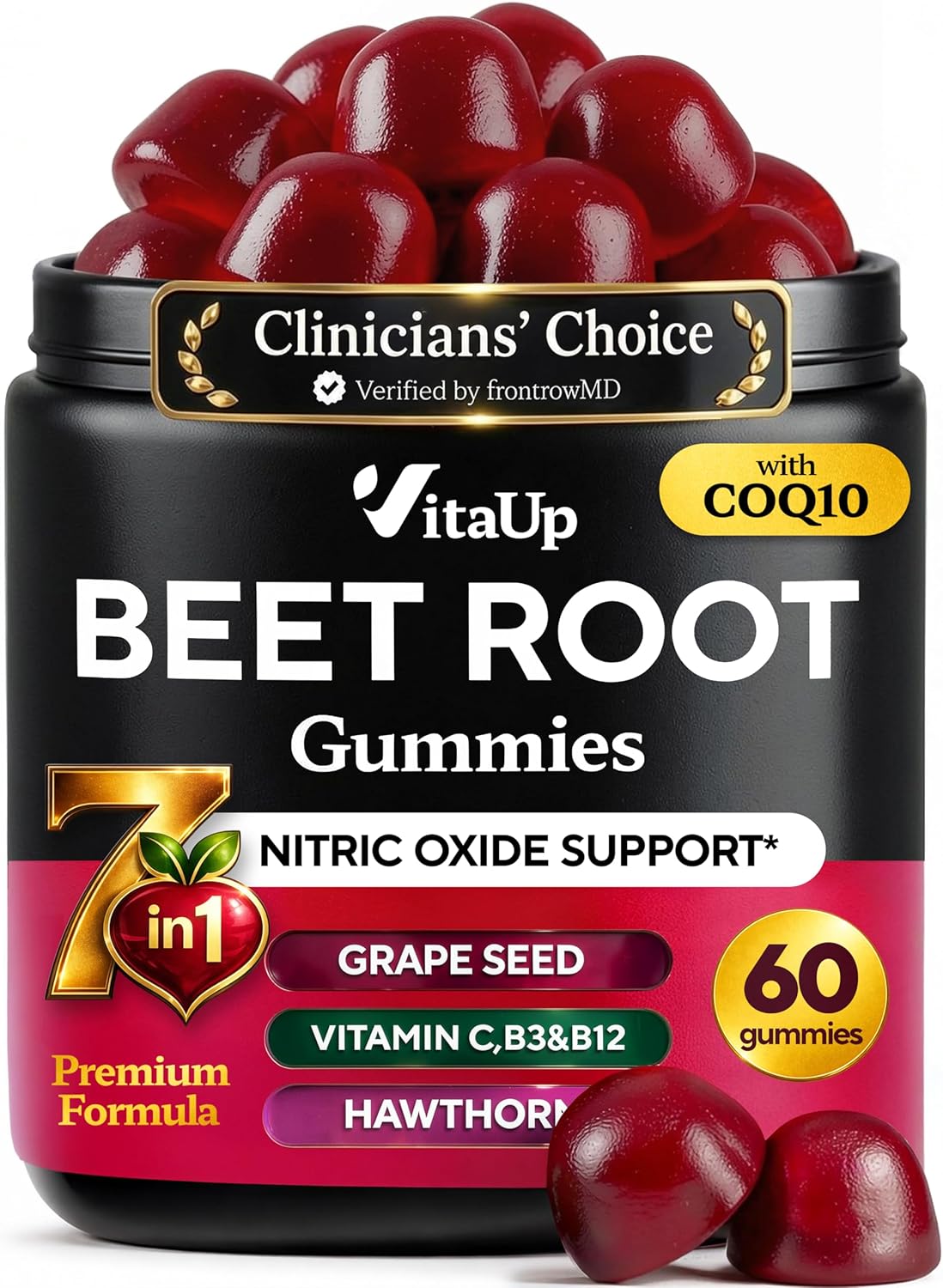
VitaUp Beet Root Gummies with CoQ10 & Grape Seed - Nitric Oxide Circulation Support (60 Count)
$24.91 $27.91

Sealy 2-Pack Tritech 16" Twin Inflatable Air Mattress with Built-in AC Pump
$0 $113.99
20% OFF

INTEX Prism Frame 20ft x 52in Above Ground Pool Set - Round Steel Frame Swimming Pool
$695.99 $869.99

Gardner Pet 43" Heavy Duty Dog Crate with Wheels - Indestructible Folding Metal Cage (Black)
$0 $149.99




-

Diary of a CEO’s Steven Bartlett and John Lennox discuss AI, faith and the search for meaning
-

Belfast churches 'heartbroken' over unrest
-

Is there a two-tier Britain?
-
Churches must disciple well and listen well in response to rise of Christian nationalism
-

Biblical models and the creation of King Arthur
-

Welsh reverend speaks of culture of fear over LGBT issues
Most Popular
News
Gloucester churches come together to bless River Avon amid pollution concerns
It is part of a broader campaign against river pollution as concerns remain about the amount of untreated sewage in the Avon.

Life beyond burnout: how Christians can grow in the desert seasons
Christian Today speaks to author and Anglican priest Tish Harrison Warren about growth in desert seasons and why the Church shouldn’t treat all spiritual weariness as a problem to fix.

Iranian-born bishop stands in solidarity with Britain's Jews
2025 had the second highest number of antisemitic incidents on record.

Bishops protest Israeli arrest of another Palestinian Christian
An Evangelical Lutheran has been accused of "promoting terrorist activities".
MANSPOT Electric Pubic Hair Trimmer - Waterproof Body and Groin Shaver for Men and Women (Black)
$20.39
Lick-Safe Dog Paw and Nose Balm Stick - All-Natural Moisturizer with Coconut Oil for Dry, Cracked Pads and Snout
$11.69
Men's Quick Dry Moisture Wicking Polo Shirt - High Elasticity Slim Fit Athletic Top (Runs Small)
$6.99
Men's Running Shorts with Zipper Pockets - Lightweight, Quick-Dry, Multi-Sport
$12.95
NEWFAST NF-RE523 AC1200 WiFi Extender - 1200Mbps Dual Band Signal Booster & Internet Repeater
$18.5
G Gradual Men's 7-inch Workout Running Shorts - Lightweight, Quick-Dry, Comfort
$12.91
NOVETE Under Sink Water Filter - 3 Years, 30,000 Gallons, High-Efficiency Filtration
$41.99
HDPE All-Weather Adirondack Chair with Built-In Cup Holder - Tool-Free Assembly (Grey)
$69.99
HOMETUK Clear Plastic Storage Bins with Dividers - 3-Pack Stackable Acrylic Organizer Containers for Fridge and Pantry
$19.99
G Gradual Men's Fishing Shirt - UPF 50+ Lightweight Short Sleeve Button Down with Zipper Pockets
$14.99
Everyfun 60" Rectangular Platform Tree Swing - 700lbs Heavy Duty Adjustable Outdoor Swing (Colorful)
$49.99
Ekouaer Women's Casual Loose Jumpsuit - One-Piece Printed Sleeveless Wide Leg Romper with Pockets
$14.99
Men's Athletic Running Shorts with Zipper Pockets - Lightweight & Quick Dry
$12.74
Modern Ceiling Fan with Light and Remote - Reversible Quiet DC Motor
$69.3
MOOKA H13 True HEPA Air Purifier for Home Large Room - 1076 sq ft Odor Eliminator
$39.97
X-Sense XS01-WX Smart Smoke Alarm - 2.4 GHz Wi-Fi Photoelectric Fire Detector with Mobile App Alerts
$65.99
VitaUp Beet Root Gummies with CoQ10 & Grape Seed - Nitric Oxide Circulation Support (60 Count)
$24.91
Sealy 2-Pack Tritech 16" Twin Inflatable Air Mattress with Built-in AC Pump
$0
INTEX Prism Frame 20ft x 52in Above Ground Pool Set - Round Steel Frame Swimming Pool
$695.99
Gardner Pet 43" Heavy Duty Dog Crate with Wheels - Indestructible Folding Metal Cage (Black)
$0