
Last week, the Prime Minister and Buckingham Palace engaged in discussions about the possibility of changing the rules of succession embedded in the 1701 Act of Settlement and in doing away with primogeniture.
Primogeniture ensures that royal women are overlooked in the succession until male alternatives are depleted whilst the Act of Settlement forbids any would-be monarch from marrying a Catholic.
There is no doubt that both of these rules seem slightly unusual in the UK of today with its cherished (and sometimes abused) virtues of equality and diversity. Both rules are very much products of their time. The ban on marrying a Catholic goes back to the less tolerant days where the memories of Europe’s religious wars were still fresh in the mind.
Primogeniture goes back even further to an unknown date. Perhaps the reason for such a tradition was the need to have a strong man leading the country in an age where war was a common and even expected occupation of rulers (although given this country produced war leaders like Boadicea, Elizabeth I and (some might say) Margaret Thatcher, one could question the logic of this as well).
So for better or worse we have inherited these oddities from our ancestors. The current question is though: should we expunge these quirks from our inclusive 21st century Britain? And if so what effect would it have?
Ending the ban on the monarch marrying a Catholic would seem to present some problems. Given that the monarch is Supreme Governor of the Church of England it would make sense that the royal line be firmly Anglican. Some have argued that tinkering with the Act of Settlement could open a Pandora’s Box of constitutional confusion on the role of the monarchy and the role of the Church of England, which could well be the case.
The justification for changing the rules to allow Catholics and older sisters to come closer to inheriting the throne seems to be that it will remove discrimination against Catholics and women.
Clearly no one wants to live in a society where women, ethnic or religious minorities and others face discrimination. But any legislation against such things should be introduced only where there is a perceived need, rather than for the sake of stamping the words “equality and diversity” all over Britain.
The crusade to bring in equality and diversity should only be taken so far. In recent times we have seen sticklers for these causes suspend a Christian nurse for the heinous crime of offering to pray for a patient. Foster carers and civil registrars have been punished for their reluctance to encourage homosexuality.
The monarchy is an ancient and much loved institution in this country, despite the odd bump every now and again over the years. It should not be tampered with in the same way as one would deal with an employer with dodgy employment practices.
Doing away with primogeniture would not affect us for decades (assuming the next monarchs to be Charles III and William V). The most immediate effect would be to move Princess Anne from 10th in line to the throne to fourth. Getting rid of the Act of Settlement will only affect us if Prince William suddenly becomes taken with a Catholic.
So far neither Princess Anne nor Prince William have made a fuss about this perceived violation of their human rights. Perhaps the best answer to the question “Should we reform?” would be to see what they feel – we should ask “Do you feel your human rights are violated?”, “Are you hurt by the current law?” Legislation to improve people’s lives should only be passed when it is needed - when it genuinely solves a genuine grievance – not change for change's sake.
In this country we have always been flexible. We do not have a history of resisting all change no matter what as an attack on our country. But nor have we a history of changing everything just for the sake of it.
Nowhere is this more true than with the monarchy. In the 14th Century, Richard II was replaced by Henry IV by popular demand. Less than a century later another Henry (VII) outshone another Richard (III) to take the throne. William III also replaced James II after being invited to take the throne by a Parliament which preferred a foreigner to a Catholic.
The best example though would be Edward VIII who chose to abdicate after marrying a divorcee. In those days it was considered a serious issue, but today (for better or worse) few people seem to object to the possibility of Prince Charles becoming King on the same grounds.
This best of all shows that change can come when it is needed. But until that time any debate on the issue would seem to be unnecessary, especially at a time when there are so many issues to be dealt with in this country and in the world. If Prince William wants to marry a Catholic, or if he has a wonderful daughter followed by an ogre of a son – then if necessary we can change as we have always done.
49% OFF
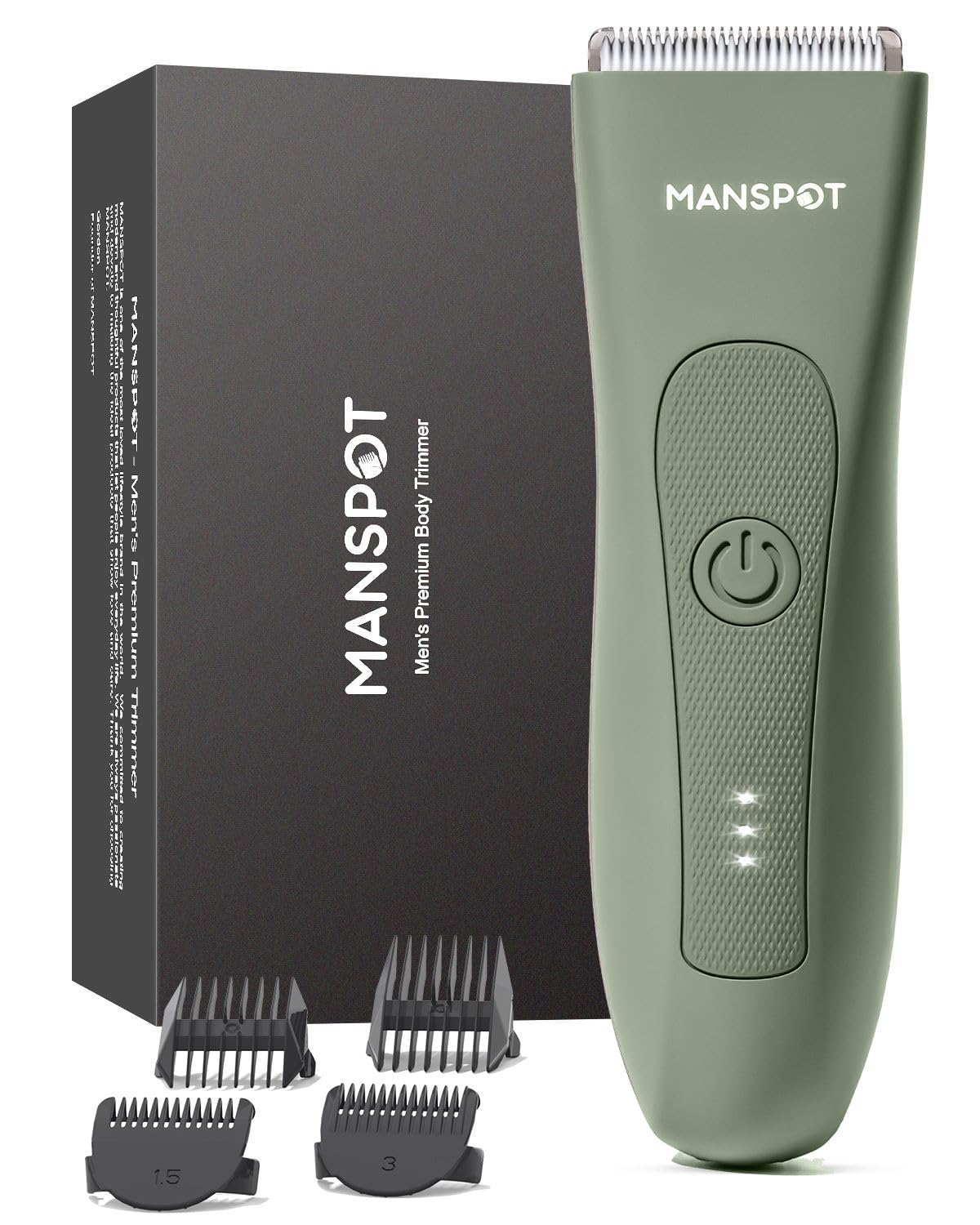
MANSPOT Electric Pubic Hair Trimmer - Waterproof Body and Groin Shaver for Men and Women (Black)
$20.39 $40
25% OFF

Lick-Safe Dog Paw and Nose Balm Stick - All-Natural Moisturizer with Coconut Oil for Dry, Cracked Pads and Snout
$11.69 $15.59
77% OFF
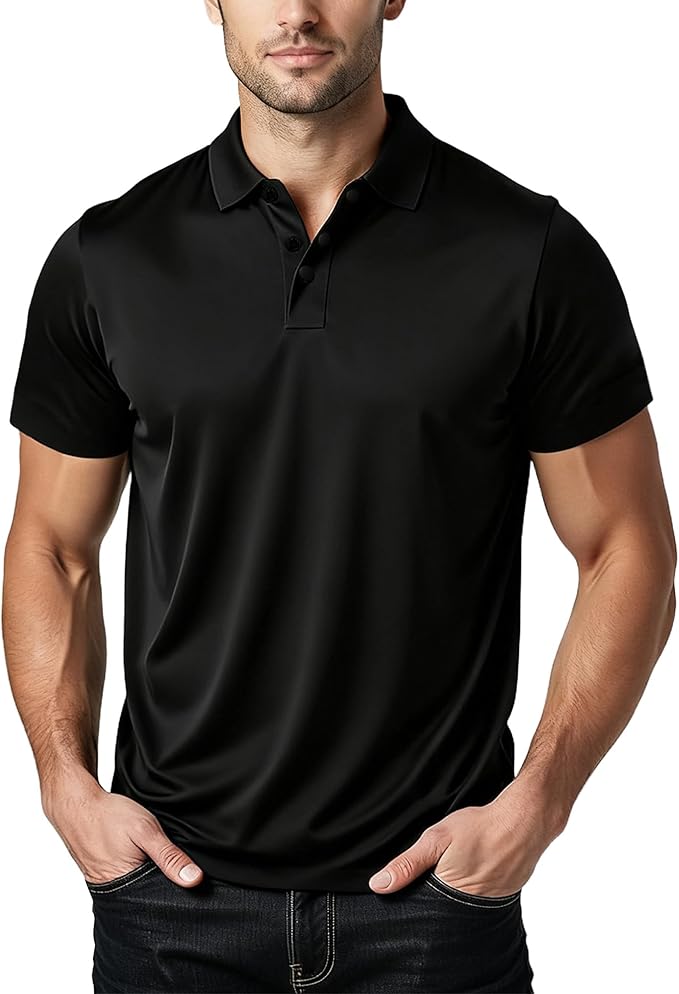
Men's Quick Dry Moisture Wicking Polo Shirt - High Elasticity Slim Fit Athletic Top (Runs Small)
$6.99 $29.99
46% OFF
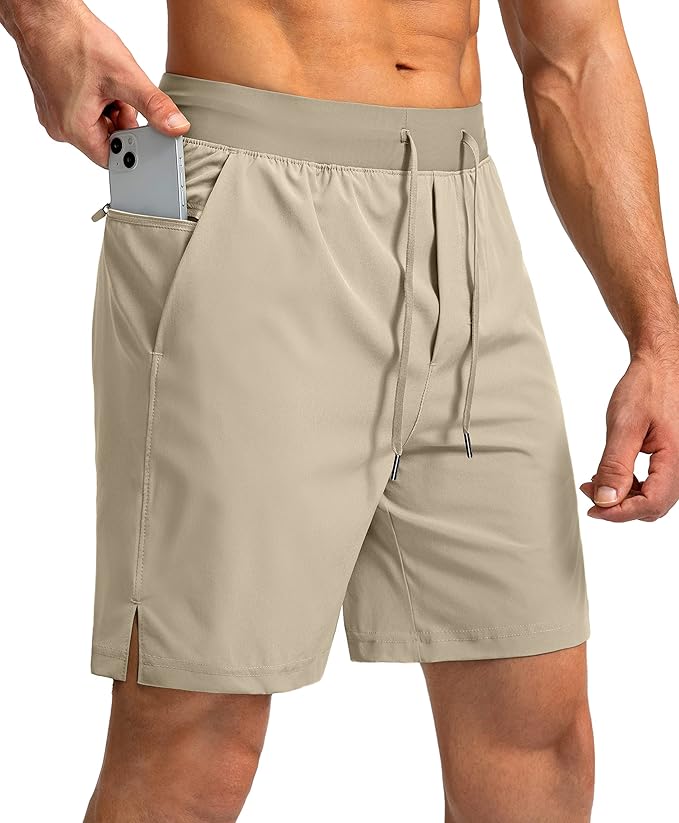
Men's Running Shorts with Zipper Pockets - Lightweight, Quick-Dry, Multi-Sport
$12.95 $23.99
50% OFF

NEWFAST NF-RE523 AC1200 WiFi Extender - 1200Mbps Dual Band Signal Booster & Internet Repeater
$18.5 $36.99
48% OFF

G Gradual Men's 7-inch Workout Running Shorts - Lightweight, Quick-Dry, Comfort
$12.91 $24.99
30% OFF
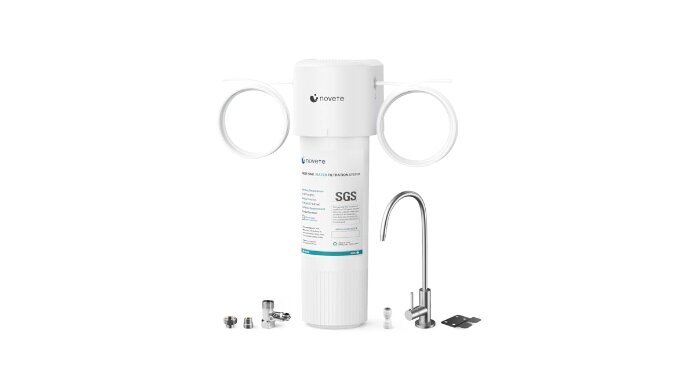
NOVETE Under Sink Water Filter - 3 Years, 30,000 Gallons, High-Efficiency Filtration
$41.99 $59.99
50% OFF

HDPE All-Weather Adirondack Chair with Built-In Cup Holder - Tool-Free Assembly (Grey)
$69.99 $139.99
60% OFF

HOMETUK Clear Plastic Storage Bins with Dividers - 3-Pack Stackable Acrylic Organizer Containers for Fridge and Pantry
$19.99 $49.99
58% OFF

G Gradual Men's Fishing Shirt - UPF 50+ Lightweight Short Sleeve Button Down with Zipper Pockets
$14.99 $35.99
55% OFF

Everyfun 60" Rectangular Platform Tree Swing - 700lbs Heavy Duty Adjustable Outdoor Swing (Colorful)
$49.99 $110.99
61% OFF

Ekouaer Women's Casual Loose Jumpsuit - One-Piece Printed Sleeveless Wide Leg Romper with Pockets
$14.99 $37.99
36% OFF

Men's Athletic Running Shorts with Zipper Pockets - Lightweight & Quick Dry
$12.74 $19.99
61% OFF

Modern Ceiling Fan with Light and Remote - Reversible Quiet DC Motor
$69.3 $179.99
50% OFF

MOOKA H13 True HEPA Air Purifier for Home Large Room - 1076 sq ft Odor Eliminator
$39.97 $79.95
40% OFF
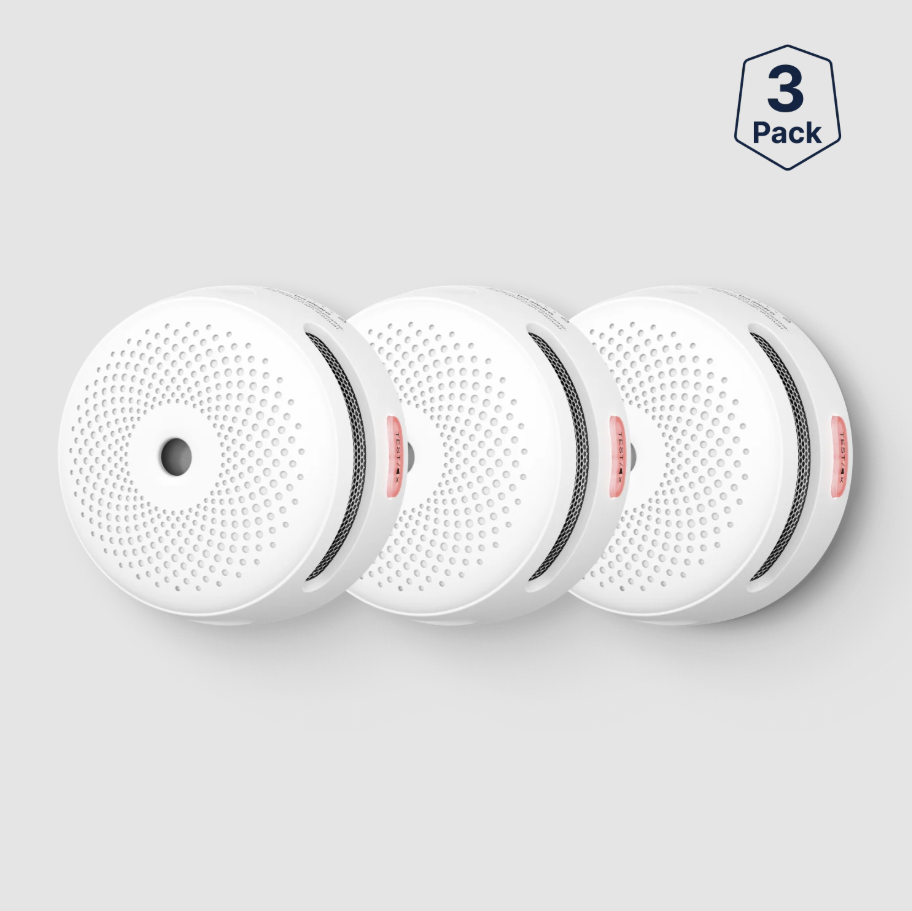
X-Sense XS01-WX Smart Smoke Alarm - 2.4 GHz Wi-Fi Photoelectric Fire Detector with Mobile App Alerts
$65.99 $109.99
11% OFF
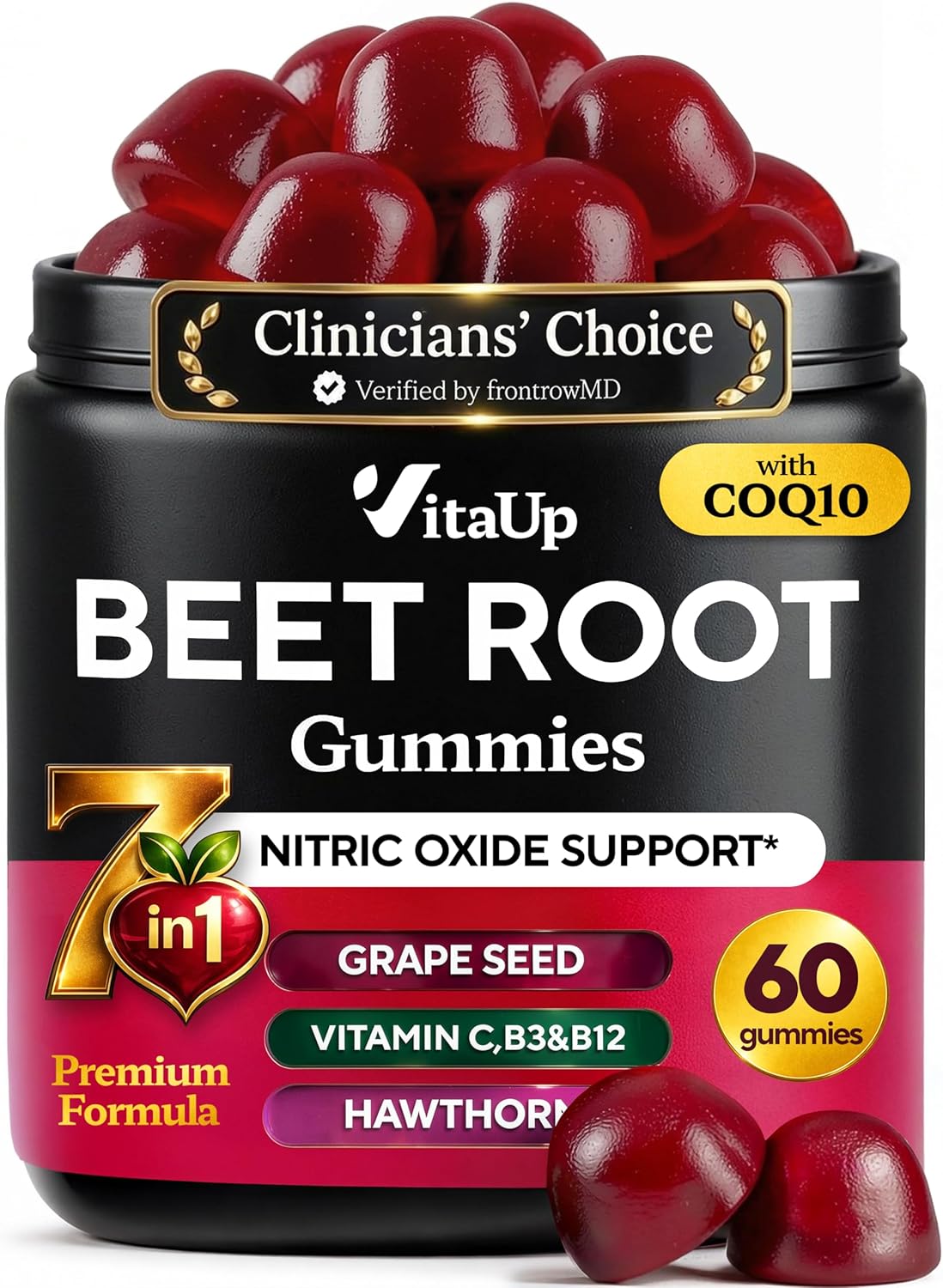
VitaUp Beet Root Gummies with CoQ10 & Grape Seed - Nitric Oxide Circulation Support (60 Count)
$24.91 $27.91
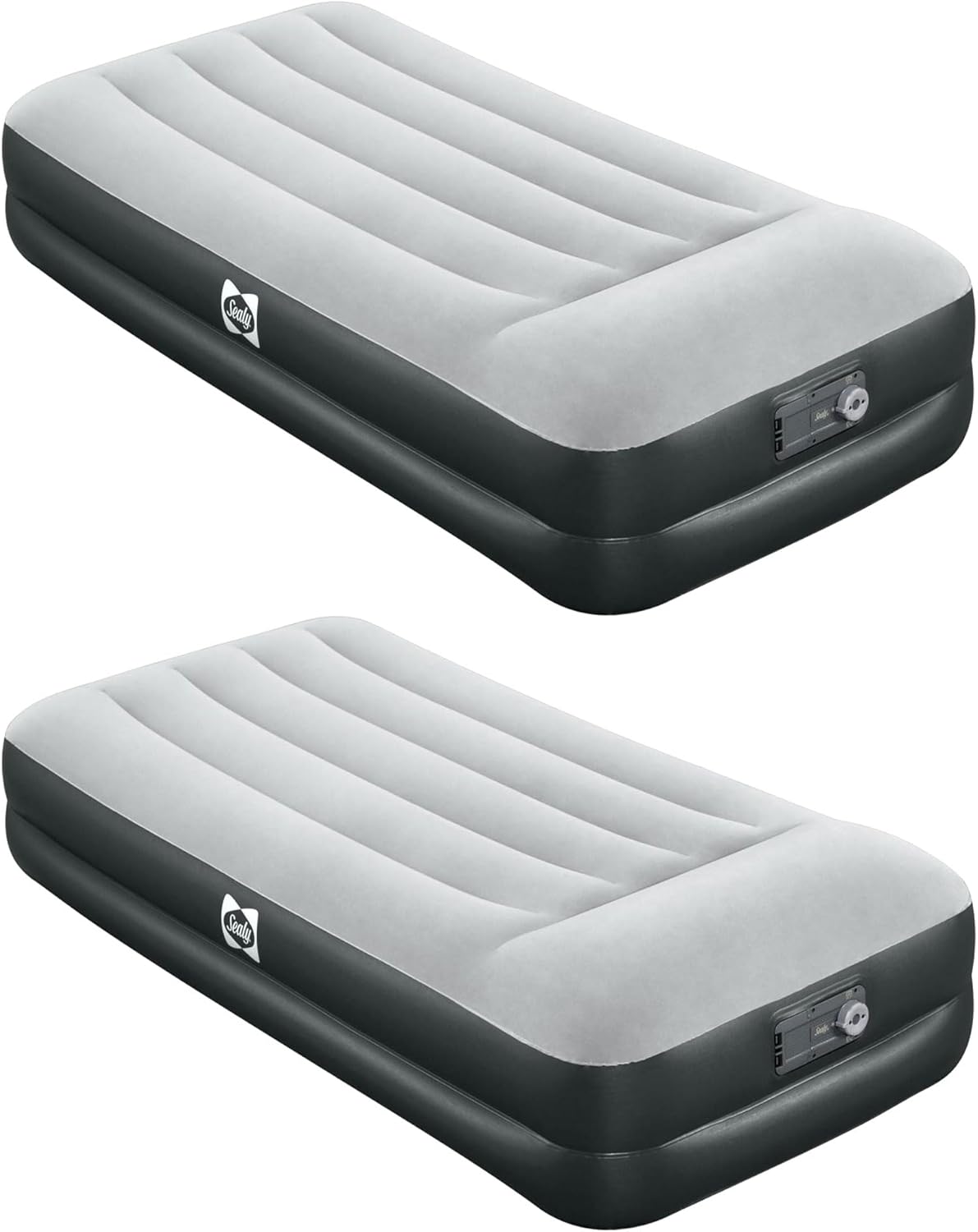
Sealy 2-Pack Tritech 16" Twin Inflatable Air Mattress with Built-in AC Pump
$0 $113.99
20% OFF

INTEX Prism Frame 20ft x 52in Above Ground Pool Set - Round Steel Frame Swimming Pool
$695.99 $869.99

Gardner Pet 43" Heavy Duty Dog Crate with Wheels - Indestructible Folding Metal Cage (Black)
$0 $149.99




-

Diary of a CEO’s Steven Bartlett and John Lennox discuss AI, faith and the search for meaning
-

Belfast churches 'heartbroken' over unrest
-

Is there a two-tier Britain?
-

Churches must disciple well and listen well in response to rise of Christian nationalism
-

Biblical models and the creation of King Arthur
-

Welsh reverend speaks of culture of fear over LGBT issues
Most Popular
News
Gloucester churches come together to bless River Avon amid pollution concerns
It is part of a broader campaign against river pollution as concerns remain about the amount of untreated sewage in the Avon.

Life beyond burnout: how Christians can grow in the desert seasons
Christian Today speaks to author and Anglican priest Tish Harrison Warren about growth in desert seasons and why the Church shouldn’t treat all spiritual weariness as a problem to fix.

Iranian-born bishop stands in solidarity with Britain's Jews
2025 had the second highest number of antisemitic incidents on record.

Bishops protest Israeli arrest of another Palestinian Christian
An Evangelical Lutheran has been accused of "promoting terrorist activities".
MANSPOT Electric Pubic Hair Trimmer - Waterproof Body and Groin Shaver for Men and Women (Black)
$20.39
Lick-Safe Dog Paw and Nose Balm Stick - All-Natural Moisturizer with Coconut Oil for Dry, Cracked Pads and Snout
$11.69
Men's Quick Dry Moisture Wicking Polo Shirt - High Elasticity Slim Fit Athletic Top (Runs Small)
$6.99
Men's Running Shorts with Zipper Pockets - Lightweight, Quick-Dry, Multi-Sport
$12.95
NEWFAST NF-RE523 AC1200 WiFi Extender - 1200Mbps Dual Band Signal Booster & Internet Repeater
$18.5
G Gradual Men's 7-inch Workout Running Shorts - Lightweight, Quick-Dry, Comfort
$12.91
NOVETE Under Sink Water Filter - 3 Years, 30,000 Gallons, High-Efficiency Filtration
$41.99
HDPE All-Weather Adirondack Chair with Built-In Cup Holder - Tool-Free Assembly (Grey)
$69.99
HOMETUK Clear Plastic Storage Bins with Dividers - 3-Pack Stackable Acrylic Organizer Containers for Fridge and Pantry
$19.99
G Gradual Men's Fishing Shirt - UPF 50+ Lightweight Short Sleeve Button Down with Zipper Pockets
$14.99
Everyfun 60" Rectangular Platform Tree Swing - 700lbs Heavy Duty Adjustable Outdoor Swing (Colorful)
$49.99
Ekouaer Women's Casual Loose Jumpsuit - One-Piece Printed Sleeveless Wide Leg Romper with Pockets
$14.99
Men's Athletic Running Shorts with Zipper Pockets - Lightweight & Quick Dry
$12.74
Modern Ceiling Fan with Light and Remote - Reversible Quiet DC Motor
$69.3
MOOKA H13 True HEPA Air Purifier for Home Large Room - 1076 sq ft Odor Eliminator
$39.97
X-Sense XS01-WX Smart Smoke Alarm - 2.4 GHz Wi-Fi Photoelectric Fire Detector with Mobile App Alerts
$65.99
VitaUp Beet Root Gummies with CoQ10 & Grape Seed - Nitric Oxide Circulation Support (60 Count)
$24.91
Sealy 2-Pack Tritech 16" Twin Inflatable Air Mattress with Built-in AC Pump
$0
INTEX Prism Frame 20ft x 52in Above Ground Pool Set - Round Steel Frame Swimming Pool
$695.99
Gardner Pet 43" Heavy Duty Dog Crate with Wheels - Indestructible Folding Metal Cage (Black)
$0