
Iraqi Shi'ite cleric Moqtada al-Sadr called on his followers on Sunday to stop battling government forces after a week of fighting in southern Iraq and Baghdad threatened to spiral out of control.
A crackdown on Shi'ite militants in the southern oil port of Basra has sparked an explosion of violence that has risked undoing the past year's improvements in Iraq's security.
"Because of the religious responsibility, and to stop Iraqi blood being shed ... we call for an end to armed appearances in Basra and all other provinces," Sadr said in a statement given to journalists by his aides in the holy Shi'ite city of Najaf.
"Anyone carrying a weapon and targeting government institutions will not be one of us."
Sadr's statement appeared aimed at averting a full-scale confrontation between his followers and Iraqi and U.S. forces that would plunge southern, mainly Shi'ite Iraq into chaos.
It was not clear what effect Sadr's call would have on the violence, but there appeared to be a lull in fighting in Basra and the southern city of Nassiriya, Reuters reporters said.
The declaration seemed to take his followers by surprise.
"We are now making phone calls to headquarters," a low-level Mehdi Army commander in Baghdad's Sadr City who gave his name as Abu Haidar told Reuters. "We don't know what to do. If we carry guns the government will oppose us, but if we put them down, the Americans will come, surround our homes and capture us."
A U.S. military spokesman Lieutenant-Colonel Steven Stover said there were clashes in Baghdad after Sadr's order, including three incidents in which U.S. forces opened fire from helicopter gunships, but some parts of the capital seemed quieter.
"I would say it is quieter, but our fighting is not done yet," he said. "We are not targeting any specific groups, but if someone is committing a violent act or about to commit a violent act then we will engage."
U.S. and British forces have become more deeply embroiled in the fighting, which has exposed a rift in Iraq's Shi'ite majority between parties in Prime Minister Nuri al-Maliki's government and Sadr's populist movement.
Sadr's followers have accused Maliki and the Supreme Islamic Iraqi Council, his most powerful Shi'ite ally, of trying to crush them ahead of provincial elections due in October in which they are expected to make a strong showing.
'RANDOM ARRESTS'
Sadr's statement was the result of behind-the-scenes talks between the Sadrists and the ruling Shi'ite Alliance mediated by former Prime Minister Ibrahim Jaafari, Shi'ite politician Ahmed Chalabi and Sunni Arab parliament speaker Mahmoud Mashhadani.
Chalabi told Reuters Sadr's statement was "the key to stopping the bloodshed in Basra" but the government also had to stop targeting Sadrists.
In his statement, Sadr called for an end to "random arrests" of his followers and for them to benefit from an amnesty law passed by parliament in February aimed at freeing thousands of prisoners from Iraqi jails.
The government welcomed Sadr's statement but said it would press on with its campaign for control over Basra, which is divided up among various militias and criminal gangs.
"The statement by Moqtada al-Sadr is a step in the right direction," Maliki said.
Government spokesman Ali al-Dabbagh said the operation would continue "until it achieves its goals". He said Iraqi troops focused on hunting down criminals, not Sadrists.
Scores of people have been killed in clashes in southern Iraq and in Shi'ite neighbourhoods of Baghdad.
Authorities lifted an indefinite curfew in Baghdad with effect from 6 a.m. (4 a.m. British time) on Monday. Cars remain banned in three districts, however.
Maliki, in Basra to oversee the six-day-old operation, has given Shi'ite fighters until April 8 to turn over their weapons in return for cash.
Sadr aide Hazem al-Araji told journalists: "The weapons of the resistance will not be delivered to the Iraqi government."
Shortly after Sadr's statement, a salvo of rockets or mortars was fired at the Green Zone diplomatic and government compound in central Baghdad. The U.S. military has blamed rogue Mehdi Army militiamen for similar barrages in the past week.
But in Nassiriya a Reuters reporter said clashes had stopped and Mehdi Army fighters were seen withdrawing from the streets.
In Basra, there were sporadic clashes in the old city but otherwise there appeared to be a lull in the violence, a Reuters reporter said. An official in Sadr's office there, Ali al-Sinidi, said the cleric's order was being implemented.
Iraqi government forces have struggled to drive well-armed Mehdi Army fighters off the streets of Basra and British and U.S. forces have had to intervene.
49% OFF

MANSPOT Electric Pubic Hair Trimmer - Waterproof Body and Groin Shaver for Men and Women (Black)
$20.39 $40
25% OFF

Lick-Safe Dog Paw and Nose Balm Stick - All-Natural Moisturizer with Coconut Oil for Dry, Cracked Pads and Snout
$11.69 $15.59
77% OFF
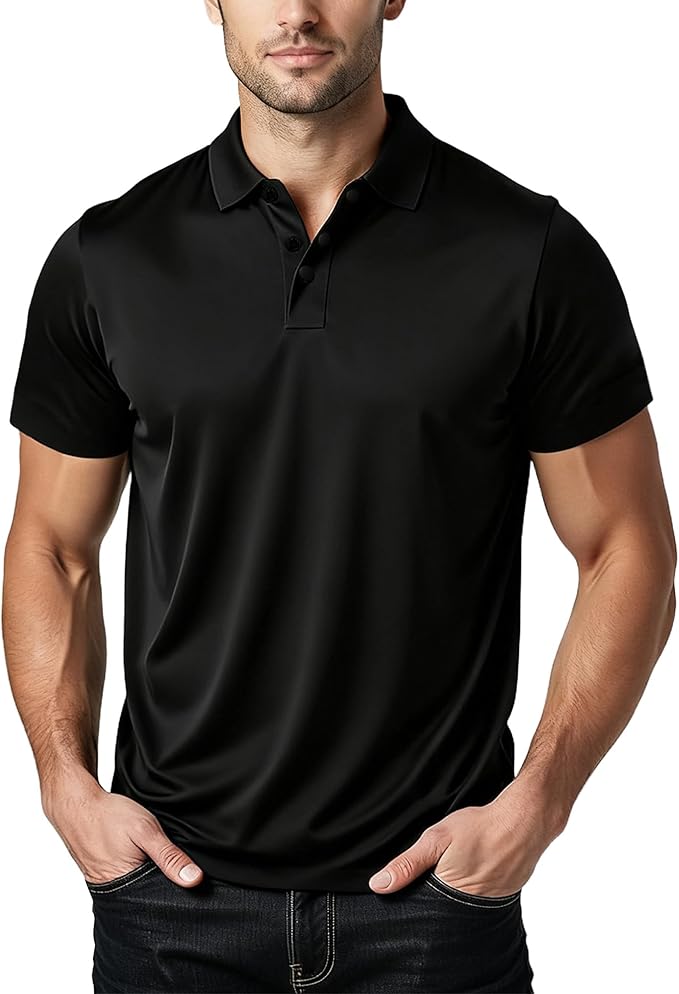
Men's Quick Dry Moisture Wicking Polo Shirt - High Elasticity Slim Fit Athletic Top (Runs Small)
$6.99 $29.99
46% OFF
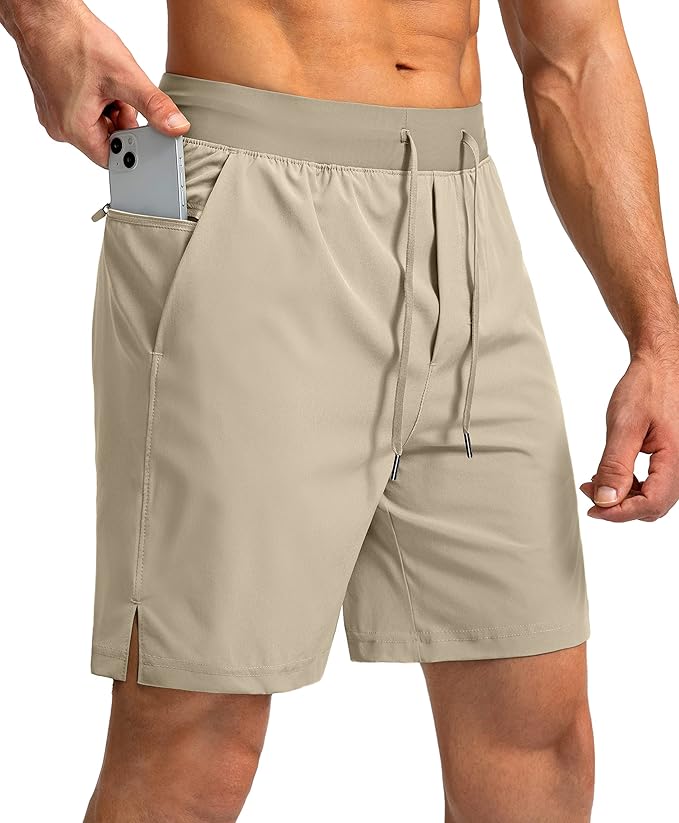
Men's Running Shorts with Zipper Pockets - Lightweight, Quick-Dry, Multi-Sport
$12.95 $23.99
50% OFF

NEWFAST NF-RE523 AC1200 WiFi Extender - 1200Mbps Dual Band Signal Booster & Internet Repeater
$18.5 $36.99
48% OFF
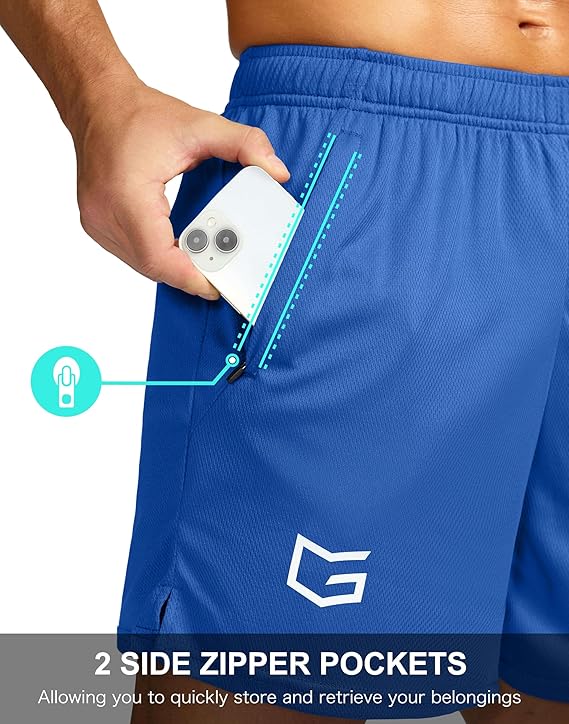
G Gradual Men's 7-inch Workout Running Shorts - Lightweight, Quick-Dry, Comfort
$12.91 $24.99
30% OFF
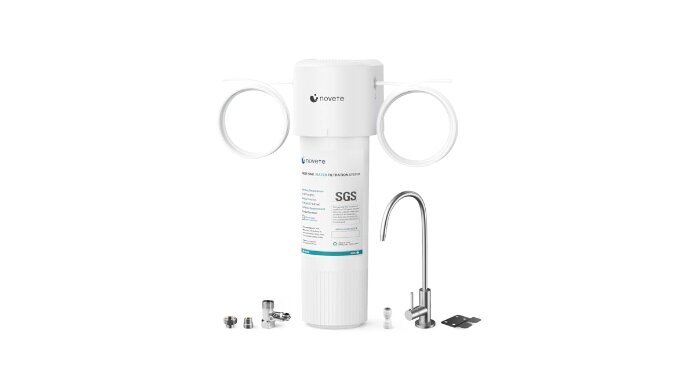
NOVETE Under Sink Water Filter - 3 Years, 30,000 Gallons, High-Efficiency Filtration
$41.99 $59.99
50% OFF

HDPE All-Weather Adirondack Chair with Built-In Cup Holder - Tool-Free Assembly (Grey)
$69.99 $139.99
60% OFF

HOMETUK Clear Plastic Storage Bins with Dividers - 3-Pack Stackable Acrylic Organizer Containers for Fridge and Pantry
$19.99 $49.99
58% OFF

G Gradual Men's Fishing Shirt - UPF 50+ Lightweight Short Sleeve Button Down with Zipper Pockets
$14.99 $35.99
55% OFF

Everyfun 60" Rectangular Platform Tree Swing - 700lbs Heavy Duty Adjustable Outdoor Swing (Colorful)
$49.99 $110.99
61% OFF

Ekouaer Women's Casual Loose Jumpsuit - One-Piece Printed Sleeveless Wide Leg Romper with Pockets
$14.99 $37.99
36% OFF

Men's Athletic Running Shorts with Zipper Pockets - Lightweight & Quick Dry
$12.74 $19.99
61% OFF

Modern Ceiling Fan with Light and Remote - Reversible Quiet DC Motor
$69.3 $179.99
50% OFF

MOOKA H13 True HEPA Air Purifier for Home Large Room - 1076 sq ft Odor Eliminator
$39.97 $79.95
40% OFF
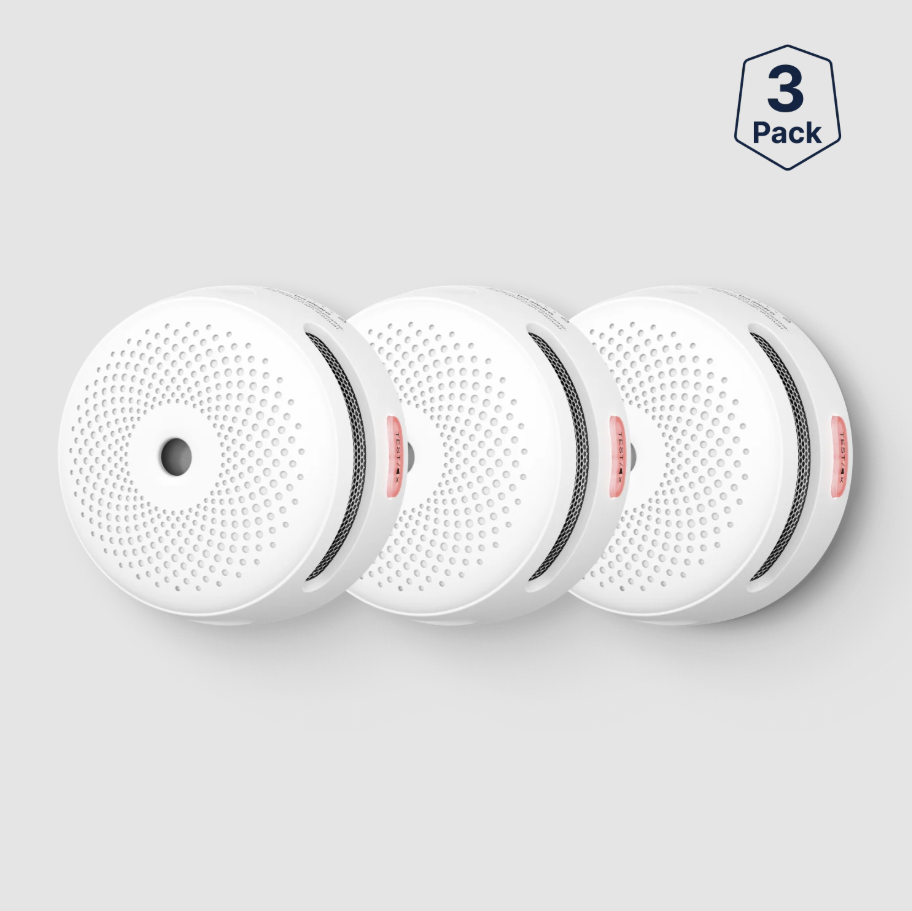
X-Sense XS01-WX Smart Smoke Alarm - 2.4 GHz Wi-Fi Photoelectric Fire Detector with Mobile App Alerts
$65.99 $109.99
11% OFF

VitaUp Beet Root Gummies with CoQ10 & Grape Seed - Nitric Oxide Circulation Support (60 Count)
$24.91 $27.91

Sealy 2-Pack Tritech 16" Twin Inflatable Air Mattress with Built-in AC Pump
$0 $113.99
20% OFF

INTEX Prism Frame 20ft x 52in Above Ground Pool Set - Round Steel Frame Swimming Pool
$695.99 $869.99

Gardner Pet 43" Heavy Duty Dog Crate with Wheels - Indestructible Folding Metal Cage (Black)
$0 $149.99




-

Diary of a CEO’s Steven Bartlett and John Lennox discuss AI, faith and the search for meaning
-
Belfast churches 'heartbroken' over unrest
-

Is there a two-tier Britain?
-

Churches must disciple well and listen well in response to rise of Christian nationalism
-

Welsh reverend speaks of culture of fear over LGBT issues
-
South Wales Police back down on imposing Islamic 'blasphemy law'
Most Popular
News

Anti-Christian hate crimes across Europe surge in May as arson attacks reach 2026 high
Anti-Christian incidents across Europe rose sharply in May, with new figures showing the highest monthly number of arson-related attacks recorded so far this year.

Gloucester churches come together to bless River Avon amid pollution concerns
It is part of a broader campaign against river pollution as concerns remain about the amount of untreated sewage in the Avon.

Life beyond burnout: how Christians can grow in the desert seasons
Christian Today speaks to author and Anglican priest Tish Harrison Warren about growth in desert seasons and why the Church shouldn’t treat all spiritual weariness as a problem to fix.
Iranian-born bishop stands in solidarity with Britain's Jews
2025 had the second highest number of antisemitic incidents on record.
MANSPOT Electric Pubic Hair Trimmer - Waterproof Body and Groin Shaver for Men and Women (Black)
$20.39
Lick-Safe Dog Paw and Nose Balm Stick - All-Natural Moisturizer with Coconut Oil for Dry, Cracked Pads and Snout
$11.69
Men's Quick Dry Moisture Wicking Polo Shirt - High Elasticity Slim Fit Athletic Top (Runs Small)
$6.99
Men's Running Shorts with Zipper Pockets - Lightweight, Quick-Dry, Multi-Sport
$12.95
NEWFAST NF-RE523 AC1200 WiFi Extender - 1200Mbps Dual Band Signal Booster & Internet Repeater
$18.5
G Gradual Men's 7-inch Workout Running Shorts - Lightweight, Quick-Dry, Comfort
$12.91
NOVETE Under Sink Water Filter - 3 Years, 30,000 Gallons, High-Efficiency Filtration
$41.99
HDPE All-Weather Adirondack Chair with Built-In Cup Holder - Tool-Free Assembly (Grey)
$69.99
HOMETUK Clear Plastic Storage Bins with Dividers - 3-Pack Stackable Acrylic Organizer Containers for Fridge and Pantry
$19.99
G Gradual Men's Fishing Shirt - UPF 50+ Lightweight Short Sleeve Button Down with Zipper Pockets
$14.99
Everyfun 60" Rectangular Platform Tree Swing - 700lbs Heavy Duty Adjustable Outdoor Swing (Colorful)
$49.99
Ekouaer Women's Casual Loose Jumpsuit - One-Piece Printed Sleeveless Wide Leg Romper with Pockets
$14.99
Men's Athletic Running Shorts with Zipper Pockets - Lightweight & Quick Dry
$12.74
Modern Ceiling Fan with Light and Remote - Reversible Quiet DC Motor
$69.3
MOOKA H13 True HEPA Air Purifier for Home Large Room - 1076 sq ft Odor Eliminator
$39.97
X-Sense XS01-WX Smart Smoke Alarm - 2.4 GHz Wi-Fi Photoelectric Fire Detector with Mobile App Alerts
$65.99
VitaUp Beet Root Gummies with CoQ10 & Grape Seed - Nitric Oxide Circulation Support (60 Count)
$24.91
Sealy 2-Pack Tritech 16" Twin Inflatable Air Mattress with Built-in AC Pump
$0
INTEX Prism Frame 20ft x 52in Above Ground Pool Set - Round Steel Frame Swimming Pool
$695.99
Gardner Pet 43" Heavy Duty Dog Crate with Wheels - Indestructible Folding Metal Cage (Black)
$0