
Some International Olympic Committee officials cut a deal to let China block sensitive websites despite promises of unrestricted access, a senior IOC official admitted on Wednesday.
Persistent pollution fears and China's concerns about security in Tibet also remained problems for organisers nine days before the Games begin.
China had committed to providing media with the same freedom to report on the Games as they enjoyed at previous Olympics, but journalists have this week complained of finding access to sites deemed sensitive to its communist leadership blocked.
"I regret that it now appears BOCOG has announced that there will be limitations on website access during Games time," IOC press chief Kevan Gosper said, referring to Beijing's Olympic organisers.
"I also now understand that some IOC officials negotiated with the Chinese that some sensitive sites would be blocked on the basis they were not considered Games related," he said.
Attempts at the main press centre to access the website of Amnesty International, which released a report on Monday slamming China for failing to honour its Olympic human rights pledges, continued to prove fruitless by mid-week.
Other websites, including those relating to the banned spiritual group Falun Gong, are also inaccessible.
Beijing organisers said censorship would not stop journalists doing their jobs in reporting the Games.
"We are going to do our best to facilitate the foreign media to do their reporting work through the Internet," BOCOG spokesman Sun Weide told a news conference.
"I would remind you that Falun Gong is an evil, fake religion which has been banned by the Chinese government."
Reporters without Borders, a Paris-based media watchdog, said it was increasingly concerned that there would be many cases of censorship during the Olympics.
"We condemn the IOC's failure to do anything about this, and we are more sceptical about its ability to ensure that the media are able to report freely," the group said in a statement.
SMOG-WATCH
But the admission that the Internet will be partly censored is sure to lead to more criticism for the Olympics host nation, which is already deflecting barbs over everything from the quality of its air to its human rights record.
On Wednesday, Chinese experts said they were working on emergency plans to keep Olympic skies clear, including keeping cars off the roads in nearby provinces, but expected not to need them unless unusual pollution-trapping weather continued.
The city has already banned cars from roads on alternate days under an odd-and-even licence plate scheme, suspended some factory production and opened new subway lines to try to clear its notorious pollution.
"The likelihood of needing stronger measures is very small," said Zhu Tong, a professor at Peking University and leader of a technical group advising Games organisers on air quality.
Slightly cooler temperatures and rain on Tuesday have thinned the haze, but with below-par air quality readings on several days since the emergency measures took effect on July 20, worries remain about athletes wheezing air laced with fumes and dust.
Experts said that given the size of Beijing, the volume of pollutants that flow into the city from other parts of China, and the short time period before the Games open on August 8, there was little more that could be done.
"In this short a time-frame, even if you took all the personal cars off the highway, you might see another 10 percent improvement, but it would be small," said Staci Simonich, an analytical chemist at Oregon State University who has been studying Beijing's air quality.
"The best thing that could happen during the Games is to have it rain every night," she said.
China also has other issues on its mind, including security in the restive region of Tibet, where official media said Chinese police had been mobilised to ensure "absolute security without a single lapse".
The remote region erupted into rioting in March that sparked protests across China's ethnic Tibetan areas and brought into focus international criticism of Beijing's policies on the issue.
The Tibet Daily announced on Wednesday tough policing during the Games on top of a sweeping security crackdown already in place. China is at pains to avoid any shows of defiance by pro-Tibet independence groups that could embarrass the government before a worldwide audience.
49% OFF
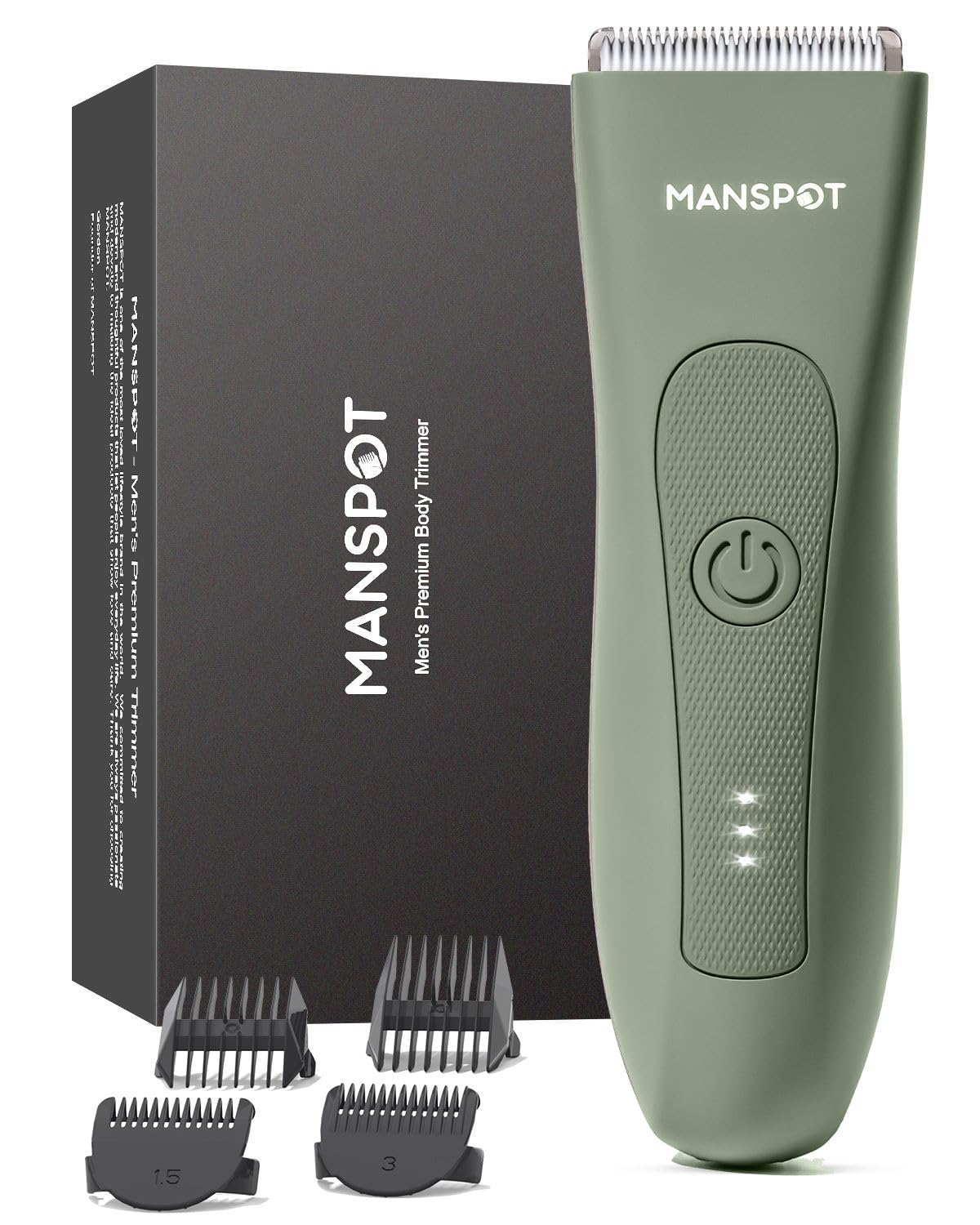
MANSPOT Electric Pubic Hair Trimmer - Waterproof Body and Groin Shaver for Men and Women (Black)
$20.39 $40
25% OFF
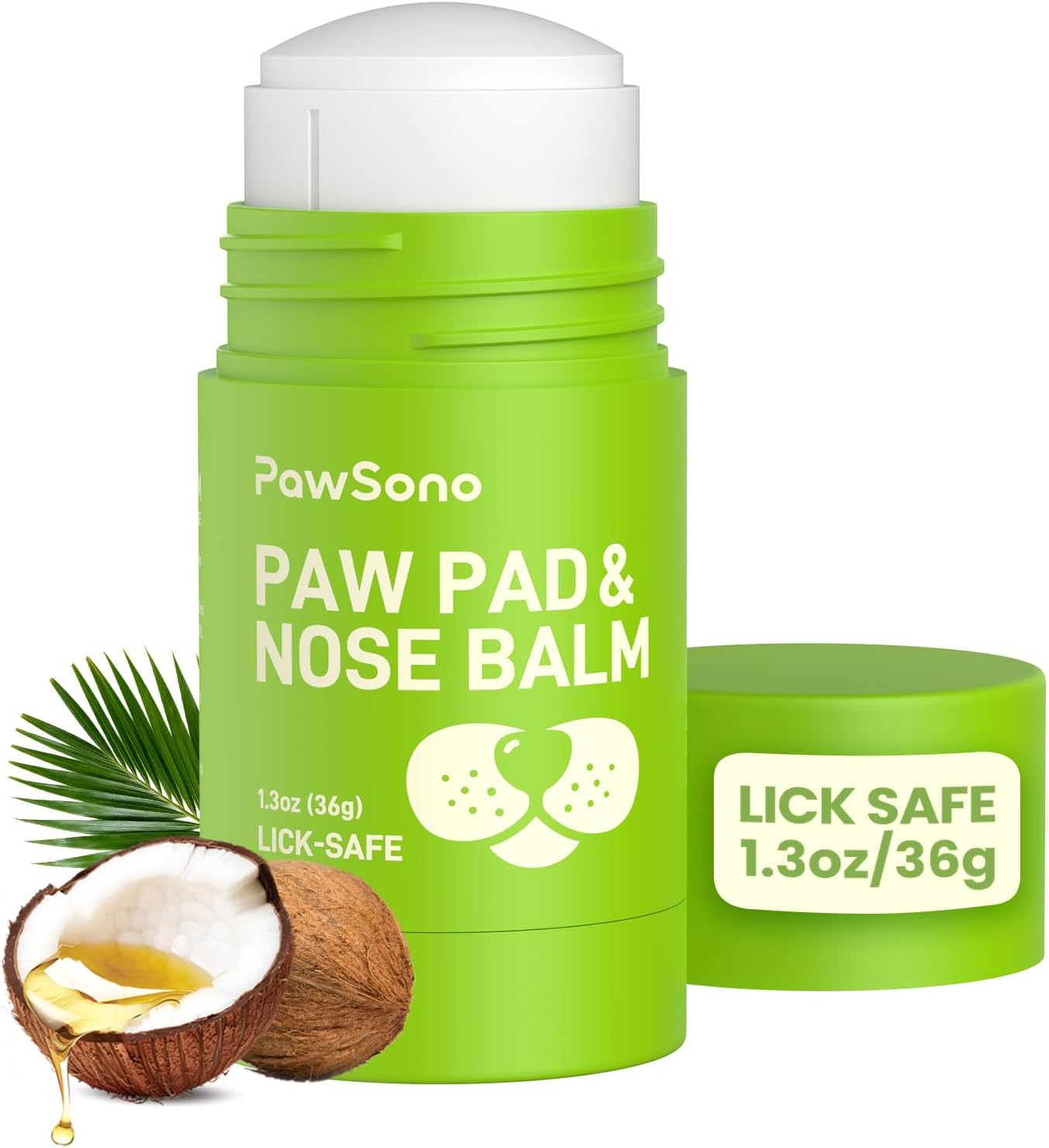
Lick-Safe Dog Paw and Nose Balm Stick - All-Natural Moisturizer with Coconut Oil for Dry, Cracked Pads and Snout
$11.69 $15.59
77% OFF
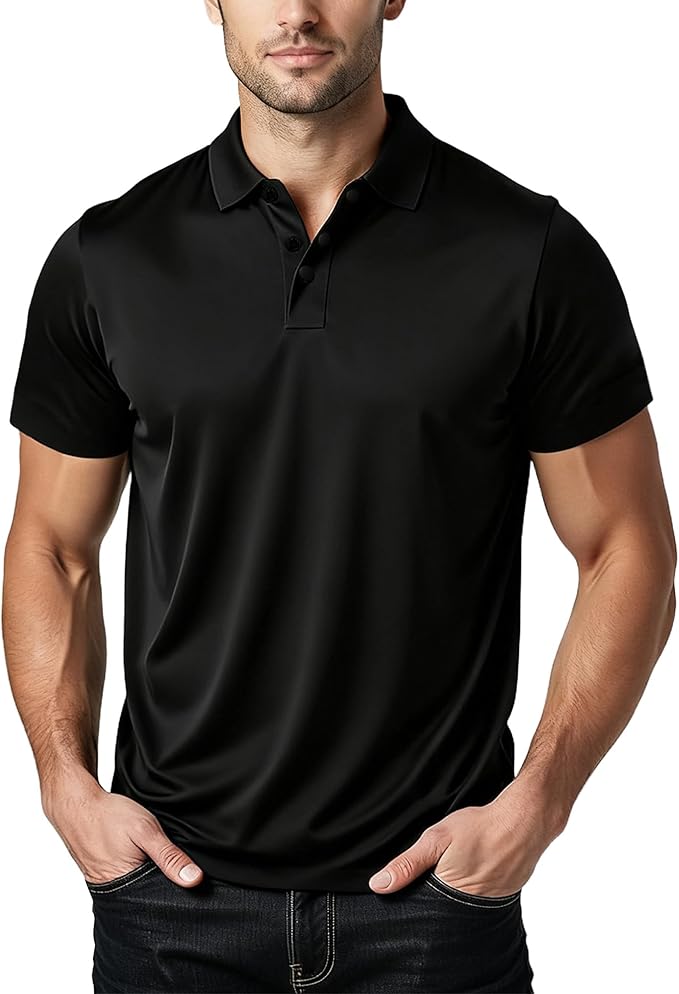
Men's Quick Dry Moisture Wicking Polo Shirt - High Elasticity Slim Fit Athletic Top (Runs Small)
$6.99 $29.99
46% OFF
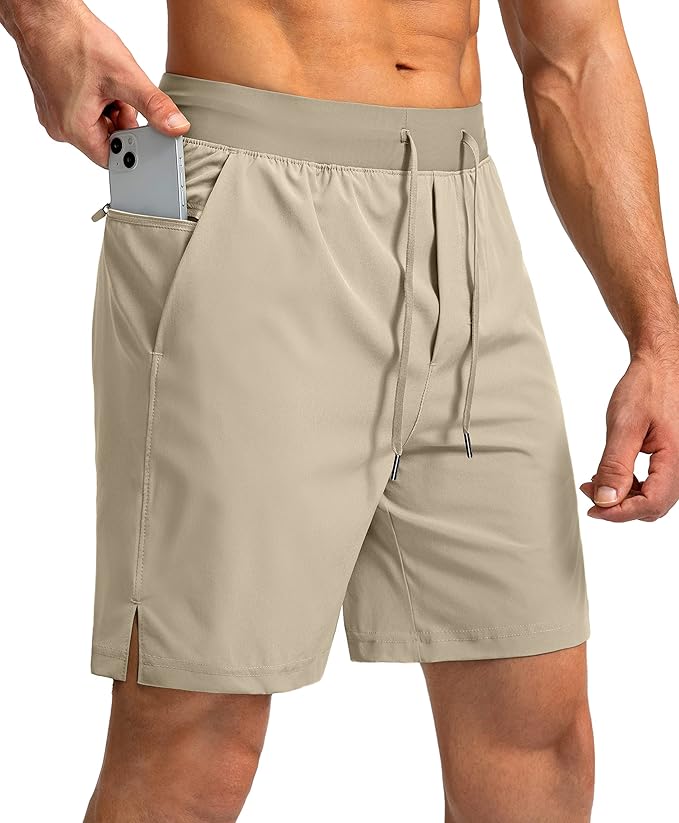
Men's Running Shorts with Zipper Pockets - Lightweight, Quick-Dry, Multi-Sport
$12.95 $23.99
50% OFF
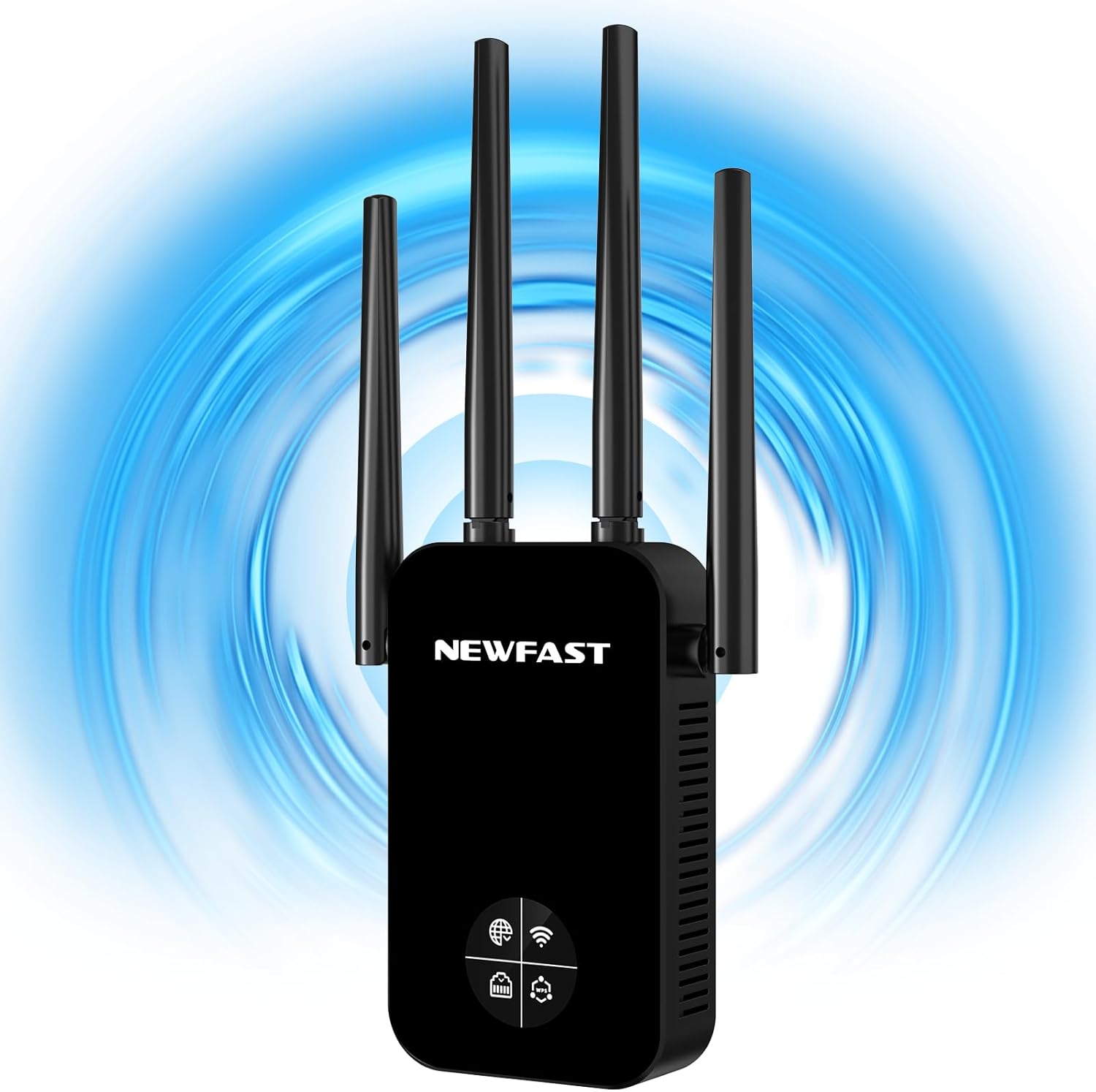
NEWFAST NF-RE523 AC1200 WiFi Extender - 1200Mbps Dual Band Signal Booster & Internet Repeater
$18.5 $36.99
48% OFF
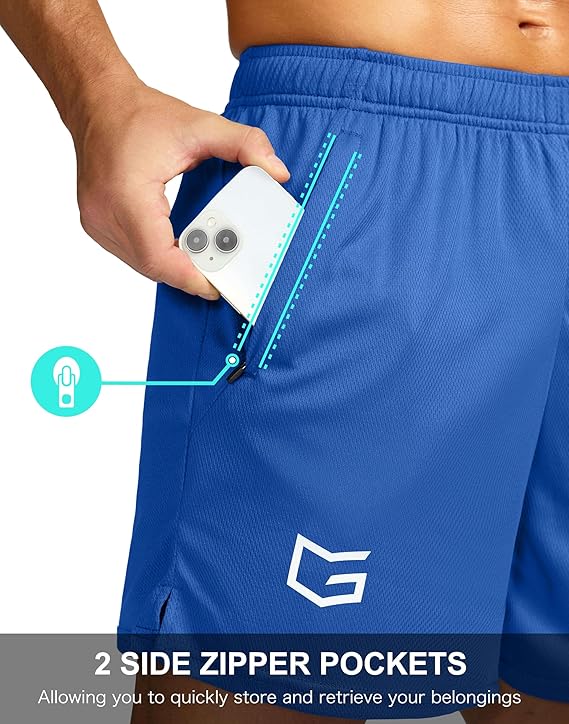
G Gradual Men's 7-inch Workout Running Shorts - Lightweight, Quick-Dry, Comfort
$12.91 $24.99
30% OFF
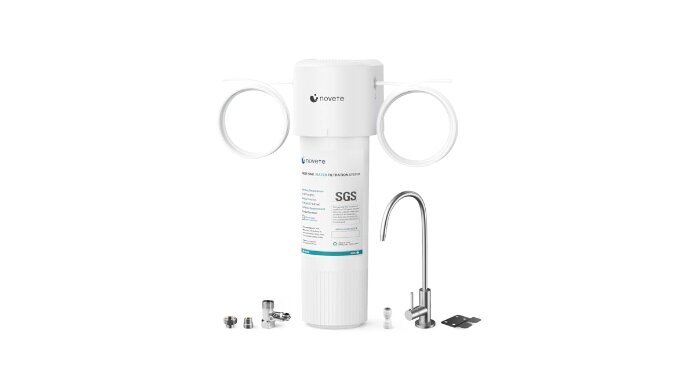
NOVETE Under Sink Water Filter - 3 Years, 30,000 Gallons, High-Efficiency Filtration
$41.99 $59.99
50% OFF

HDPE All-Weather Adirondack Chair with Built-In Cup Holder - Tool-Free Assembly (Grey)
$69.99 $139.99
60% OFF

HOMETUK Clear Plastic Storage Bins with Dividers - 3-Pack Stackable Acrylic Organizer Containers for Fridge and Pantry
$19.99 $49.99
58% OFF

G Gradual Men's Fishing Shirt - UPF 50+ Lightweight Short Sleeve Button Down with Zipper Pockets
$14.99 $35.99
55% OFF

Everyfun 60" Rectangular Platform Tree Swing - 700lbs Heavy Duty Adjustable Outdoor Swing (Colorful)
$49.99 $110.99
61% OFF

Ekouaer Women's Casual Loose Jumpsuit - One-Piece Printed Sleeveless Wide Leg Romper with Pockets
$14.99 $37.99
36% OFF

Men's Athletic Running Shorts with Zipper Pockets - Lightweight & Quick Dry
$12.74 $19.99
61% OFF

Modern Ceiling Fan with Light and Remote - Reversible Quiet DC Motor
$69.3 $179.99
50% OFF

MOOKA H13 True HEPA Air Purifier for Home Large Room - 1076 sq ft Odor Eliminator
$39.97 $79.95
40% OFF
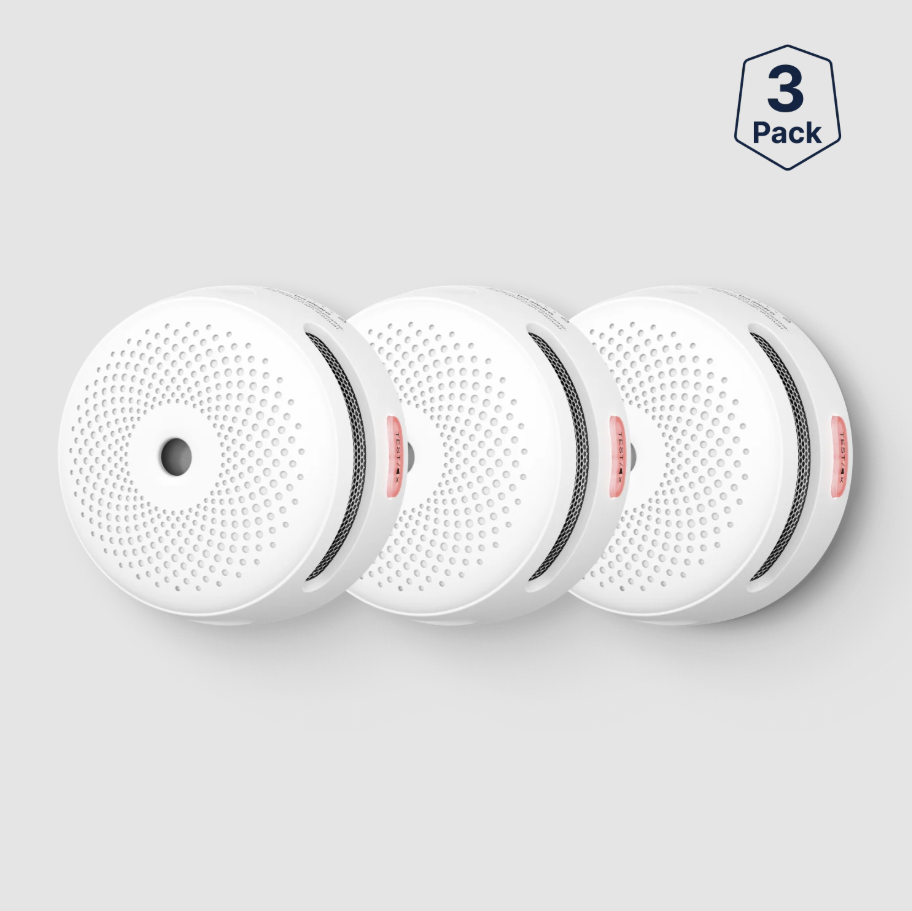
X-Sense XS01-WX Smart Smoke Alarm - 2.4 GHz Wi-Fi Photoelectric Fire Detector with Mobile App Alerts
$65.99 $109.99
11% OFF

VitaUp Beet Root Gummies with CoQ10 & Grape Seed - Nitric Oxide Circulation Support (60 Count)
$24.91 $27.91
Sealy 2-Pack Tritech 16" Twin Inflatable Air Mattress with Built-in AC Pump
$0 $113.99
20% OFF
INTEX Prism Frame 20ft x 52in Above Ground Pool Set - Round Steel Frame Swimming Pool
$695.99 $869.99

Gardner Pet 43" Heavy Duty Dog Crate with Wheels - Indestructible Folding Metal Cage (Black)
$0 $149.99




-

Diary of a CEO’s Steven Bartlett and John Lennox discuss AI, faith and the search for meaning
-

Belfast churches 'heartbroken' over unrest
-

Is there a two-tier Britain?
-

Churches must disciple well and listen well in response to rise of Christian nationalism
-

Biblical models and the creation of King Arthur
-

Welsh reverend speaks of culture of fear over LGBT issues
Most Popular
News

Gloucester churches come together to bless River Avon amid pollution concerns
It is part of a broader campaign against river pollution as concerns remain about the amount of untreated sewage in the Avon.

Life beyond burnout: how Christians can grow in the desert seasons
Christian Today speaks to author and Anglican priest Tish Harrison Warren about growth in desert seasons and why the Church shouldn’t treat all spiritual weariness as a problem to fix.

Iranian-born bishop stands in solidarity with Britain's Jews
2025 had the second highest number of antisemitic incidents on record.

Bishops protest Israeli arrest of another Palestinian Christian
An Evangelical Lutheran has been accused of "promoting terrorist activities".
MANSPOT Electric Pubic Hair Trimmer - Waterproof Body and Groin Shaver for Men and Women (Black)
$20.39
Lick-Safe Dog Paw and Nose Balm Stick - All-Natural Moisturizer with Coconut Oil for Dry, Cracked Pads and Snout
$11.69
Men's Quick Dry Moisture Wicking Polo Shirt - High Elasticity Slim Fit Athletic Top (Runs Small)
$6.99
Men's Running Shorts with Zipper Pockets - Lightweight, Quick-Dry, Multi-Sport
$12.95
NEWFAST NF-RE523 AC1200 WiFi Extender - 1200Mbps Dual Band Signal Booster & Internet Repeater
$18.5
G Gradual Men's 7-inch Workout Running Shorts - Lightweight, Quick-Dry, Comfort
$12.91
NOVETE Under Sink Water Filter - 3 Years, 30,000 Gallons, High-Efficiency Filtration
$41.99
HDPE All-Weather Adirondack Chair with Built-In Cup Holder - Tool-Free Assembly (Grey)
$69.99
HOMETUK Clear Plastic Storage Bins with Dividers - 3-Pack Stackable Acrylic Organizer Containers for Fridge and Pantry
$19.99
G Gradual Men's Fishing Shirt - UPF 50+ Lightweight Short Sleeve Button Down with Zipper Pockets
$14.99
Everyfun 60" Rectangular Platform Tree Swing - 700lbs Heavy Duty Adjustable Outdoor Swing (Colorful)
$49.99
Ekouaer Women's Casual Loose Jumpsuit - One-Piece Printed Sleeveless Wide Leg Romper with Pockets
$14.99
Men's Athletic Running Shorts with Zipper Pockets - Lightweight & Quick Dry
$12.74
Modern Ceiling Fan with Light and Remote - Reversible Quiet DC Motor
$69.3
MOOKA H13 True HEPA Air Purifier for Home Large Room - 1076 sq ft Odor Eliminator
$39.97
X-Sense XS01-WX Smart Smoke Alarm - 2.4 GHz Wi-Fi Photoelectric Fire Detector with Mobile App Alerts
$65.99
VitaUp Beet Root Gummies with CoQ10 & Grape Seed - Nitric Oxide Circulation Support (60 Count)
$24.91
Sealy 2-Pack Tritech 16" Twin Inflatable Air Mattress with Built-in AC Pump
$0
INTEX Prism Frame 20ft x 52in Above Ground Pool Set - Round Steel Frame Swimming Pool
$695.99
Gardner Pet 43" Heavy Duty Dog Crate with Wheels - Indestructible Folding Metal Cage (Black)
$0