
As an official observer from the Roman Catholic Church, Monsignor John Radano is a well-known presence at meetings of the World Council of Churches (WCC) central committee. Head of the Western Section of the Pontifical Council for Promoting Christian Unity, and the principal liaison person between the Vatican and the WCC's Faith and Order Commission, Radano comments in this interview on the first meeting of the new WCC central committee.
|PIC1|- What is your assessment of this first meeting of the new WCC central committee?
It has been a good meeting, with a very positive spirit. Delegates came to know each other for the first time, and as one of them said, they realized that they are part of a larger family.
One of the main areas of work has been the reshaping of the WCC programmatic work. And I believe that all the historical areas of concern of the Council are there: mission, justice and social issues, Faith and Order. This meeting has done a great deal of work in terms of shaping the programmes, and now the WCC will put its efforts into working to better promote those concerns.
Now we have to wait and see how the new structure and working style functions. For sure there will be some adjustments to do and improvements will be made along the way. In relation to Faith and Order, this new style might mean that different units have input to offer, and they will certainly learn from each other, but that's not completely new.
|TOP|- At the last central committee meeting, you said that the consensus methodology allowed a move "from confrontation to dialogue". Do you still think so?
Yes, I maintain my optimism. Consensus is a contribution of the Special Commission on Orthodox Participation that has been implemented here for the first time after the 9th Assembly and, as such, it is a good starting point. Perhaps more work needs to be done in terms of how to put it into practice, balancing the available time and the need for lengthy discussions that could take place within the committees. Also in terms of guidance and training of those involved, including those who have the responsibility to moderate.
Now, one of the main challenges of this central committee will be to implement the rest of the Special Commission contributions, like addressing ecclesiological challenges, and the whole area of common prayer. By the way, the Special Commission has been one of the most significant achievements of the Council recently.
|AD|- You have mentioned Faith and Order. What is your assessment of its position in the new structure?
Faith and Order is well on track after its Standing Commission meeting, held last June, where the agenda for its work in the coming years was set. At this meeting, that programme was affirmed. For us Catholics, Faith and Order is a very fundamental part of the work done by the WCC. And because it has such a singular importance, since it deals with the basics of our understanding of the faith, we see it as a priority.
- Some may see a confrontation or at least a competition between multilateral ecumenism and bilateral ecumenism. What do you think of that?
Both the multilateral and the bilateral approach are valuable. The Catholic Church is very committed to Faith and Order, as I said. That is a multilateral approach, and within it, we discuss issues like baptism and ecclesiology. But bilateral approaches like the Joint Declaration on Justification, signed by the Vatican and the Lutheran World Federation, allow for addressing specific issues of concern to two parties.
I see these two approaches as complementary, as long as we are aware that there is one ecumenical movement, which encompasses many voices.
49% OFF
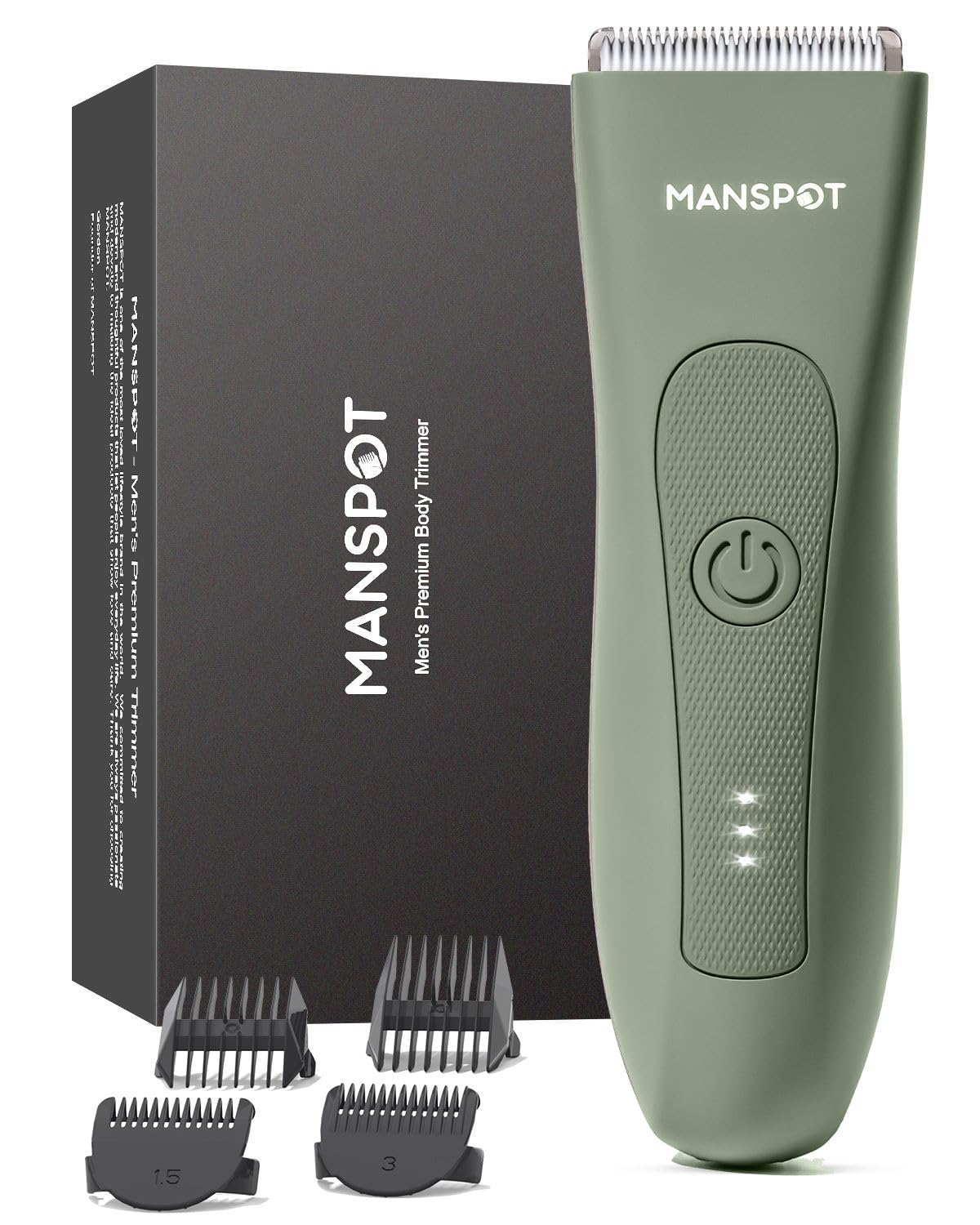
MANSPOT Electric Pubic Hair Trimmer - Waterproof Body and Groin Shaver for Men and Women (Black)
$20.39 $40
25% OFF

Lick-Safe Dog Paw and Nose Balm Stick - All-Natural Moisturizer with Coconut Oil for Dry, Cracked Pads and Snout
$11.69 $15.59
77% OFF
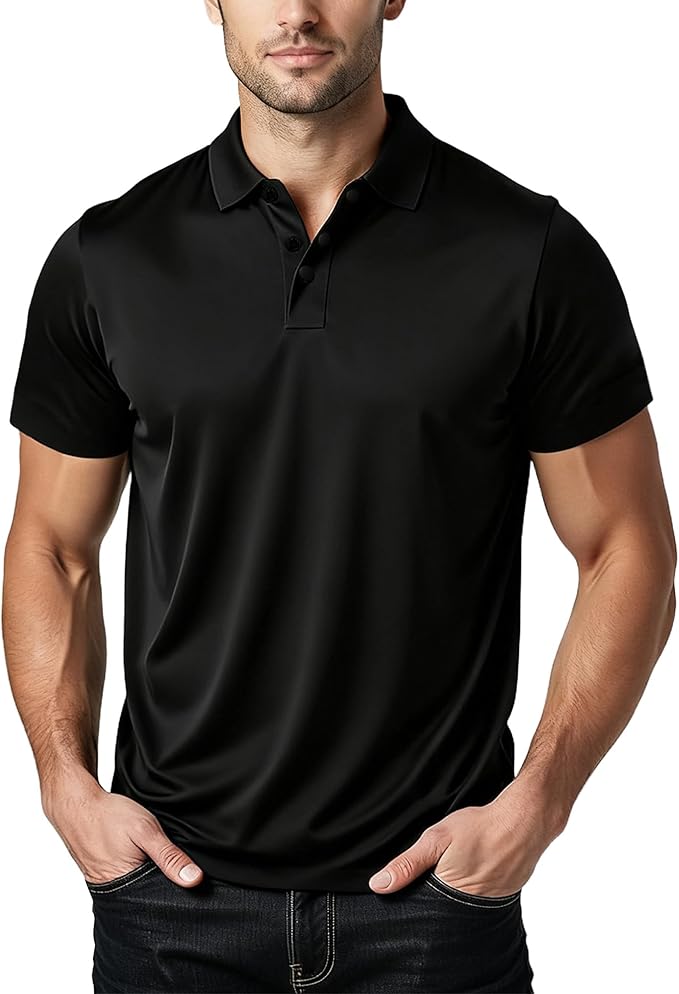
Men's Quick Dry Moisture Wicking Polo Shirt - High Elasticity Slim Fit Athletic Top (Runs Small)
$6.99 $29.99
46% OFF
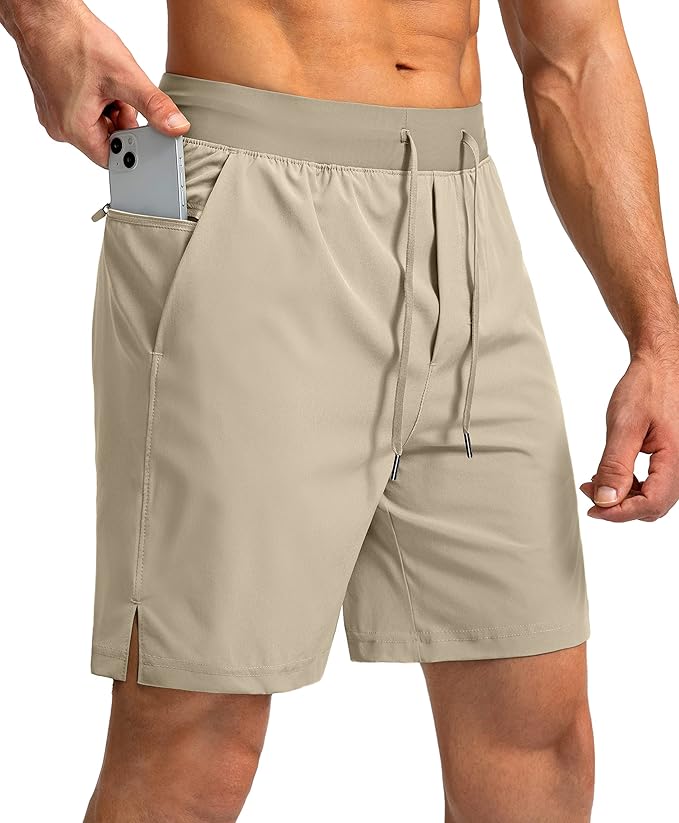
Men's Running Shorts with Zipper Pockets - Lightweight, Quick-Dry, Multi-Sport
$12.95 $23.99
50% OFF

NEWFAST NF-RE523 AC1200 WiFi Extender - 1200Mbps Dual Band Signal Booster & Internet Repeater
$18.5 $36.99
48% OFF

G Gradual Men's 7-inch Workout Running Shorts - Lightweight, Quick-Dry, Comfort
$12.91 $24.99
30% OFF
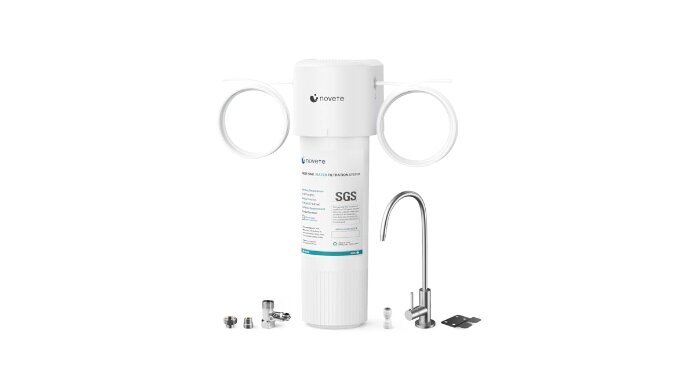
NOVETE Under Sink Water Filter - 3 Years, 30,000 Gallons, High-Efficiency Filtration
$41.99 $59.99
50% OFF

HDPE All-Weather Adirondack Chair with Built-In Cup Holder - Tool-Free Assembly (Grey)
$69.99 $139.99
60% OFF

HOMETUK Clear Plastic Storage Bins with Dividers - 3-Pack Stackable Acrylic Organizer Containers for Fridge and Pantry
$19.99 $49.99
58% OFF

G Gradual Men's Fishing Shirt - UPF 50+ Lightweight Short Sleeve Button Down with Zipper Pockets
$14.99 $35.99
55% OFF

Everyfun 60" Rectangular Platform Tree Swing - 700lbs Heavy Duty Adjustable Outdoor Swing (Colorful)
$49.99 $110.99
61% OFF

Ekouaer Women's Casual Loose Jumpsuit - One-Piece Printed Sleeveless Wide Leg Romper with Pockets
$14.99 $37.99
36% OFF

Men's Athletic Running Shorts with Zipper Pockets - Lightweight & Quick Dry
$12.74 $19.99
61% OFF

Modern Ceiling Fan with Light and Remote - Reversible Quiet DC Motor
$69.3 $179.99
50% OFF

MOOKA H13 True HEPA Air Purifier for Home Large Room - 1076 sq ft Odor Eliminator
$39.97 $79.95
40% OFF
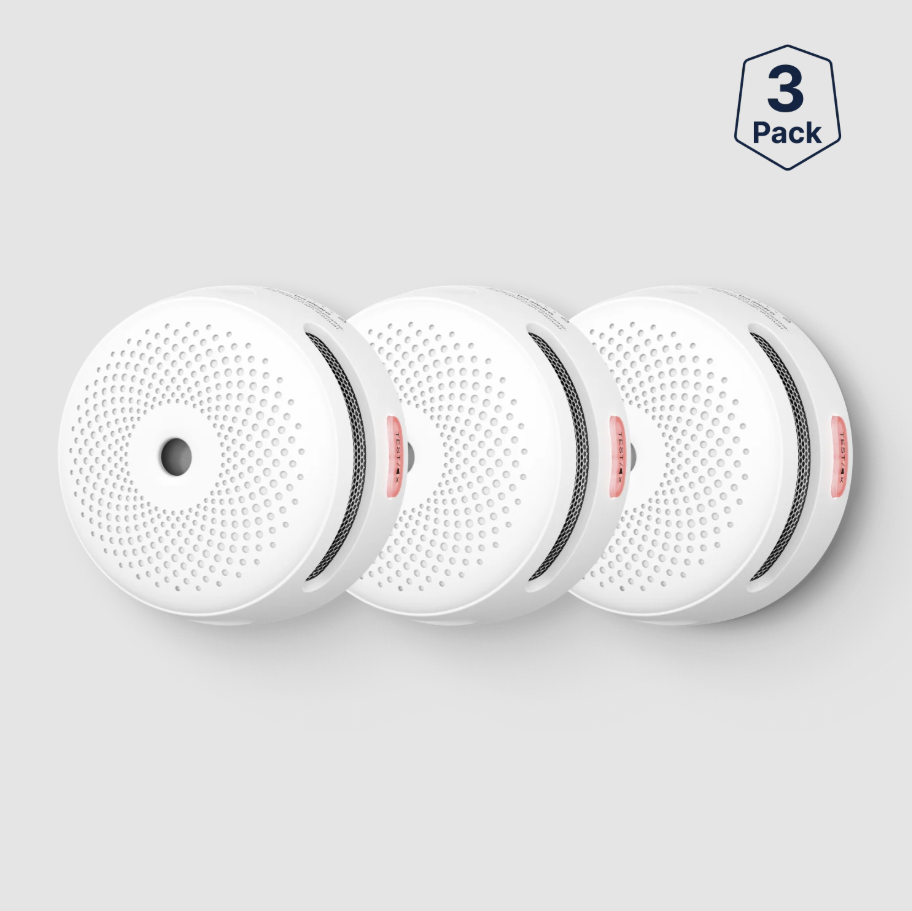
X-Sense XS01-WX Smart Smoke Alarm - 2.4 GHz Wi-Fi Photoelectric Fire Detector with Mobile App Alerts
$65.99 $109.99
11% OFF

VitaUp Beet Root Gummies with CoQ10 & Grape Seed - Nitric Oxide Circulation Support (60 Count)
$24.91 $27.91
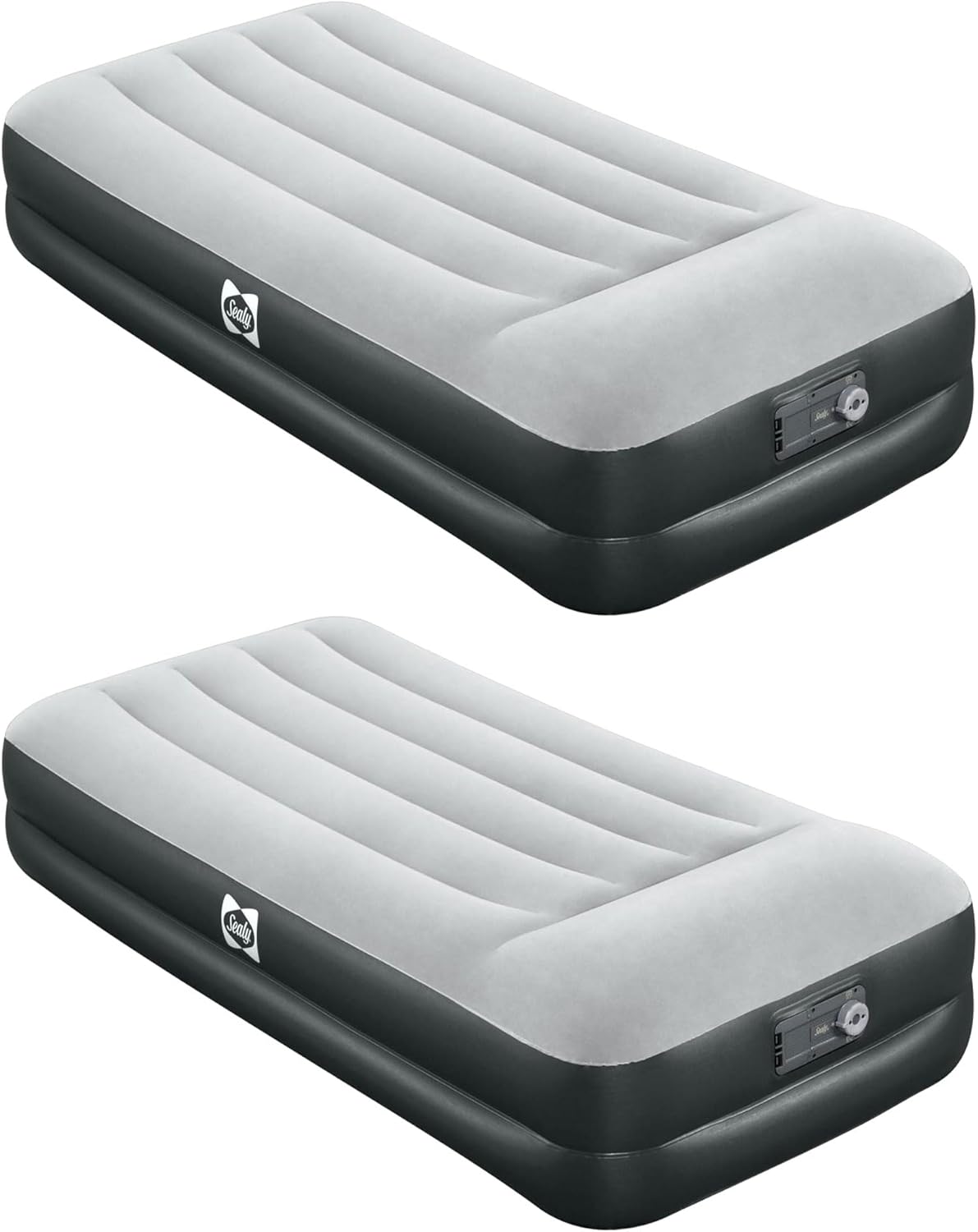
Sealy 2-Pack Tritech 16" Twin Inflatable Air Mattress with Built-in AC Pump
$0 $113.99
20% OFF
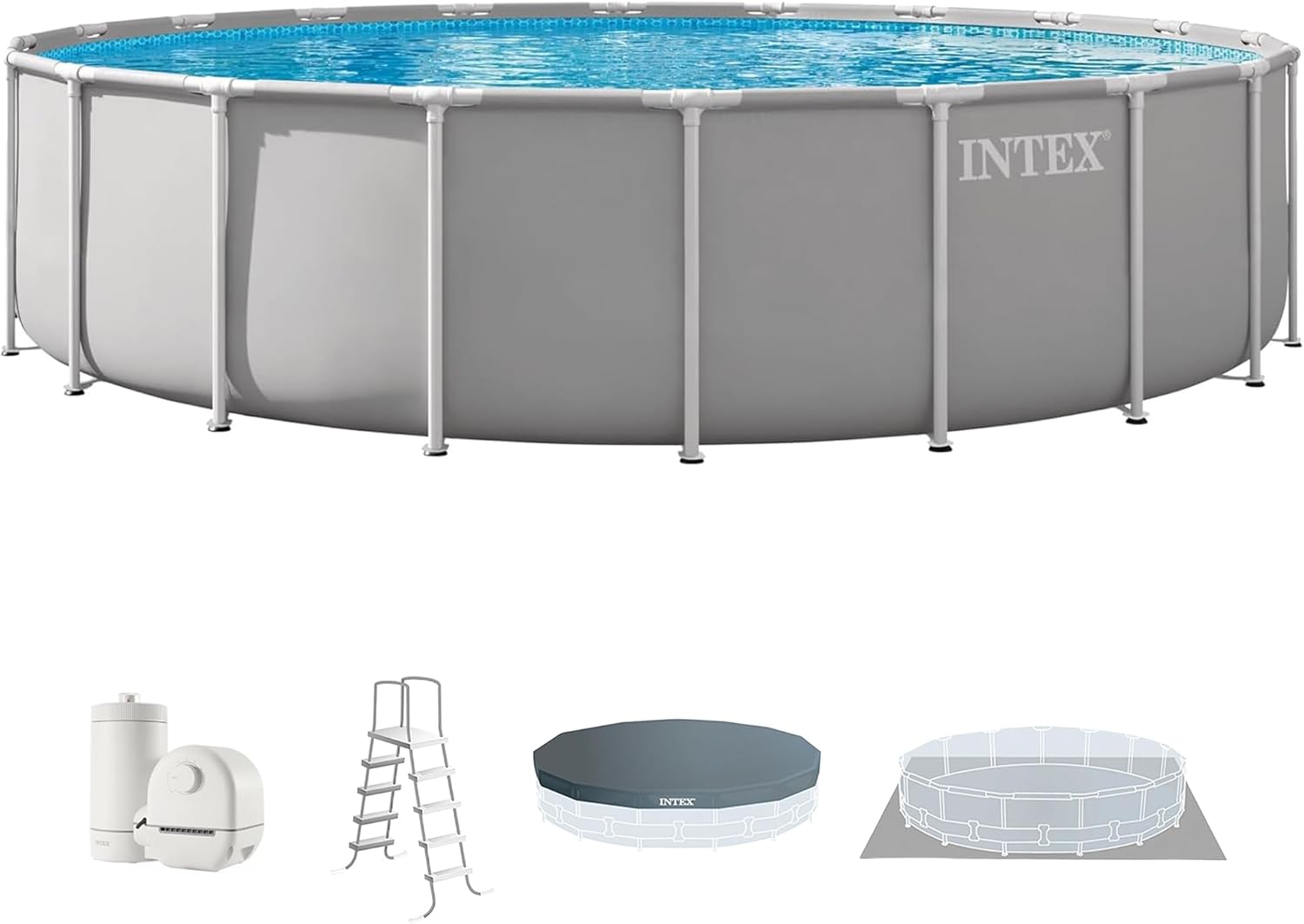
INTEX Prism Frame 20ft x 52in Above Ground Pool Set - Round Steel Frame Swimming Pool
$695.99 $869.99

Gardner Pet 43" Heavy Duty Dog Crate with Wheels - Indestructible Folding Metal Cage (Black)
$0 $149.99




-

Diary of a CEO’s Steven Bartlett and John Lennox discuss AI, faith and the search for meaning
-

Belfast churches 'heartbroken' over unrest
-

Is there a two-tier Britain?
-

Churches must disciple well and listen well in response to rise of Christian nationalism
-

Biblical models and the creation of King Arthur
-

Welsh reverend speaks of culture of fear over LGBT issues
Most Popular
related articles
WCC Head Gives Opening Address as Central Committee Meeting Commences
WCC Head Gives Opening Address as Central Committee Meeting Commences
World Council of Churches Calls for Ecumenical Response to Middle East Crisis
World Council of Churches Calls for Ecumenical Response to Middle East Crisis
Lebanon’s Culture Minister Calls for Peace at WCC Central Committee
Lebanon’s Culture Minister Calls for Peace at WCC Central Committee
World Council of Churches Empowered by New Youth Body
World Council of Churches Empowered by New Youth Body
WCC Requests Universal Access to HIV/Aids Treatment
WCC Requests Universal Access to HIV/Aids Treatment
News
Gloucester churches come together to bless River Avon amid pollution concerns
It is part of a broader campaign against river pollution as concerns remain about the amount of untreated sewage in the Avon.

Life beyond burnout: how Christians can grow in the desert seasons
Christian Today speaks to author and Anglican priest Tish Harrison Warren about growth in desert seasons and why the Church shouldn’t treat all spiritual weariness as a problem to fix.

Iranian-born bishop stands in solidarity with Britain's Jews
2025 had the second highest number of antisemitic incidents on record.

Bishops protest Israeli arrest of another Palestinian Christian
An Evangelical Lutheran has been accused of "promoting terrorist activities".
MANSPOT Electric Pubic Hair Trimmer - Waterproof Body and Groin Shaver for Men and Women (Black)
$20.39
Lick-Safe Dog Paw and Nose Balm Stick - All-Natural Moisturizer with Coconut Oil for Dry, Cracked Pads and Snout
$11.69
Men's Quick Dry Moisture Wicking Polo Shirt - High Elasticity Slim Fit Athletic Top (Runs Small)
$6.99
Men's Running Shorts with Zipper Pockets - Lightweight, Quick-Dry, Multi-Sport
$12.95
NEWFAST NF-RE523 AC1200 WiFi Extender - 1200Mbps Dual Band Signal Booster & Internet Repeater
$18.5
G Gradual Men's 7-inch Workout Running Shorts - Lightweight, Quick-Dry, Comfort
$12.91
NOVETE Under Sink Water Filter - 3 Years, 30,000 Gallons, High-Efficiency Filtration
$41.99
HDPE All-Weather Adirondack Chair with Built-In Cup Holder - Tool-Free Assembly (Grey)
$69.99
HOMETUK Clear Plastic Storage Bins with Dividers - 3-Pack Stackable Acrylic Organizer Containers for Fridge and Pantry
$19.99
G Gradual Men's Fishing Shirt - UPF 50+ Lightweight Short Sleeve Button Down with Zipper Pockets
$14.99
Everyfun 60" Rectangular Platform Tree Swing - 700lbs Heavy Duty Adjustable Outdoor Swing (Colorful)
$49.99
Ekouaer Women's Casual Loose Jumpsuit - One-Piece Printed Sleeveless Wide Leg Romper with Pockets
$14.99
Men's Athletic Running Shorts with Zipper Pockets - Lightweight & Quick Dry
$12.74
Modern Ceiling Fan with Light and Remote - Reversible Quiet DC Motor
$69.3
MOOKA H13 True HEPA Air Purifier for Home Large Room - 1076 sq ft Odor Eliminator
$39.97
X-Sense XS01-WX Smart Smoke Alarm - 2.4 GHz Wi-Fi Photoelectric Fire Detector with Mobile App Alerts
$65.99
VitaUp Beet Root Gummies with CoQ10 & Grape Seed - Nitric Oxide Circulation Support (60 Count)
$24.91
Sealy 2-Pack Tritech 16" Twin Inflatable Air Mattress with Built-in AC Pump
$0
INTEX Prism Frame 20ft x 52in Above Ground Pool Set - Round Steel Frame Swimming Pool
$695.99
Gardner Pet 43" Heavy Duty Dog Crate with Wheels - Indestructible Folding Metal Cage (Black)
$0