
The President of the Federation of Swiss Protestant Churches (SPC), Pastor Thomas Wipf of Bern, a member of the three-member Presidium of the CPCE (Community of Protestant Churches in Europe), gives his reflection on the work within the CPCE in this interview.
|PIC1|Pastor Wipf explains: “Europe needs our common witness and our common service. We would be unfaithful to our task as churches if we stopped at a merely voluntary declaration of church fellowship.”
Church President Wipf also tells of his expectations from the next General Assembly, which is taking place in Budapest from 12-18 September under the slogan ‘Strengthening Community – The Profile of Protestantism in Europe’.
Among his expectations he listed: “An internal and external strengthening of the CPCE”. An “institutional and legal strengthening of the CPCE is necessarily bound up” with the common witness and common service of the Protestant churches in Europe.
“We should give ourselves the possibility of bringing together the diversity of Protestant voices, working out common positions and then also making binding resolutions.”
The full interview with Pastor Wipf is shown below:
Herr Wipf, you have belonged to the CPCE Presidium since the last General Assembly and since then you have guided the fortunes of this alliance of Protestant churches. What are your personal conclusions about it?
Thomas Wipf: Today the Community of Protestant Churches in Europe is a reality for Protestantism. It provides stimuli for theological and ecclesiological reflection on a further growing together of the Protestant churches in the context of Europe and world-wide. Today this community is also an ecumenical reality. The CPCE is a partner in ecumenical conversations and thus can introduces its specifically Reformation understanding of church unity.
|TOP|Already prior to the last General Assembly in Belfast in 2001 further Protestant churches in Europe signed the Leuenberg Agreement, for example the Methodist churches of Europe and the Lutheran Churches of Denmark and Norway. The Evangelical Church in the Principality of Liechtenstein signed the Agreement this spring as our 105th and latest member. Another sign of the ongoing and not just Eurocentric significance of the Leuenberg Church Fellowship model of unity for is also evident from the fact than the Reformed and Lutheran churches in the Near East have signed the so-called Amman Declaration modelled on the Leuenberg Agreement.
Beyond doubt the Leuenberg Agreement also provides stimuli for the Protestant world alliances – the World Alliance of Reformed Churches and the Lutheran World Federation - and for their closer collaboration.
The CPCE is a solid Protestant network but not yet a fellowship which would be in a position to bring together the diversity of its voices and give them common expression. After the almost euphoric mood at the last General Assembly and the call for a prominent Protestant voice in Europe, a degree of restraint is also detectable. It is as if the churches did not complete trust their courage, I hope that the theological work on foundations which has been done since Belfast can give further nourishment to the will to grow together in a binding and visible way.
The last General Assembly called for the Protestant voice in Europe to be strengthened. Has this goal been achieved?
Thomas Wipf: The General Assembly in Belfast was a starting point. We will not go back on this starting point, The CPCE churches want to strengthen and reinforce their fellowship in witness and service. But Belfast also sparked off new reflection on the diversity which is a constituent part of Protestant witness. For the Protestant churches, unity cannot mean unification or uniformity. The important thing is to accept constructively the tension between unity and diversity.
We must also become aware that the history of the CPCE - which has always been the history of Leuenberg – is closely bound up with the growing together of Europe. Just as the political and economic situations of the member states of the European Union are different, so too are the situations of the CPCE member churches. It is part of Leuenberg that things grow slowly and that further development takes time.
|AD|After the last General Assembly the Leuenberg Church Fellowship renamed itself the Community of Protestant Churches in Europe. Have the expectations that it will be seen more clearly through the new name been fulfilled?
Thomas Wipf: The change in name involves more than the marketing aspect. I believe that the CPCE member churches were aware that primarily a substantive programme is bound up with the new name. Leuenberg must be more than a list of signatures under a document. Europe needs our common witness and our common service. We would be unfaithful to our task as churches if we stopped at a merely voluntary declaration of church fellowship.
The assent of the churches to the change of name also meant assent to the programme. The fellowship of churches must become binding, visible and audible – for the sake of the gospel and our fellow men and women. The slogan for the coming General Assembly in Budapest will be ‘Strengthening Community – The Profile of Protestantism in Europe’.
What do you expect of the General Assembly in Budapest?
Thomas Wipf: The doctrinal conversation groups have worked out documents for the General Assembly which make possible substantive discussions at a high level and provide the foundations for different options of further development of the CPCE.
I personally hope for an internal and external strengthening of the CPCE. Internal strengthening affects the awareness of being a committed member of a fellowship of churches and the will to give Protestant witness together. This would mean, for example, that we look for understanding wherever the basic insights of the Reformation are at stake. ‘CPCE compatibility’ should be a criterion in important theological or ecclesiological decisions of the member churches.
An institutional and legal strengthening of the CPCE is also necessarily bound up with the common witness and common service of the Protestant churches in Europe. We should give ourselves the possibility of bringing together the diversity of Protestant voices. I therefore hope that the General Assembly will resolve to work out a statute. In it the task and goal of the CPCE, organs, responsibilities and processes of reception must be described, along with the cultivation of relationships with other ecumenical alliances.
The significance of the General Assembly should be strengthened and the Executive Committee should be able to represent this alliance of churches to the outside world. A regular conference of church leaders would also be important for understanding between member churches.
What in your view are the future tasks of the CPCE?
Thomas Wipf: Theological work is a characteristic – perhaps the characteristic – of the Leuenberg Church Fellowship. This theological work must certainly be carried on. It remains indispensable for me. To take one example: the 1994 Leuenberg union document about the understanding of the church, ‘The Church of Jesus Christ’, makes a central statement: the one church of Jesus Christ, the object of faith, takes shape in concrete, historical churches. We emphasize the distinction between the foundation and the shape of the church. There is a danger that we will stop at the ‘distinction’. So perhaps in connection with Leuenberg we often speak only of ‘reconciled difference’. But the Community of Protestant Churches in Europe is not a fellowship of peaceful co-existence or even of an absence of claims on either side. The foundation and shape of the church may not be distinguished; they must also correspond. If we believe in ‘the one church in Jesus Christ’, then we should also reflect seriously on how we give this unity concrete shape.
The ecumenical model of Leuenberg is not ‘reconciled difference’ but ‘unity in reconciled difference’. We must seek forms of fellowship which give visible expression not only to our diversity but also to our unity.
For me a second, ecumenical task follows from this first future task. Our ecumenical partners, above all from the Roman Catholic side, often misunderstand the ‘Leuenberg Agreement’ as a legitimation of the status quo or as a minimal consensus, or even as an expression of ‘a post-modern mentality of an individualistic and pluralistic randomness’. So there is still much need for ecumenical explanation. The declaration of fellowship between churches of different confessions is not the goal of the ecumenical conversation but the beginning. The ecumenical dialogue between churches of different confessions can only begin to be binding where we recognize and acknowledge one another as churches. Therefore from a Protestant perspective Leuenberg is and remains an ecumenical milestone.
The third future task concerns the CPCE member churches. If the Leuenberg model of church unity is a really Protestant model, then it must be supported from ‘below’. Therefore the Leuenberg churches should examine possibilities of how the church fellowship which has been declared can also be given concrete shape at regional, national and even local levels.
The CPCE has intensified dialogue with Anglicans, Orthodox and Baptists in recent years. What is the aim of these conversations?
Thomas Wipf: The Leuenberg Church Fellowship of 'unity in reconciled difference’ presents a model of church unity which is also significant for a more comprehensive ecumene. It is therefore natural to seek theological conversation with other confessional families beyond the Lutheran-Reformed-United-Methodist sphere. The aim is to serve the whole ecumenical movement and to find a deeper fellowship and co-operation with other churches. The dialogue with the Anglican Communion taken up about ten years ago additionally also serves to consolidate internal fellowship, in so far as individual signatory churches are already in contact with the Anglicans thorough the Porvoo fellowship. The example of dialogue with the Baptists shows that this dialogue can lead to very welcome results. The document ‘The Beginning of Christian Life and the Nature of the Church’ takes an important step towards a common understanding of baptism and thus a deeper fellowship. How its results can be brought together and made fruitful in the further development of the Leuenberg Church Fellowship remains an important question for future dialogue.
50% OFF

All-Weather HDPE Plastic Adirondack Chair with Cup Holder – Navy Blue
$70 $139.99
50% OFF

7-Color LED Red Light Therapy Mask for Face and Anti-Aging
$29.99 $59.99
49% OFF
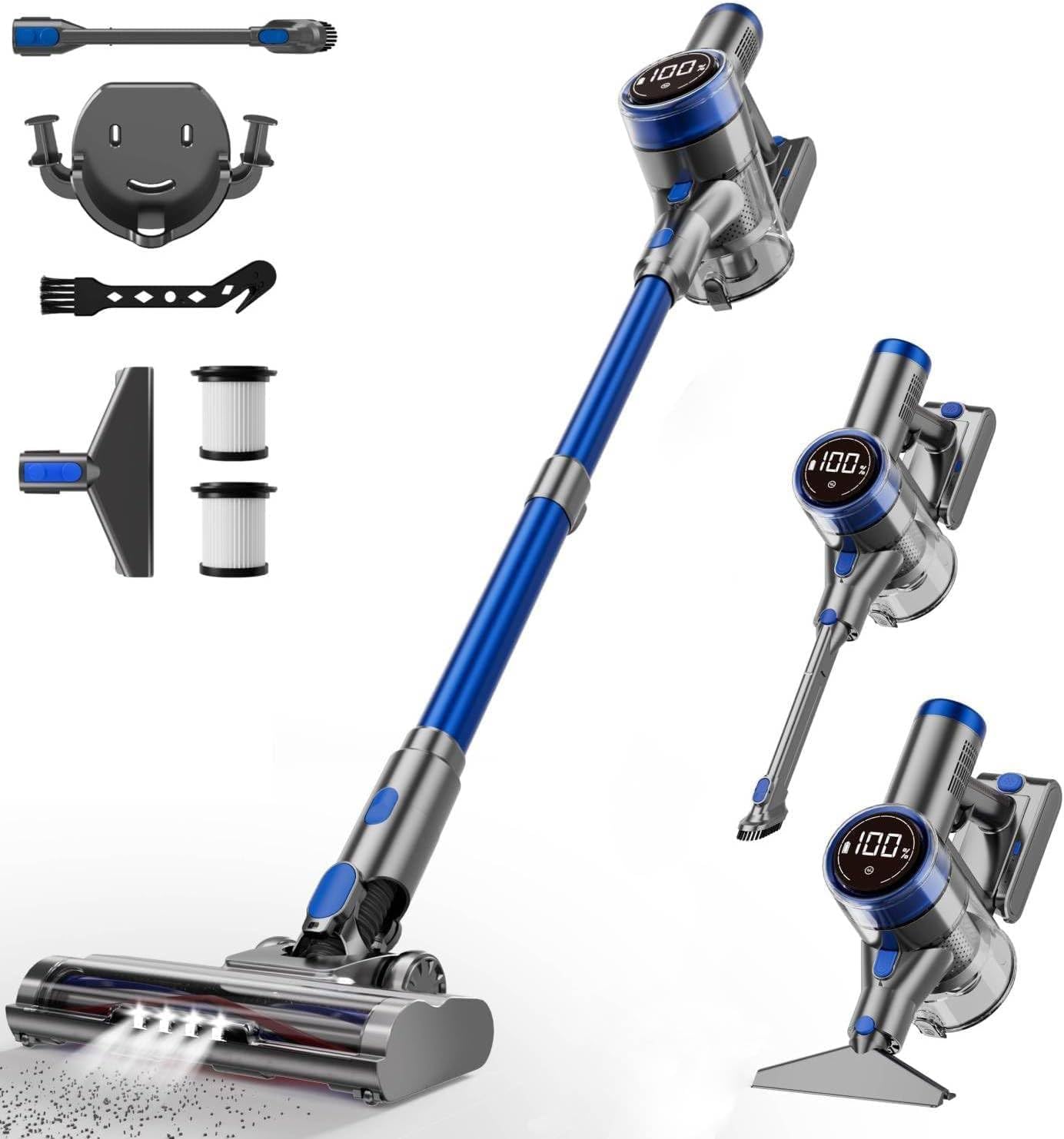
Cordless Vacuum Cleaner - 480W/45Kpa Powerful Stick Vacuum with LED Smart Touch Screen
$55.99 $109.99
20% OFF

Hypoallergenic Pet Wipes for Dogs & Cats - 400 Count Extra Large Coconut Scented Grooming Wipes
$24.79 $30.99
49% OFF
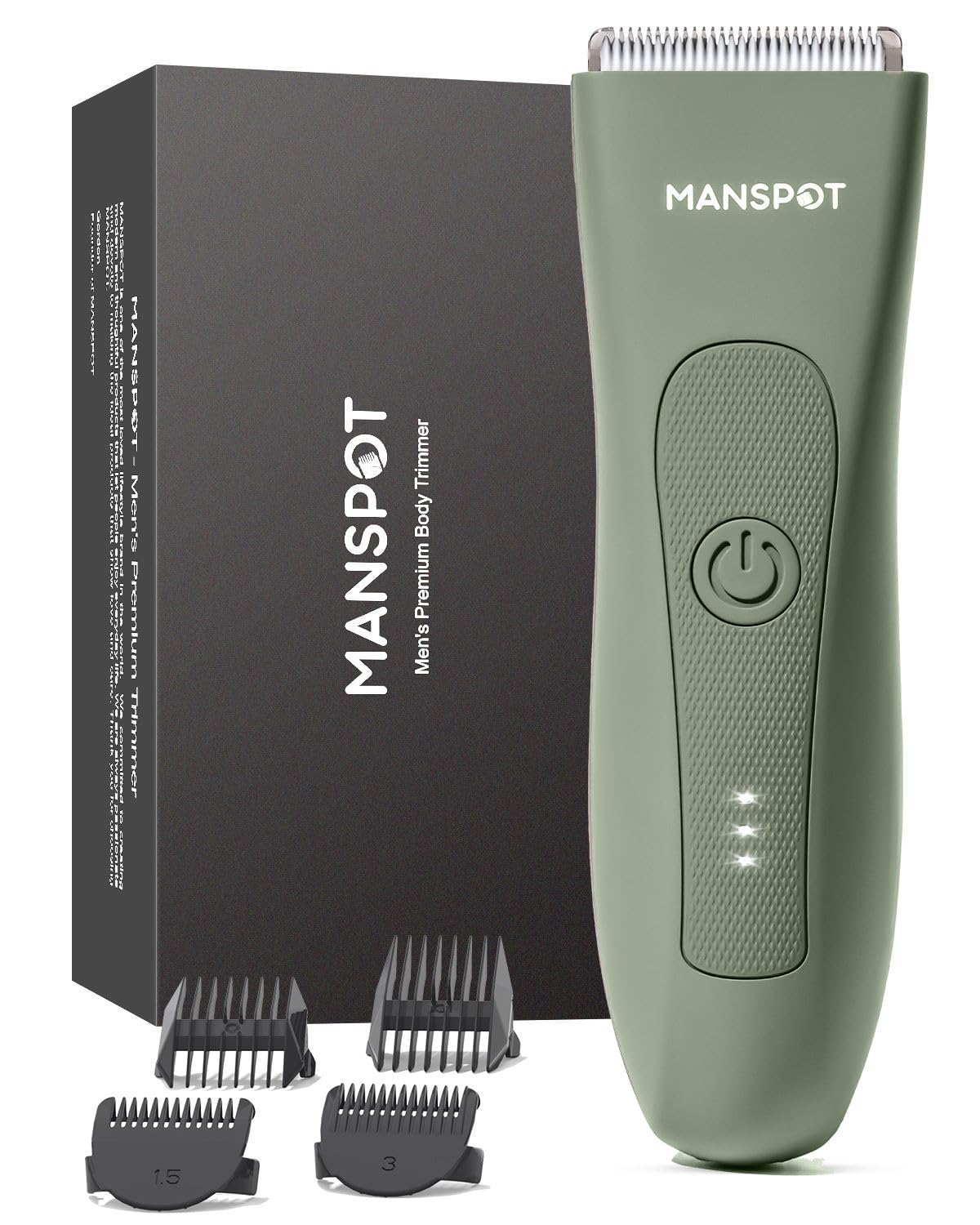
MANSPOT Electric Pubic Hair Trimmer - Waterproof Body and Groin Shaver for Men and Women (Black)
$20.39 $40
25% OFF

Lick-Safe Dog Paw and Nose Balm Stick - All-Natural Moisturizer with Coconut Oil for Dry, Cracked Pads and Snout
$11.69 $15.59
77% OFF
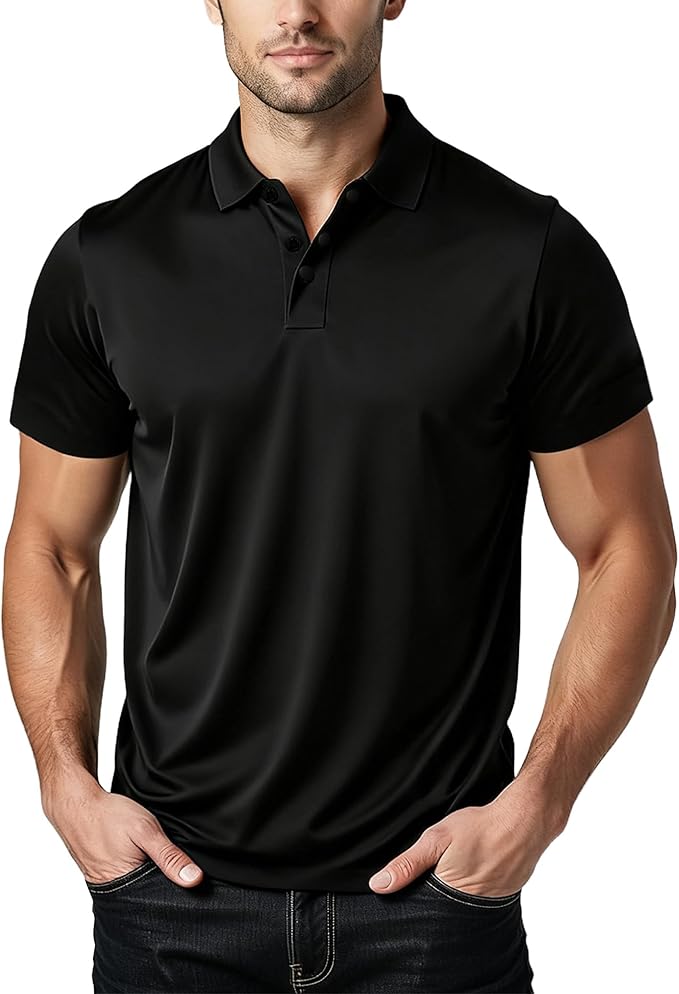
Men's Quick Dry Moisture Wicking Polo Shirt - High Elasticity Slim Fit Athletic Top (Runs Small)
$6.99 $29.99
46% OFF

Men's Running Shorts with Zipper Pockets - Lightweight, Quick-Dry, Multi-Sport
$12.95 $23.99
50% OFF
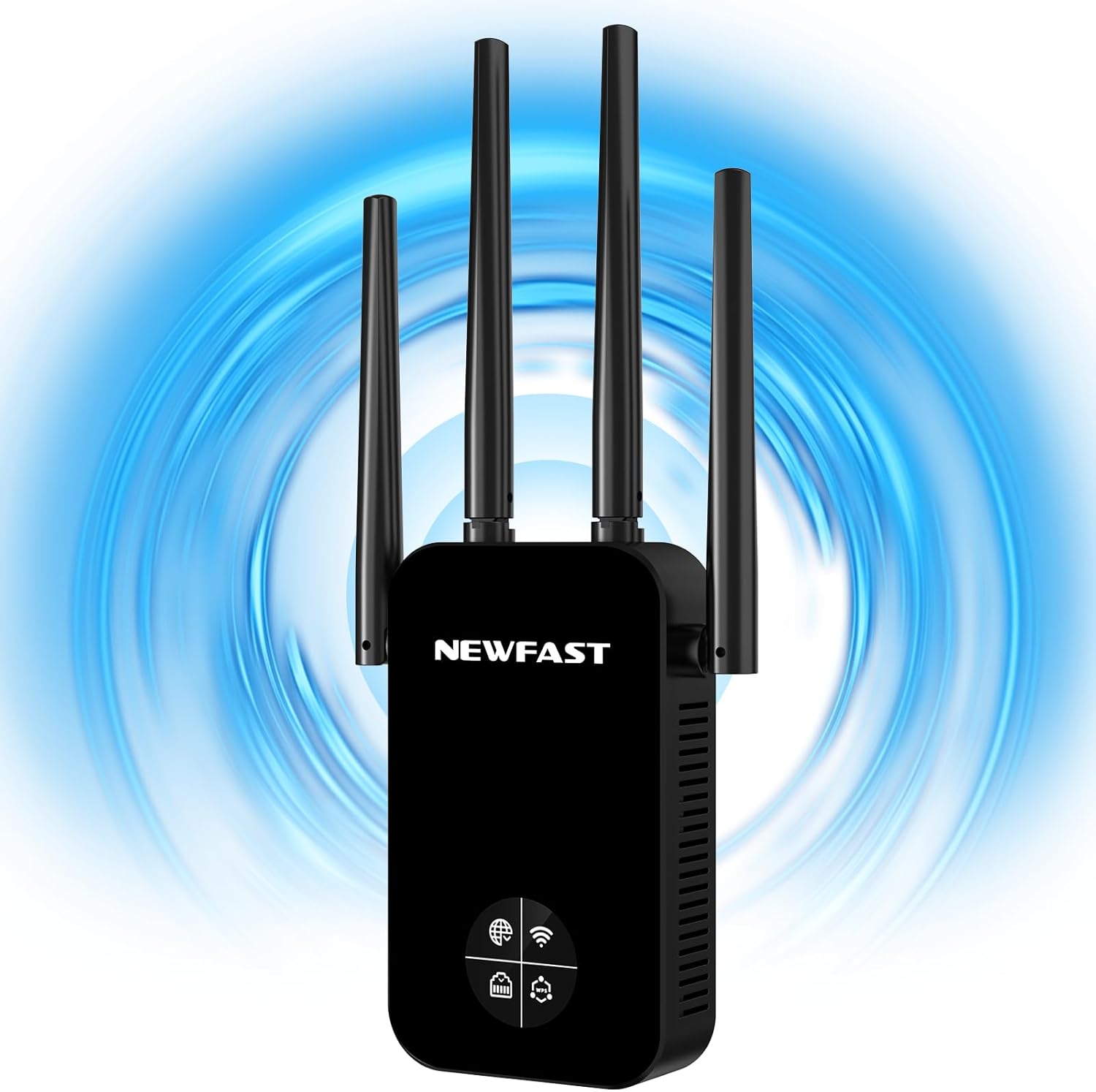
NEWFAST NF-RE523 AC1200 WiFi Extender - 1200Mbps Dual Band Signal Booster & Internet Repeater
$18.5 $36.99
48% OFF

G Gradual Men's 7-inch Workout Running Shorts - Lightweight, Quick-Dry, Comfort
$12.91 $24.99
30% OFF
NOVETE Under Sink Water Filter - 3 Years, 30,000 Gallons, High-Efficiency Filtration
$41.99 $59.99
50% OFF

HDPE All-Weather Adirondack Chair with Built-In Cup Holder - Tool-Free Assembly (Grey)
$69.99 $139.99
60% OFF

HOMETUK Clear Plastic Storage Bins with Dividers - 3-Pack Stackable Acrylic Organizer Containers for Fridge and Pantry
$19.99 $49.99
58% OFF
G Gradual Men's Fishing Shirt - UPF 50+ Lightweight Short Sleeve Button Down with Zipper Pockets
$14.99 $35.99
55% OFF

Everyfun 60" Rectangular Platform Tree Swing - 700lbs Heavy Duty Adjustable Outdoor Swing (Colorful)
$49.99 $110.99
61% OFF
Ekouaer Women's Casual Loose Jumpsuit - One-Piece Printed Sleeveless Wide Leg Romper with Pockets
$14.99 $37.99
36% OFF
Men's Athletic Running Shorts with Zipper Pockets - Lightweight & Quick Dry
$12.74 $19.99
61% OFF
Modern Ceiling Fan with Light and Remote - Reversible Quiet DC Motor
$69.3 $179.99
50% OFF

MOOKA H13 True HEPA Air Purifier for Home Large Room - 1076 sq ft Odor Eliminator
$39.97 $79.95
40% OFF
X-Sense XS01-WX Smart Smoke Alarm - 2.4 GHz Wi-Fi Photoelectric Fire Detector with Mobile App Alerts
$65.99 $109.99
-

Life beyond burnout: how Christians can grow in the desert seasons
-

New attempt to revive assisted suicide bill faces opposition
-

A Christian reflection on men’s health week: Jesus - the man we were created to be
-

Anti-Christian hate crimes across Europe surge in May as arson attacks reach 2026 high
News
-

Anti-Christian hate crimes across Europe surge in May as arson attacks reach 2026 high
-

Belfast churches 'heartbroken' over unrest
-

South Wales Police back down on imposing Islamic 'blasphemy law'
-

Welsh reverend speaks of culture of fear over LGBT issues
-

Churches must disciple well and listen well in response to rise of Christian nationalism
-

Making cohabitation equal with marriage is 'unfair', Christians argue
Most Popular
related articles
Interview: Community of Protestant Churches in Europe President
Interview: Community of Protestant Churches in Europe President
News

Pastors among hostages found dead amid tensions between Christian groups in Manipur
While the number of people unaccounted for in the northeastern Indian state of Manipur has fallen from 20 to two, with four of the six bodies recovered identified this week, retaliatory attacks continue following a cycle of abductions between Kuki-Zo and Naga groups, both predominantly Christian communities.

‘Eight years is too long’: Christian advocacy groups rally for abducted Nigerian schoolgirl's freedom
Christian Nigerian schoolgirl Leah Sharibu was abducted eight years ago by Islamic extremists. Unlike most of the classmates she was abducted with, she has never been freed.

New AI tool makes it easier for Iranians to access the Gospel
A ministry seeking to bring Christianity to the people of Iran has developed an AI tool to answer common questions about the faith.

Disclosure Day: What does Spielberg’s latest film tell us about the Church?
Disclosure Day asks some of the right questions and hints at all of the wrong answers, writes David Robertson.
All-Weather HDPE Plastic Adirondack Chair with Cup Holder – Navy Blue
$70
7-Color LED Red Light Therapy Mask for Face and Anti-Aging
$29.99
Cordless Vacuum Cleaner - 480W/45Kpa Powerful Stick Vacuum with LED Smart Touch Screen
$55.99
Hypoallergenic Pet Wipes for Dogs & Cats - 400 Count Extra Large Coconut Scented Grooming Wipes
$24.79
MANSPOT Electric Pubic Hair Trimmer - Waterproof Body and Groin Shaver for Men and Women (Black)
$20.39
Lick-Safe Dog Paw and Nose Balm Stick - All-Natural Moisturizer with Coconut Oil for Dry, Cracked Pads and Snout
$11.69
Men's Quick Dry Moisture Wicking Polo Shirt - High Elasticity Slim Fit Athletic Top (Runs Small)
$6.99
Men's Running Shorts with Zipper Pockets - Lightweight, Quick-Dry, Multi-Sport
$12.95
NEWFAST NF-RE523 AC1200 WiFi Extender - 1200Mbps Dual Band Signal Booster & Internet Repeater
$18.5
G Gradual Men's 7-inch Workout Running Shorts - Lightweight, Quick-Dry, Comfort
$12.91
NOVETE Under Sink Water Filter - 3 Years, 30,000 Gallons, High-Efficiency Filtration
$41.99
HDPE All-Weather Adirondack Chair with Built-In Cup Holder - Tool-Free Assembly (Grey)
$69.99
HOMETUK Clear Plastic Storage Bins with Dividers - 3-Pack Stackable Acrylic Organizer Containers for Fridge and Pantry
$19.99
G Gradual Men's Fishing Shirt - UPF 50+ Lightweight Short Sleeve Button Down with Zipper Pockets
$14.99
Everyfun 60" Rectangular Platform Tree Swing - 700lbs Heavy Duty Adjustable Outdoor Swing (Colorful)
$49.99
Ekouaer Women's Casual Loose Jumpsuit - One-Piece Printed Sleeveless Wide Leg Romper with Pockets
$14.99
Men's Athletic Running Shorts with Zipper Pockets - Lightweight & Quick Dry
$12.74
Modern Ceiling Fan with Light and Remote - Reversible Quiet DC Motor
$69.3
MOOKA H13 True HEPA Air Purifier for Home Large Room - 1076 sq ft Odor Eliminator
$39.97
X-Sense XS01-WX Smart Smoke Alarm - 2.4 GHz Wi-Fi Photoelectric Fire Detector with Mobile App Alerts
$65.99