
LONDON - A doubling of the inheritance tax threshold should be welcomed by middle Britain, but will not save prudent people a penny, experts say.
The government has been accused of a "smoke and mirrors" move in raising the threshold at which inheritance tax (IHT) is paid to 600,000 pounds from the current 300,000 pounds.
The tax, levied at a penal 40 percent, is paid by people on their dead relatives' estates and has come in for fierce criticism in recent years, as the house price boom pushes more and more people over the threshold.
However, the change only applies to married couples and civil partners, who can already use a joint inheritance tax allowance of 600,000 pounds through tax planning measures.
Nigel May, tax principal at chartered accountant MacIntyre Hudson, said: "The chancellor has done some wonderful arithmetic here by adding together two allowances that already exist, and passing it off as doubling the allowance.
"This change simply gives a rubber stamp to prevalent practice in IHT planning."
Previously, married couples and civil partners were able to arrange their wills so that each partner uses their allowance when they die.
On the death of the first partner, 300,000 pounds could pass out of the estate for tax purposes through the use of a nil rate band discretionary trust.
This was possible without the need to sell the family home -- generally people's biggest asset.
"This change, although likely to grab headlines, is in practice only giving to most people what they already have," said Carolyn Steppler, tax director at KPMG in the UK.
However, the move has eliminated the need for this type of IHT planning and experts said it would hugely benefit many people unaware of such strategies and make it easier for parents to pass on reasonable amounts of wealth to their offspring.
"This change is welcome because it will save couples the need to jump through hoops when planning their wills," said Ian Maston, director of inheritance tax at accountant Chiltern.
Chancellor Alistair Darling said the change would cut the number of estates falling into the IHT net to just 3 percent.
The total allowance for married couples and civil partnerships will rise to 700,000 pounds by 2010 and, in future years, the government will take into account both house prices and inflation when setting IHT thresholds, he added.
House prices have soared by 219 percent since 1995/96, according to the Halifax, and the announcement ensures that the threshold -- for couples who would have failed to take tax planning steps -- has kept pace with house price inflation for many UK households.
Just 3 percent of owner-occupied properties are worth more than 600,000 pounds, compared with 80 percent worth 300,000 pounds or more.
Inheritance tax revenue raised in 2006/07 was a record 3.6 billion pounds and the rule change is expected to cut that by one billion pounds in 2008/09, rising to 1.4 billion in 2010/11.
The Conservative party said last week it would raise the IHT threshold to one million pounds, and some tax experts criticised the Labour government for not going further.
"Public expectation has been raised over the last few weeks that this unwelcome tax would be changed to allow a threshold of one million pounds and a possible reduction in the tax to 30 percent," said Jerry McLoughlin, of Punter Southall Financial Management.
"The government has missed an opportunity by not going further, particularly as it is costing them little to increase to the new threshold."
The move will also not help unmarried or non-civil partnership couples or siblings who live together.
Sisters Joyce and Sybil Burden -- born in 1918 and 1925 -- have spent decades fighting rules which mean that when one of them dies, the other will face a large IHT bill and may be forced to sell their home in Wiltshire.
They took their case to the European Court of Human Rights in Strasbourg -- prompted by the introduction of new British rights for gay and lesbian couples -- but lost by a majority of four to three in a judgment last December. They are now appealing that ruling.
49% OFF

MANSPOT Electric Pubic Hair Trimmer - Waterproof Body and Groin Shaver for Men and Women (Black)
$20.39 $40
25% OFF

Lick-Safe Dog Paw and Nose Balm Stick - All-Natural Moisturizer with Coconut Oil for Dry, Cracked Pads and Snout
$11.69 $15.59
77% OFF
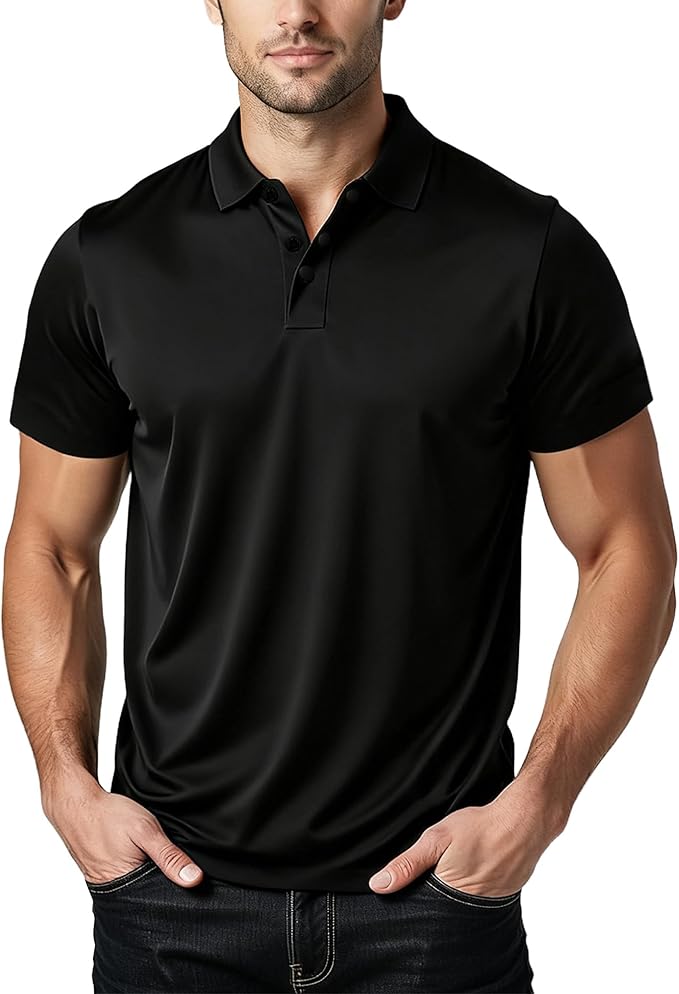
Men's Quick Dry Moisture Wicking Polo Shirt - High Elasticity Slim Fit Athletic Top (Runs Small)
$6.99 $29.99
46% OFF
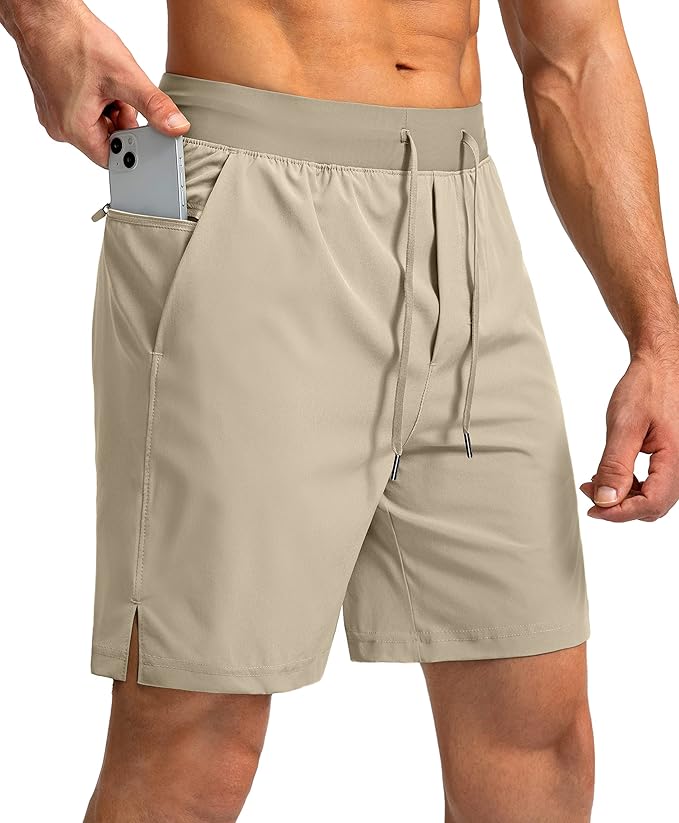
Men's Running Shorts with Zipper Pockets - Lightweight, Quick-Dry, Multi-Sport
$12.95 $23.99
50% OFF

NEWFAST NF-RE523 AC1200 WiFi Extender - 1200Mbps Dual Band Signal Booster & Internet Repeater
$18.5 $36.99
48% OFF
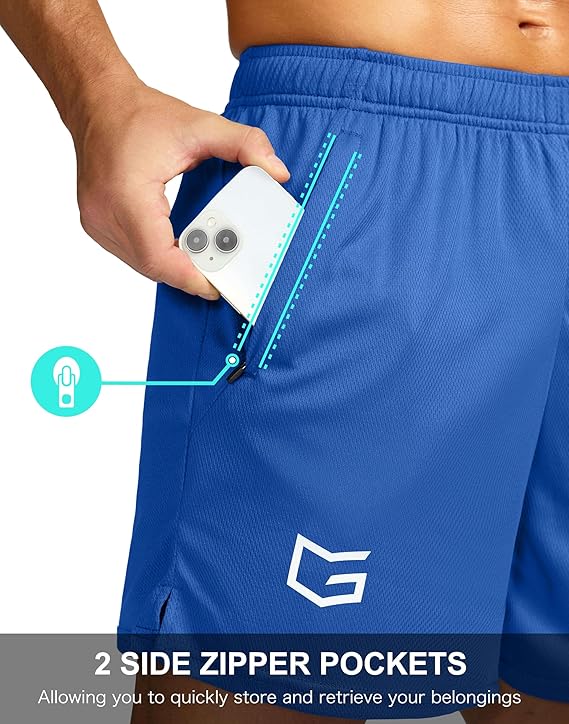
G Gradual Men's 7-inch Workout Running Shorts - Lightweight, Quick-Dry, Comfort
$12.91 $24.99
30% OFF
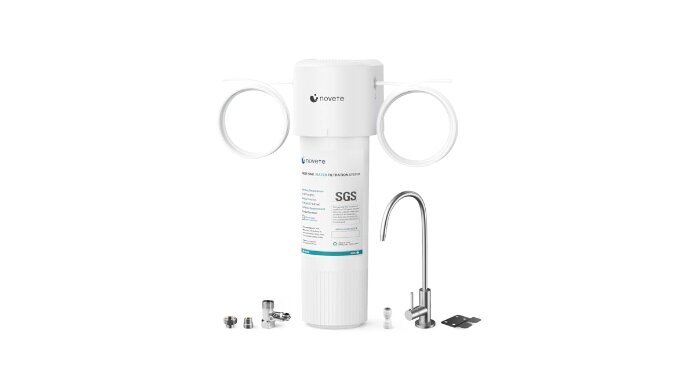
NOVETE Under Sink Water Filter - 3 Years, 30,000 Gallons, High-Efficiency Filtration
$41.99 $59.99
50% OFF

HDPE All-Weather Adirondack Chair with Built-In Cup Holder - Tool-Free Assembly (Grey)
$69.99 $139.99
60% OFF

HOMETUK Clear Plastic Storage Bins with Dividers - 3-Pack Stackable Acrylic Organizer Containers for Fridge and Pantry
$19.99 $49.99
58% OFF

G Gradual Men's Fishing Shirt - UPF 50+ Lightweight Short Sleeve Button Down with Zipper Pockets
$14.99 $35.99
55% OFF

Everyfun 60" Rectangular Platform Tree Swing - 700lbs Heavy Duty Adjustable Outdoor Swing (Colorful)
$49.99 $110.99
61% OFF

Ekouaer Women's Casual Loose Jumpsuit - One-Piece Printed Sleeveless Wide Leg Romper with Pockets
$14.99 $37.99
36% OFF

Men's Athletic Running Shorts with Zipper Pockets - Lightweight & Quick Dry
$12.74 $19.99
61% OFF

Modern Ceiling Fan with Light and Remote - Reversible Quiet DC Motor
$69.3 $179.99
50% OFF

MOOKA H13 True HEPA Air Purifier for Home Large Room - 1076 sq ft Odor Eliminator
$39.97 $79.95
40% OFF
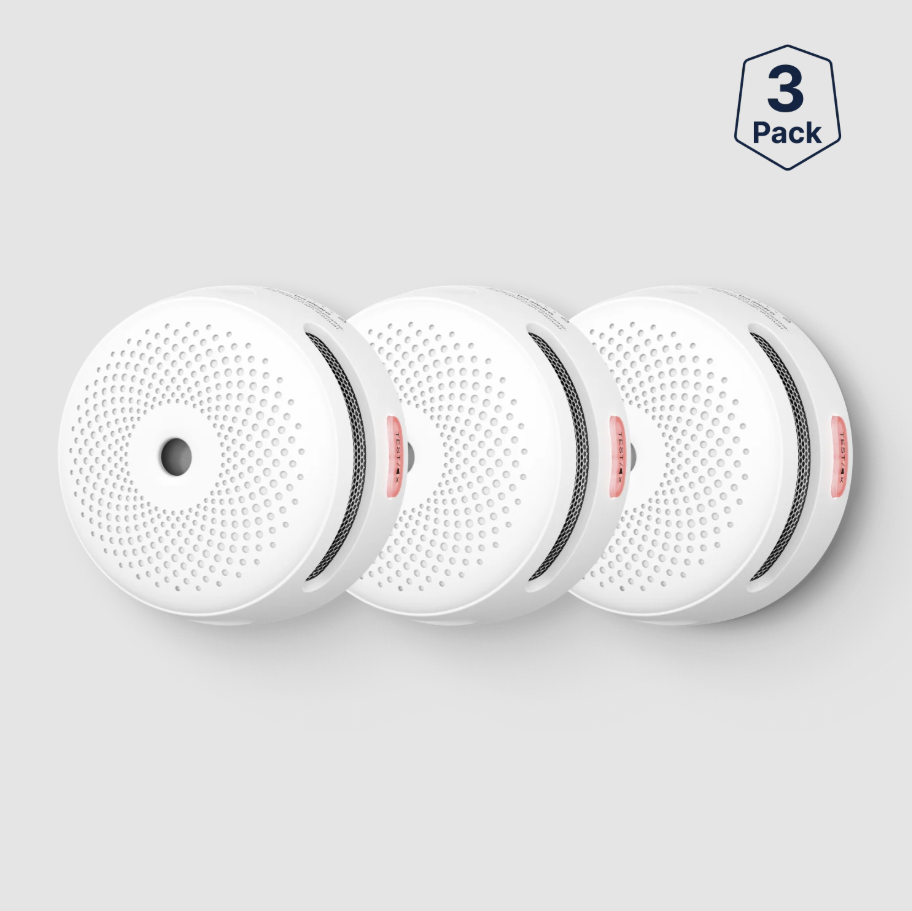
X-Sense XS01-WX Smart Smoke Alarm - 2.4 GHz Wi-Fi Photoelectric Fire Detector with Mobile App Alerts
$65.99 $109.99
11% OFF

VitaUp Beet Root Gummies with CoQ10 & Grape Seed - Nitric Oxide Circulation Support (60 Count)
$24.91 $27.91

Sealy 2-Pack Tritech 16" Twin Inflatable Air Mattress with Built-in AC Pump
$0 $113.99
20% OFF

INTEX Prism Frame 20ft x 52in Above Ground Pool Set - Round Steel Frame Swimming Pool
$695.99 $869.99

Gardner Pet 43" Heavy Duty Dog Crate with Wheels - Indestructible Folding Metal Cage (Black)
$0 $149.99




-

Diary of a CEO’s Steven Bartlett and John Lennox discuss AI, faith and the search for meaning
-

Belfast churches 'heartbroken' over unrest
-

Is there a two-tier Britain?
-

Churches must disciple well and listen well in response to rise of Christian nationalism
-

Biblical models and the creation of King Arthur
-

Welsh reverend speaks of culture of fear over LGBT issues
Most Popular
News

Gloucester churches come together to bless River Avon amid pollution concerns
It is part of a broader campaign against river pollution as concerns remain about the amount of untreated sewage in the Avon.

Life beyond burnout: how Christians can grow in the desert seasons
Christian Today speaks to author and Anglican priest Tish Harrison Warren about growth in desert seasons and why the Church shouldn’t treat all spiritual weariness as a problem to fix.

Iranian-born bishop stands in solidarity with Britain's Jews
2025 had the second highest number of antisemitic incidents on record.

Bishops protest Israeli arrest of another Palestinian Christian
An Evangelical Lutheran has been accused of "promoting terrorist activities".
MANSPOT Electric Pubic Hair Trimmer - Waterproof Body and Groin Shaver for Men and Women (Black)
$20.39
Lick-Safe Dog Paw and Nose Balm Stick - All-Natural Moisturizer with Coconut Oil for Dry, Cracked Pads and Snout
$11.69
Men's Quick Dry Moisture Wicking Polo Shirt - High Elasticity Slim Fit Athletic Top (Runs Small)
$6.99
Men's Running Shorts with Zipper Pockets - Lightweight, Quick-Dry, Multi-Sport
$12.95
NEWFAST NF-RE523 AC1200 WiFi Extender - 1200Mbps Dual Band Signal Booster & Internet Repeater
$18.5
G Gradual Men's 7-inch Workout Running Shorts - Lightweight, Quick-Dry, Comfort
$12.91
NOVETE Under Sink Water Filter - 3 Years, 30,000 Gallons, High-Efficiency Filtration
$41.99
HDPE All-Weather Adirondack Chair with Built-In Cup Holder - Tool-Free Assembly (Grey)
$69.99
HOMETUK Clear Plastic Storage Bins with Dividers - 3-Pack Stackable Acrylic Organizer Containers for Fridge and Pantry
$19.99
G Gradual Men's Fishing Shirt - UPF 50+ Lightweight Short Sleeve Button Down with Zipper Pockets
$14.99
Everyfun 60" Rectangular Platform Tree Swing - 700lbs Heavy Duty Adjustable Outdoor Swing (Colorful)
$49.99
Ekouaer Women's Casual Loose Jumpsuit - One-Piece Printed Sleeveless Wide Leg Romper with Pockets
$14.99
Men's Athletic Running Shorts with Zipper Pockets - Lightweight & Quick Dry
$12.74
Modern Ceiling Fan with Light and Remote - Reversible Quiet DC Motor
$69.3
MOOKA H13 True HEPA Air Purifier for Home Large Room - 1076 sq ft Odor Eliminator
$39.97
X-Sense XS01-WX Smart Smoke Alarm - 2.4 GHz Wi-Fi Photoelectric Fire Detector with Mobile App Alerts
$65.99
VitaUp Beet Root Gummies with CoQ10 & Grape Seed - Nitric Oxide Circulation Support (60 Count)
$24.91
Sealy 2-Pack Tritech 16" Twin Inflatable Air Mattress with Built-in AC Pump
$0
INTEX Prism Frame 20ft x 52in Above Ground Pool Set - Round Steel Frame Swimming Pool
$695.99
Gardner Pet 43" Heavy Duty Dog Crate with Wheels - Indestructible Folding Metal Cage (Black)
$0