
|TOP|Physicians, scientists, pro-choice advocates and pro-lifers alike continue to ponder on the implications of an astonishing study recently published in New Zealand which found a link between young women who have abortions and the development of subsequent mental disorders.
The Christchurch Health and Development Study, by a group of professors led by Professor David M. Fergusson, surveyed approximately 500 women from birth to 25 years of age, revealing that those who had abortions experienced elevated rates of suicidal behaviours, depression, substance abuse, anxiety and other mental problems.
The researchers had, according to Professor Fergusson, undertaken the survey expecting that the results to confirm that any mental health problems found after abortion would be traceable to prior mental illness or other “pre-disposing” factors.
“We know what people were like before they became pregnant,” Fergusson told The New Zealand Herald. “We take into account their social background, education, ethnicity, previous mental health, exposure to sexual abuse, and a whole mass of factors."
The researchers found that women who became pregnant before the age of 25 were more likely to have experienced family breakdown and adjustment problems, were more likely to have left home at a young age, and were more likely to have entered into a cohabiting relationship.
The study data still revealed, however, that women who had abortions were still significantly more likely to develop mental health problems, indicating that the abortion itself may have been the cause of the subsequent mental health problems.
When Fergusson presented his results to New Zealand’s Abortion Supervisory Committee, the Committee recommended that it would be “undesirable to publish the results in their ‘unclarified’ state”, reports The New Zealand Herald.
|QUOTE|Fergusson, who is himself pro-choice, responded to the recommendations of the Committee with a letter in which he advised that it would be “scientifically irresponsible” to suppress the findings of the report simply because they were a highly sensitive issue politically speaking.
“I remain pro-choice. I am not religious. I am an atheist and a rationalist. The findings did surprise me, but the results appear to be very robust because they persist across a series of disorders and a series of ages,” Fergusson told an Australian radio host. “Abortion is a traumatic life event; that is, it involves loss, it involves grief, it involves difficulties. And the trauma may, in fact, predispose people to having mental illness.”
Professor Fergusson warned women and doctors not to blindly accept the widely held presumption that abortion is generally harmless or beneficial to women, criticising particularly the advice of the American Psychological Association (APA).
Fergusson warned that the 2005 position paper - in which the APA stated that “well-designed studies” have found that “the risk of psychological harm is low” - ignored many key studies publicising evidence of the harmful consequences of abortion, adding that it had only looked at a selective sample of studies that have a number of methodological flaws.
“It verges on scandalous that a surgical procedure that is performed on over one in 10 women has been so poorly researched and evaluated, given the debates about the psychological consequences of abortion,” he said.
The findings of the recent survey have already stirred debate outside of New Zealand, in the U.S. and U.K. over the legal and ethical justifications of abortion.
|AD|Researcher Dr David Reardon, who has published more than a dozen studies into the impact of abortion on women, said: “Fergusson’s study underscores that fact that evidence-based medicine does not support the conjecture that abortion will protect women from ‘serious danger’ to their mental health,” said Reardon. “Instead, the best evidence indicates that abortion is more likely to increase the risk of mental health problems. Physicians who ignore this study may no longer be able to argue that they are acting in good faith and may therefore be in violation of the law.”
Reardon, who is also director of the Elliot Institute, a research organisation based in Springfield, Illinois, added: “Record-based studies in Finland and the United States have conclusively proven that the risk of women dying in the year following an abortion is significantly higher than the risk of death if the pregnancy is allowed to continue to term. So the hypothesis that the physical risks of childbirth surpass the risks associated with abortion is no longer tenable. That means most abortion providers have had to look to mental health advantages to justify abortion over childbirth.
“This New Zealand study, with its unsurpassed controls for possible alternative explanations, confirms the findings of several recent studies linking abortion to higher rates of psychiatric hospitalisation, depression, generalised anxiety disorder, substance abuse, suicidal tendencies, poor bonding with and parenting of later children, and sleep disorders,” he said. “It should inevitably lead to a change in the standard of care offered to women facing problem pregnancies.”
Reardon also warned of the stance of many abortion providers that “insist that it is not their job to try to figure out whether an abortion is more likely to hurt than help a particular woman”.
“They see their role as to ensure that any woman who wants an abortion is provided one,” he said.
He added: “Women deserve better. They deserve to have doctors who act like doctors. That means doctors who will give good medical advice based on the best available evidence as applied to each patient’s individual risk profile.”
The New Zealand Herald speculated that the study may lead to a reduction in the number of abortions that may be allowed to be carried out.
49% OFF
MANSPOT Electric Pubic Hair Trimmer - Waterproof Body and Groin Shaver for Men and Women (Black)
$20.39 $40
25% OFF

Lick-Safe Dog Paw and Nose Balm Stick - All-Natural Moisturizer with Coconut Oil for Dry, Cracked Pads and Snout
$11.69 $15.59
77% OFF
Men's Quick Dry Moisture Wicking Polo Shirt - High Elasticity Slim Fit Athletic Top (Runs Small)
$6.99 $29.99
46% OFF
Men's Running Shorts with Zipper Pockets - Lightweight, Quick-Dry, Multi-Sport
$12.95 $23.99
50% OFF

NEWFAST NF-RE523 AC1200 WiFi Extender - 1200Mbps Dual Band Signal Booster & Internet Repeater
$18.5 $36.99
48% OFF

G Gradual Men's 7-inch Workout Running Shorts - Lightweight, Quick-Dry, Comfort
$12.91 $24.99
30% OFF
NOVETE Under Sink Water Filter - 3 Years, 30,000 Gallons, High-Efficiency Filtration
$41.99 $59.99
50% OFF

HDPE All-Weather Adirondack Chair with Built-In Cup Holder - Tool-Free Assembly (Grey)
$69.99 $139.99
60% OFF

HOMETUK Clear Plastic Storage Bins with Dividers - 3-Pack Stackable Acrylic Organizer Containers for Fridge and Pantry
$19.99 $49.99
58% OFF

G Gradual Men's Fishing Shirt - UPF 50+ Lightweight Short Sleeve Button Down with Zipper Pockets
$14.99 $35.99
55% OFF

Everyfun 60" Rectangular Platform Tree Swing - 700lbs Heavy Duty Adjustable Outdoor Swing (Colorful)
$49.99 $110.99
61% OFF

Ekouaer Women's Casual Loose Jumpsuit - One-Piece Printed Sleeveless Wide Leg Romper with Pockets
$14.99 $37.99
36% OFF

Men's Athletic Running Shorts with Zipper Pockets - Lightweight & Quick Dry
$12.74 $19.99
61% OFF

Modern Ceiling Fan with Light and Remote - Reversible Quiet DC Motor
$69.3 $179.99
50% OFF

MOOKA H13 True HEPA Air Purifier for Home Large Room - 1076 sq ft Odor Eliminator
$39.97 $79.95
40% OFF
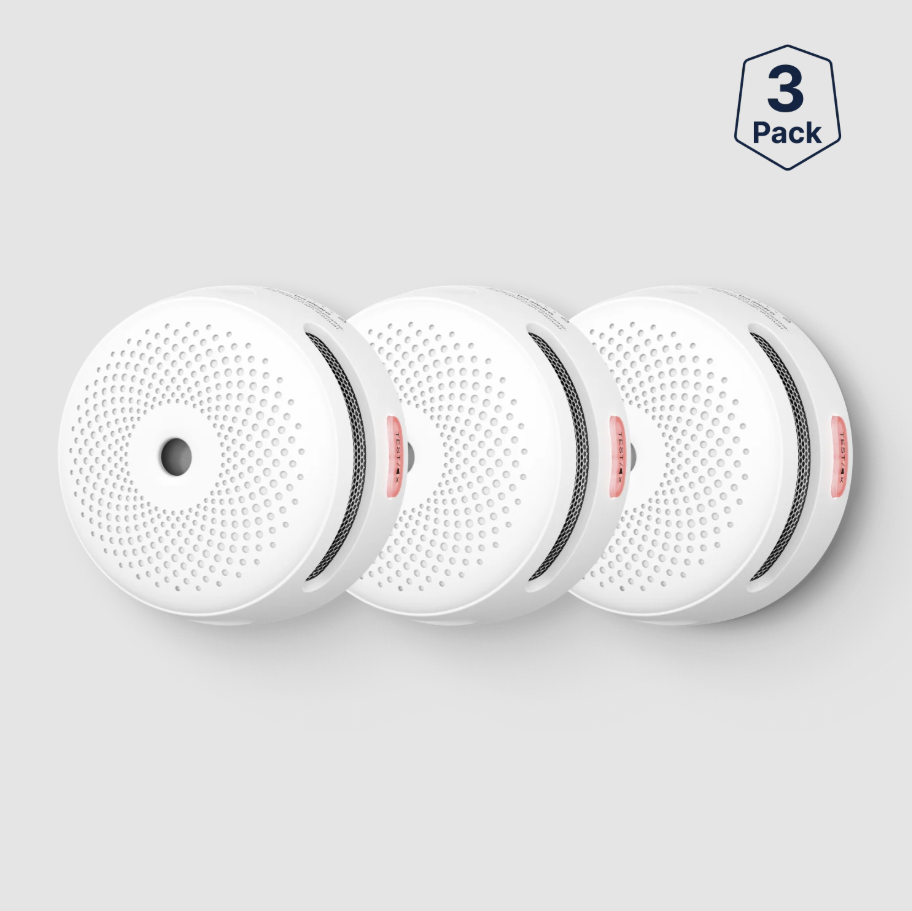
X-Sense XS01-WX Smart Smoke Alarm - 2.4 GHz Wi-Fi Photoelectric Fire Detector with Mobile App Alerts
$65.99 $109.99
11% OFF

VitaUp Beet Root Gummies with CoQ10 & Grape Seed - Nitric Oxide Circulation Support (60 Count)
$24.91 $27.91

Sealy 2-Pack Tritech 16" Twin Inflatable Air Mattress with Built-in AC Pump
$0 $113.99
20% OFF

INTEX Prism Frame 20ft x 52in Above Ground Pool Set - Round Steel Frame Swimming Pool
$695.99 $869.99

Gardner Pet 43" Heavy Duty Dog Crate with Wheels - Indestructible Folding Metal Cage (Black)
$0 $149.99




-

Diary of a CEO’s Steven Bartlett and John Lennox discuss AI, faith and the search for meaning
-

Belfast churches 'heartbroken' over unrest
-

Is there a two-tier Britain?
-

Churches must disciple well and listen well in response to rise of Christian nationalism
-

Biblical models and the creation of King Arthur
-

Welsh reverend speaks of culture of fear over LGBT issues
Most Popular
related articles
Catholic Bishop Speaks against Abortions for Under 16’s
Catholic Bishop Speaks against Abortions for Under 16’s
News

Gloucester churches come together to bless River Avon amid pollution concerns
It is part of a broader campaign against river pollution as concerns remain about the amount of untreated sewage in the Avon.

Life beyond burnout: how Christians can grow in the desert seasons
Christian Today speaks to author and Anglican priest Tish Harrison Warren about growth in desert seasons and why the Church shouldn’t treat all spiritual weariness as a problem to fix.

Iranian-born bishop stands in solidarity with Britain's Jews
2025 had the second highest number of antisemitic incidents on record.

Bishops protest Israeli arrest of another Palestinian Christian
An Evangelical Lutheran has been accused of "promoting terrorist activities".
MANSPOT Electric Pubic Hair Trimmer - Waterproof Body and Groin Shaver for Men and Women (Black)
$20.39
Lick-Safe Dog Paw and Nose Balm Stick - All-Natural Moisturizer with Coconut Oil for Dry, Cracked Pads and Snout
$11.69
Men's Quick Dry Moisture Wicking Polo Shirt - High Elasticity Slim Fit Athletic Top (Runs Small)
$6.99
Men's Running Shorts with Zipper Pockets - Lightweight, Quick-Dry, Multi-Sport
$12.95
NEWFAST NF-RE523 AC1200 WiFi Extender - 1200Mbps Dual Band Signal Booster & Internet Repeater
$18.5
G Gradual Men's 7-inch Workout Running Shorts - Lightweight, Quick-Dry, Comfort
$12.91
NOVETE Under Sink Water Filter - 3 Years, 30,000 Gallons, High-Efficiency Filtration
$41.99
HDPE All-Weather Adirondack Chair with Built-In Cup Holder - Tool-Free Assembly (Grey)
$69.99
HOMETUK Clear Plastic Storage Bins with Dividers - 3-Pack Stackable Acrylic Organizer Containers for Fridge and Pantry
$19.99
G Gradual Men's Fishing Shirt - UPF 50+ Lightweight Short Sleeve Button Down with Zipper Pockets
$14.99
Everyfun 60" Rectangular Platform Tree Swing - 700lbs Heavy Duty Adjustable Outdoor Swing (Colorful)
$49.99
Ekouaer Women's Casual Loose Jumpsuit - One-Piece Printed Sleeveless Wide Leg Romper with Pockets
$14.99
Men's Athletic Running Shorts with Zipper Pockets - Lightweight & Quick Dry
$12.74
Modern Ceiling Fan with Light and Remote - Reversible Quiet DC Motor
$69.3
MOOKA H13 True HEPA Air Purifier for Home Large Room - 1076 sq ft Odor Eliminator
$39.97
X-Sense XS01-WX Smart Smoke Alarm - 2.4 GHz Wi-Fi Photoelectric Fire Detector with Mobile App Alerts
$65.99
VitaUp Beet Root Gummies with CoQ10 & Grape Seed - Nitric Oxide Circulation Support (60 Count)
$24.91
Sealy 2-Pack Tritech 16" Twin Inflatable Air Mattress with Built-in AC Pump
$0
INTEX Prism Frame 20ft x 52in Above Ground Pool Set - Round Steel Frame Swimming Pool
$695.99
Gardner Pet 43" Heavy Duty Dog Crate with Wheels - Indestructible Folding Metal Cage (Black)
$0