
Sensing the start of a personal computer revolution, Bill Gates dropped out of Harvard University in 1975 to start Microsoft Corp and pursue a vision of a computer on every desk and in every home.
Three decades later, Gates is set to step down on Friday from what is now the world's largest software company to work full-time at the charitable organization - the Bill & Melinda Gates Foundation - built by his vast fortune.
No longer the world's richest man - he has been topped by investor Warren Buffett and Mexico's telecoms tycoon Carlos Slim - Gates says great wealth brings with it great responsibility.
The 52-year-old, whose boyish looks seem at odds with his greying hair, will leave behind a life's work developing software to devote energy to finding new vaccines or to micro-finance projects in the developing world.
As Microsoft's biggest shareholder, Gates will remain chairman and work on special technology projects. His 8.7 percent stake in Microsoft is worth about $23 billion (12 billion pounds).
Gates first programmed a computer at 13, creating a class scheduling system for his Seattle high school. As he gained more experience, he realized the potential that software held to change how humans worked, played and communicated.
"When I was 19, I caught sight of the future and based my career on what I saw. I turned out to have been right," Gates wrote in his 1995 book "The Road Ahead."
Gates realized at an early stage of the PC revolution that software would be more important than hardware. Working with boyhood friend Paul Allen, Gates founded Microsoft, naming the company for its mission of providing microcomputer software.
PRIVILEGED UPBRINGING
Gates was born October 28, 1955, the second of three children in a prominent Seattle family. His father, William Henry Gates Jr., was a partner at one of the city's most powerful law firms, while his late mother, Mary, was an active charity fund-raiser and University of Washington regent.
He was introduced to computers at the exclusive Lakeside Preparatory School, where the teen prodigy began programming in BASIC computer language on a primitive ASR-33 Teletype unit.
It was at Lakeside that Gates met Allen, a student two years his senior who shared his fascination with computers.
"Of course, in those days we were just goofing around, or so we thought," Gates recalled in "The Road Ahead."
During his two years at Harvard, Gates devoted much of his time to programming marathons and all-night poker sessions before dropping out to work on software for the Altair, a clunky desktop computer that cost $400 in kit form.
Also at Harvard, Gates became friends with an ebullient Detroit native who shared his love of math and cynical humour. Gates eventually talked that classmate, current CEO Steve Ballmer, into leaving business school to join Microsoft.
Gates dropped out of Harvard and relocated with Allen to Albuquerque, New Mexico, where they established Microsoft.
Their big break came in 1980 when Gates and his carelessly dressed young colleagues signed an agreement to build the operating system that became known as MS-DOS for International Business Machines Corp's new personal computer.
In a critical blunder by IBM, Microsoft was allowed to license the operating system to others, spawning an industry of "IBM-compatible" machines dependent on Microsoft software.
"His legacy has to be as one of the shrewdest businessmen and technologist of the 20th century," said Michael Cusumano, a professor at the Massachusetts Institute of Technology's Sloan School of Management.
Microsoft went public in 1986 in one of the most celebrated offerings of its time. By the next year, the soaring stock made Gates, at age 31, the youngest self-made billionaire.
Overseeing Microsoft's steady growth, he became known as a bare-knuckles businessman and manager, sometimes dismissing a suggestion as "the stupidest thing I have ever heard."
Microsoft grew to dominate its industry and became the target of a landmark antitrust case, which it fought every step of the way before eventually settling with U.S. prosecutors.
Rob Helm, director of research at independent research firm Directions of Microsoft, said Gates will go down as one of the great businessmen in history like John D. Rockefeller - for better or for worse.
"He's never going to be necessarily a widely admired figure, but someone who created an activity that came to represent a chunk of the American economy."
49% OFF
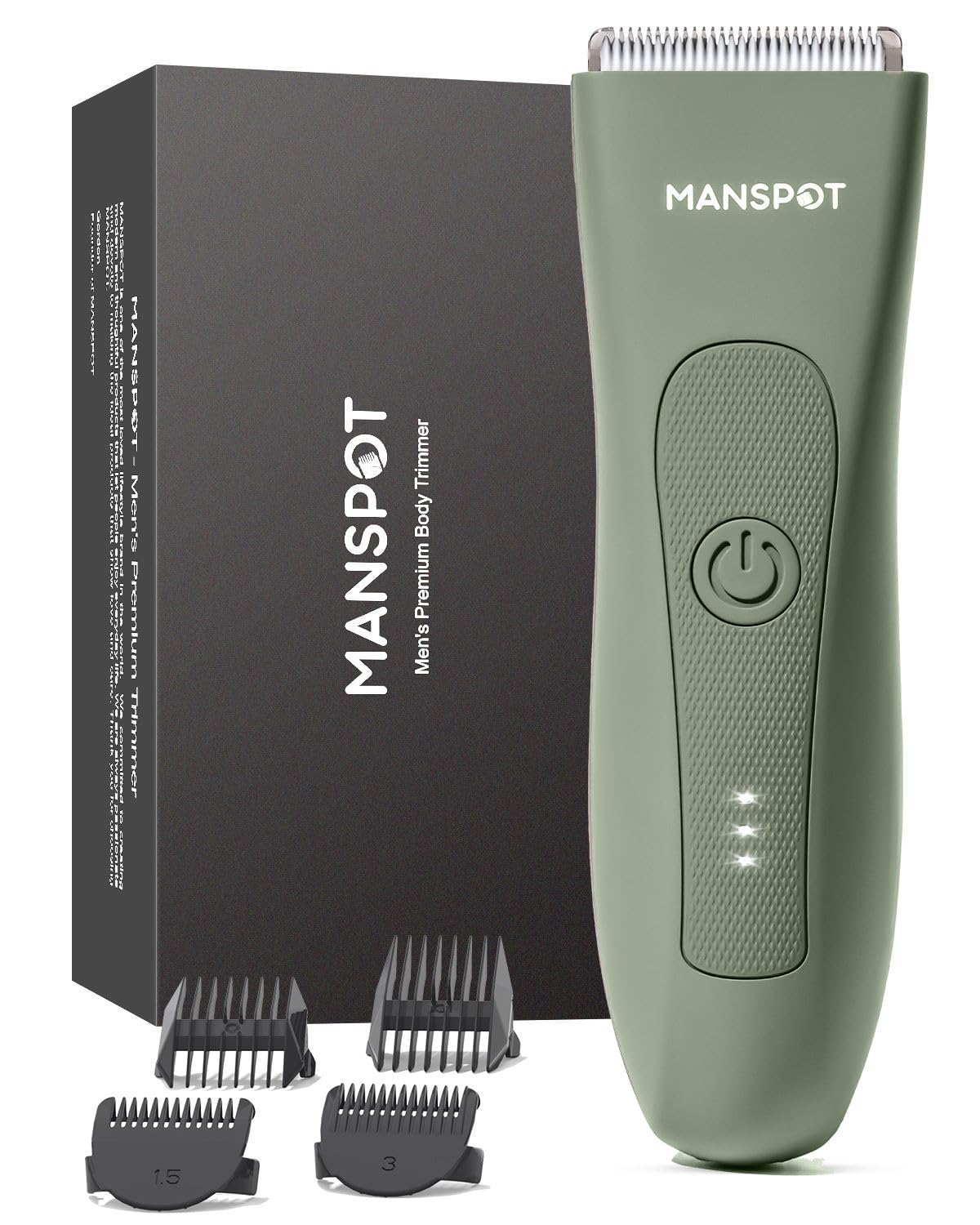
MANSPOT Electric Pubic Hair Trimmer - Waterproof Body and Groin Shaver for Men and Women (Black)
$20.39 $40
25% OFF
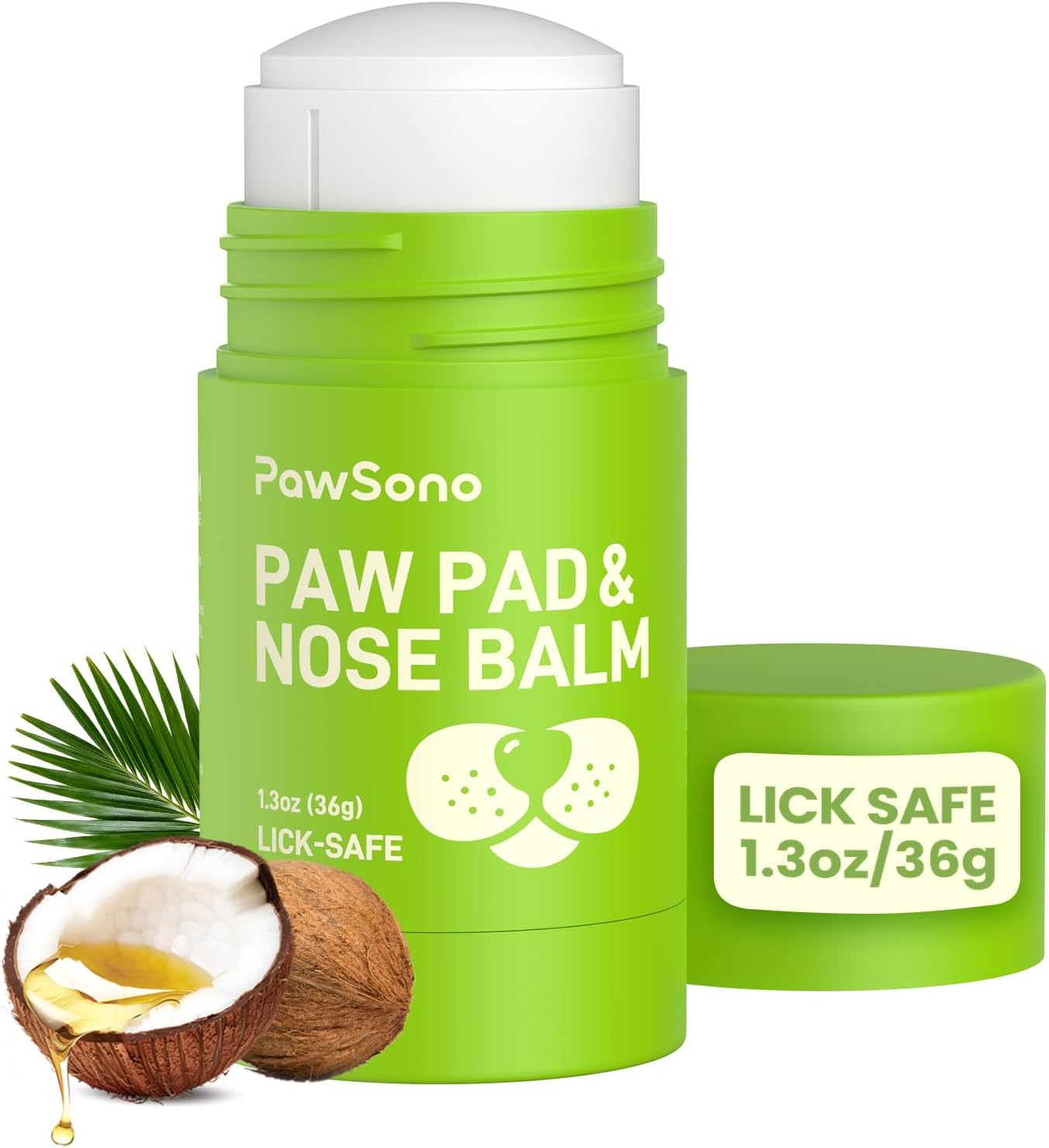
Lick-Safe Dog Paw and Nose Balm Stick - All-Natural Moisturizer with Coconut Oil for Dry, Cracked Pads and Snout
$11.69 $15.59
77% OFF
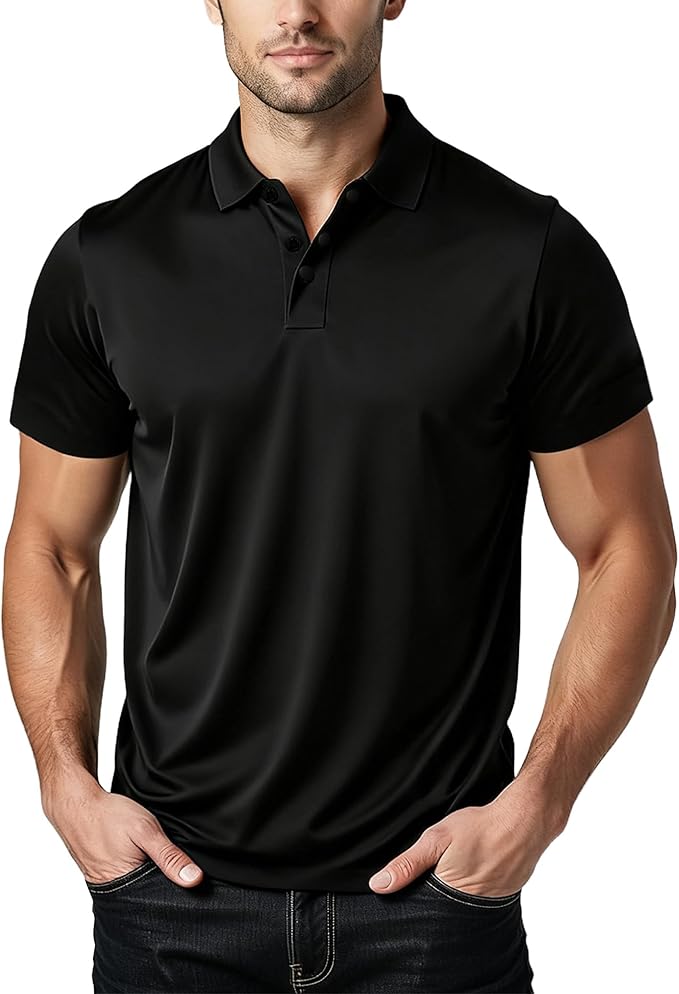
Men's Quick Dry Moisture Wicking Polo Shirt - High Elasticity Slim Fit Athletic Top (Runs Small)
$6.99 $29.99
46% OFF
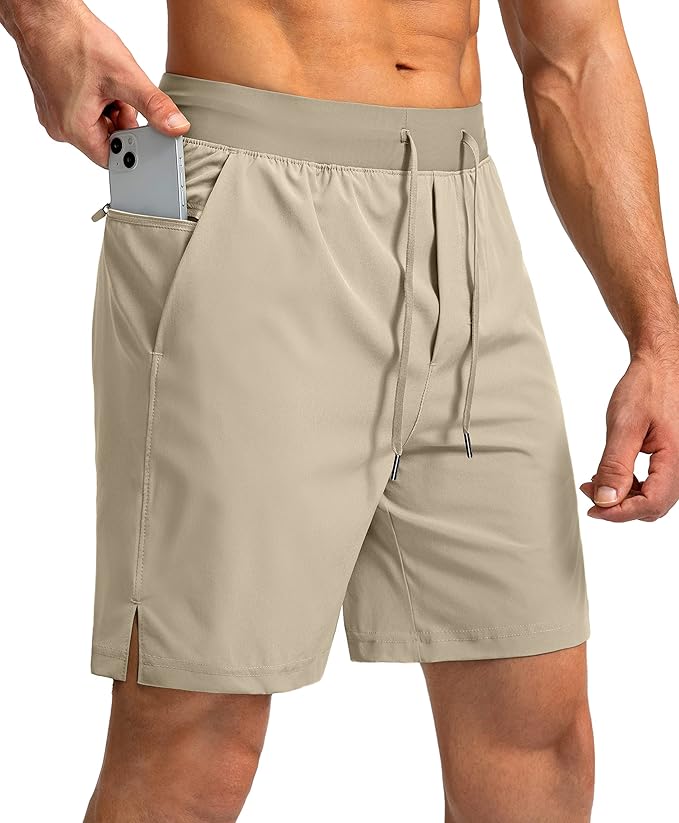
Men's Running Shorts with Zipper Pockets - Lightweight, Quick-Dry, Multi-Sport
$12.95 $23.99
50% OFF
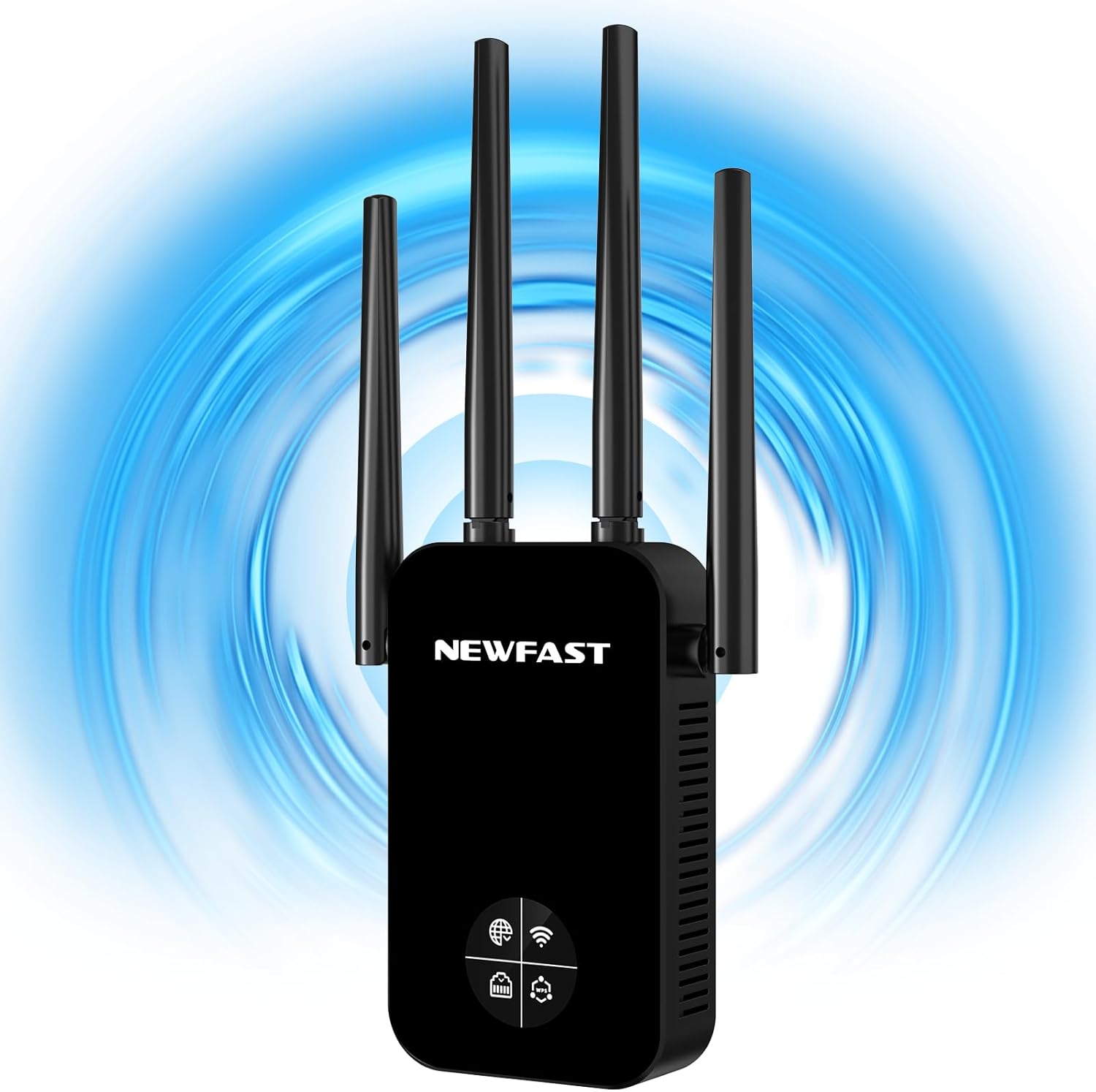
NEWFAST NF-RE523 AC1200 WiFi Extender - 1200Mbps Dual Band Signal Booster & Internet Repeater
$18.5 $36.99
48% OFF
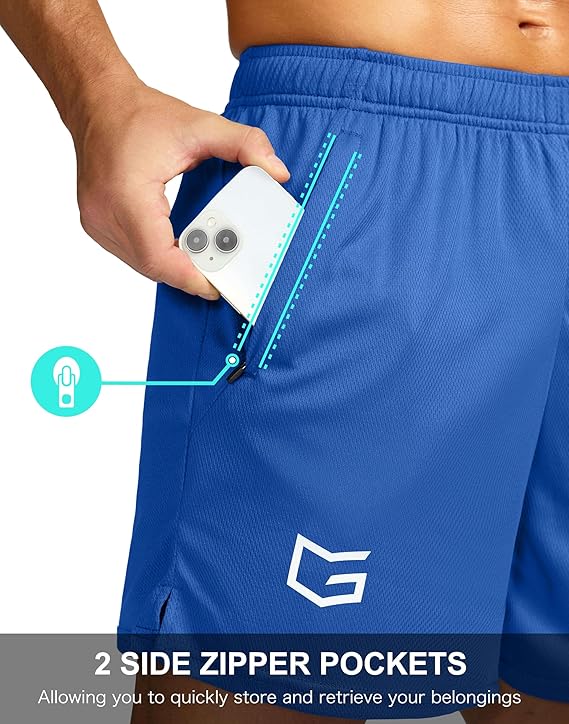
G Gradual Men's 7-inch Workout Running Shorts - Lightweight, Quick-Dry, Comfort
$12.91 $24.99
30% OFF
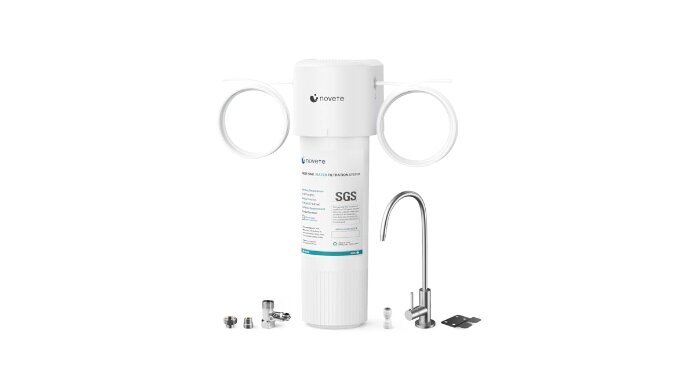
NOVETE Under Sink Water Filter - 3 Years, 30,000 Gallons, High-Efficiency Filtration
$41.99 $59.99
50% OFF

HDPE All-Weather Adirondack Chair with Built-In Cup Holder - Tool-Free Assembly (Grey)
$69.99 $139.99
60% OFF

HOMETUK Clear Plastic Storage Bins with Dividers - 3-Pack Stackable Acrylic Organizer Containers for Fridge and Pantry
$19.99 $49.99
58% OFF

G Gradual Men's Fishing Shirt - UPF 50+ Lightweight Short Sleeve Button Down with Zipper Pockets
$14.99 $35.99
55% OFF

Everyfun 60" Rectangular Platform Tree Swing - 700lbs Heavy Duty Adjustable Outdoor Swing (Colorful)
$49.99 $110.99
61% OFF

Ekouaer Women's Casual Loose Jumpsuit - One-Piece Printed Sleeveless Wide Leg Romper with Pockets
$14.99 $37.99
36% OFF

Men's Athletic Running Shorts with Zipper Pockets - Lightweight & Quick Dry
$12.74 $19.99
61% OFF

Modern Ceiling Fan with Light and Remote - Reversible Quiet DC Motor
$69.3 $179.99
50% OFF

MOOKA H13 True HEPA Air Purifier for Home Large Room - 1076 sq ft Odor Eliminator
$39.97 $79.95
40% OFF
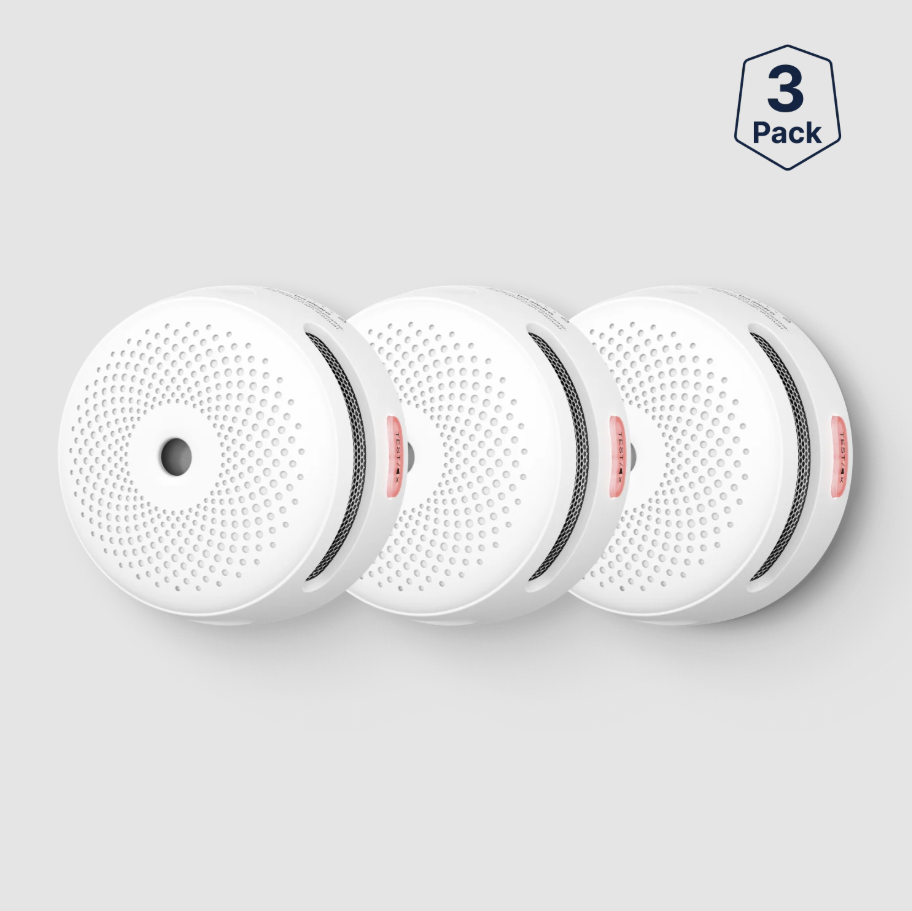
X-Sense XS01-WX Smart Smoke Alarm - 2.4 GHz Wi-Fi Photoelectric Fire Detector with Mobile App Alerts
$65.99 $109.99
11% OFF

VitaUp Beet Root Gummies with CoQ10 & Grape Seed - Nitric Oxide Circulation Support (60 Count)
$24.91 $27.91

Sealy 2-Pack Tritech 16" Twin Inflatable Air Mattress with Built-in AC Pump
$0 $113.99
20% OFF

INTEX Prism Frame 20ft x 52in Above Ground Pool Set - Round Steel Frame Swimming Pool
$695.99 $869.99

Gardner Pet 43" Heavy Duty Dog Crate with Wheels - Indestructible Folding Metal Cage (Black)
$0 $149.99




-

Diary of a CEO’s Steven Bartlett and John Lennox discuss AI, faith and the search for meaning
-

Belfast churches 'heartbroken' over unrest
-

Is there a two-tier Britain?
-

Churches must disciple well and listen well in response to rise of Christian nationalism
-

Biblical models and the creation of King Arthur
-

Welsh reverend speaks of culture of fear over LGBT issues
Most Popular
News

Gloucester churches come together to bless River Avon amid pollution concerns
It is part of a broader campaign against river pollution as concerns remain about the amount of untreated sewage in the Avon.

Life beyond burnout: how Christians can grow in the desert seasons
Christian Today speaks to author and Anglican priest Tish Harrison Warren about growth in desert seasons and why the Church shouldn’t treat all spiritual weariness as a problem to fix.

Iranian-born bishop stands in solidarity with Britain's Jews
2025 had the second highest number of antisemitic incidents on record.

Bishops protest Israeli arrest of another Palestinian Christian
An Evangelical Lutheran has been accused of "promoting terrorist activities".
MANSPOT Electric Pubic Hair Trimmer - Waterproof Body and Groin Shaver for Men and Women (Black)
$20.39
Lick-Safe Dog Paw and Nose Balm Stick - All-Natural Moisturizer with Coconut Oil for Dry, Cracked Pads and Snout
$11.69
Men's Quick Dry Moisture Wicking Polo Shirt - High Elasticity Slim Fit Athletic Top (Runs Small)
$6.99
Men's Running Shorts with Zipper Pockets - Lightweight, Quick-Dry, Multi-Sport
$12.95
NEWFAST NF-RE523 AC1200 WiFi Extender - 1200Mbps Dual Band Signal Booster & Internet Repeater
$18.5
G Gradual Men's 7-inch Workout Running Shorts - Lightweight, Quick-Dry, Comfort
$12.91
NOVETE Under Sink Water Filter - 3 Years, 30,000 Gallons, High-Efficiency Filtration
$41.99
HDPE All-Weather Adirondack Chair with Built-In Cup Holder - Tool-Free Assembly (Grey)
$69.99
HOMETUK Clear Plastic Storage Bins with Dividers - 3-Pack Stackable Acrylic Organizer Containers for Fridge and Pantry
$19.99
G Gradual Men's Fishing Shirt - UPF 50+ Lightweight Short Sleeve Button Down with Zipper Pockets
$14.99
Everyfun 60" Rectangular Platform Tree Swing - 700lbs Heavy Duty Adjustable Outdoor Swing (Colorful)
$49.99
Ekouaer Women's Casual Loose Jumpsuit - One-Piece Printed Sleeveless Wide Leg Romper with Pockets
$14.99
Men's Athletic Running Shorts with Zipper Pockets - Lightweight & Quick Dry
$12.74
Modern Ceiling Fan with Light and Remote - Reversible Quiet DC Motor
$69.3
MOOKA H13 True HEPA Air Purifier for Home Large Room - 1076 sq ft Odor Eliminator
$39.97
X-Sense XS01-WX Smart Smoke Alarm - 2.4 GHz Wi-Fi Photoelectric Fire Detector with Mobile App Alerts
$65.99
VitaUp Beet Root Gummies with CoQ10 & Grape Seed - Nitric Oxide Circulation Support (60 Count)
$24.91
Sealy 2-Pack Tritech 16" Twin Inflatable Air Mattress with Built-in AC Pump
$0
INTEX Prism Frame 20ft x 52in Above Ground Pool Set - Round Steel Frame Swimming Pool
$695.99
Gardner Pet 43" Heavy Duty Dog Crate with Wheels - Indestructible Folding Metal Cage (Black)
$0