
UK charity Oxfam has joined a number of relief and aid organisations in declaring that the aid increases made by the world’s richest G8 countries are not enough to meet the promises they made at the Gleneagles meeting last year.
|PIC1|The outburst has come as the G8 finance ministers commence a meeting, 9th June 2006, in St Petersburg for a pre-summit meeting.
During the corresponding pre-summit meeting in 2005 the decision was made for the G8 nations to extend debt cancellation to many more poorer countries.
Earlier this year, Christian Aid welcomed British Chancellor Gordon Brown’s pledge of £8.5 billion to help fund primary education in developing countries.
The British Chancellor promised to spend the money over the next ten years. The funding is more than four times the amount the UK government spent in the previous decade.
Christian Aid director Dr Daleep Mukarji said at that time: “We are delighted – this is great news for children in the developing world and we welcome this bold step. This will go a long way to deliver the United Nations’ goal of education for all by 2015.”
Mr Brown challenged other wealthy countries, particularly part of the G8 - to make similar contributions and meet the estimated 100 billion US dollars cost of global primary education.
“In 2005, Make Poverty History forced governments to make promises on aid,” the chancellor said. “Now, in 2006 it is time for us to keep our promises. None is more important than the Millennium Development Goal that by 2015 every one of the world’s children is able to go to school.”
|TOP|At the G8 summit in Gleneagles last year, the leaders of the world’s eight richest nations promised a doubling of aid to Africa by 2010.
Christian Aid’s Dr Mukarji urged the chancellor and the other G8 finance ministers to keep all the promises made at the summit.
However, this week Oxfam has criticised the G8 nations for adding debt write-off into the total development figure to make it look better.
The G8 countries made the commitment to increase development spending by £27 billion a year by 2010. The raw data, showing a £11.4 billion increase in development spending in 2005 over 2004, look as if they show some progress towards that target, report the BBC.
However, Oxfam says 80 percent of that figure was in the one-off cancellation of debt to Nigeria, along with cancellation of debt to Iraq. The charity states that if those figures are taken out then “the underlying trend in aid by some G8 countries actually gives cause for serious concern”.
|AD|Oxfam has said, however, that the debt cancellation, and other measures, have made a real difference. It says, “Across Africa, lifting the burden of debt is allowing millions of dollars to be directed to fighting poverty instead of repaying rich countries.”
But in combining the total together with other development payments, the developed world is "double counting" the money.
“The danger is that this will mask a failure to increase the underlying volume of real aid in line with their Gleneagles commitments, allowing the G8 to take their foot off the accelerator,” say Oxfam.
Oxfam’s analysis of the figures finds that once debt repayments are taken out of the equation, the total increase in development aid offered by the G8 countries is a shockingly low 8 percent.
The USA and Italy have shown the largest increases, but both come from a very low base, and the countries remain at the bottom of the table in terms of their development assistance as a percentage of GNI (Gross National Income), report the BBC.
Oxfam Director, Barbara Stocking said, “At the current rate of progress real aid is not rising nearly fast enough across the G8 countries to meet their Gleneagles aid commitment to increase by $50bn by 2010.
“The G8 must make clear how and when they will deliver real aid increases, to pay for vital services such as health and education.”
Oxfam calculates that once all considerations are taken into account, the UK figure rose by just 7 percent in 2005.
The UK government however, has disagreed with these figures, and has stated that the average annual increase is 9.2 percent for the UK.
Over 30 years ago, the most developed countries in the world, pledged to increase payments of aid to the world’s poorest nations, and promised to pay 0.7% of GNI for development assistance.
Britain's budget, when excluding debt repayments, is less than half of this figure.
However, the government has tried to ease worries, with the International Development Secretary, Hilary Benn reporting, “The government has set a clear timetable to meet the 0.7% target by 2013 and is fully on track with its plans to achieve this.”
The G8 nation representatives will hold a full summit in St Petersburg in July 2006.
49% OFF
MANSPOT Electric Pubic Hair Trimmer - Waterproof Body and Groin Shaver for Men and Women (Black)
$20.39 $40
25% OFF

Lick-Safe Dog Paw and Nose Balm Stick - All-Natural Moisturizer with Coconut Oil for Dry, Cracked Pads and Snout
$11.69 $15.59
77% OFF
Men's Quick Dry Moisture Wicking Polo Shirt - High Elasticity Slim Fit Athletic Top (Runs Small)
$6.99 $29.99
46% OFF
Men's Running Shorts with Zipper Pockets - Lightweight, Quick-Dry, Multi-Sport
$12.95 $23.99
50% OFF

NEWFAST NF-RE523 AC1200 WiFi Extender - 1200Mbps Dual Band Signal Booster & Internet Repeater
$18.5 $36.99
48% OFF
G Gradual Men's 7-inch Workout Running Shorts - Lightweight, Quick-Dry, Comfort
$12.91 $24.99
30% OFF
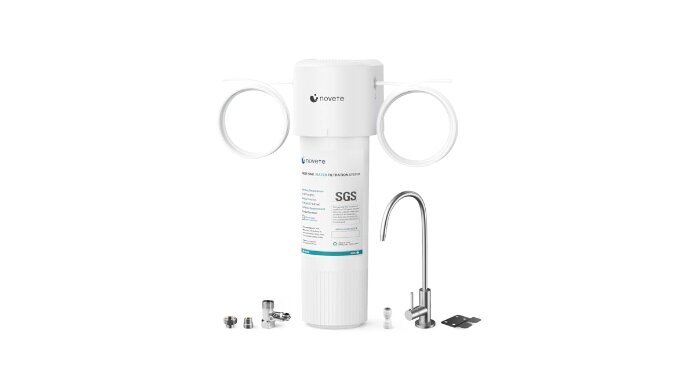
NOVETE Under Sink Water Filter - 3 Years, 30,000 Gallons, High-Efficiency Filtration
$41.99 $59.99
50% OFF

HDPE All-Weather Adirondack Chair with Built-In Cup Holder - Tool-Free Assembly (Grey)
$69.99 $139.99
60% OFF

HOMETUK Clear Plastic Storage Bins with Dividers - 3-Pack Stackable Acrylic Organizer Containers for Fridge and Pantry
$19.99 $49.99
58% OFF

G Gradual Men's Fishing Shirt - UPF 50+ Lightweight Short Sleeve Button Down with Zipper Pockets
$14.99 $35.99
55% OFF

Everyfun 60" Rectangular Platform Tree Swing - 700lbs Heavy Duty Adjustable Outdoor Swing (Colorful)
$49.99 $110.99
61% OFF

Ekouaer Women's Casual Loose Jumpsuit - One-Piece Printed Sleeveless Wide Leg Romper with Pockets
$14.99 $37.99
36% OFF

Men's Athletic Running Shorts with Zipper Pockets - Lightweight & Quick Dry
$12.74 $19.99
61% OFF

Modern Ceiling Fan with Light and Remote - Reversible Quiet DC Motor
$69.3 $179.99
50% OFF

MOOKA H13 True HEPA Air Purifier for Home Large Room - 1076 sq ft Odor Eliminator
$39.97 $79.95
40% OFF
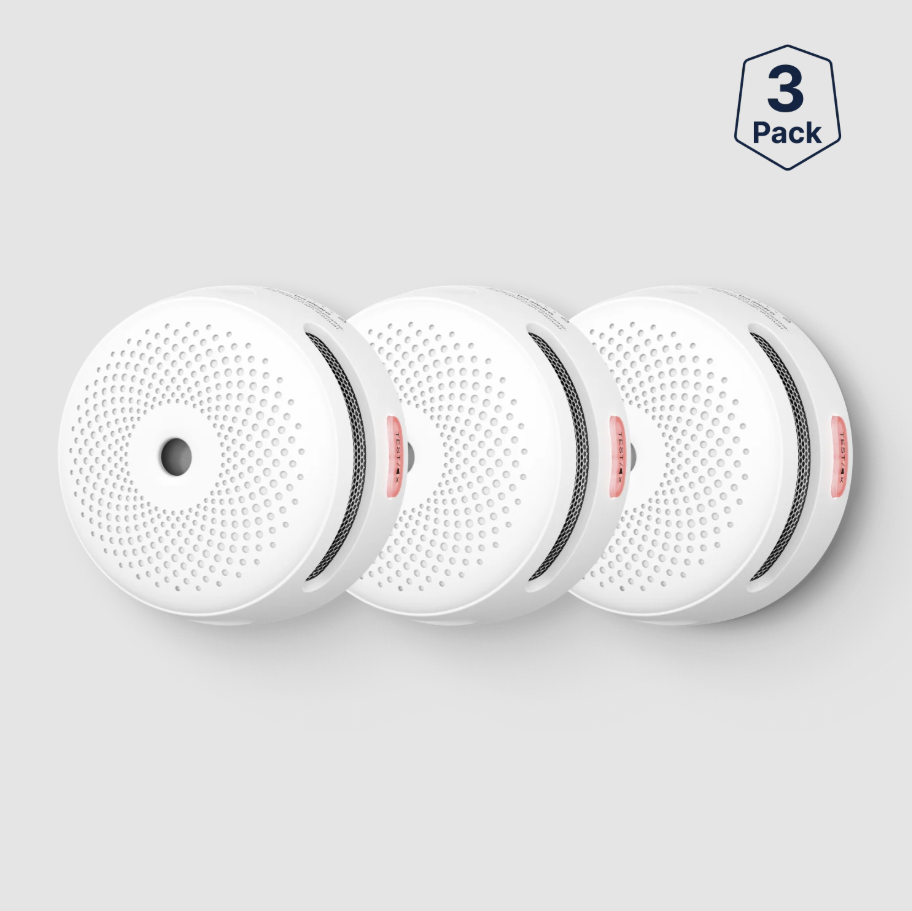
X-Sense XS01-WX Smart Smoke Alarm - 2.4 GHz Wi-Fi Photoelectric Fire Detector with Mobile App Alerts
$65.99 $109.99
11% OFF

VitaUp Beet Root Gummies with CoQ10 & Grape Seed - Nitric Oxide Circulation Support (60 Count)
$24.91 $27.91

Sealy 2-Pack Tritech 16" Twin Inflatable Air Mattress with Built-in AC Pump
$0 $113.99
20% OFF

INTEX Prism Frame 20ft x 52in Above Ground Pool Set - Round Steel Frame Swimming Pool
$695.99 $869.99

Gardner Pet 43" Heavy Duty Dog Crate with Wheels - Indestructible Folding Metal Cage (Black)
$0 $149.99




-

Diary of a CEO’s Steven Bartlett and John Lennox discuss AI, faith and the search for meaning
-

Belfast churches 'heartbroken' over unrest
-

Is there a two-tier Britain?
-

Churches must disciple well and listen well in response to rise of Christian nationalism
-

Biblical models and the creation of King Arthur
-

Welsh reverend speaks of culture of fear over LGBT issues
Most Popular
related articles
Global Leaders Agree £22bn Debt Relief Deal to End Poverty
Global Leaders Agree £22bn Debt Relief Deal to End Poverty
G8 Leaders Accused of Not Keeping Promises
G8 Leaders Accused of Not Keeping Promises
'Make Poverty History' Encourages Youth to Take Action
'Make Poverty History' Encourages Youth to Take Action
Christian Aid Welcomes Gordon Brown Education Pledge, Encourages G8 to Follow
Christian Aid Welcomes Gordon Brown Education Pledge, Encourages G8 to Follow
Kirk told to Keep Pressure on Government over Global Poverty
Kirk told to Keep Pressure on Government over Global Poverty
News

Gloucester churches come together to bless River Avon amid pollution concerns
It is part of a broader campaign against river pollution as concerns remain about the amount of untreated sewage in the Avon.

Life beyond burnout: how Christians can grow in the desert seasons
Christian Today speaks to author and Anglican priest Tish Harrison Warren about growth in desert seasons and why the Church shouldn’t treat all spiritual weariness as a problem to fix.

Iranian-born bishop stands in solidarity with Britain's Jews
2025 had the second highest number of antisemitic incidents on record.

Bishops protest Israeli arrest of another Palestinian Christian
An Evangelical Lutheran has been accused of "promoting terrorist activities".
MANSPOT Electric Pubic Hair Trimmer - Waterproof Body and Groin Shaver for Men and Women (Black)
$20.39
Lick-Safe Dog Paw and Nose Balm Stick - All-Natural Moisturizer with Coconut Oil for Dry, Cracked Pads and Snout
$11.69
Men's Quick Dry Moisture Wicking Polo Shirt - High Elasticity Slim Fit Athletic Top (Runs Small)
$6.99
Men's Running Shorts with Zipper Pockets - Lightweight, Quick-Dry, Multi-Sport
$12.95
NEWFAST NF-RE523 AC1200 WiFi Extender - 1200Mbps Dual Band Signal Booster & Internet Repeater
$18.5
G Gradual Men's 7-inch Workout Running Shorts - Lightweight, Quick-Dry, Comfort
$12.91
NOVETE Under Sink Water Filter - 3 Years, 30,000 Gallons, High-Efficiency Filtration
$41.99
HDPE All-Weather Adirondack Chair with Built-In Cup Holder - Tool-Free Assembly (Grey)
$69.99
HOMETUK Clear Plastic Storage Bins with Dividers - 3-Pack Stackable Acrylic Organizer Containers for Fridge and Pantry
$19.99
G Gradual Men's Fishing Shirt - UPF 50+ Lightweight Short Sleeve Button Down with Zipper Pockets
$14.99
Everyfun 60" Rectangular Platform Tree Swing - 700lbs Heavy Duty Adjustable Outdoor Swing (Colorful)
$49.99
Ekouaer Women's Casual Loose Jumpsuit - One-Piece Printed Sleeveless Wide Leg Romper with Pockets
$14.99
Men's Athletic Running Shorts with Zipper Pockets - Lightweight & Quick Dry
$12.74
Modern Ceiling Fan with Light and Remote - Reversible Quiet DC Motor
$69.3
MOOKA H13 True HEPA Air Purifier for Home Large Room - 1076 sq ft Odor Eliminator
$39.97
X-Sense XS01-WX Smart Smoke Alarm - 2.4 GHz Wi-Fi Photoelectric Fire Detector with Mobile App Alerts
$65.99
VitaUp Beet Root Gummies with CoQ10 & Grape Seed - Nitric Oxide Circulation Support (60 Count)
$24.91
Sealy 2-Pack Tritech 16" Twin Inflatable Air Mattress with Built-in AC Pump
$0
INTEX Prism Frame 20ft x 52in Above Ground Pool Set - Round Steel Frame Swimming Pool
$695.99
Gardner Pet 43" Heavy Duty Dog Crate with Wheels - Indestructible Folding Metal Cage (Black)
$0