
BRUSSELS - Fresh from ending a decade-long institutional stalemate with a new reform treaty, EU leaders will turn on Friday to the "real world" challenges of globalisation, immigration and tensions in the Balkans.
A day after signing a pact aimed at overhauling the bloc's outgrown structures at an elaborate ceremony in Lisbon, leaders of the EU's 27 states will be determined to show in Brussels that the navel-gazing is over.
Concerned about instability in the Balkans caused by Kosovo's push for independence, the leaders were due to say that Serbia should be offered an accelerated path towards joining the EU, according to a draft summit declaration seen by Reuters.
They will also raise the prospect of tougher sanctions on military-ruled Myanmar, the draft showed, and seek to address public concern over the strain on European job markets from immigration and cheap imports.
"The Lisbon Treaty provides the Union with a stable institutional framework for the foreseeable future," EU leaders will agree, according to an early draft of the final communique.
"The Union will be able to fully concentrate on the concrete challenges ahead," it promises.
Replacing the more ambitious constitution abandoned after French and Dutch voters rejected it in 2005, the Lisbon Treaty preserves most of the key institutional reforms but drops contentious symbols of statehood such as a flag and anthem.
EU leaders hope it will streamline the bloc's structures to cope with enlargement after it opened its doors to 12 mostly ex-communist states in 2004 and 2007. Critics say it will curb national sovereignty further and put more power in Brussels.
Friday's summit is due to agree on a mandate for a "reflection group" on the long-term future of the bloc, naming a chairperson for the panel, due to report to EU leaders in June 2010.
REFLECTION
A spokesman for EU President Portugal declined to comment on candidates. Among names tipped for the role are former Latvian President Vaira Vike-Freiberga, former Spanish Prime Minister Felipe Gonzalez, former European Parliament chief Pat Cox and chairman of phone giant Nokia, Jorma Ollila, diplomats said.
Other figures mentioned as possible members of the group, likely to number at most nine people, are Dutch soccer hero Johann Cruyff and European trade union leader John Monks.
EU states will affirm that developing an effective European migration policy complementing national rules is a "fundamental priority", with an acknowledgement that the ageing bloc needs migrant labour while insisting immigrants be ready to integrate.
Kosovo's independence aspirations represent an even more pressing challenge, particularly because the Lisbon Treaty is billed as giving EU foreign policy more clout.
A handful of EU capitals are still reluctant to recognise an independence declaration expected early next year.
The draft summit statement said Serbia should be offered a fast track to candidacy for joining the EU and preparations for an EU police mission to stabilise Kosovo should be stepped up.
The text said talks on the breakaway Serbian province have been exhausted, the status quo is untenable and a settlement of Kosvo's future status is essential for Balkan stability.
EU foreign policy chief Javier Solana welcomed the announcement this week of a Serbian presidential election on January 20. The election will give voters a say on whether Serbia should move closer to the EU or protest at its role in Kosovo.
"We are very pleased and support the decision ... calling for presidential elections in Serbia and as you know we are in a position in our minds that the final status of Kosovo has to be resolved," he told reporters as he arrived for the summit.
The draft also showed the EU leaders were set to say they were ready to tighten sanctions on Myanmar if the country's military rulers do not ease repression.
Talks on how the EU should deal with globalisation will be closely followed for how they reconcile the free trade approach of countries such as Britain with the French view of protecting home-grown industries from cheap imports.
A communique draft is along uncontroversial lines. It states: "Together we will ensure that globalisation is a source of opportunity rather than threat. For this, we will continue building a stronger Union for a better world."
49% OFF
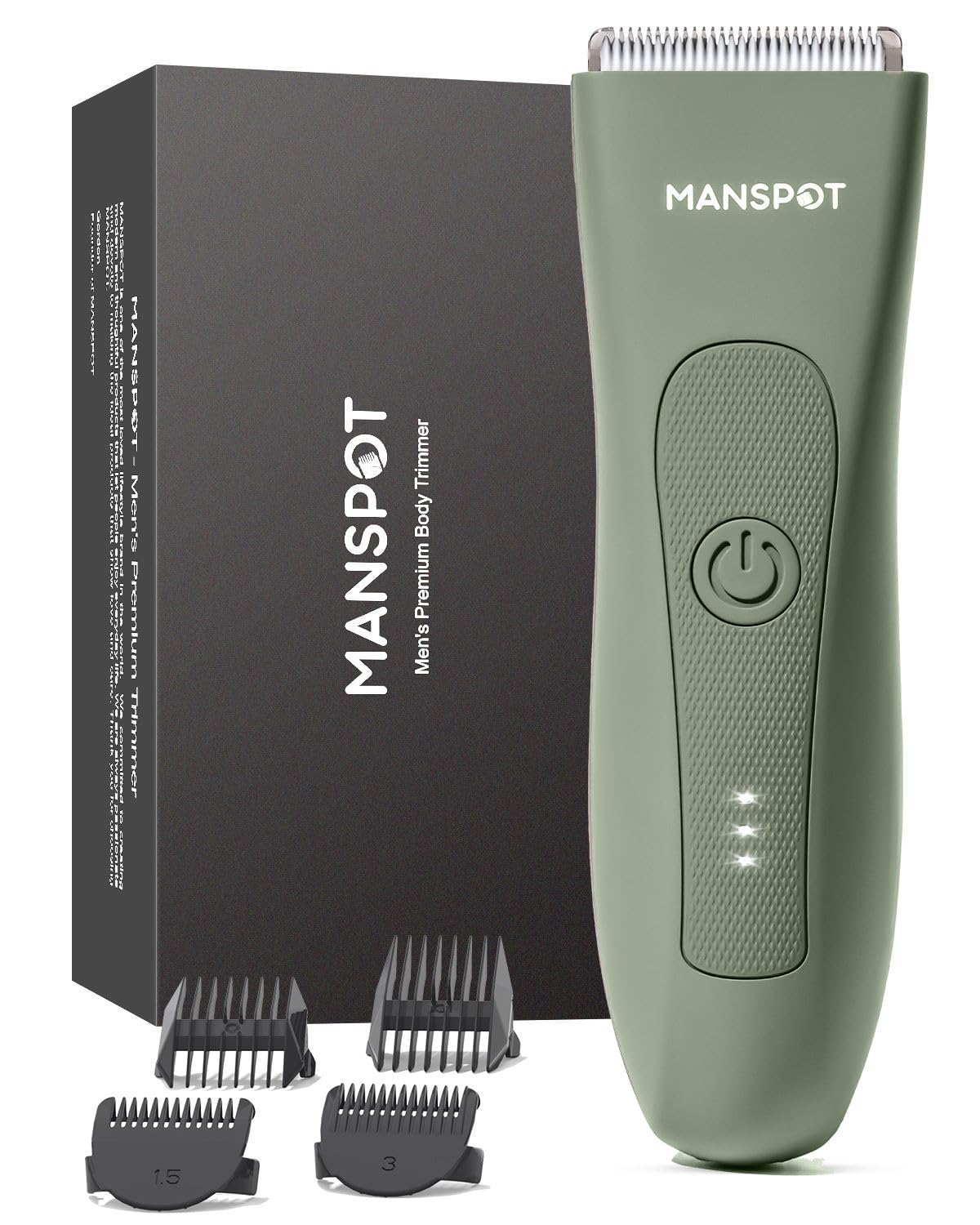
MANSPOT Electric Pubic Hair Trimmer - Waterproof Body and Groin Shaver for Men and Women (Black)
$20.39 $40
25% OFF
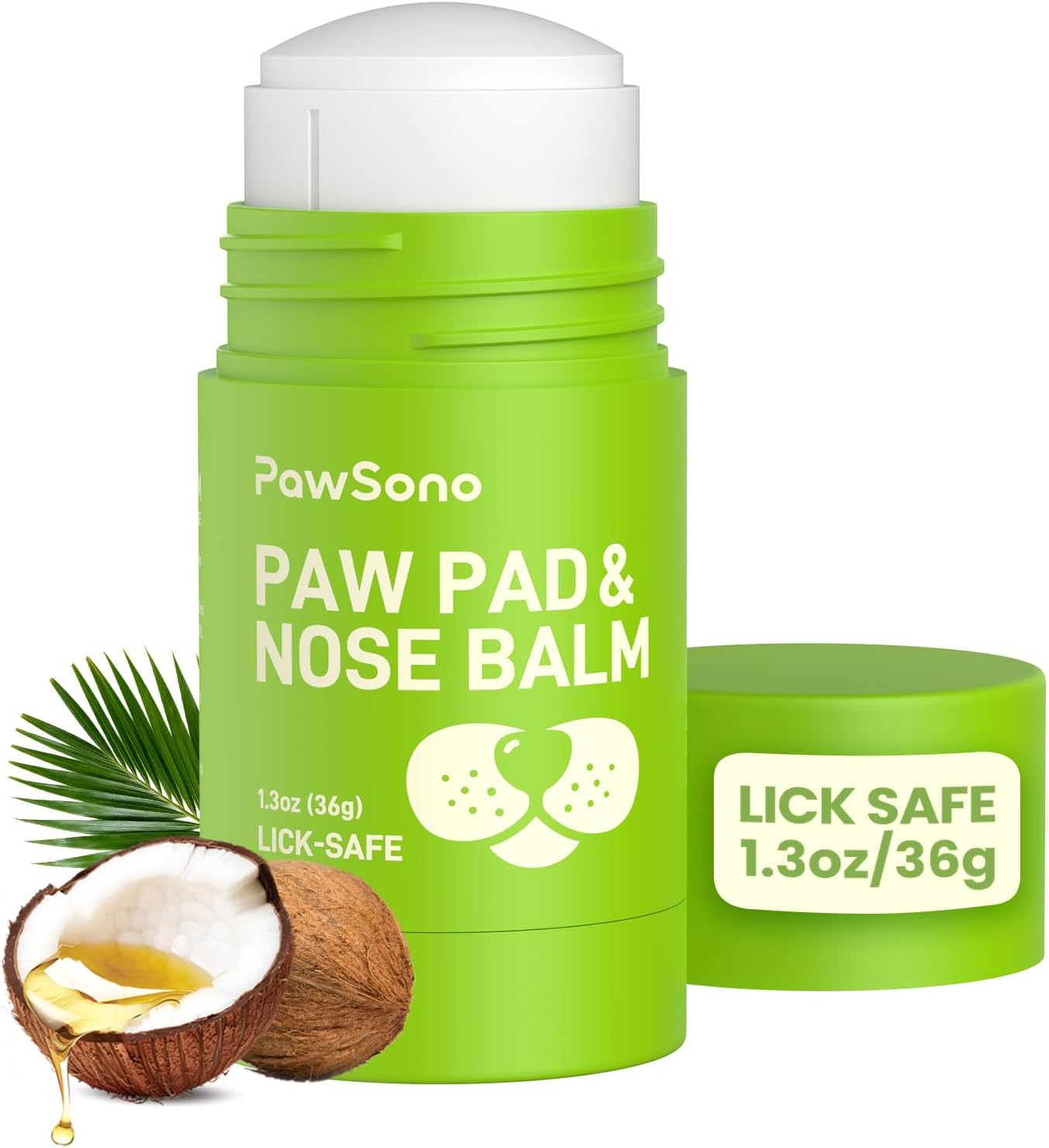
Lick-Safe Dog Paw and Nose Balm Stick - All-Natural Moisturizer with Coconut Oil for Dry, Cracked Pads and Snout
$11.69 $15.59
77% OFF
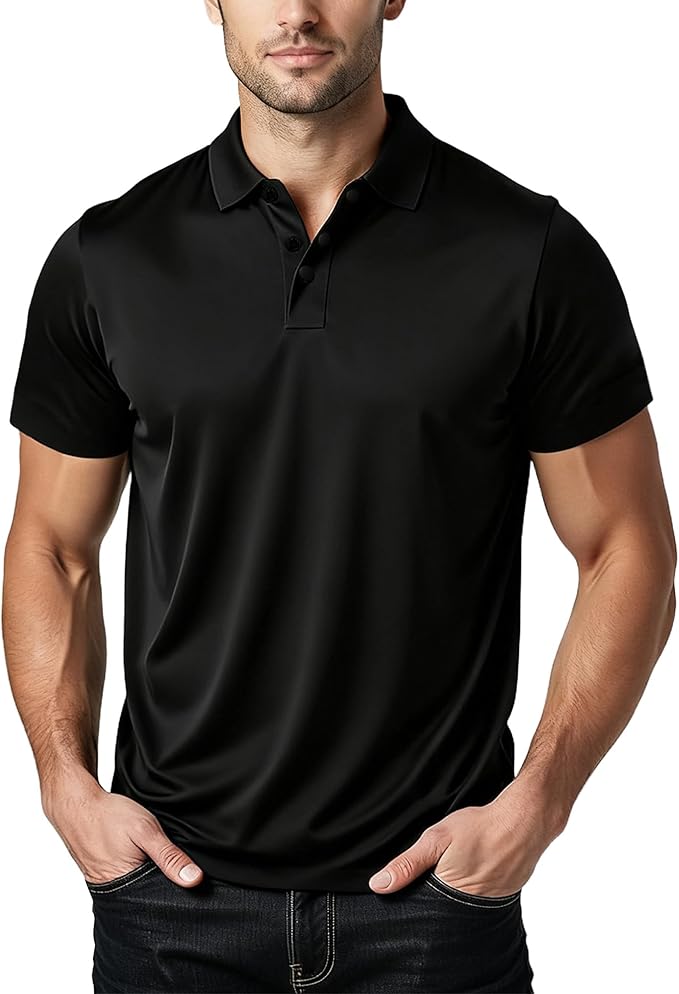
Men's Quick Dry Moisture Wicking Polo Shirt - High Elasticity Slim Fit Athletic Top (Runs Small)
$6.99 $29.99
46% OFF
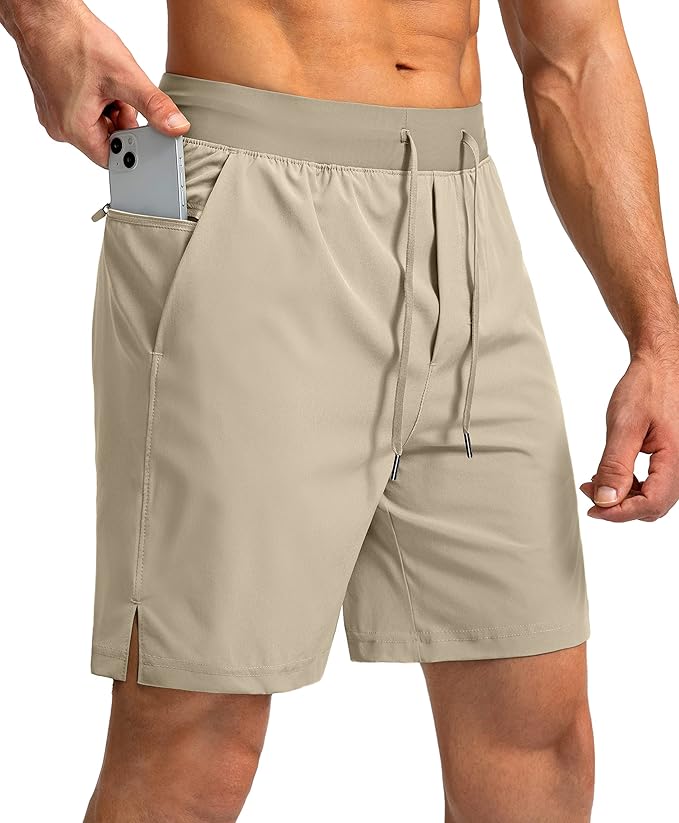
Men's Running Shorts with Zipper Pockets - Lightweight, Quick-Dry, Multi-Sport
$12.95 $23.99
50% OFF
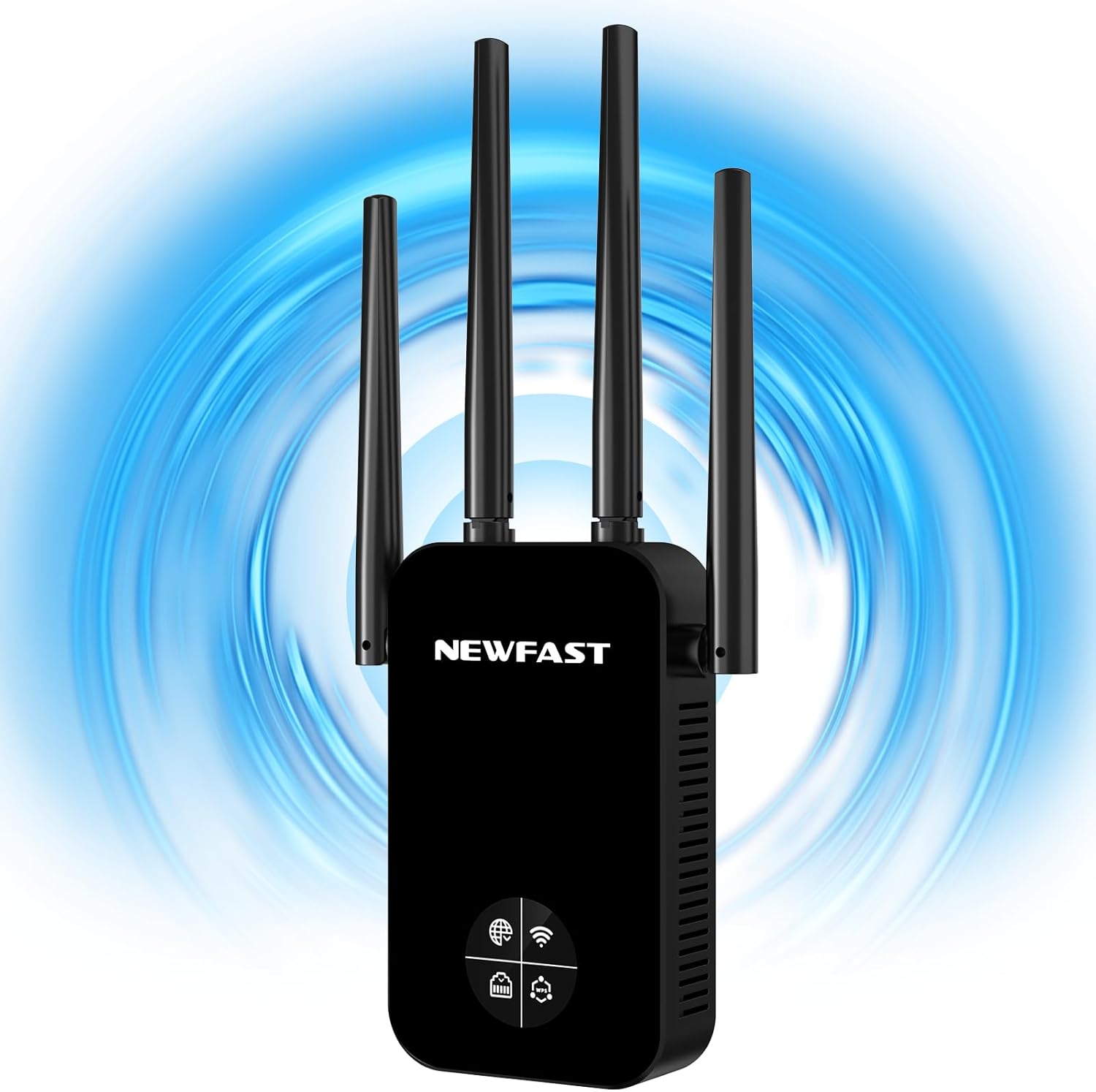
NEWFAST NF-RE523 AC1200 WiFi Extender - 1200Mbps Dual Band Signal Booster & Internet Repeater
$18.5 $36.99
48% OFF
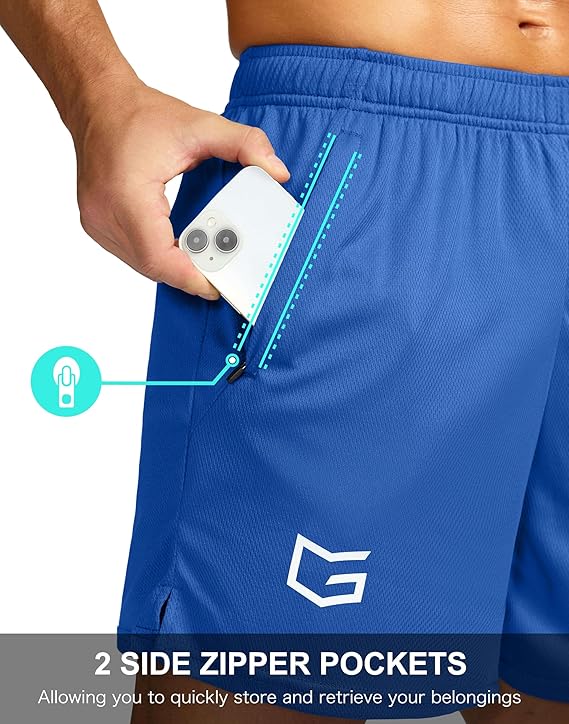
G Gradual Men's 7-inch Workout Running Shorts - Lightweight, Quick-Dry, Comfort
$12.91 $24.99
30% OFF
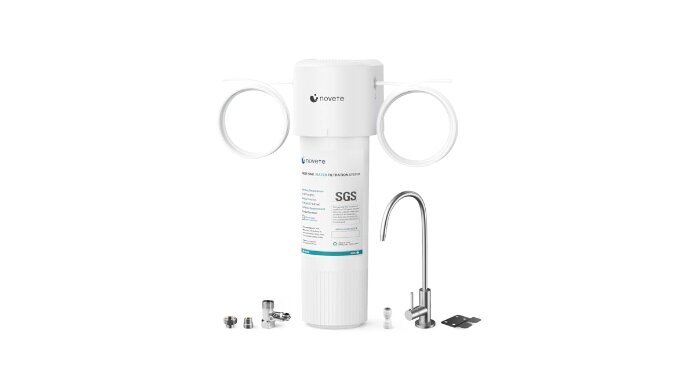
NOVETE Under Sink Water Filter - 3 Years, 30,000 Gallons, High-Efficiency Filtration
$41.99 $59.99
50% OFF

HDPE All-Weather Adirondack Chair with Built-In Cup Holder - Tool-Free Assembly (Grey)
$69.99 $139.99
60% OFF

HOMETUK Clear Plastic Storage Bins with Dividers - 3-Pack Stackable Acrylic Organizer Containers for Fridge and Pantry
$19.99 $49.99
58% OFF

G Gradual Men's Fishing Shirt - UPF 50+ Lightweight Short Sleeve Button Down with Zipper Pockets
$14.99 $35.99
55% OFF

Everyfun 60" Rectangular Platform Tree Swing - 700lbs Heavy Duty Adjustable Outdoor Swing (Colorful)
$49.99 $110.99
61% OFF

Ekouaer Women's Casual Loose Jumpsuit - One-Piece Printed Sleeveless Wide Leg Romper with Pockets
$14.99 $37.99
36% OFF

Men's Athletic Running Shorts with Zipper Pockets - Lightweight & Quick Dry
$12.74 $19.99
61% OFF

Modern Ceiling Fan with Light and Remote - Reversible Quiet DC Motor
$69.3 $179.99
50% OFF

MOOKA H13 True HEPA Air Purifier for Home Large Room - 1076 sq ft Odor Eliminator
$39.97 $79.95
40% OFF
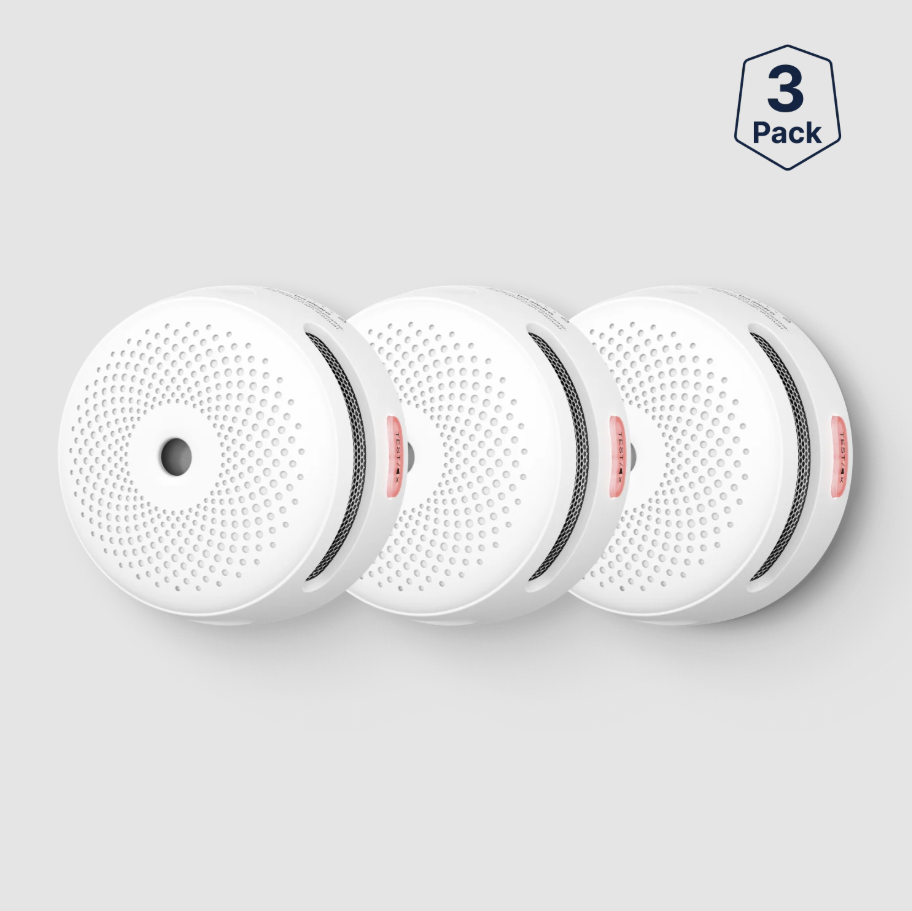
X-Sense XS01-WX Smart Smoke Alarm - 2.4 GHz Wi-Fi Photoelectric Fire Detector with Mobile App Alerts
$65.99 $109.99
11% OFF
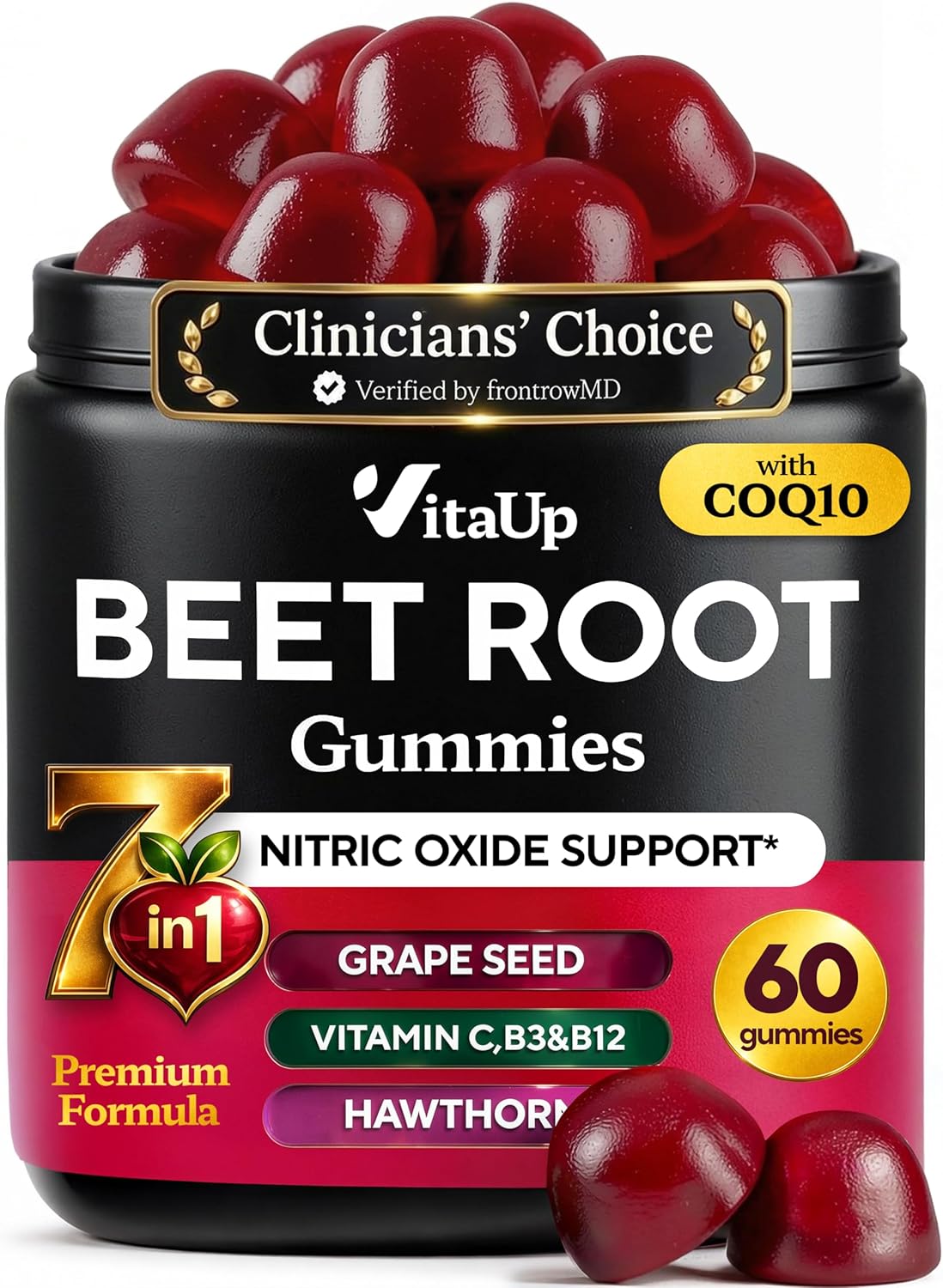
VitaUp Beet Root Gummies with CoQ10 & Grape Seed - Nitric Oxide Circulation Support (60 Count)
$24.91 $27.91
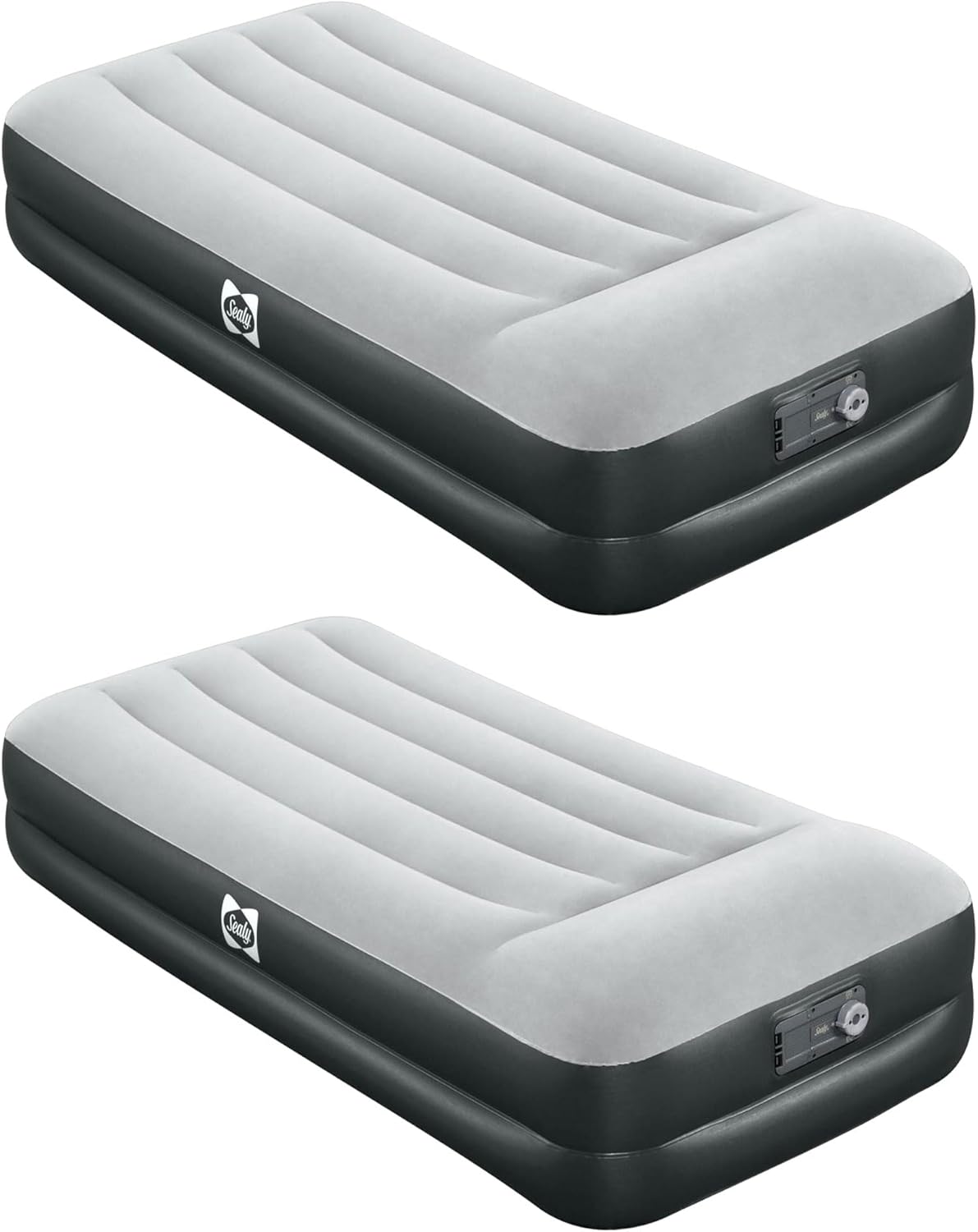
Sealy 2-Pack Tritech 16" Twin Inflatable Air Mattress with Built-in AC Pump
$0 $113.99
20% OFF

INTEX Prism Frame 20ft x 52in Above Ground Pool Set - Round Steel Frame Swimming Pool
$695.99 $869.99

Gardner Pet 43" Heavy Duty Dog Crate with Wheels - Indestructible Folding Metal Cage (Black)
$0 $149.99




-

Diary of a CEO’s Steven Bartlett and John Lennox discuss AI, faith and the search for meaning
-
Belfast churches 'heartbroken' over unrest
-

Is there a two-tier Britain?
-
Churches must disciple well and listen well in response to rise of Christian nationalism
-

Welsh reverend speaks of culture of fear over LGBT issues
-

South Wales Police back down on imposing Islamic 'blasphemy law'
Most Popular
News

Anti-Christian hate crimes across Europe surge in May as arson attacks reach 2026 high
Anti-Christian incidents across Europe rose sharply in May, with new figures showing the highest monthly number of arson-related attacks recorded so far this year.
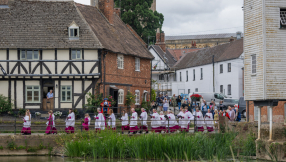
Gloucester churches come together to bless River Avon amid pollution concerns
It is part of a broader campaign against river pollution as concerns remain about the amount of untreated sewage in the Avon.

Life beyond burnout: how Christians can grow in the desert seasons
Christian Today speaks to author and Anglican priest Tish Harrison Warren about growth in desert seasons and why the Church shouldn’t treat all spiritual weariness as a problem to fix.

Iranian-born bishop stands in solidarity with Britain's Jews
2025 had the second highest number of antisemitic incidents on record.
MANSPOT Electric Pubic Hair Trimmer - Waterproof Body and Groin Shaver for Men and Women (Black)
$20.39
Lick-Safe Dog Paw and Nose Balm Stick - All-Natural Moisturizer with Coconut Oil for Dry, Cracked Pads and Snout
$11.69
Men's Quick Dry Moisture Wicking Polo Shirt - High Elasticity Slim Fit Athletic Top (Runs Small)
$6.99
Men's Running Shorts with Zipper Pockets - Lightweight, Quick-Dry, Multi-Sport
$12.95
NEWFAST NF-RE523 AC1200 WiFi Extender - 1200Mbps Dual Band Signal Booster & Internet Repeater
$18.5
G Gradual Men's 7-inch Workout Running Shorts - Lightweight, Quick-Dry, Comfort
$12.91
NOVETE Under Sink Water Filter - 3 Years, 30,000 Gallons, High-Efficiency Filtration
$41.99
HDPE All-Weather Adirondack Chair with Built-In Cup Holder - Tool-Free Assembly (Grey)
$69.99
HOMETUK Clear Plastic Storage Bins with Dividers - 3-Pack Stackable Acrylic Organizer Containers for Fridge and Pantry
$19.99
G Gradual Men's Fishing Shirt - UPF 50+ Lightweight Short Sleeve Button Down with Zipper Pockets
$14.99
Everyfun 60" Rectangular Platform Tree Swing - 700lbs Heavy Duty Adjustable Outdoor Swing (Colorful)
$49.99
Ekouaer Women's Casual Loose Jumpsuit - One-Piece Printed Sleeveless Wide Leg Romper with Pockets
$14.99
Men's Athletic Running Shorts with Zipper Pockets - Lightweight & Quick Dry
$12.74
Modern Ceiling Fan with Light and Remote - Reversible Quiet DC Motor
$69.3
MOOKA H13 True HEPA Air Purifier for Home Large Room - 1076 sq ft Odor Eliminator
$39.97
X-Sense XS01-WX Smart Smoke Alarm - 2.4 GHz Wi-Fi Photoelectric Fire Detector with Mobile App Alerts
$65.99
VitaUp Beet Root Gummies with CoQ10 & Grape Seed - Nitric Oxide Circulation Support (60 Count)
$24.91
Sealy 2-Pack Tritech 16" Twin Inflatable Air Mattress with Built-in AC Pump
$0
INTEX Prism Frame 20ft x 52in Above Ground Pool Set - Round Steel Frame Swimming Pool
$695.99
Gardner Pet 43" Heavy Duty Dog Crate with Wheels - Indestructible Folding Metal Cage (Black)
$0