
|PIC1| The United States and the European Union sought on Tuesday to turn up the pressure on Iran to drop its nuclear enrichment programme, saying they were ready to go beyond a latest round of U.N. sanctions.
But President George W. Bush acknowledged the limits of U.S. influence over Tehran and, in the twilight of his presidency, appeared resigned to leaving the standoff to his successor.
"I leave behind a multilateral framework to work on this issue," Bush told a news conference after a U.S.-European Union summit at a Slovenian castle.
"A group of countries can send a clear message to the Iranians, and that is: We're going to continue to isolate you we'll find new sanctions if need be, if you continue to deny the just demands of the free world, which is to give up your enrichment programme," he said.
He stopped short of repeating the U.S. position that all options, including military action, remain open, suggesting that no drastic steps were likely before he leaves office. "Now is the time for there to be strong diplomacy," Bush said.
He met Slovenian leaders, who hold the EU's rotating presidency, as well as European Commission President Jose Manuel Barroso and EU foreign policy chief Javier Solana, who has led efforts to get Iran to drop its enrichment programme.
INCENTIVES
Solana is expected to travel to Iran soon to present a new offer by major powers of incentives for it to suspend uranium enrichment, but he has played down prospects of a breakthrough.
"Iran with a nuclear weapon would be incredibly dangerous for world peace," Bush said before setting off for Germany.
He is also due this week to visit France, Britain and Italy. All have roles on the Iranian issue.
A statement released after the three-hour summit said the United States and EU were ready to deploy extra measures against Iran on top of existing U.N. sanctions.
All agree Iran should not be allowed to acquire nuclear weapons, a possible outcome of its uranium enrichment program. Tehran insists the program is strictly for civilian purposes.
But it remained unclear how far the Europeans, who rarely echo Bush's harsh rhetoric against Iran and have sometimes been reluctant to get tougher, would be willing to go.
Washington has pressed the EU to deny some Iranian banks access to the world financial system.
European External Relations Commissioner Benita Ferrero-Waldner told reporters after the summit:
"We want to indeed show to Iranians that we mean it very seriously. (We are) particularly thinking of asset freezes."
An Iranian newspaper said Iran was withdrawing assets from European banks and converting some foreign exchange assets into gold and equities to neutralise the impact of sanctions.
MORE COOPERATIVE
Bush was accused by critics of "cowboy diplomacy" during much of his presidency, but has tried to take a more cooperative approach with allies in his second term.
He acknowledges he is unpopular in Europe, as well as at home. "A lot of people like America. They may not sometimes necessarily like the president," he told Slovenia's Pop TV before setting off from Washington.
On climate change, EU policymakers say they have given up trying to get Washington to join with the bloc in signing up now to binding cuts of greenhouse gas emissions.
Bush reiterated on Tuesday that the United States would not agree to cuts until big developing nations made commitments too:
"Unless China and India are at table, unless they agree to a goal, unless they agree to firm strategies to achieve that goal, I don't see how any international agreement can be effective."
Money matters are also figuring in Bush's week-long trip.
He confirmed his strong-dollar policy, despite the currency's slump to new lows against the euro recently.
"We believe in a strong dollar and that the relative value of economies will end up setting the valuation of the dollar," Bush told Tuesday's news conference.
Reflecting a seeming indifference among locals to a visiting U.S. president with less than eight months left in office, no demonstrators were seen in the heavily guarded streets of Slovenian capital Ljubljana, near the summit venue.
49% OFF
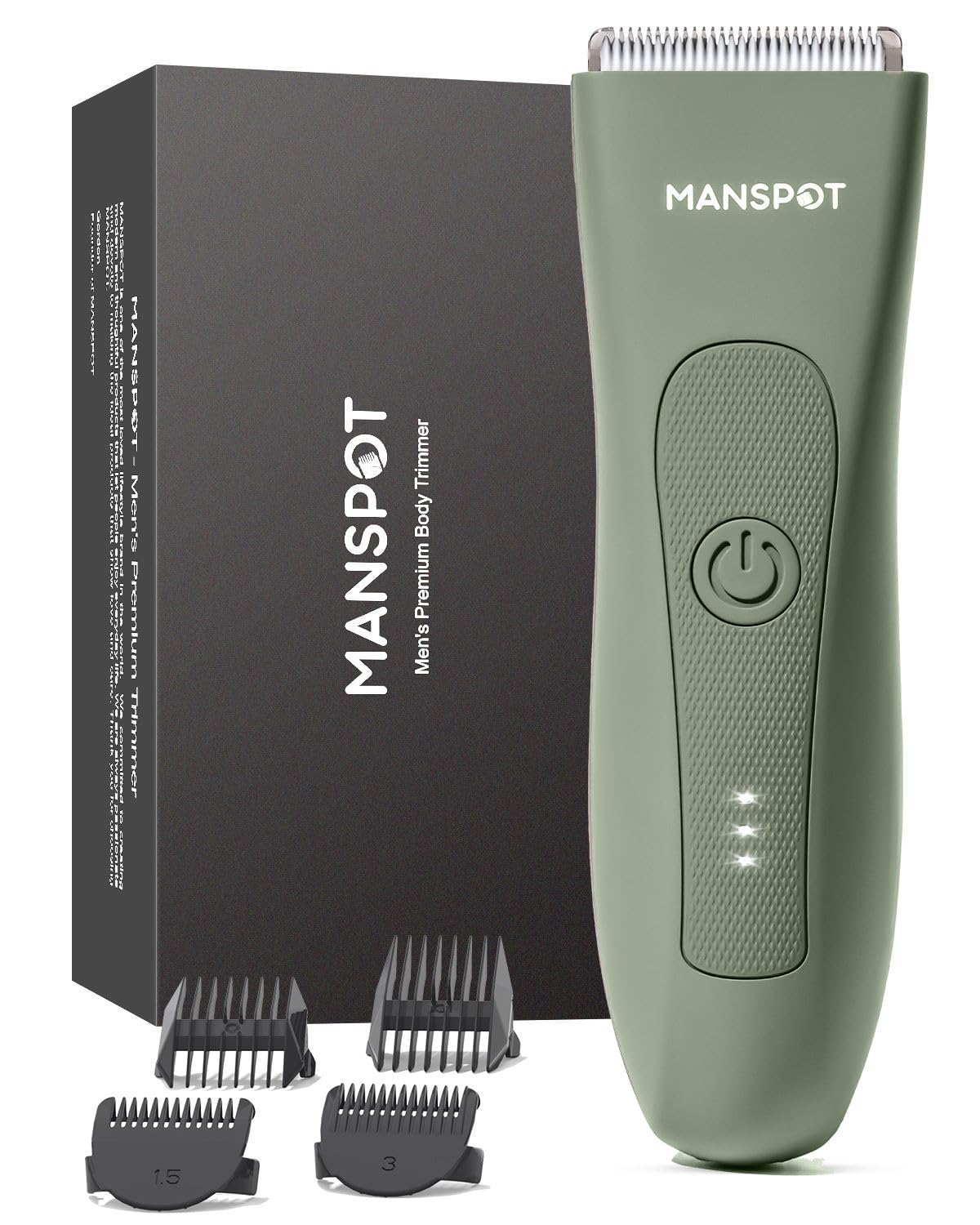
MANSPOT Electric Pubic Hair Trimmer - Waterproof Body and Groin Shaver for Men and Women (Black)
$20.39 $40
25% OFF
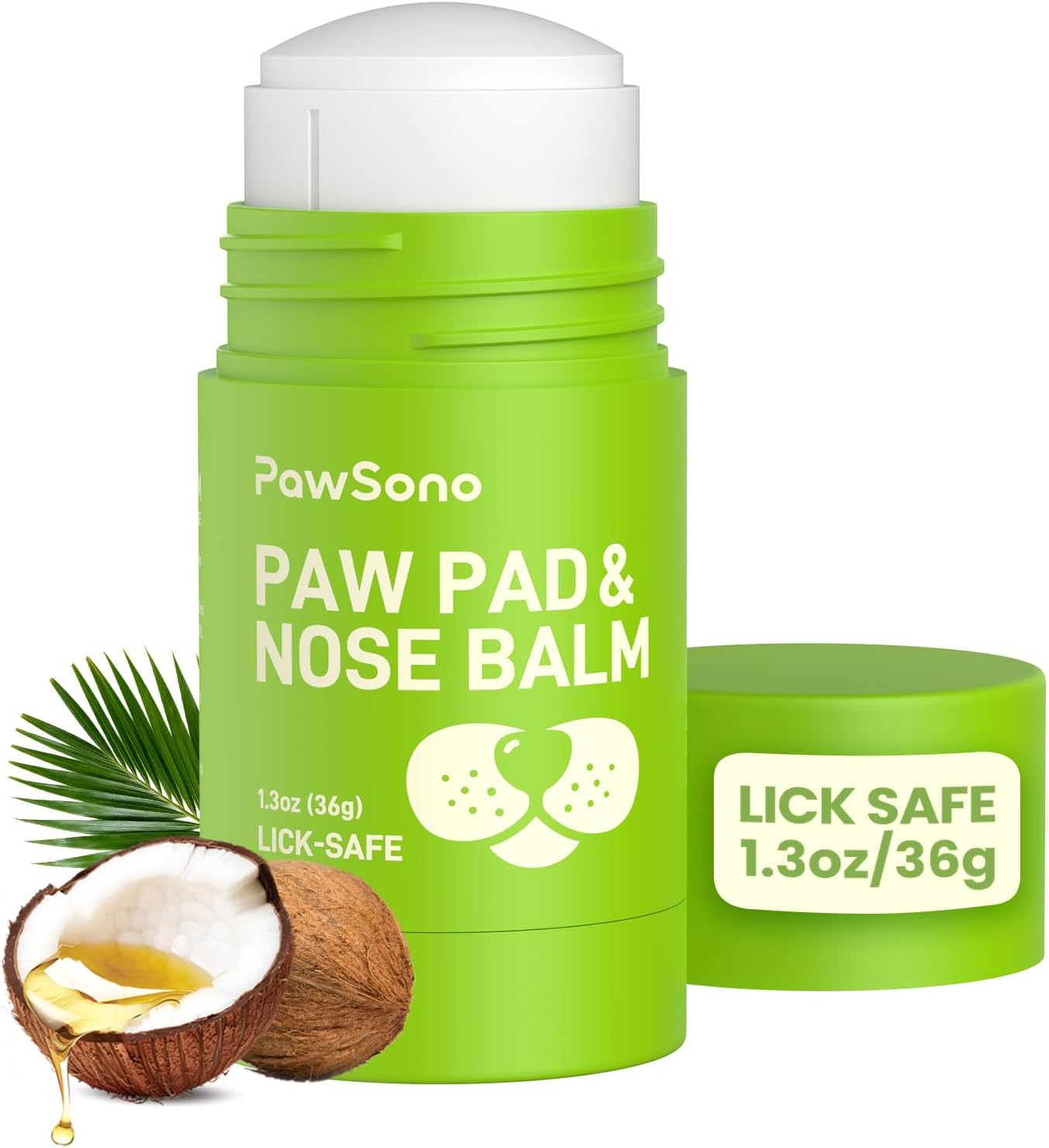
Lick-Safe Dog Paw and Nose Balm Stick - All-Natural Moisturizer with Coconut Oil for Dry, Cracked Pads and Snout
$11.69 $15.59
77% OFF
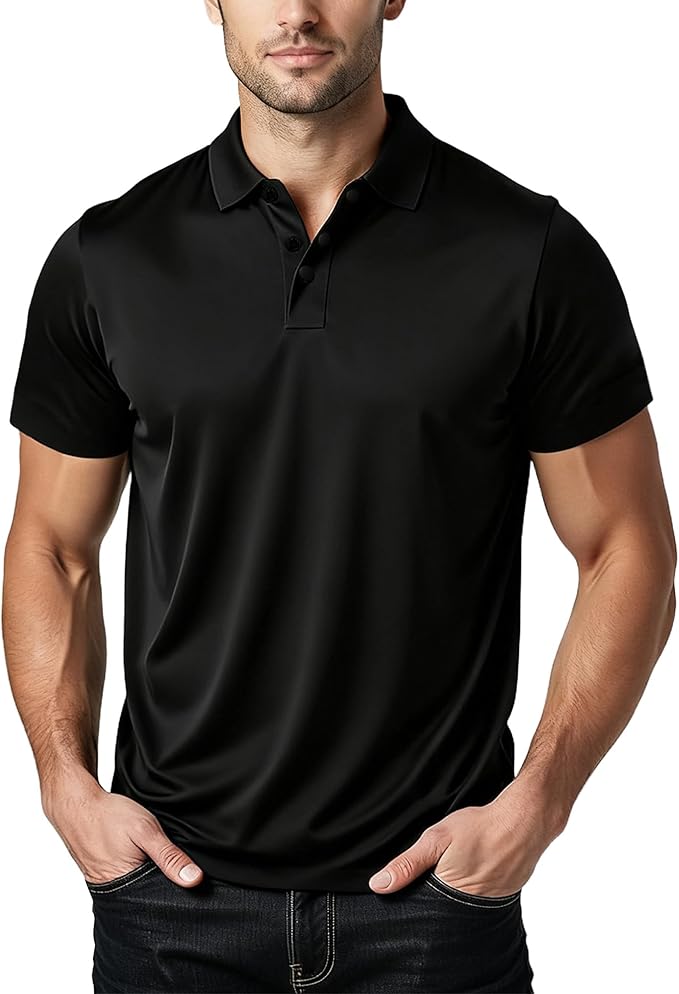
Men's Quick Dry Moisture Wicking Polo Shirt - High Elasticity Slim Fit Athletic Top (Runs Small)
$6.99 $29.99
46% OFF
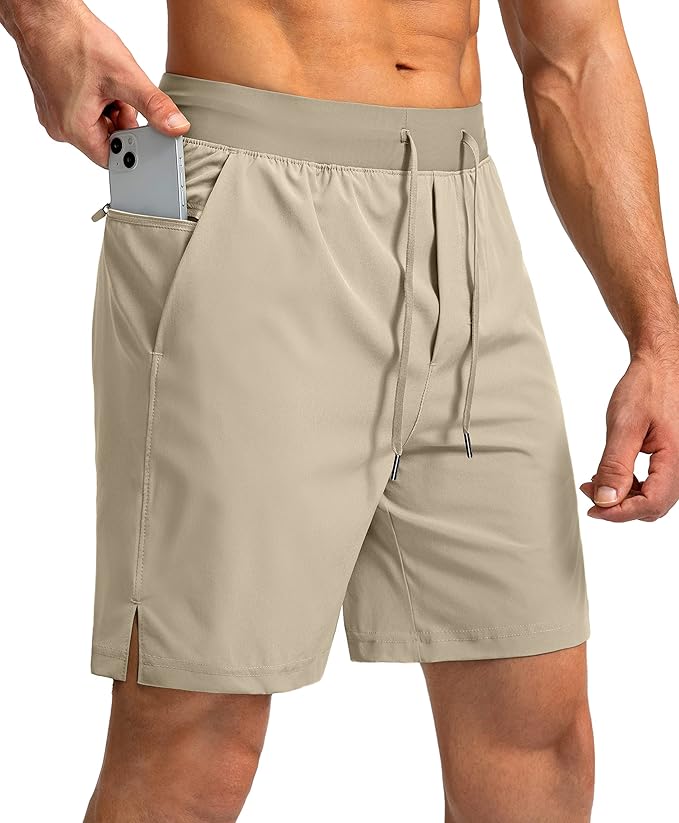
Men's Running Shorts with Zipper Pockets - Lightweight, Quick-Dry, Multi-Sport
$12.95 $23.99
50% OFF
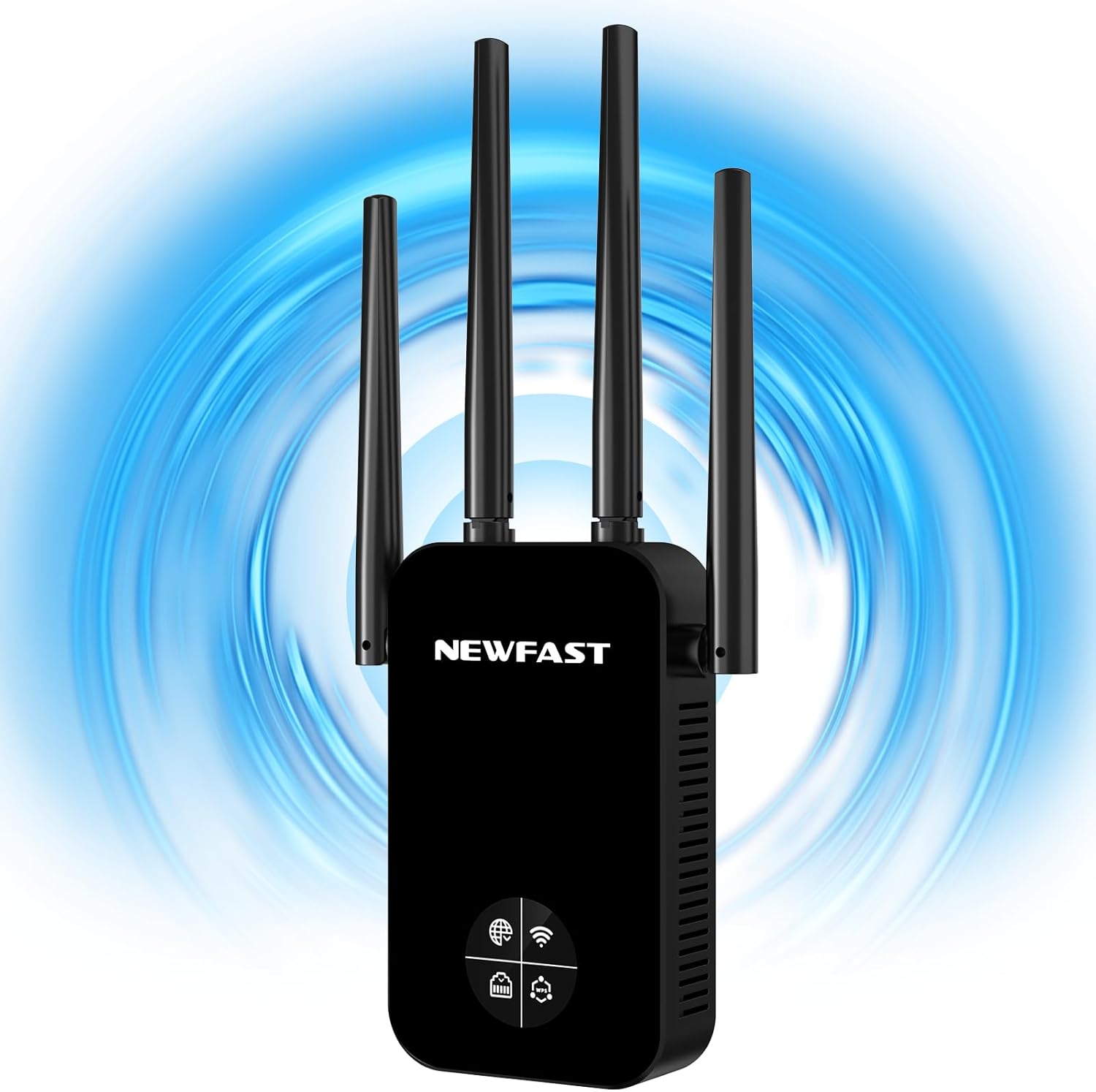
NEWFAST NF-RE523 AC1200 WiFi Extender - 1200Mbps Dual Band Signal Booster & Internet Repeater
$18.5 $36.99
48% OFF
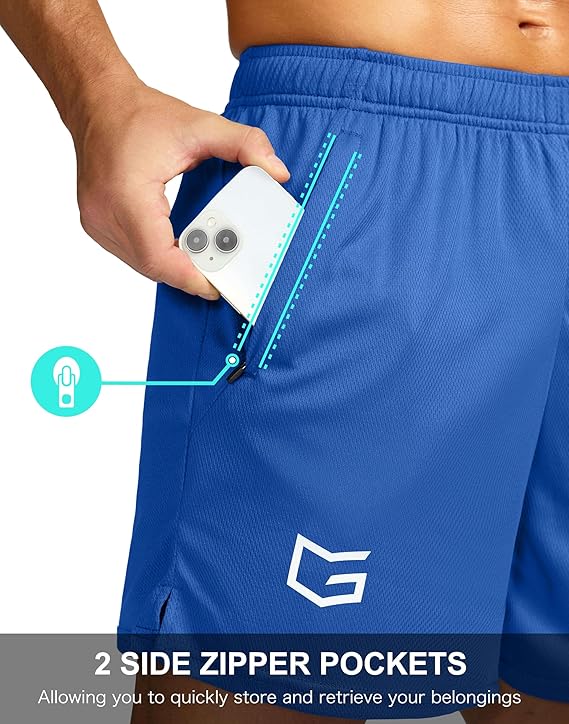
G Gradual Men's 7-inch Workout Running Shorts - Lightweight, Quick-Dry, Comfort
$12.91 $24.99
30% OFF
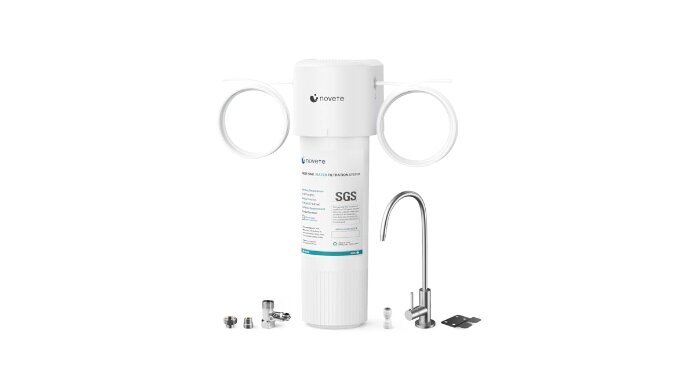
NOVETE Under Sink Water Filter - 3 Years, 30,000 Gallons, High-Efficiency Filtration
$41.99 $59.99
50% OFF

HDPE All-Weather Adirondack Chair with Built-In Cup Holder - Tool-Free Assembly (Grey)
$69.99 $139.99
60% OFF

HOMETUK Clear Plastic Storage Bins with Dividers - 3-Pack Stackable Acrylic Organizer Containers for Fridge and Pantry
$19.99 $49.99
58% OFF

G Gradual Men's Fishing Shirt - UPF 50+ Lightweight Short Sleeve Button Down with Zipper Pockets
$14.99 $35.99
55% OFF

Everyfun 60" Rectangular Platform Tree Swing - 700lbs Heavy Duty Adjustable Outdoor Swing (Colorful)
$49.99 $110.99
61% OFF

Ekouaer Women's Casual Loose Jumpsuit - One-Piece Printed Sleeveless Wide Leg Romper with Pockets
$14.99 $37.99
36% OFF

Men's Athletic Running Shorts with Zipper Pockets - Lightweight & Quick Dry
$12.74 $19.99
61% OFF

Modern Ceiling Fan with Light and Remote - Reversible Quiet DC Motor
$69.3 $179.99
50% OFF

MOOKA H13 True HEPA Air Purifier for Home Large Room - 1076 sq ft Odor Eliminator
$39.97 $79.95
40% OFF
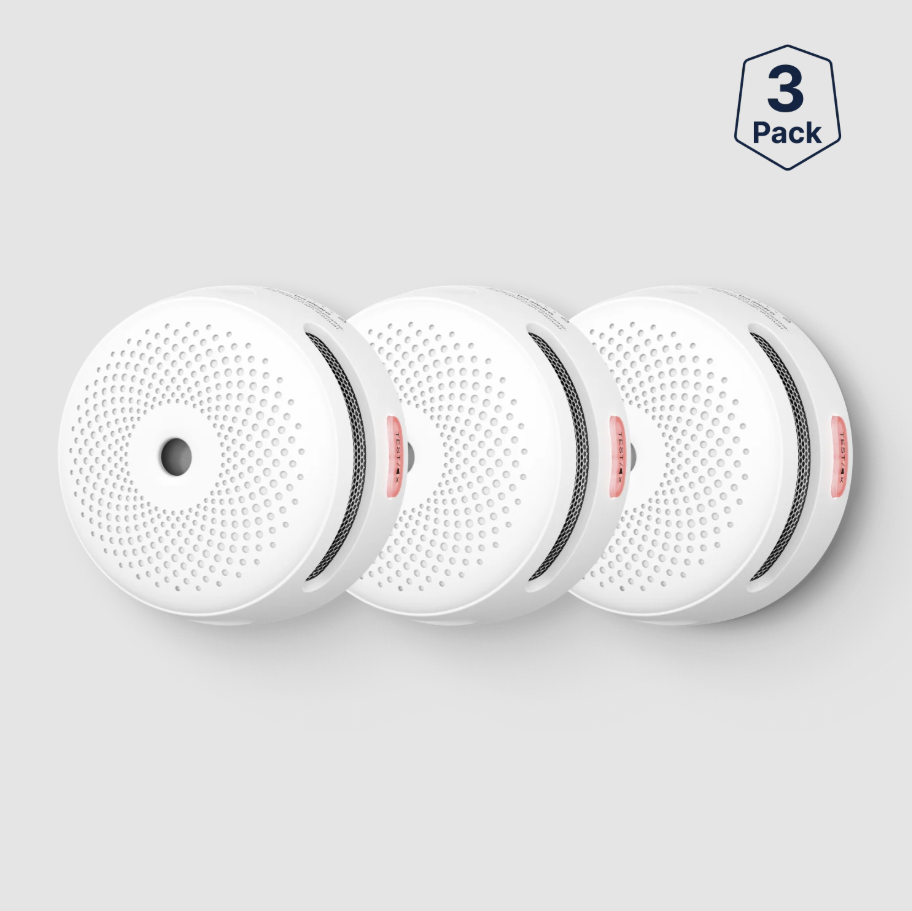
X-Sense XS01-WX Smart Smoke Alarm - 2.4 GHz Wi-Fi Photoelectric Fire Detector with Mobile App Alerts
$65.99 $109.99
11% OFF

VitaUp Beet Root Gummies with CoQ10 & Grape Seed - Nitric Oxide Circulation Support (60 Count)
$24.91 $27.91

Sealy 2-Pack Tritech 16" Twin Inflatable Air Mattress with Built-in AC Pump
$0 $113.99
20% OFF

INTEX Prism Frame 20ft x 52in Above Ground Pool Set - Round Steel Frame Swimming Pool
$695.99 $869.99

Gardner Pet 43" Heavy Duty Dog Crate with Wheels - Indestructible Folding Metal Cage (Black)
$0 $149.99




-

Diary of a CEO’s Steven Bartlett and John Lennox discuss AI, faith and the search for meaning
-

Belfast churches 'heartbroken' over unrest
-

Is there a two-tier Britain?
-

Churches must disciple well and listen well in response to rise of Christian nationalism
-

Welsh reverend speaks of culture of fear over LGBT issues
-

South Wales Police back down on imposing Islamic 'blasphemy law'
Most Popular
News

Anti-Christian hate crimes across Europe surge in May as arson attacks reach 2026 high
Anti-Christian incidents across Europe rose sharply in May, with new figures showing the highest monthly number of arson-related attacks recorded so far this year.

Gloucester churches come together to bless River Avon amid pollution concerns
It is part of a broader campaign against river pollution as concerns remain about the amount of untreated sewage in the Avon.

Life beyond burnout: how Christians can grow in the desert seasons
Christian Today speaks to author and Anglican priest Tish Harrison Warren about growth in desert seasons and why the Church shouldn’t treat all spiritual weariness as a problem to fix.

Iranian-born bishop stands in solidarity with Britain's Jews
2025 had the second highest number of antisemitic incidents on record.
MANSPOT Electric Pubic Hair Trimmer - Waterproof Body and Groin Shaver for Men and Women (Black)
$20.39
Lick-Safe Dog Paw and Nose Balm Stick - All-Natural Moisturizer with Coconut Oil for Dry, Cracked Pads and Snout
$11.69
Men's Quick Dry Moisture Wicking Polo Shirt - High Elasticity Slim Fit Athletic Top (Runs Small)
$6.99
Men's Running Shorts with Zipper Pockets - Lightweight, Quick-Dry, Multi-Sport
$12.95
NEWFAST NF-RE523 AC1200 WiFi Extender - 1200Mbps Dual Band Signal Booster & Internet Repeater
$18.5
G Gradual Men's 7-inch Workout Running Shorts - Lightweight, Quick-Dry, Comfort
$12.91
NOVETE Under Sink Water Filter - 3 Years, 30,000 Gallons, High-Efficiency Filtration
$41.99
HDPE All-Weather Adirondack Chair with Built-In Cup Holder - Tool-Free Assembly (Grey)
$69.99
HOMETUK Clear Plastic Storage Bins with Dividers - 3-Pack Stackable Acrylic Organizer Containers for Fridge and Pantry
$19.99
G Gradual Men's Fishing Shirt - UPF 50+ Lightweight Short Sleeve Button Down with Zipper Pockets
$14.99
Everyfun 60" Rectangular Platform Tree Swing - 700lbs Heavy Duty Adjustable Outdoor Swing (Colorful)
$49.99
Ekouaer Women's Casual Loose Jumpsuit - One-Piece Printed Sleeveless Wide Leg Romper with Pockets
$14.99
Men's Athletic Running Shorts with Zipper Pockets - Lightweight & Quick Dry
$12.74
Modern Ceiling Fan with Light and Remote - Reversible Quiet DC Motor
$69.3
MOOKA H13 True HEPA Air Purifier for Home Large Room - 1076 sq ft Odor Eliminator
$39.97
X-Sense XS01-WX Smart Smoke Alarm - 2.4 GHz Wi-Fi Photoelectric Fire Detector with Mobile App Alerts
$65.99
VitaUp Beet Root Gummies with CoQ10 & Grape Seed - Nitric Oxide Circulation Support (60 Count)
$24.91
Sealy 2-Pack Tritech 16" Twin Inflatable Air Mattress with Built-in AC Pump
$0
INTEX Prism Frame 20ft x 52in Above Ground Pool Set - Round Steel Frame Swimming Pool
$695.99
Gardner Pet 43" Heavy Duty Dog Crate with Wheels - Indestructible Folding Metal Cage (Black)
$0