
On the second day of a weeklong tour to China, the World Council of Churches (WCC) General Secretary Rev Dr Samuel Kobia characterised Christianity in the country as being "rooted in the soil", and suggested that the WCC's member church in the country needs to interpret itself and the story of the church in China.
Kobia addressed a group of more than a thousand parishioners gathered at the Qian Deng Church, built on land provided by the local government in rural Kunshan. He said, "Until we see how people live in a rural situation, we really can't get to know what a country is all about."
Despite heavy rains on their second day in China, Kobia and members of the WCC delegation were warmly welcomed by a colourful brass band and throngs of well-wishers waiting on the steps of the newly built church.
The delegation was also given an overview of the dramatic transformation of the area's 2,500-year agrarian history by the local pastor, who described the impact of the newly developed industrialised society on the lives of the people in nearby Suzhou city.
The delegation later visited Suzhou Industrial Park, recognised as one of the fastest-growing industrial development zones in the world, where a joint venture of Chinese and Singapore governments and multi-national corporations are trying to reap the benefits of globalisation.
Earlier in the day, Kobia had met with local pastors and the leadership and staff of the Shanghai Christian Council, who credited the phenomenal growth of the church in China to its close identification with the Chinese people.
"The church is now rooted in Chinese history," said Rev Cao Shengjie, president of the China Christian Council (CCC), which has been a member of the WCC since 1991.
Cao also made a favourable assessment of the current situation of her church in comparison with its experience in the past.
While in 1949 there were 700,000 Christians in China, today members of congregations that make up the CCC number 16 million, and belong to more than 55,000 local churches, with 18 seminaries and Bible schools, and some 2,700 ordained pastors and associate pastors, reports the WCC.
"In many parts of the world," Kobia reflected, "the roots of Christianity haven't gone down deep enough. We are learning, here, what it means for Christianity to be rooted in the soil rather than in a clay pot. You have broken the clay pot and now the roots of Christianity are really deeply planted in the soil."
Kobia noted, however, that the phenomenal growth of Christian congregations brings with it a great responsibility in society.
He said, "This phenomenal growth is observable to the whole world, because China is developing into a major global power. How will that shape the challenge of the churches' witness?"
Among the challenges facing the CCC, church leaders in Shanghai mentioned the concern to meet the needs of the growing churches, particularly pastoral care for younger intellectuals who are expressing interest in Christianity.
Some 42 per cent of Christians belonging to the CCC are now under the age of 40 as compared with 28 per cent just a few years ago.
Given the growing influence of the market economy in China, local church leaders also expressed concern about the temptations of power and wealth, and the need to emphasise Christian ethics in society.
Cao said, "Man does not live by bread alone. To be light and salt in the world, to glorify God and benefit the people" is a popular saying among Christians in China.
With regard to the challenges facing the CCC, Kobia lifted up "the challenge to 'self-communicate' rather than allowing others to interpret the story of the church in China".
He also suggested consideration of three additional "self" principles: self-understanding, self-representation and self-articulation.
49% OFF
MANSPOT Electric Pubic Hair Trimmer - Waterproof Body and Groin Shaver for Men and Women (Black)
$20.39 $40
25% OFF
Lick-Safe Dog Paw and Nose Balm Stick - All-Natural Moisturizer with Coconut Oil for Dry, Cracked Pads and Snout
$11.69 $15.59
77% OFF
Men's Quick Dry Moisture Wicking Polo Shirt - High Elasticity Slim Fit Athletic Top (Runs Small)
$6.99 $29.99
46% OFF
Men's Running Shorts with Zipper Pockets - Lightweight, Quick-Dry, Multi-Sport
$12.95 $23.99
50% OFF

NEWFAST NF-RE523 AC1200 WiFi Extender - 1200Mbps Dual Band Signal Booster & Internet Repeater
$18.5 $36.99
48% OFF
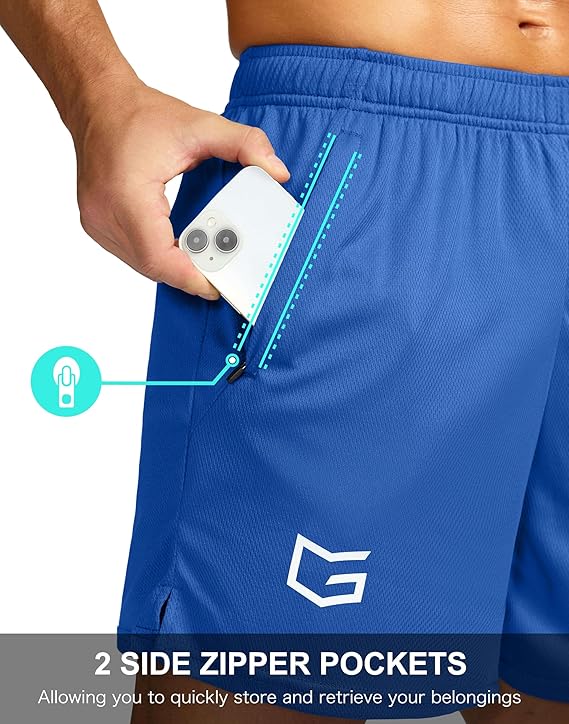
G Gradual Men's 7-inch Workout Running Shorts - Lightweight, Quick-Dry, Comfort
$12.91 $24.99
30% OFF
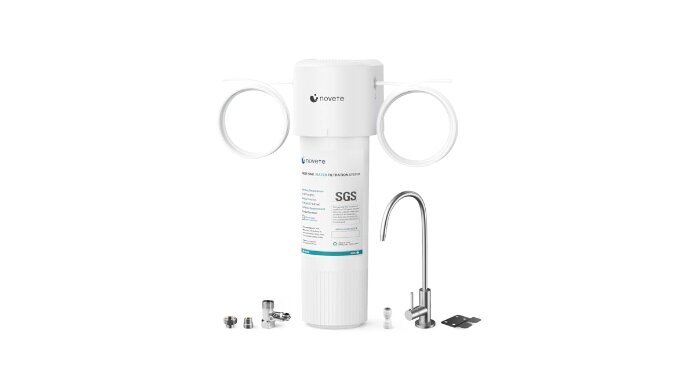
NOVETE Under Sink Water Filter - 3 Years, 30,000 Gallons, High-Efficiency Filtration
$41.99 $59.99
50% OFF

HDPE All-Weather Adirondack Chair with Built-In Cup Holder - Tool-Free Assembly (Grey)
$69.99 $139.99
60% OFF

HOMETUK Clear Plastic Storage Bins with Dividers - 3-Pack Stackable Acrylic Organizer Containers for Fridge and Pantry
$19.99 $49.99
58% OFF

G Gradual Men's Fishing Shirt - UPF 50+ Lightweight Short Sleeve Button Down with Zipper Pockets
$14.99 $35.99
55% OFF

Everyfun 60" Rectangular Platform Tree Swing - 700lbs Heavy Duty Adjustable Outdoor Swing (Colorful)
$49.99 $110.99
61% OFF

Ekouaer Women's Casual Loose Jumpsuit - One-Piece Printed Sleeveless Wide Leg Romper with Pockets
$14.99 $37.99
36% OFF

Men's Athletic Running Shorts with Zipper Pockets - Lightweight & Quick Dry
$12.74 $19.99
61% OFF

Modern Ceiling Fan with Light and Remote - Reversible Quiet DC Motor
$69.3 $179.99
50% OFF

MOOKA H13 True HEPA Air Purifier for Home Large Room - 1076 sq ft Odor Eliminator
$39.97 $79.95
40% OFF
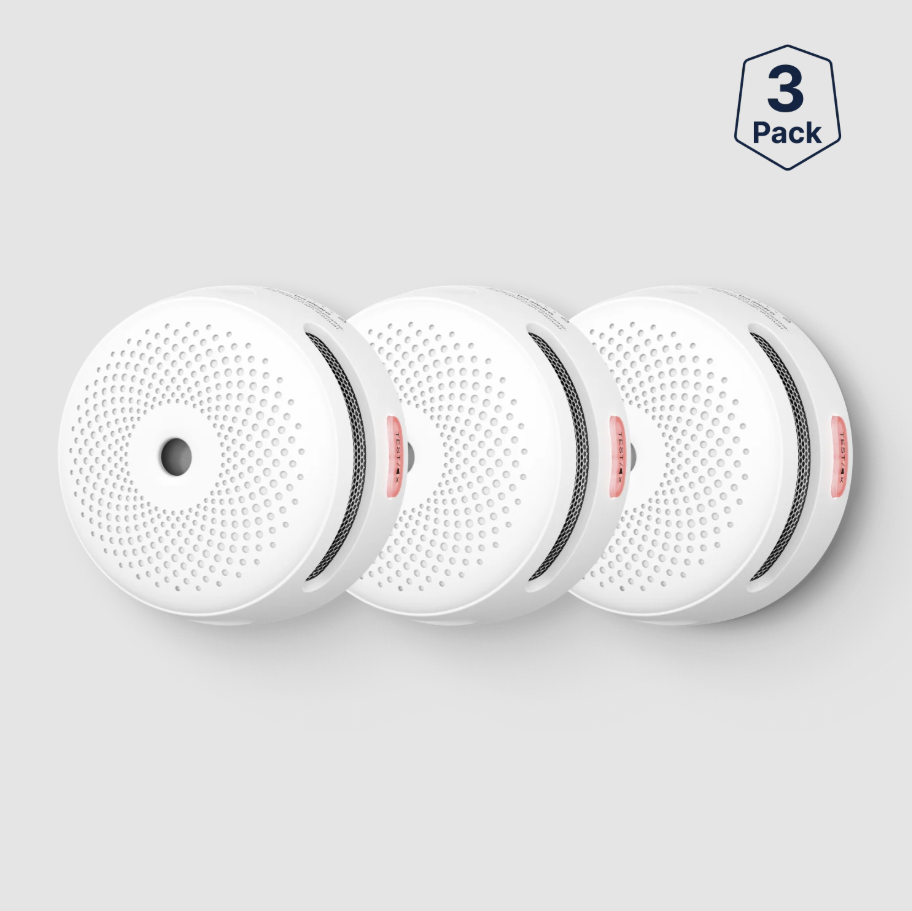
X-Sense XS01-WX Smart Smoke Alarm - 2.4 GHz Wi-Fi Photoelectric Fire Detector with Mobile App Alerts
$65.99 $109.99
11% OFF

VitaUp Beet Root Gummies with CoQ10 & Grape Seed - Nitric Oxide Circulation Support (60 Count)
$24.91 $27.91

Sealy 2-Pack Tritech 16" Twin Inflatable Air Mattress with Built-in AC Pump
$0 $113.99
20% OFF

INTEX Prism Frame 20ft x 52in Above Ground Pool Set - Round Steel Frame Swimming Pool
$695.99 $869.99

Gardner Pet 43" Heavy Duty Dog Crate with Wheels - Indestructible Folding Metal Cage (Black)
$0 $149.99




-

Diary of a CEO’s Steven Bartlett and John Lennox discuss AI, faith and the search for meaning
-

Belfast churches 'heartbroken' over unrest
-

Is there a two-tier Britain?
-

Churches must disciple well and listen well in response to rise of Christian nationalism
-

Biblical models and the creation of King Arthur
-

Welsh reverend speaks of culture of fear over LGBT issues
Most Popular
related articles
Anglican Head Delivers Historical Beijing Service as China Tour Concludes
Anglican Head Delivers Historical Beijing Service as China Tour Concludes
China Sentences Pastor for Producing Christian Literature as Archbishop Closes Tour
China Sentences Pastor for Producing Christian Literature as Archbishop Closes Tour
World Ecumenical Head to Lead Delegation on China Visit
World Ecumenical Head to Lead Delegation on China Visit
WCC Head Testifies China's Contribution to Ecumenism as Tour Commences
WCC Head Testifies China's Contribution to Ecumenism as Tour Commences
News

Gloucester churches come together to bless River Avon amid pollution concerns
It is part of a broader campaign against river pollution as concerns remain about the amount of untreated sewage in the Avon.

Life beyond burnout: how Christians can grow in the desert seasons
Christian Today speaks to author and Anglican priest Tish Harrison Warren about growth in desert seasons and why the Church shouldn’t treat all spiritual weariness as a problem to fix.

Iranian-born bishop stands in solidarity with Britain's Jews
2025 had the second highest number of antisemitic incidents on record.

Bishops protest Israeli arrest of another Palestinian Christian
An Evangelical Lutheran has been accused of "promoting terrorist activities".
MANSPOT Electric Pubic Hair Trimmer - Waterproof Body and Groin Shaver for Men and Women (Black)
$20.39
Lick-Safe Dog Paw and Nose Balm Stick - All-Natural Moisturizer with Coconut Oil for Dry, Cracked Pads and Snout
$11.69
Men's Quick Dry Moisture Wicking Polo Shirt - High Elasticity Slim Fit Athletic Top (Runs Small)
$6.99
Men's Running Shorts with Zipper Pockets - Lightweight, Quick-Dry, Multi-Sport
$12.95
NEWFAST NF-RE523 AC1200 WiFi Extender - 1200Mbps Dual Band Signal Booster & Internet Repeater
$18.5
G Gradual Men's 7-inch Workout Running Shorts - Lightweight, Quick-Dry, Comfort
$12.91
NOVETE Under Sink Water Filter - 3 Years, 30,000 Gallons, High-Efficiency Filtration
$41.99
HDPE All-Weather Adirondack Chair with Built-In Cup Holder - Tool-Free Assembly (Grey)
$69.99
HOMETUK Clear Plastic Storage Bins with Dividers - 3-Pack Stackable Acrylic Organizer Containers for Fridge and Pantry
$19.99
G Gradual Men's Fishing Shirt - UPF 50+ Lightweight Short Sleeve Button Down with Zipper Pockets
$14.99
Everyfun 60" Rectangular Platform Tree Swing - 700lbs Heavy Duty Adjustable Outdoor Swing (Colorful)
$49.99
Ekouaer Women's Casual Loose Jumpsuit - One-Piece Printed Sleeveless Wide Leg Romper with Pockets
$14.99
Men's Athletic Running Shorts with Zipper Pockets - Lightweight & Quick Dry
$12.74
Modern Ceiling Fan with Light and Remote - Reversible Quiet DC Motor
$69.3
MOOKA H13 True HEPA Air Purifier for Home Large Room - 1076 sq ft Odor Eliminator
$39.97
X-Sense XS01-WX Smart Smoke Alarm - 2.4 GHz Wi-Fi Photoelectric Fire Detector with Mobile App Alerts
$65.99
VitaUp Beet Root Gummies with CoQ10 & Grape Seed - Nitric Oxide Circulation Support (60 Count)
$24.91
Sealy 2-Pack Tritech 16" Twin Inflatable Air Mattress with Built-in AC Pump
$0
INTEX Prism Frame 20ft x 52in Above Ground Pool Set - Round Steel Frame Swimming Pool
$695.99
Gardner Pet 43" Heavy Duty Dog Crate with Wheels - Indestructible Folding Metal Cage (Black)
$0