
|PIC1|An Ecumenical delegation has returned from a reconciliation journey to the Middle East with the question: “Why such awful destruction?”
Welcoming the delegation to the Ecumenical Centre on behalf of the four Geneva-based sponsoring ecumenical organisations, WCC general secretary Rev. Dr Samuel Kobia concurred that "It is only by addressing the Israel-Palestine issue, and only a comprehensive and just settlement of that issue that can bring peace and security in the Middle East".
Entrusted by the WCC, the Conference of European Churches (CEC), the Lutheran World Federation (LWF), and the World Alliance of Reformed Churches (WARC) with the mission of expressing global ecumenical solidarity with churches and people affected by the conflict in the Middle East, the delegation returned with the task of transmitting the hopes and expectations of the churches in Lebanon, Palestine and Israel to the international ecumenical family.
However, as they spoke about their journey, the simple questions of ‘Why?’ kept coming up over and over again.
Reporting on their 10-15 August visit to Beirut and Jerusalem, the three members of the delegation - CEC President Rev. Jean-Arnold de Clermont, the Roman Catholic Archbishop of Tours (France) Mgr. Bernard Aubertin, and WCC programme executive on racism, Ms Marilia Alves-Schüller – emphasised that the representatives of Lebanon's various communities with whom they met had all agreed that the answer to that question is that the destruction was both deliberate and planned.
In support of that analysis, community leaders mentioned their concern at the growing influence of neo-conservative forces in the US on Israel’s political leadership. In particular they questioned US secretary of state Condoleeza Rice's comment that "The suffering of Lebanon is the labour pains of the new Middle East".
|PIC2|The delegation also wished to strongly affirm all that representatives of Lebanon’s different communities had shared with them about the over-riding value of the multi-cultural and multi-confessional nature of their society. For the community leaders, this represents a guarantee for peace.
They noted that Lebanese of all religious faiths - Christians and Muslims, both Sunni and Shi'ia - had remained firmly unified despite the enormously divisive pressures of the war.
The second message members of the delegation brought back was that it is the Israeli-Palestinian conflict and not the role and actions of Hezbollah that is at the heart of the present crisis. Nevertheless, the delegation reported that all religious leaders with whom they spoke condemned all use of indiscriminate violence from whatever source, including Hezbollah.
In Jerusalem, the delegation heard both the chief rabbi and the chief judge of the Islamic court separately voicing the same negative perceptions of each other's communities. "They have no compassion for their children," both men had declared.
Another view the delegation also heard expressed was that the idea of permanent warfare seems to dominate thinking in the Middle East, and that there is a need for all thinking in the region to be demilitarised.
|AD|Although perceptions of "the other" bode ill for the ability to return together to the negotiating table and overcome mutual distrust and grief, members of the delegation said that they had also heard many church leaders voicing concern about how people can remove the hatred from their hearts and learn to live together as neighbours.
As "a tangible and concrete expression of the ecumenical family's solidarity and a way of sharing their grief," the visit from the ecumenical delegation was a sign of the World Council's intention to broaden its coordination of the ecumenical response to the Middle East crisis, and for more concerted efforts in this direction, Kobia explained.
"The situation in the Middle East is changing," he said. "A new political, economic and moral landscape requires new elements to be brought into the equation for a just peace in the Middle East." New WCC programmes mandated by the WCC's recent (February 2006) Assembly will lay the groundwork for that, Kobia said.
A 16 August message signed by the general secretaries of the WCC, CEC, LWF, and WARC and distributed at a press conference with the ecumenical delegation concludes: "In the light of all that they tell us, we shall during the next weeks reflect prayerfully and urgently together on the contribution which the churches can make in furthering the cause of peace in the Middle East."
49% OFF

MANSPOT Electric Pubic Hair Trimmer - Waterproof Body and Groin Shaver for Men and Women (Black)
$20.39 $40
25% OFF

Lick-Safe Dog Paw and Nose Balm Stick - All-Natural Moisturizer with Coconut Oil for Dry, Cracked Pads and Snout
$11.69 $15.59
77% OFF
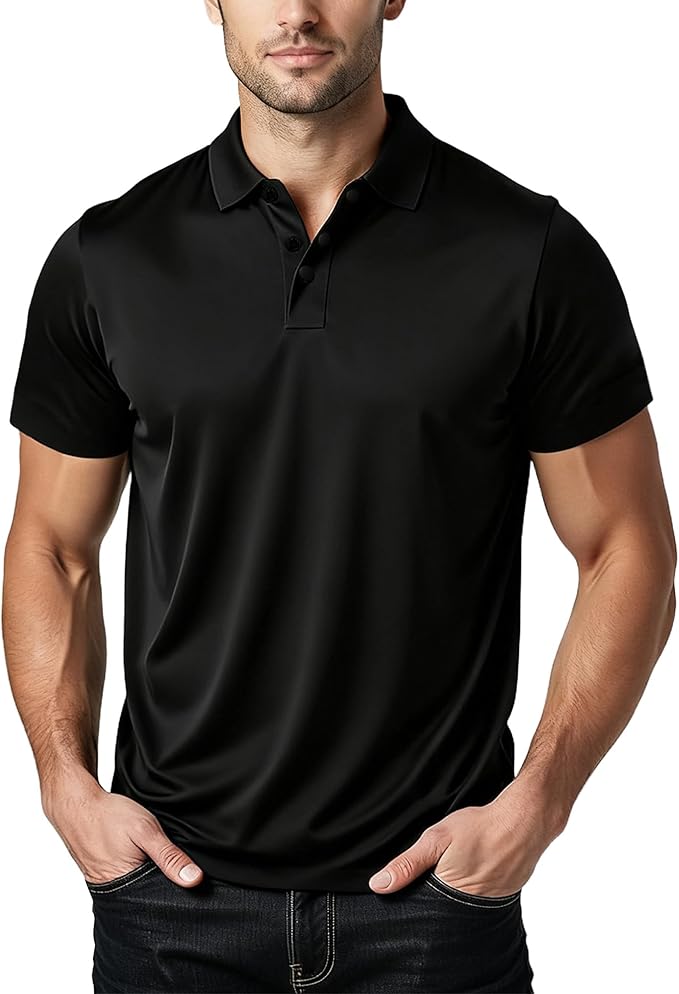
Men's Quick Dry Moisture Wicking Polo Shirt - High Elasticity Slim Fit Athletic Top (Runs Small)
$6.99 $29.99
46% OFF

Men's Running Shorts with Zipper Pockets - Lightweight, Quick-Dry, Multi-Sport
$12.95 $23.99
50% OFF

NEWFAST NF-RE523 AC1200 WiFi Extender - 1200Mbps Dual Band Signal Booster & Internet Repeater
$18.5 $36.99
48% OFF

G Gradual Men's 7-inch Workout Running Shorts - Lightweight, Quick-Dry, Comfort
$12.91 $24.99
30% OFF
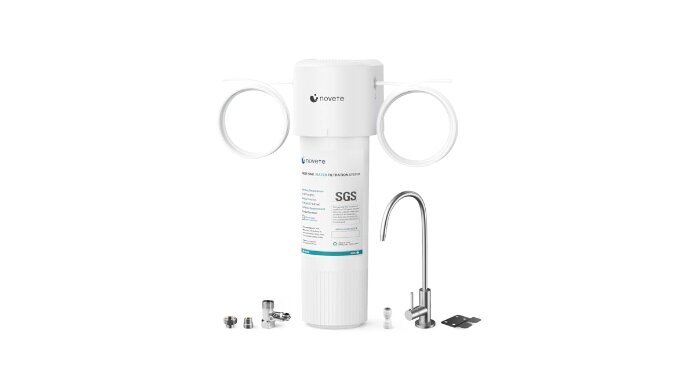
NOVETE Under Sink Water Filter - 3 Years, 30,000 Gallons, High-Efficiency Filtration
$41.99 $59.99
50% OFF

HDPE All-Weather Adirondack Chair with Built-In Cup Holder - Tool-Free Assembly (Grey)
$69.99 $139.99
60% OFF

HOMETUK Clear Plastic Storage Bins with Dividers - 3-Pack Stackable Acrylic Organizer Containers for Fridge and Pantry
$19.99 $49.99
58% OFF

G Gradual Men's Fishing Shirt - UPF 50+ Lightweight Short Sleeve Button Down with Zipper Pockets
$14.99 $35.99
55% OFF

Everyfun 60" Rectangular Platform Tree Swing - 700lbs Heavy Duty Adjustable Outdoor Swing (Colorful)
$49.99 $110.99
61% OFF

Ekouaer Women's Casual Loose Jumpsuit - One-Piece Printed Sleeveless Wide Leg Romper with Pockets
$14.99 $37.99
36% OFF

Men's Athletic Running Shorts with Zipper Pockets - Lightweight & Quick Dry
$12.74 $19.99
61% OFF

Modern Ceiling Fan with Light and Remote - Reversible Quiet DC Motor
$69.3 $179.99
50% OFF

MOOKA H13 True HEPA Air Purifier for Home Large Room - 1076 sq ft Odor Eliminator
$39.97 $79.95
40% OFF
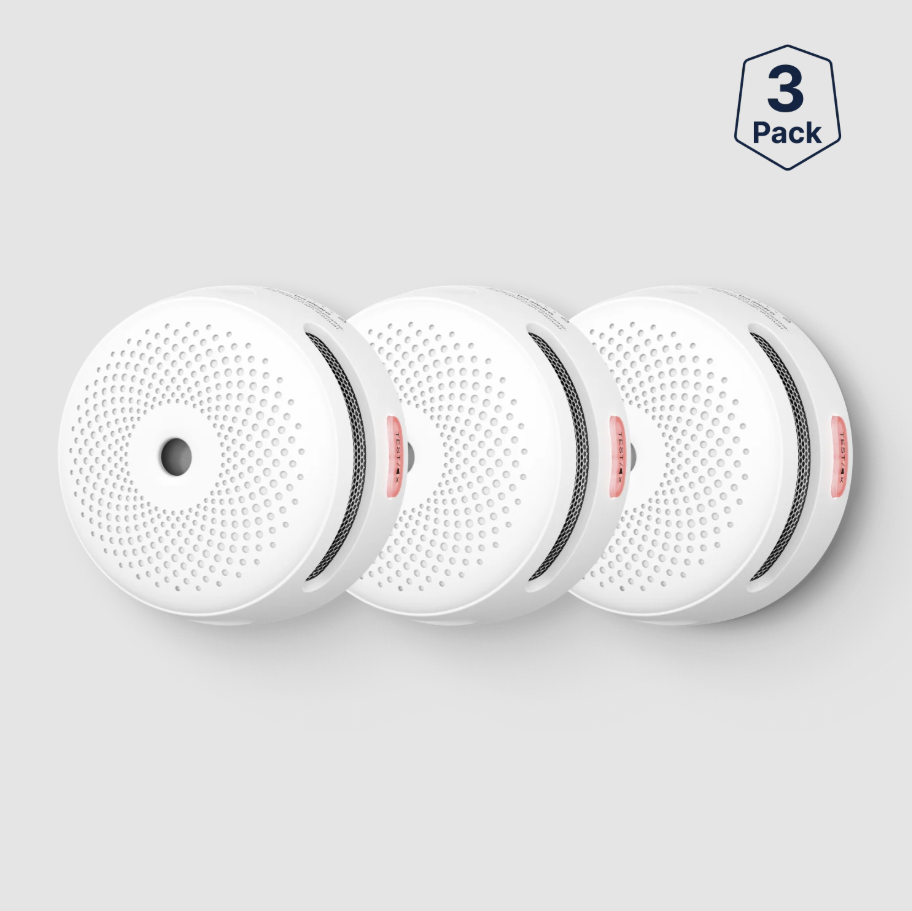
X-Sense XS01-WX Smart Smoke Alarm - 2.4 GHz Wi-Fi Photoelectric Fire Detector with Mobile App Alerts
$65.99 $109.99
11% OFF

VitaUp Beet Root Gummies with CoQ10 & Grape Seed - Nitric Oxide Circulation Support (60 Count)
$24.91 $27.91

Sealy 2-Pack Tritech 16" Twin Inflatable Air Mattress with Built-in AC Pump
$0 $113.99
20% OFF

INTEX Prism Frame 20ft x 52in Above Ground Pool Set - Round Steel Frame Swimming Pool
$695.99 $869.99

Gardner Pet 43" Heavy Duty Dog Crate with Wheels - Indestructible Folding Metal Cage (Black)
$0 $149.99




-

Diary of a CEO’s Steven Bartlett and John Lennox discuss AI, faith and the search for meaning
-

Belfast churches 'heartbroken' over unrest
-

Is there a two-tier Britain?
-

Churches must disciple well and listen well in response to rise of Christian nationalism
-

Biblical models and the creation of King Arthur
-

Welsh reverend speaks of culture of fear over LGBT issues
Most Popular
related articles
World Churches Call on UK, USA: ‘Do Whatever Necessary to Stop Lebanon Killings’
World Churches Call on UK, USA: ‘Do Whatever Necessary to Stop Lebanon Killings’
World Church Bodies Unite in Call for Peace in Lebanon
World Church Bodies Unite in Call for Peace in Lebanon
Ecumenical Delegation Begin Prayerful Journey to Middle East
Ecumenical Delegation Begin Prayerful Journey to Middle East
Ecumenical Delegation to Return with Report on Middle East Visit
Ecumenical Delegation to Return with Report on Middle East Visit
News

Gloucester churches come together to bless River Avon amid pollution concerns
It is part of a broader campaign against river pollution as concerns remain about the amount of untreated sewage in the Avon.

Life beyond burnout: how Christians can grow in the desert seasons
Christian Today speaks to author and Anglican priest Tish Harrison Warren about growth in desert seasons and why the Church shouldn’t treat all spiritual weariness as a problem to fix.
Iranian-born bishop stands in solidarity with Britain's Jews
2025 had the second highest number of antisemitic incidents on record.

Bishops protest Israeli arrest of another Palestinian Christian
An Evangelical Lutheran has been accused of "promoting terrorist activities".
MANSPOT Electric Pubic Hair Trimmer - Waterproof Body and Groin Shaver for Men and Women (Black)
$20.39
Lick-Safe Dog Paw and Nose Balm Stick - All-Natural Moisturizer with Coconut Oil for Dry, Cracked Pads and Snout
$11.69
Men's Quick Dry Moisture Wicking Polo Shirt - High Elasticity Slim Fit Athletic Top (Runs Small)
$6.99
Men's Running Shorts with Zipper Pockets - Lightweight, Quick-Dry, Multi-Sport
$12.95
NEWFAST NF-RE523 AC1200 WiFi Extender - 1200Mbps Dual Band Signal Booster & Internet Repeater
$18.5
G Gradual Men's 7-inch Workout Running Shorts - Lightweight, Quick-Dry, Comfort
$12.91
NOVETE Under Sink Water Filter - 3 Years, 30,000 Gallons, High-Efficiency Filtration
$41.99
HDPE All-Weather Adirondack Chair with Built-In Cup Holder - Tool-Free Assembly (Grey)
$69.99
HOMETUK Clear Plastic Storage Bins with Dividers - 3-Pack Stackable Acrylic Organizer Containers for Fridge and Pantry
$19.99
G Gradual Men's Fishing Shirt - UPF 50+ Lightweight Short Sleeve Button Down with Zipper Pockets
$14.99
Everyfun 60" Rectangular Platform Tree Swing - 700lbs Heavy Duty Adjustable Outdoor Swing (Colorful)
$49.99
Ekouaer Women's Casual Loose Jumpsuit - One-Piece Printed Sleeveless Wide Leg Romper with Pockets
$14.99
Men's Athletic Running Shorts with Zipper Pockets - Lightweight & Quick Dry
$12.74
Modern Ceiling Fan with Light and Remote - Reversible Quiet DC Motor
$69.3
MOOKA H13 True HEPA Air Purifier for Home Large Room - 1076 sq ft Odor Eliminator
$39.97
X-Sense XS01-WX Smart Smoke Alarm - 2.4 GHz Wi-Fi Photoelectric Fire Detector with Mobile App Alerts
$65.99
VitaUp Beet Root Gummies with CoQ10 & Grape Seed - Nitric Oxide Circulation Support (60 Count)
$24.91
Sealy 2-Pack Tritech 16" Twin Inflatable Air Mattress with Built-in AC Pump
$0
INTEX Prism Frame 20ft x 52in Above Ground Pool Set - Round Steel Frame Swimming Pool
$695.99
Gardner Pet 43" Heavy Duty Dog Crate with Wheels - Indestructible Folding Metal Cage (Black)
$0