
|PIC1|The world is heading for an ecological credit crunch as human demands on the world's natural resources reach nearly a third more than earth can sustain.
That is the stark warning contained in the latest edition of WWF's Living Planet Report, the leading statement of the planet's health. It shows that species and wildlife continue to decline, and around 50 countries are slipping into a state of permanent or seasonal water stress.
The report, produced with the Zoological Society of London and the Global Footprint Network, shows that American and United Arab Emirates citizens have the biggest impact on the planet and Malawi and Afghanistan citizens have the smallest.
The UK comes in 15th, having the same ecological footprint as 33 African countries put together, with the average UK resident's impact on the planet being more than three and a half times that of the average African.
More than three quarters of the world's people are now living in nations that are ecological debtors, where national consumption has outstripped their country's capacity to produce natural resources and capture carbon emissions.
"Most of us are propping up our current lifestyles, and our economic growth, by drawing - and increasingly overdrawing - on the ecological capital of other parts of the world," James Leape, director general of WWF International, said.
"If our demands on the planet continue to increase at the same rate, by the mid-2030s we would need the equivalent of two planets to maintain our lifestyles."
The report, which is published every two years, shows that carbon emissions from fossil fuel use and land disturbance are the greatest component of humanity's footprint, underlining the key threat of climate change.
"Continued ecological deficit spending will have severe economic consequences," said GFN Executive Director Dr Mathis Wackernagel.
"Resource limitations and ecosystem collapses would trigger massive stagflation with the value of investments plummeting, while food and energy costs skyrocket."
Chinese citizens have an average ecological footprint which is around 2.1 global ha (hectares) per person whilst US citizens each require an average of 9.4 global ha and UK citizens 5.3 ha to support their lifestyles. In the Congo people have an average footprint of just 0.5 global ha per person - but face a future of declining natural resources from deforestation and increased demands from a rising population and export pressures.
The new water footprint measures show up the significance of water traded in the form of commodities with, for example, a cotton T-shirt requiring 2,900 litres of water in its production. On average, each person consumes 1.24 million litres - about half an Olympic swimming pool - of water a year, but this varies from 2.48 million litres per
person a year in the US to 619,000 litres per capita annually in Yemen.
The report finds that around 50 countries are currently facing moderate or severe water stress and the number of people suffering from year-round or seasonal water shortages is expected to increase as a result of climate change.
The Living Planet Index, compiled by ZSL, which was released earlier in the year, shows a nearly 30 per cent decline since 1970 in nearly 5000 measured populations of 1,686 species. These dramatic losses in our natural wealth are being driven by deforestation and land conversion in the tropics and the impact of dams, diversions and climate change on freshwater species. Pollution, over-fishing and destructive fishing in marine and coastal environments are also taking a considerable toll.
"We are acting ecologically in the same way as financial institutions have been behaving economically - seeking immediate gratification without due regard for the consequences," said ZSL co-editor Jonathan Loh.
"The consequences of a global ecological crisis are even graver than the current economic meltdown."
The report suggests some key "sustainability wedges" which if combined could stabilise and reverse the worsening slide into ecological debt and enduring damage to global support systems. For the single most important challenge - climate change - the report shows that a range of efficiency, renewable and low emissions "wedges" could meet projected energy demands to 2050 with reductions in carbon emissions of 60 to 80 per cent.
David Norman, director of campaigns at WWF said: "We humans have been very good at creating problems - but we can be equally good at solving them. A sustainable world is not an unachievable goal. As the world looks to restore its economies we must build in long term environmental as well as economic sustainability."
49% OFF
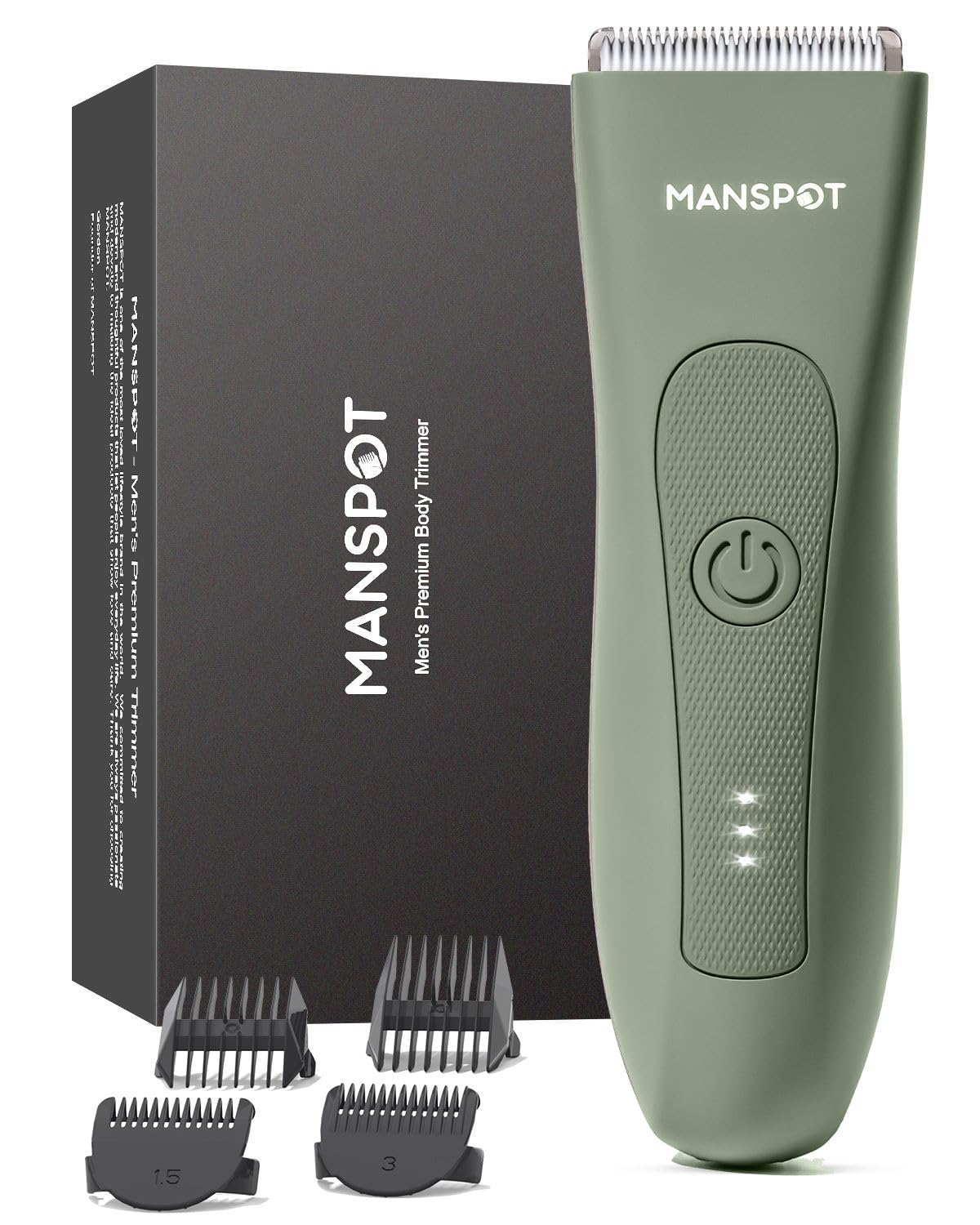
MANSPOT Electric Pubic Hair Trimmer - Waterproof Body and Groin Shaver for Men and Women (Black)
$20.39 $40
25% OFF
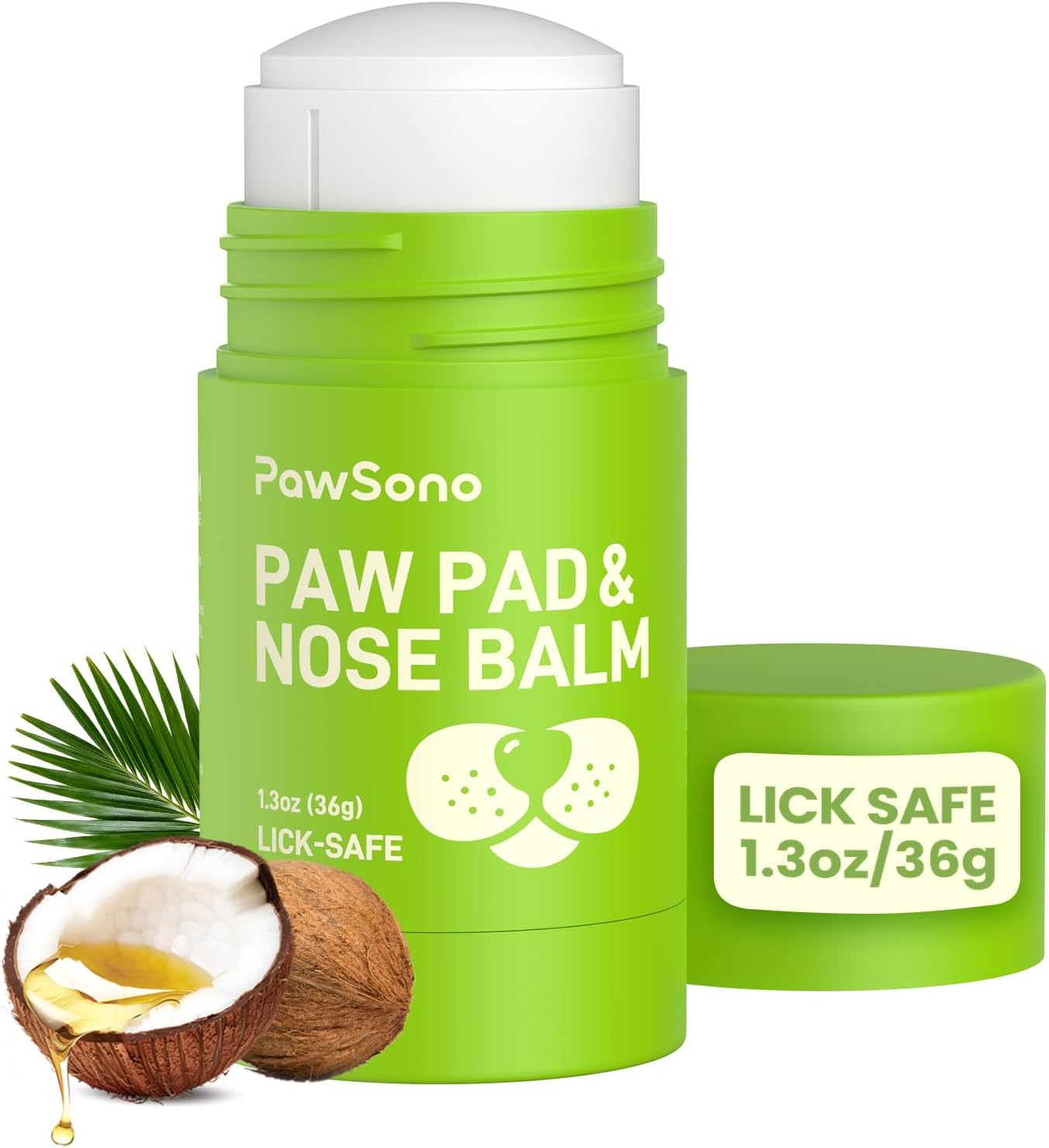
Lick-Safe Dog Paw and Nose Balm Stick - All-Natural Moisturizer with Coconut Oil for Dry, Cracked Pads and Snout
$11.69 $15.59
77% OFF
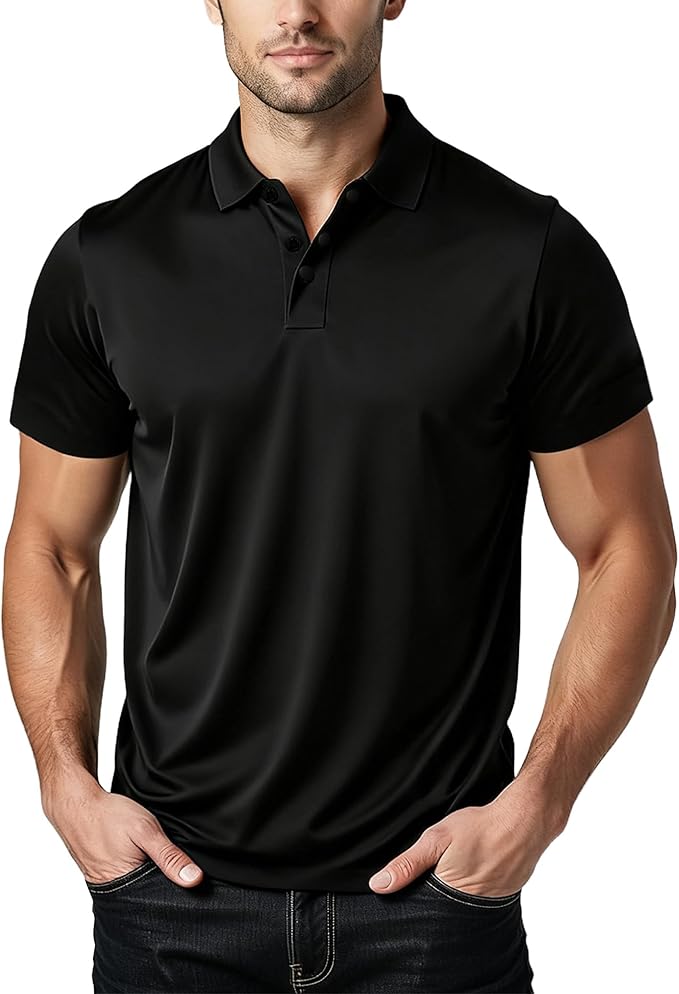
Men's Quick Dry Moisture Wicking Polo Shirt - High Elasticity Slim Fit Athletic Top (Runs Small)
$6.99 $29.99
46% OFF
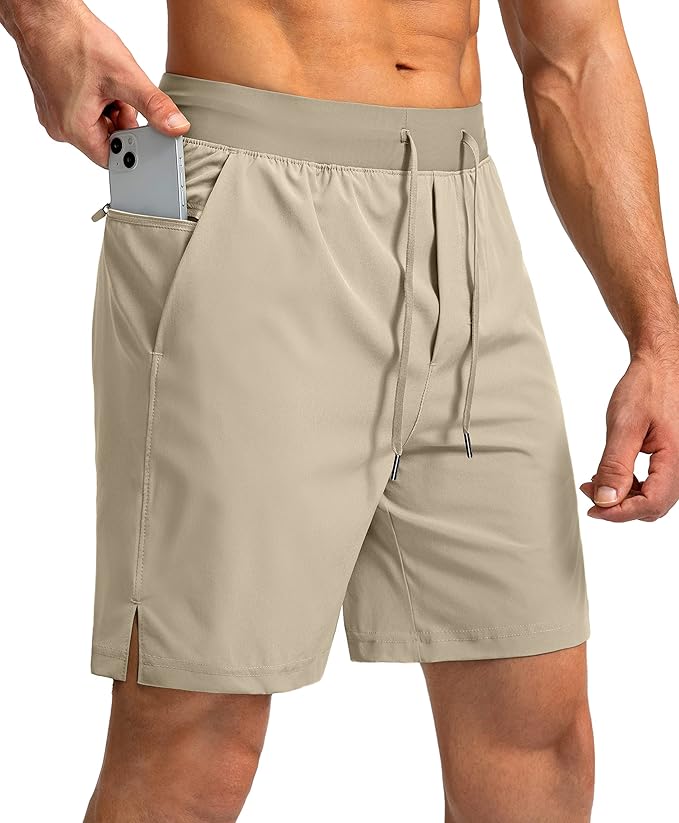
Men's Running Shorts with Zipper Pockets - Lightweight, Quick-Dry, Multi-Sport
$12.95 $23.99
50% OFF

NEWFAST NF-RE523 AC1200 WiFi Extender - 1200Mbps Dual Band Signal Booster & Internet Repeater
$18.5 $36.99
48% OFF
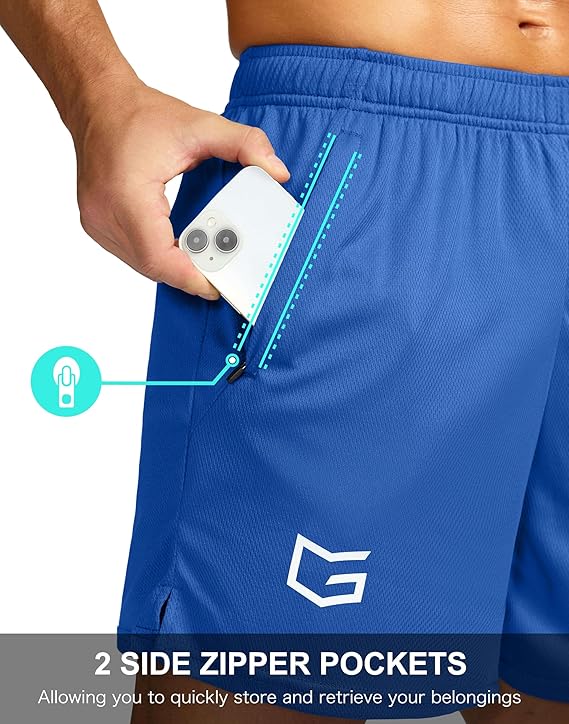
G Gradual Men's 7-inch Workout Running Shorts - Lightweight, Quick-Dry, Comfort
$12.91 $24.99
30% OFF
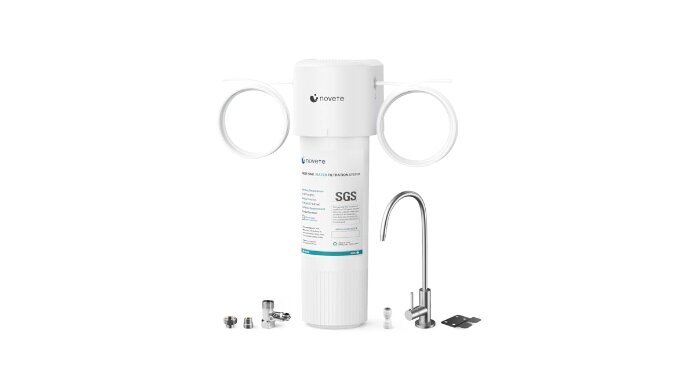
NOVETE Under Sink Water Filter - 3 Years, 30,000 Gallons, High-Efficiency Filtration
$41.99 $59.99
50% OFF
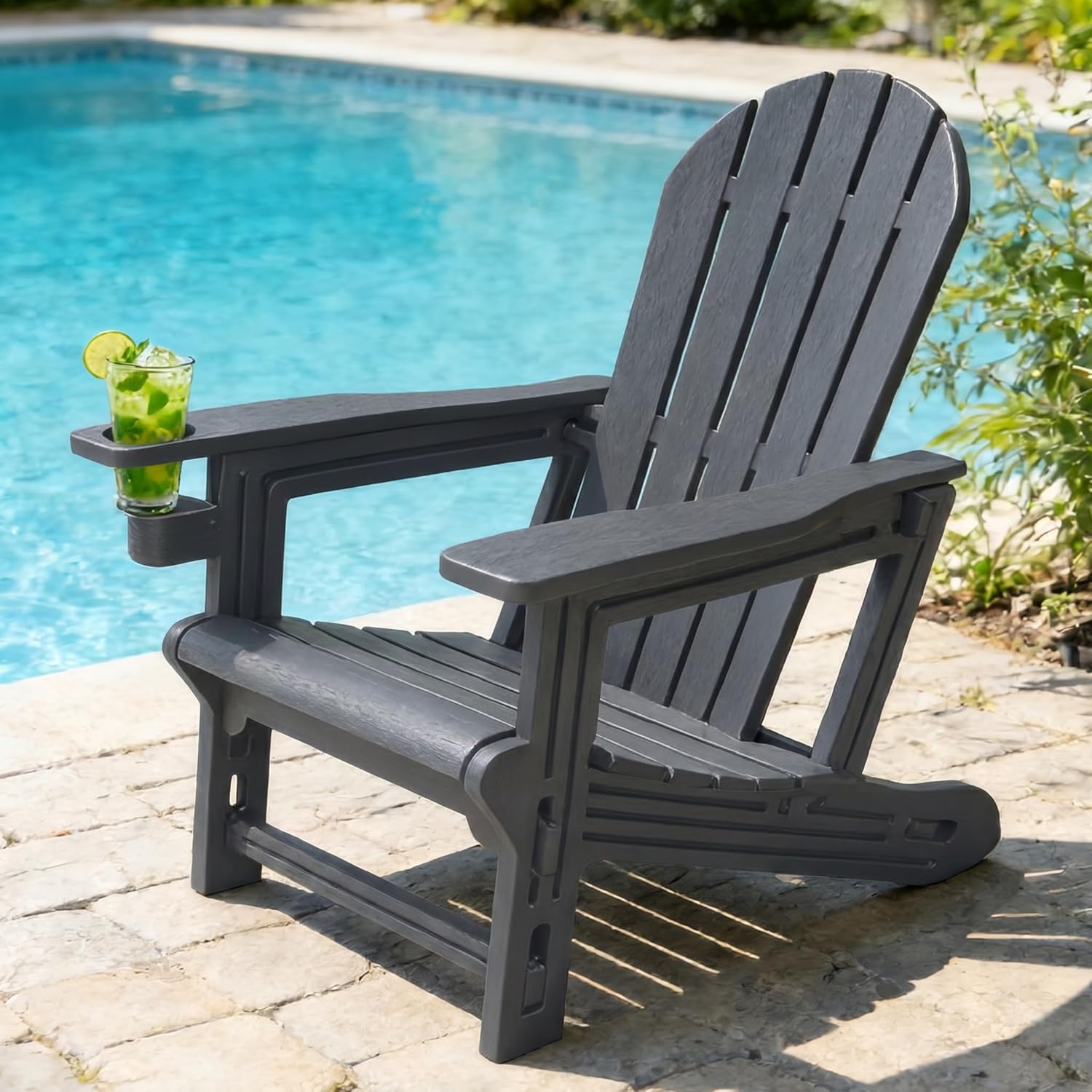
HDPE All-Weather Adirondack Chair with Built-In Cup Holder - Tool-Free Assembly (Grey)
$69.99 $139.99
60% OFF

HOMETUK Clear Plastic Storage Bins with Dividers - 3-Pack Stackable Acrylic Organizer Containers for Fridge and Pantry
$19.99 $49.99
58% OFF
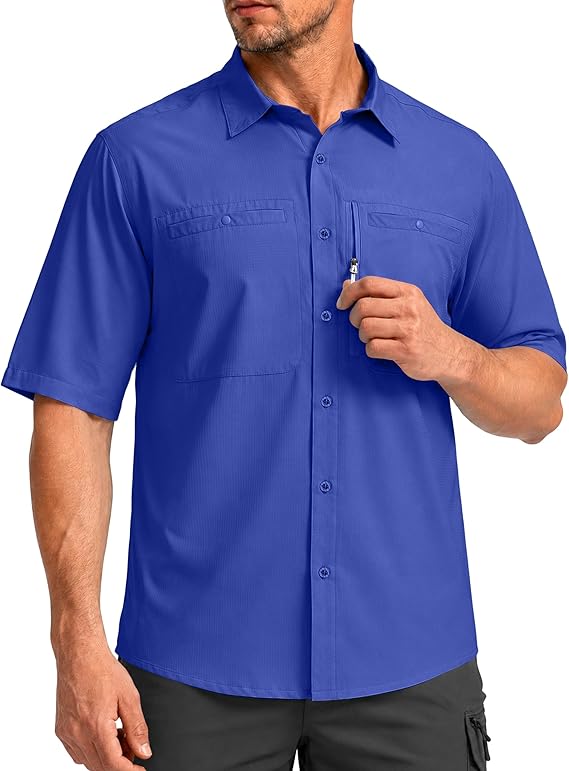
G Gradual Men's Fishing Shirt - UPF 50+ Lightweight Short Sleeve Button Down with Zipper Pockets
$14.99 $35.99
55% OFF
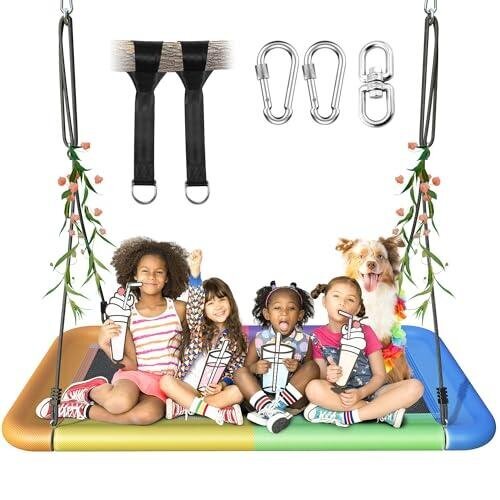
Everyfun 60" Rectangular Platform Tree Swing - 700lbs Heavy Duty Adjustable Outdoor Swing (Colorful)
$49.99 $110.99
61% OFF
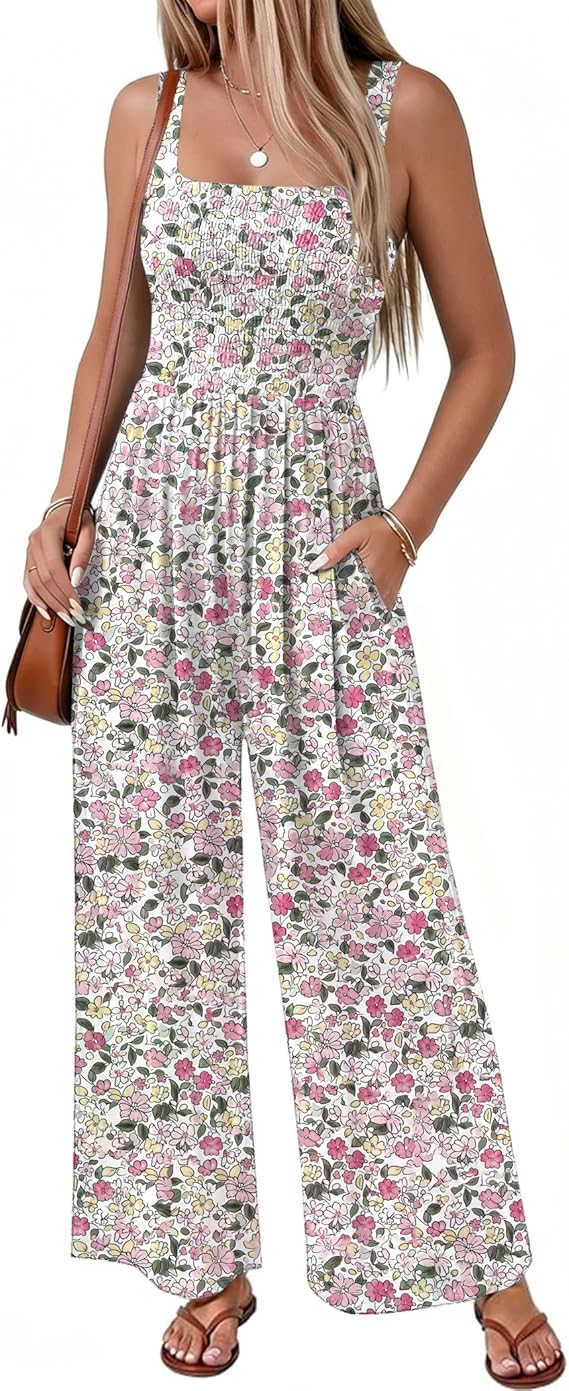
Ekouaer Women's Casual Loose Jumpsuit - One-Piece Printed Sleeveless Wide Leg Romper with Pockets
$14.99 $37.99
36% OFF

Men's Athletic Running Shorts with Zipper Pockets - Lightweight & Quick Dry
$12.74 $19.99
61% OFF
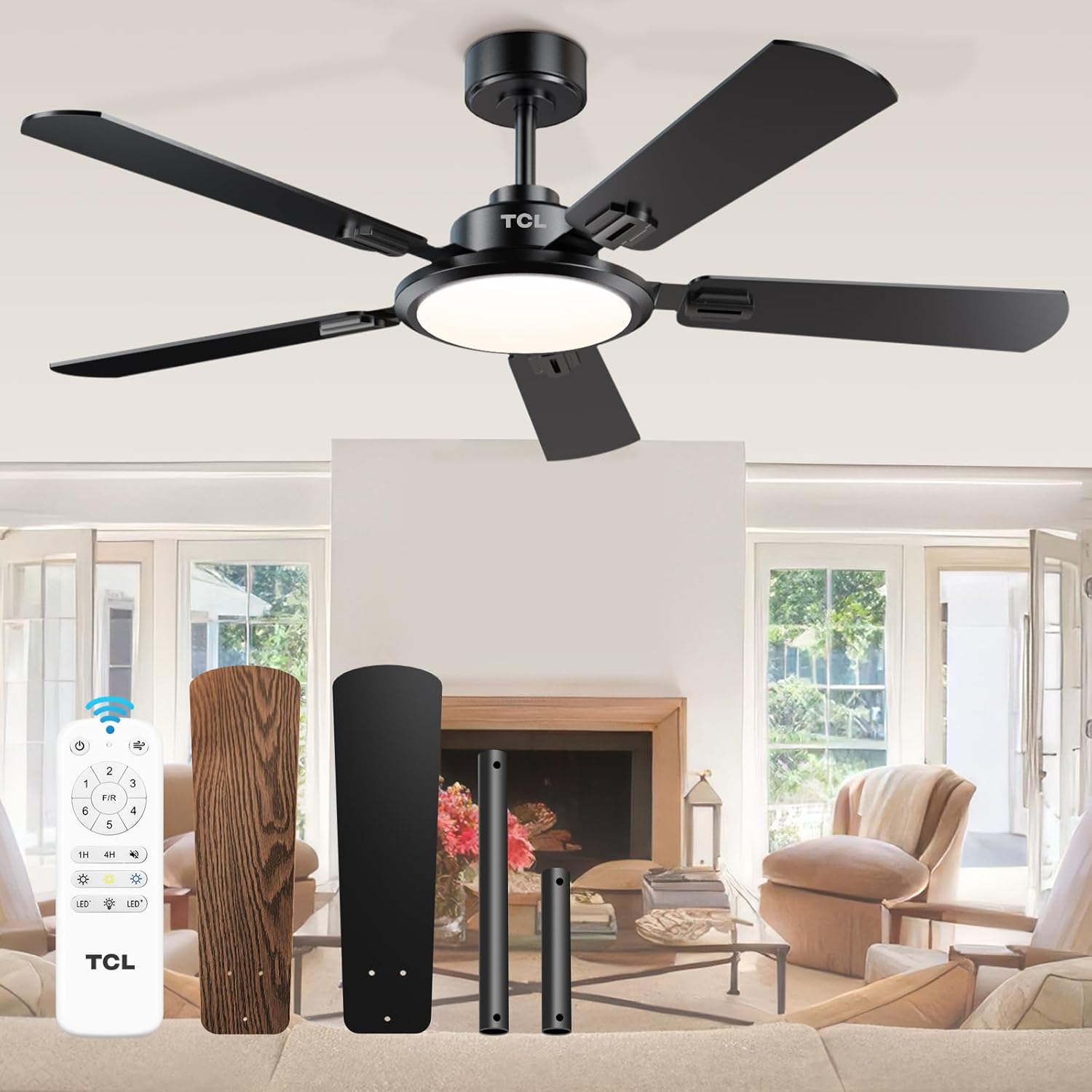
Modern Ceiling Fan with Light and Remote - Reversible Quiet DC Motor
$69.3 $179.99
50% OFF

MOOKA H13 True HEPA Air Purifier for Home Large Room - 1076 sq ft Odor Eliminator
$39.97 $79.95
40% OFF
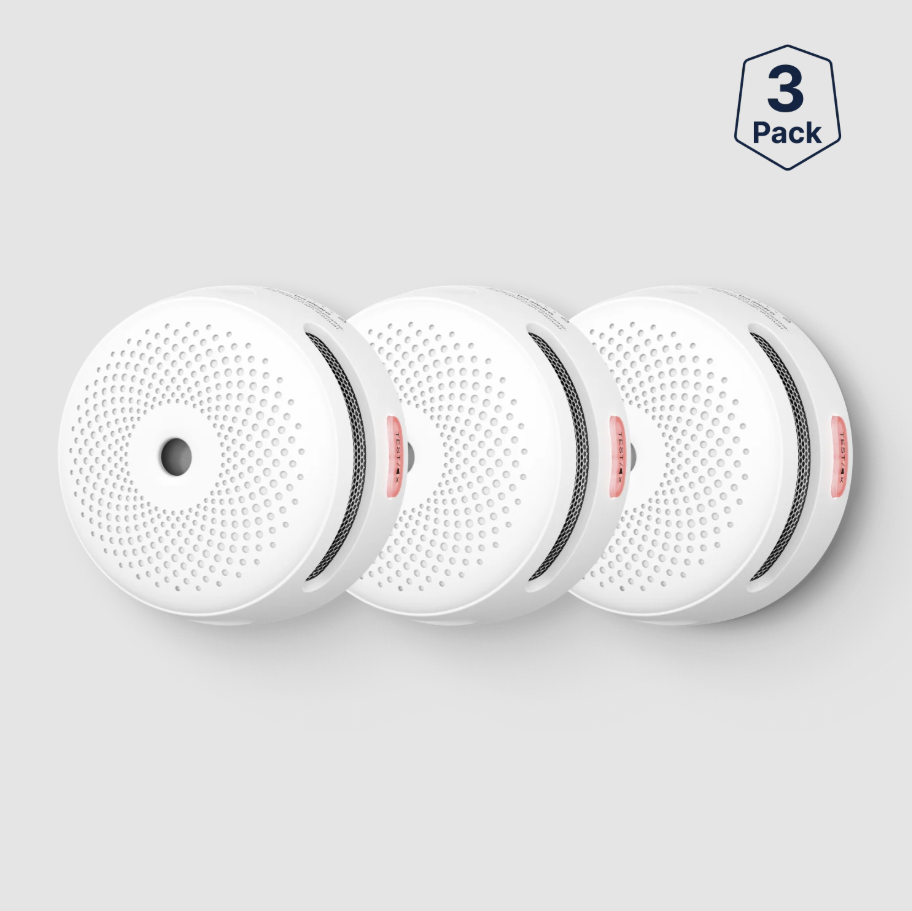
X-Sense XS01-WX Smart Smoke Alarm - 2.4 GHz Wi-Fi Photoelectric Fire Detector with Mobile App Alerts
$65.99 $109.99
11% OFF

VitaUp Beet Root Gummies with CoQ10 & Grape Seed - Nitric Oxide Circulation Support (60 Count)
$24.91 $27.91
Sealy 2-Pack Tritech 16" Twin Inflatable Air Mattress with Built-in AC Pump
$0 $113.99
20% OFF
INTEX Prism Frame 20ft x 52in Above Ground Pool Set - Round Steel Frame Swimming Pool
$695.99 $869.99

Gardner Pet 43" Heavy Duty Dog Crate with Wheels - Indestructible Folding Metal Cage (Black)
$0 $149.99




-

Diary of a CEO’s Steven Bartlett and John Lennox discuss AI, faith and the search for meaning
-

Belfast churches 'heartbroken' over unrest
-

Is there a two-tier Britain?
-

Churches must disciple well and listen well in response to rise of Christian nationalism
-

Biblical models and the creation of King Arthur
-

Welsh reverend speaks of culture of fear over LGBT issues
Most Popular
News

Gloucester churches come together to bless River Avon amid pollution concerns
It is part of a broader campaign against river pollution as concerns remain about the amount of untreated sewage in the Avon.

Life beyond burnout: how Christians can grow in the desert seasons
Christian Today speaks to author and Anglican priest Tish Harrison Warren about growth in desert seasons and why the Church shouldn’t treat all spiritual weariness as a problem to fix.

Iranian-born bishop stands in solidarity with Britain's Jews
2025 had the second highest number of antisemitic incidents on record.

Bishops protest Israeli arrest of another Palestinian Christian
An Evangelical Lutheran has been accused of "promoting terrorist activities".
MANSPOT Electric Pubic Hair Trimmer - Waterproof Body and Groin Shaver for Men and Women (Black)
$20.39
Lick-Safe Dog Paw and Nose Balm Stick - All-Natural Moisturizer with Coconut Oil for Dry, Cracked Pads and Snout
$11.69
Men's Quick Dry Moisture Wicking Polo Shirt - High Elasticity Slim Fit Athletic Top (Runs Small)
$6.99
Men's Running Shorts with Zipper Pockets - Lightweight, Quick-Dry, Multi-Sport
$12.95
NEWFAST NF-RE523 AC1200 WiFi Extender - 1200Mbps Dual Band Signal Booster & Internet Repeater
$18.5
G Gradual Men's 7-inch Workout Running Shorts - Lightweight, Quick-Dry, Comfort
$12.91
NOVETE Under Sink Water Filter - 3 Years, 30,000 Gallons, High-Efficiency Filtration
$41.99
HDPE All-Weather Adirondack Chair with Built-In Cup Holder - Tool-Free Assembly (Grey)
$69.99
HOMETUK Clear Plastic Storage Bins with Dividers - 3-Pack Stackable Acrylic Organizer Containers for Fridge and Pantry
$19.99
G Gradual Men's Fishing Shirt - UPF 50+ Lightweight Short Sleeve Button Down with Zipper Pockets
$14.99
Everyfun 60" Rectangular Platform Tree Swing - 700lbs Heavy Duty Adjustable Outdoor Swing (Colorful)
$49.99
Ekouaer Women's Casual Loose Jumpsuit - One-Piece Printed Sleeveless Wide Leg Romper with Pockets
$14.99
Men's Athletic Running Shorts with Zipper Pockets - Lightweight & Quick Dry
$12.74
Modern Ceiling Fan with Light and Remote - Reversible Quiet DC Motor
$69.3
MOOKA H13 True HEPA Air Purifier for Home Large Room - 1076 sq ft Odor Eliminator
$39.97
X-Sense XS01-WX Smart Smoke Alarm - 2.4 GHz Wi-Fi Photoelectric Fire Detector with Mobile App Alerts
$65.99
VitaUp Beet Root Gummies with CoQ10 & Grape Seed - Nitric Oxide Circulation Support (60 Count)
$24.91
Sealy 2-Pack Tritech 16" Twin Inflatable Air Mattress with Built-in AC Pump
$0
INTEX Prism Frame 20ft x 52in Above Ground Pool Set - Round Steel Frame Swimming Pool
$695.99
Gardner Pet 43" Heavy Duty Dog Crate with Wheels - Indestructible Folding Metal Cage (Black)
$0