
|PIC1|As World AIDS Day takes place, Dr. Meredith Long, director of International Health at World Relief, described some of the common trends in misunderstandings within the Christian community and how the churches are beginning to step away from the stigma of HIV/AIDS.
CT: What are some of the most common misunderstandings on AIDS within the Christian community?
ML: Because AIDS is transmitted through sexual relationships often outside or before marriage and is also associated with homosexuality and intravenous drug use, there was a perception that it's only a sinner’s disease. And for a long time, particularly in Africa, there was even a denial that Christians would even get AIDS. I think that there is also a sense that to accept and to love people with AIDS, even though many of them get it without any behavior that we would call sinful, is to condone the behaviour itself, and therefore it's better to choose holiness from the church's perspective than reach out to those people. Finally, in some cases, it was associated with some curse from God or some direct punishment for sin and the hesitancy to become involved in relationships to people they thought were cursed or uniquely set aside for punishment
CT: What critical facts or other information do people not know of concerning the pandemic?
ML: Originally, there was very little knowledge as to how AIDS was transmitted and therefore a great deal of fear. That knowledge is very high now in many countries. There's been a lot of education to go on. I think the really key question and the false question that many churches deal with is first of all a pharisaical question - the one that the Pharisees put with the woman caught in adultery. Will you choose holiness or will you choose compassion and acceptance? And to the Pharisees, they were unable to see how you could choose both but Jesus confounded them by choosing both. The woman was brought to Jesus, who was the only one with any moral authority to condemn her, but he failed to condemn her and after the Pharisees had been defeated and went away, he corrected her behaviour.
I think often churches feels that they are faced with a choice when actually they are able to choose both acceptance and love and also are able to intervene in teaching and behaviour change. That is beside the point that for many people who get AIDS – for many women – the only risk behaviour they undertake is having a sexual relationship to their husband. Particularly, you can see that in the fact that for young women, being married young increases their risk of AIDS rather than decreases it even though they're faithful to their husbands.
CT: Can you describe the change you've seen among Christians and churches in dealing with the AIDS crisis? What are you seeing more often now?
ML: Certainly much more involvement. Churches still range across the spectrum from acceptance and involvement to continued rejection, but more and more are responding in Christ-like ways both in reinforcing the traditional teaching on abstinence and faithfulness and also in terms of reaching out in care and compassion to families affected by AIDS - providing for home care, providing for orphans and widows and then increasingly being able to provide linkages to treatment and voluntary counselling and testing. Churches, particularly many churches in Africa, have awakened to the need to demonstrate compassion and involvement in addressing the HIV/AIDS epidemic.
CT: How exactly are the stigma barriers being broken? What are people beginning to realise?
ML: The stigma barriers are those that I had mentioned before. As we work with churches, our strategy is to first of all give them accurate information about HIV/AIDS so that they know how it is transmitted and how it is not transmitted, and then to challenge them ethically and biblically with questions regarding HIV/AIDS. I know that as we work in China with churches and even outside churches, we use the story of the prodigal son. The point - what they respond as to the father, the elder brother or the friends of those who rejected the son once he ran out of money. We also help them recognise that many people become affected with AIDS without any behaviour that the church would regard as sinful. We help them understand how to protect themselves and others in their congregation
CT: What do you encourage among churches and the general public in this battle against AIDS?
ML: First of all to become informed about the extent of the epidemic itself. In 2003, there were 37.5 million people approximately infected with aids. And in 2005 it's gone up to 40.3 million people. It’s a battle that is still devastating much of sub-Saharan Africa where 64 percent of the new infections are. But it's also increasing in Eastern Europe particularly and East Asia and the church is active in many of these places and needs to help address this epidemic. I think the other side of it besides becoming informed about HIV/AIDS is to seriously look at the biblical teachings that apply to the churches' response and then to be able to respond effectively.
What we try to do at World Relief is build convergence between the compassion and willingness of the church to respond with responses that are themselves effective, whether it be in changing behaviour to prevent AIDS or providing home care of good quality that helps the person affected by AIDS as well as the members who are providing care. Finding this convergence between Christian compassion and technically “right response” so that their activities are effective in actually changing the scope and nature of the epidemic.
CT: The United Nations, World Vision and World Relief have all joined in the effort on an international level to spread awareness and help prevent the disease. Do you feel this stigma breaking trend will continue even more and that HIV/AIDS will finally be assessed at the grassroots level?
ML: Certainly not only churches, but many organisations have been working to break the silence on HIV/AIDS. Certainly that has been effective through the years. You can see that in the extent of not only church programs but the programs of civil society and the government and the international community in response to HIV/AIDS. But this work is not over. The AIDS epidemic still carries great stigma. Again in our work in china, we ran into a situation where some of those who were receiving the lab report of a test did not want to receive one in their hands that was a positive test. When I was working with a translator and was making a point that you can't tell by looking at someone who has HIV/AIDS and that I might have HIV/AIDS, she actually refused to translate that statement because of the stigma that is attached even to the suggestion that someone as respected as a teacher, particularly a foreign teacher, is affected with the disease. There is a lot of work to be done still in reducing stigma, but there has been a lot of work that has been done and done effectively
50% OFF
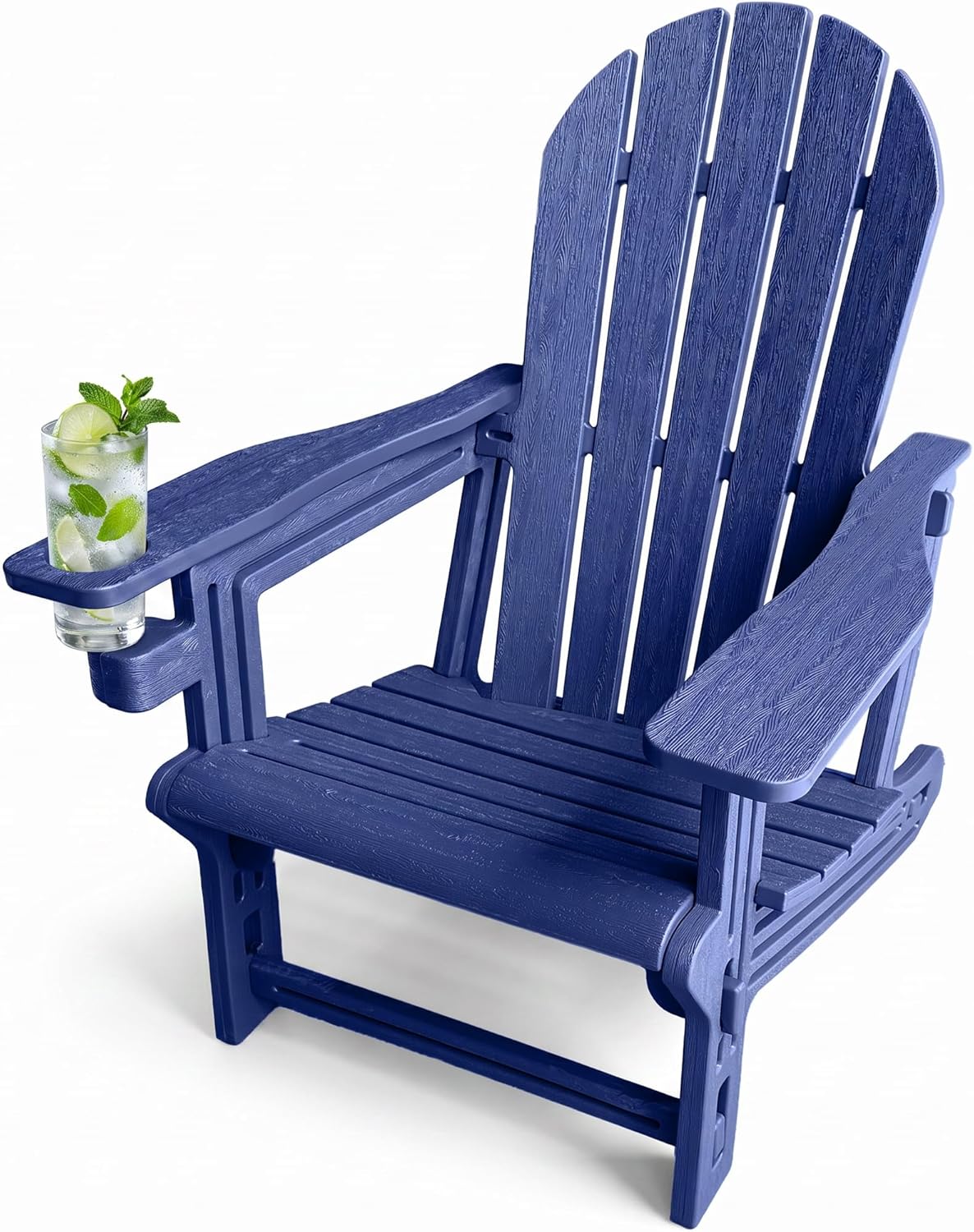
All-Weather HDPE Plastic Adirondack Chair with Cup Holder – Navy Blue
$70 $139.99
50% OFF

7-Color LED Red Light Therapy Mask for Face and Anti-Aging
$29.99 $59.99
49% OFF
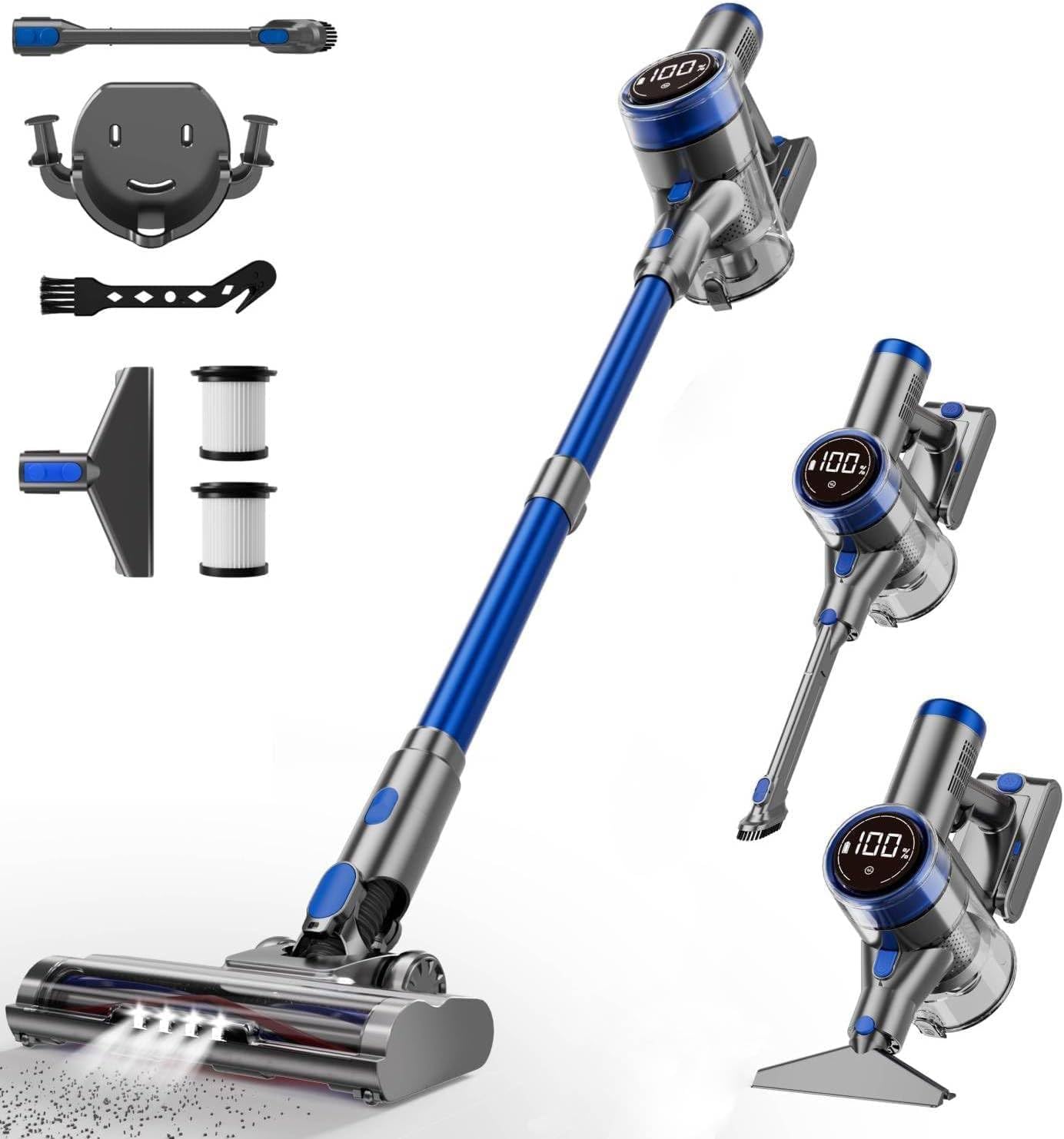
Cordless Vacuum Cleaner - 480W/45Kpa Powerful Stick Vacuum with LED Smart Touch Screen
$55.99 $109.99
20% OFF

Hypoallergenic Pet Wipes for Dogs & Cats - 400 Count Extra Large Coconut Scented Grooming Wipes
$24.79 $30.99
49% OFF
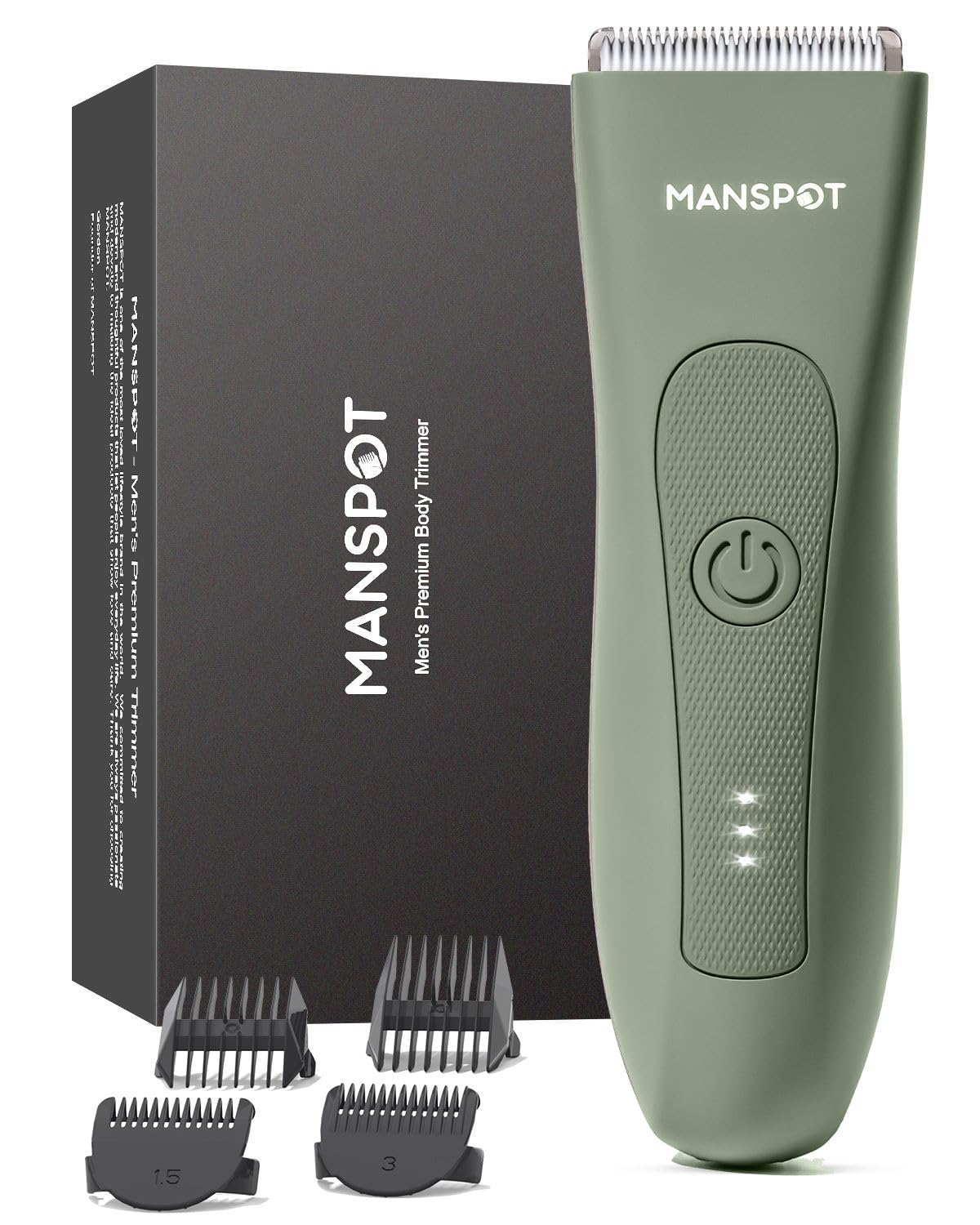
MANSPOT Electric Pubic Hair Trimmer - Waterproof Body and Groin Shaver for Men and Women (Black)
$20.39 $40
25% OFF
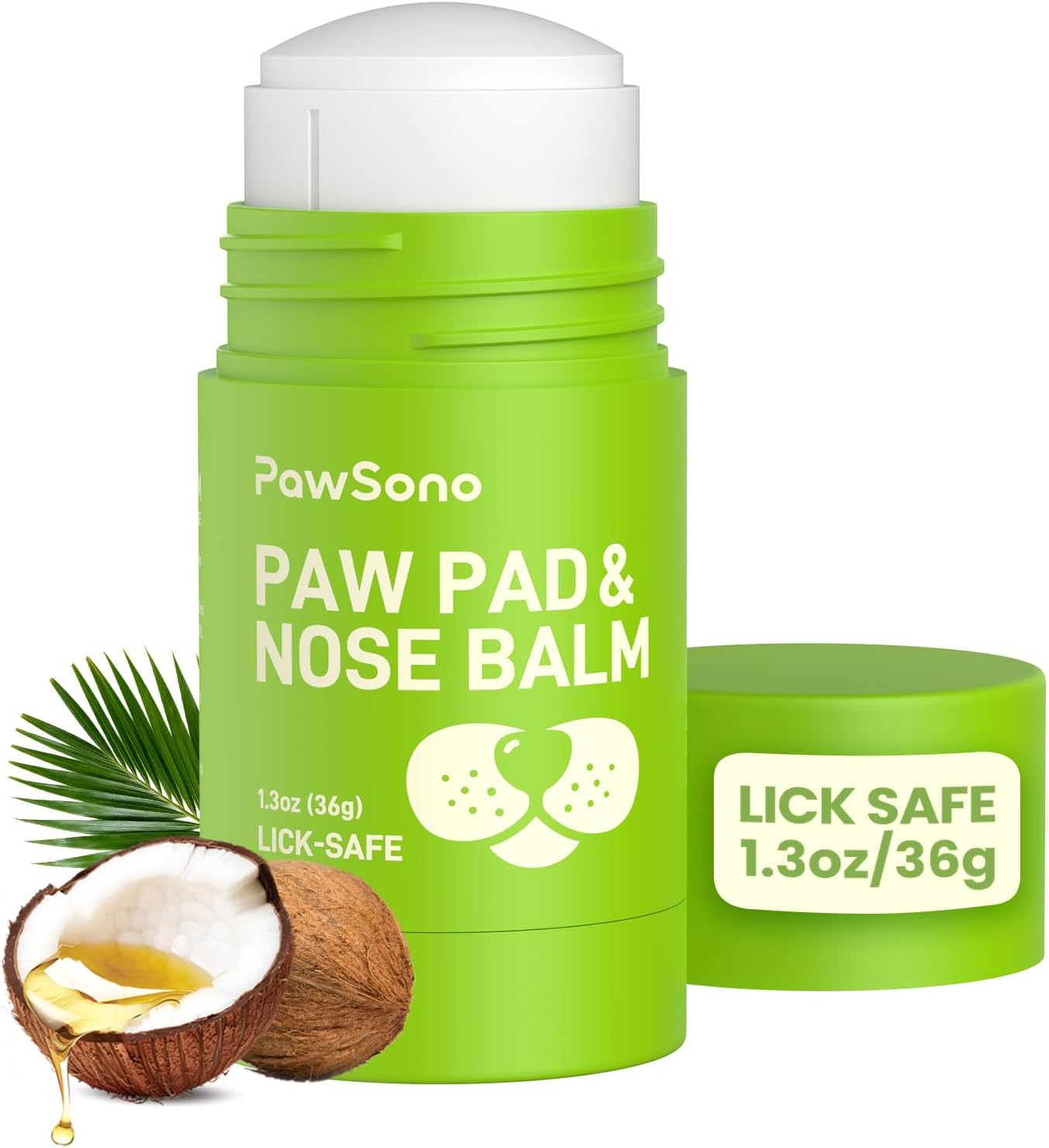
Lick-Safe Dog Paw and Nose Balm Stick - All-Natural Moisturizer with Coconut Oil for Dry, Cracked Pads and Snout
$11.69 $15.59
77% OFF
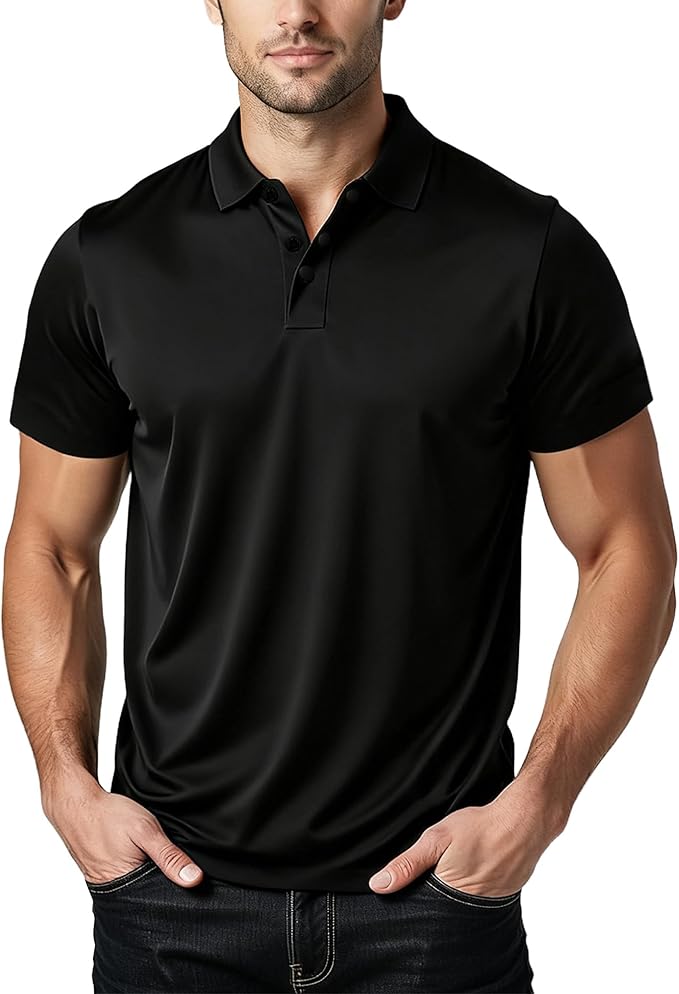
Men's Quick Dry Moisture Wicking Polo Shirt - High Elasticity Slim Fit Athletic Top (Runs Small)
$6.99 $29.99
46% OFF
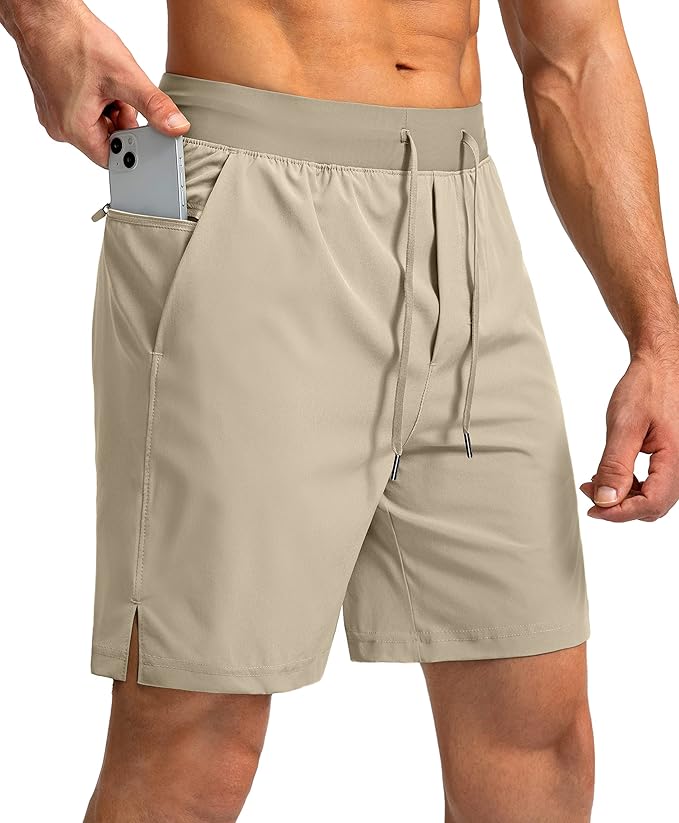
Men's Running Shorts with Zipper Pockets - Lightweight, Quick-Dry, Multi-Sport
$12.95 $23.99
50% OFF

NEWFAST NF-RE523 AC1200 WiFi Extender - 1200Mbps Dual Band Signal Booster & Internet Repeater
$18.5 $36.99
48% OFF
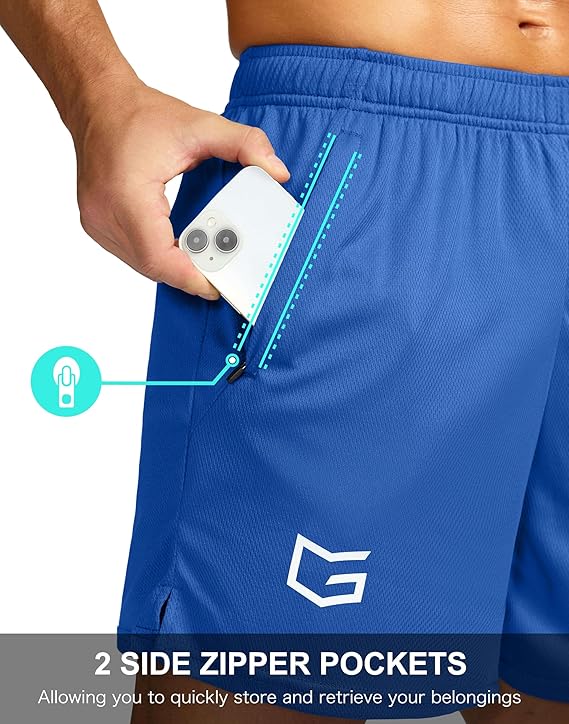
G Gradual Men's 7-inch Workout Running Shorts - Lightweight, Quick-Dry, Comfort
$12.91 $24.99
30% OFF
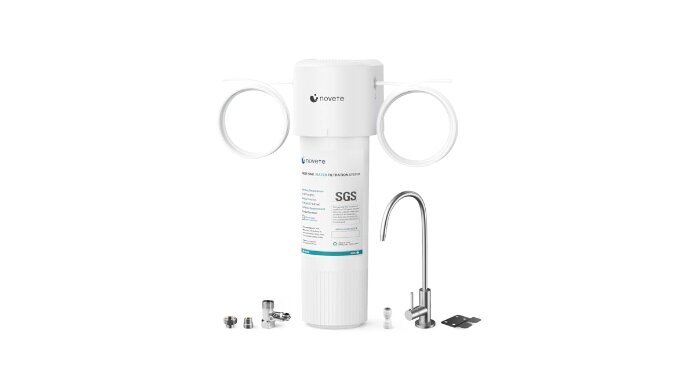
NOVETE Under Sink Water Filter - 3 Years, 30,000 Gallons, High-Efficiency Filtration
$41.99 $59.99
50% OFF

HDPE All-Weather Adirondack Chair with Built-In Cup Holder - Tool-Free Assembly (Grey)
$69.99 $139.99
60% OFF

HOMETUK Clear Plastic Storage Bins with Dividers - 3-Pack Stackable Acrylic Organizer Containers for Fridge and Pantry
$19.99 $49.99
58% OFF

G Gradual Men's Fishing Shirt - UPF 50+ Lightweight Short Sleeve Button Down with Zipper Pockets
$14.99 $35.99
55% OFF

Everyfun 60" Rectangular Platform Tree Swing - 700lbs Heavy Duty Adjustable Outdoor Swing (Colorful)
$49.99 $110.99
61% OFF

Ekouaer Women's Casual Loose Jumpsuit - One-Piece Printed Sleeveless Wide Leg Romper with Pockets
$14.99 $37.99
36% OFF

Men's Athletic Running Shorts with Zipper Pockets - Lightweight & Quick Dry
$12.74 $19.99
61% OFF

Modern Ceiling Fan with Light and Remote - Reversible Quiet DC Motor
$69.3 $179.99
50% OFF

MOOKA H13 True HEPA Air Purifier for Home Large Room - 1076 sq ft Odor Eliminator
$39.97 $79.95
40% OFF
X-Sense XS01-WX Smart Smoke Alarm - 2.4 GHz Wi-Fi Photoelectric Fire Detector with Mobile App Alerts
$65.99 $109.99
-

Life beyond burnout: how Christians can grow in the desert seasons
-

New attempt to revive assisted suicide bill faces opposition
-

A Christian reflection on men’s health week: Jesus - the man we were created to be
-

Anti-Christian hate crimes across Europe surge in May as arson attacks reach 2026 high
News
-

Anti-Christian hate crimes across Europe surge in May as arson attacks reach 2026 high
-

Belfast churches 'heartbroken' over unrest
-

South Wales Police back down on imposing Islamic 'blasphemy law'
-

Welsh reverend speaks of culture of fear over LGBT issues
-

Making cohabitation equal with marriage is 'unfair', Christians argue
-

Life beyond burnout: how Christians can grow in the desert seasons
Most Popular
related articles
Christian-Based HIV/AIDS Program Brings Hope to Ethiopia
Christian-Based HIV/AIDS Program Brings Hope to Ethiopia
Saddleback Opens AIDS Conference; Warren Urges Churches to Care
Saddleback Opens AIDS Conference; Warren Urges Churches to Care
Christians Called to Action for World AIDS Day
Christians Called to Action for World AIDS Day
Church of Scotland Backs Campaign to End HIV Discrimination
Church of Scotland Backs Campaign to End HIV Discrimination
World Aids Day Raises Global Awareness
World Aids Day Raises Global Awareness
News
Pastors among hostages found dead amid tensions between Christian groups in Manipur
While the number of people unaccounted for in the northeastern Indian state of Manipur has fallen from 20 to two, with four of the six bodies recovered identified this week, retaliatory attacks continue following a cycle of abductions between Kuki-Zo and Naga groups, both predominantly Christian communities.
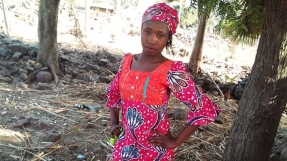
‘Eight years is too long’: Christian advocacy groups rally for abducted Nigerian schoolgirl's freedom
Christian Nigerian schoolgirl Leah Sharibu was abducted eight years ago by Islamic extremists. Unlike most of the classmates she was abducted with, she has never been freed.

New AI tool makes it easier for Iranians to access the Gospel
A ministry seeking to bring Christianity to the people of Iran has developed an AI tool to answer common questions about the faith.

Disclosure Day: What does Spielberg’s latest film tell us about the Church?
Disclosure Day asks some of the right questions and hints at all of the wrong answers, writes David Robertson.
All-Weather HDPE Plastic Adirondack Chair with Cup Holder – Navy Blue
$70
7-Color LED Red Light Therapy Mask for Face and Anti-Aging
$29.99
Cordless Vacuum Cleaner - 480W/45Kpa Powerful Stick Vacuum with LED Smart Touch Screen
$55.99
Hypoallergenic Pet Wipes for Dogs & Cats - 400 Count Extra Large Coconut Scented Grooming Wipes
$24.79
MANSPOT Electric Pubic Hair Trimmer - Waterproof Body and Groin Shaver for Men and Women (Black)
$20.39
Lick-Safe Dog Paw and Nose Balm Stick - All-Natural Moisturizer with Coconut Oil for Dry, Cracked Pads and Snout
$11.69
Men's Quick Dry Moisture Wicking Polo Shirt - High Elasticity Slim Fit Athletic Top (Runs Small)
$6.99
Men's Running Shorts with Zipper Pockets - Lightweight, Quick-Dry, Multi-Sport
$12.95
NEWFAST NF-RE523 AC1200 WiFi Extender - 1200Mbps Dual Band Signal Booster & Internet Repeater
$18.5
G Gradual Men's 7-inch Workout Running Shorts - Lightweight, Quick-Dry, Comfort
$12.91
NOVETE Under Sink Water Filter - 3 Years, 30,000 Gallons, High-Efficiency Filtration
$41.99
HDPE All-Weather Adirondack Chair with Built-In Cup Holder - Tool-Free Assembly (Grey)
$69.99
HOMETUK Clear Plastic Storage Bins with Dividers - 3-Pack Stackable Acrylic Organizer Containers for Fridge and Pantry
$19.99
G Gradual Men's Fishing Shirt - UPF 50+ Lightweight Short Sleeve Button Down with Zipper Pockets
$14.99
Everyfun 60" Rectangular Platform Tree Swing - 700lbs Heavy Duty Adjustable Outdoor Swing (Colorful)
$49.99
Ekouaer Women's Casual Loose Jumpsuit - One-Piece Printed Sleeveless Wide Leg Romper with Pockets
$14.99
Men's Athletic Running Shorts with Zipper Pockets - Lightweight & Quick Dry
$12.74
Modern Ceiling Fan with Light and Remote - Reversible Quiet DC Motor
$69.3
MOOKA H13 True HEPA Air Purifier for Home Large Room - 1076 sq ft Odor Eliminator
$39.97
X-Sense XS01-WX Smart Smoke Alarm - 2.4 GHz Wi-Fi Photoelectric Fire Detector with Mobile App Alerts
$65.99