
JERUSALEM - As Christmas approaches, Christians around the world turn to thoughts of the Holy Land and the great figures in the Bible.
For some who come on a visit, the religious energy is enough to make them recite scriptures on the street or claim to be King David or Jesus.
The phenomenon is known as the Jerusalem Syndrome, though psychiatrists disagree whether it can affect otherwise healthy people, or causes only those predisposed to psychoses to believe they have seen the Messiah.
The police set up a unit in the city -- sacred to Jews, Muslims and Christians -- to deal with the minority of tourists each year who believe they are characters from the Bible, and hospitals have special wards to treat wayward travellers.
During a walking tour of Jerusalem's Old City in 2003, tour operator Avi Green said a 19-year-old American participant saw the stones of the Western Wall, one of Judaism's holiest sites, open up and reveal the Messiah.
"He had a vision that the stones of the wall opened and the Messiah appeared and spoke to him," Green said. "He became delusional and violent and had to be hospitalized."
Between 30 and 40 tourists each year are admitted to hospital for similar behaviour, said Dr. Gregory Katz, head of the emergency unit at Givat Shaul Mental Health Centre. Of those, only a few are diagnosed with "true" Jerusalem Syndrome.
"It's extremely rare. It's only Jerusalem Syndrome if the person has had no prior psychiatric problems," Katz said. "It usually occurs on their first trip to the Holy Land. They see a meeting of the real Jerusalem and the Jerusalem from the Bible."
Most patients are middle-aged with strong religious foundations, hailing from small towns in the United States or Scandinavia, Katz said. They are usually on organized tours with religious groups and develop a feeling of ecstasy when they see holy places mentioned in the Bible.
"Add jet lag and not sleeping for a few nights, and they begin to identify with biblical characters," Katz said. "You might see them dressed in white and preaching at holy sites. Such behaviour can be dangerous."
Katz described the syndrome's progression in an article published in the British Journal of Psychiatry in 2000. It starts with agitation and an urge to visit the city alone and ends with the need to don a toga and deliver a sermon at a holy place.
He described a 35-year-old woman from a Christian tour group who, after three or four days without sleep, believed she was the Virgin Mary. The woman walked out of her hotel room dressed in a white sheet and began preaching about not committing sins.
The episode lasts a few days, after which the person usually does not remember what happened, Katz said.
TOURIST POLICE
In 1986, Victor Wadhawkar helped form the Israeli police tourism unit to deal with foreign travellers. Whenever there was a report of a ranting tourist, his team was sent.
"We dealt with about a dozen delusional tourists a year ... with a spike during Christmas and Passover holidays when more tourists walk around and visit holy places," said Wadhawkar, who retired after working 14 years in the unit.
He told how several years ago, a woman in her 60s went missing during Passover when her tour group visited Jerusalem. Her frantic husband called the police.
"We found her the next morning in Bethlehem near (the biblical matriarch) Rachel's tomb. She had walked through the night about nine km by herself," he said. "She told us she didn't remember a thing, only that she had gotten a sign."
Other psychiatrists say Jerusalem Syndrome is not a disorder in itself but a manifestation of other psychoses.
"It's not Jerusalem that made them psychotic. They have previous disturbances and the exhilaration (of Jerusalem) augments their behaviour," said Moshe Kalian, District Psychiatrist of Jerusalem.
In most cases, the delusional travellers came with a messianic mission in mind and Jerusalem was just a stage to act it out, Kalian said.
In two articles published in mental-health journals, Kalian recounts numerous cases of erratic behaviour in pilgrims visiting Jerusalem from as far back as the Middle Ages. In most cases the travellers' delusions began elsewhere.
He wrote: "The eccentric conduct and bizarre performance of those colourful yet psychotic visitors become dramatically overt once they reached the Holy City -- a geographical locus containing the 'axis mundi' of their religious beliefs."
49% OFF
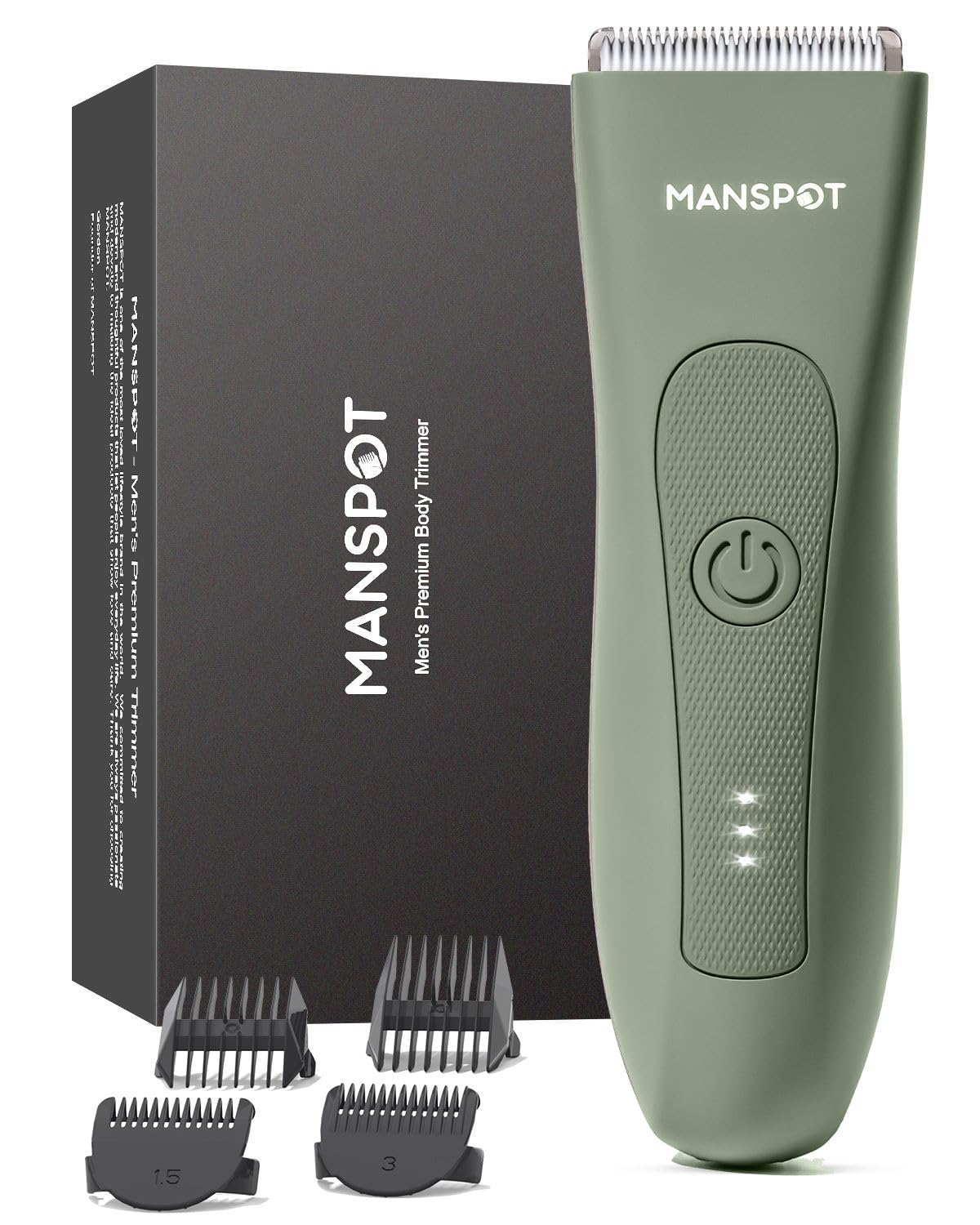
MANSPOT Electric Pubic Hair Trimmer - Waterproof Body and Groin Shaver for Men and Women (Black)
$20.39 $40
25% OFF
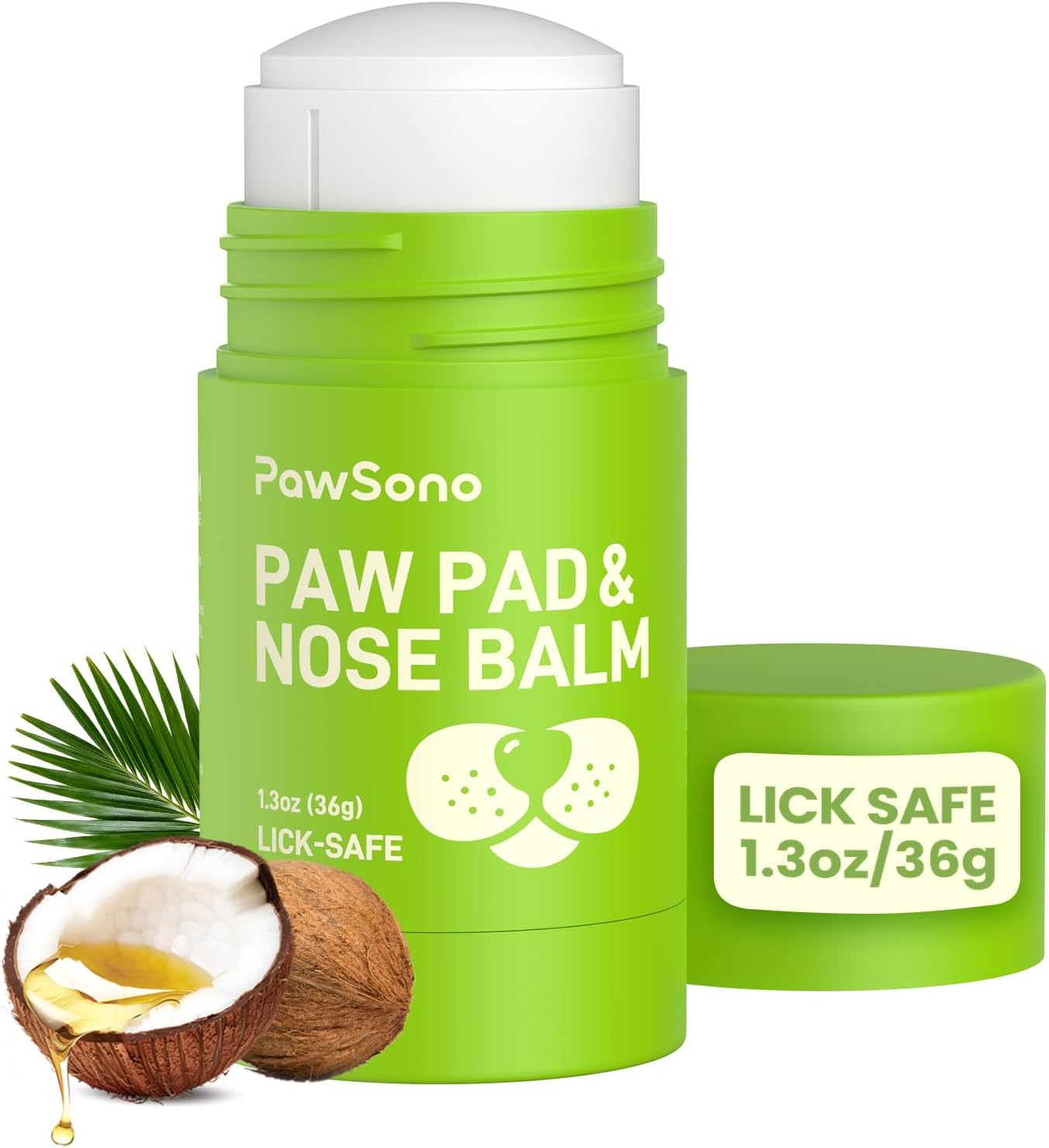
Lick-Safe Dog Paw and Nose Balm Stick - All-Natural Moisturizer with Coconut Oil for Dry, Cracked Pads and Snout
$11.69 $15.59
77% OFF
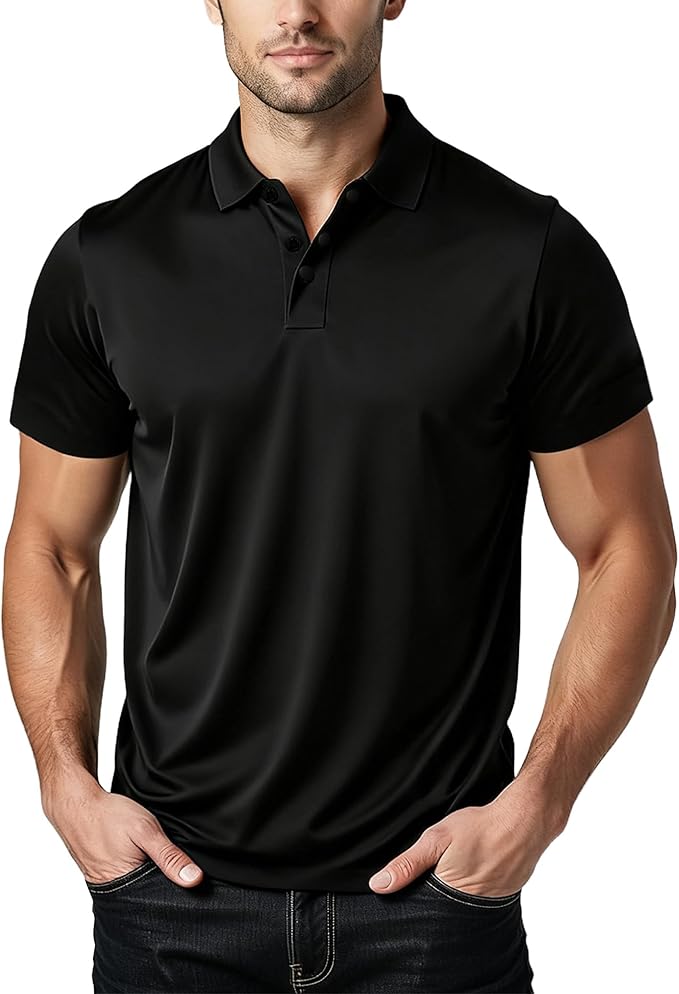
Men's Quick Dry Moisture Wicking Polo Shirt - High Elasticity Slim Fit Athletic Top (Runs Small)
$6.99 $29.99
46% OFF
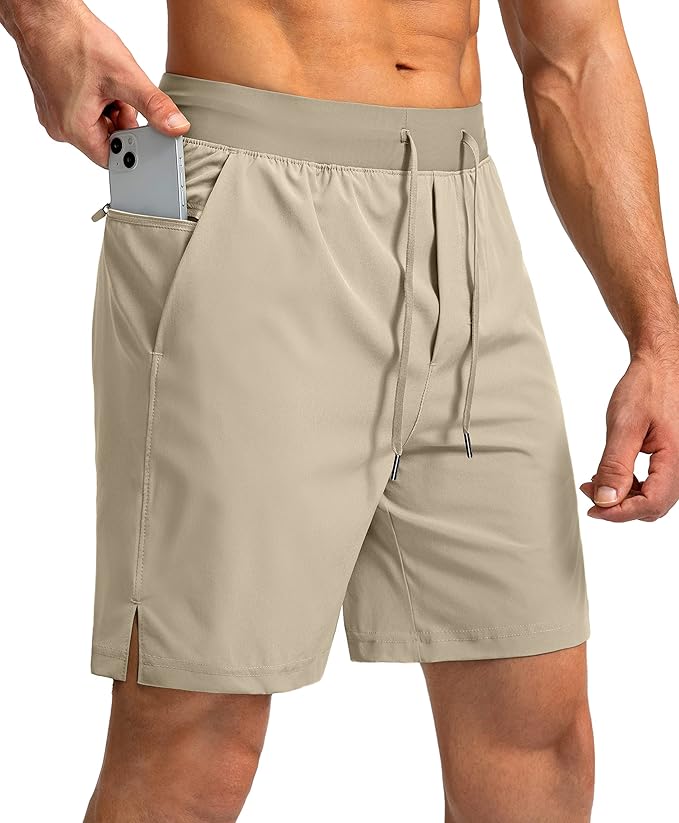
Men's Running Shorts with Zipper Pockets - Lightweight, Quick-Dry, Multi-Sport
$12.95 $23.99
50% OFF
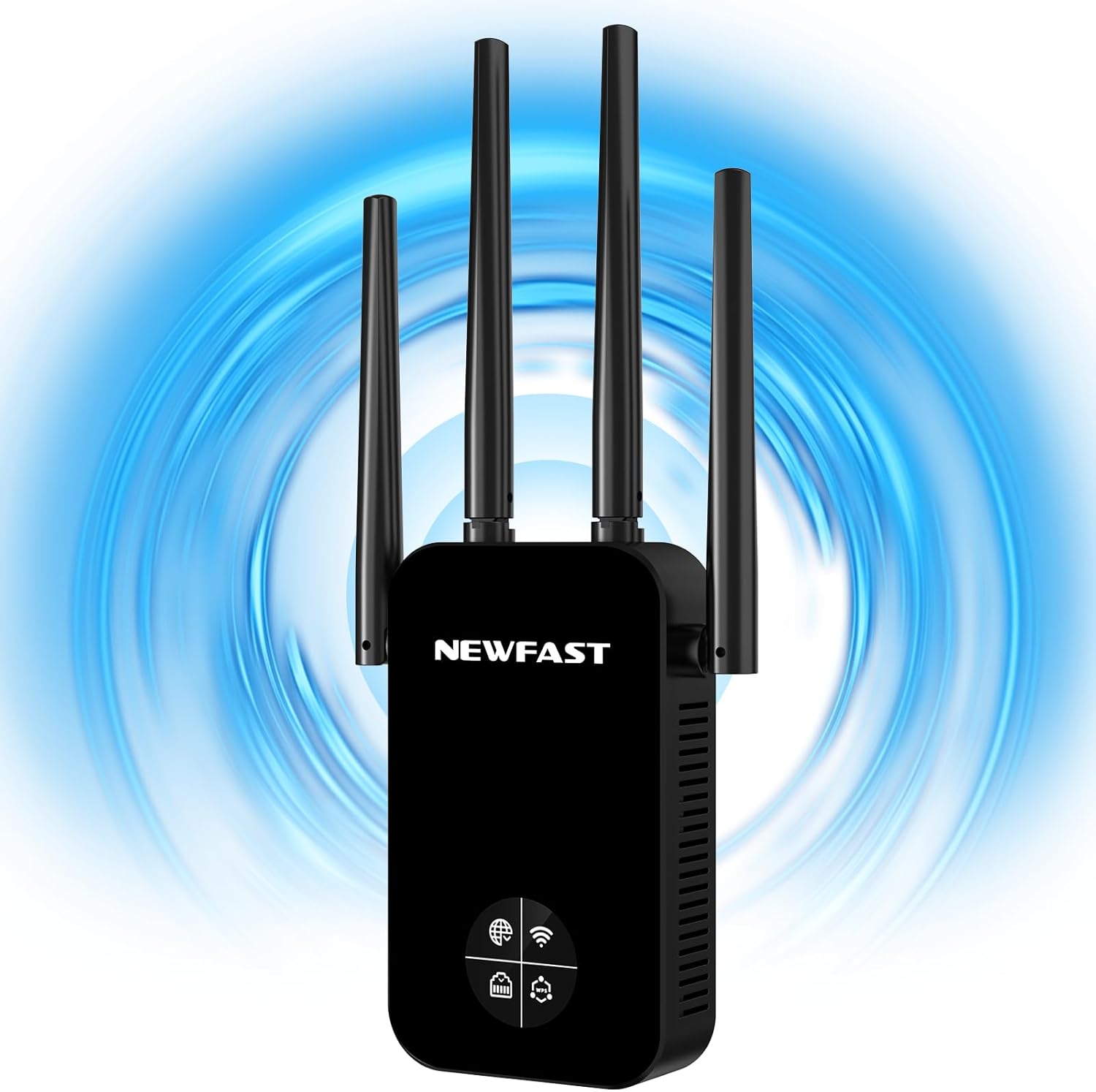
NEWFAST NF-RE523 AC1200 WiFi Extender - 1200Mbps Dual Band Signal Booster & Internet Repeater
$18.5 $36.99
48% OFF
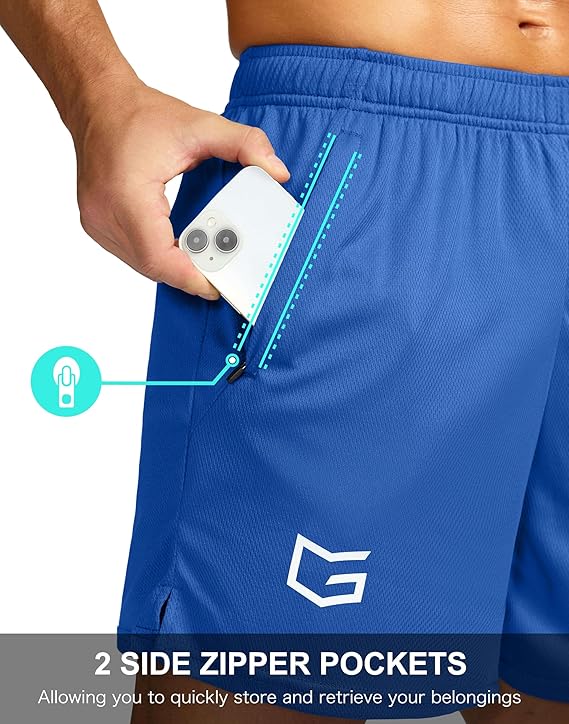
G Gradual Men's 7-inch Workout Running Shorts - Lightweight, Quick-Dry, Comfort
$12.91 $24.99
30% OFF
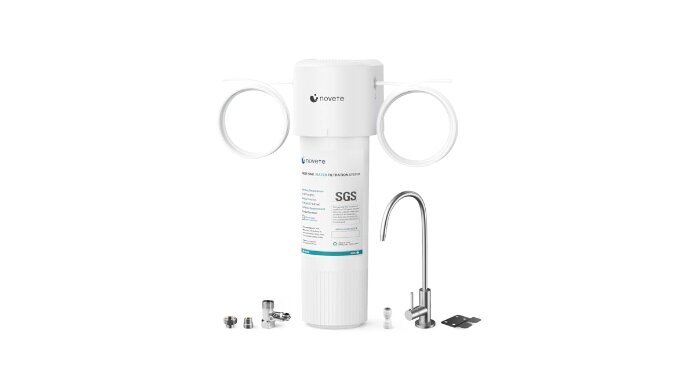
NOVETE Under Sink Water Filter - 3 Years, 30,000 Gallons, High-Efficiency Filtration
$41.99 $59.99
50% OFF

HDPE All-Weather Adirondack Chair with Built-In Cup Holder - Tool-Free Assembly (Grey)
$69.99 $139.99
60% OFF

HOMETUK Clear Plastic Storage Bins with Dividers - 3-Pack Stackable Acrylic Organizer Containers for Fridge and Pantry
$19.99 $49.99
58% OFF

G Gradual Men's Fishing Shirt - UPF 50+ Lightweight Short Sleeve Button Down with Zipper Pockets
$14.99 $35.99
55% OFF

Everyfun 60" Rectangular Platform Tree Swing - 700lbs Heavy Duty Adjustable Outdoor Swing (Colorful)
$49.99 $110.99
61% OFF

Ekouaer Women's Casual Loose Jumpsuit - One-Piece Printed Sleeveless Wide Leg Romper with Pockets
$14.99 $37.99
36% OFF

Men's Athletic Running Shorts with Zipper Pockets - Lightweight & Quick Dry
$12.74 $19.99
61% OFF

Modern Ceiling Fan with Light and Remote - Reversible Quiet DC Motor
$69.3 $179.99
50% OFF

MOOKA H13 True HEPA Air Purifier for Home Large Room - 1076 sq ft Odor Eliminator
$39.97 $79.95
40% OFF
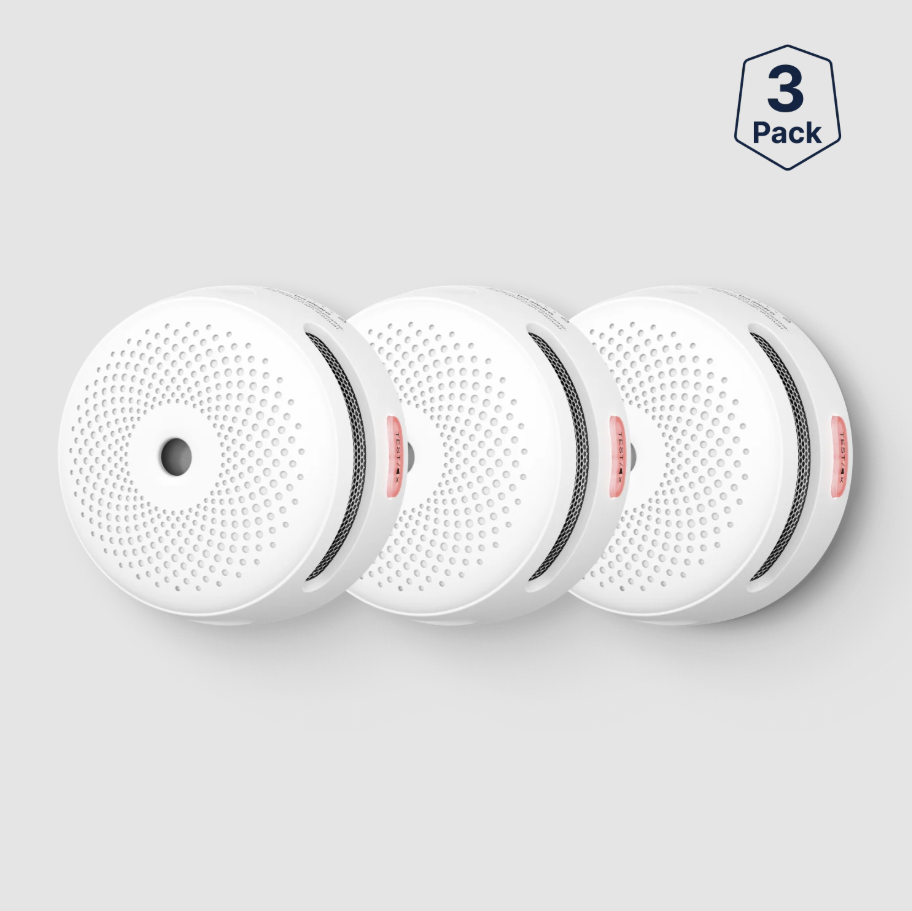
X-Sense XS01-WX Smart Smoke Alarm - 2.4 GHz Wi-Fi Photoelectric Fire Detector with Mobile App Alerts
$65.99 $109.99
11% OFF

VitaUp Beet Root Gummies with CoQ10 & Grape Seed - Nitric Oxide Circulation Support (60 Count)
$24.91 $27.91

Sealy 2-Pack Tritech 16" Twin Inflatable Air Mattress with Built-in AC Pump
$0 $113.99
20% OFF

INTEX Prism Frame 20ft x 52in Above Ground Pool Set - Round Steel Frame Swimming Pool
$695.99 $869.99

Gardner Pet 43" Heavy Duty Dog Crate with Wheels - Indestructible Folding Metal Cage (Black)
$0 $149.99




-

Diary of a CEO’s Steven Bartlett and John Lennox discuss AI, faith and the search for meaning
-

Belfast churches 'heartbroken' over unrest
-

Is there a two-tier Britain?
-

Churches must disciple well and listen well in response to rise of Christian nationalism
-
Biblical models and the creation of King Arthur
-

Welsh reverend speaks of culture of fear over LGBT issues
Most Popular
News
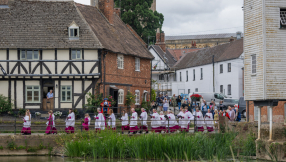
Gloucester churches come together to bless River Avon amid pollution concerns
It is part of a broader campaign against river pollution as concerns remain about the amount of untreated sewage in the Avon.

Life beyond burnout: how Christians can grow in the desert seasons
Christian Today speaks to author and Anglican priest Tish Harrison Warren about growth in desert seasons and why the Church shouldn’t treat all spiritual weariness as a problem to fix.

Iranian-born bishop stands in solidarity with Britain's Jews
2025 had the second highest number of antisemitic incidents on record.

Bishops protest Israeli arrest of another Palestinian Christian
An Evangelical Lutheran has been accused of "promoting terrorist activities".
MANSPOT Electric Pubic Hair Trimmer - Waterproof Body and Groin Shaver for Men and Women (Black)
$20.39
Lick-Safe Dog Paw and Nose Balm Stick - All-Natural Moisturizer with Coconut Oil for Dry, Cracked Pads and Snout
$11.69
Men's Quick Dry Moisture Wicking Polo Shirt - High Elasticity Slim Fit Athletic Top (Runs Small)
$6.99
Men's Running Shorts with Zipper Pockets - Lightweight, Quick-Dry, Multi-Sport
$12.95
NEWFAST NF-RE523 AC1200 WiFi Extender - 1200Mbps Dual Band Signal Booster & Internet Repeater
$18.5
G Gradual Men's 7-inch Workout Running Shorts - Lightweight, Quick-Dry, Comfort
$12.91
NOVETE Under Sink Water Filter - 3 Years, 30,000 Gallons, High-Efficiency Filtration
$41.99
HDPE All-Weather Adirondack Chair with Built-In Cup Holder - Tool-Free Assembly (Grey)
$69.99
HOMETUK Clear Plastic Storage Bins with Dividers - 3-Pack Stackable Acrylic Organizer Containers for Fridge and Pantry
$19.99
G Gradual Men's Fishing Shirt - UPF 50+ Lightweight Short Sleeve Button Down with Zipper Pockets
$14.99
Everyfun 60" Rectangular Platform Tree Swing - 700lbs Heavy Duty Adjustable Outdoor Swing (Colorful)
$49.99
Ekouaer Women's Casual Loose Jumpsuit - One-Piece Printed Sleeveless Wide Leg Romper with Pockets
$14.99
Men's Athletic Running Shorts with Zipper Pockets - Lightweight & Quick Dry
$12.74
Modern Ceiling Fan with Light and Remote - Reversible Quiet DC Motor
$69.3
MOOKA H13 True HEPA Air Purifier for Home Large Room - 1076 sq ft Odor Eliminator
$39.97
X-Sense XS01-WX Smart Smoke Alarm - 2.4 GHz Wi-Fi Photoelectric Fire Detector with Mobile App Alerts
$65.99
VitaUp Beet Root Gummies with CoQ10 & Grape Seed - Nitric Oxide Circulation Support (60 Count)
$24.91
Sealy 2-Pack Tritech 16" Twin Inflatable Air Mattress with Built-in AC Pump
$0
INTEX Prism Frame 20ft x 52in Above Ground Pool Set - Round Steel Frame Swimming Pool
$695.99
Gardner Pet 43" Heavy Duty Dog Crate with Wheels - Indestructible Folding Metal Cage (Black)
$0