
Clergy from the Church of England are being invited to provide respite for Sri Lankan priests in the war-torn country.
Clergy will be asked to take over from Sri Lankan clergy in safe regions, so that those clergy can provide respite for their countrymen in conflict zones.
Lanka Nesiah, speaking on behalf of Bishop Duleep de Chickera, in the Diocese of Colombo, explained: "There is a great need to provide relief to our clergy in the north and east.
"We will not place visiting clergy in conflict areas or expose them to any kind of danger.
"Instead, Bishop Duleep proposes to send some of our clergy from other parts of the country to provide respite to clergy in the north and east."
The Anglican mission agency USPG has offered to sponsor volunteer clergy from the Church of England to serve in Sri Lanka for periods of between one and three months.
In 2005, USPG sponsored three Church of England clergy to provide respite for Sri Lankan clergy in areas affected by the tsunami of Boxing Day 2004.
Sri Lanka’s Buddhist Singhalese government is currently attempting to eliminate opposition from the so-called Tamil Tigers, who want an independent Tamil state in north-east of the island.
The Church of Ceylon – which is the Anglican church in Sri Lanka – includes people from both Sinhalese and Tamil communities. It is working for peace and providing what support it can to those affected by the fighting.
A missionary in Sri Lanka wrote this week that the Tamil Tigers have been confined to a small area in the north-east of the country, where they were hiding behind a ‘human shield’ of civilians, estimated varyingly at between 80,000 and 200,000 people.
The missionary said the Sri Lankan army was continuing its offensive and that intense fighting was being reported. A Tamil Tigers request for a ceasefire was considered ‘hilarious’ by the government newspaper, the missionary said, while a remote Sinhalese village in the south was attacked this week by the Tamil Tigers, leaving 13 civilians dead.
"The true death toll of this war may never be known," said the missionary. "Figures given by the government usually tell of the army inflicting huge casualties on the Tamil Tigers; there are rumours of lorries full of bodies.
"The need to keep the true human cost of the war from the people, and to keep up the morale of the army, partly explain the diminishing press freedom and a deteriorating human rights record that is regularly criticised by foreign governments."
The Rev Jessie Anand, USPG’s Regional Desk Officer for South Asia, said: "Sending clergy to partner churches is not a new mission for USPG. By doing this, USPG is helping to raise a prophetic voice for affected partner churches at the right time with the right people. This will in turn bring Christ into the situation."
50% OFF

UBoter E10 Cordless Robotic Pool Vacuum with Dual-Layer Filtration and Auto Parking
$149.5 $299.99
68% OFF

OMOTON Magnetic Golf Cart Phone Mount with 5.6-Inch Extendable Arm and 1/4" Thread
$12.99 $39.99
13% OFF

G Gradual Women's High Waisted Wide Leg Yoga Capri Pants with Pockets
$25.99 $29.99
50% OFF
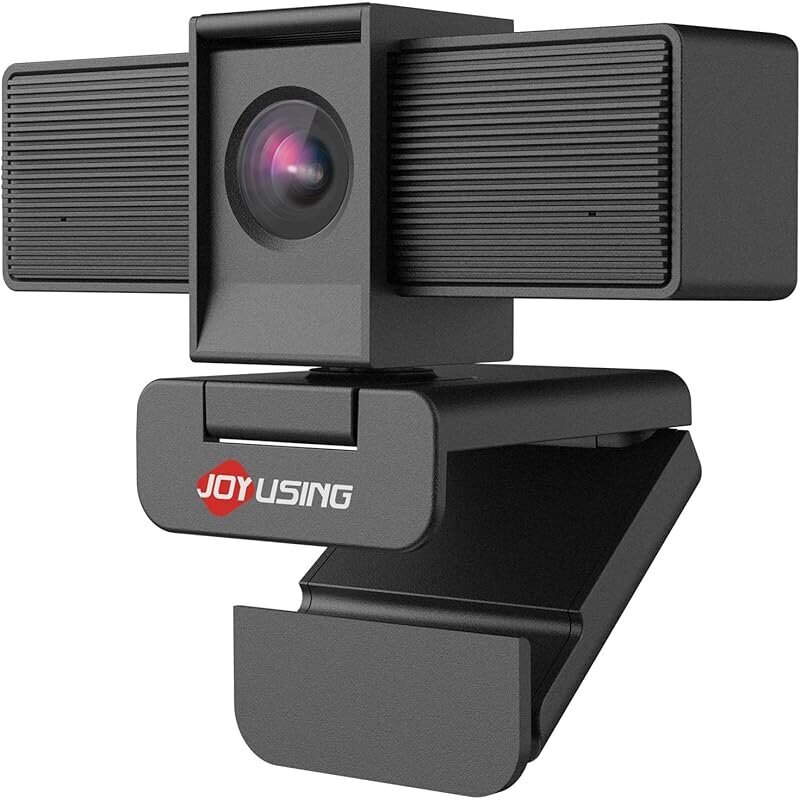
JOYUSING Flip600S 4K Webcam for PC with Tripod - High-Def Clarity
$19.99 $39.99
50% OFF

Hawaiian Floral Summer Porch Goose Outfit with Wind-Resistant Sun Hat
$9.99 $19.99
24% OFF
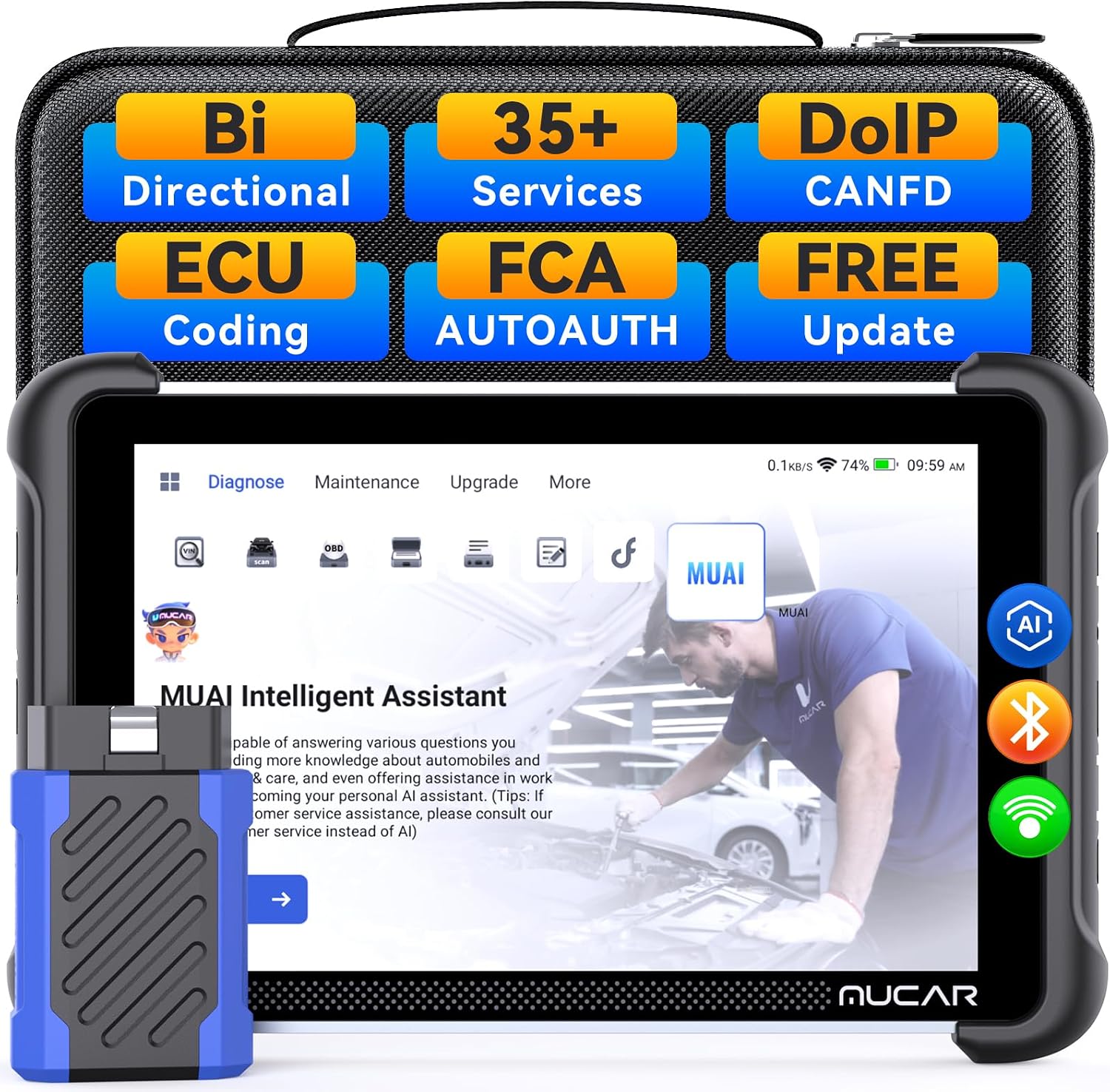
MUCAR 892BT AI-Assisted Bidirectional OBD2 Scan Tool with ECU Coding (8" Touchscreen)
$478.79 $629.99
77% OFF
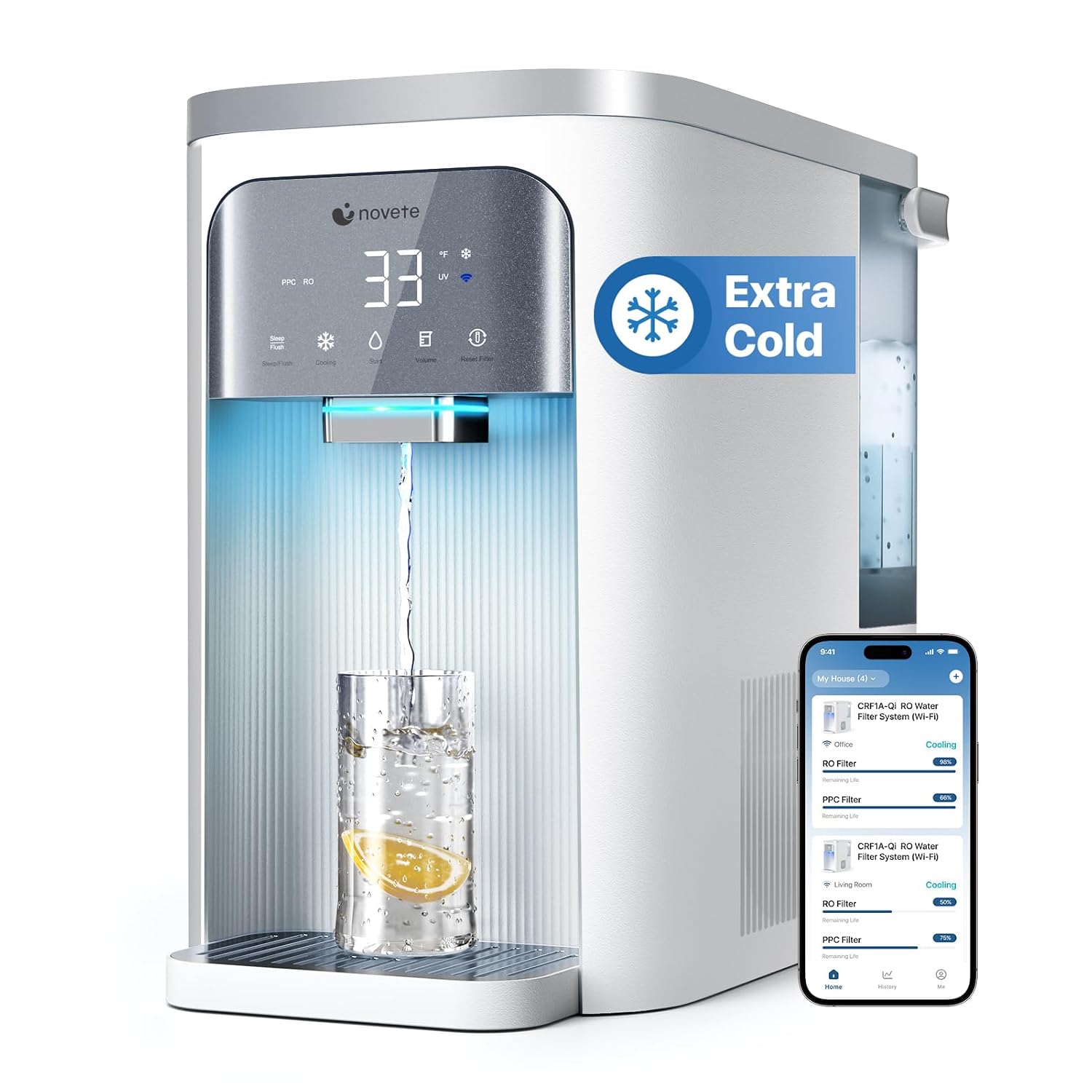
NOVETE Smart Countertop Reverse Osmosis Water Filter System with UV & Cooling (CRF0A-Qi)
$99.99 $429.99
36% OFF
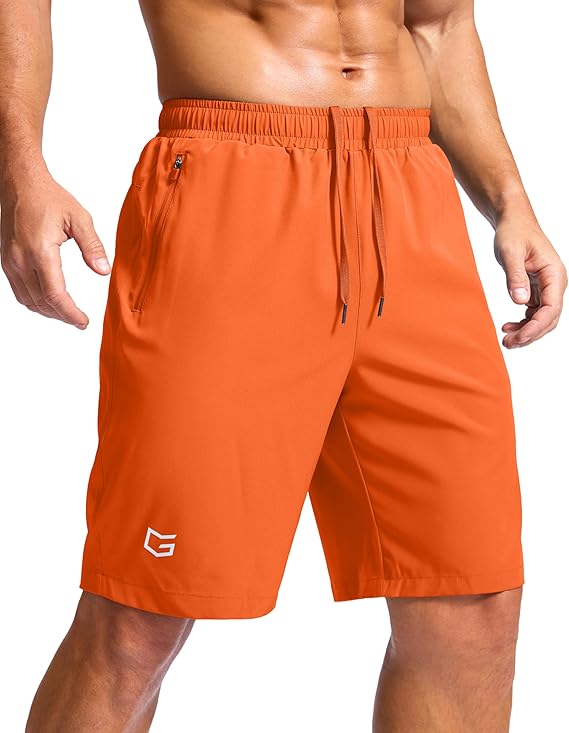
G Gradual Men's Quick Dry Athletic Running Shorts with Zipper Pockets
$12.74 $19.99
17% OFF
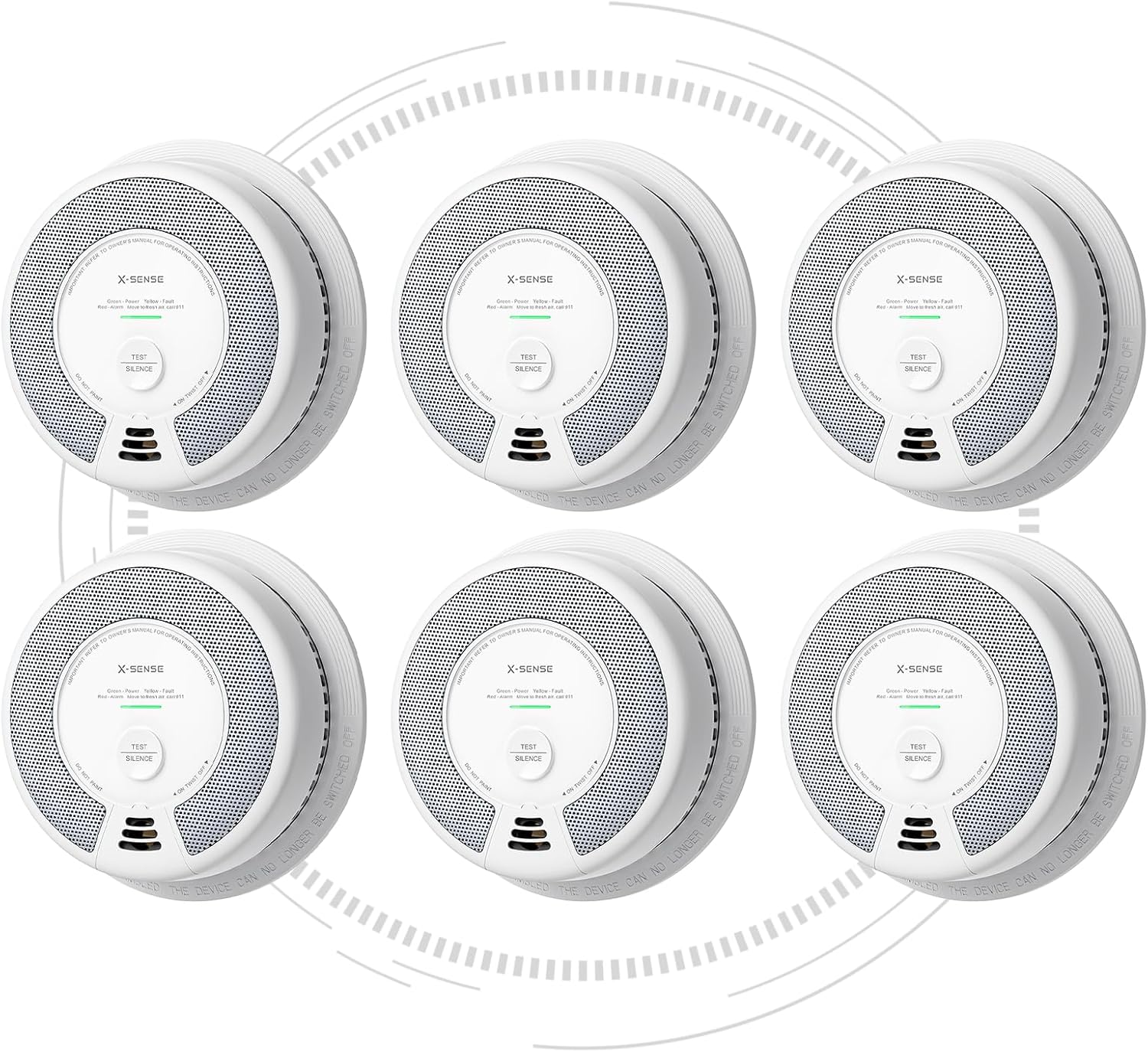
X-Sense 10-Year Sealed Battery Combination Smoke and CO Detector (6-Pack, SC06-W)
$225.21 $269.99
50% OFF

18K Gold Plated Initial Pendant Necklace with Reinforced Box Chain
$6.49 $12.99
50% OFF

6-Inch Desktop Pottery Wheel Kit for Beginners with 2.2lb Air Dry Clay
$44.99 $89.98
50% OFF

Portable Folding LED Book Light Night Lamp with Floral Print Cover
$11.99 $23.99
26% OFF

Magnelex American Flag Windshield Sun Shade - High-Resolution UV Reflective Heat Shield (X-Large)
$19.9 $26.9
50% OFF

TailSphere 12-in-1 Turkey Tail Mushroom Immune Support Chews for Dogs (90 Count)
$13.49 $26.99
50% OFF

Aegend Kids Swim Goggles for Toddlers 3-8 with Anti-Fog and No-Hair-Pull Strap
$4.49 $8.99
73% OFF
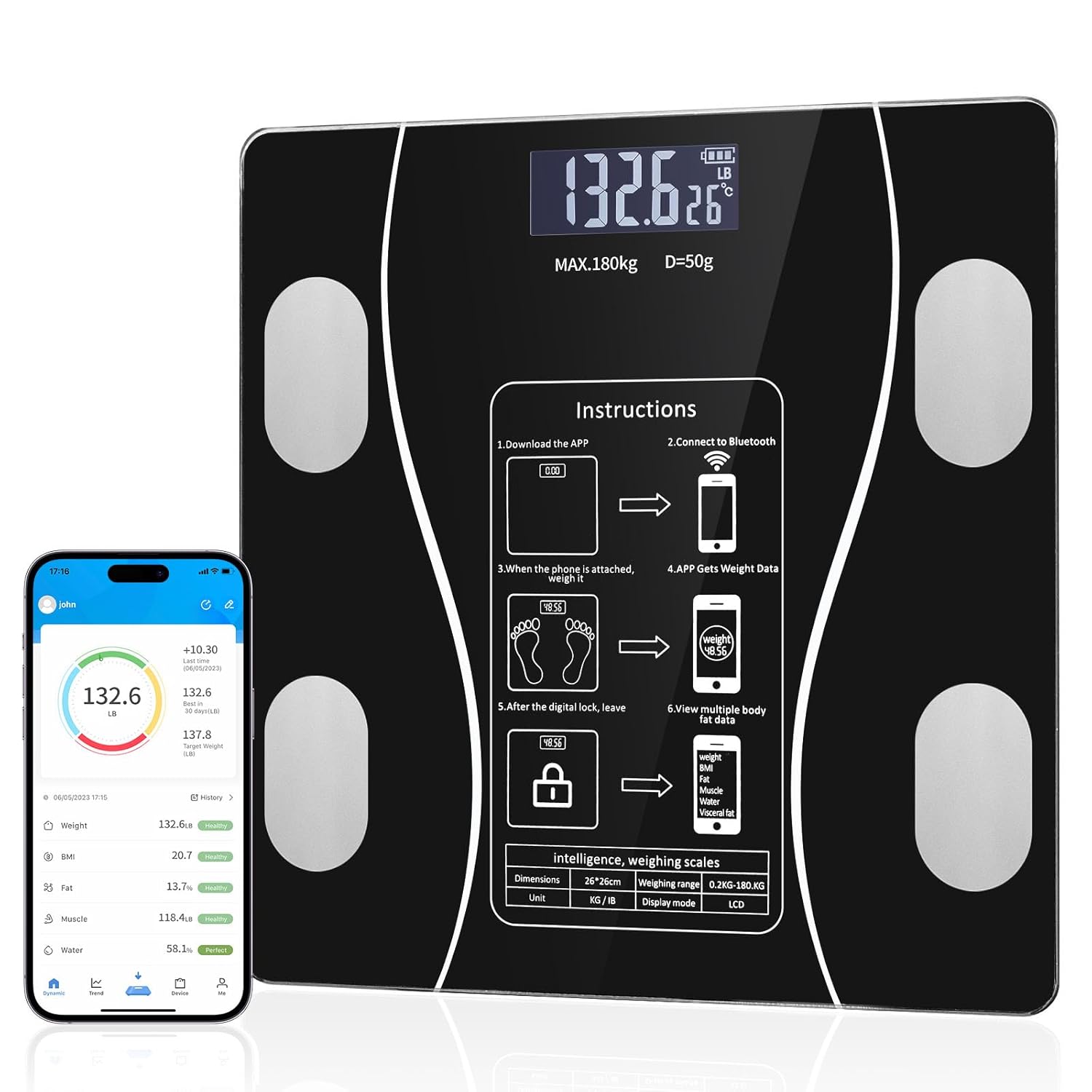
Smart Bluetooth Body Fat Scale with LED Display and Body Composition Analyzer
$21.58 $79.96
73% OFF
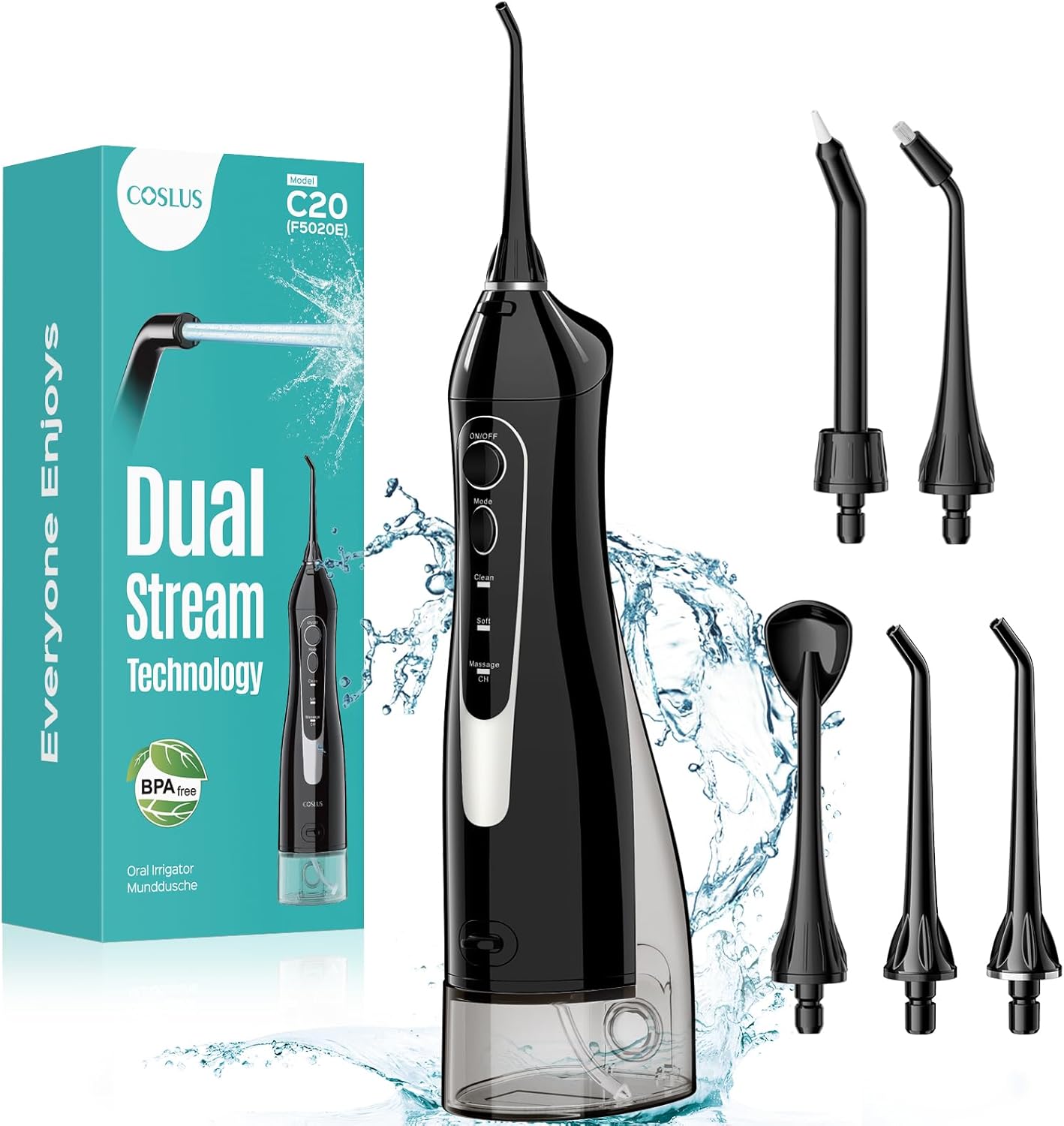
COSLUS C20 Portable Cordless Water Dental Flosser and Oral Irrigator
$7.99 $29.99
29% OFF
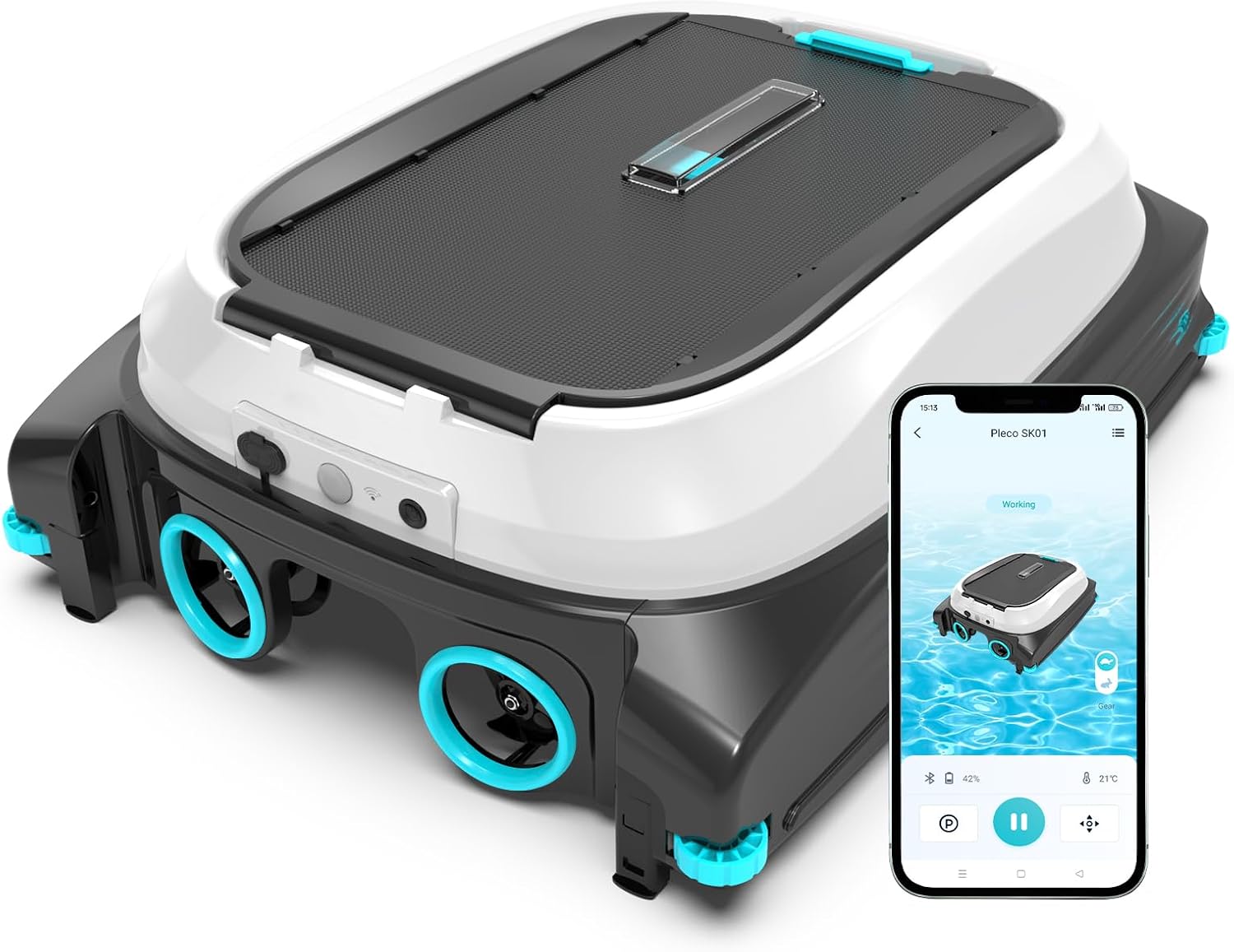
Pleco SK01 Solar Powered Robotic Pool Skimmer with App Control (Obsidian & Ivory)
$284.99 $399.99
52% OFF

Cordless Robotic Pool Cleaner C1 with Wall Climbing and App Control (Glossy Black)
$290.69 $599.99
52% OFF
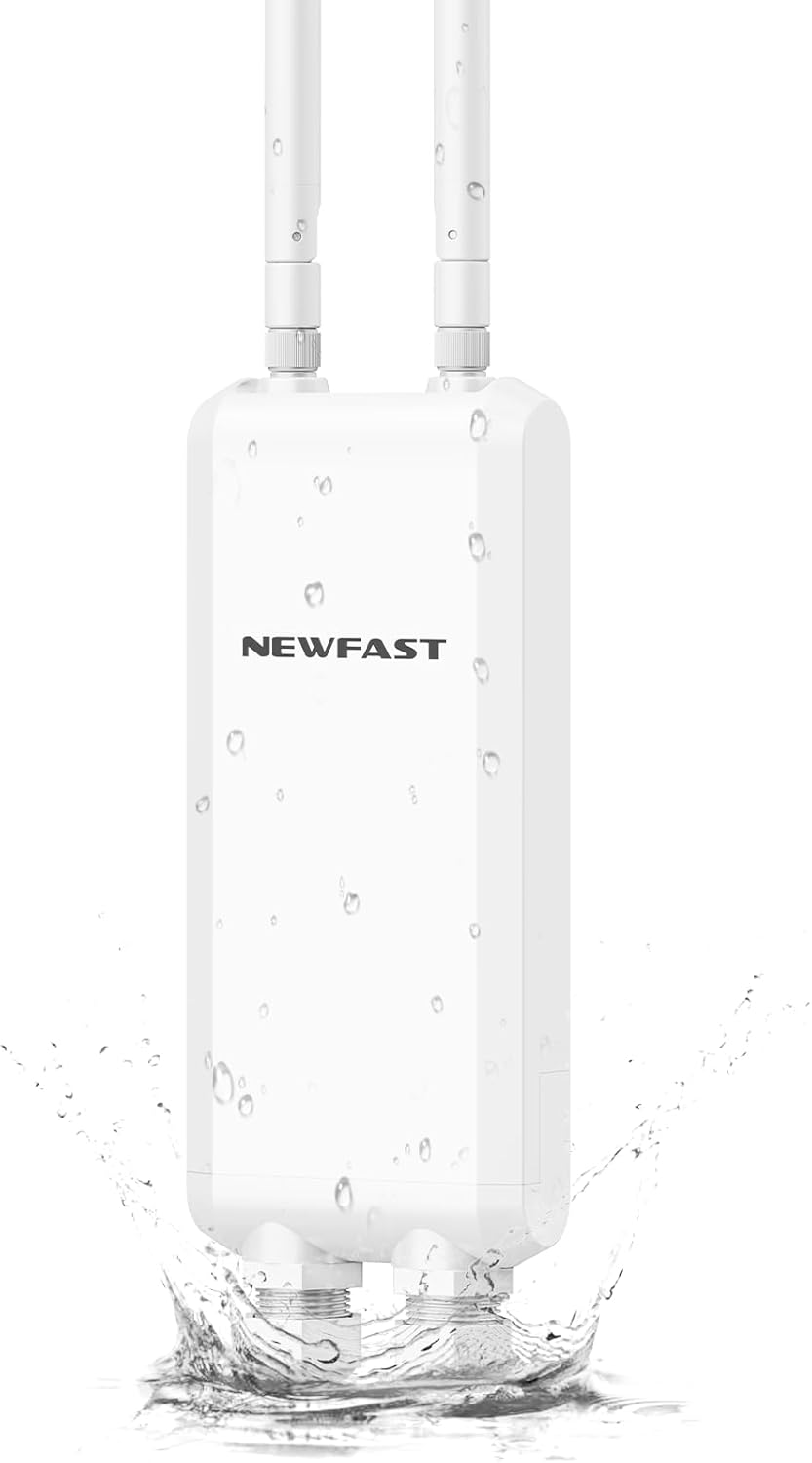
NEWFAST Outdoor WiFi Extender with MU-MIMO and 3 Gigabit Ports (IP66)
$47.99 $99.99
-

Young adults are finding faith online but it's personal relationships that are bringing them to church, report finds
-

Archbishop of Canterbury meets Chief Rabbi to discuss Jewish community's 'pain' over engagement with pro-Palestinian document
-

The story of St Maughold, patron saint of the Isle of Man
-
Why is the Church of England so afraid of ex-gay testimonies?
News
-

Worship leader Brian Doerksen dies from stage 4 cancer
-

Amnesty International is 'anti-Christian'
-

Erling Haaland buys historic Christian manuscript, donates it to local library
-

New guidance published to help churches use AI wisely
-

Church of England engagement with pro-Palestine document will add to rising antisemitism, says Bishop of Blackburn
-
Evangelical leaders sue to overturn religious symbol ban in Switzerland
Most Popular
News
Archbishop of Canterbury meets Chief Rabbi to discuss Jewish community's 'pain' over engagement with pro-Palestinian document
The Church of England General Synod vote to "hear" the controversial Kairos II document dismayed the Jewish community as well as some Christians who launched their own declaration against it.
Why is the Church of England so afraid of ex-gay testimonies?
Is it really the case that the existence of former homosexuals will not be acknowledged by the Church of England?

Retired bishop forcibly disappeared in Nicaragua
The current whereabouts of the bishop remains unclear
Appeal for aid as DRC Ebola death toll reaches 1,000
Misinformation and lack of awareness have added to the challenges of tackling the disease.
UBoter E10 Cordless Robotic Pool Vacuum with Dual-Layer Filtration and Auto Parking
$149.5
OMOTON Magnetic Golf Cart Phone Mount with 5.6-Inch Extendable Arm and 1/4" Thread
$12.99
G Gradual Women's High Waisted Wide Leg Yoga Capri Pants with Pockets
$25.99
JOYUSING Flip600S 4K Webcam for PC with Tripod - High-Def Clarity
$19.99
Hawaiian Floral Summer Porch Goose Outfit with Wind-Resistant Sun Hat
$9.99
MUCAR 892BT AI-Assisted Bidirectional OBD2 Scan Tool with ECU Coding (8" Touchscreen)
$478.79
NOVETE Smart Countertop Reverse Osmosis Water Filter System with UV & Cooling (CRF0A-Qi)
$99.99
G Gradual Men's Quick Dry Athletic Running Shorts with Zipper Pockets
$12.74
X-Sense 10-Year Sealed Battery Combination Smoke and CO Detector (6-Pack, SC06-W)
$225.21
18K Gold Plated Initial Pendant Necklace with Reinforced Box Chain
$6.49
6-Inch Desktop Pottery Wheel Kit for Beginners with 2.2lb Air Dry Clay
$44.99
Portable Folding LED Book Light Night Lamp with Floral Print Cover
$11.99
Magnelex American Flag Windshield Sun Shade - High-Resolution UV Reflective Heat Shield (X-Large)
$19.9
TailSphere 12-in-1 Turkey Tail Mushroom Immune Support Chews for Dogs (90 Count)
$13.49
Aegend Kids Swim Goggles for Toddlers 3-8 with Anti-Fog and No-Hair-Pull Strap
$4.49
Smart Bluetooth Body Fat Scale with LED Display and Body Composition Analyzer
$21.58
COSLUS C20 Portable Cordless Water Dental Flosser and Oral Irrigator
$7.99
Pleco SK01 Solar Powered Robotic Pool Skimmer with App Control (Obsidian & Ivory)
$284.99
Cordless Robotic Pool Cleaner C1 with Wall Climbing and App Control (Glossy Black)
$290.69
NEWFAST Outdoor WiFi Extender with MU-MIMO and 3 Gigabit Ports (IP66)
$47.99