
Christians have stood firm in Africa, denouncing homosexuality as against Biblical Scripture, as an international human rights group accused Ugandan President Yoweri Museveni's government of promoting "state homophobia".
|PIC1|Human Rights Watch's has backed pro-gay rights groups in urging for the country's laws against sodomy to be brought to an end.
Human Rights Watch's attack has added to a fierce social debate in the east African nation, where gays and lesbians have been increasingly vocal in demanding rights as Christian groups have taken to the streets to denounce homosexuality as a sin.
The Ugandan Government has immediately rejected HRW's accusation of state homophobia, and said it had never persecuted gays.
New York-based HRW sent a letter to President Museveni calling for legislative reform and an end to what the group described as a "long record of harassing" lesbian, gay, bisexual and trans-gender people.
"For years, President Museveni's government has drummed up homophobia and denied the basic rights of LGBT people for his own political advantage," said HRW researcher Juliana Cano Nieto in a statement sent to media on Friday.
Ruling party spokesman Ofwono Opondo rejected the statement. He said: "Our constitution criminalises homosexuality... Even so, the government has never gone out to look for homosexuals," he told Reuters by telephone from Kampala.
The issue came to the fore in Uganda this month when an advocacy group, the Sexual Minorities Groups in Uganda, took the unprecedented step of holding a news conference to demand recognition. Even so, most hid their faces behind masks.
That prompted demonstrations from the Inter-faith Coalition of church groups in Kampala demanding that there be no compromises given to gay rights, fearing any relaxation in the law would lead to a wider culture of homosexuality in the country - something they say goes in direct contradiction to Scripture.
Uganda's conservative parliamentarians are unlikely to change its laws, Opondo stated.
HRW said homosexual acts were criminalised in Uganda under a sodomy law inherited from British colonialism, "although punishments were... strengthened in 1990".
"State homophobia and well-funded fanaticism are undermining Uganda's efforts to combat the spread of HIV/AIDS," Nieto said.
HRW accused Museveni's government, in power since 1986, of harassing gay organisations, promoting discrimination through state media and raiding homes of activists.
Uganda, with a population of 31 million, has some 500,000 gays and lesbians, activists say.
However, Christianity and traditional beliefs remain strong across the continent, and any discussions on liberalising views towards homosexuality have been quickly and widely condemned by Church groups.
50% OFF
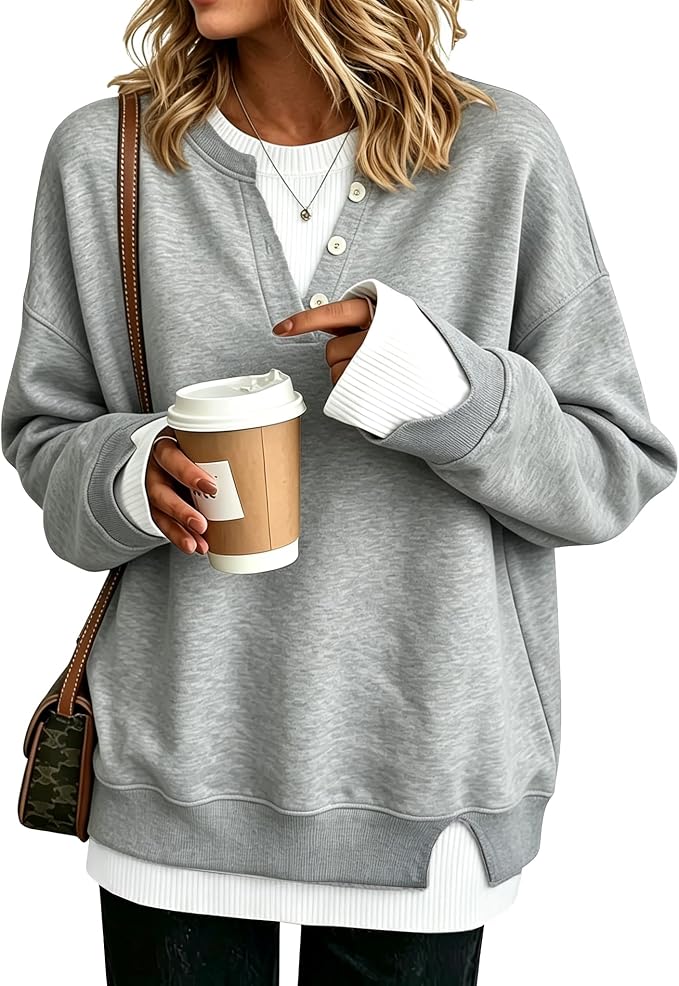
Women's Oversized Henley Crewneck Sweatshirt – Faux Layered 2-in-1 Pullover, No Hood, Long Sleeve Fall Top for Office, Travel & Teacher Outfits
$14.99 $29.98
54% OFF
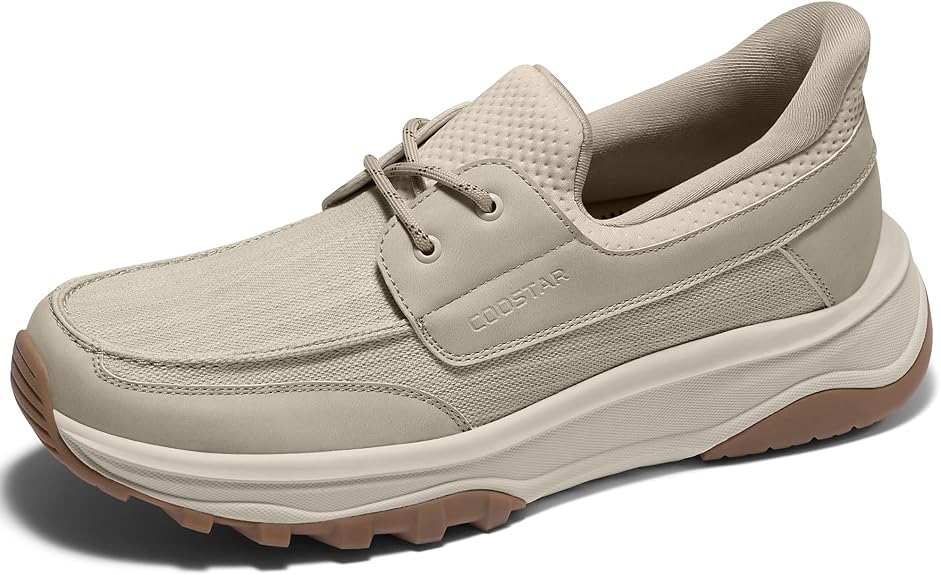
Coostar Men's Orthopedic Slip On Loafers – Hands-Free Casual Walking Shoes with Arch Support, Non-Slip Sole, Breathable Canvas Upper
$21.99 $47.99
60% OFF
G Gradual Boys Athletic Rash Guard Shirt – UPF 50+ Dry Fit Swim & Sports T-Shirt, Short Sleeve Crew Neck for Soccer, Baseball, Basketball & Undershirt
$7.92 $19.99
41% OFF
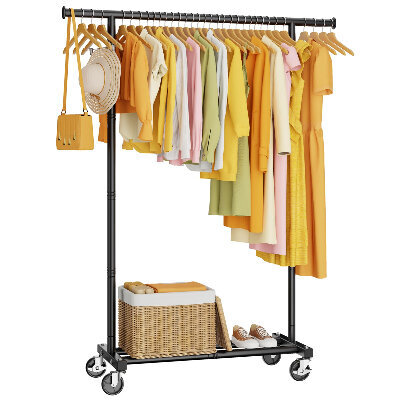
Mobile Rolling Clothing Rack with Wheels - Perfect for Home and Office
$20.79 $34.99
30% OFF
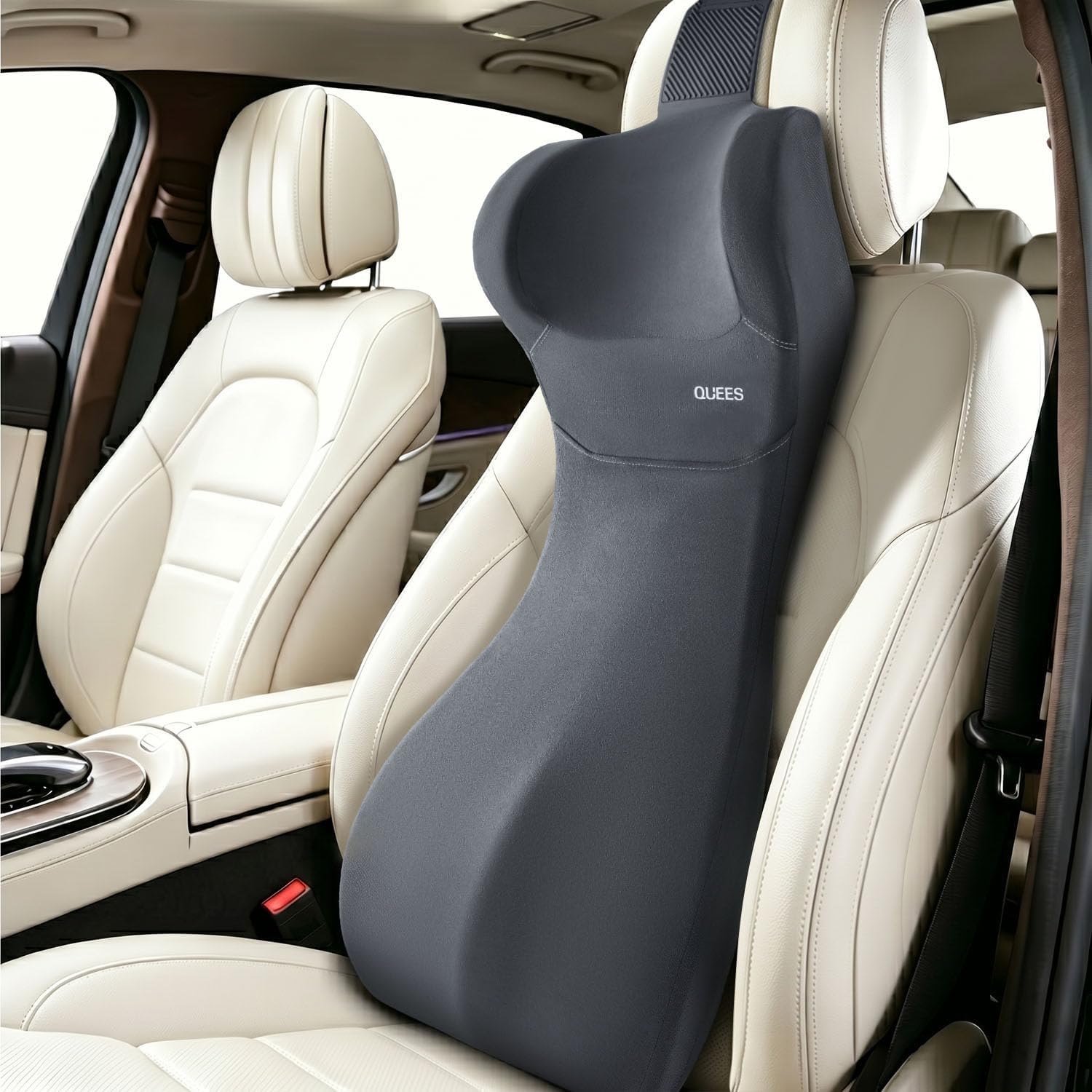
Lumbar Support Pillow for Car with Headrest – Memory Foam Full-Length S-Curve Back & Neck Cushion for Long Drives, Fits Cars, SUVs & Trucks
$32.89 $46.99
46% OFF
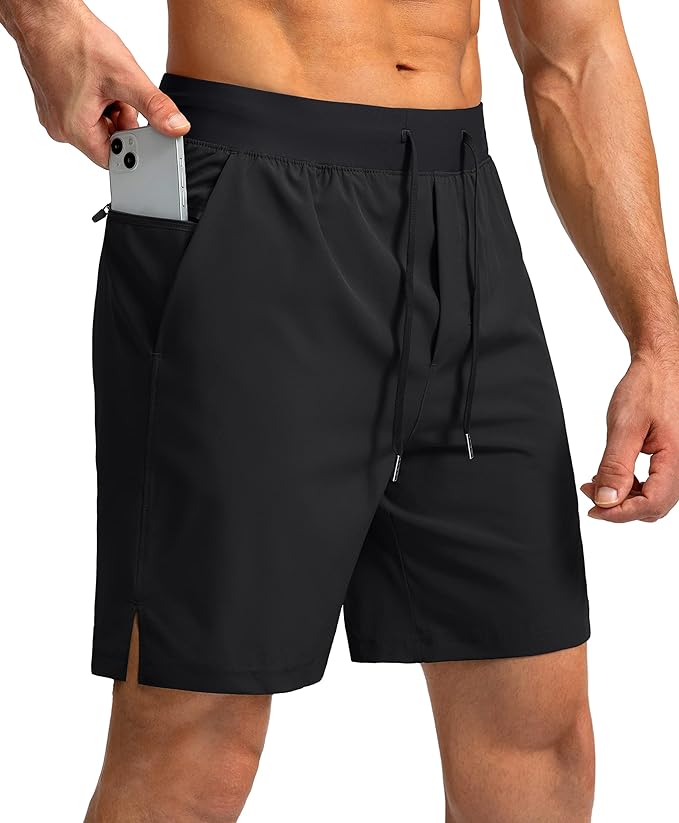
Soothfeel Men's Running Shorts with Zipper Pockets – Quick Dry Athletic Shorts in 9", 7" & 5" Inseams for Basketball, Gym & Workout
$12.91 $23.99
40% OFF
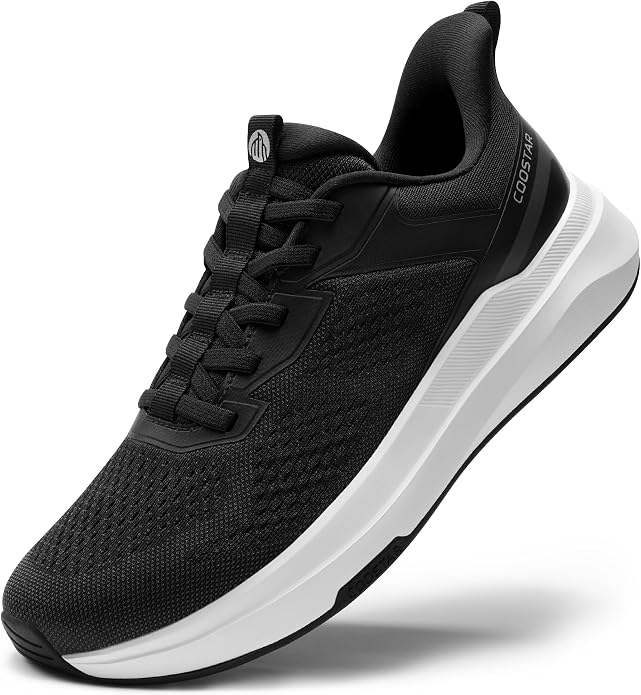
Men's Slip On Walking Shoes – Hands-Free Casual Sneakers with Arch Support, Wide Stable Base, Breathable Knit Upper, Non-Slip Traction
$29.99 $49.99
52% OFF
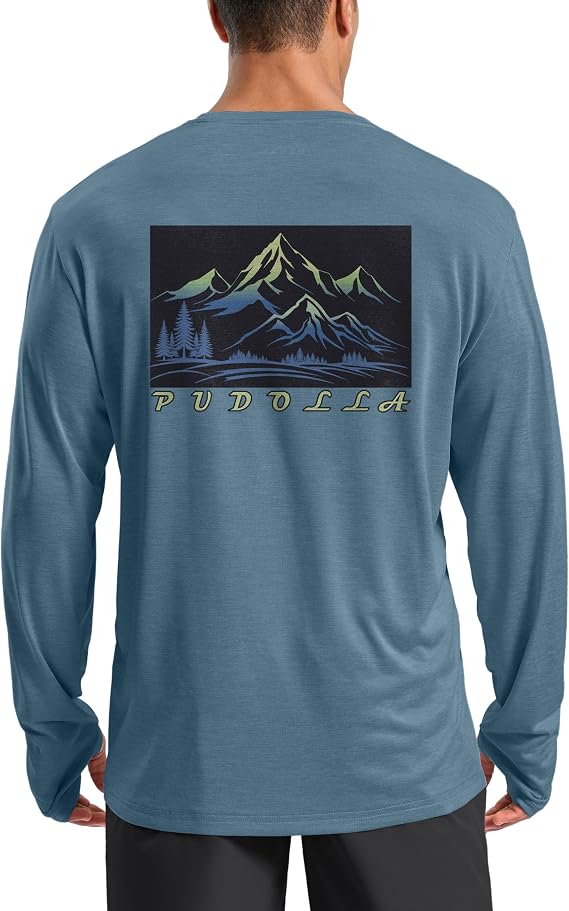
Pudolla Men's UPF 50+ Sun Shirt – Long Sleeve Quick Dry Hiking & Running Shirt with Thumb Holes, Lightweight Moisture-Wicking Rash Guard Base Layer
$11.99 $24.99
35% OFF
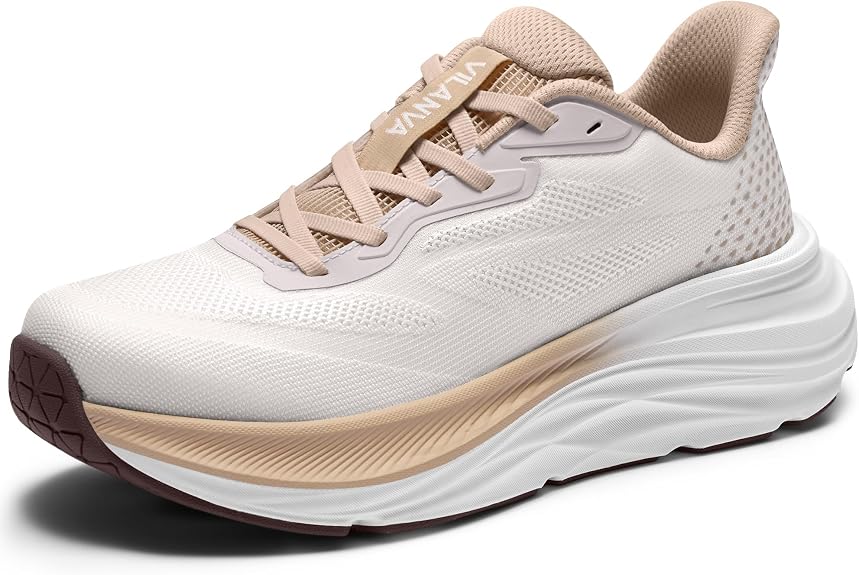
Vilanva Women's Walking Shoes – Cushioned Lightweight Running Sneakers with Slip-Resistant Sole, Breathable Woven Upper for Everyday Wear & Workouts
$35.09 $53.99
24% OFF
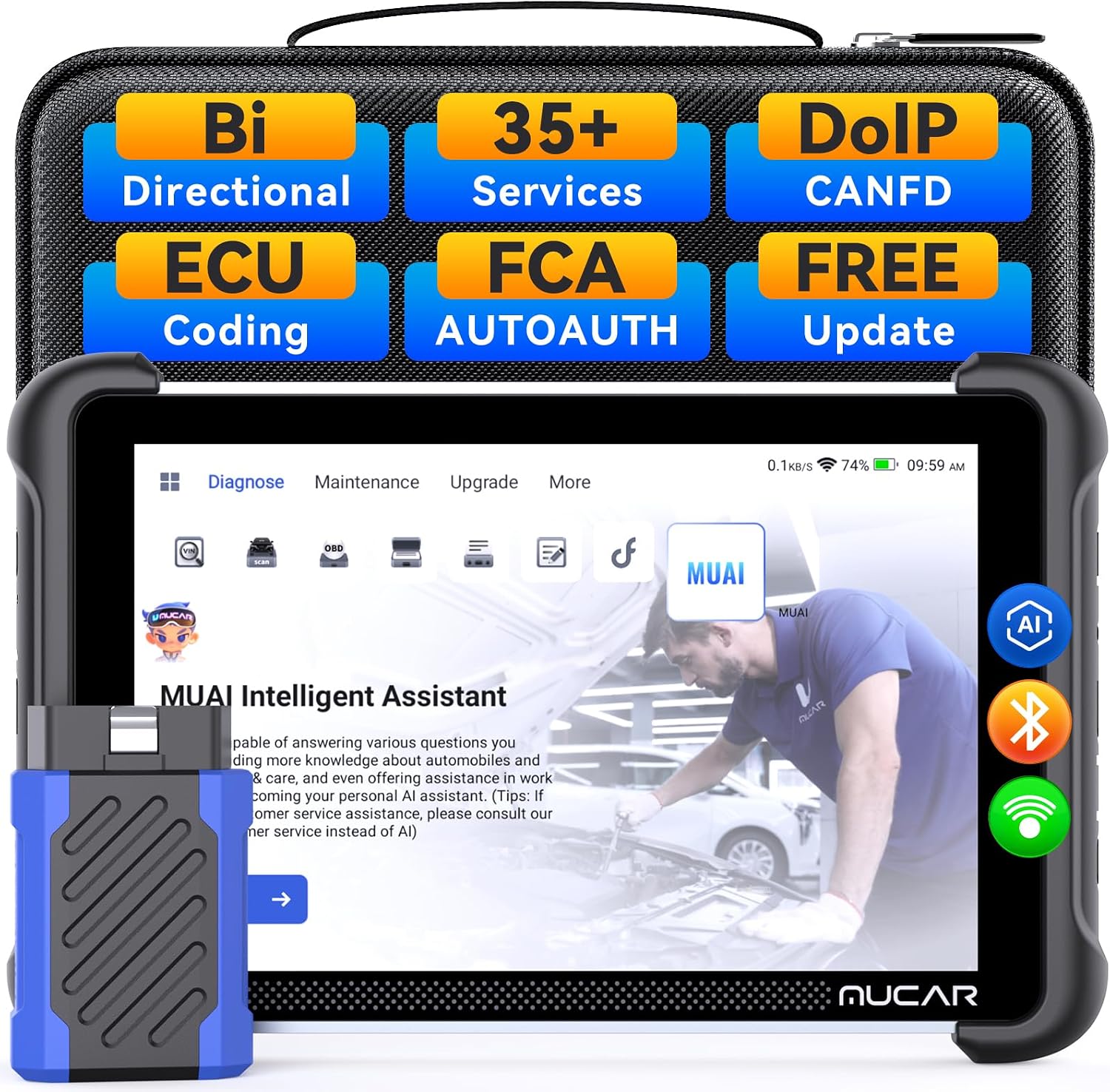
MUCAR 892BT AI-Assisted Bidirectional OBD2 Scan Tool with ECU Coding (8" Touchscreen)
$479 $629.99
67% OFF
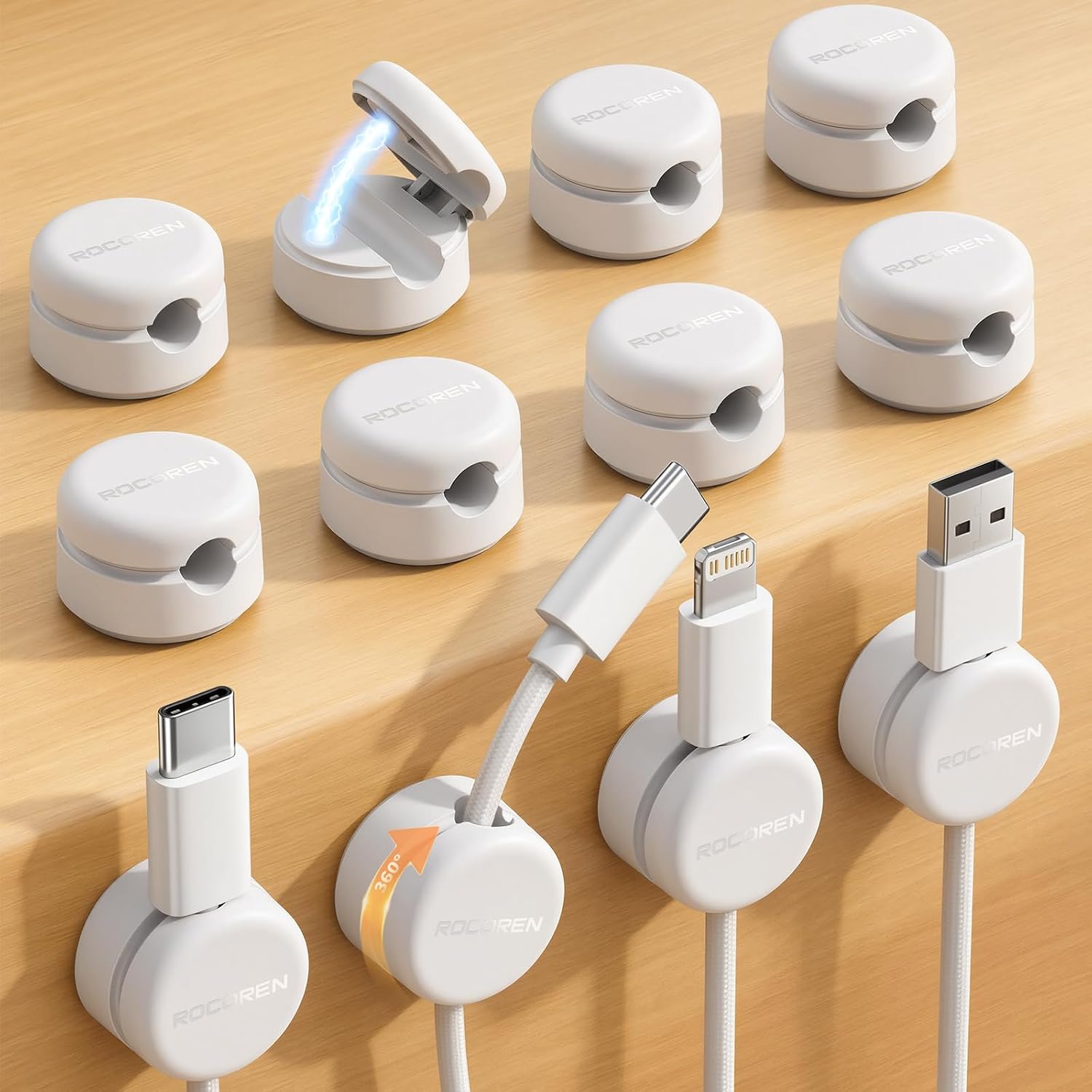
Rocoren 12-Pack Magnetic Cable Clips – 360° Rotating Cord Organizer with No-Residue Adhesive, Cord Holder for Desk, Nightstand, Wall, Car & Office, White
$6.5 $19.99
60% OFF
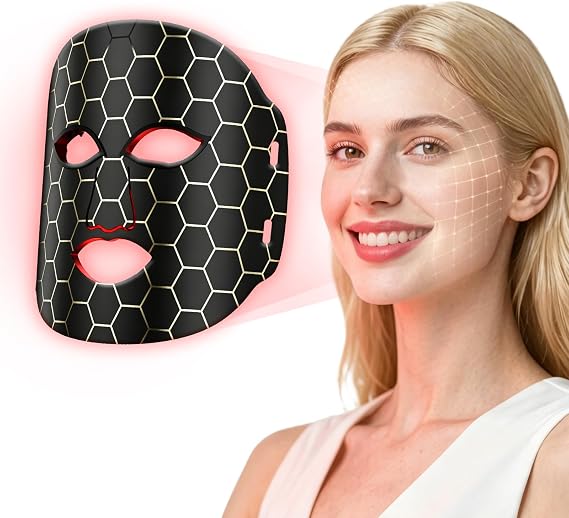
Red Light Therapy Mask for Face – 7-Color LED Silicone Facial Mask, Cordless Rechargeable Skincare Device with 240 LEDs for Home & Travel
$39.99 $99.99
77% OFF
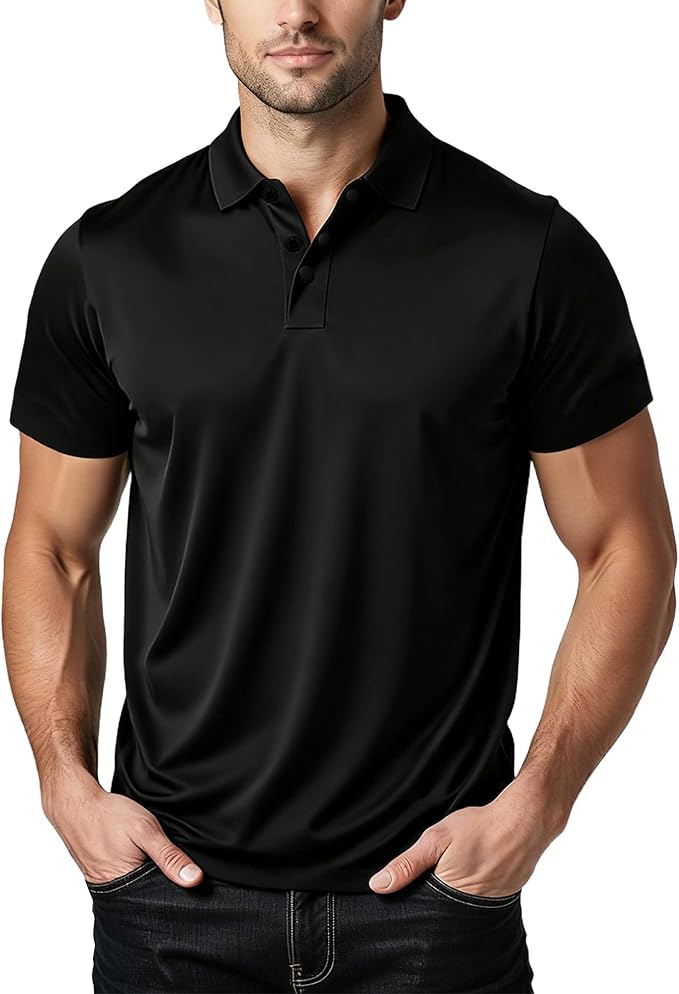
Men's Slim Fit Polo Shirt – Quick Dry Moisture Wicking, High Elasticity, Athletic Fit Polo for Golf, Tennis, Work & Casual Wear (Runs Small, Size Up)
$6.99 $29.99
28% OFF
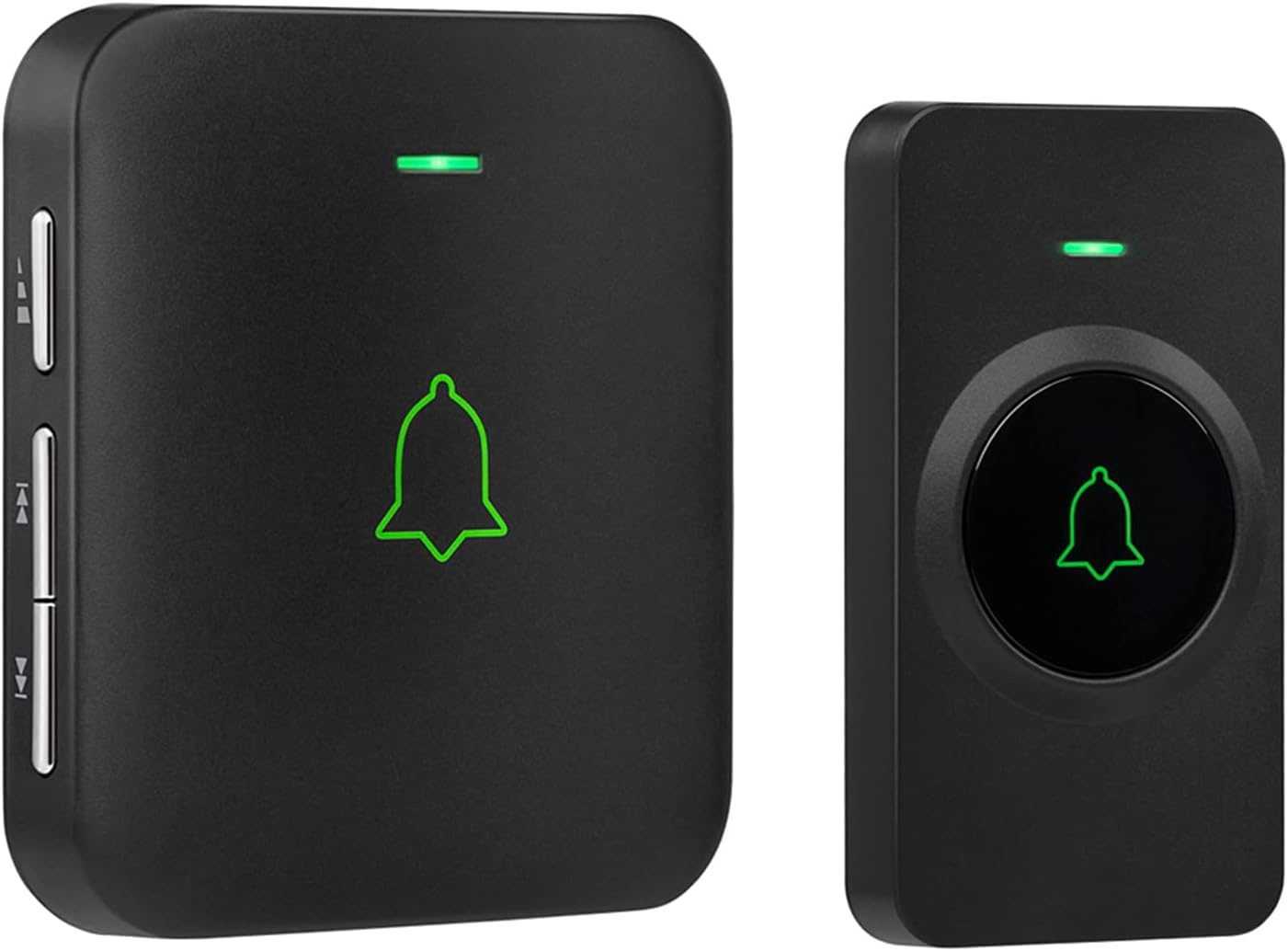
AVANTEK Wireless Doorbell CB-11 – 1000 ft Range, 1 Button + 1 Plug-In Receiver, 115 dB Volume, LED Flash, 52 Chimes, Waterproof, 3-Year Battery
$12.91 $17.99
50% OFF
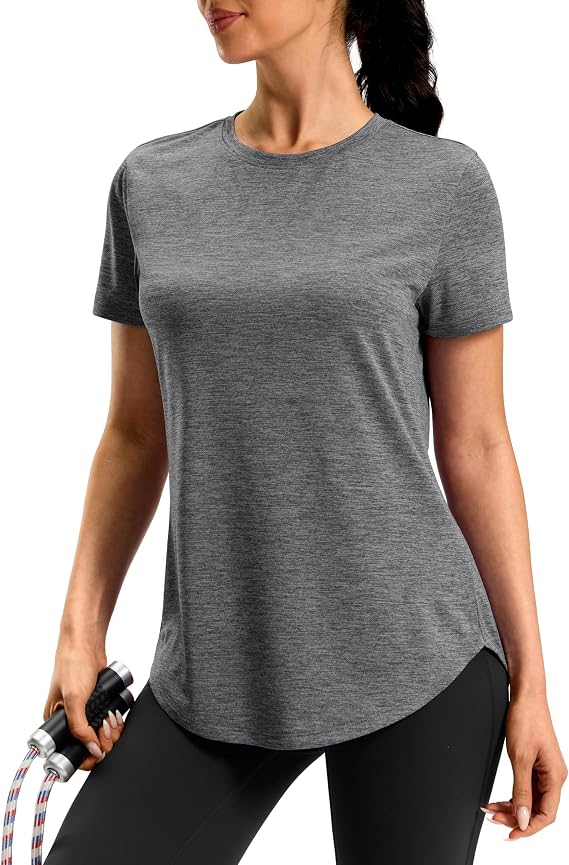
Women's Workout Shirts – Bum-Covering Length Short Sleeve Dry Fit Tops, Lightweight & Breathable for Athletic, Hiking, Running & Summer Wear
$6.99 $13.99
50% OFF
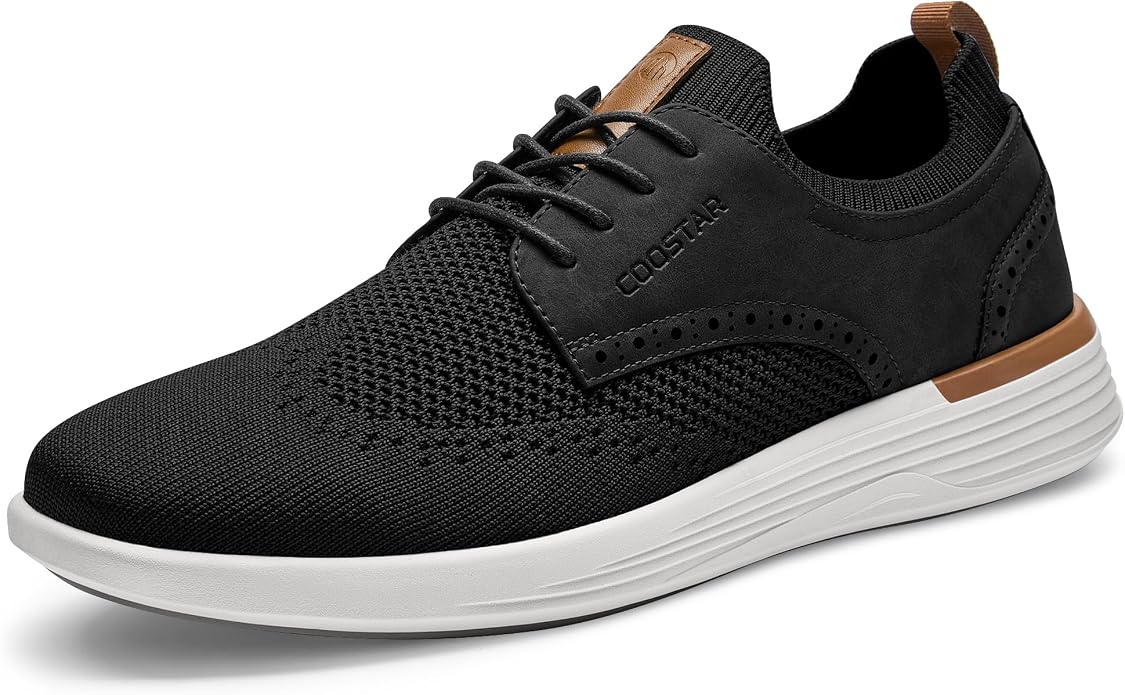
Coostar Men's Casual Dress Sneakers – Lightweight Wingtip Oxford Style with Breathable Knit Upper, Rubber Sole & Slip-On Elastic Collar, Business & Walking Shoe
$22.49 $44.99
45% OFF
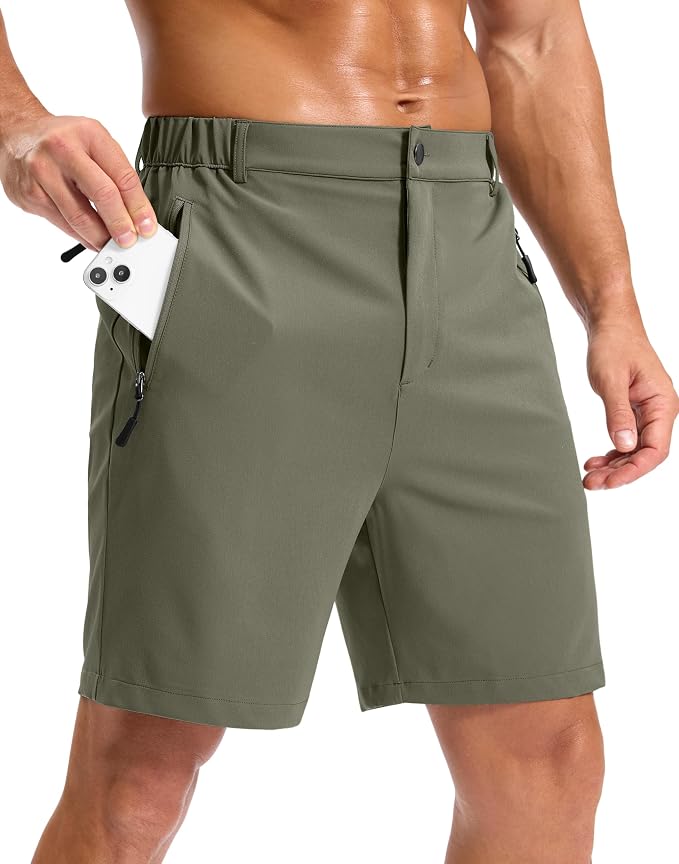
Pudolla Men's Quick Dry Hiking and Golf Shorts with 3 Zipper Pockets
$14.84 $26.99
50% OFF

Venture Pal Ceremonial Grade Matcha Green Tea Powder – First Harvest, Shade Grown, 100% Pure with No Additives, Unsweetened, Vegan & Gluten-Free, 30g Tin
$7.5 $14.99
40% OFF
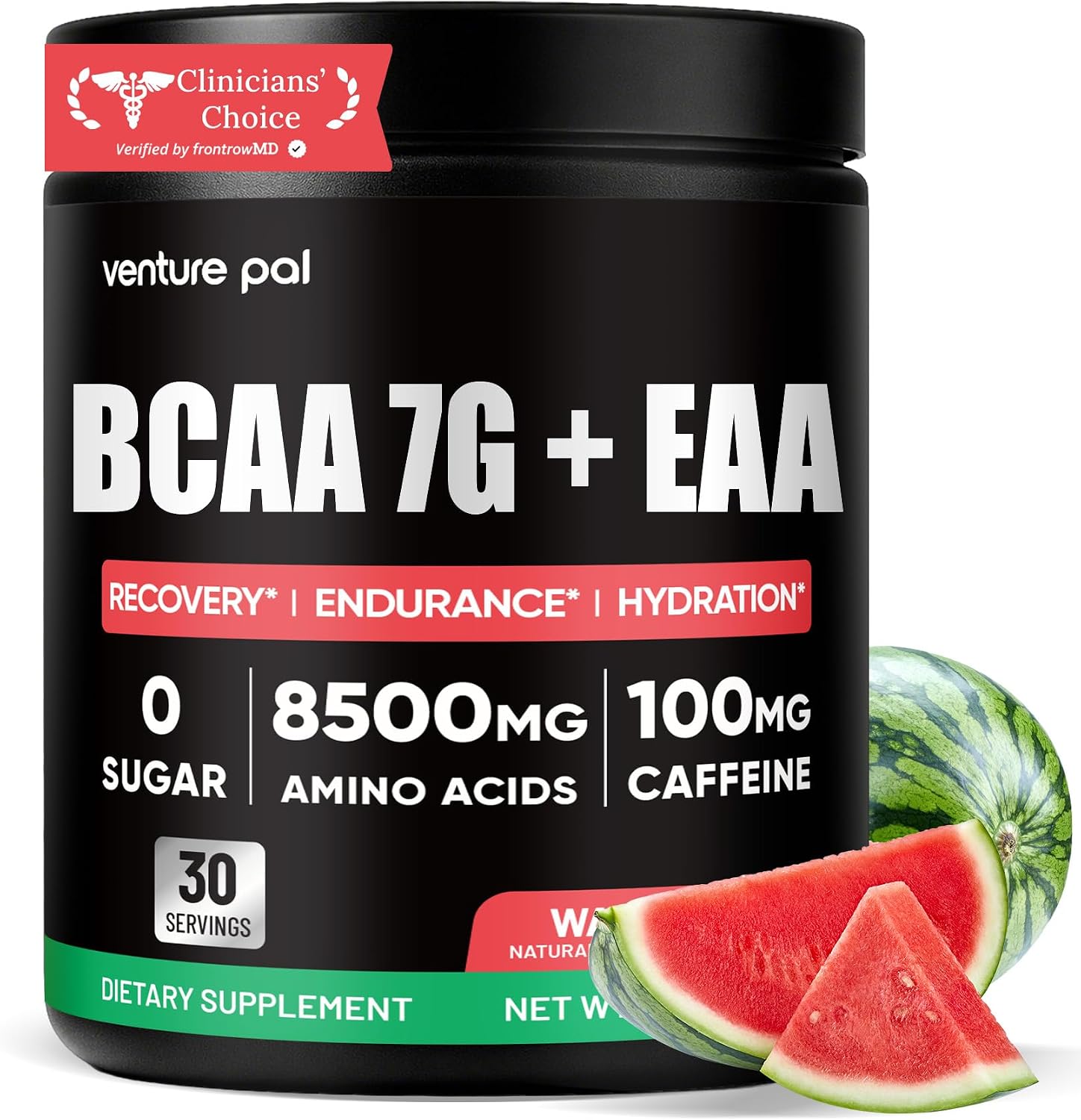
Venture Pal Sugar Free 7g BCAA + EAA Powder – 9 Essential Amino Acids with L-Glutamine, Caffeine, Electrolytes & Vitamins for Muscle Recovery, Growth & Hydration
$14.99 $24.99
30% OFF
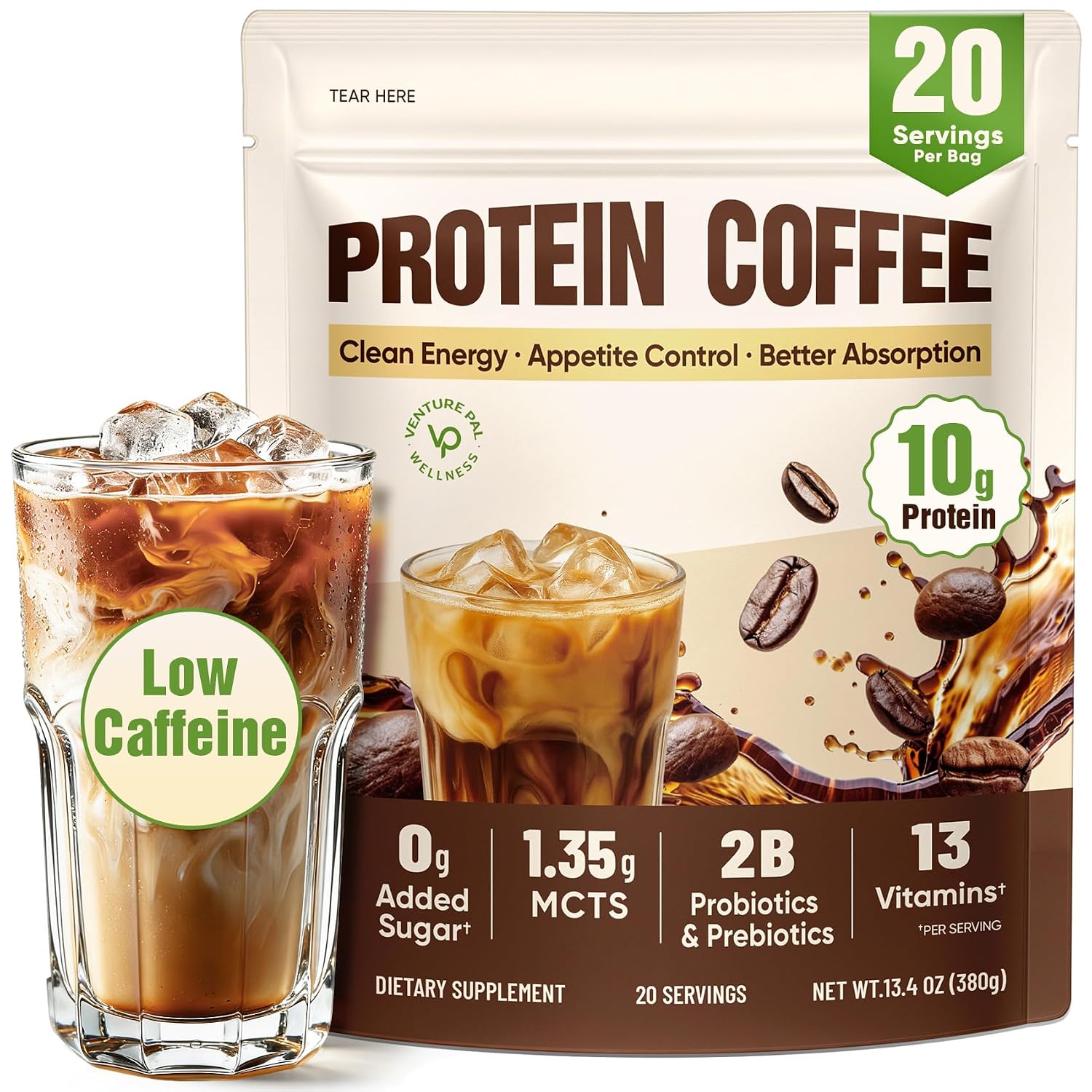
Venture Pal Sugar Free Protein Coffee – Cold Brew Mocha Instant Iced Coffee with MCT Oil, Probiotics, Fiber & 13 Vitamins, 70mg Caffeine, Keto & Gluten-Free, 20 Servings
$13.29 $18.99




-

Six injured after sign falls at Christian festival
-
Fundraising appeal grows for family of pastor killed at Christian festival
-

‘No easy answers,’ say church leaders after death of pastor at Christian festival
-

Christian festival organisers ‘heartbroken’ after festivalgoer dies in sign incident
-

I was a gay activist - then prayer and therapy saved my life
-

Dolly Parton’s lifelong Christian faith: ‘My music was more my ministry than a job’
Most Popular
related articles
Christian Groups Hold Anti-Gay Protest in Uganda
Christian Groups Hold Anti-Gay Protest in Uganda
News

Quarter of Gen Z women in Ireland could remain childless, says report
Almost a quarter of Gen Z women in Ireland could reach their mid-40s without having children if current demographic trends persist, according to a new report examining the country’s changing patterns of family formation.

Charles Spencer warns repair costs are leaving churches ‘struggling to survive’
Maintaining and conserving old churches has become even harder after the government removed a VAT exemption.

Scottish First Minister urged to rule out abortion up to point of birth
John Swinney has been urged to show "true leadership" on the issue.

Younger people drinking less than older generations
Is it a generational shift or a reflection of changing behaviour with age?
Women's Oversized Henley Crewneck Sweatshirt – Faux Layered 2-in-1 Pullover, No Hood, Long Sleeve Fall Top for Office, Travel & Teacher Outfits
$14.99
Coostar Men's Orthopedic Slip On Loafers – Hands-Free Casual Walking Shoes with Arch Support, Non-Slip Sole, Breathable Canvas Upper
$21.99
G Gradual Boys Athletic Rash Guard Shirt – UPF 50+ Dry Fit Swim & Sports T-Shirt, Short Sleeve Crew Neck for Soccer, Baseball, Basketball & Undershirt
$7.92
Mobile Rolling Clothing Rack with Wheels - Perfect for Home and Office
$20.79
Lumbar Support Pillow for Car with Headrest – Memory Foam Full-Length S-Curve Back & Neck Cushion for Long Drives, Fits Cars, SUVs & Trucks
$32.89
Soothfeel Men's Running Shorts with Zipper Pockets – Quick Dry Athletic Shorts in 9", 7" & 5" Inseams for Basketball, Gym & Workout
$12.91
Men's Slip On Walking Shoes – Hands-Free Casual Sneakers with Arch Support, Wide Stable Base, Breathable Knit Upper, Non-Slip Traction
$29.99
Pudolla Men's UPF 50+ Sun Shirt – Long Sleeve Quick Dry Hiking & Running Shirt with Thumb Holes, Lightweight Moisture-Wicking Rash Guard Base Layer
$11.99
Vilanva Women's Walking Shoes – Cushioned Lightweight Running Sneakers with Slip-Resistant Sole, Breathable Woven Upper for Everyday Wear & Workouts
$35.09
MUCAR 892BT AI-Assisted Bidirectional OBD2 Scan Tool with ECU Coding (8" Touchscreen)
$479
Rocoren 12-Pack Magnetic Cable Clips – 360° Rotating Cord Organizer with No-Residue Adhesive, Cord Holder for Desk, Nightstand, Wall, Car & Office, White
$6.5
Red Light Therapy Mask for Face – 7-Color LED Silicone Facial Mask, Cordless Rechargeable Skincare Device with 240 LEDs for Home & Travel
$39.99
Men's Slim Fit Polo Shirt – Quick Dry Moisture Wicking, High Elasticity, Athletic Fit Polo for Golf, Tennis, Work & Casual Wear (Runs Small, Size Up)
$6.99
AVANTEK Wireless Doorbell CB-11 – 1000 ft Range, 1 Button + 1 Plug-In Receiver, 115 dB Volume, LED Flash, 52 Chimes, Waterproof, 3-Year Battery
$12.91
Women's Workout Shirts – Bum-Covering Length Short Sleeve Dry Fit Tops, Lightweight & Breathable for Athletic, Hiking, Running & Summer Wear
$6.99
Coostar Men's Casual Dress Sneakers – Lightweight Wingtip Oxford Style with Breathable Knit Upper, Rubber Sole & Slip-On Elastic Collar, Business & Walking Shoe
$22.49
Pudolla Men's Quick Dry Hiking and Golf Shorts with 3 Zipper Pockets
$14.84
Venture Pal Ceremonial Grade Matcha Green Tea Powder – First Harvest, Shade Grown, 100% Pure with No Additives, Unsweetened, Vegan & Gluten-Free, 30g Tin
$7.5
Venture Pal Sugar Free 7g BCAA + EAA Powder – 9 Essential Amino Acids with L-Glutamine, Caffeine, Electrolytes & Vitamins for Muscle Recovery, Growth & Hydration
$14.99
Venture Pal Sugar Free Protein Coffee – Cold Brew Mocha Instant Iced Coffee with MCT Oil, Probiotics, Fiber & 13 Vitamins, 70mg Caffeine, Keto & Gluten-Free, 20 Servings
$13.29