
Christians around the world have spent the day praying for the persecuted church.
The focus of the day of prayer has changed to a different country every hour, with prayers being said for Bhutan, Nepal, Somalia and Yemen among other countries.
Christians in 30 countries signed up to take part in the day with special prayer gatherings.
In India, around 2,000 churches marked the day by ringing their bells.
In Turkey, churches have extended the Barnabas Fund initiative into a fortnight of prayer and fasting.
Barnabas Fund said: "It is a great encouragement to those who are suffering for their faith in Christ to know that they are not alone, and a shared event like the day of prayer is a reminder to us all that Christians are part of a global family."
One partner in Mali said: "It is with pleasure that we engage in this spiritual battle with the brothers and sisters around the world.
"Prayer is probably our most powerful and formidable weapon against the enemy."
-

Church of England faces ‘financial disaster’ without radical cuts, academics warn
-

‘The UK is a mission field’ - churches encouraged to embrace cross-cultural mission on their doorstep
-

Hillsong’s Joel Houston opens up about season of 'soul-searching' after difficult few years
-

The Conversion Practices Bill is weaponised vagueness
News
-

Priest dies after cross falls on him during livestreamed Mass
-

Hillsong’s Joel Houston opens up about season of 'soul-searching' after difficult few years
-

The Conversion Practices Bill is weaponised vagueness
-

Afghanistan's first dedicated Christian TV channel launches despite Taliban restrictions
-

Christians remember Aberfan disaster 60 years on
-

The Christian candidate who lost the election but won my respect
Most Popular
News

Major UK supermarket clothing brands fall behind Primark in ethical fashion rankings
BMS said that even the highest-rated companies have considerable room for improvement.
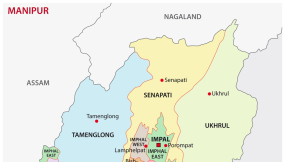
Fresh violence in Manipur leaves four dead as security is tightened
Security forces have stepped up operations in affected areas amid fears of further unrest.

Church of England faces ‘financial disaster’ without radical cuts, academics warn
A new report argues that dioceses have been strengthened at the expense of ordinary parishes.
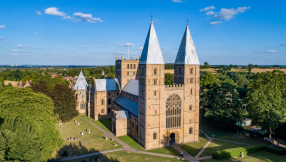
Southwell Minster faces closure amid £20m funding crisis
Southwell Minster is seeking urgent financial support to keep its doors open after decades of underinvestment that has left it needing around £20m to safeguard its historic building and grounds.








