
Christian and Muslim scholars meeting at Yale University for a discussion on peace and reconciliation this week forewarned that a clash of "global proportions" would inevitably unravel in the near future unless Christianity and Islam learn how to co-exist.
"Why have you come here?" asked Miroslav Volf, director of the Yale Divinity School's Center for Faith and Culture, in opening remarks at the "Common Word" conference Tuesday. "Because, as I do, you see [a] heavy and dangerous storm of Muslim-Christian tensions menacing the world in which we live."
According to Volf, the motto of the Yale conference, "Loving God and Neighbour in Word and Deed" is simple: "What bounds Christians and Muslims together is their common belief in the oneness of God and the commitment to love God and to love neighbour."
He said that although relations between Christians and Muslims have been at a low point since the Crusades, he saw the "Common Word Between Us and You" document among the "rays of sun" penetrating the dark storm. The letter, signed by 138 Muslim clerics in October, called on the two faith communities to move past "polite ecumenical dialogue" and toward more sincere discussions on peace.
Volf, who helped pen the Christian response to the Muslim letter, said that over 500 Christian leaders had endorsed the Christian statement because they too "sensed a danger of global proportions if the peace between Muslim and Christians did not win over".
While Volf did not mention how that danger might materialise in today's context, Prince Ghazi bin Muhummad of Jordan, who played a leading role in writing the Muslim letter, was more explicit in his foreboding address to the 150 high-profile Christian and Muslim leaders on Tuesday.
Prince Ghazi discredited one part of Samuel Huntington's 1993 vision by stating that post-9/11 governments of Islamic majority countries have not banded together against government of Christian majority countries. He said, however, that Huntington was correct in predicting that tensions between Christians and Muslims would heighten on a global level after the collapse of atheistic communism.
On that note, he boldly compared the hostility between Christian/Western societies and Muslims to the prejudices held by Rwanda's Hutu and Tutsi tribes before the 1994 genocide.
He said that such a predicament is "more likely" to happen when catastrophes such as global climate change strike and competition for food and other natural resources become more fierce.
On Monday, Senator John Kerry had appropriately summed up the lesson of the conference: "We must love one another or die."
The four-day conference, which concludes on Thursday, is the first inter-faith event to have spawned from the "Common Word" exchange. As part of its Reconciliation programme, the YCFC has scheduled four other conferences that will each take the peace initiative one step further. Those events will take place in October at Cambridge University, November at the Vatican, March 2009 at Georgetown University, and October 2009 at Royal Aal al-Bayt Institute in Jordan.
While inter-faith dialogue is nothing new, organisers and participants attending this week's conference were very optimistic of the implications that the "Common Word" dialogue would have on Christian-Muslim relations. Many speakers referred to the event as having the potential to be "historic" or "watershed".
Speakers on Tuesday also dedicated part of their addresses to respond to their critics.
Volf challenged the argument that religion would only fuel conflict rather than resolve it. He said he believes the world is becoming a "more religious" place and that in order for there to be peace among people, religion must be taken seriously.
"The deeper your faith is - and by deeper I mean more intelligent, more informed - the more in harmony with others you will be," he argued. "A deep faith does not lead to clashes."
Prince Ghazi characterised the "Common Word" letter as "an extended global handshake" or religious goodwill, friendship and inter-religious peace. He said it was not intended to "trick Christians or force Muslim theology on them or even to convert them to Islam".
"Neither was it intended," he added, "to reduce both our religions to an artificial union based on the two commandments."
A few of the main concerns raised by Christian theologians - including R Albert Mohler Jr, president of the Southern Baptist Theological Seminary and John Piper, pastor at Bethlehem Baptist Church - in their criticism of the Christian response letter were also addressed on Tuesday, during the first conference panel.
Earlier in the year, Mohler expressed his concerns that claims in the Christian letter did not "clearly define the Christian understanding of God as the Trinity". He also said he could not see why the letter had apologised for the Crusades, noting that he was "very thankful that the Muslim effort to reach a conquest of Europe was unsuccessful".
Piper also argued that what was missing from the Christian document was "a clear statement about what Christianity really is and how we can come together to talk with Muslims from our unique, distinctive, biblical standpoint". He further rejected the letter's emphasis on the common ground of the love of God, arguing that the love of God for Christians is starkly different from that of Islam.
But speaking on the topic "God is Loving", Christian panellists asserted their beliefs in the divinity of Jesus and the Triune God as necessary in understanding God as love.
"The centrality of love in Christian revelation ... stems directly from the startling fact that the revelation of God is in Christ," said the Rev David Burrell, Hesburgh Professor of Philosophy and Theology at the University of Notre Dame.
"So the telling similarity-come-difference of Islam and Christianity can be displayed in the parallel formulae: Christians believe that Jesus is the word of God made human while Muslims believe the Qu'ran to be the word of God made book."
Volf read from 1 John 4: 7-12, emphasising that Christians believe "God is love" as the basic claim and "God is loving" as the secondary claim.
God's love is not reactive, explained Volf, but originary. He went on to say that creation is the result of the already existing love of God.
He also affirmed that Christian belief in God's love cannot be understood apart from a Triune God: "God is the source; God is the word; God is the breath" or "God is the Father, God is the Son and God is the Holy Spirit.
"That is important for us as Christians because when we say that God is love, God can be love, self-giving love, only if God is internally self-differentiated. Because otherwise God would end up being the one who loves simply himself."
Other notable evangelicals participating in the panels included Geoff Tunnicliffe, international director of the World Evangelical Alliance, and Leith Anderson, president of the National Association of Evangelicals.
Tunnicliffe spoke on the subject of "Love and World Poverty" on Wednesday and is scheduled to deliver closing remarks on Thursday.
49% OFF

MANSPOT Electric Pubic Hair Trimmer - Waterproof Body and Groin Shaver for Men and Women (Black)
$20.39 $40
25% OFF

Lick-Safe Dog Paw and Nose Balm Stick - All-Natural Moisturizer with Coconut Oil for Dry, Cracked Pads and Snout
$11.69 $15.59
77% OFF
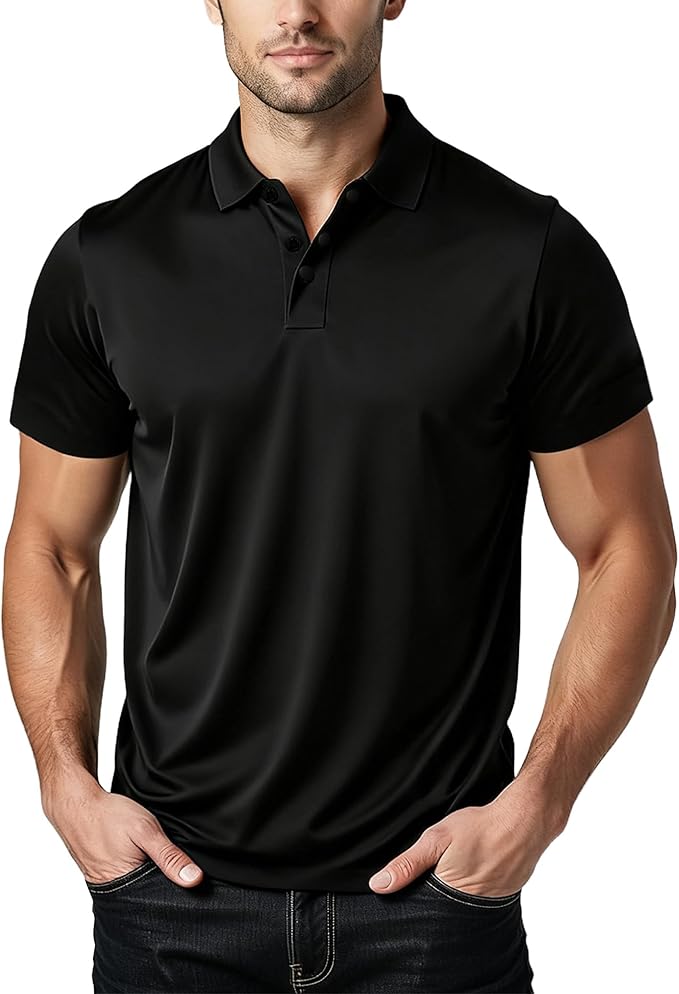
Men's Quick Dry Moisture Wicking Polo Shirt - High Elasticity Slim Fit Athletic Top (Runs Small)
$6.99 $29.99
46% OFF

Men's Running Shorts with Zipper Pockets - Lightweight, Quick-Dry, Multi-Sport
$12.95 $23.99
50% OFF

NEWFAST NF-RE523 AC1200 WiFi Extender - 1200Mbps Dual Band Signal Booster & Internet Repeater
$18.5 $36.99
48% OFF

G Gradual Men's 7-inch Workout Running Shorts - Lightweight, Quick-Dry, Comfort
$12.91 $24.99
30% OFF
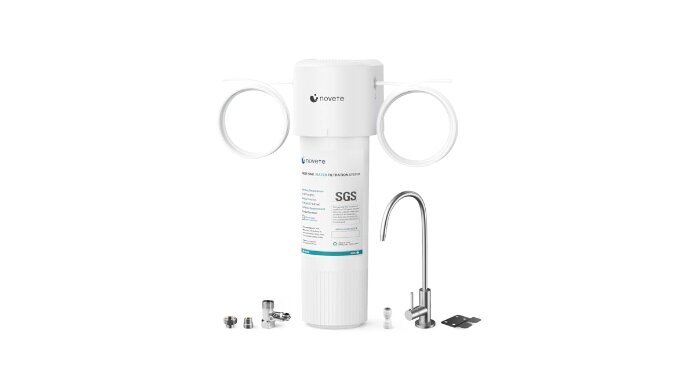
NOVETE Under Sink Water Filter - 3 Years, 30,000 Gallons, High-Efficiency Filtration
$41.99 $59.99
50% OFF

HDPE All-Weather Adirondack Chair with Built-In Cup Holder - Tool-Free Assembly (Grey)
$69.99 $139.99
60% OFF

HOMETUK Clear Plastic Storage Bins with Dividers - 3-Pack Stackable Acrylic Organizer Containers for Fridge and Pantry
$19.99 $49.99
58% OFF

G Gradual Men's Fishing Shirt - UPF 50+ Lightweight Short Sleeve Button Down with Zipper Pockets
$14.99 $35.99
55% OFF

Everyfun 60" Rectangular Platform Tree Swing - 700lbs Heavy Duty Adjustable Outdoor Swing (Colorful)
$49.99 $110.99
61% OFF

Ekouaer Women's Casual Loose Jumpsuit - One-Piece Printed Sleeveless Wide Leg Romper with Pockets
$14.99 $37.99
36% OFF

Men's Athletic Running Shorts with Zipper Pockets - Lightweight & Quick Dry
$12.74 $19.99
61% OFF

Modern Ceiling Fan with Light and Remote - Reversible Quiet DC Motor
$69.3 $179.99
50% OFF

MOOKA H13 True HEPA Air Purifier for Home Large Room - 1076 sq ft Odor Eliminator
$39.97 $79.95
40% OFF
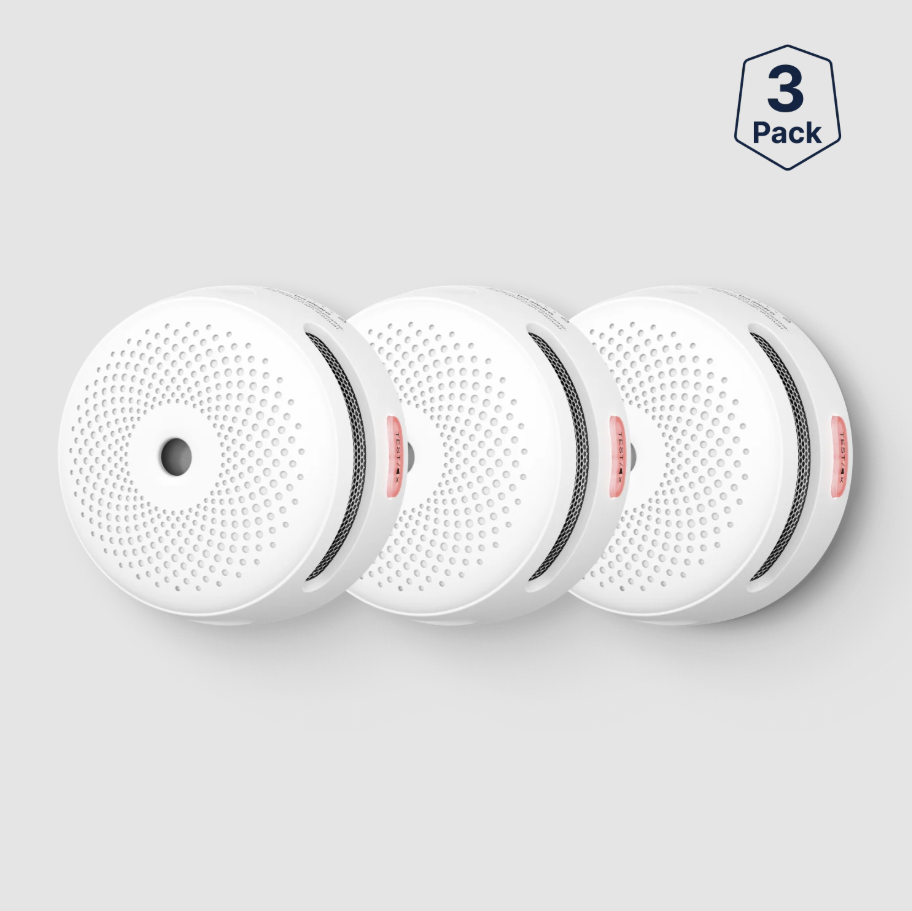
X-Sense XS01-WX Smart Smoke Alarm - 2.4 GHz Wi-Fi Photoelectric Fire Detector with Mobile App Alerts
$65.99 $109.99
11% OFF

VitaUp Beet Root Gummies with CoQ10 & Grape Seed - Nitric Oxide Circulation Support (60 Count)
$24.91 $27.91

Sealy 2-Pack Tritech 16" Twin Inflatable Air Mattress with Built-in AC Pump
$0 $113.99
20% OFF

INTEX Prism Frame 20ft x 52in Above Ground Pool Set - Round Steel Frame Swimming Pool
$695.99 $869.99

Gardner Pet 43" Heavy Duty Dog Crate with Wheels - Indestructible Folding Metal Cage (Black)
$0 $149.99




-

Diary of a CEO’s Steven Bartlett and John Lennox discuss AI, faith and the search for meaning
-

Belfast churches 'heartbroken' over unrest
-

Is there a two-tier Britain?
-

Churches must disciple well and listen well in response to rise of Christian nationalism
-

Biblical models and the creation of King Arthur
-

Welsh reverend speaks of culture of fear over LGBT issues
Most Popular
News

Gloucester churches come together to bless River Avon amid pollution concerns
It is part of a broader campaign against river pollution as concerns remain about the amount of untreated sewage in the Avon.

Life beyond burnout: how Christians can grow in the desert seasons
Christian Today speaks to author and Anglican priest Tish Harrison Warren about growth in desert seasons and why the Church shouldn’t treat all spiritual weariness as a problem to fix.
Iranian-born bishop stands in solidarity with Britain's Jews
2025 had the second highest number of antisemitic incidents on record.

Bishops protest Israeli arrest of another Palestinian Christian
An Evangelical Lutheran has been accused of "promoting terrorist activities".
MANSPOT Electric Pubic Hair Trimmer - Waterproof Body and Groin Shaver for Men and Women (Black)
$20.39
Lick-Safe Dog Paw and Nose Balm Stick - All-Natural Moisturizer with Coconut Oil for Dry, Cracked Pads and Snout
$11.69
Men's Quick Dry Moisture Wicking Polo Shirt - High Elasticity Slim Fit Athletic Top (Runs Small)
$6.99
Men's Running Shorts with Zipper Pockets - Lightweight, Quick-Dry, Multi-Sport
$12.95
NEWFAST NF-RE523 AC1200 WiFi Extender - 1200Mbps Dual Band Signal Booster & Internet Repeater
$18.5
G Gradual Men's 7-inch Workout Running Shorts - Lightweight, Quick-Dry, Comfort
$12.91
NOVETE Under Sink Water Filter - 3 Years, 30,000 Gallons, High-Efficiency Filtration
$41.99
HDPE All-Weather Adirondack Chair with Built-In Cup Holder - Tool-Free Assembly (Grey)
$69.99
HOMETUK Clear Plastic Storage Bins with Dividers - 3-Pack Stackable Acrylic Organizer Containers for Fridge and Pantry
$19.99
G Gradual Men's Fishing Shirt - UPF 50+ Lightweight Short Sleeve Button Down with Zipper Pockets
$14.99
Everyfun 60" Rectangular Platform Tree Swing - 700lbs Heavy Duty Adjustable Outdoor Swing (Colorful)
$49.99
Ekouaer Women's Casual Loose Jumpsuit - One-Piece Printed Sleeveless Wide Leg Romper with Pockets
$14.99
Men's Athletic Running Shorts with Zipper Pockets - Lightweight & Quick Dry
$12.74
Modern Ceiling Fan with Light and Remote - Reversible Quiet DC Motor
$69.3
MOOKA H13 True HEPA Air Purifier for Home Large Room - 1076 sq ft Odor Eliminator
$39.97
X-Sense XS01-WX Smart Smoke Alarm - 2.4 GHz Wi-Fi Photoelectric Fire Detector with Mobile App Alerts
$65.99
VitaUp Beet Root Gummies with CoQ10 & Grape Seed - Nitric Oxide Circulation Support (60 Count)
$24.91
Sealy 2-Pack Tritech 16" Twin Inflatable Air Mattress with Built-in AC Pump
$0
INTEX Prism Frame 20ft x 52in Above Ground Pool Set - Round Steel Frame Swimming Pool
$695.99
Gardner Pet 43" Heavy Duty Dog Crate with Wheels - Indestructible Folding Metal Cage (Black)
$0