
Prepare for some good news in 2009. Despite the terrible start in Gaza and other endemic conflicts, governments committed to shared security are set to reach an historic milestone this year. Specifically, the number of countries protected by nuclear-weapon-free zones is set to jump to 110 countries from 56 at present.
The change will come from an African capital, like Windhoek or Bujumbura, as soon as two more governments ratify the treaty making Africa a nuclear-weapon-free zone. Churches are promoting the step, and linking Africa's action to the need for similar progress in the Middle East.
"This will be good news on the nuclear front for Africa and the world," notes Ambassador Bethuel Kiplagat, a senior African statesman. Kiplagat is leading a World Council of Churches (WCC) initiative to help bring the Africa Nuclear-Weapon-Free Zone Treaty into force, with church action nationally to support an international goal.
A recent ecumenical delegation to Namibia received a positive response from top government officials there. Ratification of the Africa treaty will mean that the whole southern hemisphere and adjoining regions are protected. Latin America and the Caribbean, Southeast Asia, the South Pacific and Central Asia have also set up zones that exclude nuclear arms and related activities.
The focus on collective international security has been growing for months, with ecumenical participation of different kinds. "The commitment of world religions to shared security means bringing governments to make good on their promise to free the world of nuclear weapons," WCC president for Asia Soritua Nababan told a summit of world religious leaders in Japan on the eve of last year's G8 meeting.
The advent of a new administration in the United States has already helped push nuclear treaties higher on the world agenda. Curbing nuclear fuels and banning all nuclear tests will be central issues at major United Nations conferences the WCC will attend in Geneva and New York in 2009. For churches, the trend means that 60 years of disarmament policies reinforced by all WCC Assemblies have a future again after years of frustration.
"You will see fundamental transformation of US nuclear policies," an adviser to President Obama during his election campaign, Joseph Cirincione, told groups including the WCC at a European Parliament conference last month. "These will include reaching out early to the Russian government and negotiating deep cuts in nuclear arsenals," said Cirincione, who is president of a fund that builds civil society capacity in the field, the Ploughshares Foundation.
In a major address late last year, UN secretary general Ban Ki-Moon called the abolition of nuclear weapons "a global public good of the highest order". He said progress would come via the rule of law, including treaties establishing nuclear-weapon-free zones in Africa and, unavoidably, the Middle East. The UN leader noted the essential role of the main nuclear arms control treaty (known by its acronym, NPT) and the UN Conference on Disarmament in Geneva. Ecumenical and interfaith delegations attend both forums regularly.
To promote the nuclear-weapon-free zones in Africa and the Middle East, the WCC has established contacts in 50 countries with representatives of governments, civil society and religious groups.
The Middle East project is based on cooperation among the three Abrahamic faiths, including some of the signatories of a historic letter from Muslim to Christian leaders in 2007 which condemned weapons of mass destruction. Both the Africa and Middle East initiatives implement WCC Assembly and governing body resolutions.
Uranium, a dangerous resource
"Africa has enormous nuclear resources as well as a calling and commitment to disarmament and to keeping out nuclear weapons," says Ambassador Kiplagat. Namibia, for example, is on course to become the world's largest exporter of uranium. Its leaders are eager to protect the resource from outside control.
The Africa nuclear weapon free zone would provide countries like Namibia with safeguards over security, environment and commerce. Without such regulation, a country with this rare and dangerous mineral may face a situation where uranium is traded like blood diamonds, United Congregational Church in Southern Africa president Andre September noted during the WCC meetings in Namibia.
Professor Tinyiko Maluleke, chairperson of the South Africa Council of Churches, told the WCC delegation that in Africa nuclear energy and armaments have to be seen "through different lenses – in relation to a 'people's budget', for example, and against the need for human security and for environmental protection". South Africa is the only African state that has had nuclear weapons.
"It is an exercise of faith to meet the common threat that nuclear arms pose to human life, to all forms of life and to the stewardship of God's creation," WCC president Nababan told the world religious leaders summit in Japan last year.
Nababan noted that reducing the nuclear threat now will bring benefits in different fields. He said that churches see the nuclear crisis as a political, economic, environmental, and spiritual crisis.
It is political, he said, because the world is divided into a few nuclear "haves" and many nuclear "have-nots"; economic, because nuclear weapons programs are the costliest items in the world's largest military budgets; environmental because, like climate change, nuclear weapons are a misuse of energy that is sufficient to threaten life on the planet; spiritual and psychological because nuclear weapons demand of their owners the opposite of what God intends for the human community.
Recent moves against nuclear weapons also include a global civil society initiative to eliminate nuclear arsenals, called "Global Zero"; 500 cities in 2008 joining an anti-nuclear coalition called Mayors for Peace which now links 2,600 city governments; a new European Union proposal for a global ban on nuclear testing and on fissile material production; UK churches lobbying against their government's renewal of its nuclear arsenal; and a recent ecumenical conference in Seoul that challenged churches to respond globally to nuclear threats against nations.
Churches and related groups that work against nuclear and other weapons of mass destruction are contributing to the WCC Decade to Overcome Violence, to its final regional focus on Africa and to the 2011 International Ecumenical Peace Convocation. The 2011 event takes place in the Caribbean, which is part of the world's first nuclear-weapon-free zone.
49% OFF
MANSPOT Electric Pubic Hair Trimmer - Waterproof Body and Groin Shaver for Men and Women (Black)
$20.39 $40
25% OFF

Lick-Safe Dog Paw and Nose Balm Stick - All-Natural Moisturizer with Coconut Oil for Dry, Cracked Pads and Snout
$11.69 $15.59
77% OFF
Men's Quick Dry Moisture Wicking Polo Shirt - High Elasticity Slim Fit Athletic Top (Runs Small)
$6.99 $29.99
46% OFF
Men's Running Shorts with Zipper Pockets - Lightweight, Quick-Dry, Multi-Sport
$12.95 $23.99
50% OFF
NEWFAST NF-RE523 AC1200 WiFi Extender - 1200Mbps Dual Band Signal Booster & Internet Repeater
$18.5 $36.99
48% OFF
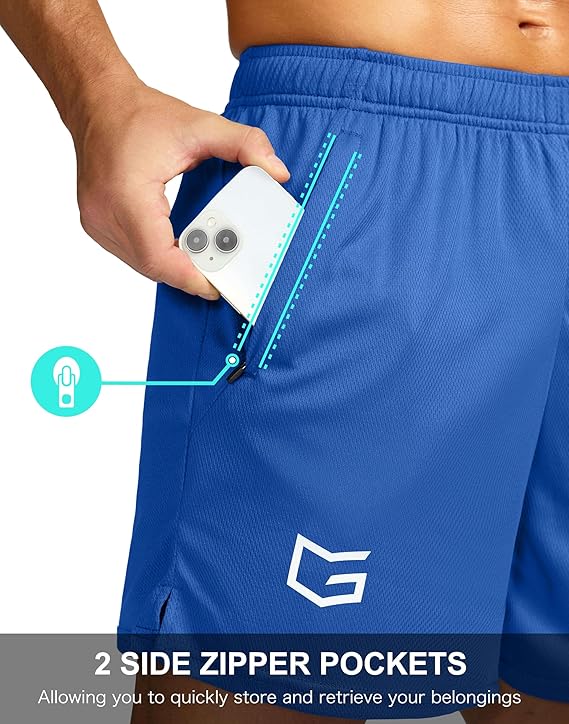
G Gradual Men's 7-inch Workout Running Shorts - Lightweight, Quick-Dry, Comfort
$12.91 $24.99
30% OFF
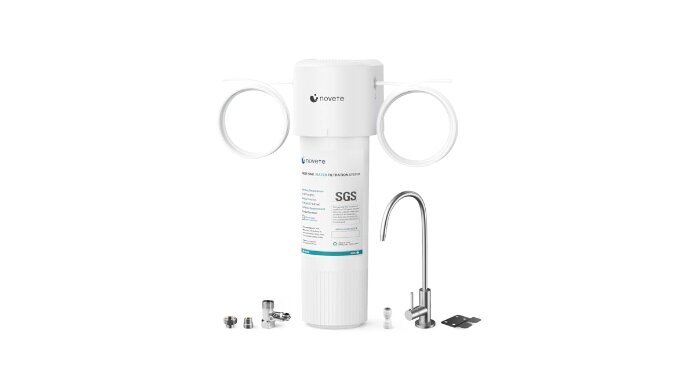
NOVETE Under Sink Water Filter - 3 Years, 30,000 Gallons, High-Efficiency Filtration
$41.99 $59.99
50% OFF

HDPE All-Weather Adirondack Chair with Built-In Cup Holder - Tool-Free Assembly (Grey)
$69.99 $139.99
60% OFF

HOMETUK Clear Plastic Storage Bins with Dividers - 3-Pack Stackable Acrylic Organizer Containers for Fridge and Pantry
$19.99 $49.99
58% OFF

G Gradual Men's Fishing Shirt - UPF 50+ Lightweight Short Sleeve Button Down with Zipper Pockets
$14.99 $35.99
55% OFF

Everyfun 60" Rectangular Platform Tree Swing - 700lbs Heavy Duty Adjustable Outdoor Swing (Colorful)
$49.99 $110.99
61% OFF

Ekouaer Women's Casual Loose Jumpsuit - One-Piece Printed Sleeveless Wide Leg Romper with Pockets
$14.99 $37.99
36% OFF

Men's Athletic Running Shorts with Zipper Pockets - Lightweight & Quick Dry
$12.74 $19.99
61% OFF

Modern Ceiling Fan with Light and Remote - Reversible Quiet DC Motor
$69.3 $179.99
50% OFF

MOOKA H13 True HEPA Air Purifier for Home Large Room - 1076 sq ft Odor Eliminator
$39.97 $79.95
40% OFF
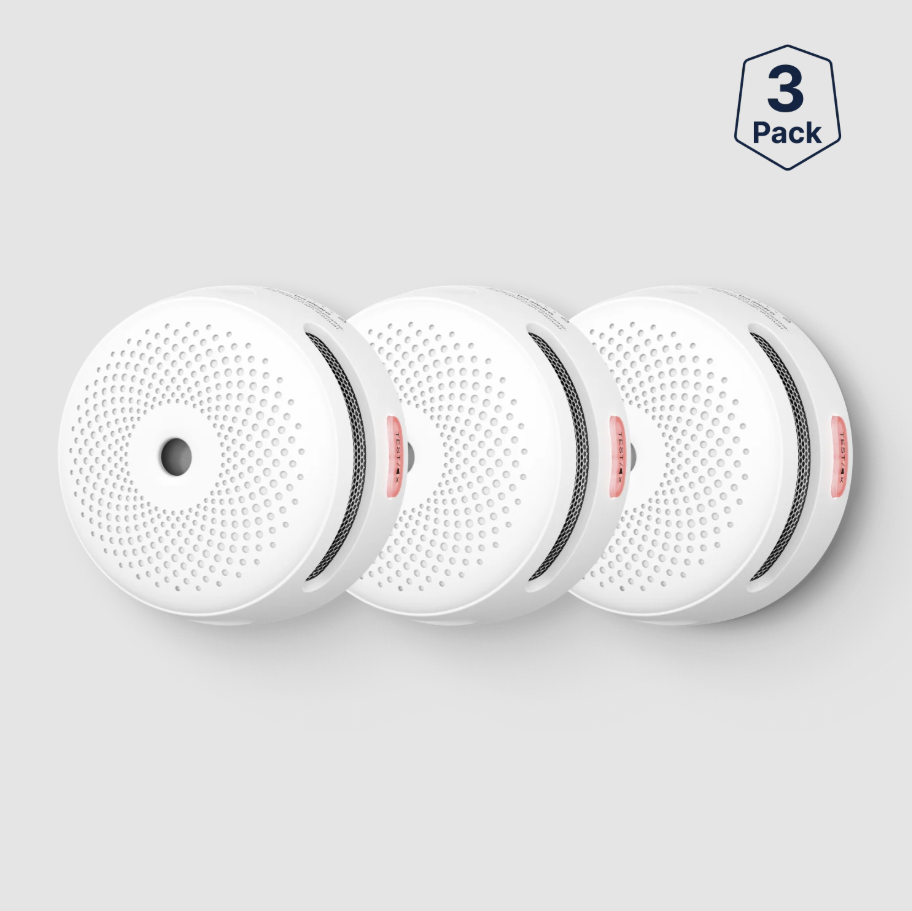
X-Sense XS01-WX Smart Smoke Alarm - 2.4 GHz Wi-Fi Photoelectric Fire Detector with Mobile App Alerts
$65.99 $109.99
11% OFF

VitaUp Beet Root Gummies with CoQ10 & Grape Seed - Nitric Oxide Circulation Support (60 Count)
$24.91 $27.91

Sealy 2-Pack Tritech 16" Twin Inflatable Air Mattress with Built-in AC Pump
$0 $113.99
20% OFF

INTEX Prism Frame 20ft x 52in Above Ground Pool Set - Round Steel Frame Swimming Pool
$695.99 $869.99

Gardner Pet 43" Heavy Duty Dog Crate with Wheels - Indestructible Folding Metal Cage (Black)
$0 $149.99




-

Diary of a CEO’s Steven Bartlett and John Lennox discuss AI, faith and the search for meaning
-
Belfast churches 'heartbroken' over unrest
-

Is there a two-tier Britain?
-
Churches must disciple well and listen well in response to rise of Christian nationalism
-
Biblical models and the creation of King Arthur
-

Welsh reverend speaks of culture of fear over LGBT issues
Most Popular
News
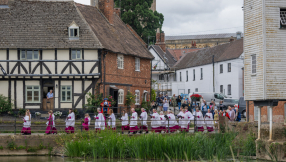
Gloucester churches come together to bless River Avon amid pollution concerns
It is part of a broader campaign against river pollution as concerns remain about the amount of untreated sewage in the Avon.

Life beyond burnout: how Christians can grow in the desert seasons
Christian Today speaks to author and Anglican priest Tish Harrison Warren about growth in desert seasons and why the Church shouldn’t treat all spiritual weariness as a problem to fix.
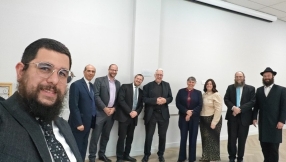
Iranian-born bishop stands in solidarity with Britain's Jews
2025 had the second highest number of antisemitic incidents on record.

Bishops protest Israeli arrest of another Palestinian Christian
An Evangelical Lutheran has been accused of "promoting terrorist activities".
MANSPOT Electric Pubic Hair Trimmer - Waterproof Body and Groin Shaver for Men and Women (Black)
$20.39
Lick-Safe Dog Paw and Nose Balm Stick - All-Natural Moisturizer with Coconut Oil for Dry, Cracked Pads and Snout
$11.69
Men's Quick Dry Moisture Wicking Polo Shirt - High Elasticity Slim Fit Athletic Top (Runs Small)
$6.99
Men's Running Shorts with Zipper Pockets - Lightweight, Quick-Dry, Multi-Sport
$12.95
NEWFAST NF-RE523 AC1200 WiFi Extender - 1200Mbps Dual Band Signal Booster & Internet Repeater
$18.5
G Gradual Men's 7-inch Workout Running Shorts - Lightweight, Quick-Dry, Comfort
$12.91
NOVETE Under Sink Water Filter - 3 Years, 30,000 Gallons, High-Efficiency Filtration
$41.99
HDPE All-Weather Adirondack Chair with Built-In Cup Holder - Tool-Free Assembly (Grey)
$69.99
HOMETUK Clear Plastic Storage Bins with Dividers - 3-Pack Stackable Acrylic Organizer Containers for Fridge and Pantry
$19.99
G Gradual Men's Fishing Shirt - UPF 50+ Lightweight Short Sleeve Button Down with Zipper Pockets
$14.99
Everyfun 60" Rectangular Platform Tree Swing - 700lbs Heavy Duty Adjustable Outdoor Swing (Colorful)
$49.99
Ekouaer Women's Casual Loose Jumpsuit - One-Piece Printed Sleeveless Wide Leg Romper with Pockets
$14.99
Men's Athletic Running Shorts with Zipper Pockets - Lightweight & Quick Dry
$12.74
Modern Ceiling Fan with Light and Remote - Reversible Quiet DC Motor
$69.3
MOOKA H13 True HEPA Air Purifier for Home Large Room - 1076 sq ft Odor Eliminator
$39.97
X-Sense XS01-WX Smart Smoke Alarm - 2.4 GHz Wi-Fi Photoelectric Fire Detector with Mobile App Alerts
$65.99
VitaUp Beet Root Gummies with CoQ10 & Grape Seed - Nitric Oxide Circulation Support (60 Count)
$24.91
Sealy 2-Pack Tritech 16" Twin Inflatable Air Mattress with Built-in AC Pump
$0
INTEX Prism Frame 20ft x 52in Above Ground Pool Set - Round Steel Frame Swimming Pool
$695.99
Gardner Pet 43" Heavy Duty Dog Crate with Wheels - Indestructible Folding Metal Cage (Black)
$0