
As G20 leaders prepare to meet in London to try to agree how to maintain financial stability in the present economic meltdown, a new report reveals for the first time the massive global cost of tax dodging by big business.
New research commissioned by Christian Aid claims that billions of pounds are being lost each year to countries both rich and poor.
The report 'False Profits: robbing the poor to keep the rich tax-free', is a shocking indictment of a financial system that allows such abuse to thrive.
Author Dr David McNair, Christian Aid’s senior economic justice adviser, said today: "Paying as little tax as possible, regardless of the social consequences, has for many become an acceptable way of doing business. The money lost could be used to provide schools, hospitals and better living conditions worldwide."
Known collectively as “trade mispricing” the abuse involves manipulating figures to keep profits low in countries where they will incur a higher level of tax.
The major culprits are subsidiaries of the same parent multinationals filing false figures when they trade with each other, and companies that are independent of each other making secret deals to do the same thing.
"Much of the money flows via tax havens into the pockets of shareholders in the industrialised world," said Dr McNair. "All too frequently, the victims are poorer countries where the tax authorities have neither the expertise nor the resources to fight back."
The research, broken down by country and by trade sector, shows that between 2005-2007 the total amount of capital flow from bilateral trade mispricing into the EU and US alone from non EU countries was an estimated £581.4bn. If tax had been levied on this capital at current rates, the report states, non-EU countries would have raised £190.8bn in revenue.
Christian Aid says that the findings are consistent with its recent global estimate that trade mispricing deprives the developing world of US$160bn in tax each year. If allocated in the war against poverty according to current spending patterns, Christian Aid said the sum could save the lives of 350,000 children under the age of five annually.
Examples in False Profits include the import into Spain in 2007 of 40 million refrigerator-freezer units from China at a cost of just 18p each, and 26 million units at only 38p each. This resulted in £5.53bn being shifted out of China.
In the same year, Malaysia exported huge quantities of fixed resistors (an electronic component) to the US through a total of 18 separate transactions at prices lower than one cent. This resulted in £81.97bn being shifted out of Malaysia.
In two months in 2005, the UK imported more than 35,000 sharpening and grinding machines from Australia. Priced variously at 2p or 3p each, this resulted in an estimated shift of £164.89 million to the UK.
G20 countries from the developing world such as Argentina, Brazil, India and China, meanwhile, lost £119.5bn to the EU and the US in capital flow between 2005 and 2007 due to bilateral trade mispricing, the report reveals. Meanwhile the very poorest countries lost £5.78bn.
Christian Aid is calling for a new accounting standard to force companies trading internationally to reveal how much profit they make, and how much tax they pay in every country where they operate.
"That way manipulated figures could be quickly spotted," the aid agency said.
It also wants the G20 to agree on a truly multilateral deal on automatic exchange of tax information between jurisdictions with strong sanctions against those that do not cooperate. This, Christian Aid says, will bring an end to the secrecy that tax havens at present offer.
"Anything less will not deliver the change that developing countries so desperately need," it says.
Christian Aid’s research was carried out by Professor Simon Pak, president of the Trade Research Institute Inc, in the US who analysed global bilateral trade with the EU, UK, US and Republic of Ireland in every product from nuclear reactors to cornflakes.
He calculated the parameters of the normal price range for products traded between countries, and estimated the amount of capital shifted by trades that were outside that normal price range.
49% OFF
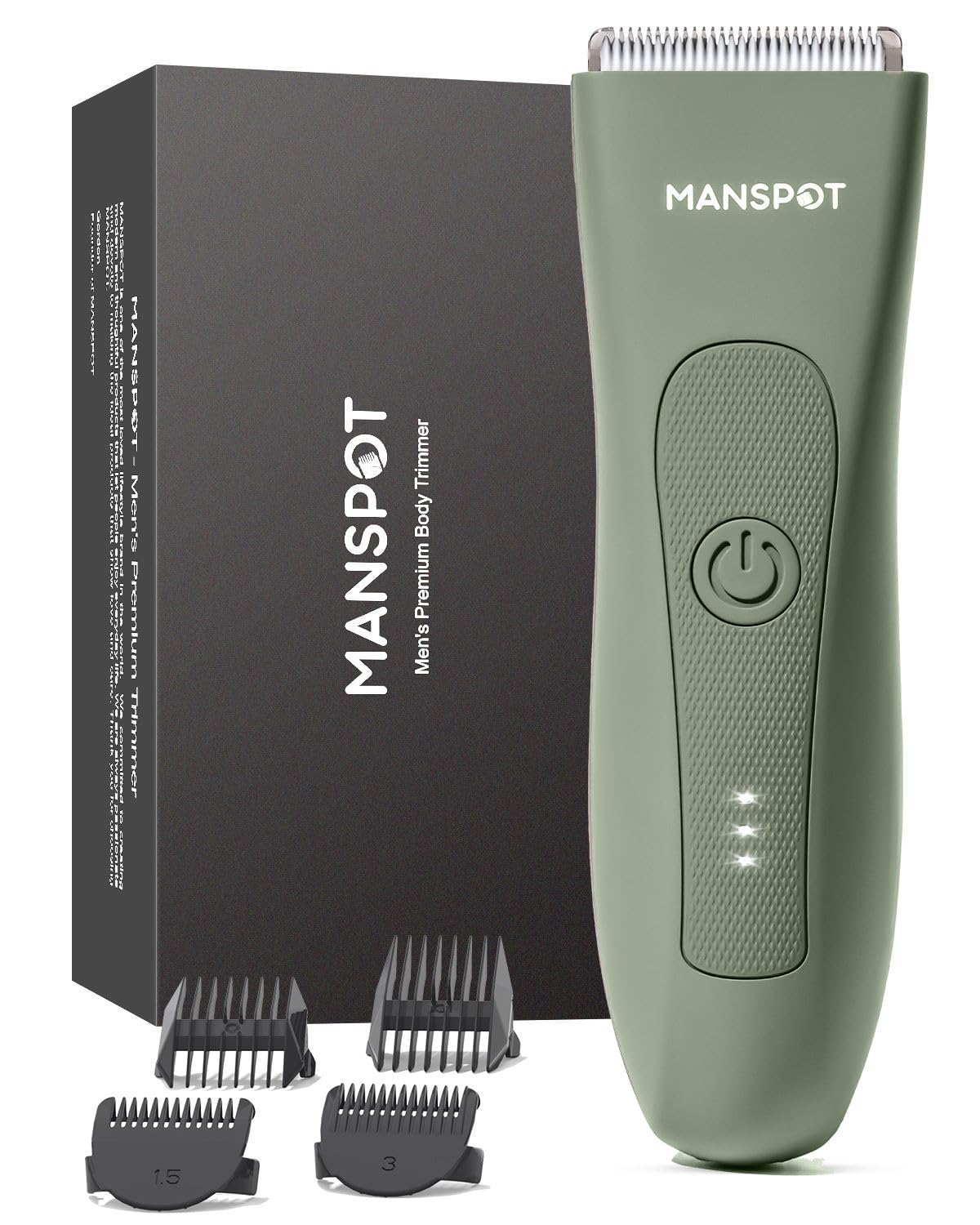
MANSPOT Electric Pubic Hair Trimmer - Waterproof Body and Groin Shaver for Men and Women (Black)
$20.39 $40
25% OFF
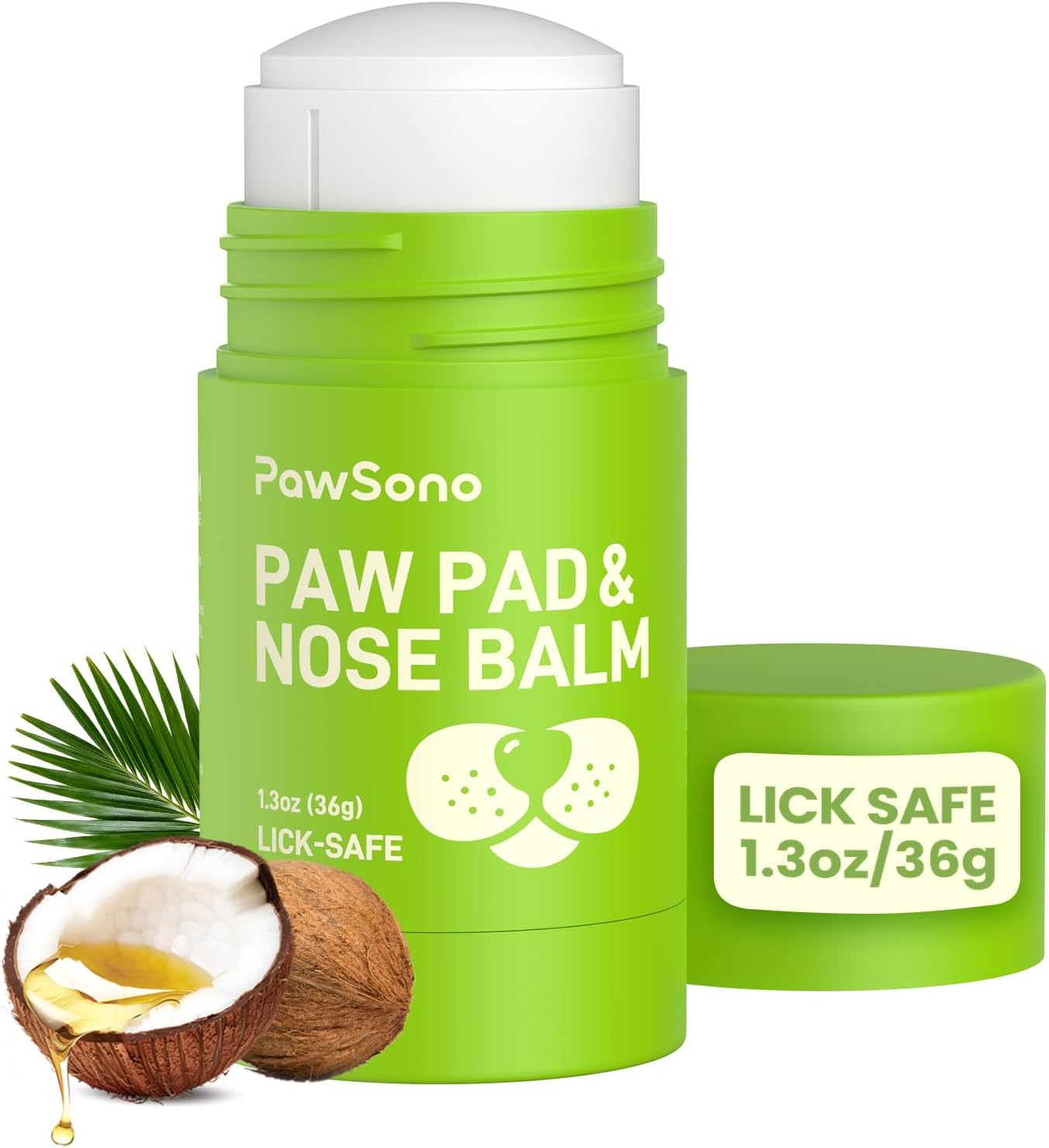
Lick-Safe Dog Paw and Nose Balm Stick - All-Natural Moisturizer with Coconut Oil for Dry, Cracked Pads and Snout
$11.69 $15.59
77% OFF
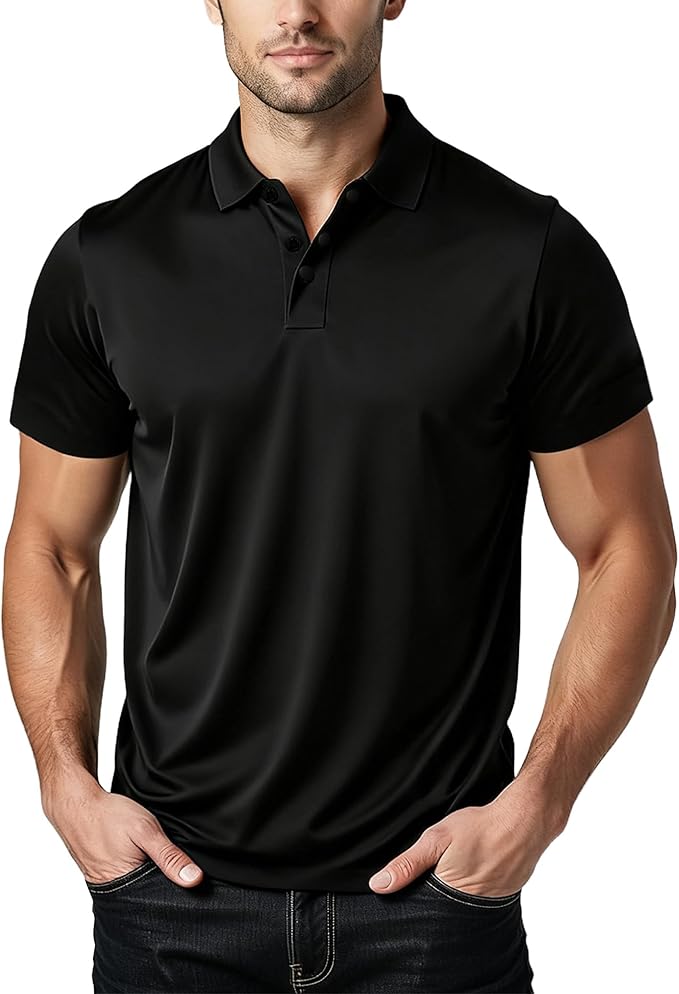
Men's Quick Dry Moisture Wicking Polo Shirt - High Elasticity Slim Fit Athletic Top (Runs Small)
$6.99 $29.99
46% OFF
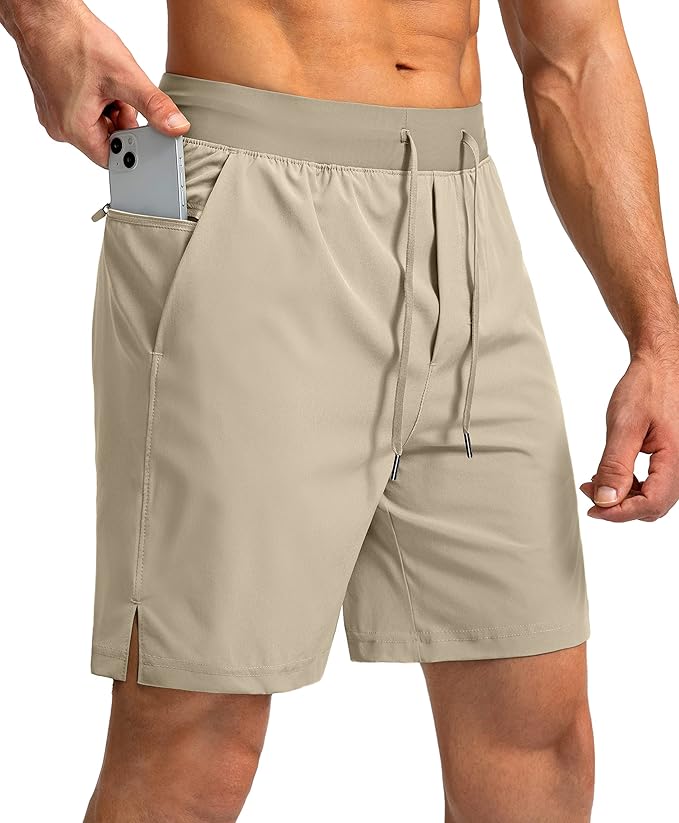
Men's Running Shorts with Zipper Pockets - Lightweight, Quick-Dry, Multi-Sport
$12.95 $23.99
50% OFF

NEWFAST NF-RE523 AC1200 WiFi Extender - 1200Mbps Dual Band Signal Booster & Internet Repeater
$18.5 $36.99
48% OFF
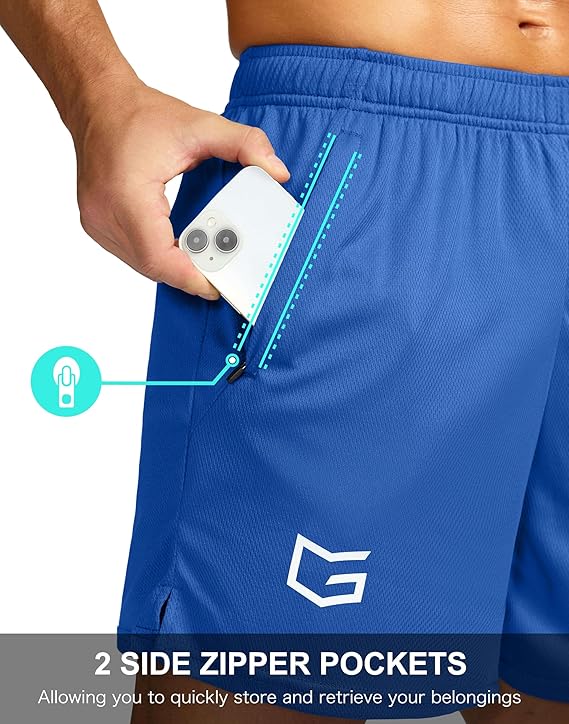
G Gradual Men's 7-inch Workout Running Shorts - Lightweight, Quick-Dry, Comfort
$12.91 $24.99
30% OFF
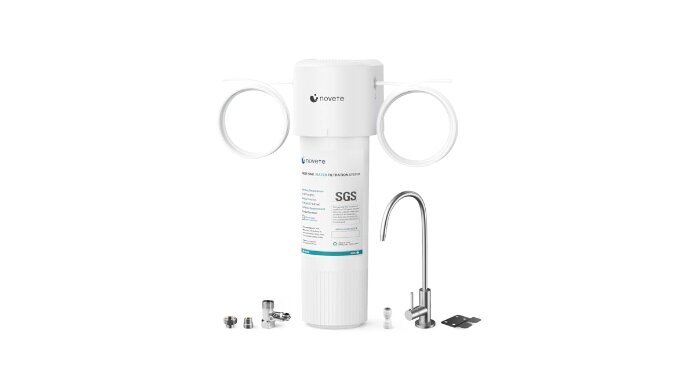
NOVETE Under Sink Water Filter - 3 Years, 30,000 Gallons, High-Efficiency Filtration
$41.99 $59.99
50% OFF

HDPE All-Weather Adirondack Chair with Built-In Cup Holder - Tool-Free Assembly (Grey)
$69.99 $139.99
60% OFF

HOMETUK Clear Plastic Storage Bins with Dividers - 3-Pack Stackable Acrylic Organizer Containers for Fridge and Pantry
$19.99 $49.99
58% OFF

G Gradual Men's Fishing Shirt - UPF 50+ Lightweight Short Sleeve Button Down with Zipper Pockets
$14.99 $35.99
55% OFF

Everyfun 60" Rectangular Platform Tree Swing - 700lbs Heavy Duty Adjustable Outdoor Swing (Colorful)
$49.99 $110.99
61% OFF

Ekouaer Women's Casual Loose Jumpsuit - One-Piece Printed Sleeveless Wide Leg Romper with Pockets
$14.99 $37.99
36% OFF

Men's Athletic Running Shorts with Zipper Pockets - Lightweight & Quick Dry
$12.74 $19.99
61% OFF

Modern Ceiling Fan with Light and Remote - Reversible Quiet DC Motor
$69.3 $179.99
50% OFF

MOOKA H13 True HEPA Air Purifier for Home Large Room - 1076 sq ft Odor Eliminator
$39.97 $79.95
40% OFF
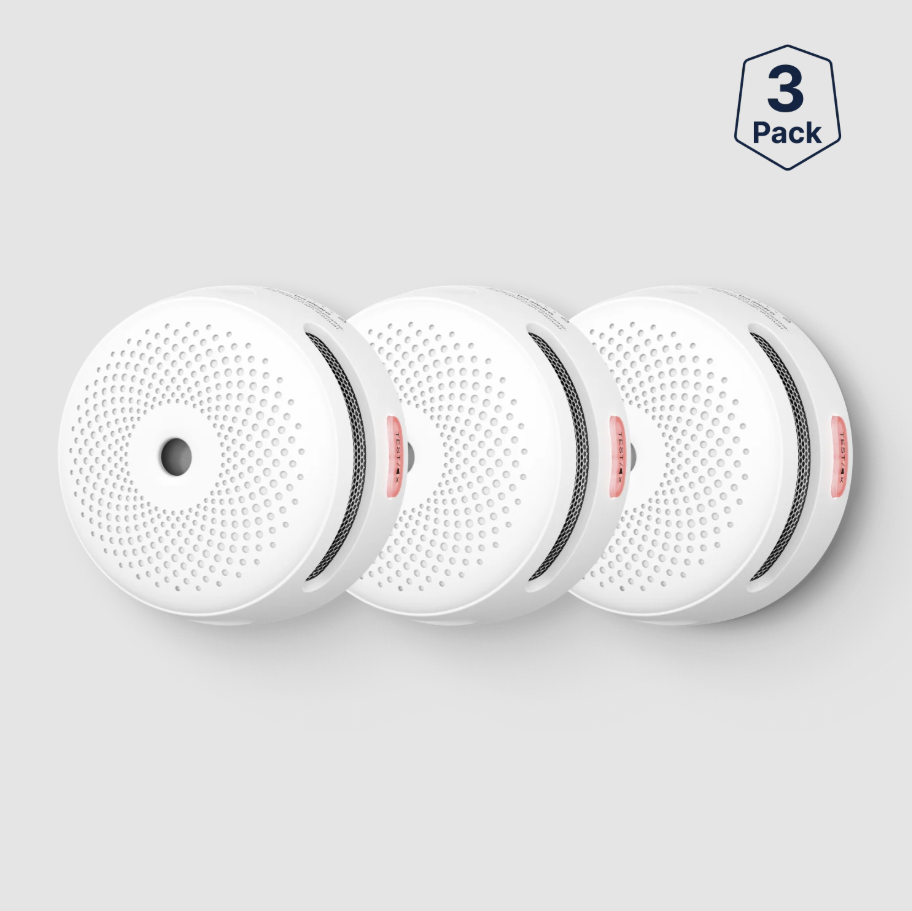
X-Sense XS01-WX Smart Smoke Alarm - 2.4 GHz Wi-Fi Photoelectric Fire Detector with Mobile App Alerts
$65.99 $109.99
11% OFF

VitaUp Beet Root Gummies with CoQ10 & Grape Seed - Nitric Oxide Circulation Support (60 Count)
$24.91 $27.91

Sealy 2-Pack Tritech 16" Twin Inflatable Air Mattress with Built-in AC Pump
$0 $113.99
20% OFF

INTEX Prism Frame 20ft x 52in Above Ground Pool Set - Round Steel Frame Swimming Pool
$695.99 $869.99

Gardner Pet 43" Heavy Duty Dog Crate with Wheels - Indestructible Folding Metal Cage (Black)
$0 $149.99




-

Diary of a CEO’s Steven Bartlett and John Lennox discuss AI, faith and the search for meaning
-

Anti-Christian hate crimes across Europe surge in May as arson attacks reach 2026 high
-

Belfast churches 'heartbroken' over unrest
-

Is there a two-tier Britain?
-

Churches must disciple well and listen well in response to rise of Christian nationalism
-

Welsh reverend speaks of culture of fear over LGBT issues
Most Popular
News

Anti-Christian hate crimes across Europe surge in May as arson attacks reach 2026 high
Anti-Christian incidents across Europe rose sharply in May, with new figures showing the highest monthly number of arson-related attacks recorded so far this year.

Gloucester churches come together to bless River Avon amid pollution concerns
It is part of a broader campaign against river pollution as concerns remain about the amount of untreated sewage in the Avon.

Life beyond burnout: how Christians can grow in the desert seasons
Christian Today speaks to author and Anglican priest Tish Harrison Warren about growth in desert seasons and why the Church shouldn’t treat all spiritual weariness as a problem to fix.

Iranian-born bishop stands in solidarity with Britain's Jews
2025 had the second highest number of antisemitic incidents on record.
MANSPOT Electric Pubic Hair Trimmer - Waterproof Body and Groin Shaver for Men and Women (Black)
$20.39
Lick-Safe Dog Paw and Nose Balm Stick - All-Natural Moisturizer with Coconut Oil for Dry, Cracked Pads and Snout
$11.69
Men's Quick Dry Moisture Wicking Polo Shirt - High Elasticity Slim Fit Athletic Top (Runs Small)
$6.99
Men's Running Shorts with Zipper Pockets - Lightweight, Quick-Dry, Multi-Sport
$12.95
NEWFAST NF-RE523 AC1200 WiFi Extender - 1200Mbps Dual Band Signal Booster & Internet Repeater
$18.5
G Gradual Men's 7-inch Workout Running Shorts - Lightweight, Quick-Dry, Comfort
$12.91
NOVETE Under Sink Water Filter - 3 Years, 30,000 Gallons, High-Efficiency Filtration
$41.99
HDPE All-Weather Adirondack Chair with Built-In Cup Holder - Tool-Free Assembly (Grey)
$69.99
HOMETUK Clear Plastic Storage Bins with Dividers - 3-Pack Stackable Acrylic Organizer Containers for Fridge and Pantry
$19.99
G Gradual Men's Fishing Shirt - UPF 50+ Lightweight Short Sleeve Button Down with Zipper Pockets
$14.99
Everyfun 60" Rectangular Platform Tree Swing - 700lbs Heavy Duty Adjustable Outdoor Swing (Colorful)
$49.99
Ekouaer Women's Casual Loose Jumpsuit - One-Piece Printed Sleeveless Wide Leg Romper with Pockets
$14.99
Men's Athletic Running Shorts with Zipper Pockets - Lightweight & Quick Dry
$12.74
Modern Ceiling Fan with Light and Remote - Reversible Quiet DC Motor
$69.3
MOOKA H13 True HEPA Air Purifier for Home Large Room - 1076 sq ft Odor Eliminator
$39.97
X-Sense XS01-WX Smart Smoke Alarm - 2.4 GHz Wi-Fi Photoelectric Fire Detector with Mobile App Alerts
$65.99
VitaUp Beet Root Gummies with CoQ10 & Grape Seed - Nitric Oxide Circulation Support (60 Count)
$24.91
Sealy 2-Pack Tritech 16" Twin Inflatable Air Mattress with Built-in AC Pump
$0
INTEX Prism Frame 20ft x 52in Above Ground Pool Set - Round Steel Frame Swimming Pool
$695.99
Gardner Pet 43" Heavy Duty Dog Crate with Wheels - Indestructible Folding Metal Cage (Black)
$0