
If the main bridge across the Rhone River in central Geneva collapsed and was not repaired, or attended to within days, or even hours, residents of the Swiss city would be up in arms, lobbying and harassing local, regional or federal authorities to act. Action would likely soon be taken.
What would happen in a small southwestern Tajikistan town, 12 kilometres from the biggest centre in the Khatlon region?
In Kahrman, near the country's third largest city of Qurghonteppa (formerly Kurgan-Tyube) nothing happened for weeks when the residents' bridge collapsed during flooding a year ago. People seemed paralysed. They just did not know what to do.
"People could not move their crops, nor could they access the nearby village where some worked," said school teacher Ruziev Habinjan, who also does a little farming, like many of his neighbours. "When they decided to form a self-help group, it was then they began to find a solution." The self-help group raised its own funds, and then lobbied government authorities to repair their vital artery. The combined effort, along with a dash of international aid, got the bridge up again.
An obvious solution, many Westerners might say. But not so obvious in the former Soviet Central Asian republics, such as Tajikistan, Kyrgyzstan and Kazakhstan.
Tajikistan was the poorest of the Soviet republics and remains one of the world's very poor countries. Yet, in those countries, church-backed aid and development groups are supporting the nurturing of a new basic pillar in societies left floundering after the collapse of the Soviet Union in the 1990s.
Ecumenical News International spent two weeks with researchers monitoring and analysing self-help groups, which can often be the only means of making possible the arrival of the most basic civil amenities, like water, the allocation of arable land, and functioning roads in a global region that seems unknown outside it own realm.
Behind them is the Ecumenical Consortium for Central Asia is made up of Britain-based Christian Aid, DanChurchAid from Denmark, the Dutch Interchurch Organisation for Development Co-operation (ICCO) and Norwegian Church Aid.
This group has made the development of what is now called "civil society", a priority. So, these Christian organisations are pumping in resources, and working along with other NGOs and international organisations, with the humbly named "self-help group" a high item on their agenda in a milieu that is now predominantly Islamic.
"The SHGs," as they are known, "are promoted to mobilise communities with involvement of non governmental organisations, religious organisations and local authorities. The SHGs enable communities to solve their own problems," says Shahriyor Ibrgimov, programme manager of Development and Cooperation in Central Asia which works with ECCA, speaking in Osh, the second largest Kyrgyzstan city.
A sign of how ignored Central Asia is in the rest of the world, is that international television stations beamed into the region, such as Al Jazeera, the BBC, CNN, China Central Television and Islam Television, do not display the capital cities of the area on screen in their global weather forecasts.
Central Asia may conjure up images of the Old Silk Road that linked West with East in the days before even sailing ships opened up the sea routes during the pre-Medieval process of globalisation.
Colin Thubron writes in his book, "Shadow of the Silk Road", "To follow the Silk Road is to follow a ghost. It flows through the heart of Asia, but it has officially vanished, leaving behind it the patterns of its restlessness, counterfeit borders, untapped peoples. The road forks and wanders where you are. It is not a single way, but many: a web of choices."
When the Soviet Union, with its highly centralised system of control, fell apart in the early 1990s, many aspects of government also fell by the wayside as societies tried to transform themselves from command systems, with undeveloped civil society, to poorly endowed market economies.
In the case of Tajikistan, a seven year civil war from 1992 to 1997 ripped the country apart. Kyrgyzstan in 2005 had a popular uprising known as the Tulip Revolution. Kazakhstan has only one party represented in its legislature.
"It is probably fair to say that Central Asia remains one of the least known and least understood parts of the world," writes Adeeb Kahlid, a historian at Carelton College in the US state of Minnesota. "Soviet xenophobia cut off the region from the rest of the world; its languages are little known, and its history is practically a blank slate. A decade and a half after the collapse of the Soviet Union and the opening up of the region and its archives, no single decent source is available to nonspecialists who want to look up the broad outlines of even the political history of the region."
Some of these central Asian countries are more open and democratic. Government officials and NGO representatives were more willing to talk to ENI in Kyrgyzstan than in Tajikistan. In Tajikistan the economic situation is much harsher; it remains one of the world's poorest nations, and more than one NGO official said the government there was authoritarian and that women's rights lag behind the international norm.
Still, officials at the international airport at Tajikistan's capital Dushanbe dish out visas to NGO visitors and members of international organizations like the World Bank with apparent ease, but Russian soldiers still help guard Tajikistan's border with Afghanistan. In Kyrgyzstan, on the other hand, US Air Force aircraft hog the apron at the Bishkek international airport. And NGOs in the region say that people's ability to build societal structures themselves is increasing, a fact confirmed by people in the self-help groups.
"The terrorist attacks on the World Trade Centre in New York and the Pentagon in Washington on 11 September 2001 had major consequences for Central Asia. As the United States initiated the bombing of Afghanistan on 7 October 2001, its interest in the neighbouring countries, among them Tajikistan, increased," writes Swedish academic Lena Jonson in her book, "Tajikistan in the new Central Asia: Great Power Rivalry and Radical Islam".
Yet, Kyrgyzstan, Kazakhstan and even Tajikistan, which in June celebrated 10 years since the end of its civil war, today face an economic war rather than a military one, say residents. They not only battle unrelenting poverty, but increasingly see some others around them wallowing in an otherwise booming economy, particularly in oil rich Kazakhstan.
Charles Buxton, in Bishkek, manages the British-based International NGO Training and Research Centre in Central Asia which acts for ECCA. He told ENI in Dushanbe, "There is a very rapid and visible economic differentiation going on." Life in remote areas in all three countries is often a battle. But, says Buxton, "It is not easy at all and in cities which are just booming, things are becoming very, very expensive." He says life can be difficult for poor people there in the metropolises.
So there are self-help groups in the cities too, in a free-market world where there once was communism and, as many people note nostalgically, the basics were taken care of until the early 1990s.
This is the first of a series that will look at how some of the church-backed self-help groups in this region of central Asia are functioning and affecting people's lives in an area that is both static and rapidly changing for the citizens who battle to cope there.
[www.eni.ch/]
49% OFF
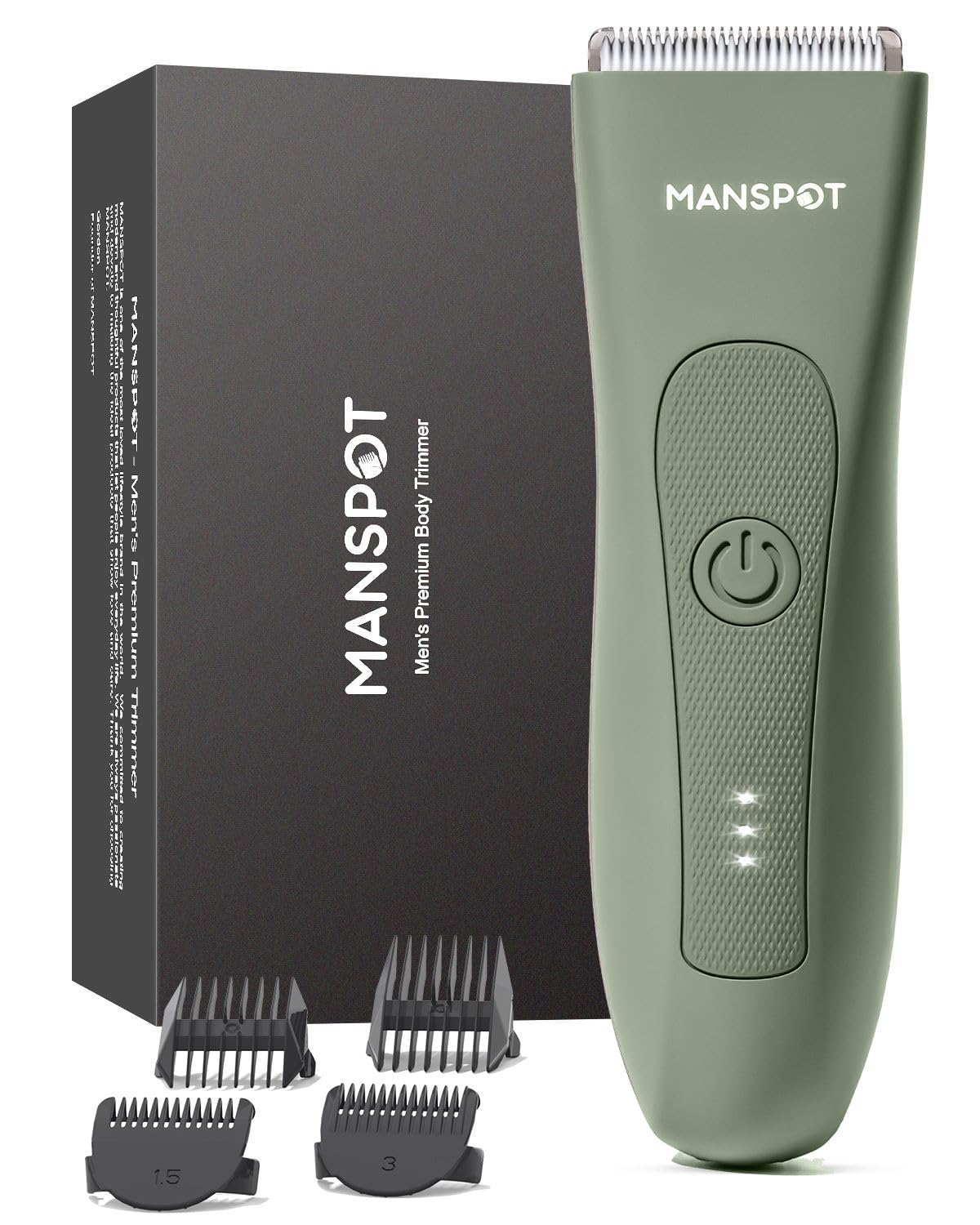
MANSPOT Electric Pubic Hair Trimmer - Waterproof Body and Groin Shaver for Men and Women (Black)
$20.39 $40
25% OFF
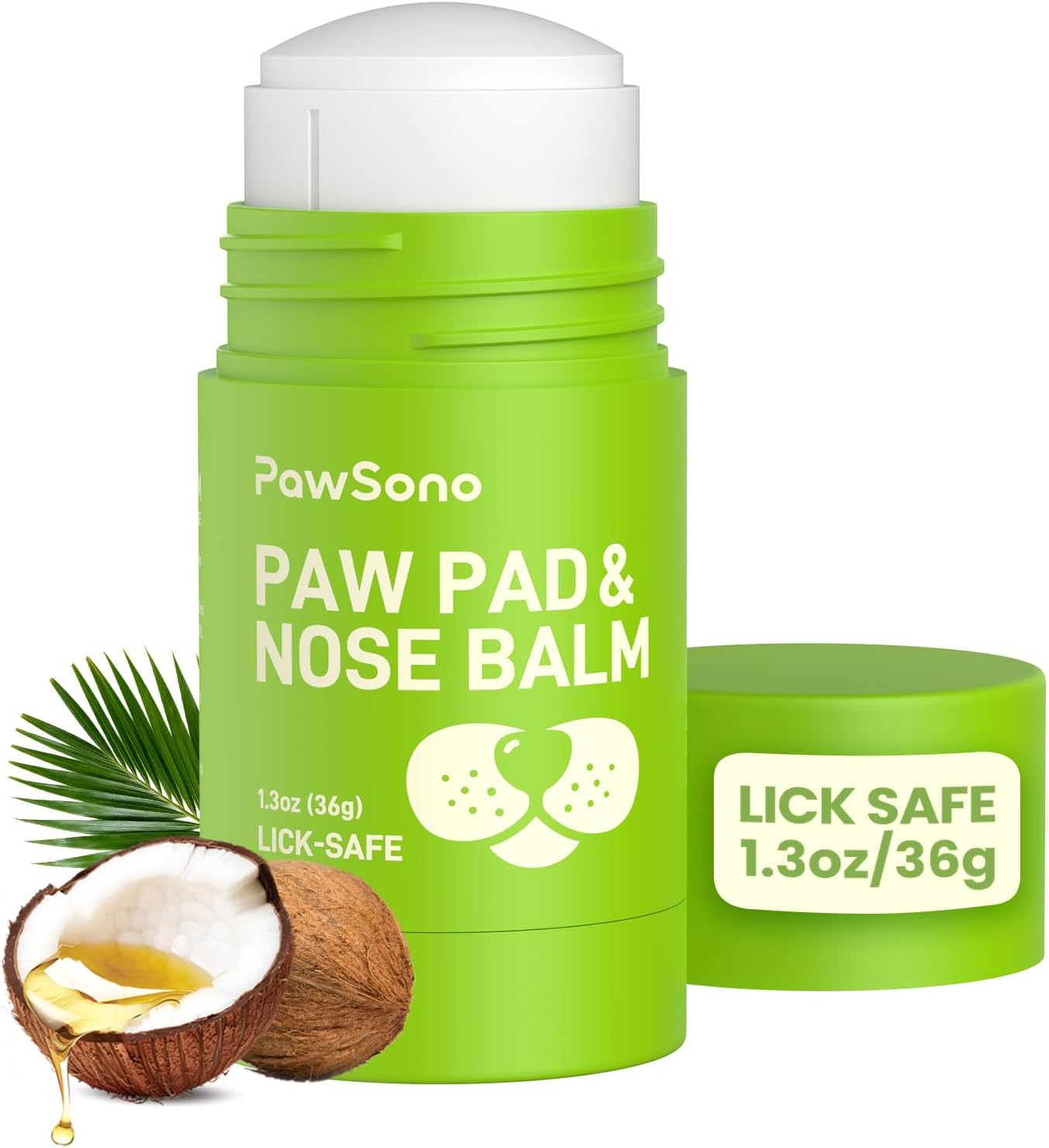
Lick-Safe Dog Paw and Nose Balm Stick - All-Natural Moisturizer with Coconut Oil for Dry, Cracked Pads and Snout
$11.69 $15.59
77% OFF
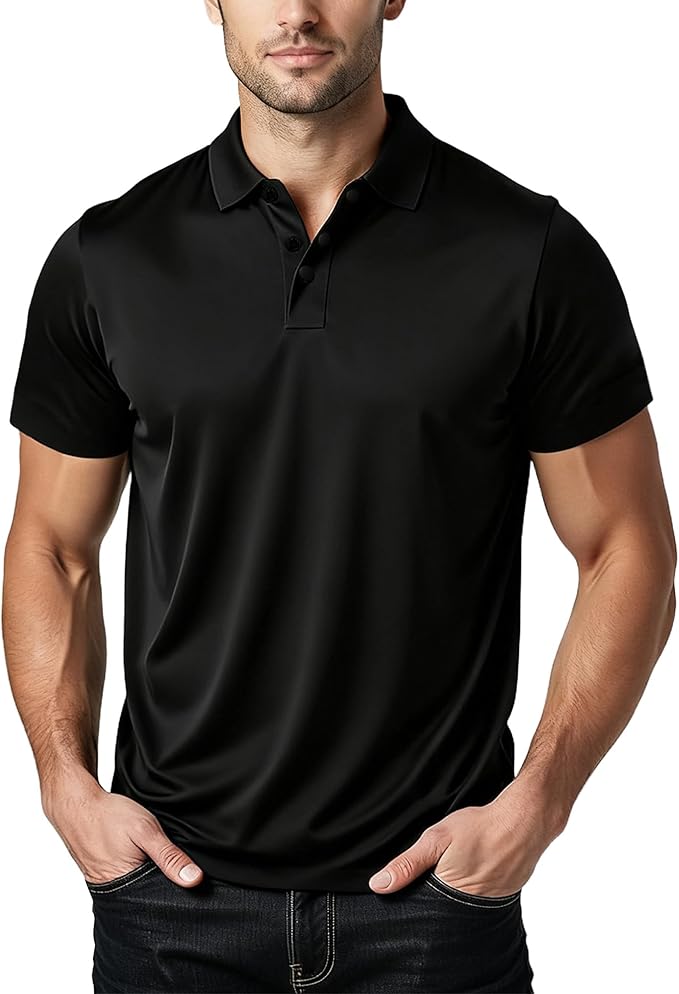
Men's Quick Dry Moisture Wicking Polo Shirt - High Elasticity Slim Fit Athletic Top (Runs Small)
$6.99 $29.99
46% OFF
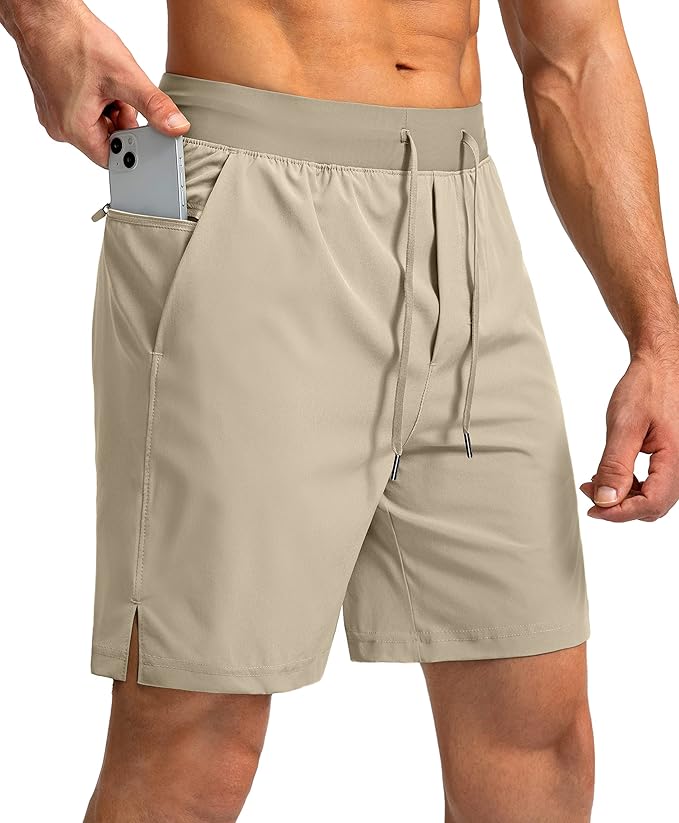
Men's Running Shorts with Zipper Pockets - Lightweight, Quick-Dry, Multi-Sport
$12.95 $23.99
50% OFF

NEWFAST NF-RE523 AC1200 WiFi Extender - 1200Mbps Dual Band Signal Booster & Internet Repeater
$18.5 $36.99
48% OFF

G Gradual Men's 7-inch Workout Running Shorts - Lightweight, Quick-Dry, Comfort
$12.91 $24.99
30% OFF
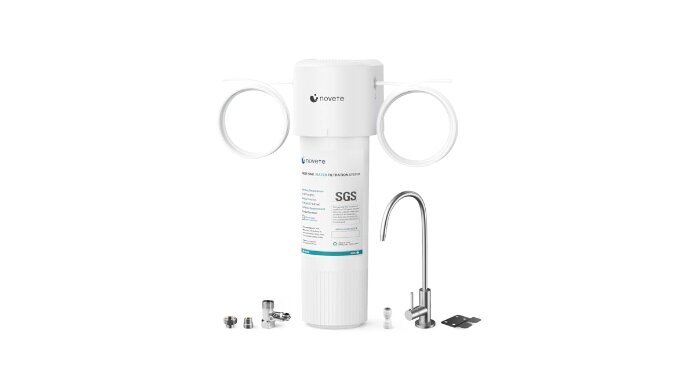
NOVETE Under Sink Water Filter - 3 Years, 30,000 Gallons, High-Efficiency Filtration
$41.99 $59.99
50% OFF

HDPE All-Weather Adirondack Chair with Built-In Cup Holder - Tool-Free Assembly (Grey)
$69.99 $139.99
60% OFF

HOMETUK Clear Plastic Storage Bins with Dividers - 3-Pack Stackable Acrylic Organizer Containers for Fridge and Pantry
$19.99 $49.99
58% OFF

G Gradual Men's Fishing Shirt - UPF 50+ Lightweight Short Sleeve Button Down with Zipper Pockets
$14.99 $35.99
55% OFF

Everyfun 60" Rectangular Platform Tree Swing - 700lbs Heavy Duty Adjustable Outdoor Swing (Colorful)
$49.99 $110.99
61% OFF

Ekouaer Women's Casual Loose Jumpsuit - One-Piece Printed Sleeveless Wide Leg Romper with Pockets
$14.99 $37.99
36% OFF

Men's Athletic Running Shorts with Zipper Pockets - Lightweight & Quick Dry
$12.74 $19.99
61% OFF

Modern Ceiling Fan with Light and Remote - Reversible Quiet DC Motor
$69.3 $179.99
50% OFF

MOOKA H13 True HEPA Air Purifier for Home Large Room - 1076 sq ft Odor Eliminator
$39.97 $79.95
40% OFF
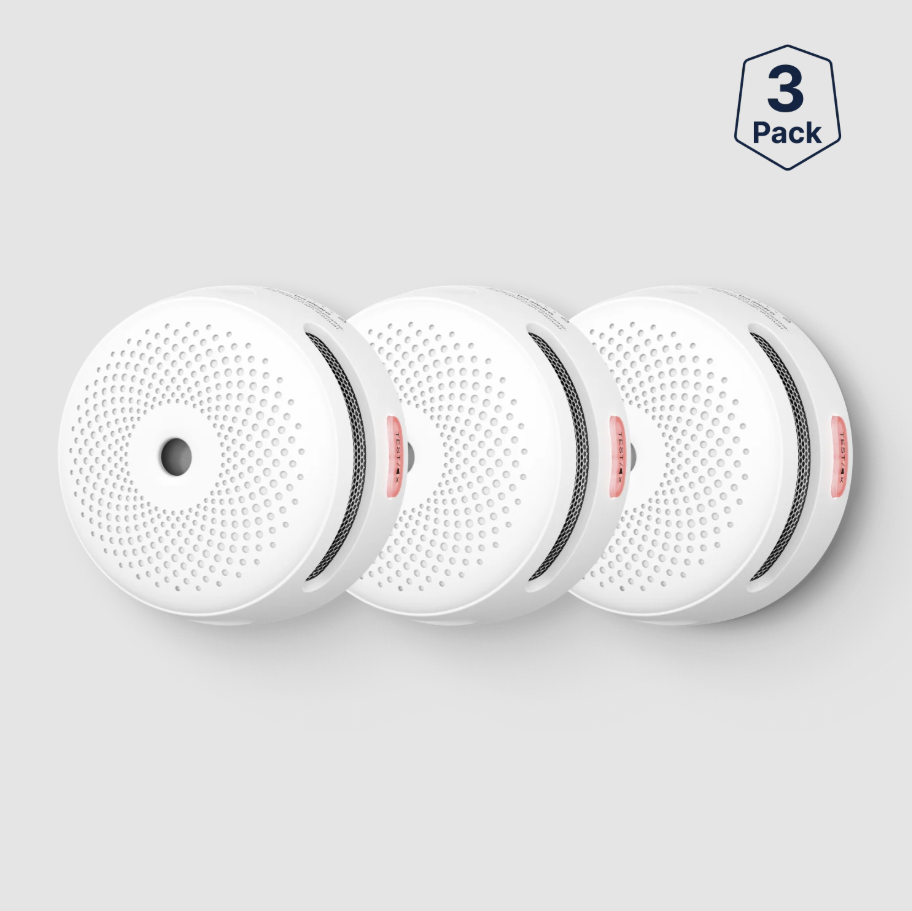
X-Sense XS01-WX Smart Smoke Alarm - 2.4 GHz Wi-Fi Photoelectric Fire Detector with Mobile App Alerts
$65.99 $109.99
11% OFF

VitaUp Beet Root Gummies with CoQ10 & Grape Seed - Nitric Oxide Circulation Support (60 Count)
$24.91 $27.91
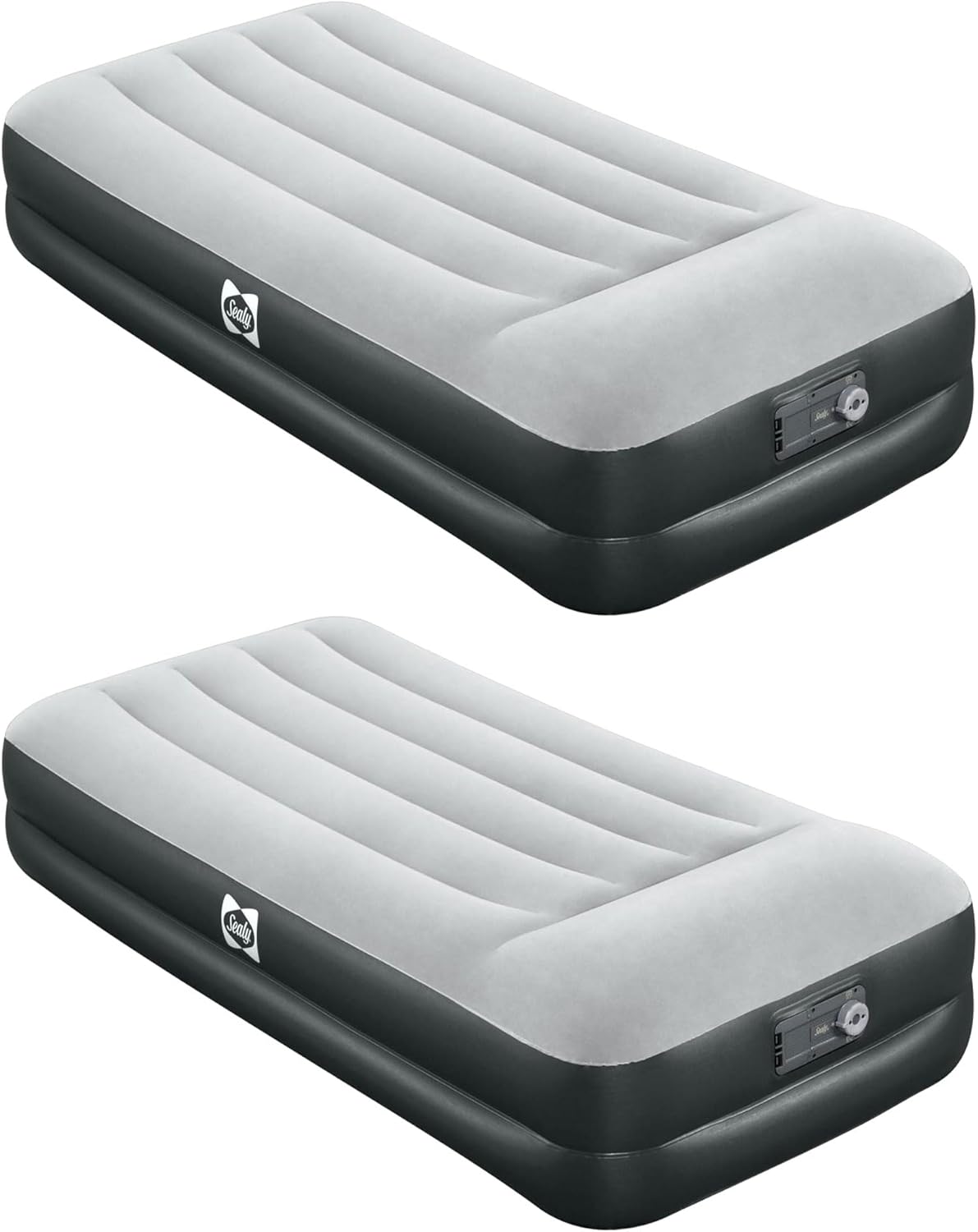
Sealy 2-Pack Tritech 16" Twin Inflatable Air Mattress with Built-in AC Pump
$0 $113.99
20% OFF

INTEX Prism Frame 20ft x 52in Above Ground Pool Set - Round Steel Frame Swimming Pool
$695.99 $869.99

Gardner Pet 43" Heavy Duty Dog Crate with Wheels - Indestructible Folding Metal Cage (Black)
$0 $149.99




-

Diary of a CEO’s Steven Bartlett and John Lennox discuss AI, faith and the search for meaning
-
Belfast churches 'heartbroken' over unrest
-

Is there a two-tier Britain?
-

Churches must disciple well and listen well in response to rise of Christian nationalism
-

Biblical models and the creation of King Arthur
-

Welsh reverend speaks of culture of fear over LGBT issues
Most Popular
News
Gloucester churches come together to bless River Avon amid pollution concerns
It is part of a broader campaign against river pollution as concerns remain about the amount of untreated sewage in the Avon.
Life beyond burnout: how Christians can grow in the desert seasons
Christian Today speaks to author and Anglican priest Tish Harrison Warren about growth in desert seasons and why the Church shouldn’t treat all spiritual weariness as a problem to fix.
Iranian-born bishop stands in solidarity with Britain's Jews
2025 had the second highest number of antisemitic incidents on record.

Bishops protest Israeli arrest of another Palestinian Christian
An Evangelical Lutheran has been accused of "promoting terrorist activities".
MANSPOT Electric Pubic Hair Trimmer - Waterproof Body and Groin Shaver for Men and Women (Black)
$20.39
Lick-Safe Dog Paw and Nose Balm Stick - All-Natural Moisturizer with Coconut Oil for Dry, Cracked Pads and Snout
$11.69
Men's Quick Dry Moisture Wicking Polo Shirt - High Elasticity Slim Fit Athletic Top (Runs Small)
$6.99
Men's Running Shorts with Zipper Pockets - Lightweight, Quick-Dry, Multi-Sport
$12.95
NEWFAST NF-RE523 AC1200 WiFi Extender - 1200Mbps Dual Band Signal Booster & Internet Repeater
$18.5
G Gradual Men's 7-inch Workout Running Shorts - Lightweight, Quick-Dry, Comfort
$12.91
NOVETE Under Sink Water Filter - 3 Years, 30,000 Gallons, High-Efficiency Filtration
$41.99
HDPE All-Weather Adirondack Chair with Built-In Cup Holder - Tool-Free Assembly (Grey)
$69.99
HOMETUK Clear Plastic Storage Bins with Dividers - 3-Pack Stackable Acrylic Organizer Containers for Fridge and Pantry
$19.99
G Gradual Men's Fishing Shirt - UPF 50+ Lightweight Short Sleeve Button Down with Zipper Pockets
$14.99
Everyfun 60" Rectangular Platform Tree Swing - 700lbs Heavy Duty Adjustable Outdoor Swing (Colorful)
$49.99
Ekouaer Women's Casual Loose Jumpsuit - One-Piece Printed Sleeveless Wide Leg Romper with Pockets
$14.99
Men's Athletic Running Shorts with Zipper Pockets - Lightweight & Quick Dry
$12.74
Modern Ceiling Fan with Light and Remote - Reversible Quiet DC Motor
$69.3
MOOKA H13 True HEPA Air Purifier for Home Large Room - 1076 sq ft Odor Eliminator
$39.97
X-Sense XS01-WX Smart Smoke Alarm - 2.4 GHz Wi-Fi Photoelectric Fire Detector with Mobile App Alerts
$65.99
VitaUp Beet Root Gummies with CoQ10 & Grape Seed - Nitric Oxide Circulation Support (60 Count)
$24.91
Sealy 2-Pack Tritech 16" Twin Inflatable Air Mattress with Built-in AC Pump
$0
INTEX Prism Frame 20ft x 52in Above Ground Pool Set - Round Steel Frame Swimming Pool
$695.99
Gardner Pet 43" Heavy Duty Dog Crate with Wheels - Indestructible Folding Metal Cage (Black)
$0