
TEHRAN - Iran said on Tuesday it felt vindicated by a U.S. intelligence finding that it was not building an atomic bomb, but George W. Bush said Tehran remained dangerous and international pressure should continue.
The National Intelligence Estimate (NIE) published on Monday took U.S. friends and foes by surprise after years of strident rhetoric from Washington accusing Tehran of pursuing a covert nuclear weapons programme.
Iran said the report supported its long-standing assertion that its nuclear programme had only peaceful civilian aims, such as electricity generation.
"It's natural that we welcome it when those countries who in the past have questions and ambiguities about this case ... now amend their views realistically," Foreign Minister Manouchehr Mottaki told state radio.
The report, which said Tehran had halted its nuclear weapons programme in 2003 but was continuing to develop the capacity to enrich uranium, had an immediate impact on moves under way to tighten U.N. sanctions against Tehran.
China, which has a U.N. Security Council veto and agreed only reluctantly to earlier sanctions, said the NIE created new conditions.
"I think we all start from the presumption that now things have changed," China's U.N. Ambassador Guangya Wang said.
France and Britain joined Bush in saying international pressure must be maintained on Iran. Israel, which believes a nuclear Iran could threaten its existence, questioned the report and urged continued pressure on Tehran.
At a news conference in Washington, Bush said the report should in fact be taken as a rallying point for further pressure on Iran and it showed that the approach had been successful in the past.
He said the NIE showed Iran was still developing nuclear technology and could restart a covert weapons programme.
"Iran was dangerous, Iran is dangerous and Iran will be dangerous if they have the knowledge necessary to make a nuclear weapon," Bush said.
U.S. Secretary of State Condoleezza Rice, who has spent years persuading other powers to join in anti-Iranian sanctions, told reporters travelling with her to Africa that she would continue to push for a third U.N. sanctions resolution.
In London, a spokesman for Prime Minister Gordon Brown said the report confirmed Britain had been right to worry about Iran's nuclear ambitions and showed that "the sanctions programme and international pressure were having an effect in that they seem to have abandoned the weaponisation element."
FRANCE BACKS SANCTIONS
France took a similar stand. World powers met last Saturday in Paris to discuss a further round of sanctions over Iran's refusal to halt uranium enrichment, a process that can produce fuel for power plants or, potentially, nuclear weapons.
The two previous U.N. sanctions resolutions against Iran were passed unanimously but after diplomatic wrangling among the five permanent Security Council members -- the United States, China, Russia, France and Britain -- plus Germany.
Israel, a close U.S. ally, was unimpressed by the report and Prime Minister Ehud Olmert called for the U.S.-backed campaign to curb Iran's nuclear ambitions to press ahead.
Israeli Defence Minister Ehud Barak told Army Radio that, as far as Israel knew, Iran had probably renewed its weapons programme since 2003. Israel is believed to have the only nuclear arsenal in the Middle East and does not make its civilian nuclear activities accessible to the U.N. nuclear watchdog.
The head of the Vienna-based International Atomic Energy Agency said the report should help prompt Iran to improve its cooperation with the U.N. watchdog.
"This new assessment by the U.S. should help to defuse the current crisis," IAEA Director General Mohamed ElBaradei said in a statement.
Russia has been wary of harsh sanctions, arguing there is no evidence that Iran has sought to develop nuclear arms. Iran's top nuclear negotiator, Saeed Jalili, met Russian President Vladimir Putin near Moscow on Tuesday.
"We are pleased to note that your contacts with the International Atomic Energy Agency have become more active," Putin told Jalili in opening remarks at their meeting. "We expect that all your nuclear programmes will be transparent and under the control of this respected organization."
Before meeting Jalili, the Russian leader had a 40-minute telephone conversation with Bush in which they discussed Iran, a Putin aide said.
Bush's critics at home seized on the Iran report to attack the Republican administration's Iran policy and urge Bush to engage in more active diplomacy.
Top Democrats seeking the party nomination for next year's presidential election, speaking at a forum in Iowa, accused Bush of "sabre-rattling" over Iran and of undermining U.S. security in the region and its credibility in the world.
"It is absolutely clear that this administration and President Bush continue to not let facts get in the way of his ideology," said Sen. Barack Obama. "And that's been the problem with their foreign policy generally."
49% OFF

MANSPOT Electric Pubic Hair Trimmer - Waterproof Body and Groin Shaver for Men and Women (Black)
$20.39 $40
25% OFF

Lick-Safe Dog Paw and Nose Balm Stick - All-Natural Moisturizer with Coconut Oil for Dry, Cracked Pads and Snout
$11.69 $15.59
77% OFF
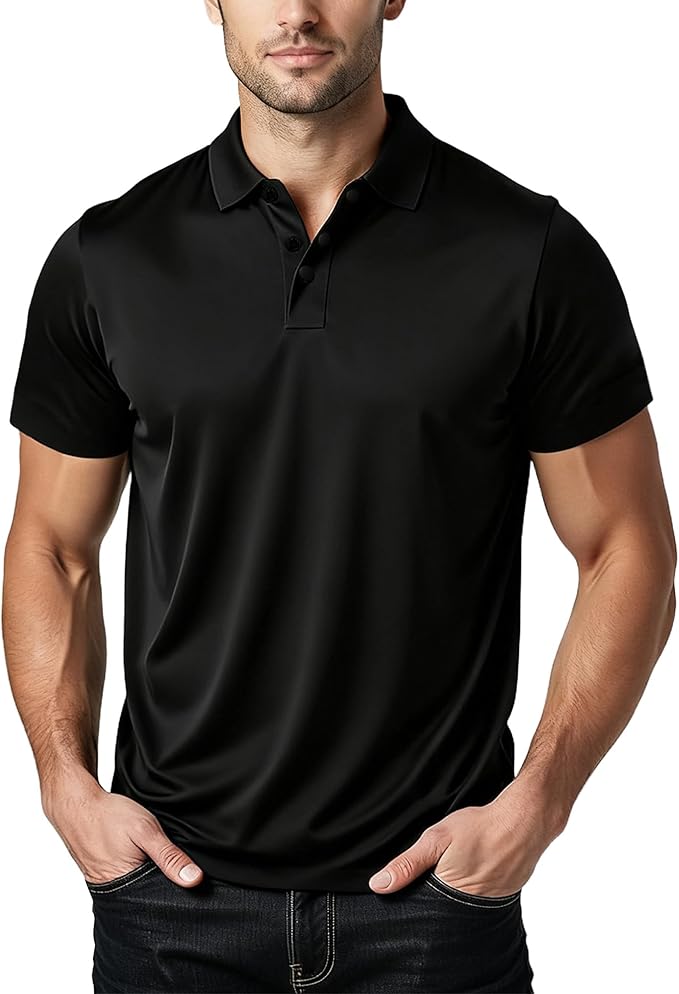
Men's Quick Dry Moisture Wicking Polo Shirt - High Elasticity Slim Fit Athletic Top (Runs Small)
$6.99 $29.99
46% OFF
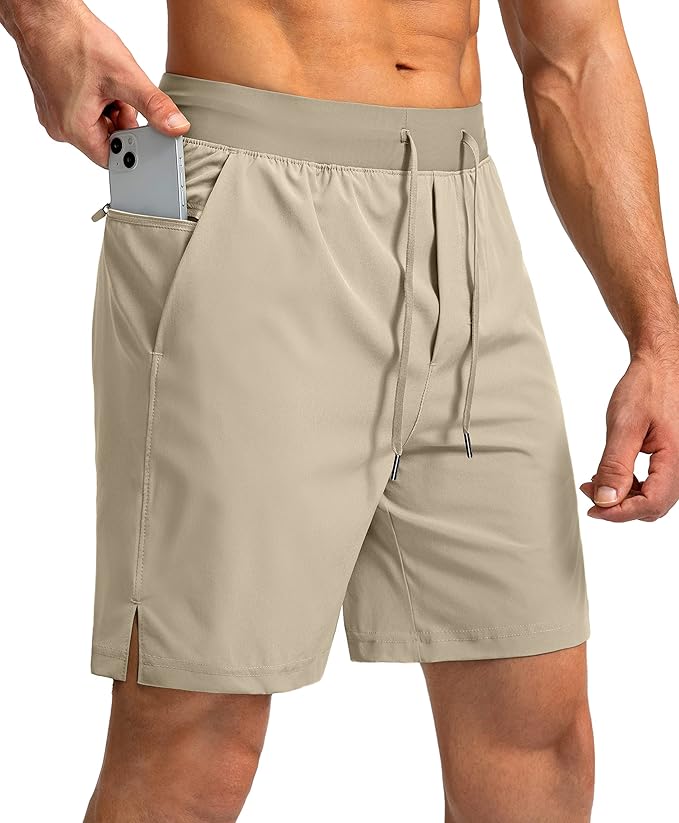
Men's Running Shorts with Zipper Pockets - Lightweight, Quick-Dry, Multi-Sport
$12.95 $23.99
50% OFF

NEWFAST NF-RE523 AC1200 WiFi Extender - 1200Mbps Dual Band Signal Booster & Internet Repeater
$18.5 $36.99
48% OFF

G Gradual Men's 7-inch Workout Running Shorts - Lightweight, Quick-Dry, Comfort
$12.91 $24.99
30% OFF
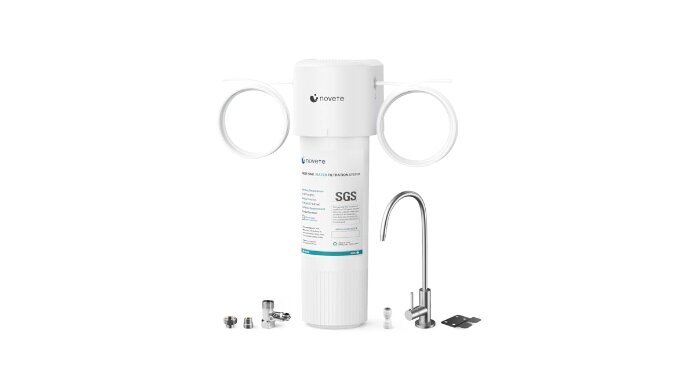
NOVETE Under Sink Water Filter - 3 Years, 30,000 Gallons, High-Efficiency Filtration
$41.99 $59.99
50% OFF

HDPE All-Weather Adirondack Chair with Built-In Cup Holder - Tool-Free Assembly (Grey)
$69.99 $139.99
60% OFF

HOMETUK Clear Plastic Storage Bins with Dividers - 3-Pack Stackable Acrylic Organizer Containers for Fridge and Pantry
$19.99 $49.99
58% OFF

G Gradual Men's Fishing Shirt - UPF 50+ Lightweight Short Sleeve Button Down with Zipper Pockets
$14.99 $35.99
55% OFF

Everyfun 60" Rectangular Platform Tree Swing - 700lbs Heavy Duty Adjustable Outdoor Swing (Colorful)
$49.99 $110.99
61% OFF

Ekouaer Women's Casual Loose Jumpsuit - One-Piece Printed Sleeveless Wide Leg Romper with Pockets
$14.99 $37.99
36% OFF

Men's Athletic Running Shorts with Zipper Pockets - Lightweight & Quick Dry
$12.74 $19.99
61% OFF

Modern Ceiling Fan with Light and Remote - Reversible Quiet DC Motor
$69.3 $179.99
50% OFF

MOOKA H13 True HEPA Air Purifier for Home Large Room - 1076 sq ft Odor Eliminator
$39.97 $79.95
40% OFF
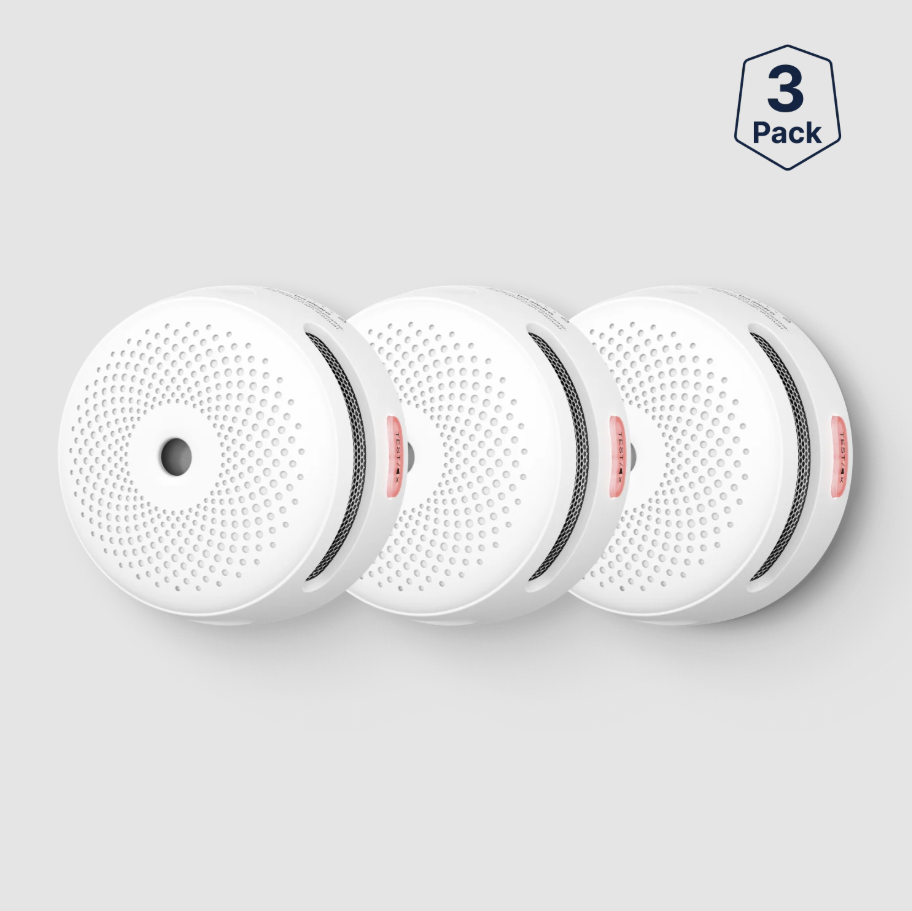
X-Sense XS01-WX Smart Smoke Alarm - 2.4 GHz Wi-Fi Photoelectric Fire Detector with Mobile App Alerts
$65.99 $109.99
11% OFF

VitaUp Beet Root Gummies with CoQ10 & Grape Seed - Nitric Oxide Circulation Support (60 Count)
$24.91 $27.91

Sealy 2-Pack Tritech 16" Twin Inflatable Air Mattress with Built-in AC Pump
$0 $113.99
20% OFF

INTEX Prism Frame 20ft x 52in Above Ground Pool Set - Round Steel Frame Swimming Pool
$695.99 $869.99

Gardner Pet 43" Heavy Duty Dog Crate with Wheels - Indestructible Folding Metal Cage (Black)
$0 $149.99




-

Diary of a CEO’s Steven Bartlett and John Lennox discuss AI, faith and the search for meaning
-

Belfast churches 'heartbroken' over unrest
-

Is there a two-tier Britain?
-

Churches must disciple well and listen well in response to rise of Christian nationalism
-

Biblical models and the creation of King Arthur
-

Welsh reverend speaks of culture of fear over LGBT issues
Most Popular
News

Gloucester churches come together to bless River Avon amid pollution concerns
It is part of a broader campaign against river pollution as concerns remain about the amount of untreated sewage in the Avon.

Life beyond burnout: how Christians can grow in the desert seasons
Christian Today speaks to author and Anglican priest Tish Harrison Warren about growth in desert seasons and why the Church shouldn’t treat all spiritual weariness as a problem to fix.

Iranian-born bishop stands in solidarity with Britain's Jews
2025 had the second highest number of antisemitic incidents on record.

Bishops protest Israeli arrest of another Palestinian Christian
An Evangelical Lutheran has been accused of "promoting terrorist activities".
MANSPOT Electric Pubic Hair Trimmer - Waterproof Body and Groin Shaver for Men and Women (Black)
$20.39
Lick-Safe Dog Paw and Nose Balm Stick - All-Natural Moisturizer with Coconut Oil for Dry, Cracked Pads and Snout
$11.69
Men's Quick Dry Moisture Wicking Polo Shirt - High Elasticity Slim Fit Athletic Top (Runs Small)
$6.99
Men's Running Shorts with Zipper Pockets - Lightweight, Quick-Dry, Multi-Sport
$12.95
NEWFAST NF-RE523 AC1200 WiFi Extender - 1200Mbps Dual Band Signal Booster & Internet Repeater
$18.5
G Gradual Men's 7-inch Workout Running Shorts - Lightweight, Quick-Dry, Comfort
$12.91
NOVETE Under Sink Water Filter - 3 Years, 30,000 Gallons, High-Efficiency Filtration
$41.99
HDPE All-Weather Adirondack Chair with Built-In Cup Holder - Tool-Free Assembly (Grey)
$69.99
HOMETUK Clear Plastic Storage Bins with Dividers - 3-Pack Stackable Acrylic Organizer Containers for Fridge and Pantry
$19.99
G Gradual Men's Fishing Shirt - UPF 50+ Lightweight Short Sleeve Button Down with Zipper Pockets
$14.99
Everyfun 60" Rectangular Platform Tree Swing - 700lbs Heavy Duty Adjustable Outdoor Swing (Colorful)
$49.99
Ekouaer Women's Casual Loose Jumpsuit - One-Piece Printed Sleeveless Wide Leg Romper with Pockets
$14.99
Men's Athletic Running Shorts with Zipper Pockets - Lightweight & Quick Dry
$12.74
Modern Ceiling Fan with Light and Remote - Reversible Quiet DC Motor
$69.3
MOOKA H13 True HEPA Air Purifier for Home Large Room - 1076 sq ft Odor Eliminator
$39.97
X-Sense XS01-WX Smart Smoke Alarm - 2.4 GHz Wi-Fi Photoelectric Fire Detector with Mobile App Alerts
$65.99
VitaUp Beet Root Gummies with CoQ10 & Grape Seed - Nitric Oxide Circulation Support (60 Count)
$24.91
Sealy 2-Pack Tritech 16" Twin Inflatable Air Mattress with Built-in AC Pump
$0
INTEX Prism Frame 20ft x 52in Above Ground Pool Set - Round Steel Frame Swimming Pool
$695.99
Gardner Pet 43" Heavy Duty Dog Crate with Wheels - Indestructible Folding Metal Cage (Black)
$0