
Stem cell research has recently received heavy media coverage with the controversy surrounding the South Korean researcher Hwang Woo-Suk, who stunned the medical world with claims he created the first cloned human embryos and extracted stem cells from them — research later found to have been faked.
|PIC1|Across the UK and the world stem-cell research has been the centre of controversy and heated debate. The British government has also stated that it would increase funding to stem cell research by £50 million over the next two years.
In addition, in the USA Maryland has become the fourth American state to pass a legislation to fund stem cell research including embryonic stem cell research.
With the increasing interest and concerns surrounding stem cell research and cloning, the senior scholar of The Centre for Bioethics Human Dignity and the Director of the Bioethics Program at Trinity International University, USA, Dr. John Kilner, spoke on 28th March about the ethical concerns of stem cell research and the role that the Church and Christians should have in the controversy.
What are the ethical dilemmas surrounding embryonic stem cell research? In particular, what are Christian leaders who are opposed to it mostly concerned about?
First of all, it is important to recognise that stem cell research as a category of science and medicine is a very exciting area and I think Christians and others alike recognise that so many medical problems are due to the loss or deaths of certain cells or tissues. However, one real concern is where we are getting these stem cells from.
We want to highlight the difference between embryonic stem cells and adult stem cells because in terms of adult stem cells they can be obtained without harming the source from which they are being obtained. Whereas embryonic stem cells require destroying embryonic human beings from which they are taken.
But granting for the sake of time that human beings do begin at the embryonic stage – these would be the earliest stage of human being – then one ethical concern is that we do not destroy or harm human beings to obtain these cells. That is one core ethical dilemma.
One other great concern is about how this is being discussed in the media, public policy, and various arenas. The fact is that so often just the term ‘stem cell’ is used, and this promotes the idea that either you are for or against stem cell research. So the discussion may be narrower about some form of stem cell research, but by using the non-specific general term of stem cell, it implies that if you are not for it then you are hard-hearted, uncompassionate, and you don’t care about these people dying.
|TOP|This is a serious ethical concern – an ethic of truthful communication. Far more has been accomplished with adult stem cell research than embryonic stem cell research. Apart from the ethical issues evolved in destroying embryonic human beings, adult stem cell research has produced results so it is simply not truthful to say that major embryonic breakthroughs are right on the verge and we should channel all our resources to embryonic stem cell research.
Again to bring up another ethical concern, what has played in recent months with Dr. Hwang and the South Korean issue is further testimony of people saying that human embryonic stem cells and clones to match the individual who will need the treatment is right around the corner but not producing the results for the claim. In spite of the huge amount of effort and huge number of attempts made they didn’t get one stem cell line.
So we want to say that we don’t want to harm human beings at that stage of development – that is a core ethical concern. Another key ethical concern is the way that this is being talked about, communicated in the media and public policy, in public venues where we are discussing this issue. There needs to be truthful communication on the difference between adult and embryonic stem cells and what is really producing results right now and what is not. There is an attempt to evoke all these breakthroughs with embryonic stem cell research to imply that it would be terrible to say no to embryonic stem cell research. That it would be like saying no to all these wonderful development when there have been 65 major medical conditions that have helped or treated with adult stem cell research and 0 using embryonic stem cell research.
Some regard embryonic stem cell research equivalent with abortion because it involves the destruction of embryos. What is your opinion on this issue?
That connection is very natural because this does destroy human lives that have begun and started developing rather than allowing them to develop into born human beings; they are cut off before that stage. I think that to those that are concerned about abortion, it is not surprising that they would be even more concerned about embryonic stem cell research.
The reason why I say that is that in the abortion issue you have a mother, her wishes, her health, her emotional well being and her material needs – you have very real concern on the part of the woman and her body involved there. Then you have this young human being. Therefore, so much of the abortion debate deals with how to weigh those competing considerations.
|AD|In embryonic stem cell research you don’t have all of these concerns about the mother and her body. There is no mother’s body involved and you really pull it out of that context and say, ‘What if we really didn’t have those competing considerations and all we are talking about is this young human being?’ ‘Is it acceptable to kill this embryonic human being?’ So those that would be concerned about abortion should be even more so about embryonic stem cell research because there isn’t even competing consideration of the body and also the mother.
Why or what has made stem cell research so controversial among government bodies and especially at the level of the state?
I think the controversy not only goes as far as what we have been talking about with regards to members of the human race - albeit the youngest ones are being killed in the process to do that – which would concern people who are concerned about life in all stages.
But people who are concerned feel that if the federal government will not protect the issue then they will turn to the state government. Again, the first issue is protecting members of the human community.
The added dimension, which has really stirred this issue a lot at the state level, has to do with the connection between human cloning and stem cell research. Because with adult stem cell research, in many cases, the cells could be taken from the person’s own body and therefore be a genetic match for the body. This would avoid the problem of rejection during an organ transplant, for example, when the organ is not a perfect genetic match the body rejects the organ. So one of the great advantages of adult stem cell research is if you develop the material from stem cells developed from your own body there is a genetic match.
So people recognise that for embryonic stem cell research to be really widely useful medically we would have to produce cells that are genetically matched to your body and the only way to do that is to produce an embryo that is a clone of you and destroy that embryo to get the embryonic stem cells that could be used in the treatment in you.
Well, you have to recognise that cloning is something that is far more widely opposed by the public than anything to do with stem cell research. In fact, the United Nation has handed down a global ban – which is of course advisory and we are not bound by the United Nation, no country is – but there certainly is a strong moral force there and they passed a global ban on cloning on all sorts.
It is important to keep in mind here that when people speak about cloning sometimes they are referring to actually producing born children who are a clone of people who exist. But other people when they speak about cloning they are referring to what some people call research cloning, or cloning for research purposes, or even misleading terms such as therapeutic cloning is sometimes used. The idea there is you produce embryos through cloning and then you destroy them to get embryonic stem cells. So basically the cloned human beings are living for only a matter of days that would be involved in embryonic stem cell research. Those who are concerned about cloning - which again surveys indicate that a large number of people in the United States as well as worldwide are very concerned about – are concerned about embryonic stem cell research. So many people would want to exert greater effort at the state level if the federal level won’t do anything about it to make sure that that doesn’t happen.
I’ll just add that ‘P.S.’ here – this is another example of where the really intentional miscommunication comes into play – because what happens now is proponents of embryonic stem cell research in some locations have begun to argue that ‘What we’ve done here isn’t really cloning. It is only cloning if you are having born babies.’
‘But what we are doing in this research process (sometimes they just use the technical name for cloning which is called SCNT or Somatic Cell Nuclear Transfer), we are just doing that and we are not engaged in cloning.’
This is terribly misleading and really dishonest because the cloning process is completed once you have a new beginning embryo. The cloning is the description of the process by which you actually produce another human being, virtually a genetic replica of an existing human being and the rest is just that being growing and developing. The cloning is done at the point you have the early embryo.
So to say that we are just going to define that ‘It is not a clone until it develops all the way through to birth and is born’ is just outrageous because it confuses people and makes them think that ‘Oh, that is reassuring, that what you are talking about in embryonic stem cell research doesn’t involve cloning then it may be ok.’
There are people who are at the state level who are very concern, not just with protecting human life at the earliest stage but holding the line against cloning because not only is cloning itself a problem but it is kind of the first step in genetically designing and manipulating human beings and that just opens up a whole arena of grave concern.
How vocal has the Church, Christian leaders and groups been on this issue?
I think that is something that is a growing process. Stem cell research like abortion, like assisted reproduction, genetic intervention – these are all part of the field of bioethics. I think that what is happening in the Church today is people are becoming more and more aware of bioethics issues, but I think they hear more about them through the culture and through the public than through the Church. I also think that the Church has been lagging behind the public in terms of informing people and in terms of helping people develop a Christian understanding and outlook on these issues so when they hear about them they have some ideas of how this connect to Christian faith.
Part of the problem here is one of leadership. I think to be fair most of the leaders in the Church – both clergy as well as lay leaders in the Church – have had very little bioethics training and education. It might have been part of their pastoral training or clerical training or others might be in related fields like law, public policy, medicine, healthcare and would have bioethics training.
I think the fact that there is a lack of robust Christian voice and lack of many churches speaking out on these issues just really underscores the need for more people to get training in bioethics as part of their pastoral training and for lay leaders.
Trinity International University has one of the very few places in the world that developed entire degree programs that connect biblical faith to this whole set of bioethics issue. So people are getting both pastoral training and bioethics while other people can get full-blown bioethics degrees to provide the leadership in the church so that the church can really be an informed voice. We need people to not only be reacting and shouting but really be engaged in meaningful dialogue and discussion and debate.
Dr. Kilner helped in the founding of The Centre for Bioethics Human Dignity in 1994 and has since served as the Center’s President and CEO. He continues to hold the position of Senior Scholar. Kilner received his bachelor degree at Yale University and earned an M.Div. degree from Gordon-Conwelll Theological Seminary. He also holds an A.M. and a Ph.D. “With Distinction” in religious ethics with an emphasis in bioethics from Harvard University. Prior to teaching at Trinity International University, he taught at The Park Ridge Center for the Study of Health, Faith, and Ethics, Northwestern University Medical School, Asbury Theological Seminary, and at University of Kentucky.
[Editor's Note: Michelle Vu reported on this article from Washington DC, USA]
Michelle Vu
Christian Today Correspondent
49% OFF
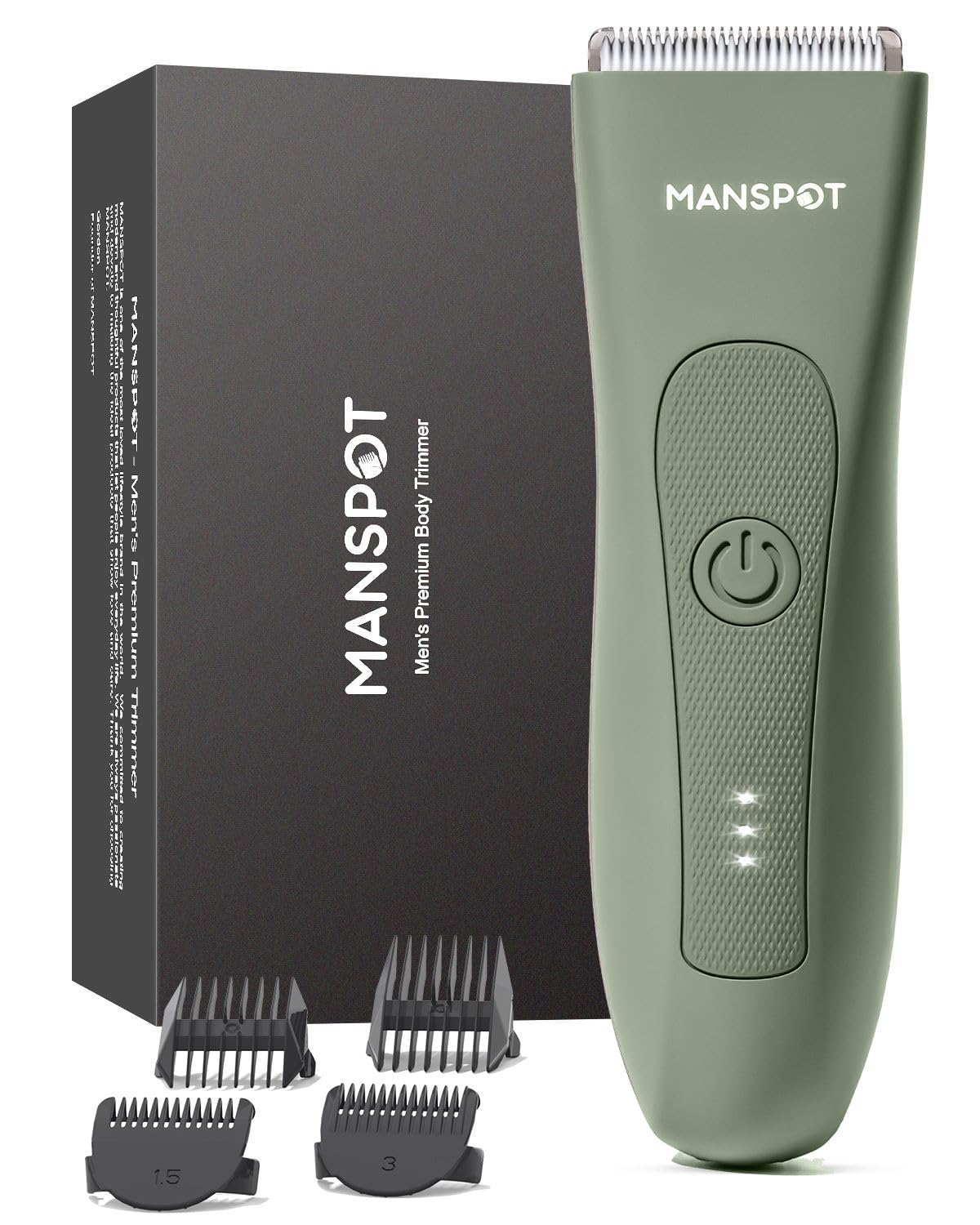
MANSPOT Electric Pubic Hair Trimmer - Waterproof Body and Groin Shaver for Men and Women (Black)
$20.39 $40
25% OFF
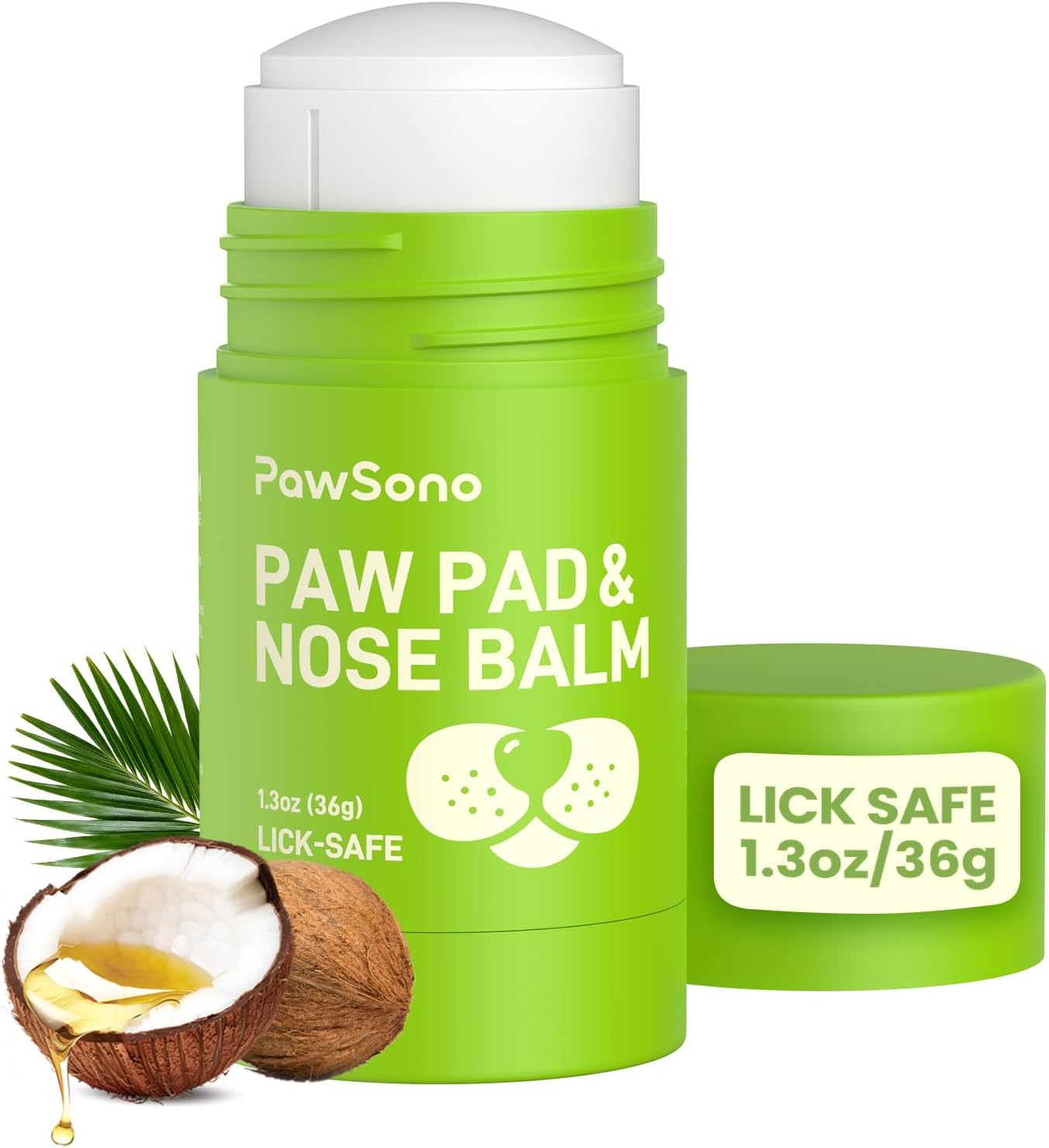
Lick-Safe Dog Paw and Nose Balm Stick - All-Natural Moisturizer with Coconut Oil for Dry, Cracked Pads and Snout
$11.69 $15.59
77% OFF
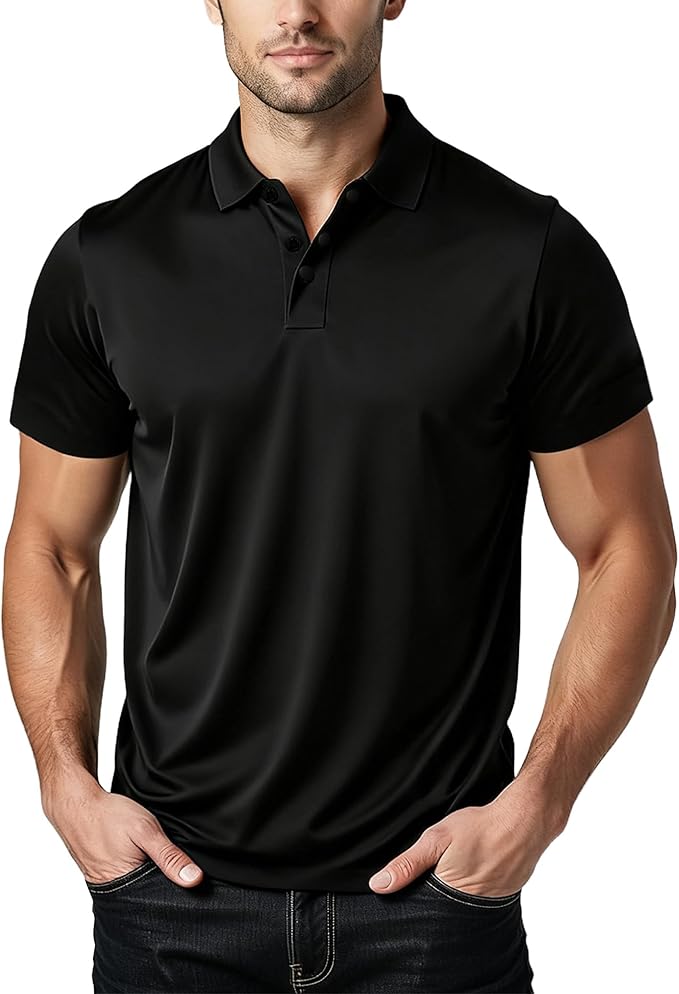
Men's Quick Dry Moisture Wicking Polo Shirt - High Elasticity Slim Fit Athletic Top (Runs Small)
$6.99 $29.99
46% OFF
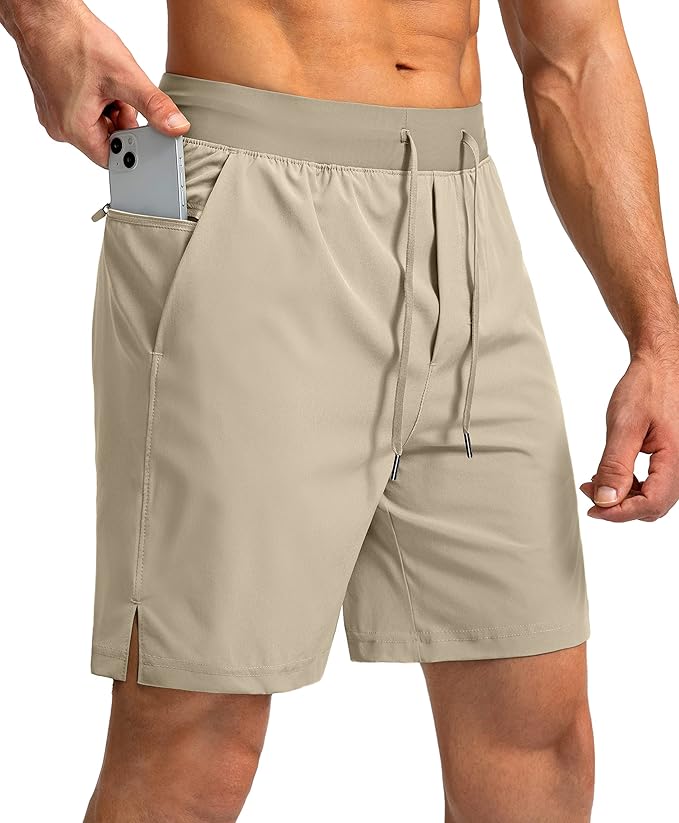
Men's Running Shorts with Zipper Pockets - Lightweight, Quick-Dry, Multi-Sport
$12.95 $23.99
50% OFF

NEWFAST NF-RE523 AC1200 WiFi Extender - 1200Mbps Dual Band Signal Booster & Internet Repeater
$18.5 $36.99
48% OFF
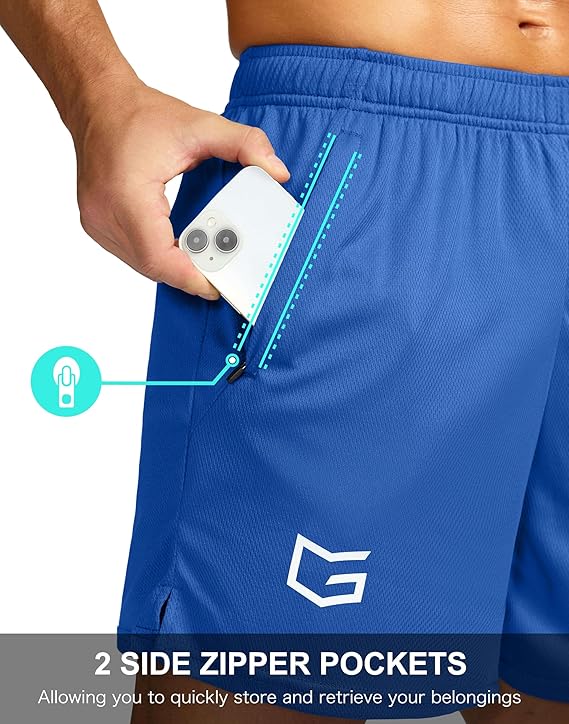
G Gradual Men's 7-inch Workout Running Shorts - Lightweight, Quick-Dry, Comfort
$12.91 $24.99
30% OFF
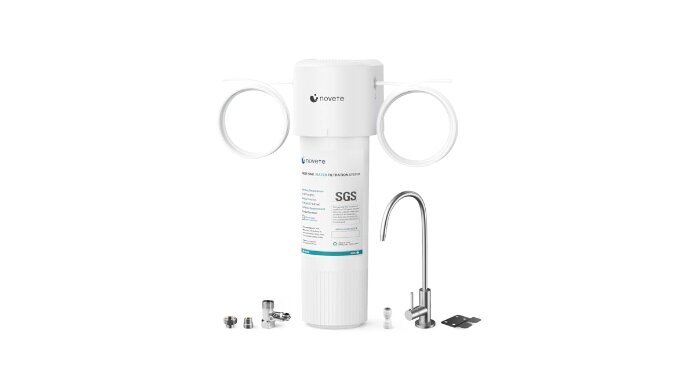
NOVETE Under Sink Water Filter - 3 Years, 30,000 Gallons, High-Efficiency Filtration
$41.99 $59.99
50% OFF

HDPE All-Weather Adirondack Chair with Built-In Cup Holder - Tool-Free Assembly (Grey)
$69.99 $139.99
60% OFF

HOMETUK Clear Plastic Storage Bins with Dividers - 3-Pack Stackable Acrylic Organizer Containers for Fridge and Pantry
$19.99 $49.99
58% OFF
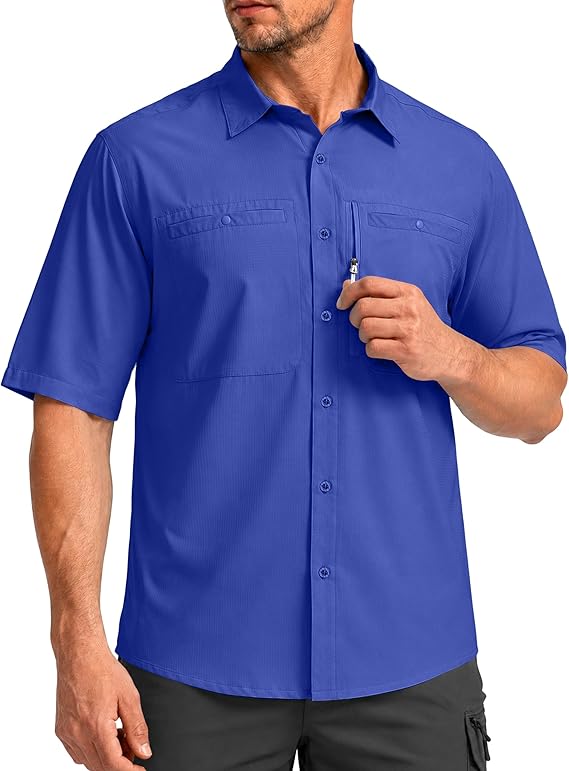
G Gradual Men's Fishing Shirt - UPF 50+ Lightweight Short Sleeve Button Down with Zipper Pockets
$14.99 $35.99
55% OFF

Everyfun 60" Rectangular Platform Tree Swing - 700lbs Heavy Duty Adjustable Outdoor Swing (Colorful)
$49.99 $110.99
61% OFF
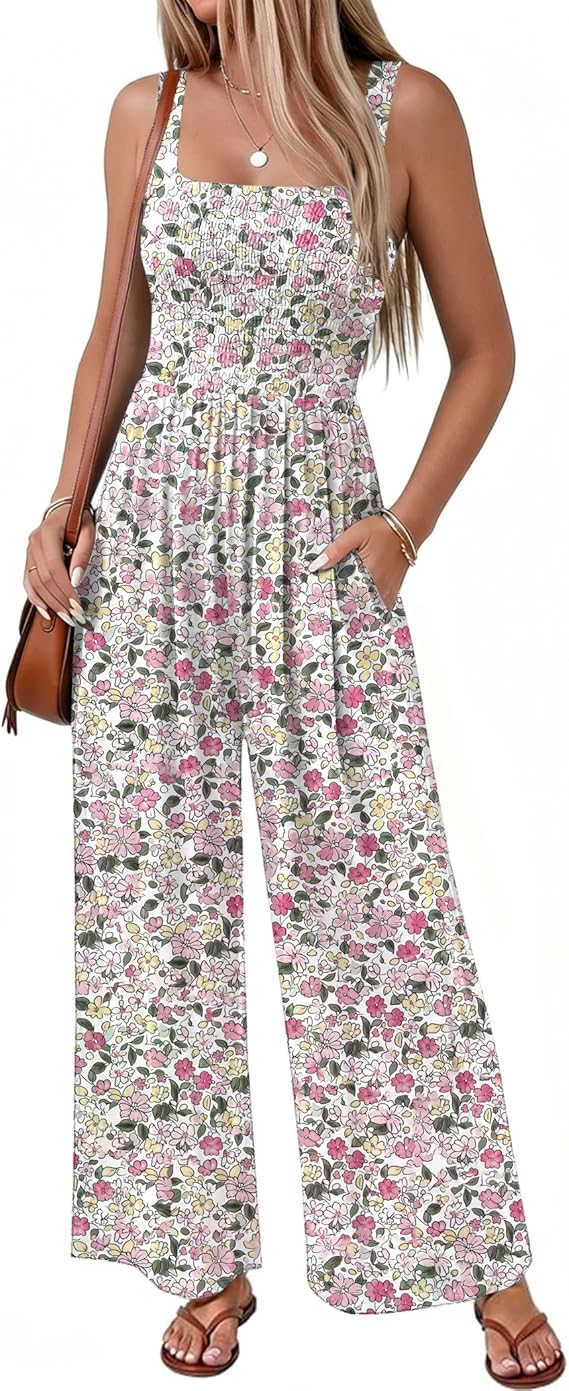
Ekouaer Women's Casual Loose Jumpsuit - One-Piece Printed Sleeveless Wide Leg Romper with Pockets
$14.99 $37.99
36% OFF

Men's Athletic Running Shorts with Zipper Pockets - Lightweight & Quick Dry
$12.74 $19.99
61% OFF
Modern Ceiling Fan with Light and Remote - Reversible Quiet DC Motor
$69.3 $179.99
50% OFF
MOOKA H13 True HEPA Air Purifier for Home Large Room - 1076 sq ft Odor Eliminator
$39.97 $79.95
40% OFF
X-Sense XS01-WX Smart Smoke Alarm - 2.4 GHz Wi-Fi Photoelectric Fire Detector with Mobile App Alerts
$65.99 $109.99
11% OFF
VitaUp Beet Root Gummies with CoQ10 & Grape Seed - Nitric Oxide Circulation Support (60 Count)
$24.91 $27.91
Sealy 2-Pack Tritech 16" Twin Inflatable Air Mattress with Built-in AC Pump
$0 $113.99
20% OFF
INTEX Prism Frame 20ft x 52in Above Ground Pool Set - Round Steel Frame Swimming Pool
$695.99 $869.99

Gardner Pet 43" Heavy Duty Dog Crate with Wheels - Indestructible Folding Metal Cage (Black)
$0 $149.99




-

Diary of a CEO’s Steven Bartlett and John Lennox discuss AI, faith and the search for meaning
-

Belfast churches 'heartbroken' over unrest
-

Is there a two-tier Britain?
-

Churches must disciple well and listen well in response to rise of Christian nationalism
-

Biblical models and the creation of King Arthur
-

Welsh reverend speaks of culture of fear over LGBT issues
Most Popular
related articles
Investigation Panel: South Korean Scientists Faked Stem Cell Papers
Investigation Panel: South Korean Scientists Faked Stem Cell Papers
S. Korean University Apologises for Fake Stem Cells Claims
S. Korean University Apologises for Fake Stem Cells Claims
Leading Bioethics Think-tank Concerned By Embryo Research
Leading Bioethics Think-tank Concerned By Embryo Research
Church Anger at Liberalisation of Stem Cell Research
Church Anger at Liberalisation of Stem Cell Research
Agreement on Common Embryo Research Policy Left Undecided by EU
Agreement on Common Embryo Research Policy Left Undecided by EU
News
Gloucester churches come together to bless River Avon amid pollution concerns
It is part of a broader campaign against river pollution as concerns remain about the amount of untreated sewage in the Avon.

Life beyond burnout: how Christians can grow in the desert seasons
Christian Today speaks to author and Anglican priest Tish Harrison Warren about growth in desert seasons and why the Church shouldn’t treat all spiritual weariness as a problem to fix.
Iranian-born bishop stands in solidarity with Britain's Jews
2025 had the second highest number of antisemitic incidents on record.

Bishops protest Israeli arrest of another Palestinian Christian
An Evangelical Lutheran has been accused of "promoting terrorist activities".
MANSPOT Electric Pubic Hair Trimmer - Waterproof Body and Groin Shaver for Men and Women (Black)
$20.39
Lick-Safe Dog Paw and Nose Balm Stick - All-Natural Moisturizer with Coconut Oil for Dry, Cracked Pads and Snout
$11.69
Men's Quick Dry Moisture Wicking Polo Shirt - High Elasticity Slim Fit Athletic Top (Runs Small)
$6.99
Men's Running Shorts with Zipper Pockets - Lightweight, Quick-Dry, Multi-Sport
$12.95
NEWFAST NF-RE523 AC1200 WiFi Extender - 1200Mbps Dual Band Signal Booster & Internet Repeater
$18.5
G Gradual Men's 7-inch Workout Running Shorts - Lightweight, Quick-Dry, Comfort
$12.91
NOVETE Under Sink Water Filter - 3 Years, 30,000 Gallons, High-Efficiency Filtration
$41.99
HDPE All-Weather Adirondack Chair with Built-In Cup Holder - Tool-Free Assembly (Grey)
$69.99
HOMETUK Clear Plastic Storage Bins with Dividers - 3-Pack Stackable Acrylic Organizer Containers for Fridge and Pantry
$19.99
G Gradual Men's Fishing Shirt - UPF 50+ Lightweight Short Sleeve Button Down with Zipper Pockets
$14.99
Everyfun 60" Rectangular Platform Tree Swing - 700lbs Heavy Duty Adjustable Outdoor Swing (Colorful)
$49.99
Ekouaer Women's Casual Loose Jumpsuit - One-Piece Printed Sleeveless Wide Leg Romper with Pockets
$14.99
Men's Athletic Running Shorts with Zipper Pockets - Lightweight & Quick Dry
$12.74
Modern Ceiling Fan with Light and Remote - Reversible Quiet DC Motor
$69.3
MOOKA H13 True HEPA Air Purifier for Home Large Room - 1076 sq ft Odor Eliminator
$39.97
X-Sense XS01-WX Smart Smoke Alarm - 2.4 GHz Wi-Fi Photoelectric Fire Detector with Mobile App Alerts
$65.99
VitaUp Beet Root Gummies with CoQ10 & Grape Seed - Nitric Oxide Circulation Support (60 Count)
$24.91
Sealy 2-Pack Tritech 16" Twin Inflatable Air Mattress with Built-in AC Pump
$0
INTEX Prism Frame 20ft x 52in Above Ground Pool Set - Round Steel Frame Swimming Pool
$695.99
Gardner Pet 43" Heavy Duty Dog Crate with Wheels - Indestructible Folding Metal Cage (Black)
$0