
|PIC1|It's been said that the number of people dying of Aids represents the equivalent of 20 fully loaded 747s crashing every single day for a year.
At least 33 million people are alive with HIV and perhaps another 43 million have already perished from Aids. Aids is the biggest health problem the world has ever faced.
Having just marked World Aids Day once again, it's worth us each stopping to consider the scale of this tragic disease - and to consider what we as individuals might be able to do to alleviate the problem.
But when the headlines reflect such a massive worldwide problem, it's easy to feel overwhelmed; it's easy to raise our hands in despair and say, "What can I possibly do to alleviate a problem that's become so huge?"
The World Health Organisation's 2004 report said that: "HIV/Aids may not be curable, but it is certainly preventable and treatable."
At one point Uganda had one of the highest rates of infection in the world. The Ugandans have a saying: "one plus one soon makes a bundle." Every individual can make a difference - so too can organisations, community groups and churches.
Today, Uganda's infection rate has dropped in no small part because of a grass-roots movement that encourages abstinence and faithfulness. Christian churches have been at the forefront of this movement. They've also been on the front line of providing Aids care and supporting Aids orphans.
As individuals and organisations, we can lobby local members of Parliament for more funding for Aids research or Aids care.
We can also talk to them about stopping the international sex trade, which leaves so many people - in particular children - vulnerable to the spread of Aids.
More than $10 billion is needed every year for Aids prevention and treatment in poor countries - and the cost keeps growing.
Rich governments need to invest more in distributing treatments to poorer neighbours.
We can also pressure drug companies to share their know-how with the poor.
Whilst there is as yet no medical cure for Aids there have been some positive signs with the development of anti-retroviral drugs. These drugs have some pretty uncomfortable side effects, but at least they stop HIV from reproducing inside the body; they give the body some breathing space to fight back.
But anti-retrovirals are still not available to everyone who needs their help, especially the poorest of the poor. Drug companies see no profit margin in giving their products away.
We need to bring pressure to bear so that drug companies look beyond the bottom line, cutting their margins and in some cases waiving their profits altogether, in the interests of being humane.
As individuals, organisations and churches, we can also invest time or money with Aids-related charities. Different organisations focus on different countries and different needs.
Some work directly with Aids orphans; others educate people about the disease. Some set up advocacy groups for Aids-related causes, such as the rights of women.
And of course we don't have to travel to Africa to find young people who need to know about the dangers of HIV and Aids and other sexually transmitted diseases.
Workers in areas of high risk will tell you that one of the biggest weapons against Aids is education or awareness.
It's vital that people are encouraged to be tested for the disease and that they remain faithful within marriage. The more sexual partners a person has, the more likely they are to contract and pass on the disease - condoms or no condoms.
Britain has one of the highest rates of teen pregnancy in Europe. Young people are becoming sexually active at a younger and younger age - usually without any real guidance about what that means, physically or emotionally.
In the UK and much of Europe there's a need for organisations that will work to raise awareness of Aids and sexually transmitted diseases in general - and to discourage the young from getting involved with the kind of promiscuous sexual activity that provides their breeding ground.
Over the next decade, finding cures for major diseases may become a matter of survival for a lot more people than it is today. Even in today's high-tech age we basically have no medical protection against viral plague. There is no equivalent of penicillin for viruses.
Today's increasing world population and our high mobility have made us more exposed than ever to the risk of global epidemic. Aside from HIV and Aids, we're seeing other new viruses emerge, viruses that change shape quickly, developing immunities to our drugs.
People who are suffering the pain of HIV and Aids, or any other major strain of disease, will need sanctuaries, places of healing both physical and emotional. Community organisations such as churches can be provide those kinds of sanctuaries, as they have often done in the past.
You don't have to be a person of faith to get involved in Aids care or support. Most people, whatever their beliefs, share the same concerns and commitment.
Yet if, as many Christians believe, the power of Christ is present within the Church to heal sickness or, at the very least, to give solace for those who suffer, the presence of tragic diseases like HIV/AIDS surely represents a positive challenge for faith - a challenge that people faith should rise to meet.
As one songwriter put it, "healing is just another word for love."
Mal Fletcher is an author, social commentator, global conference speaker, leadership consultant and TV and radio broadcaster based in London.
Copyright Mal Fletcher 2008, Next Wave International, www.malfletcher.net Printed with permission
49% OFF
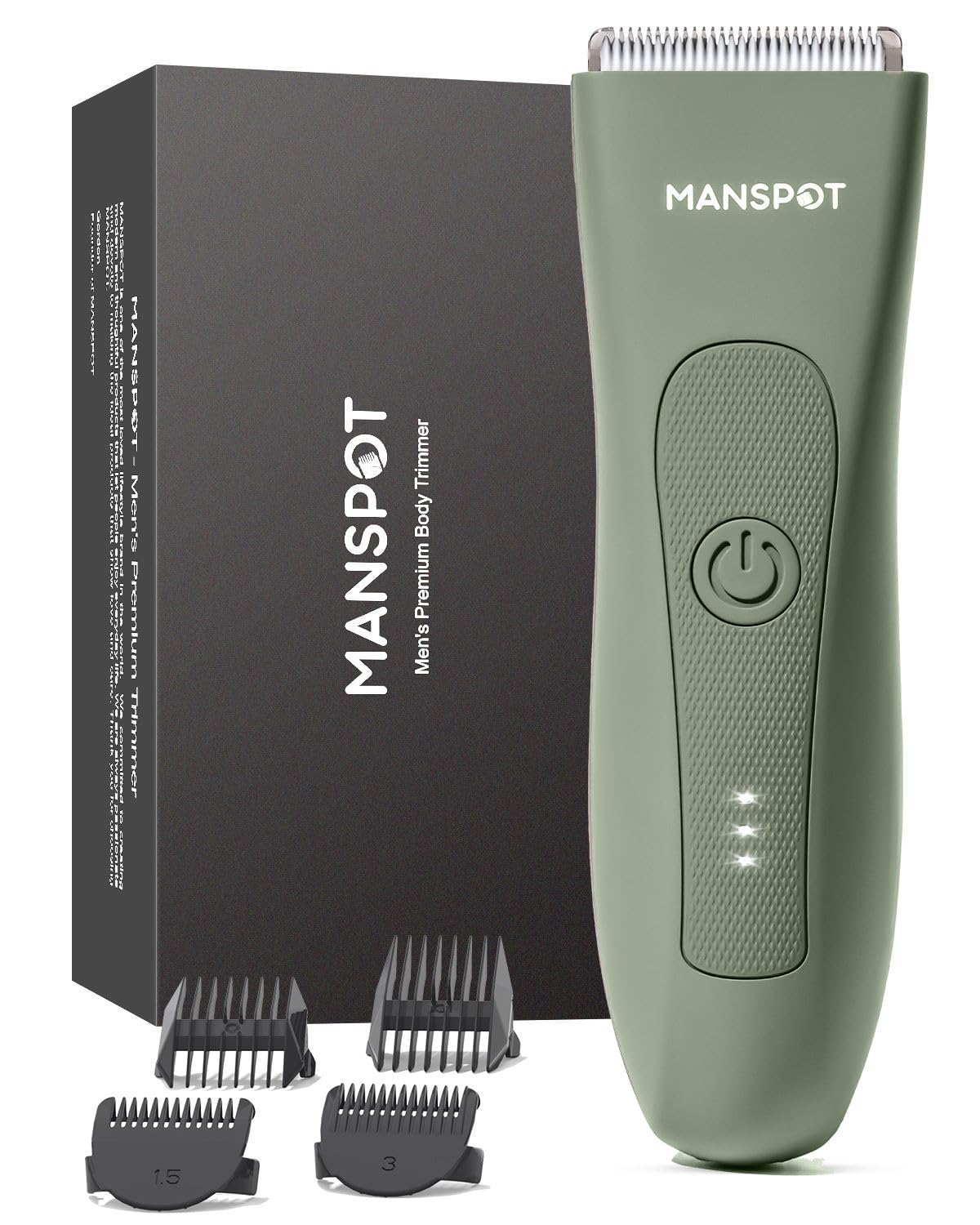
MANSPOT Electric Pubic Hair Trimmer - Waterproof Body and Groin Shaver for Men and Women (Black)
$20.39 $40
25% OFF
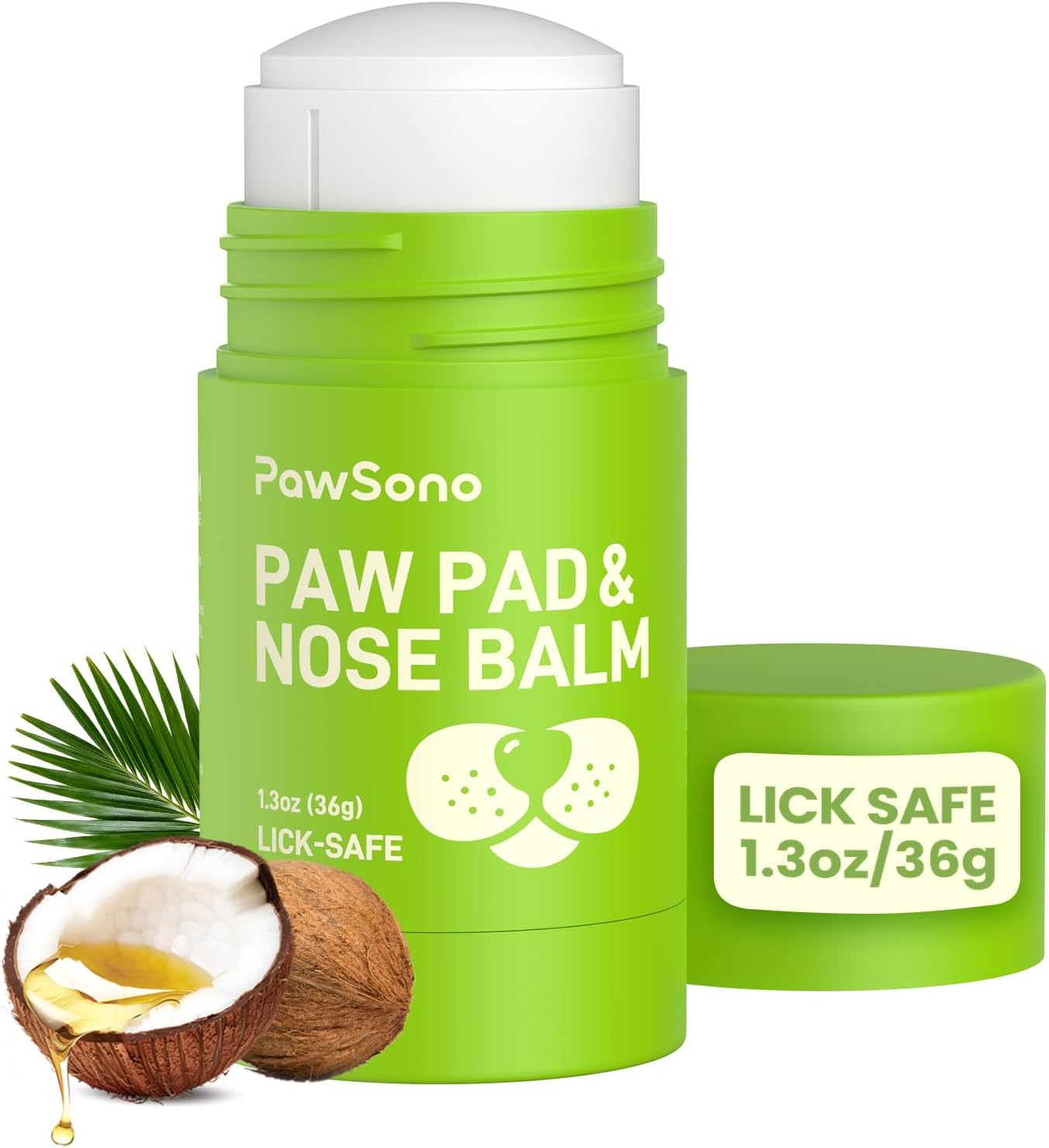
Lick-Safe Dog Paw and Nose Balm Stick - All-Natural Moisturizer with Coconut Oil for Dry, Cracked Pads and Snout
$11.69 $15.59
77% OFF
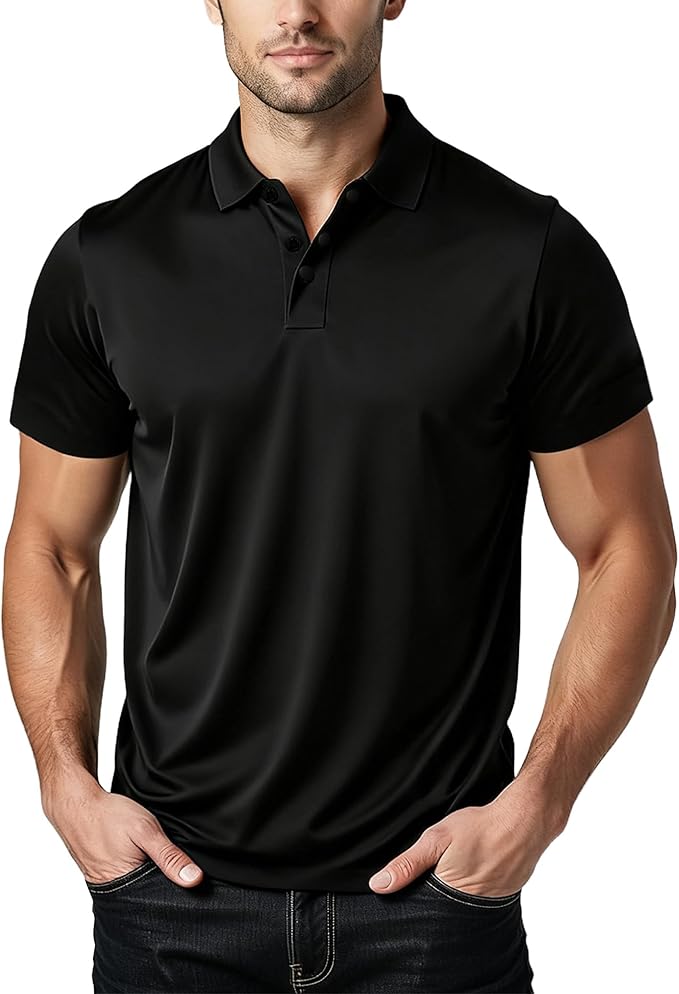
Men's Quick Dry Moisture Wicking Polo Shirt - High Elasticity Slim Fit Athletic Top (Runs Small)
$6.99 $29.99
46% OFF
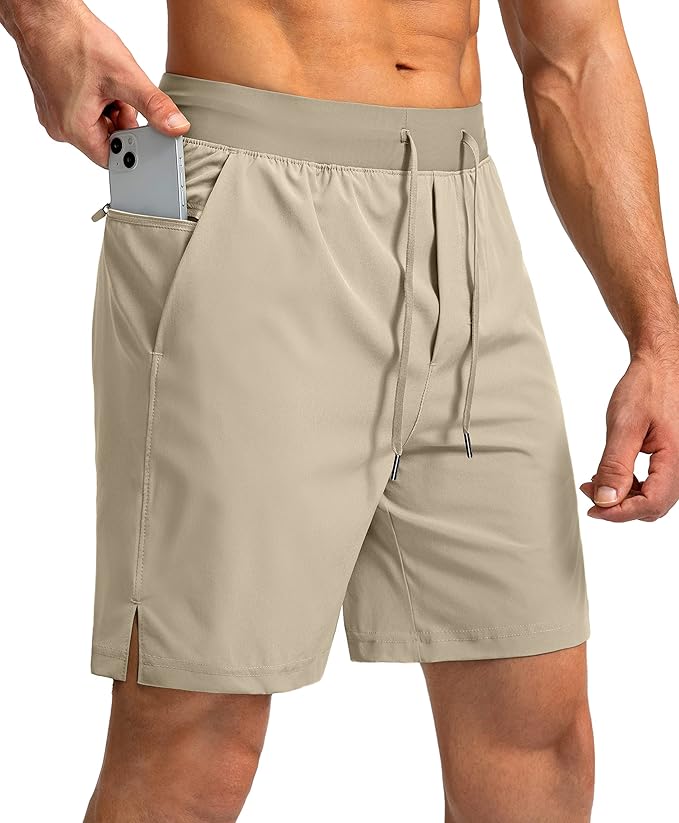
Men's Running Shorts with Zipper Pockets - Lightweight, Quick-Dry, Multi-Sport
$12.95 $23.99
50% OFF
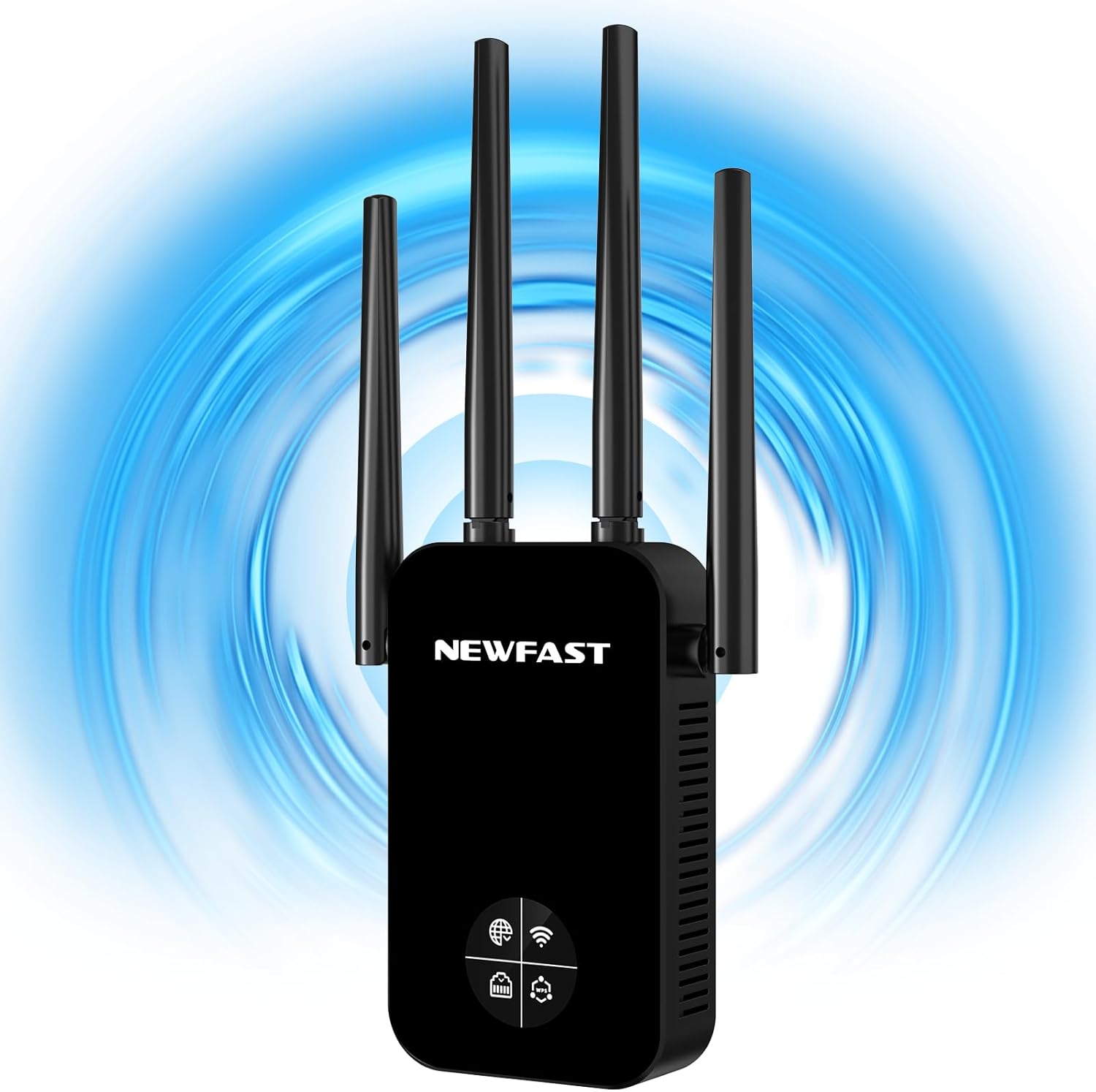
NEWFAST NF-RE523 AC1200 WiFi Extender - 1200Mbps Dual Band Signal Booster & Internet Repeater
$18.5 $36.99
48% OFF
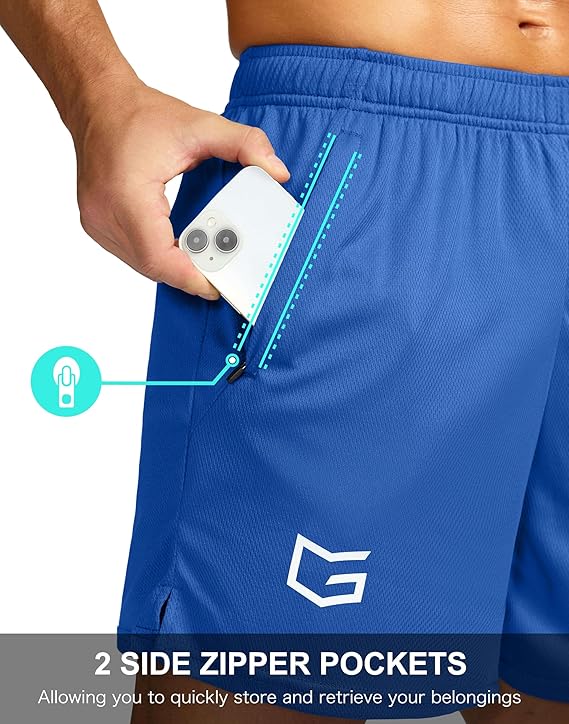
G Gradual Men's 7-inch Workout Running Shorts - Lightweight, Quick-Dry, Comfort
$12.91 $24.99
30% OFF
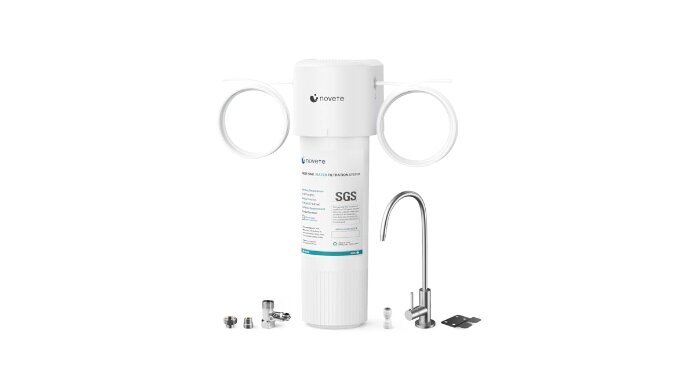
NOVETE Under Sink Water Filter - 3 Years, 30,000 Gallons, High-Efficiency Filtration
$41.99 $59.99
50% OFF

HDPE All-Weather Adirondack Chair with Built-In Cup Holder - Tool-Free Assembly (Grey)
$69.99 $139.99
60% OFF

HOMETUK Clear Plastic Storage Bins with Dividers - 3-Pack Stackable Acrylic Organizer Containers for Fridge and Pantry
$19.99 $49.99
58% OFF

G Gradual Men's Fishing Shirt - UPF 50+ Lightweight Short Sleeve Button Down with Zipper Pockets
$14.99 $35.99
55% OFF

Everyfun 60" Rectangular Platform Tree Swing - 700lbs Heavy Duty Adjustable Outdoor Swing (Colorful)
$49.99 $110.99
61% OFF

Ekouaer Women's Casual Loose Jumpsuit - One-Piece Printed Sleeveless Wide Leg Romper with Pockets
$14.99 $37.99
36% OFF

Men's Athletic Running Shorts with Zipper Pockets - Lightweight & Quick Dry
$12.74 $19.99
61% OFF

Modern Ceiling Fan with Light and Remote - Reversible Quiet DC Motor
$69.3 $179.99
50% OFF

MOOKA H13 True HEPA Air Purifier for Home Large Room - 1076 sq ft Odor Eliminator
$39.97 $79.95
40% OFF
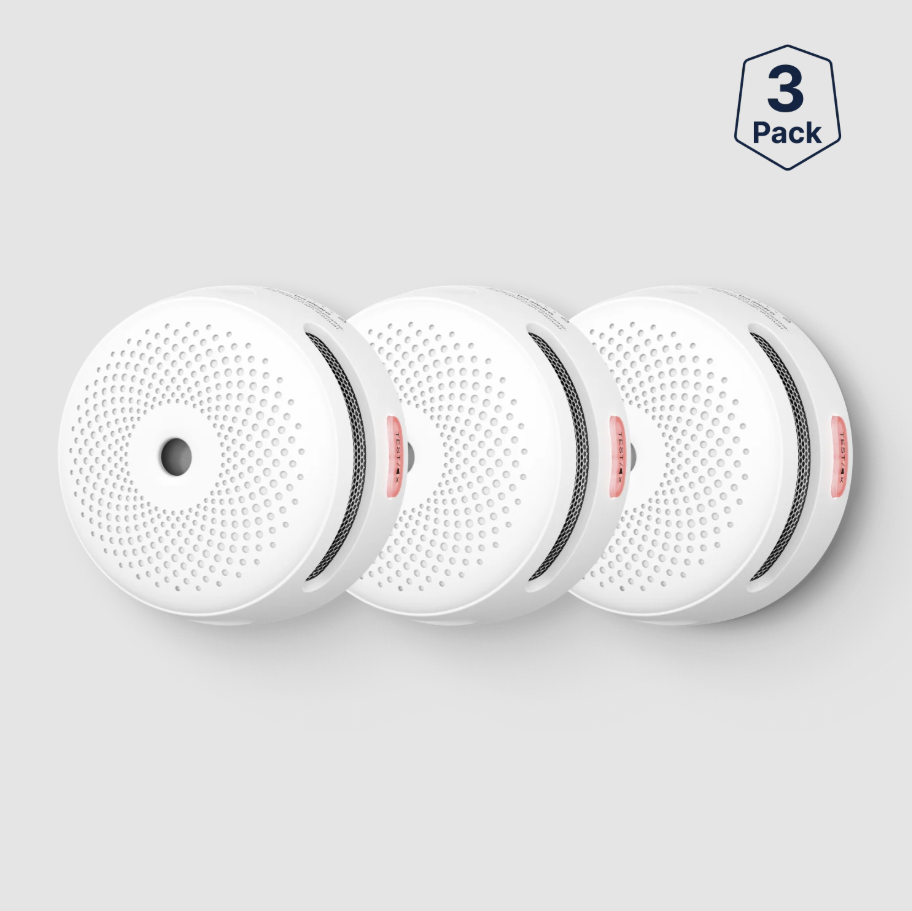
X-Sense XS01-WX Smart Smoke Alarm - 2.4 GHz Wi-Fi Photoelectric Fire Detector with Mobile App Alerts
$65.99 $109.99
11% OFF

VitaUp Beet Root Gummies with CoQ10 & Grape Seed - Nitric Oxide Circulation Support (60 Count)
$24.91 $27.91

Sealy 2-Pack Tritech 16" Twin Inflatable Air Mattress with Built-in AC Pump
$0 $113.99
20% OFF

INTEX Prism Frame 20ft x 52in Above Ground Pool Set - Round Steel Frame Swimming Pool
$695.99 $869.99

Gardner Pet 43" Heavy Duty Dog Crate with Wheels - Indestructible Folding Metal Cage (Black)
$0 $149.99




-

Diary of a CEO’s Steven Bartlett and John Lennox discuss AI, faith and the search for meaning
-

Belfast churches 'heartbroken' over unrest
-

Is there a two-tier Britain?
-

Churches must disciple well and listen well in response to rise of Christian nationalism
-
Biblical models and the creation of King Arthur
-

Welsh reverend speaks of culture of fear over LGBT issues
Most Popular
News

Gloucester churches come together to bless River Avon amid pollution concerns
It is part of a broader campaign against river pollution as concerns remain about the amount of untreated sewage in the Avon.

Life beyond burnout: how Christians can grow in the desert seasons
Christian Today speaks to author and Anglican priest Tish Harrison Warren about growth in desert seasons and why the Church shouldn’t treat all spiritual weariness as a problem to fix.
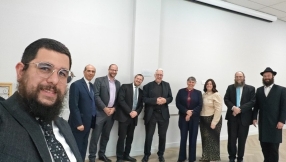
Iranian-born bishop stands in solidarity with Britain's Jews
2025 had the second highest number of antisemitic incidents on record.

Bishops protest Israeli arrest of another Palestinian Christian
An Evangelical Lutheran has been accused of "promoting terrorist activities".
MANSPOT Electric Pubic Hair Trimmer - Waterproof Body and Groin Shaver for Men and Women (Black)
$20.39
Lick-Safe Dog Paw and Nose Balm Stick - All-Natural Moisturizer with Coconut Oil for Dry, Cracked Pads and Snout
$11.69
Men's Quick Dry Moisture Wicking Polo Shirt - High Elasticity Slim Fit Athletic Top (Runs Small)
$6.99
Men's Running Shorts with Zipper Pockets - Lightweight, Quick-Dry, Multi-Sport
$12.95
NEWFAST NF-RE523 AC1200 WiFi Extender - 1200Mbps Dual Band Signal Booster & Internet Repeater
$18.5
G Gradual Men's 7-inch Workout Running Shorts - Lightweight, Quick-Dry, Comfort
$12.91
NOVETE Under Sink Water Filter - 3 Years, 30,000 Gallons, High-Efficiency Filtration
$41.99
HDPE All-Weather Adirondack Chair with Built-In Cup Holder - Tool-Free Assembly (Grey)
$69.99
HOMETUK Clear Plastic Storage Bins with Dividers - 3-Pack Stackable Acrylic Organizer Containers for Fridge and Pantry
$19.99
G Gradual Men's Fishing Shirt - UPF 50+ Lightweight Short Sleeve Button Down with Zipper Pockets
$14.99
Everyfun 60" Rectangular Platform Tree Swing - 700lbs Heavy Duty Adjustable Outdoor Swing (Colorful)
$49.99
Ekouaer Women's Casual Loose Jumpsuit - One-Piece Printed Sleeveless Wide Leg Romper with Pockets
$14.99
Men's Athletic Running Shorts with Zipper Pockets - Lightweight & Quick Dry
$12.74
Modern Ceiling Fan with Light and Remote - Reversible Quiet DC Motor
$69.3
MOOKA H13 True HEPA Air Purifier for Home Large Room - 1076 sq ft Odor Eliminator
$39.97
X-Sense XS01-WX Smart Smoke Alarm - 2.4 GHz Wi-Fi Photoelectric Fire Detector with Mobile App Alerts
$65.99
VitaUp Beet Root Gummies with CoQ10 & Grape Seed - Nitric Oxide Circulation Support (60 Count)
$24.91
Sealy 2-Pack Tritech 16" Twin Inflatable Air Mattress with Built-in AC Pump
$0
INTEX Prism Frame 20ft x 52in Above Ground Pool Set - Round Steel Frame Swimming Pool
$695.99
Gardner Pet 43" Heavy Duty Dog Crate with Wheels - Indestructible Folding Metal Cage (Black)
$0