
African leaders urged the Group of Eight rich nations on Monday to keep promises to help their continent and pleaded with them to remember that soaring oil and food prices were making their poverty worse.
The G8 has been accused by activists of reneging on the promise made at its 2005 summit in Gleneagles, Scotland, to double aid by 2010 to $50 billion (25.7 billion pounds), half of which would go to Africa.
"Some African leaders just wanted to emphasise that while appreciating G8 leaders' commitment to help Africa in past G8 summits, they just wanted to point that they would like to see these commitments fully implemented," Japanese Foreign Ministry spokesman Kazuo Kodama said.
"They also sent their message that they would really like to see no backtracking, as such, on the part of G8 leaders on their commitments."
The issue of African poverty topped the agenda at the start of a three-day G8 summit in Japan, closely linked with rising food and fuel prices and the contentious topic of how to fight global warming, which the leaders will tackle later in the week.
Citing a final draft of the G8 leaders' communique, Japan's Yomiuri newspaper reported on Monday that they would call rising food and oil prices a "serious threat".
Japan invited the leaders of Algeria, Ethiopia, Ghana, Nigeria, Senegal, South Africa and Tanzania to join the day's discussion at a luxury hotel wreathed in fog on the northern island of Hokkaido.
"African leaders asked for the G8 leadership to help those who are hurt significantly by rising oil prices, such as showing their leadership in talks with OPEC countries," a Japanese official said after the meeting.
BETTER MONITORING
World Bank President Robert Zoellick, who was also at the talks, said the leaders discussed a system to better track the aid to ensure commitments were honoured.
"There was a desire to have greater comfort on both sides on the delivery. So there was some movement towards the idea that the G8 in their process - perhaps with their sherpas - may engage with the African Union commission," Zoellick said.
"Countries need to deliver on their promises, and that was the tone that was generally accepted in the discussion," he told a news conference.
A report last month by the Africa Progress Panel, which was set up to monitor implementation of the Gleneagles commitments, said that under current spending plans the G8 will fall $40 billion short of its target.
This year marks the half-way point to reach eight Millennium Development Goals (MDGs) set by the U.N. General Assembly in September 2000 to reduce world poverty by 2015.
With grain prices having doubled since January 2006, Africa needs more help, not less, activists say.
A preliminary World Bank study released last week estimated that up to 105 million more people could drop below the poverty line due to rising food prices, including 30 million in Africa.
In Liberia, the cost of food for a typical household jumped by 25 percent in January alone, increasing the poverty rate to over 70 percent from 64 percent, the study found.
Max Lawson, a policy adviser to Oxfam, said the summit was arguably the most important G8 gathering in a decade.
"The world is clearly facing multiple crises - serious, serious economic problems, both rich and poor countries. But it is poor people who suffer the most, suffering hugely from food price increases," Lawson told reporters.
ZIMBABWE DIVISIONS
World leaders took the opportunity to raise the prospect of more sanctions against Zimbabwe unless quick progress is made to end a political crisis after a run-off election in June in which Robert Mugabe was the only presidential candidate.
The opposition candidate withdrew amid widespread violence against his supporters.
They told the African leaders at the gathering to deal with Mugabe or trade and investment on the whole continent would be affected, a Canadian official told reporters.
Tanzanian President Jakaya Kikwete suggested that African leaders shared the G8's concerns, but differed over the best response.
The G8 comprises the United States, Japan, France, Britain, Germany, Canada, Italy and Russia.
Many critics and even member countries suggest the G8, formed in 1975 with just six members in the wake of the first oil crisis, should expand to take in large developing nations to better represent the world.
On Monday hundreds of demonstrators from Japan and other countries marched in heavy rain toward the summit venue, carrying signs slamming the rich nations' cosy club.
Heavy security meant that they were kept several kilometres (miles) away. Two groups tried to take unauthorised routes but were turned back by dozens of police.
Global warming will be the focus of an expanded meeting on Wednesday that will include China and India, two fast-growing economies that are pumping out more and more greenhouse gases.
But deep divisions within the G8 as well as between rich and poor nations have raised doubts about the chances for progress beyond last year's summit, where the G8 agreed to "seriously consider" a global goal of halving greenhouse gas emissions by 2050.
The European Union and green groups are piling pressure on a reluctant United States to agree to a target to halve global greenhouse gas emissions by mid-century and back the need for 2020 targets for rich countries as well.
49% OFF
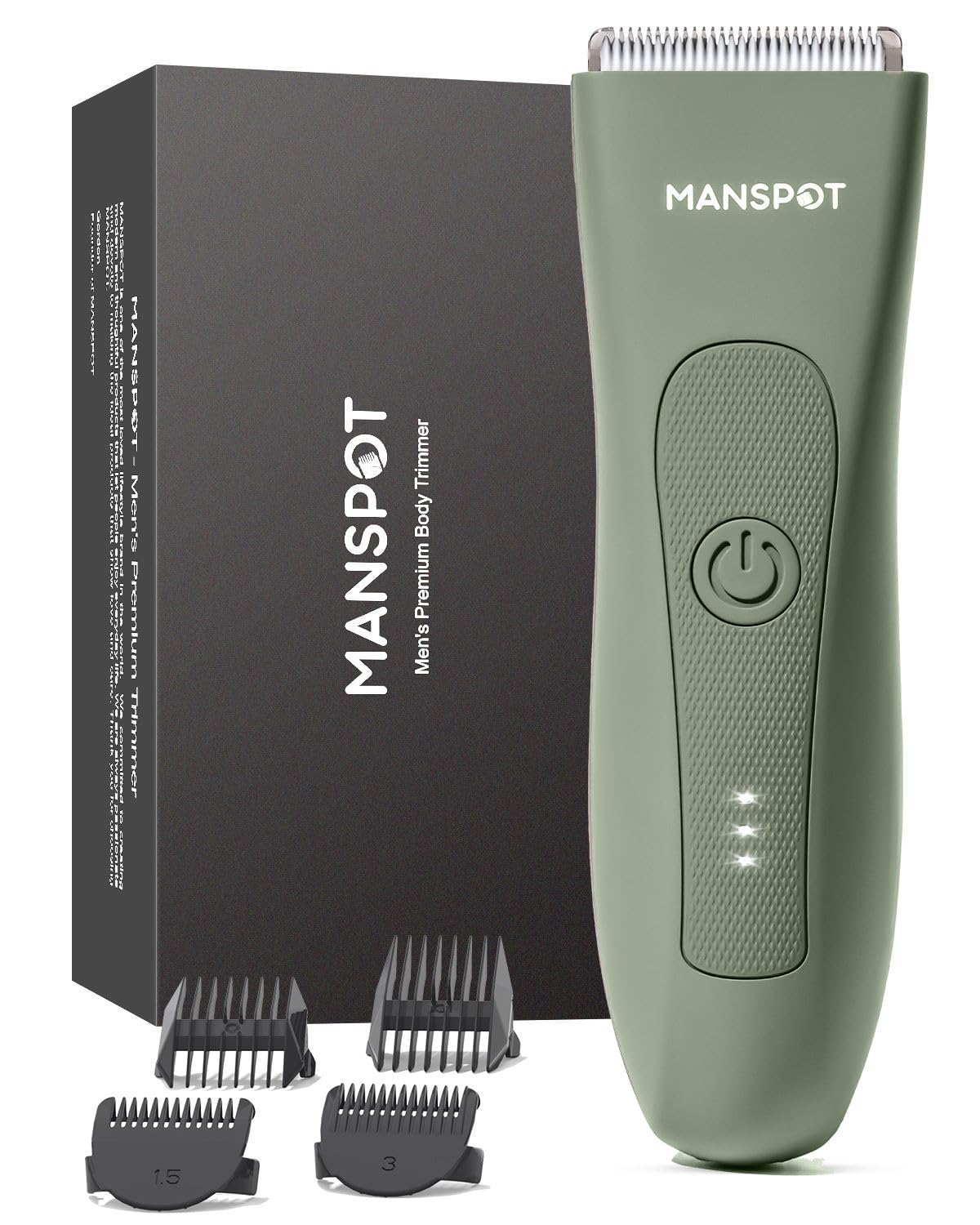
MANSPOT Electric Pubic Hair Trimmer - Waterproof Body and Groin Shaver for Men and Women (Black)
$20.39 $40
25% OFF
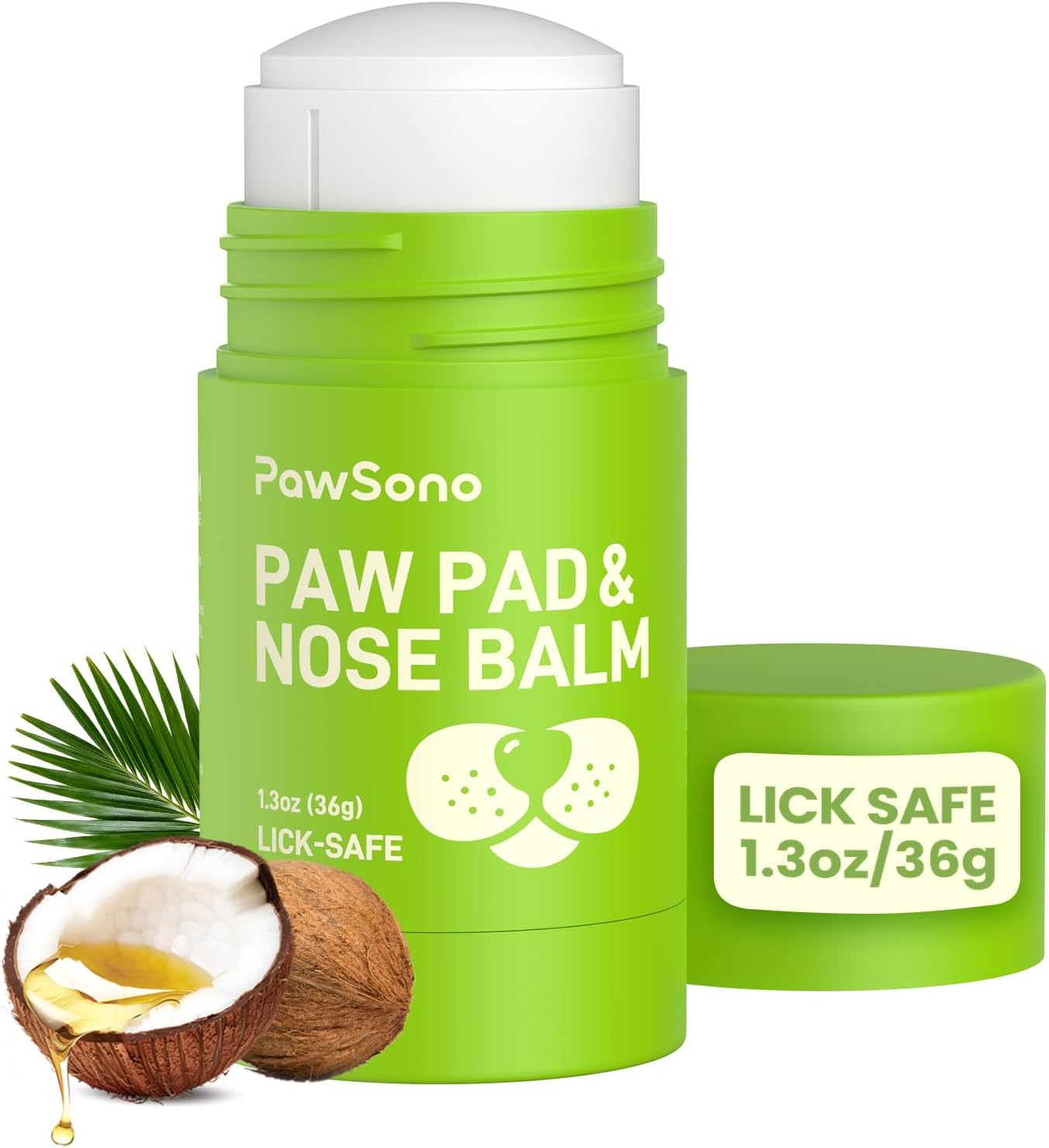
Lick-Safe Dog Paw and Nose Balm Stick - All-Natural Moisturizer with Coconut Oil for Dry, Cracked Pads and Snout
$11.69 $15.59
77% OFF
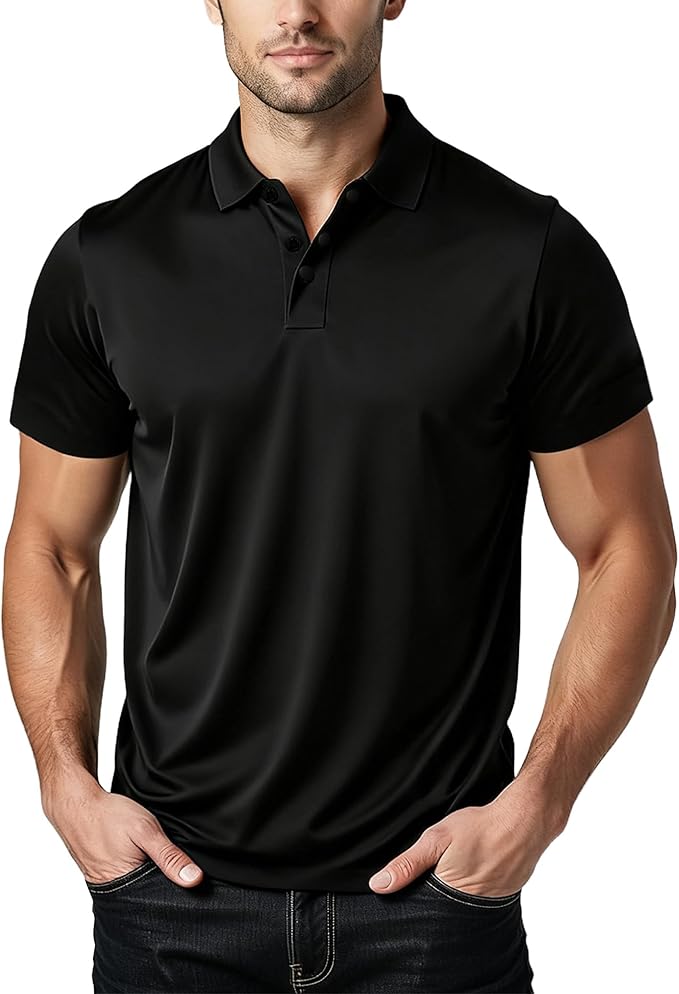
Men's Quick Dry Moisture Wicking Polo Shirt - High Elasticity Slim Fit Athletic Top (Runs Small)
$6.99 $29.99
46% OFF
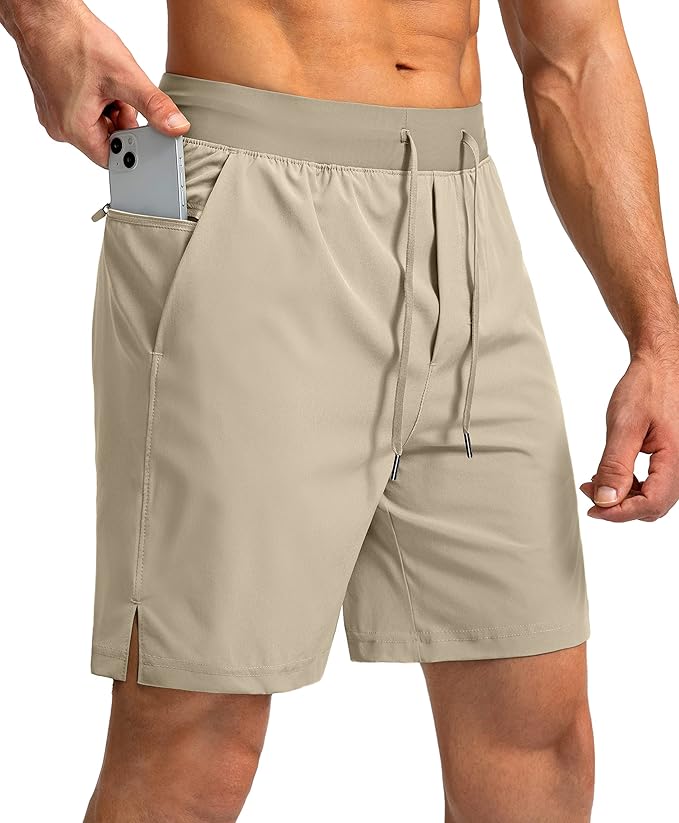
Men's Running Shorts with Zipper Pockets - Lightweight, Quick-Dry, Multi-Sport
$12.95 $23.99
50% OFF

NEWFAST NF-RE523 AC1200 WiFi Extender - 1200Mbps Dual Band Signal Booster & Internet Repeater
$18.5 $36.99
48% OFF
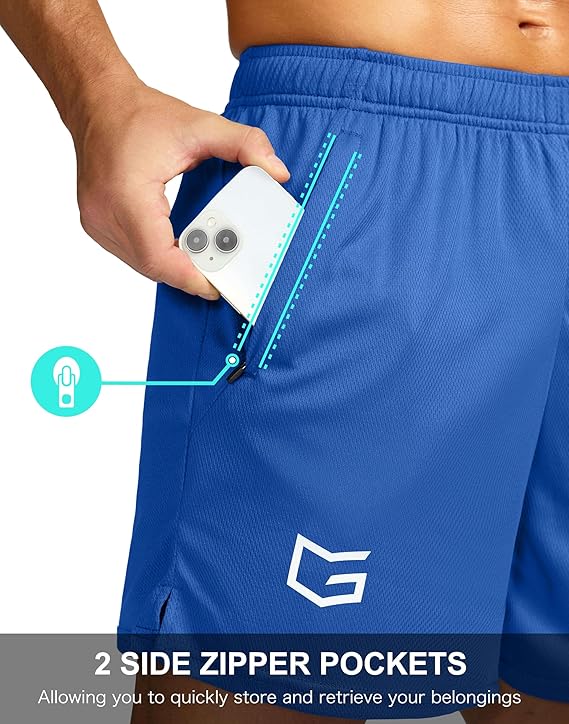
G Gradual Men's 7-inch Workout Running Shorts - Lightweight, Quick-Dry, Comfort
$12.91 $24.99
30% OFF
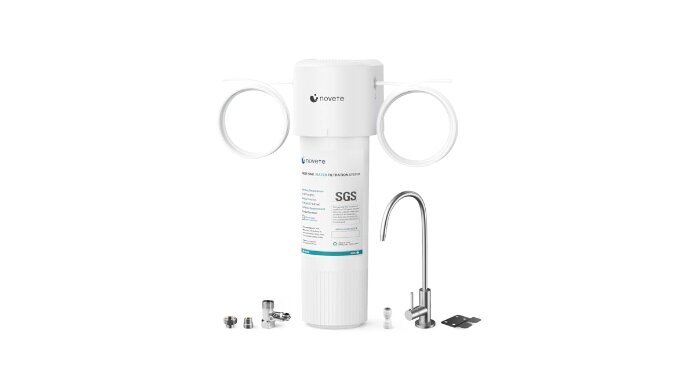
NOVETE Under Sink Water Filter - 3 Years, 30,000 Gallons, High-Efficiency Filtration
$41.99 $59.99
50% OFF

HDPE All-Weather Adirondack Chair with Built-In Cup Holder - Tool-Free Assembly (Grey)
$69.99 $139.99
60% OFF

HOMETUK Clear Plastic Storage Bins with Dividers - 3-Pack Stackable Acrylic Organizer Containers for Fridge and Pantry
$19.99 $49.99
58% OFF

G Gradual Men's Fishing Shirt - UPF 50+ Lightweight Short Sleeve Button Down with Zipper Pockets
$14.99 $35.99
55% OFF

Everyfun 60" Rectangular Platform Tree Swing - 700lbs Heavy Duty Adjustable Outdoor Swing (Colorful)
$49.99 $110.99
61% OFF

Ekouaer Women's Casual Loose Jumpsuit - One-Piece Printed Sleeveless Wide Leg Romper with Pockets
$14.99 $37.99
36% OFF

Men's Athletic Running Shorts with Zipper Pockets - Lightweight & Quick Dry
$12.74 $19.99
61% OFF

Modern Ceiling Fan with Light and Remote - Reversible Quiet DC Motor
$69.3 $179.99
50% OFF

MOOKA H13 True HEPA Air Purifier for Home Large Room - 1076 sq ft Odor Eliminator
$39.97 $79.95
40% OFF
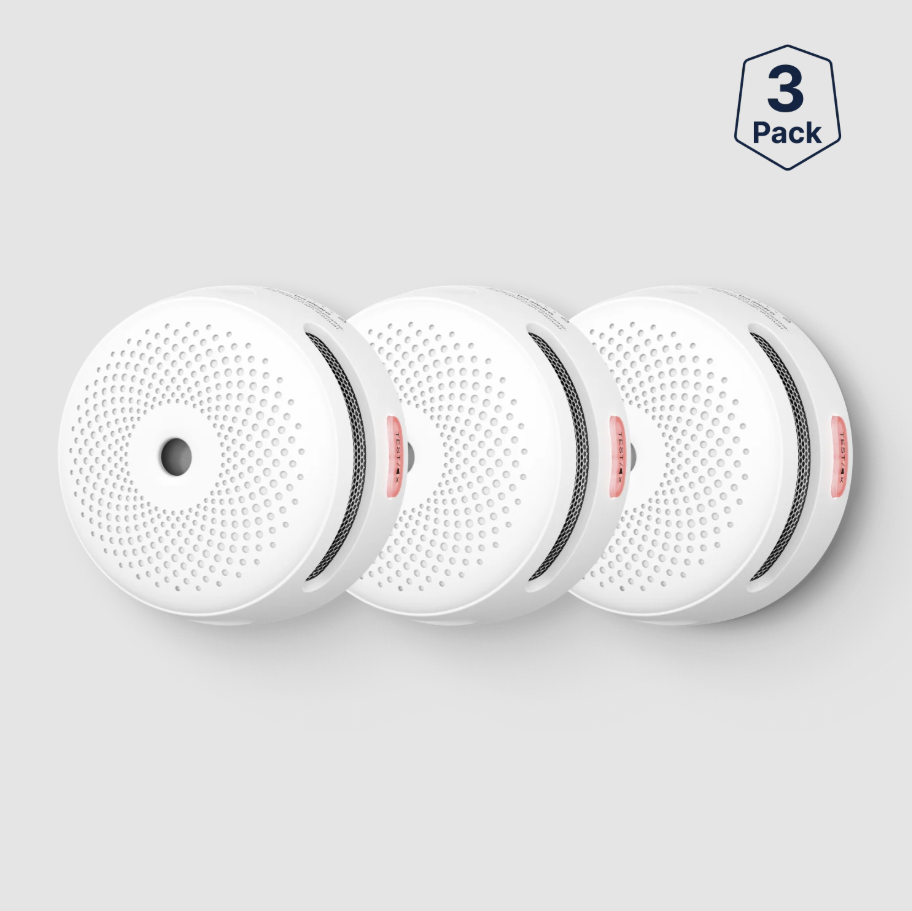
X-Sense XS01-WX Smart Smoke Alarm - 2.4 GHz Wi-Fi Photoelectric Fire Detector with Mobile App Alerts
$65.99 $109.99
11% OFF

VitaUp Beet Root Gummies with CoQ10 & Grape Seed - Nitric Oxide Circulation Support (60 Count)
$24.91 $27.91

Sealy 2-Pack Tritech 16" Twin Inflatable Air Mattress with Built-in AC Pump
$0 $113.99
20% OFF

INTEX Prism Frame 20ft x 52in Above Ground Pool Set - Round Steel Frame Swimming Pool
$695.99 $869.99

Gardner Pet 43" Heavy Duty Dog Crate with Wheels - Indestructible Folding Metal Cage (Black)
$0 $149.99




-

Diary of a CEO’s Steven Bartlett and John Lennox discuss AI, faith and the search for meaning
-

Belfast churches 'heartbroken' over unrest
-

Is there a two-tier Britain?
-
Churches must disciple well and listen well in response to rise of Christian nationalism
-

Welsh reverend speaks of culture of fear over LGBT issues
-

South Wales Police back down on imposing Islamic 'blasphemy law'
Most Popular
related articles
Bono and Geldof: World Leaders Failing to Keep Promises
Bono and Geldof: World Leaders Failing to Keep Promises
Religious leaders in peace call to G8 leaders
Religious leaders in peace call to G8 leaders
Charities tell G8 not to turn backs on Africa
Charities tell G8 not to turn backs on Africa
News

Anti-Christian hate crimes across Europe surge in May as arson attacks reach 2026 high
Anti-Christian incidents across Europe rose sharply in May, with new figures showing the highest monthly number of arson-related attacks recorded so far this year.
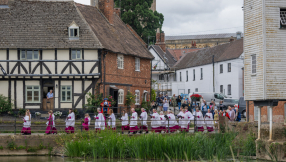
Gloucester churches come together to bless River Avon amid pollution concerns
It is part of a broader campaign against river pollution as concerns remain about the amount of untreated sewage in the Avon.

Life beyond burnout: how Christians can grow in the desert seasons
Christian Today speaks to author and Anglican priest Tish Harrison Warren about growth in desert seasons and why the Church shouldn’t treat all spiritual weariness as a problem to fix.

Iranian-born bishop stands in solidarity with Britain's Jews
2025 had the second highest number of antisemitic incidents on record.
MANSPOT Electric Pubic Hair Trimmer - Waterproof Body and Groin Shaver for Men and Women (Black)
$20.39
Lick-Safe Dog Paw and Nose Balm Stick - All-Natural Moisturizer with Coconut Oil for Dry, Cracked Pads and Snout
$11.69
Men's Quick Dry Moisture Wicking Polo Shirt - High Elasticity Slim Fit Athletic Top (Runs Small)
$6.99
Men's Running Shorts with Zipper Pockets - Lightweight, Quick-Dry, Multi-Sport
$12.95
NEWFAST NF-RE523 AC1200 WiFi Extender - 1200Mbps Dual Band Signal Booster & Internet Repeater
$18.5
G Gradual Men's 7-inch Workout Running Shorts - Lightweight, Quick-Dry, Comfort
$12.91
NOVETE Under Sink Water Filter - 3 Years, 30,000 Gallons, High-Efficiency Filtration
$41.99
HDPE All-Weather Adirondack Chair with Built-In Cup Holder - Tool-Free Assembly (Grey)
$69.99
HOMETUK Clear Plastic Storage Bins with Dividers - 3-Pack Stackable Acrylic Organizer Containers for Fridge and Pantry
$19.99
G Gradual Men's Fishing Shirt - UPF 50+ Lightweight Short Sleeve Button Down with Zipper Pockets
$14.99
Everyfun 60" Rectangular Platform Tree Swing - 700lbs Heavy Duty Adjustable Outdoor Swing (Colorful)
$49.99
Ekouaer Women's Casual Loose Jumpsuit - One-Piece Printed Sleeveless Wide Leg Romper with Pockets
$14.99
Men's Athletic Running Shorts with Zipper Pockets - Lightweight & Quick Dry
$12.74
Modern Ceiling Fan with Light and Remote - Reversible Quiet DC Motor
$69.3
MOOKA H13 True HEPA Air Purifier for Home Large Room - 1076 sq ft Odor Eliminator
$39.97
X-Sense XS01-WX Smart Smoke Alarm - 2.4 GHz Wi-Fi Photoelectric Fire Detector with Mobile App Alerts
$65.99
VitaUp Beet Root Gummies with CoQ10 & Grape Seed - Nitric Oxide Circulation Support (60 Count)
$24.91
Sealy 2-Pack Tritech 16" Twin Inflatable Air Mattress with Built-in AC Pump
$0
INTEX Prism Frame 20ft x 52in Above Ground Pool Set - Round Steel Frame Swimming Pool
$695.99
Gardner Pet 43" Heavy Duty Dog Crate with Wheels - Indestructible Folding Metal Cage (Black)
$0