
Two highly respected theologians recently began a debate on why God would allow so much suffering in the world if He is good and all-powerful.
NT Wright, the Bishop of Durham and author of Evil and the Justice of God, and Bart Ehrman, the James A Gray Distinguished Professor of Religious Studies at the University of North Carolina at Chapel Hill and author of God's Problem, began their "Blogalogue" on Beliefnet.com last week.
"Suffering increasingly became a problem for me and my faith," confessed Ehrman, who was an evangelical Christian most of his life but is now an agnostic. "How can one explain all the pain and misery in the world if God - the creator and redeemer of all - is sovereign over it, exercising his will both on the grand scheme and in the daily workings of our lives?"
Ehrman went on in his first blog to question why God does not stop starvation, droughts or answer the prayers of Holocaust victims.
"If God is concerned to answer my little prayers about my daily life, why didn't he answer my and others' big prayers when millions were being slaughtered by the Khmer Rouge in Cambodia, when a mudslide killed 30,000 Columbians in their sleep, in a matter of minutes, when disasters of all kinds caused by humans and by nature happened in the world?" the distinguished religious studies professor asked.
NT Wright, the Christian representative, responded, saying Ehrman is appealing too much to emotions.
"You spend a good deal of time in the book, and even in your brief posting, detailing some of these horrors, as though to remind readers of what (surely?) all intelligent people know already," Wright responded.
"You're not implying, are you, that people (like me, for instance) who still hold to Christian faith are somehow failing to notice these horrors, or to reflect soberly and deeply on them?"
Wright compared his own books, Evil and the Justice of God and Surprised by Hope, with Ehrman's book on how they explain the call of Abraham. Wright explains that the call of Abraham is the moment when "God launches the long-range plan to rescue the world from its misery", as compared to Ehrman who sees it as a calling for Abraham to have a special relationship with God.
"In other words, I read the story of Israel as a whole (not merely in its individual parts, which by themselves, taken out of that context, might be reduced to 'Israel sinned; God punished them,' etc.,) as the story of theodicy-in-practice: 'this is the narrative through whose outworking the creator God will eventually put all things to rights,'" wrote the English theologian.
In his latest blog, the Bishop of Durham added to his argument, pointing out that during Jesus' time it also did not appear like God was in control. Jews believed if the messiah came then it would mean victory for Israel against her enemies and new levels of purity attained.
"In the same way, it doesn't look like what we would want (God abolishing disease, war, hatred, natural disaster, etc. at a stroke)," Wright noted.
The all-powerful and all-loving God allowed his son Jesus to be crucified, which is not what is commonly associated with the idea of power, he highlighted.
"Near the heart of Jesus' proclamation lies a striking redefinition of power itself, which looks as though it's pointing in the direction of God's 'running of the world' (if that's the right phrase) in what you might call a deliberately, almost studiedly, self-abnegating way, running the world through an obedient, and ultimately suffering, human being, with that obedience, and especially that suffering, somehow instrumental in the whole process," Wright contends.
"What 'we would want God to do' - to have God measure up to our standards of 'how a proper, good and powerful God would be running the world!' - seems to be the very thing that Jesus was calling into question."
The two theologians are expected to post their last comments this week in the six-part series.
49% OFF

MANSPOT Electric Pubic Hair Trimmer - Waterproof Body and Groin Shaver for Men and Women (Black)
$20.39 $40
25% OFF

Lick-Safe Dog Paw and Nose Balm Stick - All-Natural Moisturizer with Coconut Oil for Dry, Cracked Pads and Snout
$11.69 $15.59
77% OFF
Men's Quick Dry Moisture Wicking Polo Shirt - High Elasticity Slim Fit Athletic Top (Runs Small)
$6.99 $29.99
46% OFF
Men's Running Shorts with Zipper Pockets - Lightweight, Quick-Dry, Multi-Sport
$12.95 $23.99
50% OFF

NEWFAST NF-RE523 AC1200 WiFi Extender - 1200Mbps Dual Band Signal Booster & Internet Repeater
$18.5 $36.99
48% OFF

G Gradual Men's 7-inch Workout Running Shorts - Lightweight, Quick-Dry, Comfort
$12.91 $24.99
30% OFF
NOVETE Under Sink Water Filter - 3 Years, 30,000 Gallons, High-Efficiency Filtration
$41.99 $59.99
50% OFF

HDPE All-Weather Adirondack Chair with Built-In Cup Holder - Tool-Free Assembly (Grey)
$69.99 $139.99
60% OFF

HOMETUK Clear Plastic Storage Bins with Dividers - 3-Pack Stackable Acrylic Organizer Containers for Fridge and Pantry
$19.99 $49.99
58% OFF
G Gradual Men's Fishing Shirt - UPF 50+ Lightweight Short Sleeve Button Down with Zipper Pockets
$14.99 $35.99
55% OFF

Everyfun 60" Rectangular Platform Tree Swing - 700lbs Heavy Duty Adjustable Outdoor Swing (Colorful)
$49.99 $110.99
61% OFF

Ekouaer Women's Casual Loose Jumpsuit - One-Piece Printed Sleeveless Wide Leg Romper with Pockets
$14.99 $37.99
36% OFF
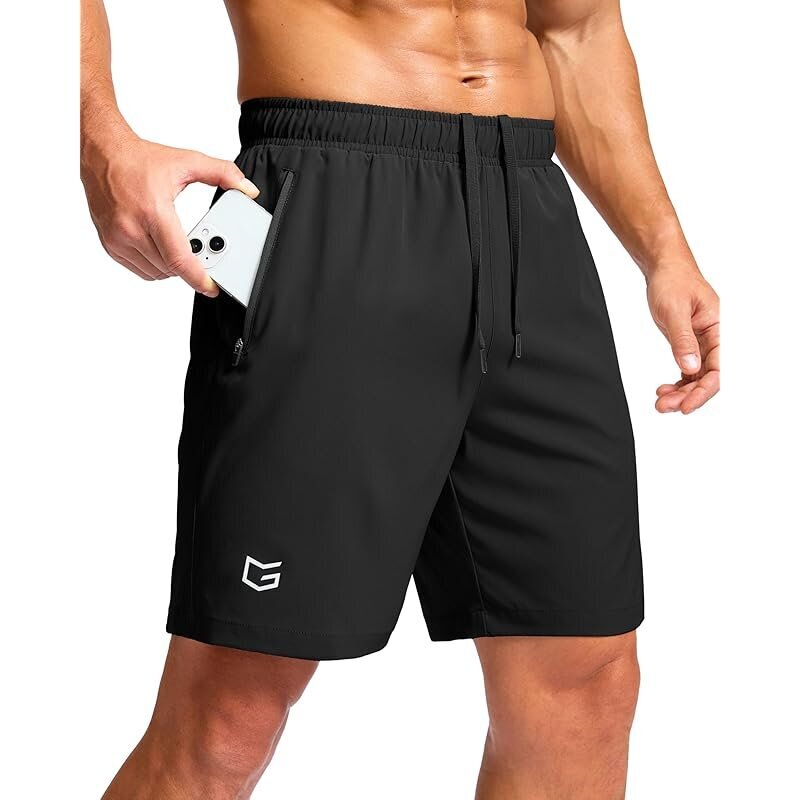
Men's Athletic Running Shorts with Zipper Pockets - Lightweight & Quick Dry
$12.74 $19.99
61% OFF
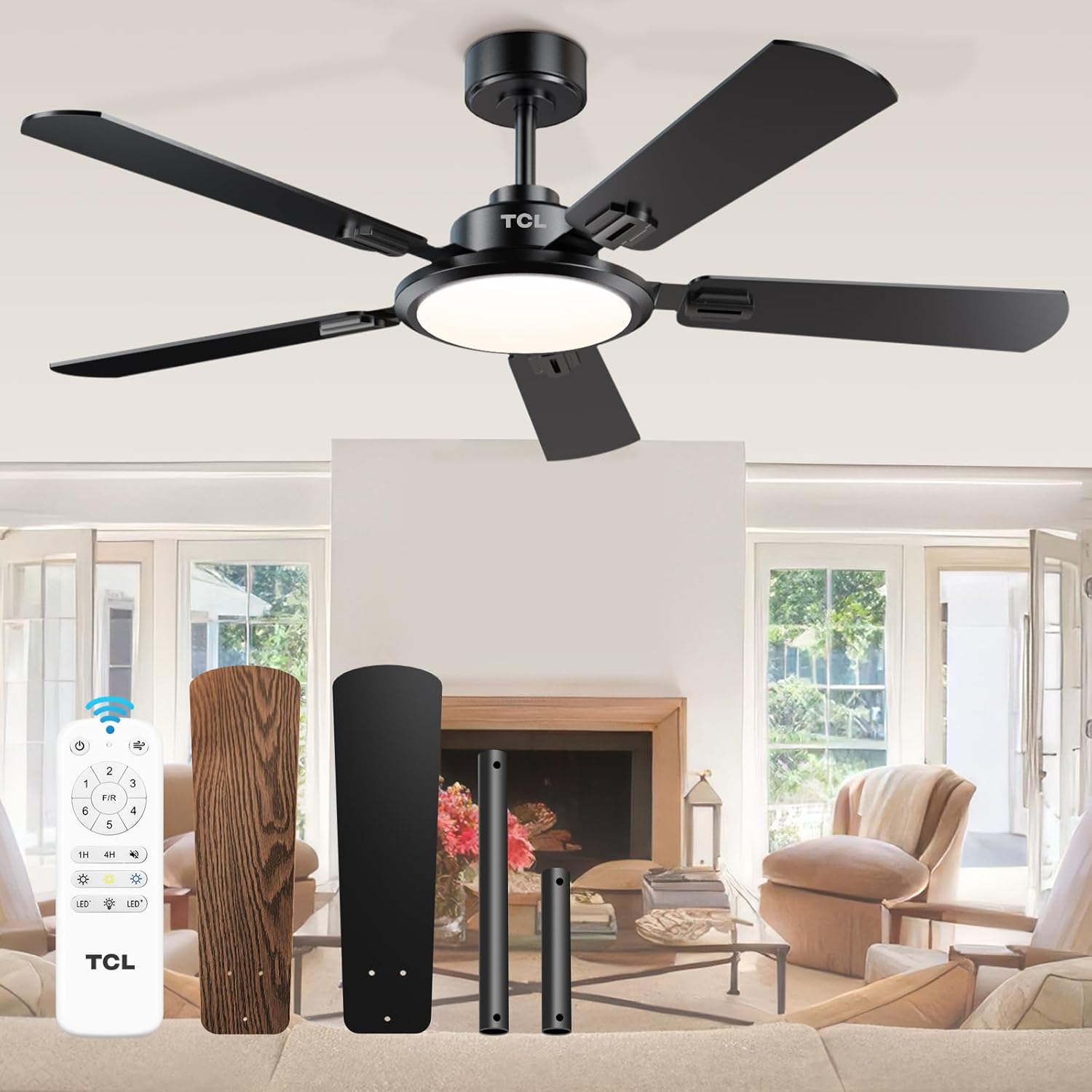
Modern Ceiling Fan with Light and Remote - Reversible Quiet DC Motor
$69.3 $179.99
50% OFF
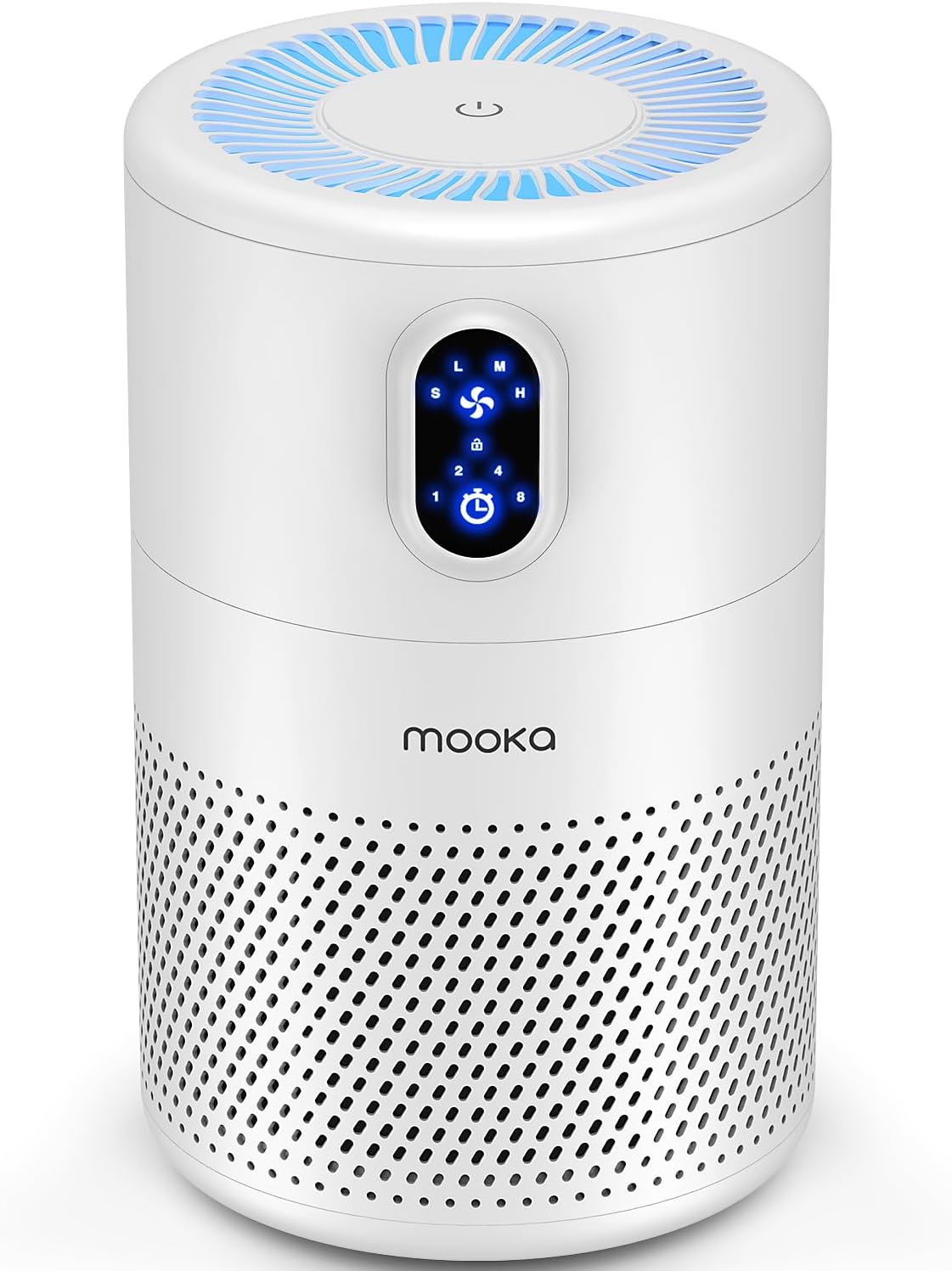
MOOKA H13 True HEPA Air Purifier for Home Large Room - 1076 sq ft Odor Eliminator
$39.97 $79.95
40% OFF
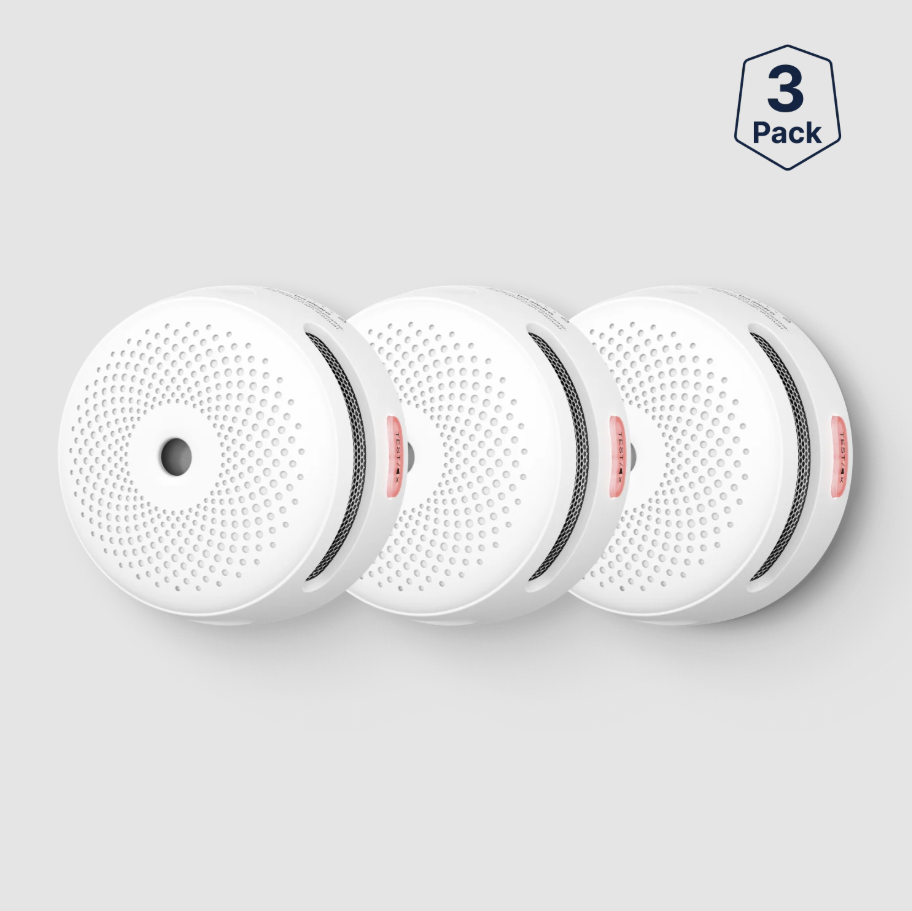
X-Sense XS01-WX Smart Smoke Alarm - 2.4 GHz Wi-Fi Photoelectric Fire Detector with Mobile App Alerts
$65.99 $109.99
11% OFF
VitaUp Beet Root Gummies with CoQ10 & Grape Seed - Nitric Oxide Circulation Support (60 Count)
$24.91 $27.91
Sealy 2-Pack Tritech 16" Twin Inflatable Air Mattress with Built-in AC Pump
$0 $113.99
20% OFF
INTEX Prism Frame 20ft x 52in Above Ground Pool Set - Round Steel Frame Swimming Pool
$695.99 $869.99

Gardner Pet 43" Heavy Duty Dog Crate with Wheels - Indestructible Folding Metal Cage (Black)
$0 $149.99




-

Diary of a CEO’s Steven Bartlett and John Lennox discuss AI, faith and the search for meaning
-

Belfast churches 'heartbroken' over unrest
-

Is there a two-tier Britain?
-

Churches must disciple well and listen well in response to rise of Christian nationalism
-

Welsh reverend speaks of culture of fear over LGBT issues
-

South Wales Police back down on imposing Islamic 'blasphemy law'
Most Popular
News

Anti-Christian hate crimes across Europe surge in May as arson attacks reach 2026 high
Anti-Christian incidents across Europe rose sharply in May, with new figures showing the highest monthly number of arson-related attacks recorded so far this year.

Gloucester churches come together to bless River Avon amid pollution concerns
It is part of a broader campaign against river pollution as concerns remain about the amount of untreated sewage in the Avon.

Life beyond burnout: how Christians can grow in the desert seasons
Christian Today speaks to author and Anglican priest Tish Harrison Warren about growth in desert seasons and why the Church shouldn’t treat all spiritual weariness as a problem to fix.

Iranian-born bishop stands in solidarity with Britain's Jews
2025 had the second highest number of antisemitic incidents on record.
MANSPOT Electric Pubic Hair Trimmer - Waterproof Body and Groin Shaver for Men and Women (Black)
$20.39
Lick-Safe Dog Paw and Nose Balm Stick - All-Natural Moisturizer with Coconut Oil for Dry, Cracked Pads and Snout
$11.69
Men's Quick Dry Moisture Wicking Polo Shirt - High Elasticity Slim Fit Athletic Top (Runs Small)
$6.99
Men's Running Shorts with Zipper Pockets - Lightweight, Quick-Dry, Multi-Sport
$12.95
NEWFAST NF-RE523 AC1200 WiFi Extender - 1200Mbps Dual Band Signal Booster & Internet Repeater
$18.5
G Gradual Men's 7-inch Workout Running Shorts - Lightweight, Quick-Dry, Comfort
$12.91
NOVETE Under Sink Water Filter - 3 Years, 30,000 Gallons, High-Efficiency Filtration
$41.99
HDPE All-Weather Adirondack Chair with Built-In Cup Holder - Tool-Free Assembly (Grey)
$69.99
HOMETUK Clear Plastic Storage Bins with Dividers - 3-Pack Stackable Acrylic Organizer Containers for Fridge and Pantry
$19.99
G Gradual Men's Fishing Shirt - UPF 50+ Lightweight Short Sleeve Button Down with Zipper Pockets
$14.99
Everyfun 60" Rectangular Platform Tree Swing - 700lbs Heavy Duty Adjustable Outdoor Swing (Colorful)
$49.99
Ekouaer Women's Casual Loose Jumpsuit - One-Piece Printed Sleeveless Wide Leg Romper with Pockets
$14.99
Men's Athletic Running Shorts with Zipper Pockets - Lightweight & Quick Dry
$12.74
Modern Ceiling Fan with Light and Remote - Reversible Quiet DC Motor
$69.3
MOOKA H13 True HEPA Air Purifier for Home Large Room - 1076 sq ft Odor Eliminator
$39.97
X-Sense XS01-WX Smart Smoke Alarm - 2.4 GHz Wi-Fi Photoelectric Fire Detector with Mobile App Alerts
$65.99
VitaUp Beet Root Gummies with CoQ10 & Grape Seed - Nitric Oxide Circulation Support (60 Count)
$24.91
Sealy 2-Pack Tritech 16" Twin Inflatable Air Mattress with Built-in AC Pump
$0
INTEX Prism Frame 20ft x 52in Above Ground Pool Set - Round Steel Frame Swimming Pool
$695.99
Gardner Pet 43" Heavy Duty Dog Crate with Wheels - Indestructible Folding Metal Cage (Black)
$0