
The General Secretary of the World Council of Churches (WCC), Rev Samuel Kobia has submitted a report to the organisation’s main governing body on migration.
He told that in a volatile global context the massive migration of people around the world has a deep impact on societies and churches and that this poses fundamental questions for ecumenical relationships and responsibility.
|TOP|Dr Samuel Kobia said in his opening address to the WCC's central committee, meeting in Geneva 30 August to 6 September 2006, that migration “is one of the main features of the changing global context, with decisive consequences for the ecumenical movement locally and globally.”
The United Nations has estimated that more than 175 million people are on the move worldwide, and the trend is growing as economic globalisation, civil conflicts and transport links transform traditional societies.
In the face of such complex change, churches in all places are called to live out the biblical ideal of hospitality towards the stranger and accepting change, Kobia said.
"In today’s world, welcoming strangers is a justice issue, and often a political statement," Kobia underlined. "Practising true hospitality involves recognising our own vulnerability and being open to transformation."
|AD|He said, “Standing with migrants is politically unpopular in most regions of the world. The risks are very real, yet so is our calling.”
In his report, Kobia also outlined proposals for a new ecumenical initiative in response to the Middle East conflicts, which he termed "the greatest of challenges" to the international community.
Kobia's proposal centres on the establishment of a new Palestine/Israel Ecumenical Forum to strengthen the coordination of strategy, resources and actions of churches and related organisations in the region. The Middle East is expected to be a central focus of the committee's discussions, tells a WCC press release.
Kobia referred to the recommendations made at the WCC's 9th Assembly early in 2006 for an "integrated and interactive approach" to the programmatic and relational work of the WCC.
He said the Council should give priority to the collaboration and coherence among the various ecumenical bodies in the coming years, with the aim of strengthening the "constructive collaboration" of church bodies.
During the session, new programme plans and policy priorities for the coming seven years will be endorsed by the committee.
The WCC central committee gathers 150 church representatives from all regions and church traditions, and has the oversight of the Council's policy and programmes.




-

Edinburgh University ends divinity programmes as theology faces a changing future
-

Why the Archbishop of Canterbury’s award controversy matters
-

More than one in four US Protestant churchgoers believe some biblical truths become outdated
-

Catholicism in France has 'collapsed'
-

Christian leaders issue ‘sober and urgent call’ for Western Church to prepare for disruption
-

Australia's anti-therapy laws harm the most vulnerable - Britain should not copy them
Most Popular
related articles
New UN Human Rights Council Met with Cautious Optimism from WCC
New UN Human Rights Council Met with Cautious Optimism from WCC
New World Ecumenical Central Committee Set for First Meeting
New World Ecumenical Central Committee Set for First Meeting
Ecumenical Delegation Return from Middle East to Convey Church Concerns
Ecumenical Delegation Return from Middle East to Convey Church Concerns
Interview: World Council of Churches Moderator on The Ecumenical Vision
Interview: World Council of Churches Moderator on The Ecumenical Vision
News

Active faith linked to happier marriages and lower divorce rates, study finds
People who regularly attend church are more likely to report happy marriages, according to a new report examining the relationship between faith and family life.
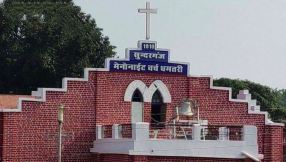
Indian churches fearing anti-conversion laws tell non-Christians: enter at your own risk
Churches in Dhamtari, a town in the central Indian state of Chhattisgarh, have put up notices warning non-Christians that they enter at their own risk, weeks after a law against religious conversion came into force in the state.

£1k bursaries to help churches develop youth and community mentoring programmes
Churches across the UK are being offered bursaries to help them establish mentoring programmes aimed at supporting young people and others in their communities.
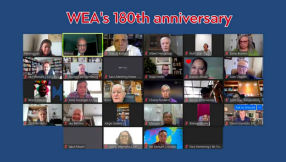
World Evangelical Alliance celebrates 180th anniversary
The World Evangelical Alliance (WEA) has held an online celebration to mark its 180th anniversary. Hundreds of people from more than 22 countries attended, and the event was rebroadcast to accommodate different time zones.








