Britain is preparing to announce the next Archbishop of Canterbury this Friday, and for the first time in history, the frontrunners include two women who could take on the role of spiritual leader for 85 million Anglicans worldwide.
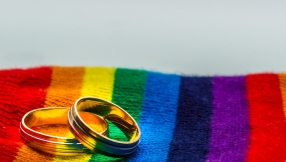
The decision will come almost a year after Justin Welby stepped down following a child abuse cover-up scandal that shook the Church of England. Whoever succeeds him as the 106th Archbishop will inherit a church wrestling with deep divisions - over same-sex blessings, women’s leadership, and its place in a rapidly changing society.
Among the leading candidates is Bishop Rachel Treweek, the first woman ever to be appointed as a diocesan bishop in the Church of England. Known for her pastoral warmth and her determination to modernise church culture, Treweek has been a vocal advocate for inclusion and openness. Her rise marked a turning point in the Church’s history, a decade after women were first consecrated as bishops.
Supporters see her as someone who could embody the future of Anglicanism - a church willing to embrace change while holding to its ancient traditions. Critics, particularly among conservative Anglicans overseas, argue that appointing a woman archbishop would deepen the fault lines already visible in the Communion.
Equally compelling is the candidacy of Bishop Guli Francis-Dehqani. Born in Iran, she fled with her family as a child after the 1979 Islamic Revolution, eventually building her life and ministry in Britain. Her personal story of displacement and resilience gives her a unique perspective on faith in an increasingly diverse and fractured world.
As one of the Church’s few senior leaders from a minority ethnic background, she has consistently spoken about justice, reconciliation, and the need for the Church to reflect the communities it serves. Her appointment would send a powerful message about belonging and inclusivity, not just to Anglicans but to the wider global audience watching closely.
The choice between Treweek and Francis-Dehqani comes at a moment when global Christianity is itself under pressure. The Anglican Communion spans continents, with liberal congregations in the West and conservative ones in Africa and Asia - regions where homosexuality remains illegal and female leadership is often rejected outright.
The selection process has been unusually long, involving a commission led by former MI5 chief Jonathan Evans, who sought to broaden the pool of candidates beyond the “white, Oxbridge, male” stereotype that has defined much of the Church’s leadership.
The final recommendation will go from the commission to Prime Minister Rishi Sunak, and then to King Charles III, who, as Supreme Governor of the Church of England, must give formal consent.
The Archbishop of Canterbury is more than just the head of the Church of England. The role carries global significance, setting the tone for Anglicanism in every corner of the world.
Choosing a woman for the post would not just make history in Britain; it would reverberate across religious institutions everywhere, challenging assumptions about who can lead in faith.