
The situation for trapped civilians in Sri Lanka is "becoming graver by the day"’, says Christian Aid.
An estimated 190,000 civilians remain trapped in the fighting, as food, medicine and fresh water supplies run dangerously low for those trying to flee to safety.
And the charity says the world must now sit up and take notice.
"More than at any stage in the war it is the ordinary women, men and children who are bearing the brunt of the suffering," says Robin Greenwood, head of Christian Aid Asia and Middle East division.
Over 3,000 civilians are thought to have escaped severe fighting in the north over past few days. In the past two weeks, more than 7,000 Tamil civilians have crossed into government controlled areas, according to official statistics, bringing to nearly 50,000 the number being housed at government transit camps in the northern districts of Mannar, Jaffna and Vavuniya since December.
Christian Aid partners are responding by delivering food and emergency supplies to internally displaced people (IDPs) in the area, but official access for aid workers remains severely limited.
Robin Greenwood continued: "We remain deeply concerned for the IDPs arriving in and being hosted in transit camps."
He said: "Current government plans do not guarantee their protection and assistance. Providing effective relief and ensuring protection for the huge influx of IDPs will be critical over the coming months if a humanitarian crisis is to be avoided.
"Both the Government of Sri Lanka and LTTE must now fulfil their duty to protect civilians and permit unfettered and immediate humanitarian access for aid workers. And it must be done now."
On 21 March alone, more than 1,100 civilians, many of them children, fled the Putukkudiyiruppa area despite heavy artillery and mortar fire. On 22 March, another 890 escaped fighting overland in the same area, according to the Sri Lankan defence ministry.
Recent but as yet unconfirmed UN figures suggest that the number of people killed every day has doubled in the past five weeks. The UN puts the number of civilian casualties between January 20 and March 7 as 9,924 – 2,683 deaths and 7,241 injuries. The figures have been disputed by the Sri Lankan government.
Christian Aid say there is a danger the lack of credible information coming out of Sri Lanka, due to limited access for journalists and aid workers, will create international public apathy for the plight of the Sri Lanka’s trapped civilians.
In line with the Geneva Conventions, Christian aid say there is urgent need for a temporary no fire period to permit safe evacuation of civilians and non-combatants, and delivery of humanitarian aid. It also says that all civilians must be granted freedom of movement.
The charity is also concerned by reports that civilians have been fired upon as they tried to escape.
Greenwood continued: "The Sri Lankan authorities and the international community must next work together to enable people affected by the conflict to enjoy a safe and decent way of life, and to resolve the underlying causes conflict."
Christian Aid also says there must be action from the international community to put pressure on the Government of Sri Lanka and LTTE to stop targeting civilians, to open a humanitarian corridor, monitored by the United Nations (UN) and International Committee of the Red Cross (ICRC) to facilitate the safe evacuation of civilians, and to give unhindered access to transport and supply urgently needed medical and relief supplies.
49% OFF
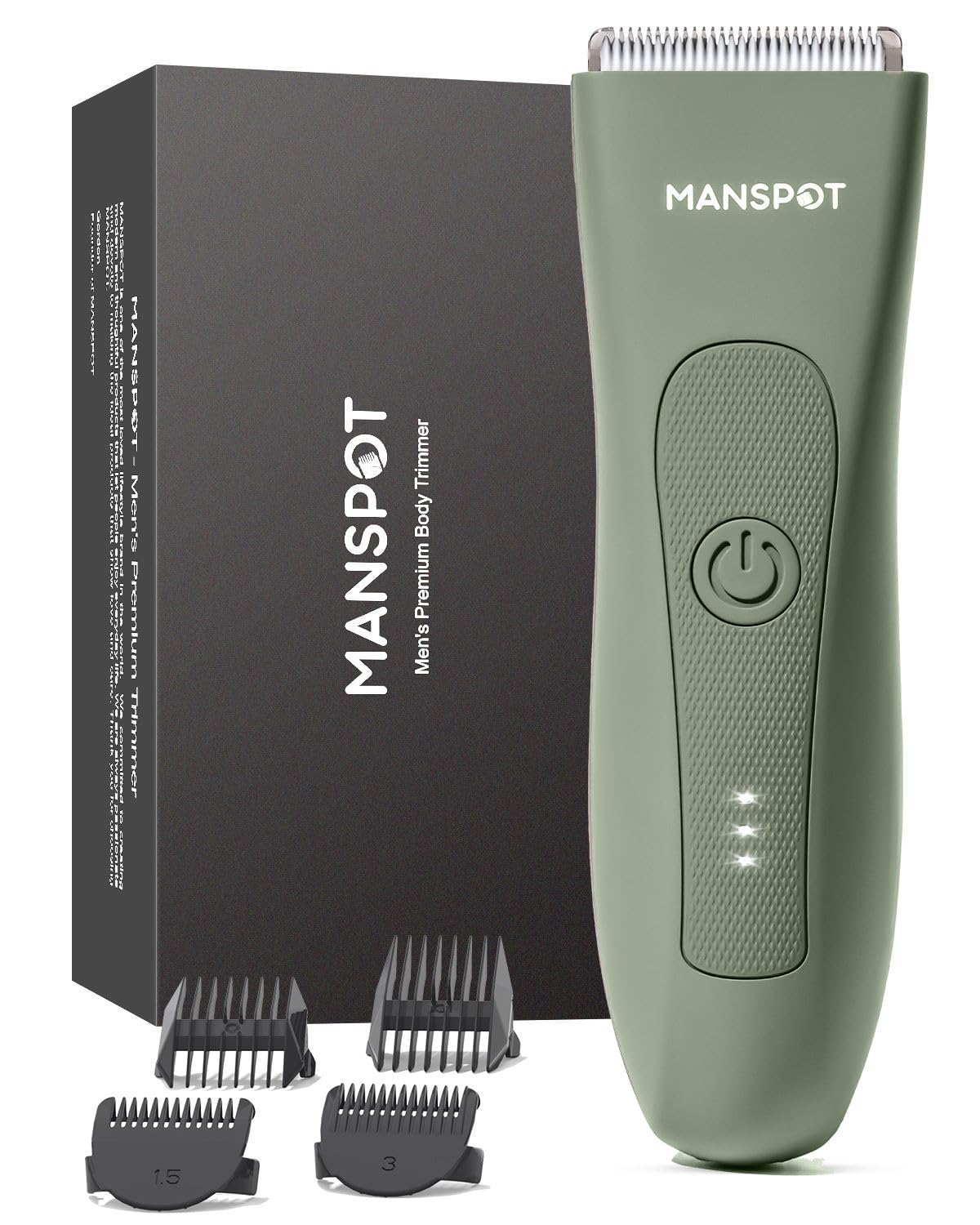
MANSPOT Electric Pubic Hair Trimmer - Waterproof Body and Groin Shaver for Men and Women (Black)
$20.39 $40
25% OFF
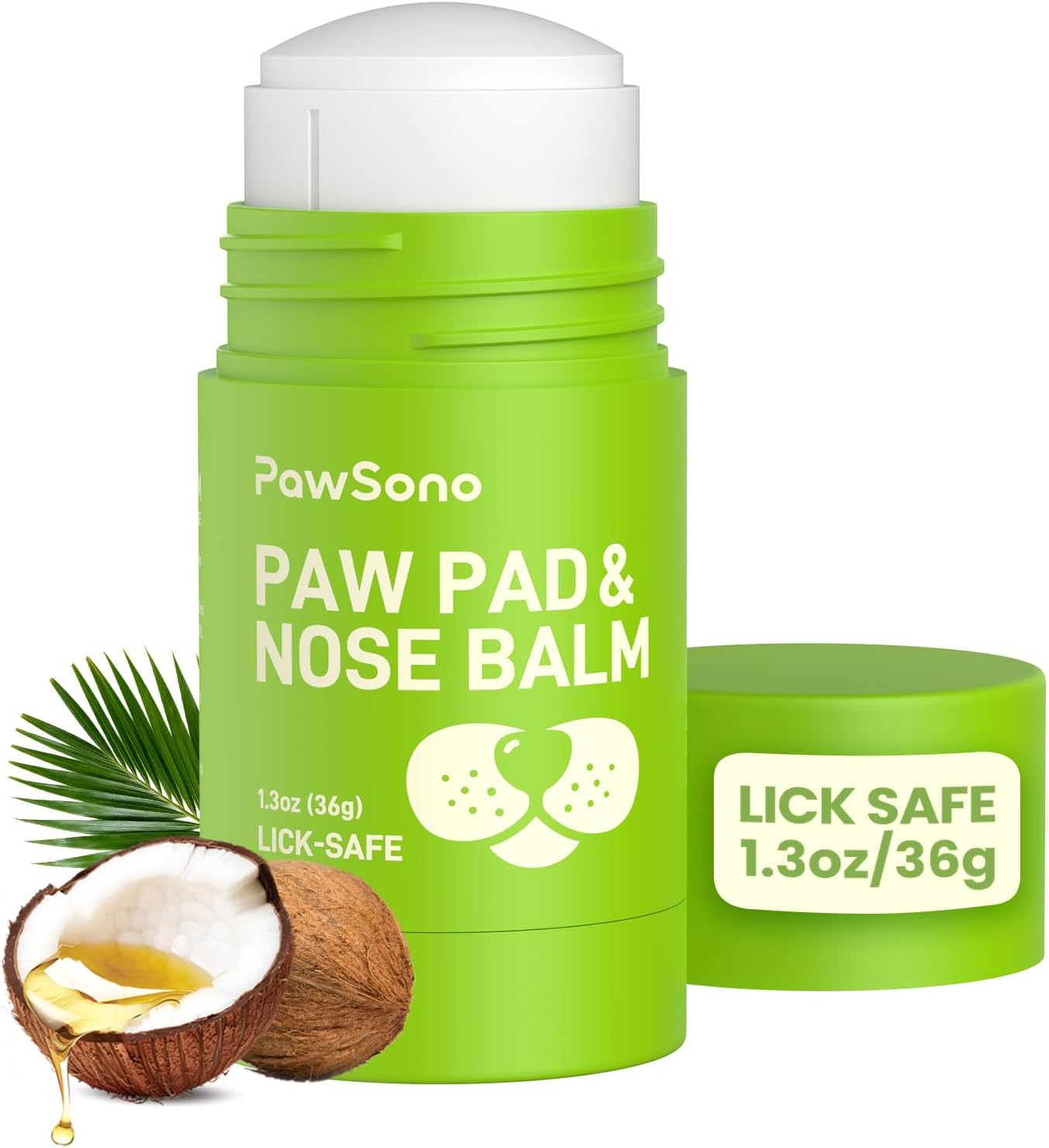
Lick-Safe Dog Paw and Nose Balm Stick - All-Natural Moisturizer with Coconut Oil for Dry, Cracked Pads and Snout
$11.69 $15.59
77% OFF
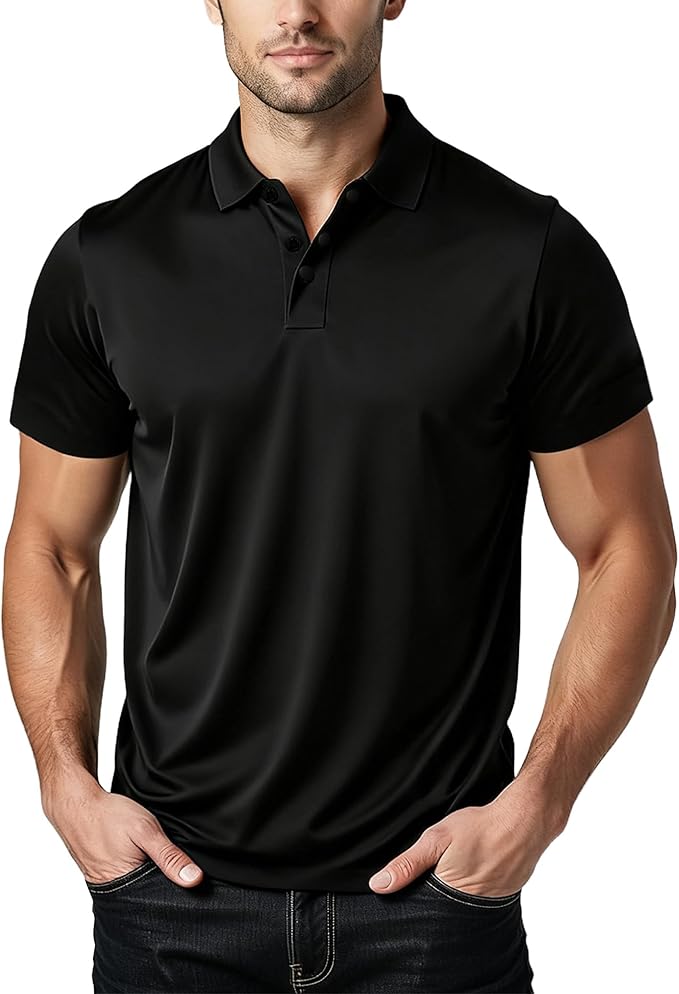
Men's Quick Dry Moisture Wicking Polo Shirt - High Elasticity Slim Fit Athletic Top (Runs Small)
$6.99 $29.99
46% OFF
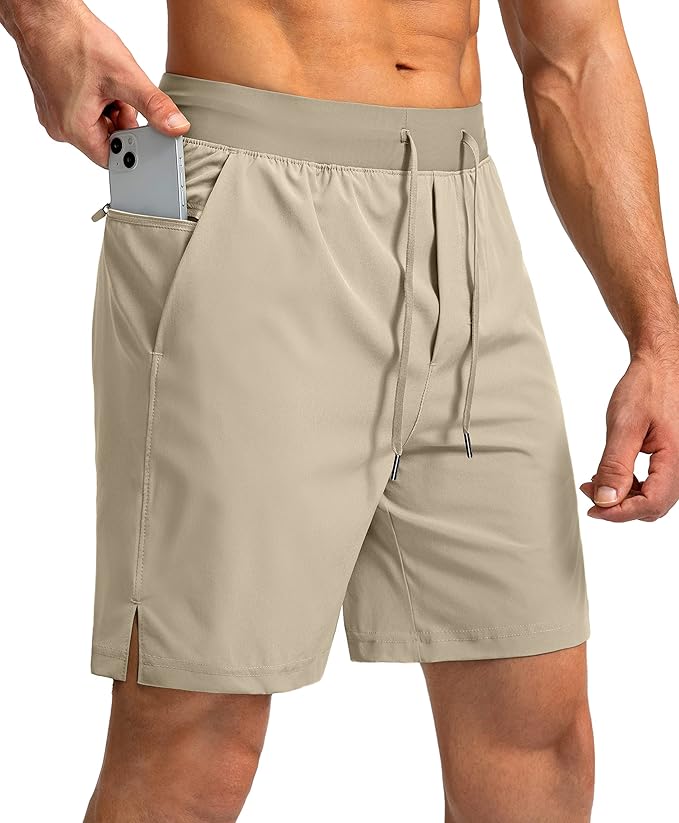
Men's Running Shorts with Zipper Pockets - Lightweight, Quick-Dry, Multi-Sport
$12.95 $23.99
50% OFF

NEWFAST NF-RE523 AC1200 WiFi Extender - 1200Mbps Dual Band Signal Booster & Internet Repeater
$18.5 $36.99
48% OFF
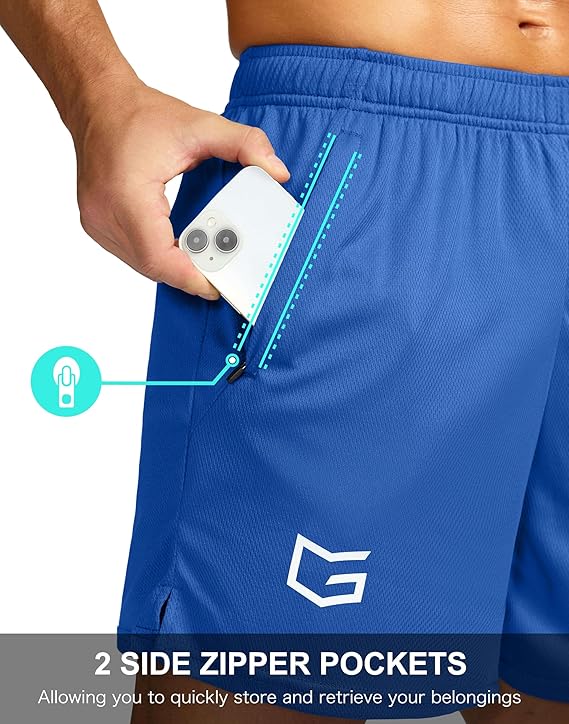
G Gradual Men's 7-inch Workout Running Shorts - Lightweight, Quick-Dry, Comfort
$12.91 $24.99
30% OFF
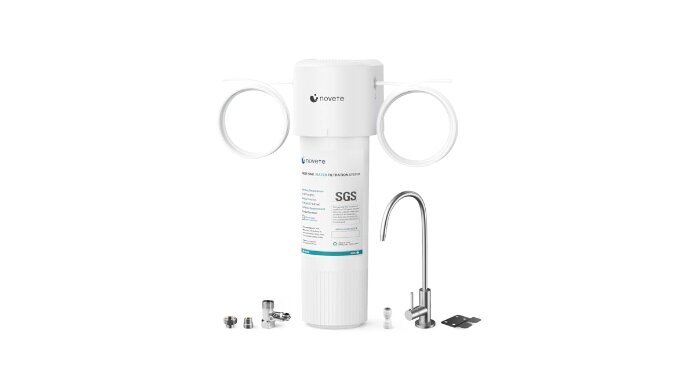
NOVETE Under Sink Water Filter - 3 Years, 30,000 Gallons, High-Efficiency Filtration
$41.99 $59.99
50% OFF

HDPE All-Weather Adirondack Chair with Built-In Cup Holder - Tool-Free Assembly (Grey)
$69.99 $139.99
60% OFF

HOMETUK Clear Plastic Storage Bins with Dividers - 3-Pack Stackable Acrylic Organizer Containers for Fridge and Pantry
$19.99 $49.99
58% OFF

G Gradual Men's Fishing Shirt - UPF 50+ Lightweight Short Sleeve Button Down with Zipper Pockets
$14.99 $35.99
55% OFF

Everyfun 60" Rectangular Platform Tree Swing - 700lbs Heavy Duty Adjustable Outdoor Swing (Colorful)
$49.99 $110.99
61% OFF

Ekouaer Women's Casual Loose Jumpsuit - One-Piece Printed Sleeveless Wide Leg Romper with Pockets
$14.99 $37.99
36% OFF

Men's Athletic Running Shorts with Zipper Pockets - Lightweight & Quick Dry
$12.74 $19.99
61% OFF

Modern Ceiling Fan with Light and Remote - Reversible Quiet DC Motor
$69.3 $179.99
50% OFF

MOOKA H13 True HEPA Air Purifier for Home Large Room - 1076 sq ft Odor Eliminator
$39.97 $79.95
40% OFF
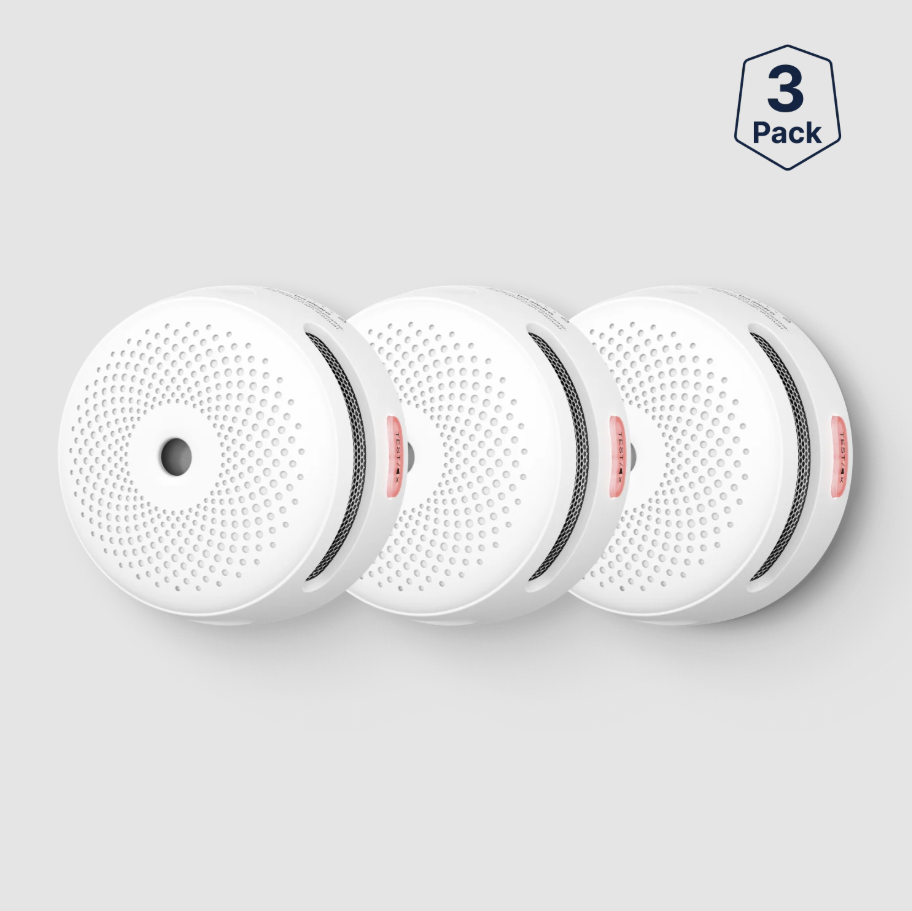
X-Sense XS01-WX Smart Smoke Alarm - 2.4 GHz Wi-Fi Photoelectric Fire Detector with Mobile App Alerts
$65.99 $109.99
11% OFF

VitaUp Beet Root Gummies with CoQ10 & Grape Seed - Nitric Oxide Circulation Support (60 Count)
$24.91 $27.91

Sealy 2-Pack Tritech 16" Twin Inflatable Air Mattress with Built-in AC Pump
$0 $113.99
20% OFF

INTEX Prism Frame 20ft x 52in Above Ground Pool Set - Round Steel Frame Swimming Pool
$695.99 $869.99

Gardner Pet 43" Heavy Duty Dog Crate with Wheels - Indestructible Folding Metal Cage (Black)
$0 $149.99




-

Diary of a CEO’s Steven Bartlett and John Lennox discuss AI, faith and the search for meaning
-

Anti-Christian hate crimes across Europe surge in May as arson attacks reach 2026 high
-

Belfast churches 'heartbroken' over unrest
-

Is there a two-tier Britain?
-

Churches must disciple well and listen well in response to rise of Christian nationalism
-

Welsh reverend speaks of culture of fear over LGBT issues
Most Popular
News

Anti-Christian hate crimes across Europe surge in May as arson attacks reach 2026 high
Anti-Christian incidents across Europe rose sharply in May, with new figures showing the highest monthly number of arson-related attacks recorded so far this year.

Gloucester churches come together to bless River Avon amid pollution concerns
It is part of a broader campaign against river pollution as concerns remain about the amount of untreated sewage in the Avon.

Life beyond burnout: how Christians can grow in the desert seasons
Christian Today speaks to author and Anglican priest Tish Harrison Warren about growth in desert seasons and why the Church shouldn’t treat all spiritual weariness as a problem to fix.

Iranian-born bishop stands in solidarity with Britain's Jews
2025 had the second highest number of antisemitic incidents on record.
MANSPOT Electric Pubic Hair Trimmer - Waterproof Body and Groin Shaver for Men and Women (Black)
$20.39
Lick-Safe Dog Paw and Nose Balm Stick - All-Natural Moisturizer with Coconut Oil for Dry, Cracked Pads and Snout
$11.69
Men's Quick Dry Moisture Wicking Polo Shirt - High Elasticity Slim Fit Athletic Top (Runs Small)
$6.99
Men's Running Shorts with Zipper Pockets - Lightweight, Quick-Dry, Multi-Sport
$12.95
NEWFAST NF-RE523 AC1200 WiFi Extender - 1200Mbps Dual Band Signal Booster & Internet Repeater
$18.5
G Gradual Men's 7-inch Workout Running Shorts - Lightweight, Quick-Dry, Comfort
$12.91
NOVETE Under Sink Water Filter - 3 Years, 30,000 Gallons, High-Efficiency Filtration
$41.99
HDPE All-Weather Adirondack Chair with Built-In Cup Holder - Tool-Free Assembly (Grey)
$69.99
HOMETUK Clear Plastic Storage Bins with Dividers - 3-Pack Stackable Acrylic Organizer Containers for Fridge and Pantry
$19.99
G Gradual Men's Fishing Shirt - UPF 50+ Lightweight Short Sleeve Button Down with Zipper Pockets
$14.99
Everyfun 60" Rectangular Platform Tree Swing - 700lbs Heavy Duty Adjustable Outdoor Swing (Colorful)
$49.99
Ekouaer Women's Casual Loose Jumpsuit - One-Piece Printed Sleeveless Wide Leg Romper with Pockets
$14.99
Men's Athletic Running Shorts with Zipper Pockets - Lightweight & Quick Dry
$12.74
Modern Ceiling Fan with Light and Remote - Reversible Quiet DC Motor
$69.3
MOOKA H13 True HEPA Air Purifier for Home Large Room - 1076 sq ft Odor Eliminator
$39.97
X-Sense XS01-WX Smart Smoke Alarm - 2.4 GHz Wi-Fi Photoelectric Fire Detector with Mobile App Alerts
$65.99
VitaUp Beet Root Gummies with CoQ10 & Grape Seed - Nitric Oxide Circulation Support (60 Count)
$24.91
Sealy 2-Pack Tritech 16" Twin Inflatable Air Mattress with Built-in AC Pump
$0
INTEX Prism Frame 20ft x 52in Above Ground Pool Set - Round Steel Frame Swimming Pool
$695.99
Gardner Pet 43" Heavy Duty Dog Crate with Wheels - Indestructible Folding Metal Cage (Black)
$0