
Pope Benedict XVI has called on Angolans to continue spreading the Catholic faith and to save their countrymen from traditional witchcraft along with its “fear of spirits, of malign and threatening powers”.
The Pope was speaking at a private mass for Angolan clergy and laypeople in a Sao Paulo church. During the mass he praised the efforts of church workers, but encouraged more evangelism, saying that the work of saving souls was as important now as when Catholics first came to Africa 500 years ago.
"Today it is up to you, brothers and sisters, following in the footsteps of those heroic and holy heralds of God, to offer the risen Christ to your fellow citizens," he said, according to AFP.
"So many of them [your countrymen] are living in fear of spirits, of malign and threatening powers. In their bewilderment they end up even condemning street children and the elderly as alleged sorcerers," he said.
Angola has seen an increase in its traditional religions in recent times, despite the fact that some groups and sects have been associated with child abuse and even human sacrifice.
The Pope spoke out against the idea that attempted conversion was an insult to non-Christians. "We do no injustice to anyone if we present Christ to them and thus grant them the opportunity of finding their truest and most authentic selves, the joy of finding life."
Upon his arrival in Angola last Friday, the Pope called upon African leaders to allow greater freedom of the press and to also do more to stamp out poverty and corruption.
Angola has been ruled by President Jose Eduardo dos Santos for 30 years and is considered to be one of the most corrupt governments worldwide. Around two thirds of Angolans are currently living on less than two dollars per day, even though the country has significant oil wealth.
Pope Benedict said, "The multitude of Angolans who live below the threshold of absolute poverty must not be forgotten. Do not disappoint their expectations."
Africans, he said, needed to show "a determination born from the conversion of hearts to excise corruption once and for all".
"Armed with integrity, magnanimity and compassion, you can transform this continent, freeing your people from the scourges of greed, violence and unrest," he said.
Before arriving in Angola, the Pope visited Cameroon on his first trip to Africa since becoming head of the Roman Catholic Church. During his Africa tour the Pope spoke out against abortion and violations of human rights.
The Pope stirred controversy ahead of his visit when he said that contraception could make the spread of Aids more pronounced. His comments have angered many Aids activists, while fellow churchmen and some academics have supported his call for faithfulness in marriage as opposed to contraception as an effective way of preventing the disease.




-

More than one in four US Protestant churchgoers believe some biblical truths become outdated
-

Wycliffe celebrates ‘remarkable moment’ as Bible translation advances at rapid pace
-

Could the Church face a ‘silver uprising’?
-

Christian leaders issue ‘sober and urgent call’ for Western Church to prepare for disruption
-

Church in Wales pauses plans to allow gay marriage
-
Christian social worker returns to Court of Appeal in dispute over withdrawn job offer
Most Popular
News

Majority back Ireland’s three-day abortion waiting period, poll finds
A new poll has found majority support for retaining Ireland’s mandatory three-day waiting period before an abortion, as lawmakers continue to consider legislation that would remove the requirement.
ONS figures show 'good' outlook for married couples
The Coalition for Marriage (CFM) has welcomed new figures suggesting that married couples are increasingly staying together.
Christians condemn sexual violence following UN report on Russia-Ukraine conflict
Most cases of sexual violence documented were against male prisoners of war.
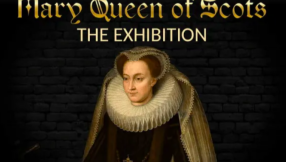
Peterborough Cathedral opens exhibition on Mary, Queen of Scots
Peterborough has opened a new exhibition on Mary, Queen of Scots, that will remain in place until 15 November.








